Home Power Storage is a key solution in the industry, specifically within energy management and sustainable infrastructure. This article explores how https://www.tsun-ess.com supports professionals with durable, high-performance products, and explains why this product is an ideal choice for businesses in these sectors.
Table of Contents
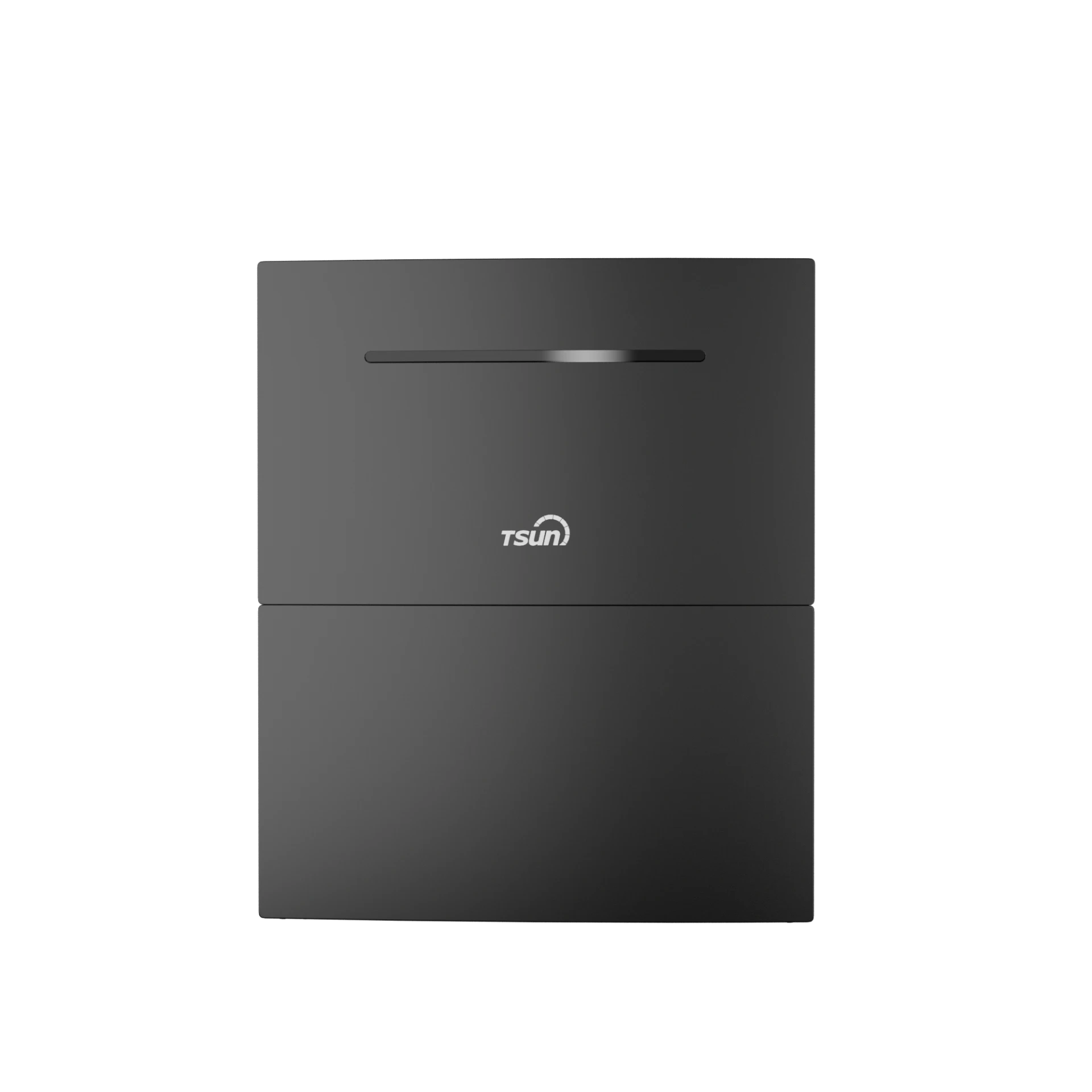
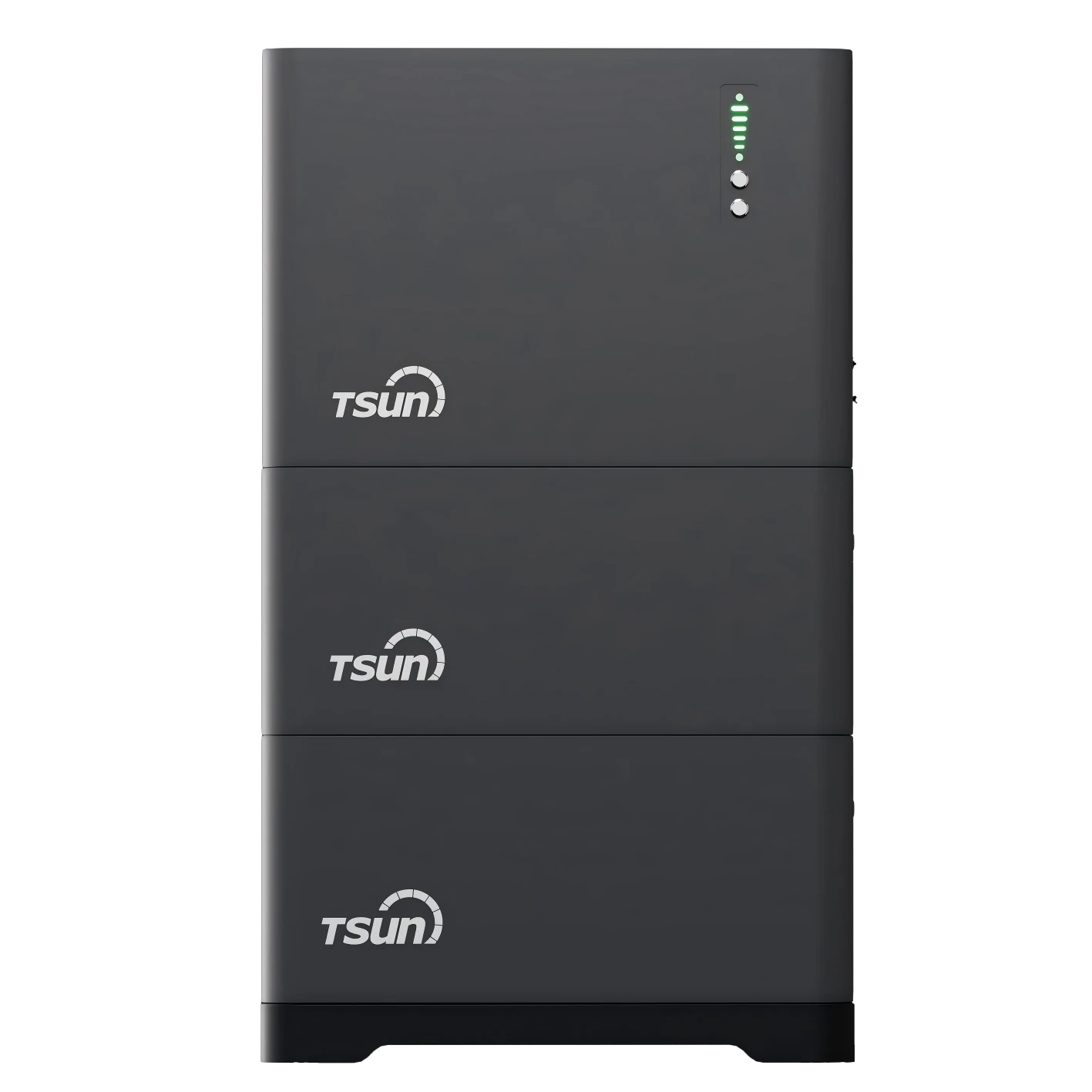
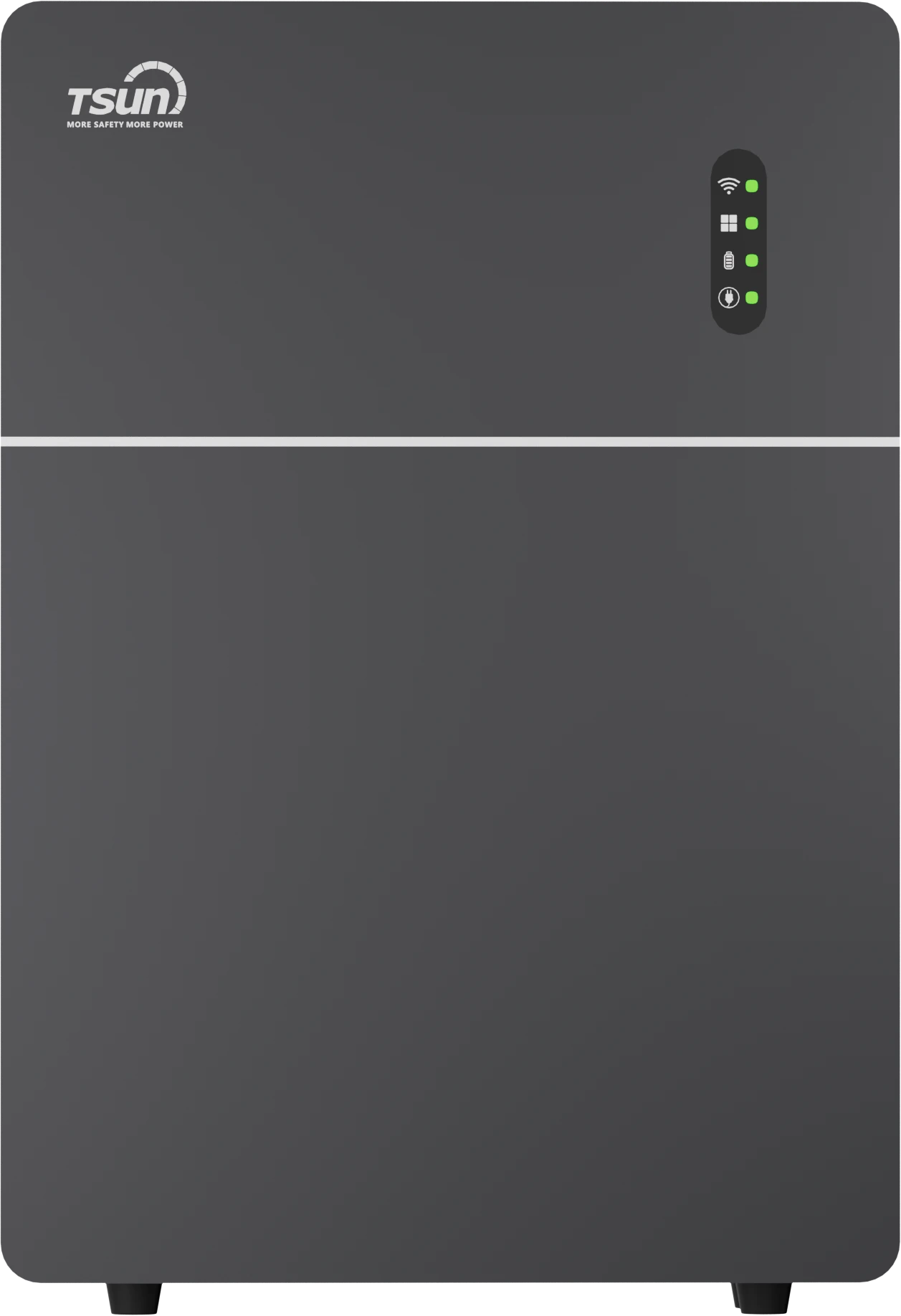
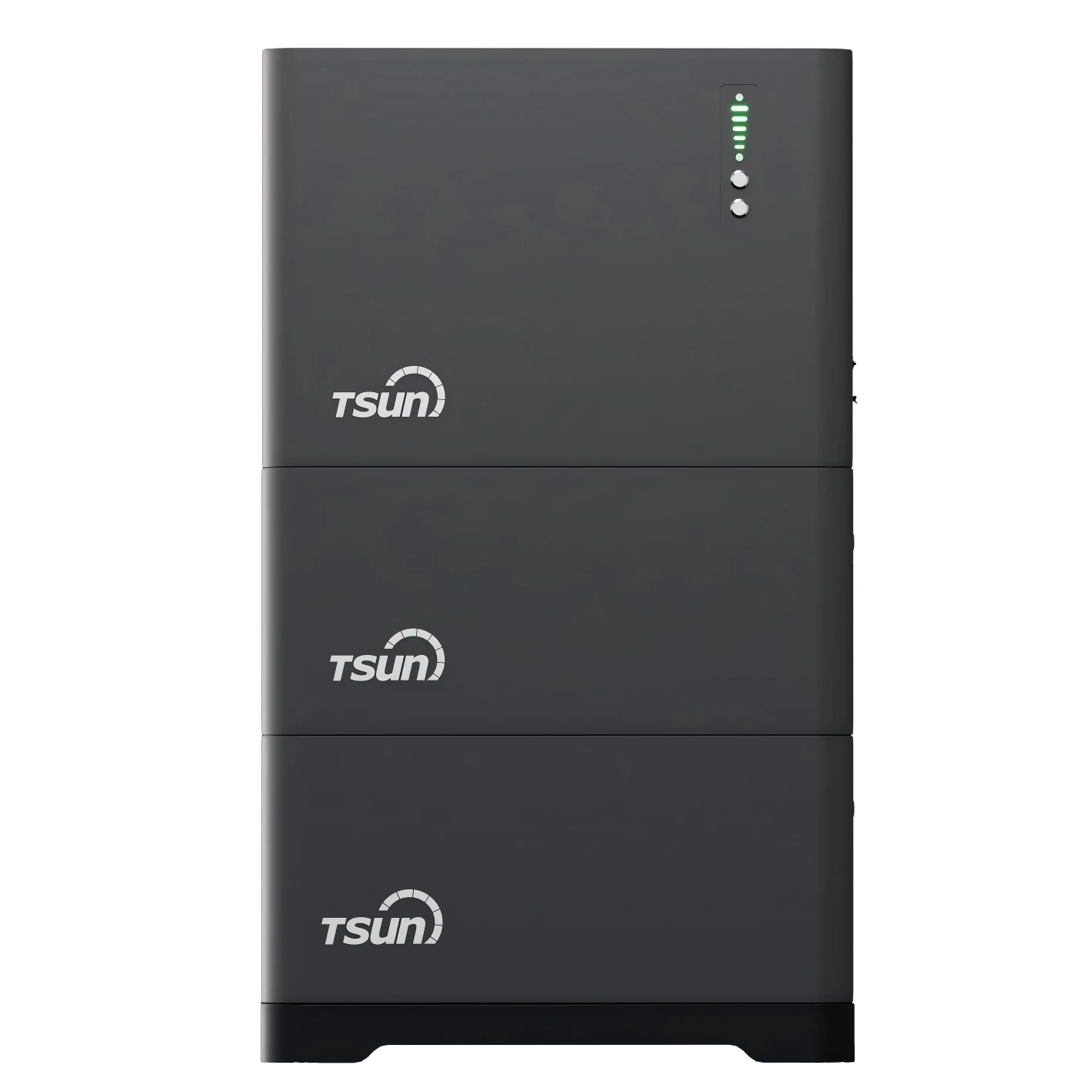
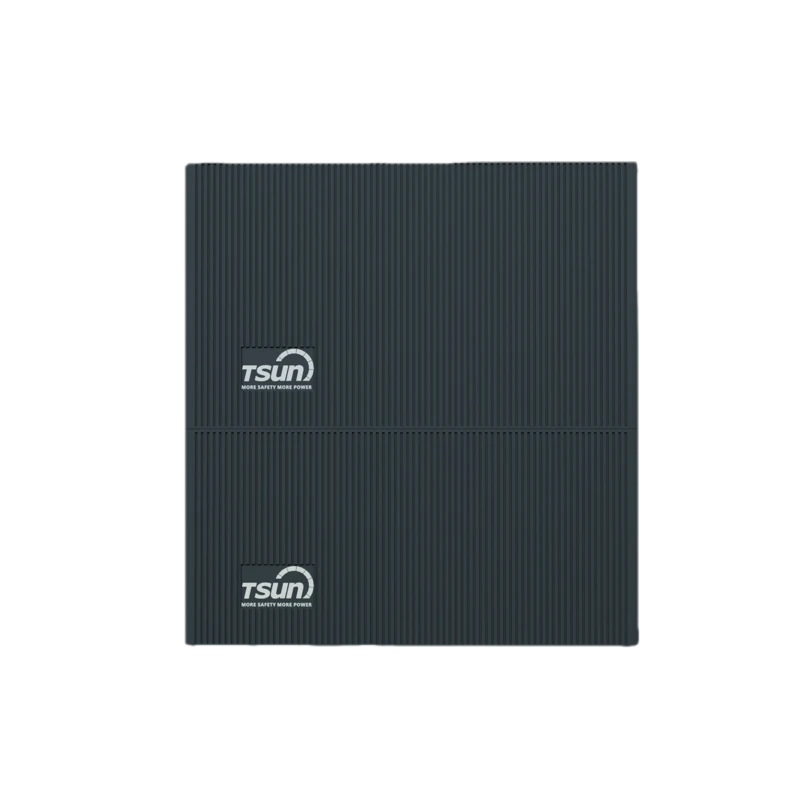
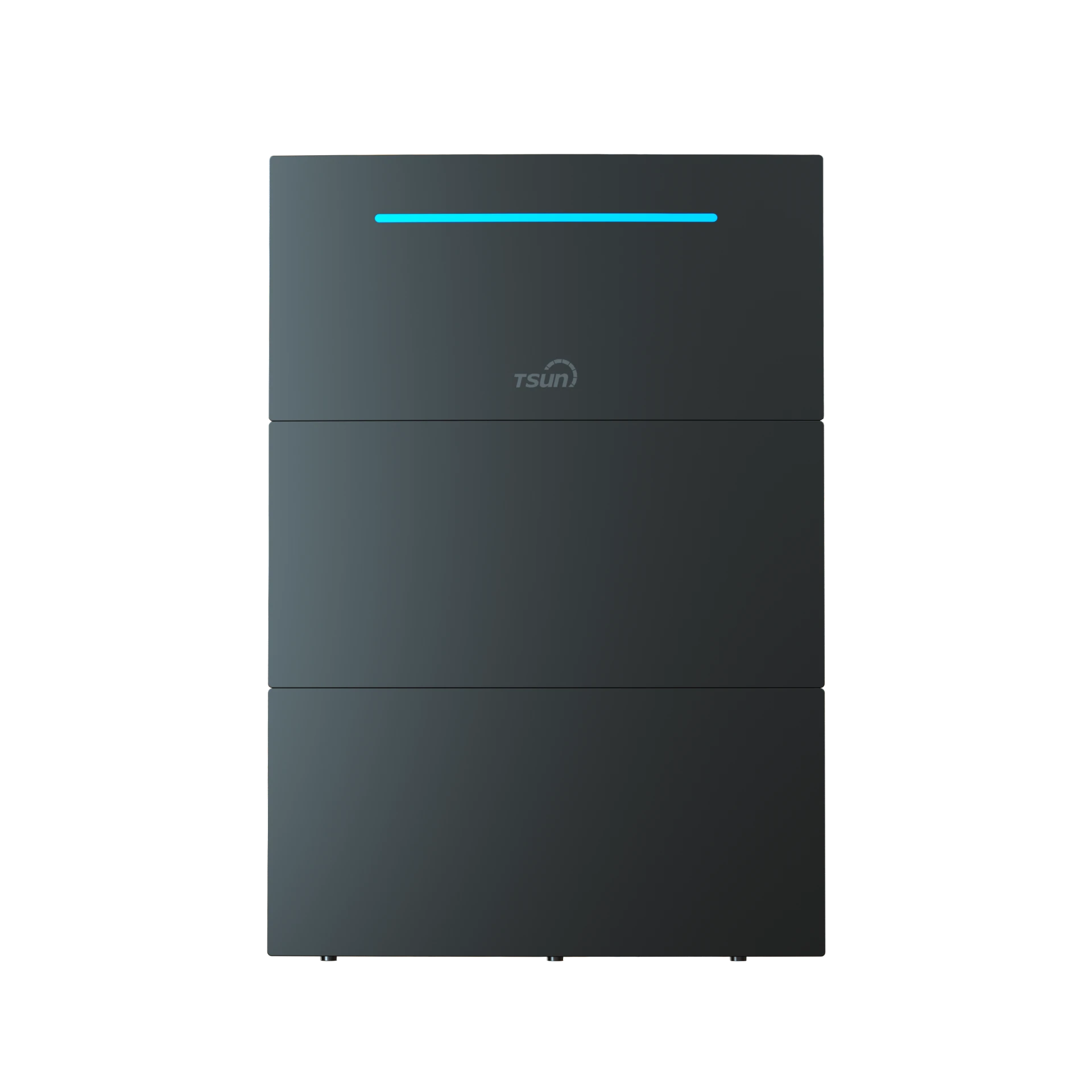
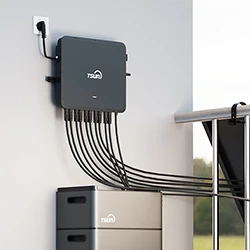
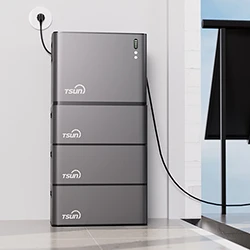
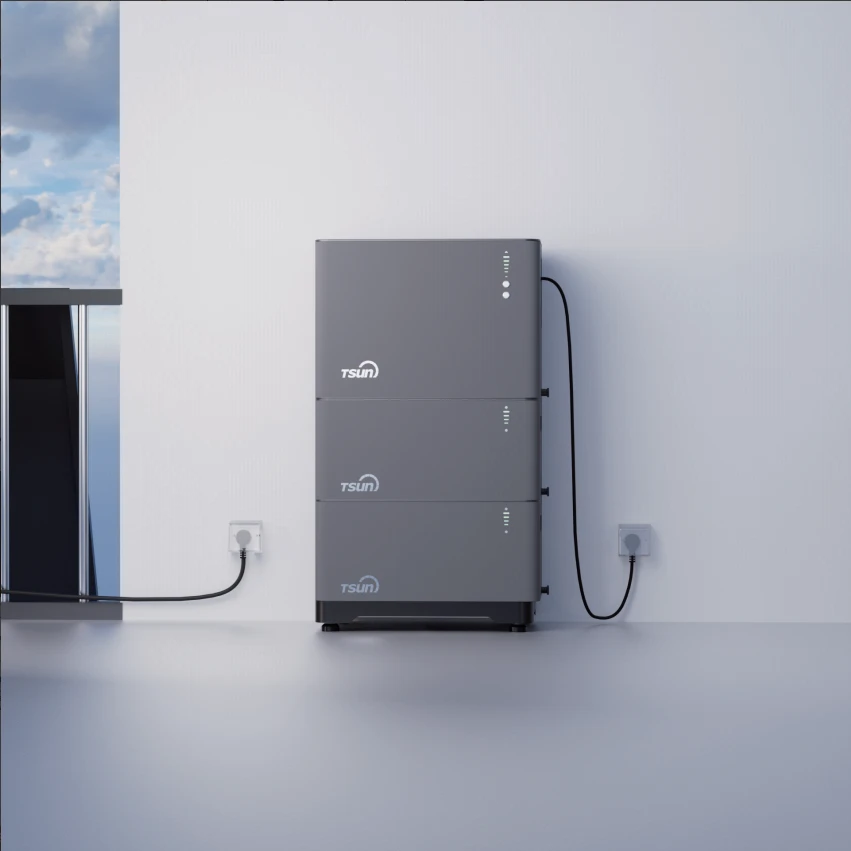
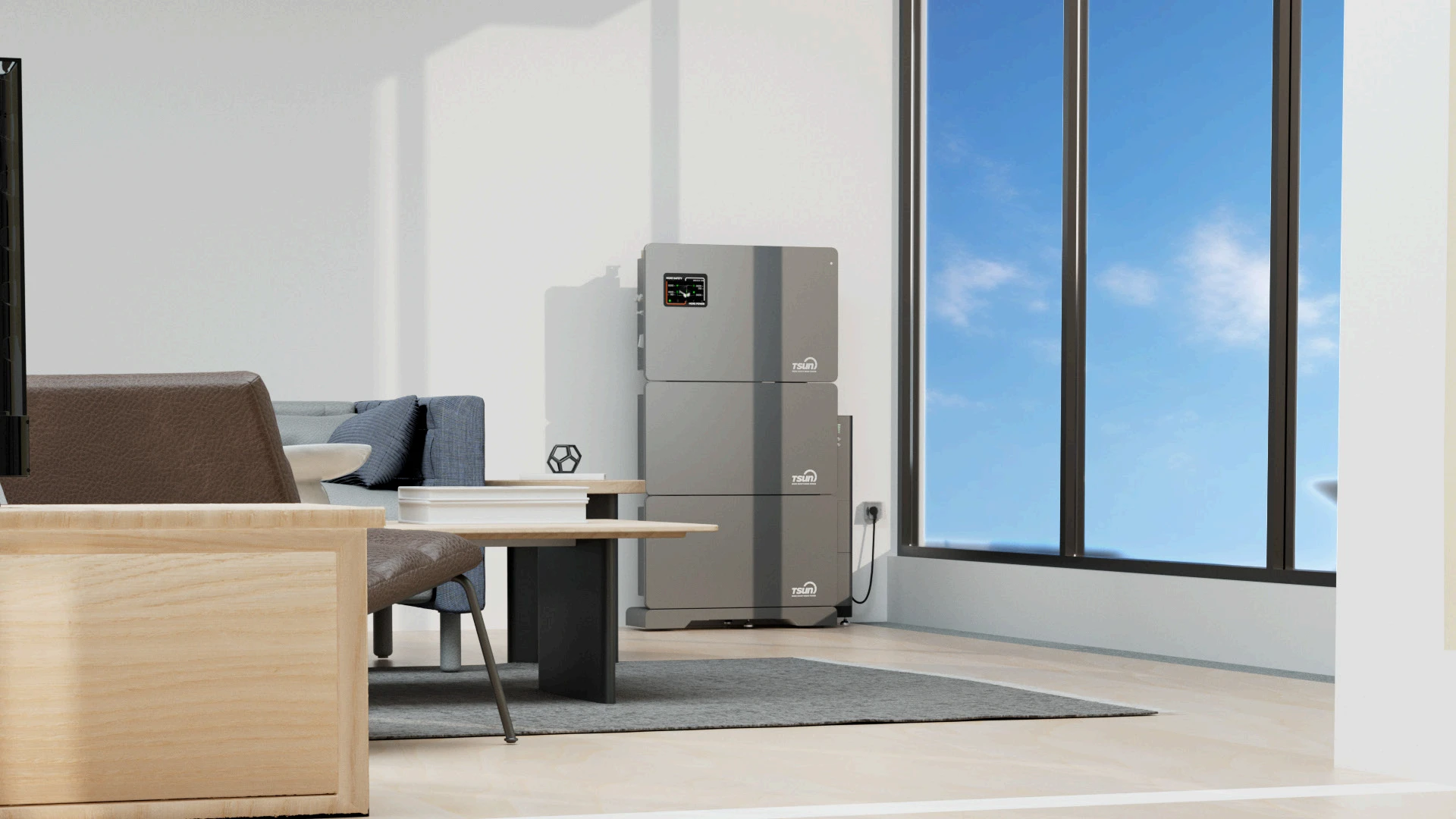
Starting off with the basics, Home Power Storage refers to systems designed to store electrical energy for residential or small commercial use. This technology plays a crucial role in balancing the grid, enabling energy independence and integrating renewable power sources like solar panels. Typically, these storage solutions use lithium-ion batteries known for their efficiency and longevity. What’s interesting is how the systems from Tsun ESS boast modular designs, letting businesses tailor capacity easily — that usually means scaling up in the future isn’t a headache.
- Definition: Battery-based energy storage systems for homes and small enterprises.
- Technical background: Modular lithium-ion battery modules; system voltages typically range up to 48–60 V DC; power outputs vary widely based on configuration.
- Case study insight: Tsun ESS products have been deployed in Asia-Pacific, serving residential clusters with peak shaving and load management.
| Specification |
Tsun ESS Home Storage |
| Battery Type |
Lithium Iron Phosphate (LiFePO4) |
| Capacity Range |
5 kWh – 20 kWh |
| Cycle Life |
> 6,000 cycles at 80% Depth of Discharge |
| Operating Temperature |
-10°C to 55°C |
| Installation |
Indoor/outdoor, wall-mounted or floor-standing |
| Communication |
CAN, RS485, Wi-Fi enabled |
When it comes to practical advantages, home power storage systems aren’t just “nice to have” but are increasingly necessary in an industrial context. Many companies implementing renewable energy need a reliable buffer to maximize self-consumption and reduce peak power charges. Tsun ESS units shine here with their robust safety features, quick response times, and scalable nature. For instance, in high-demand manufacturing areas, they help smooth out electricity spikes that otherwise might lead to costly downtime.
- Applications: Peak shaving, demand response, emergency backup power, and integration with solar PV systems.
- Competitive advantages: Modular scalability, long battery life, comprehensive communication protocols for easy integration in smart grid setups.
- Real-world use: Industrial parks in Southeast Asia have reportedly cut peak energy bills by up to 30% using these systems.
Cost, Maintenance & User Experience
One thing many decision-makers focus on is total cost of ownership—and frankly, this is where some storage solutions overpromise but underdeliver. Tsun ESS’s commitment to high-quality Lithium Iron Phosphate tech means a longer lifecycle, which translates to more years of reliable service without replacement hassles. Maintenance-wise, because of its smart monitoring and self-diagnostic capabilities, faults can be caught early, avoiding costly downtime. Some clients shared that operating costs came down sharply compared to older lead-acid alternatives. Also, the user interface is designed to be straightforward, which helps reduce learning curves on-site.
| Aspect |
Tsun ESS |
Typical Competitor A |
Typical Competitor B |
| Battery Chemistry |
LiFePO4 |
NMC (Nickel Manganese Cobalt) |
Lead-Acid |
| Typical Lifespan |
> 10 years (6,000+ cycles) |
~7 years (3,000 cycles) |
~4 years (1,000–1,500 cycles) |
| Warranty |
10 years |
8 years |
3 years |
| Maintenance Frequency |
Annual check, remote diagnostics |
Semi-annual |
Quarterly (fluid levels, terminals) |
| User Interface |
Intuitive touchscreen & app-based |
Basic LCD panel |
No digital UI |
Sustainability & Market Trends
Looking at the bigger picture, sustainability is now a cornerstone of modern power storage adoption. Governments worldwide are increasingly demanding cleaner energy solutions. Tsun ESS’s lithium iron phosphate batteries offer lower environmental impact due to safer materials and recycling potential. The market for residential energy storage is expected to expand at a compound annual growth rate north of 10% over the next decade — driven partly by rising demand for blackout resilience and energy cost control. What’s compelling is how compatible these systems are with future smart grids—making them a sensible, long-term investment in an uncertain energy landscape.
- Improved battery chemistry aligns with environmental regulations in China, EU, and the US.
- Integration with IoT and AI energy management platforms becoming standard.
- Growing industrial adoption for resilience against grid fluctuations and outages.
Frequently Asked Questions about Home Power Storage
- What is Home Power Storage and how does it work?
-
Home Power Storage systems capture and store electricity—usually from renewable sources—for later use. They allow homes and small businesses to manage energy supply, cut costs, and provide backup power during outages by discharging stored electricity when needed.
- What are the main benefits of using Home Power Storage in industrial applications?
-
The benefits include enhanced grid stability, energy cost savings through peak load management, improved resilience during outages, and optimized use of onsite renewable energy — all of which are critical in industrial settings.
- How does Home Power Storage compare to traditional alternatives?
-
Compared to older lead-acid or nickel-based battery systems, modern Home Power Storage solutions, like those from Tsun ESS, offer longer lifespans, better safety profiles, higher energy density, and more sophisticated monitoring capabilities.
- What industries can benefit most from Home Power Storage implementation?
-
Primarily residential, commercial real estate, manufacturing, microgrids, and facilities requiring high power reliability. Industrial parks and remote locations notably benefit from on-site energy autonomy.
Conclusion on Home Power Storage from China
To sum it up, Home Power Storage systems from manufacturers like Tsun ESS deliver a compelling mix of durability, efficiency, and smart features tailored for today’s energy demands. Choosing proven, scalable solutions can be vital for businesses navigating the evolving energy landscape.
- Reliable energy storage enhances operational resilience and unlocks cost savings.
- Modular designs and smart controls future-proof investments.
- Visit our website: https://www.tsun-ess.com
Reflecting on the rapid advances in home-based energy storage, it’s clear that integration across industries marks a pivotal moment for sustainability and operational cost-efficiency. Tsun ESS’s offerings embody this transition—bringing high-tech yet practical tools to the B2B decision-makers shaping tomorrow’s energy world.
- International Renewable Energy Agency (IRENA), "Electricity Storage and Renewables," 2021.
- Clean Energy Market Reports, "Residential Energy Storage Growth," 2023.
- Tsun ESS Official Product Documentation, 2024.







 LEARN DETAILS
 Downloads
 Video Center
 Report Fault for Repair
 FAQS
FAQS Service Network
 Privacy Policy
 Contact Us
 Monitoring


 LEARN MORE