Solar Panels And Microinverters is a key solution in the industry, specifically within sustainable energy sectors and commercial scale solar installations. This article explores how https://www.tsun-ess.com supports professionals with durable, high-performance products, and explains why this product is an ideal choice for businesses in these sectors.
Table of Contents
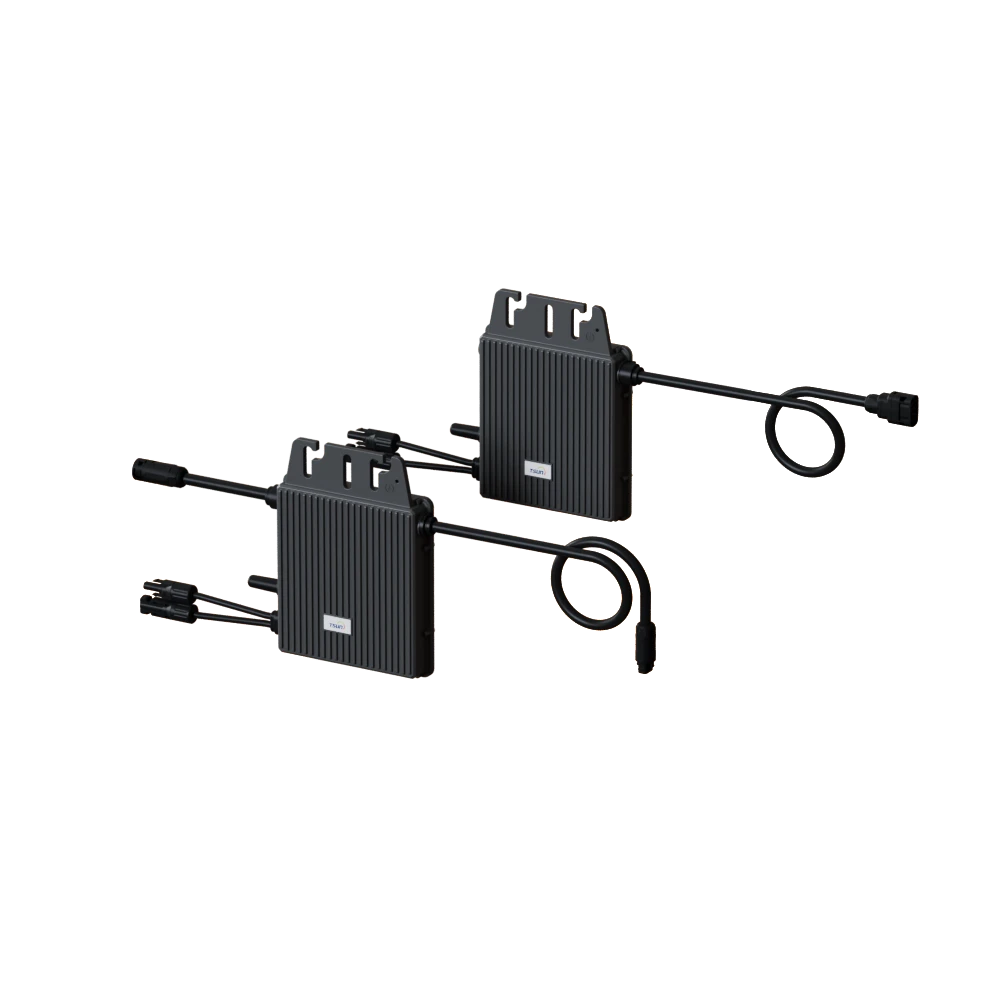
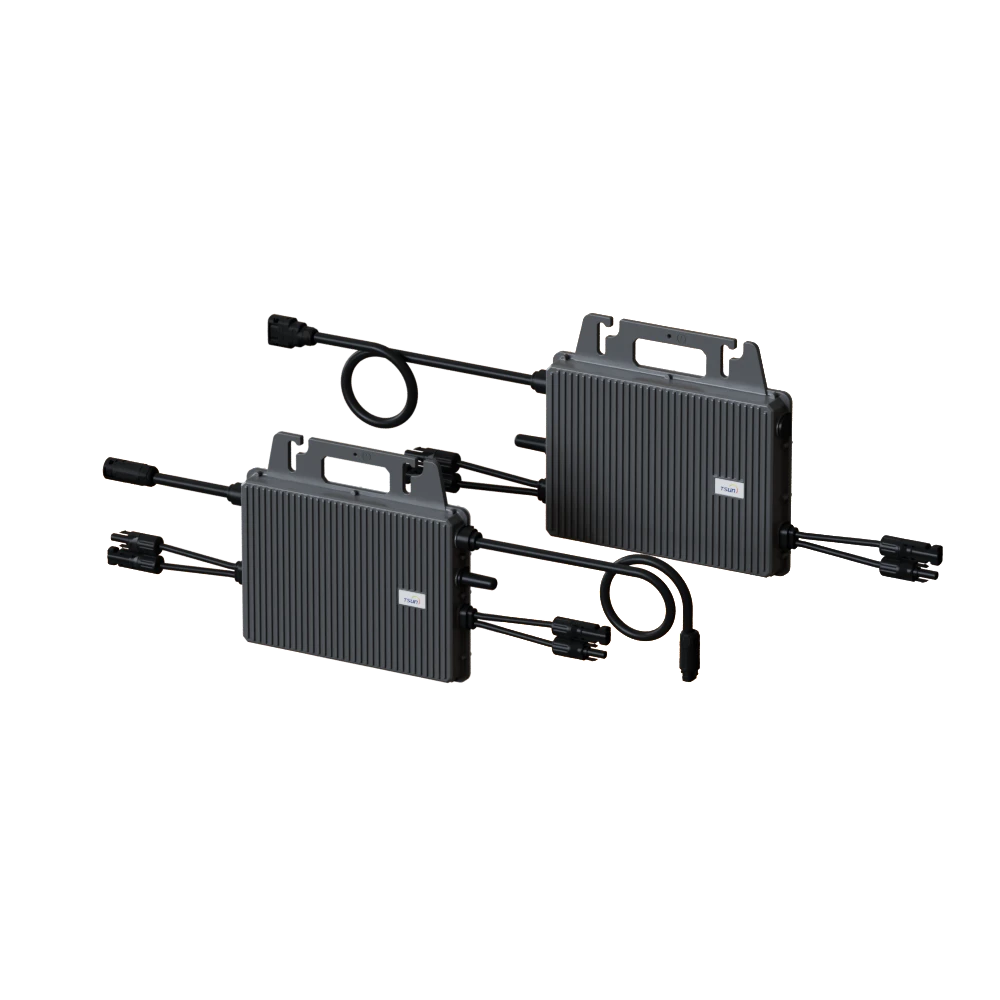
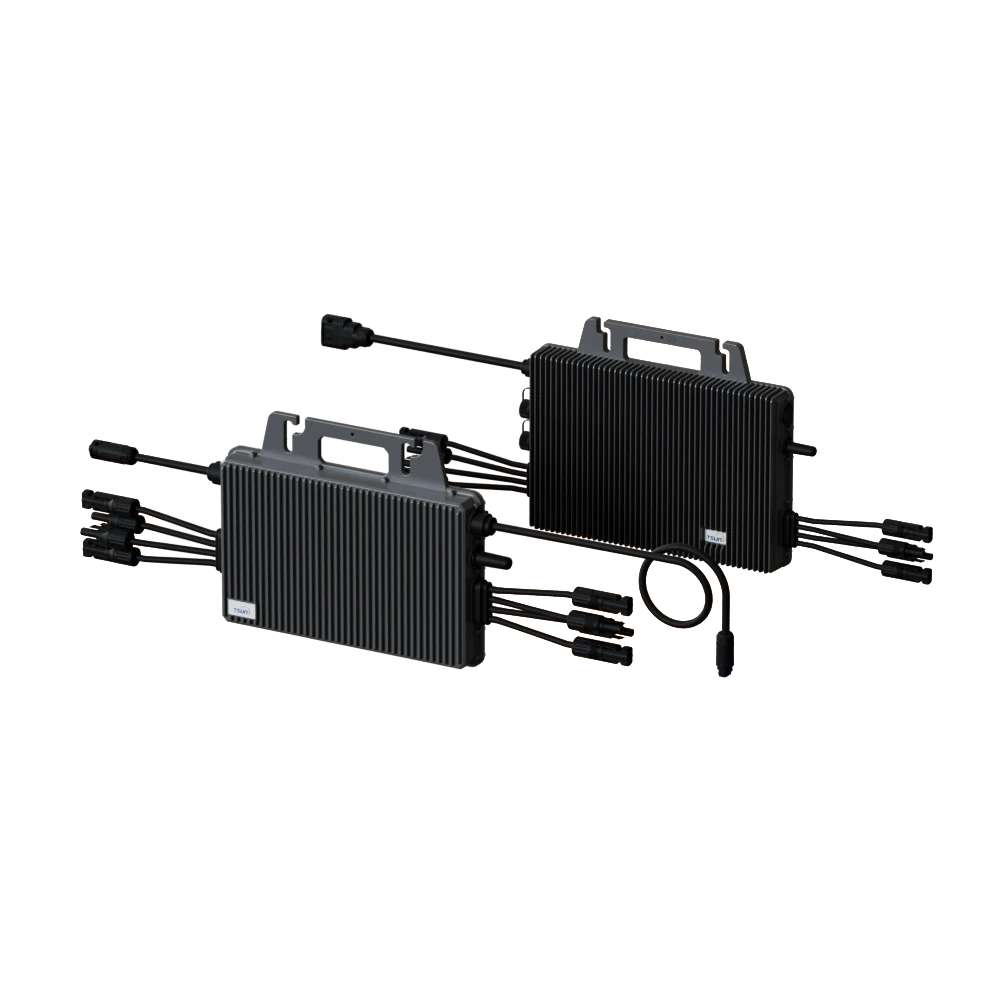
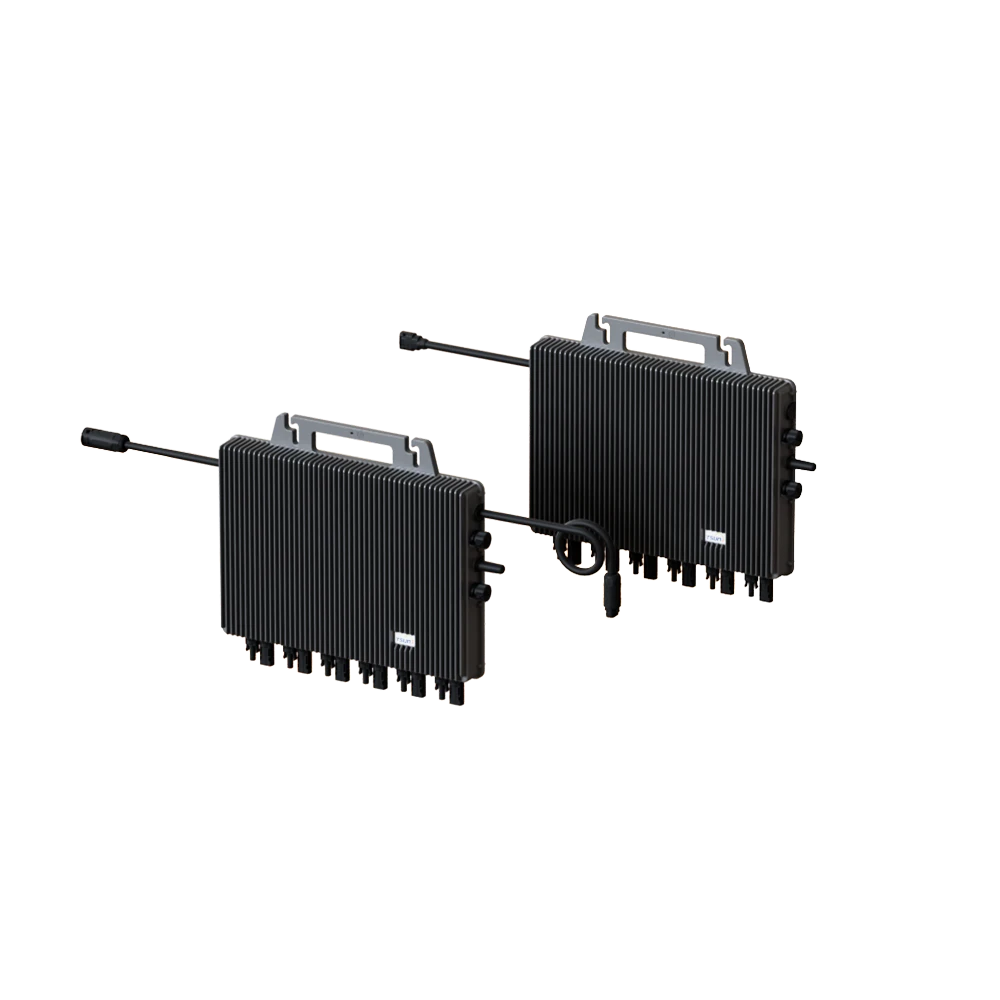
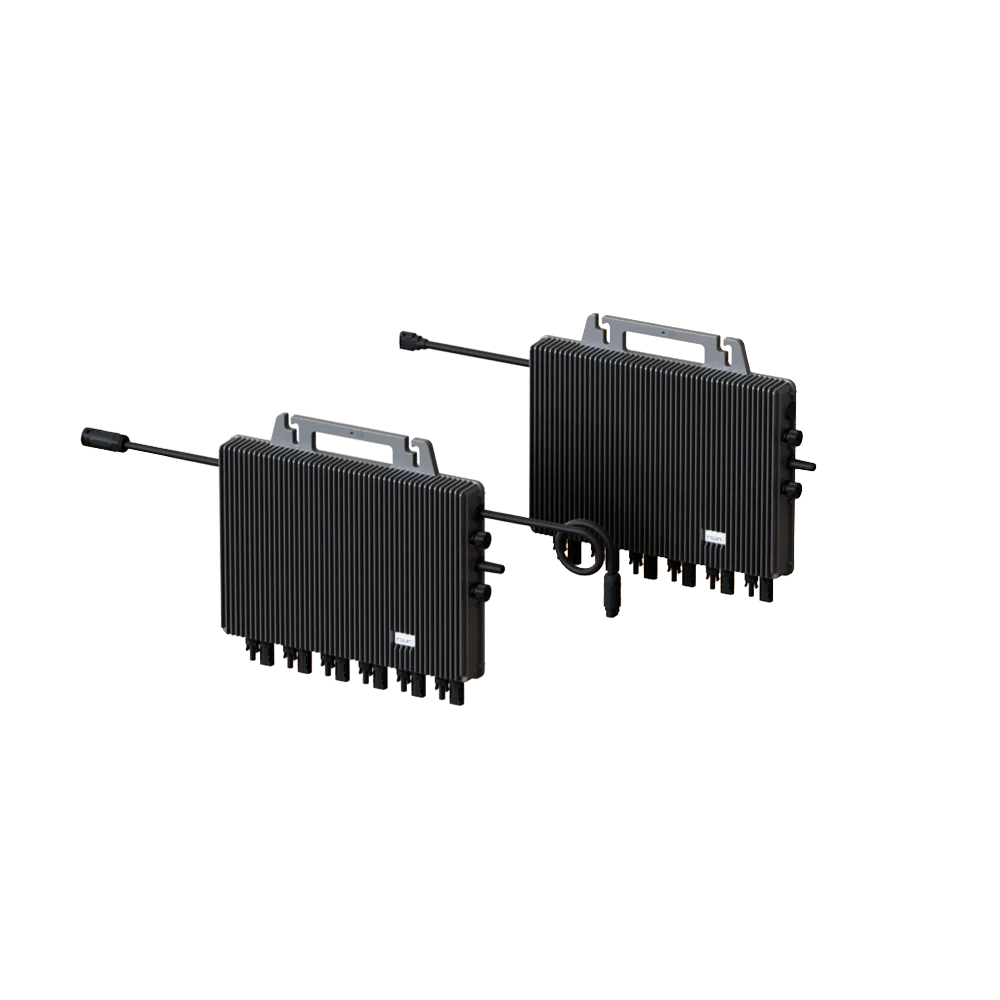
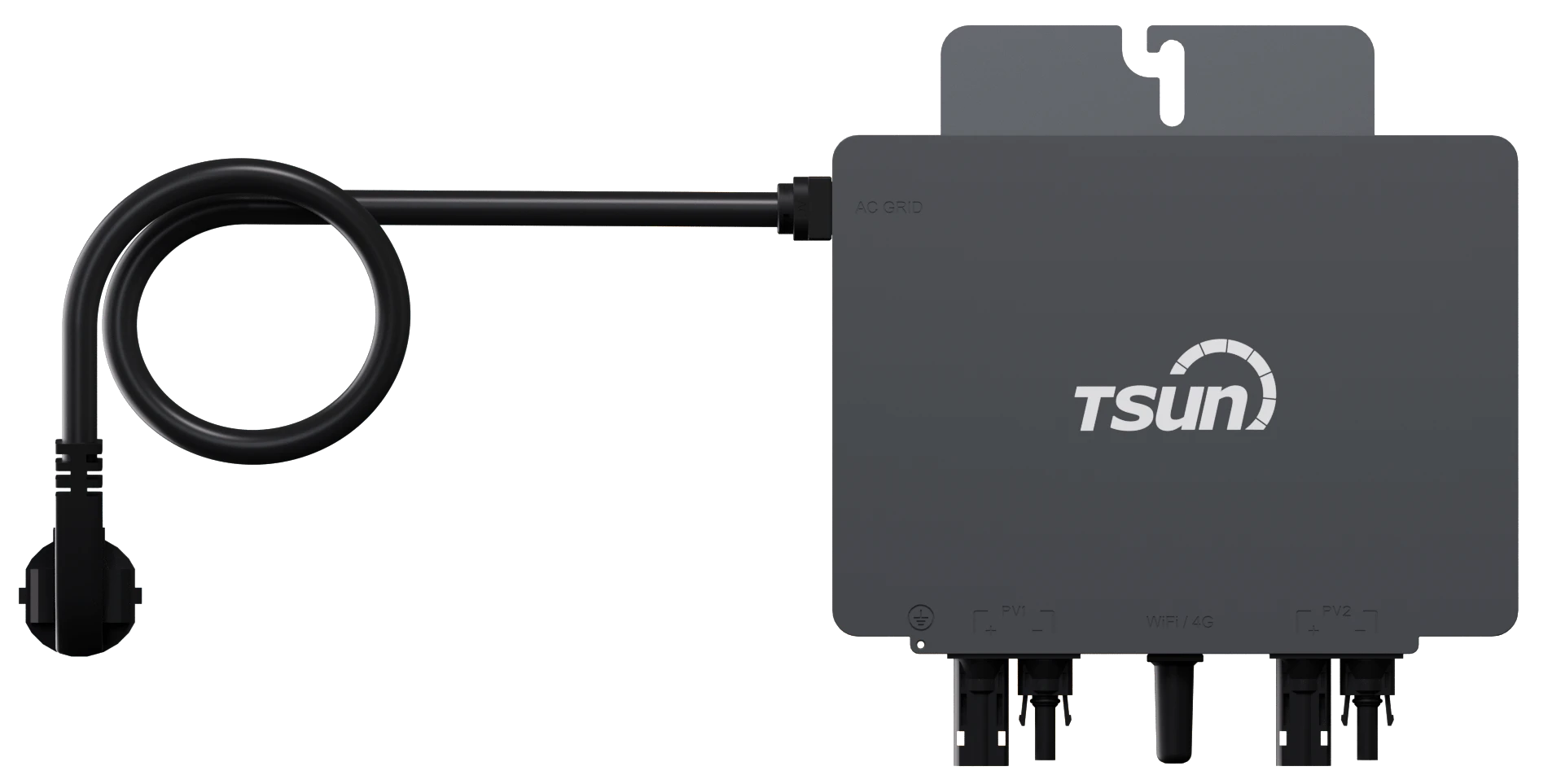
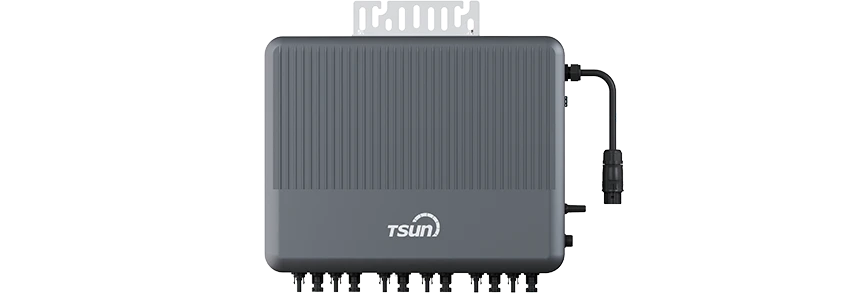
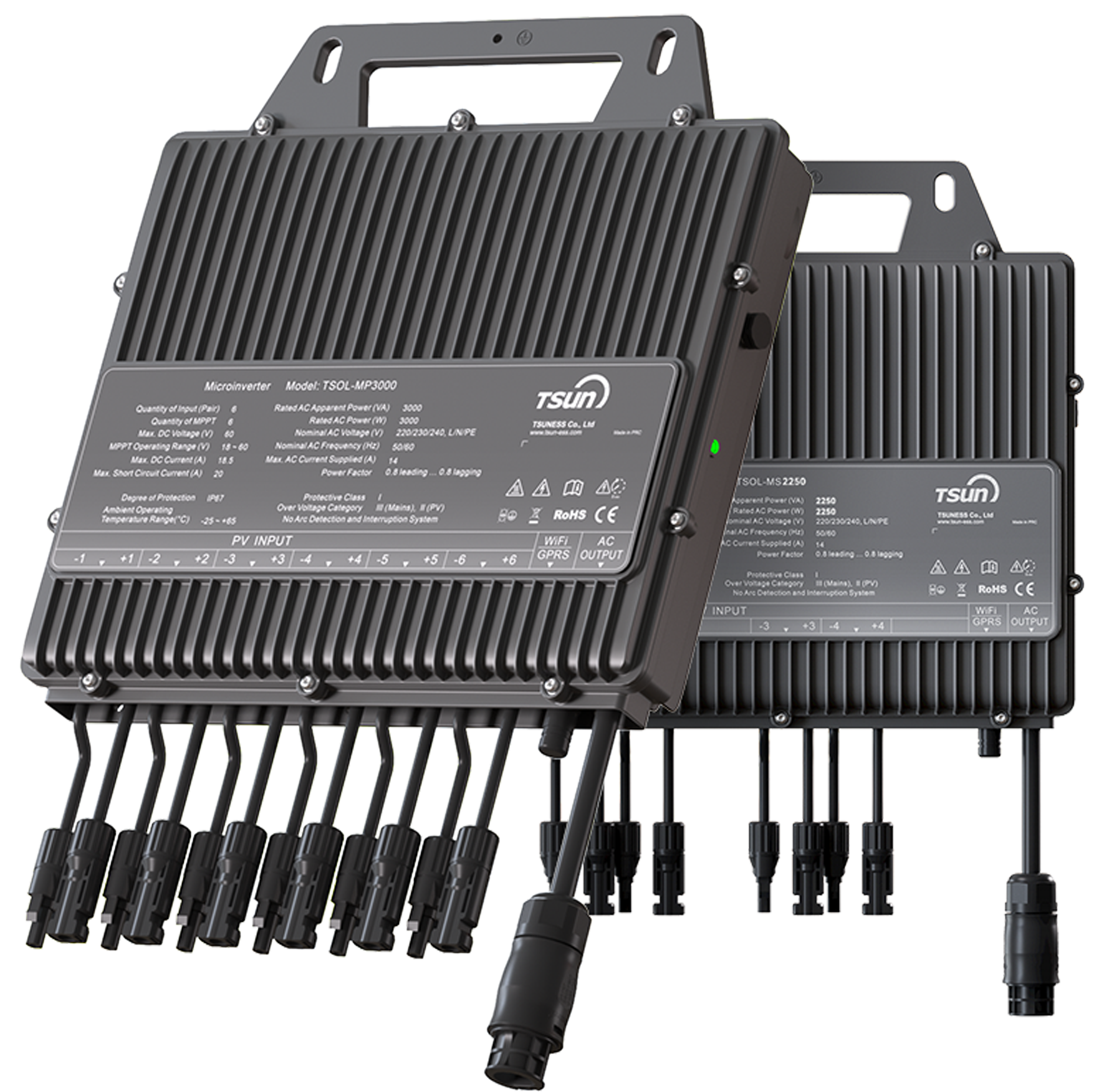
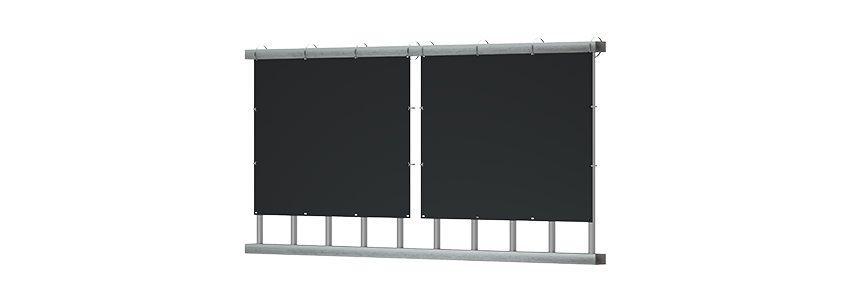
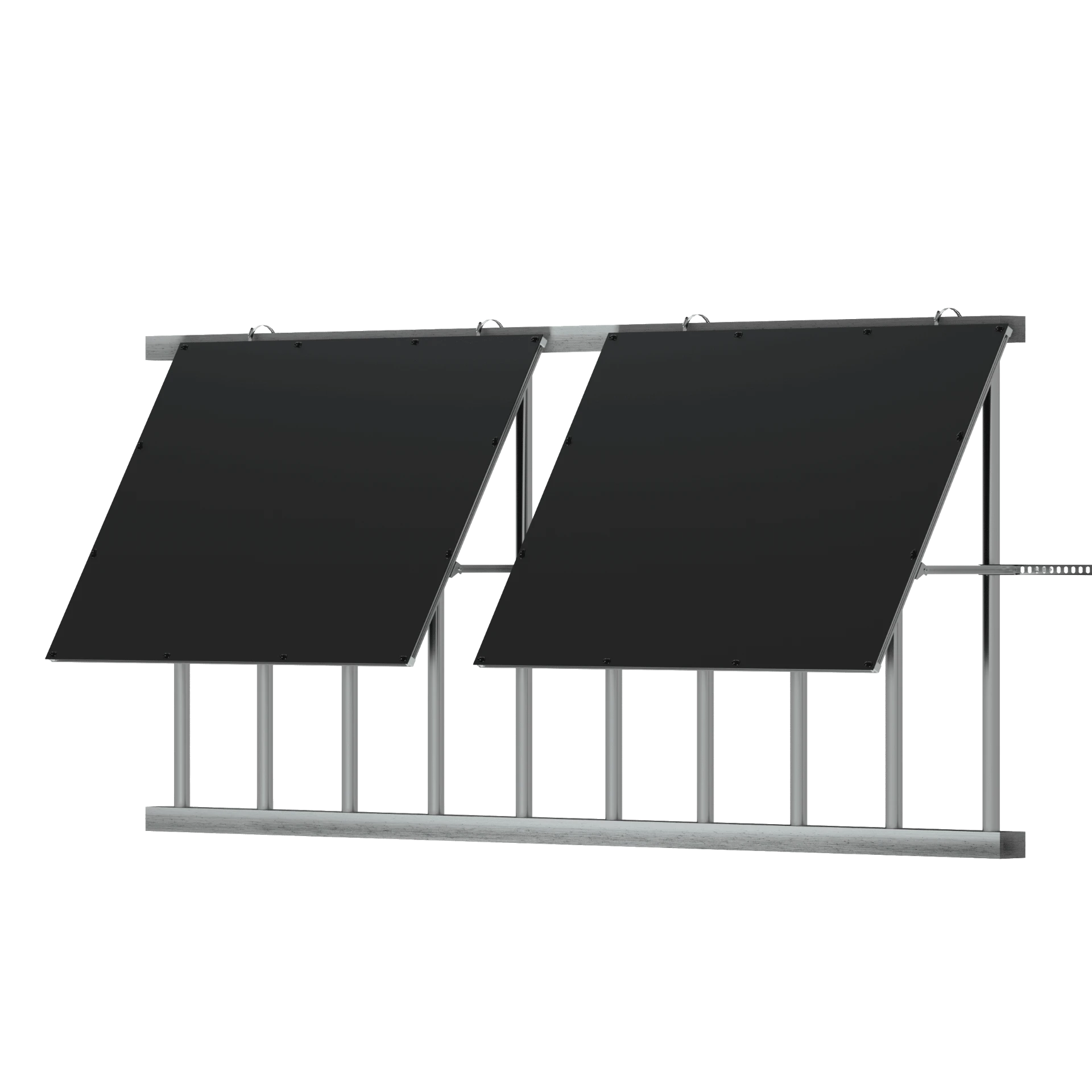
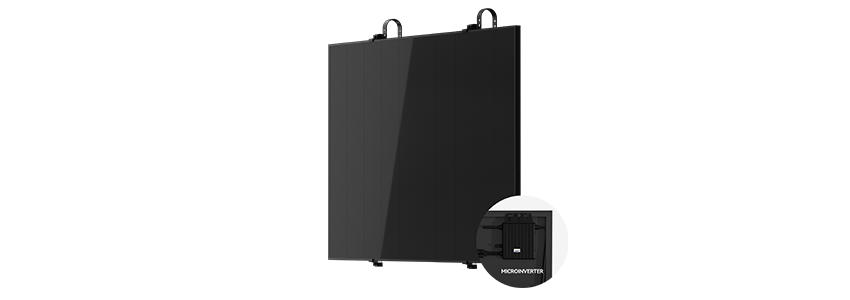
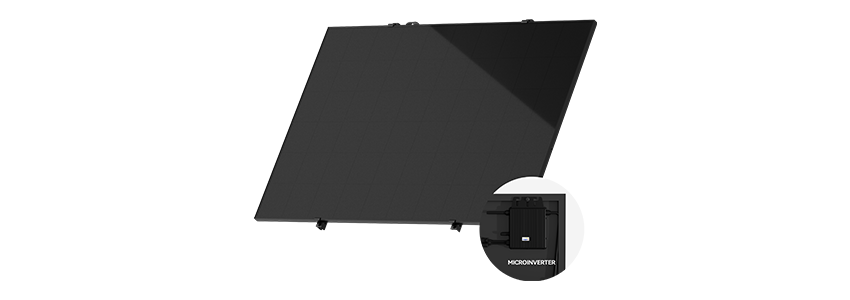
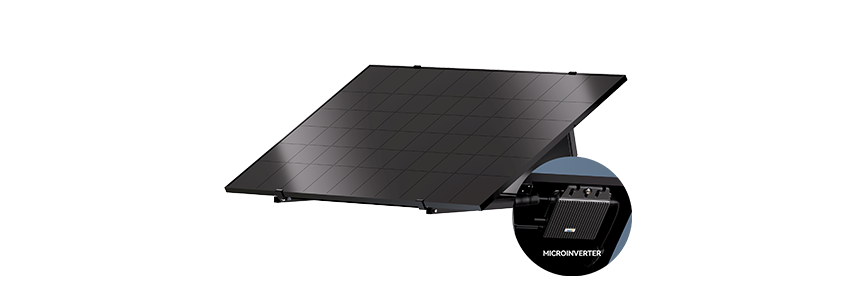
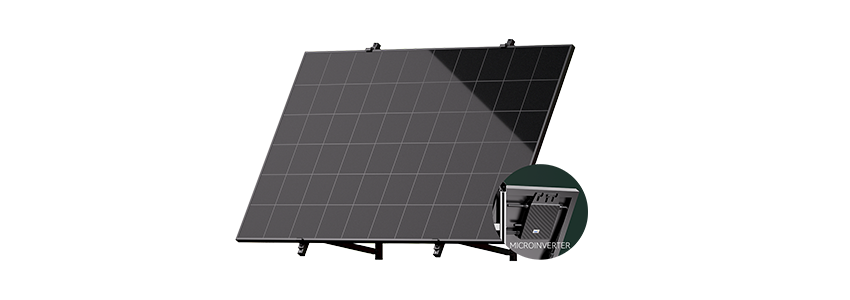
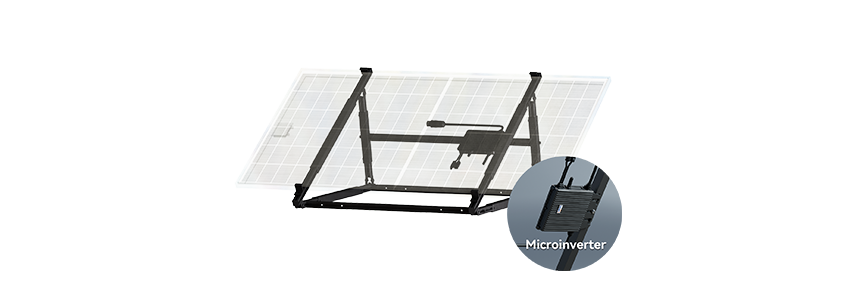
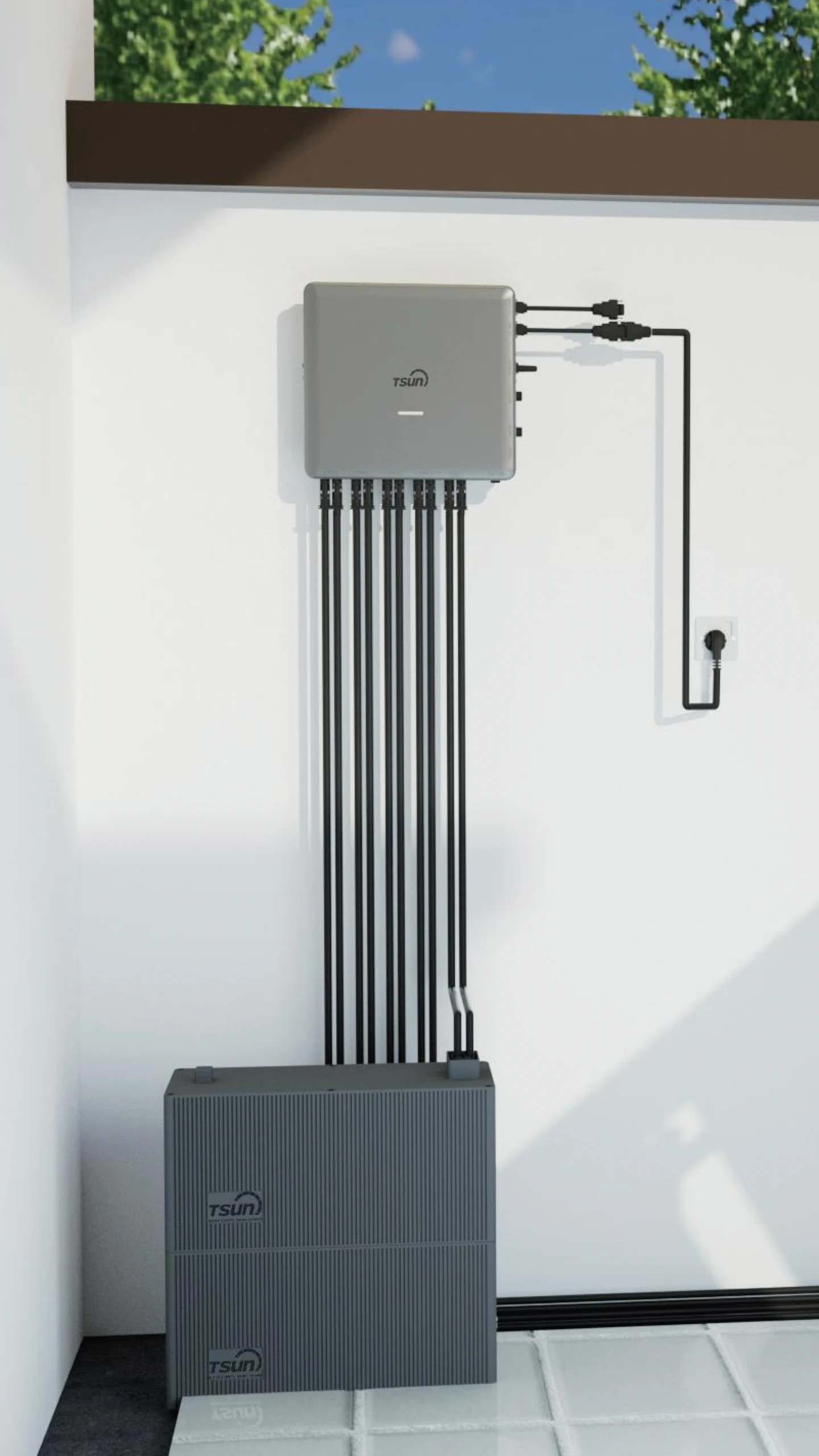
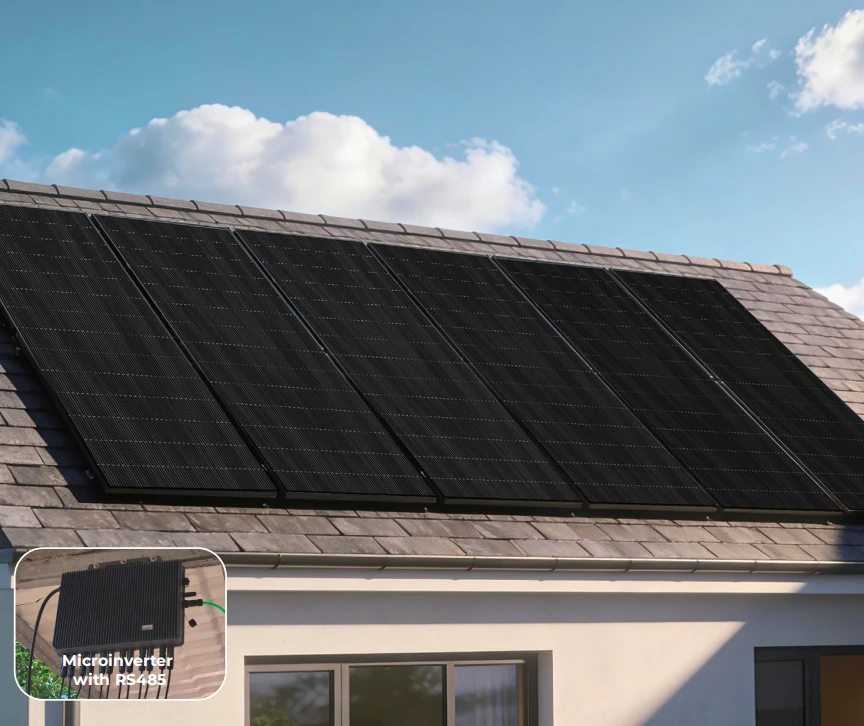
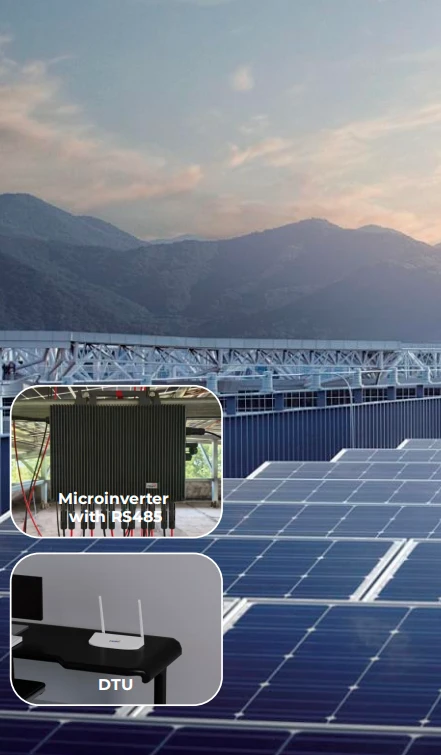
Solar panels coupled with microinverters have carved a strong niche in the solar power segment, especially for businesses seeking efficient and scalable solutions. Essentially, solar panels convert sunlight into direct current (DC) electricity, while microinverters, attached to each panel, transform this DC power into alternating current (AC) ready for use. This decentralized approach contrasts with traditional string inverters, giving improved system resilience and performance monitoring capabilities.
For instance, Tsun ESS offers microinverters boasting a maximum output power of 300W per unit, compatible with high-efficiency monocrystalline panels. These devices typically showcase input voltage ranges from 18V to 45V, with peak conversion efficiency hitting around 96%. Such specs mean you get both quality and stability — crucial when managing large commercial rooftops or ground-mounted solar arrays.
| Specification |
Details |
| Max Output Power |
300W per microinverter |
| Max Input Voltage |
45V DC |
| Conversion Efficiency |
Up to 96% |
| Operating Temperature |
-40°C to +65°C |
| Warranty |
25 years typical |
From a B2B standpoint, microinverters paired with solar panels offer distinct advantages. One biggie: greater energy yield from each individual panel, since microinverters optimize power individually rather than as part of a string. This means even if one panel is shaded or dirty, it won’t drag down the entire system’s output. Perfect for urban commercial rooftops with partial shade or complex layouts.
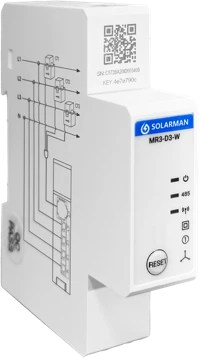
Many installers and engineers swear by the increased monitoring granularity of microinverter systems. You can spot underperforming panels remotely and swiftly troubleshoot — saving downtime and costly on-site inspections. Tsun ESS’s solutions here shine thanks to smart software integrations and robust hardware resistant to harsh conditions, which frankly, feels like a win when you’re managing dozens or hundreds of panels.
Vendor Comparison Table
| Feature |
Tsun ESS |
Competitor A |
Competitor B |
| Max Output Power |
300W |
290W |
280W |
| Conversion Efficiency |
96% |
94.5% |
95% |
| Warranty |
25 Years |
20 Years |
15 Years |
| Monitoring Platform |
Cloud-based, user-friendly |
Basic web portal |
Limited app support |
Cost, Maintenance & User Experience
While microinverter systems can come with a slightly higher upfront cost compared to centralized string inverter setups, the total cost of ownership often balances out. Durability is a big plus here—Tsun’s microinverters are tested rigorously for thermal cycling and humidity resistance, meaning fewer failures over time. This translates to lower maintenance expenses, which frankly, business decision makers appreciate.
Feedback from commercial clients highlights the value of granular performance data allowing for predictive maintenance and timely interventions. One Tsun ESS client, a warehouse operator, noticed a 10% boost in energy generation after optimizing panel performance based on microinverter data alone—pretty remarkable for something that feels more like a monitoring feature at first glance.
Sustainability & Market Trends
Sustainability is no longer just a buzzword — it’s reshaping how industries select energy solutions. Using solar panels and microinverters aligns well with tightening regulations on carbon emissions and energy efficiency targets worldwide. Industry growth is staggering, with some estimates predicting microinverter shipments to grow over 20% annually in the near term, driven by commercial solar demand.
Policies favoring distributed generation support microinverter adoption since the system’s modularity easily fits diverse installation scenarios. Beyond eco-credentials, the technology helps businesses hedge rising electricity costs with cleaner, more predictable power generation. It’s a win-win—environmental impact meets operational resilience.
Frequently Asked Questions about Solar Panels And Microinverters
- What is Solar Panels And Microinverters and how does it work?
-
Solar panels capture sunlight and convert it into DC electricity. Microinverters are small devices attached to each panel that convert this DC electricity into AC power usable by buildings or fed into the grid. This setup allows panels to operate independently, improving efficiency and monitoring.
- What are the main benefits of using Solar Panels And Microinverters in industrial applications?
-
Benefits include enhanced energy output, especially in partially shaded or complex roof conditions; better system reliability; easier maintenance with panel-level monitoring; and longer system life thanks to distributed power conversion reducing stresses.
- How does Solar Panels And Microinverters compare to traditional alternatives?
-
Unlike centralized string inverters, microinverters convert power at the panel level, reducing the impact of shading or panel mismatch. Traditional setups are more prone to single points of failure and can have less accurate performance data.
- What industries can benefit most from Solar Panels And Microinverters implementation?
-
Commercial real estate, warehouses, manufacturing plants, agriculture, and educational institutions find great value. Anywhere energy management and reliability matter, these solutions offer tangible benefits.
Conclusion on Solar Panels And Microinverters from china
To sum up, Solar Panels And Microinverters stand out as a smart investment for businesses aiming to combine sustainability with strong returns and reliable tech. With Tsun ESS’s products, you’re looking at industry-grade solutions that support easy integration, detailed monitoring, and durability from challenging environments.
Oddly enough, choosing the right solar solution often boils down to these micro details — something Tsun ESS gets just right.



 LEARN DETAILS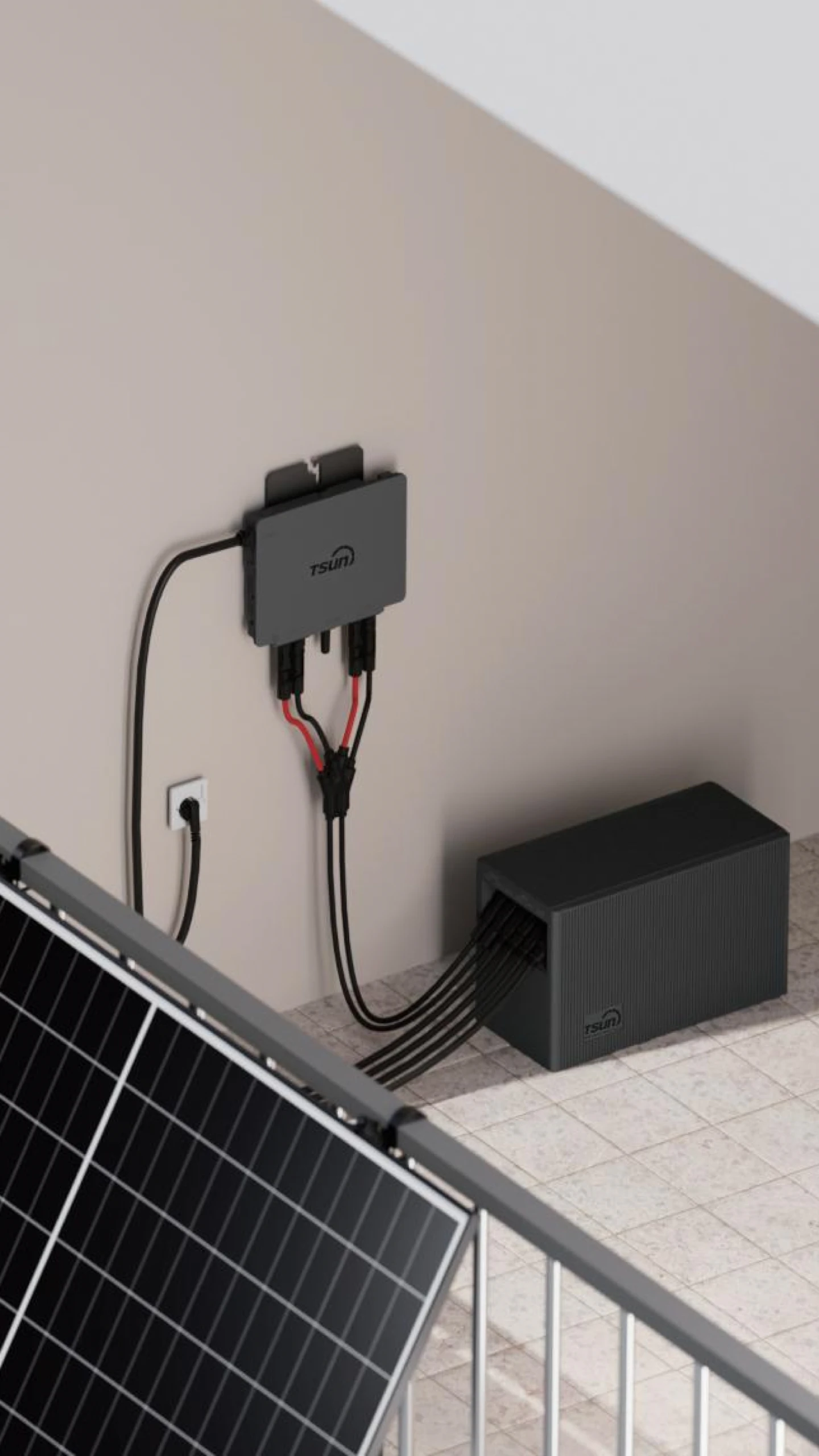
 Downloads
 Video Center
 Report Fault for Repair
 FAQS
FAQS Service Network
 Privacy Policy
 Contact Us
 Monitoring


 LEARN MORE