The realm of energy solutions is constantly evolving, and the efficiency and reliability of individual components are paramount. Increasingly, attention is focusing on microinverters, particularly those displaying a blinking orange microinverter status. This seemingly minor indicator represents a crucial diagnostic signal impacting system performance and requiring immediate attention. Understanding the implications of a blinking orange microinverter is vital for homeowners, installers, and energy professionals alike, ensuring optimal solar energy production and maximizing return on investment.
Globally, the adoption of solar energy is surging, driven by environmental concerns, falling costs, and government incentives. According to the International Energy Agency (IEA), solar PV capacity is projected to increase tenfold by 2030. As distributed solar generation expands, the need for sophisticated monitoring and diagnostic tools becomes critical. A blinking orange microinverter isn't just a technical detail; it's a potential bottleneck in the broader push for sustainable energy. Ignoring this signal can lead to reduced energy yields and increased maintenance costs, hindering the widespread adoption of solar technology.
The transition to renewable energy sources is not merely about installing panels; it demands intelligent system management and proactive issue resolution. Addressing even seemingly small problems like a blinking orange microinverter can significantly impact the overall performance and long-term viability of a solar energy system, benefiting both individual consumers and the planet.
The Significance of the Blinking Orange Microinverter
A blinking orange microinverter is more than just a visual cue; it’s a diagnostic message communicating the status of a critical component within a solar energy system. This signal typically indicates a fault condition, potentially stemming from issues with grid connectivity, DC voltage fluctuations, or internal component failures. Promptly addressing this issue is crucial to prevent energy loss, system downtime, and potential safety hazards.
Ignoring a blinking orange microinverter can lead to cascading problems throughout the entire solar array. A single malfunctioning microinverter can reduce the overall power output of the system, ultimately diminishing the financial benefits of investing in solar energy. Therefore, understanding the underlying causes and appropriate troubleshooting steps is vital for both homeowners and solar professionals.
Global Context and Rising Solar Adoption
The global energy landscape is undergoing a dramatic transformation, with solar power at the forefront of this revolution. Driven by declining costs, increasing efficiency, and growing environmental awareness, solar energy is becoming a dominant force in electricity generation worldwide. The capacity of installed solar PV systems has seen exponential growth in recent years, with projections indicating continued expansion in the decades to come.
This rapid expansion necessitates a robust infrastructure for monitoring, maintenance, and troubleshooting of solar installations. The increasing complexity of these systems, coupled with the need for remote diagnostics, highlights the importance of advanced technologies like microinverters and their associated monitoring tools. A blinking orange microinverter, in this context, serves as an early warning signal, allowing for proactive intervention and minimizing disruption to the energy supply.
Furthermore, the decentralization of energy production, driven by rooftop solar installations, creates new challenges for grid stability and management. Microinverters play a key role in enabling this decentralization by providing independent power optimization for each panel, improving grid compatibility and enhancing overall system resilience.
Defining the Blinking Orange Microinverter
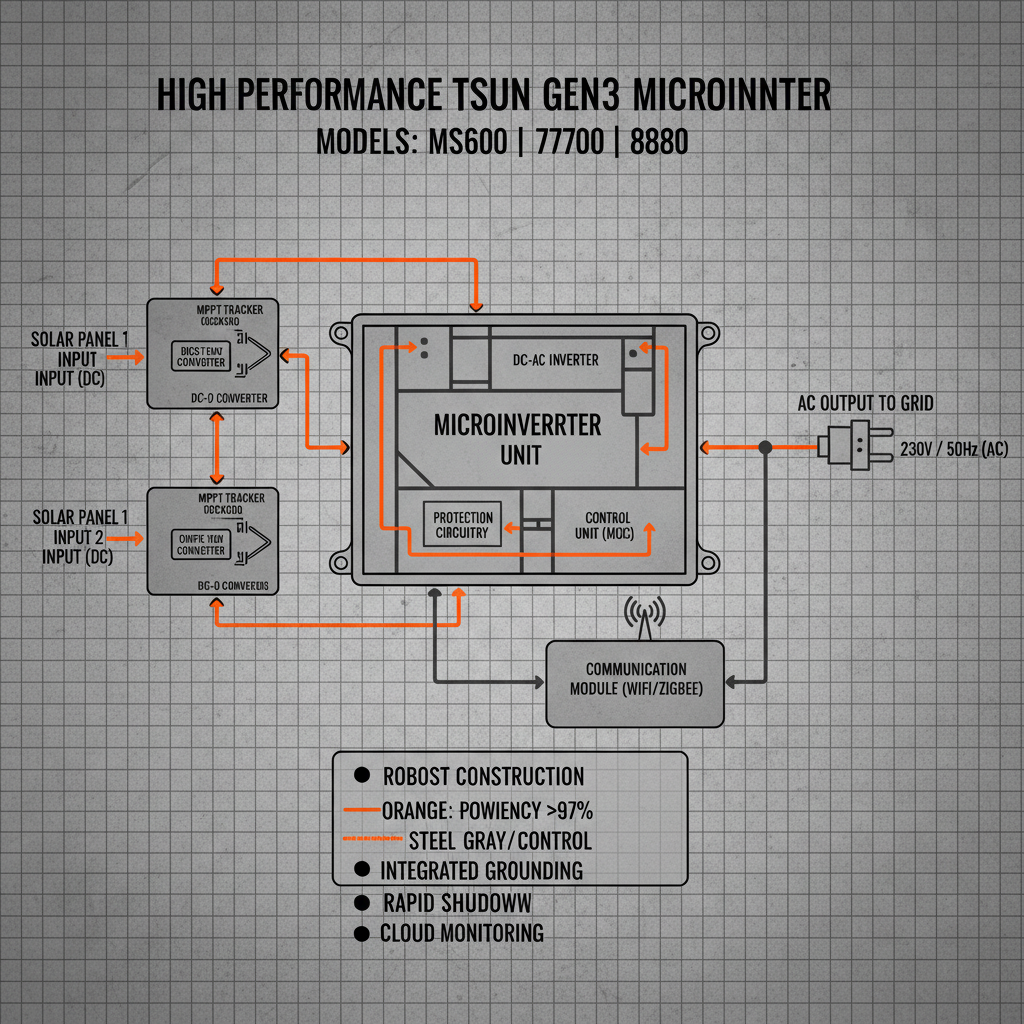
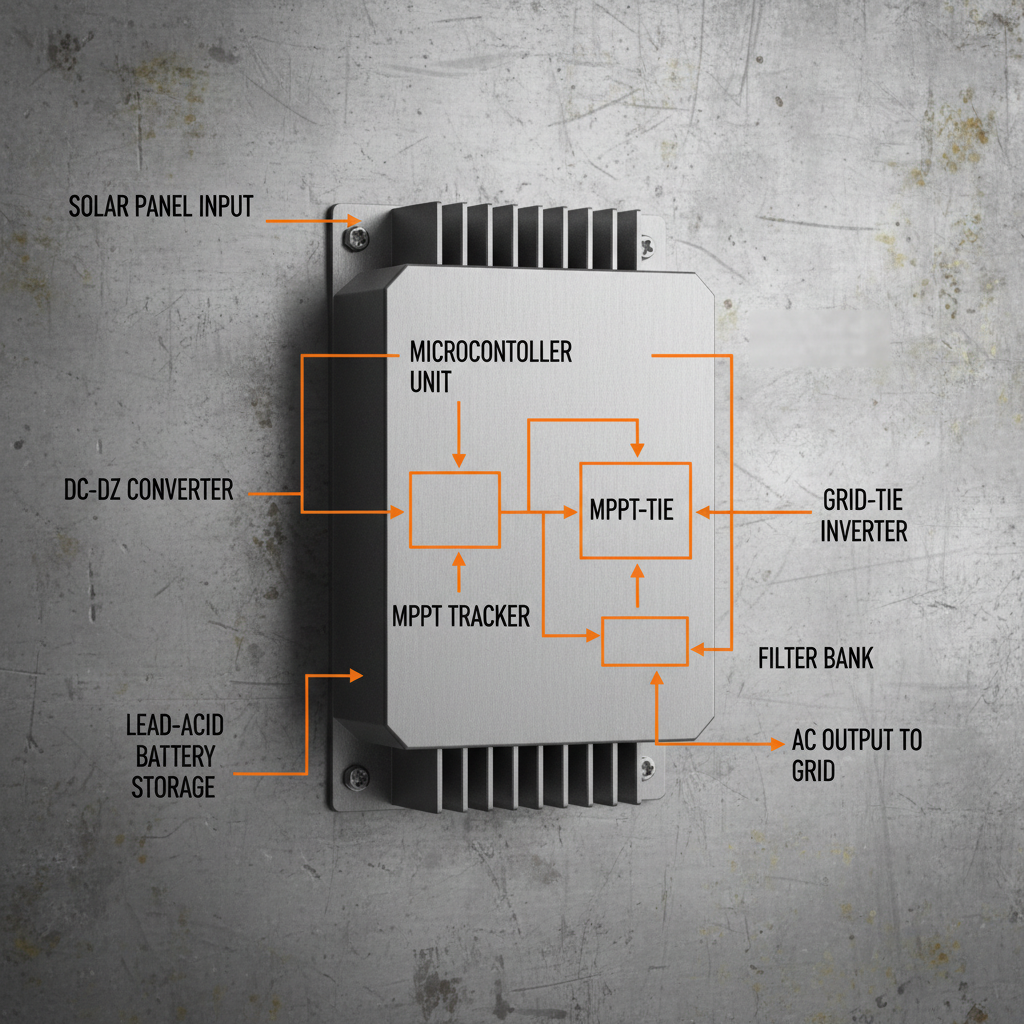
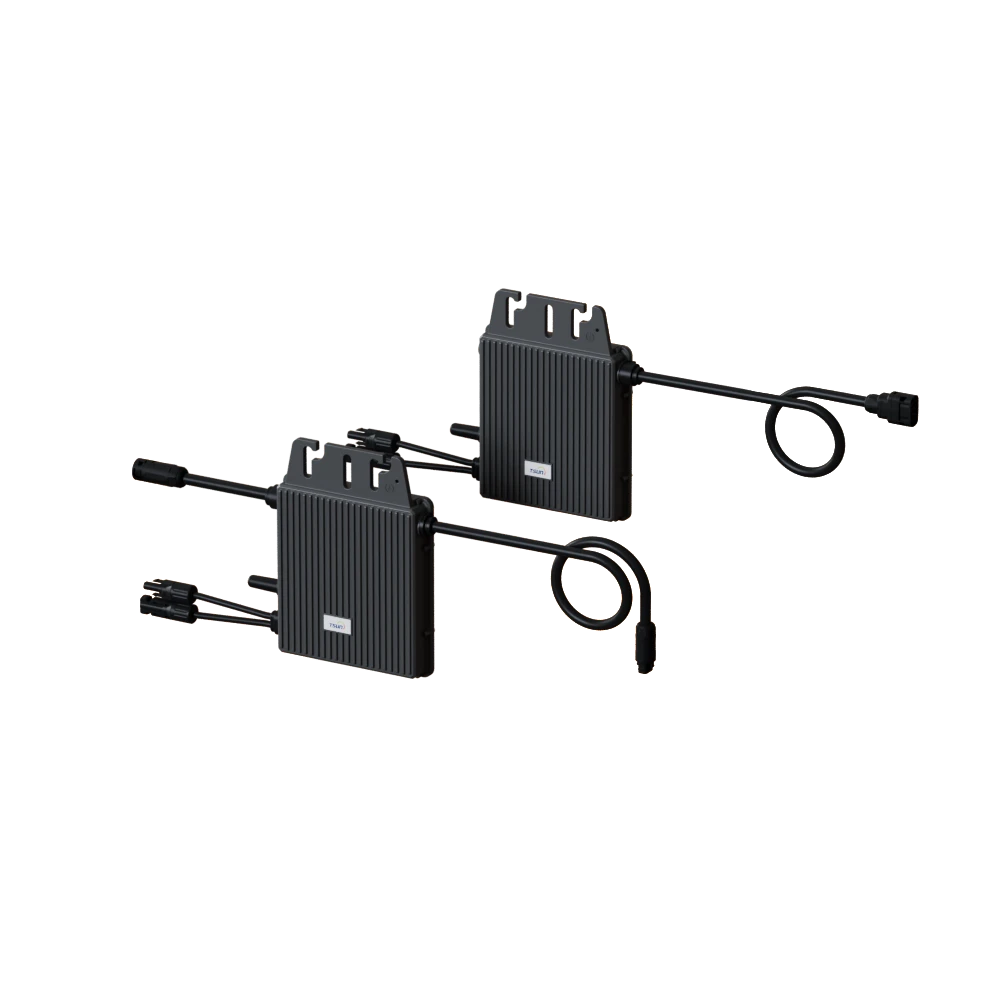
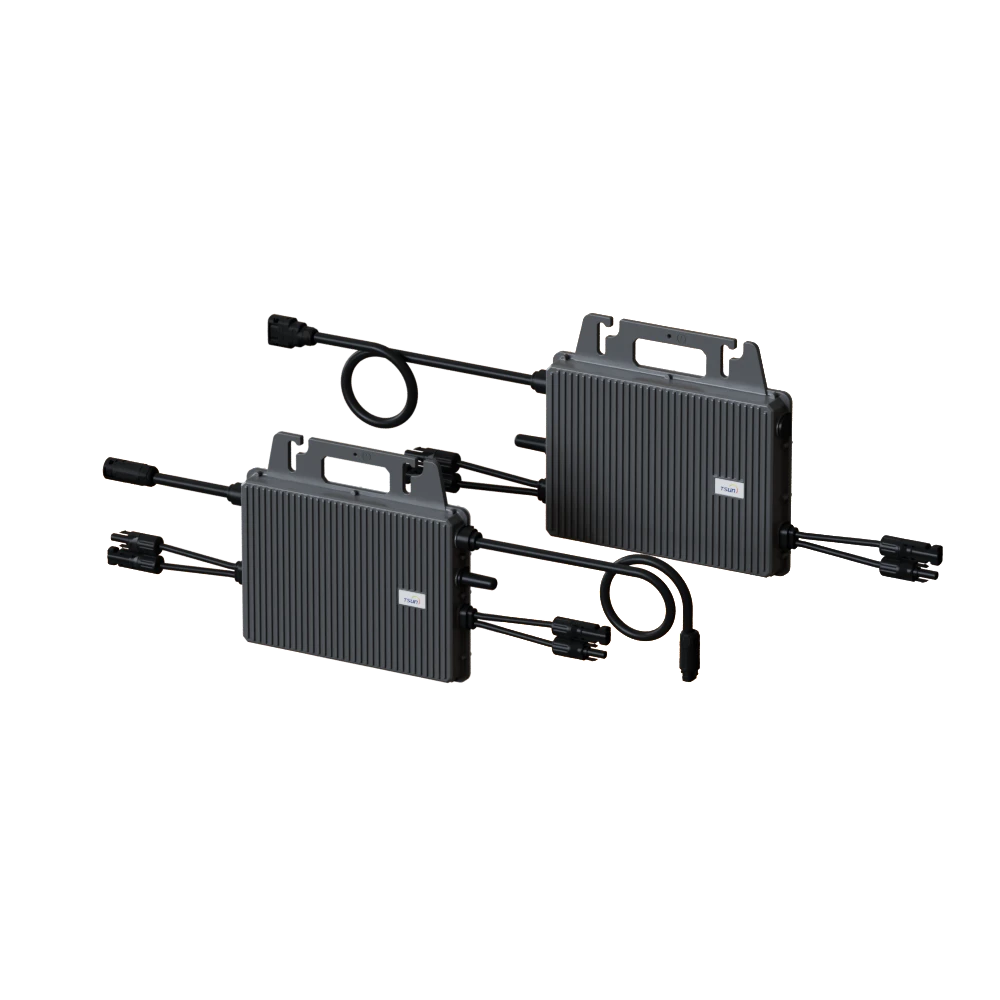
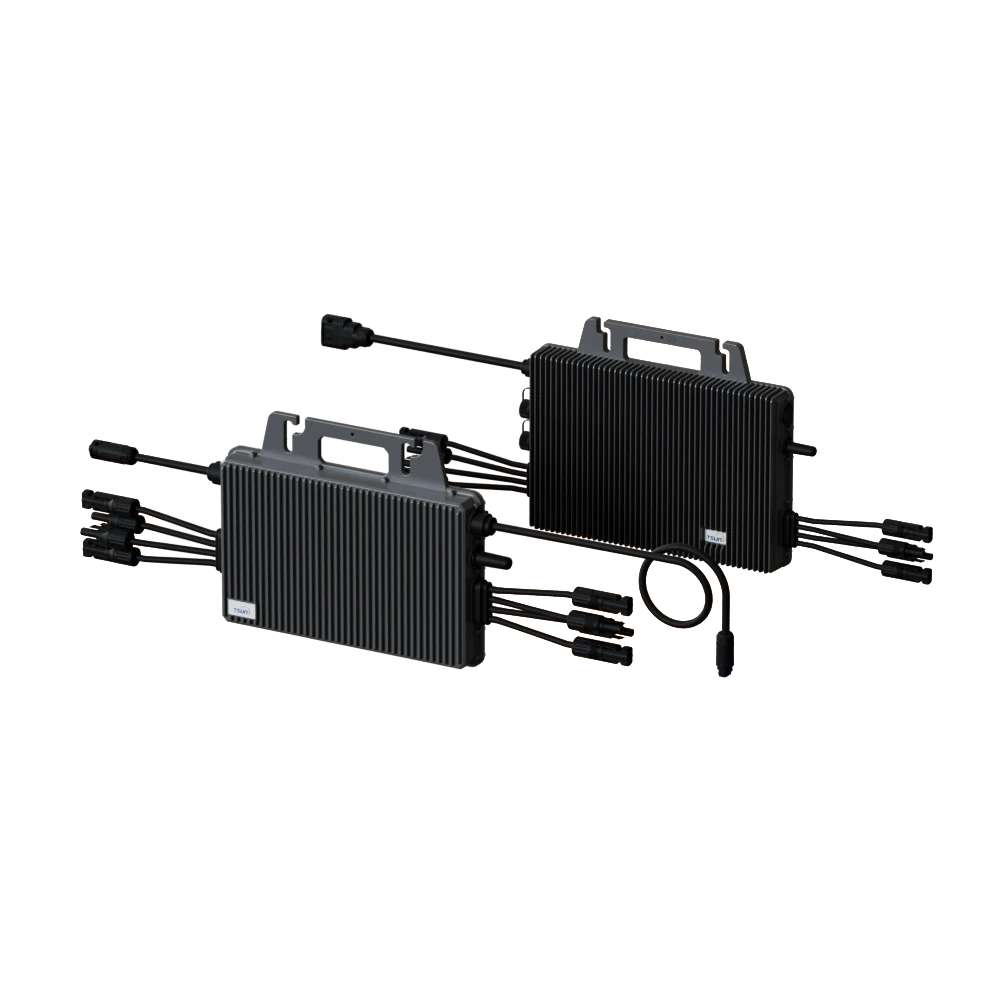
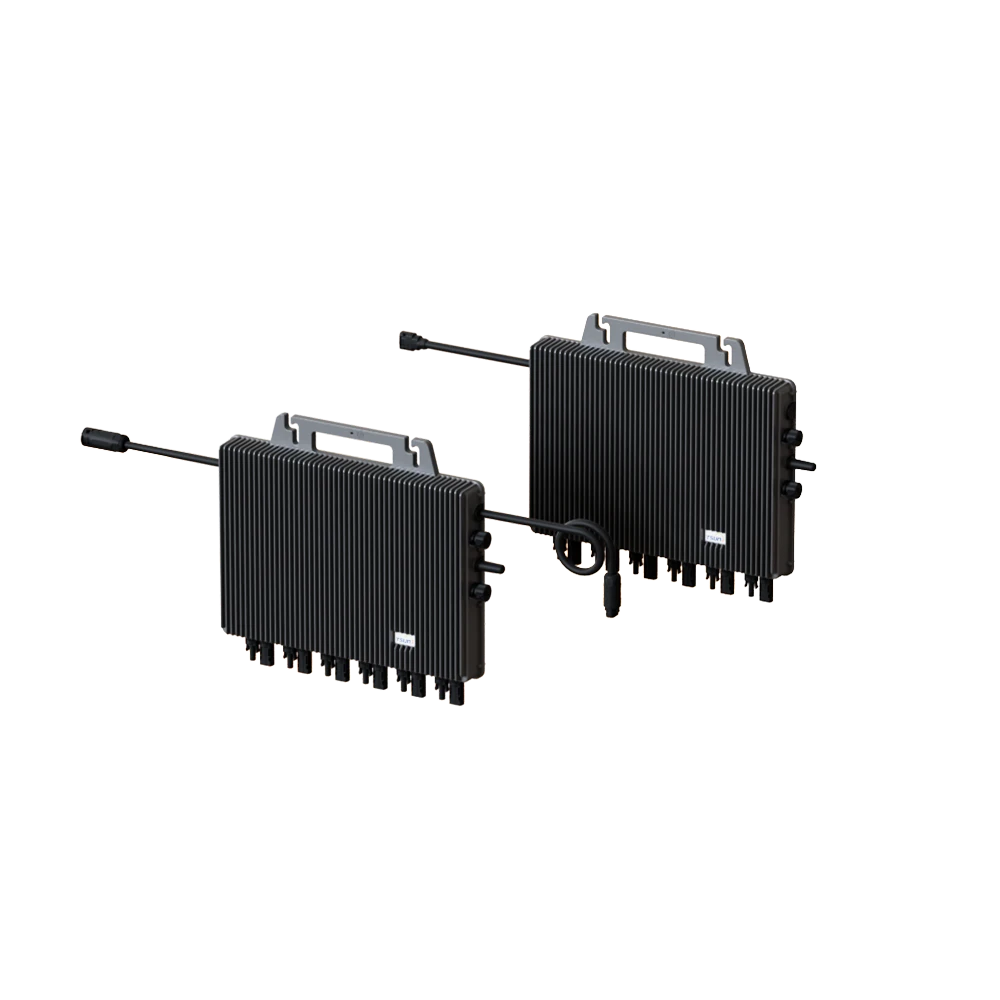
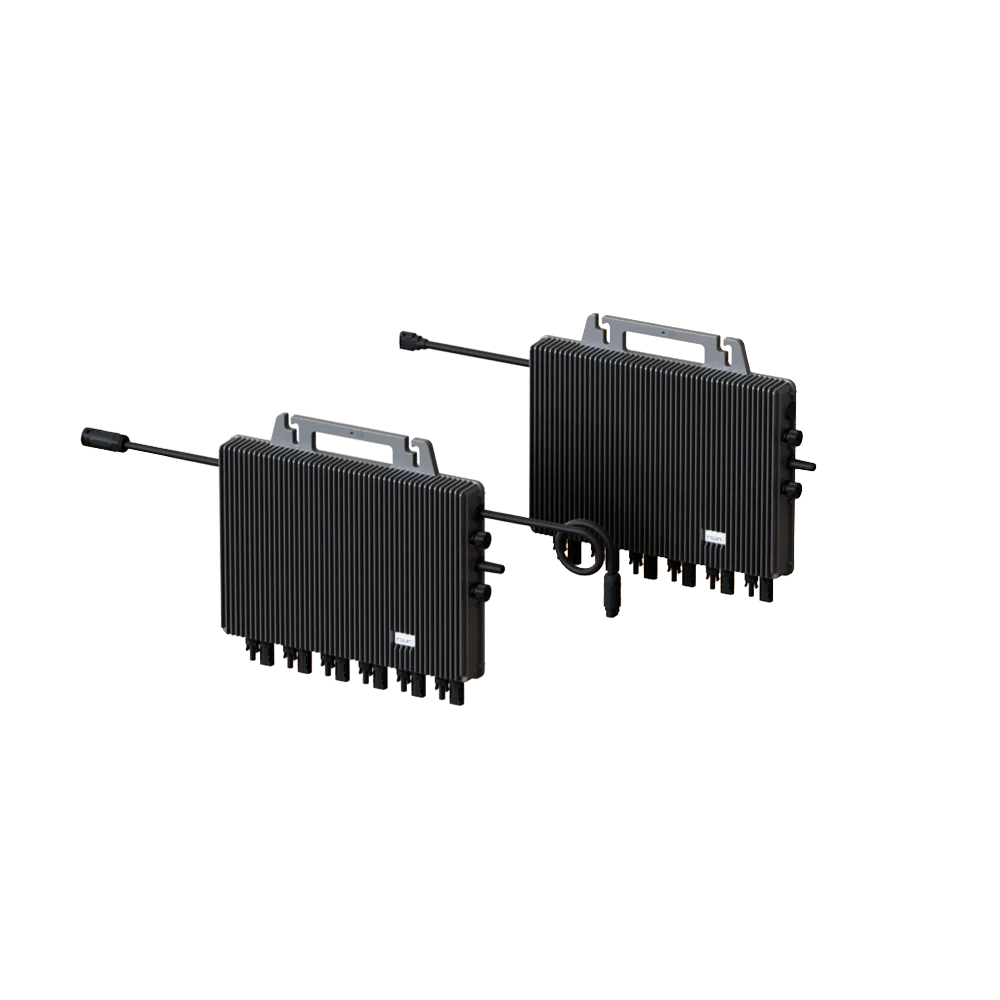
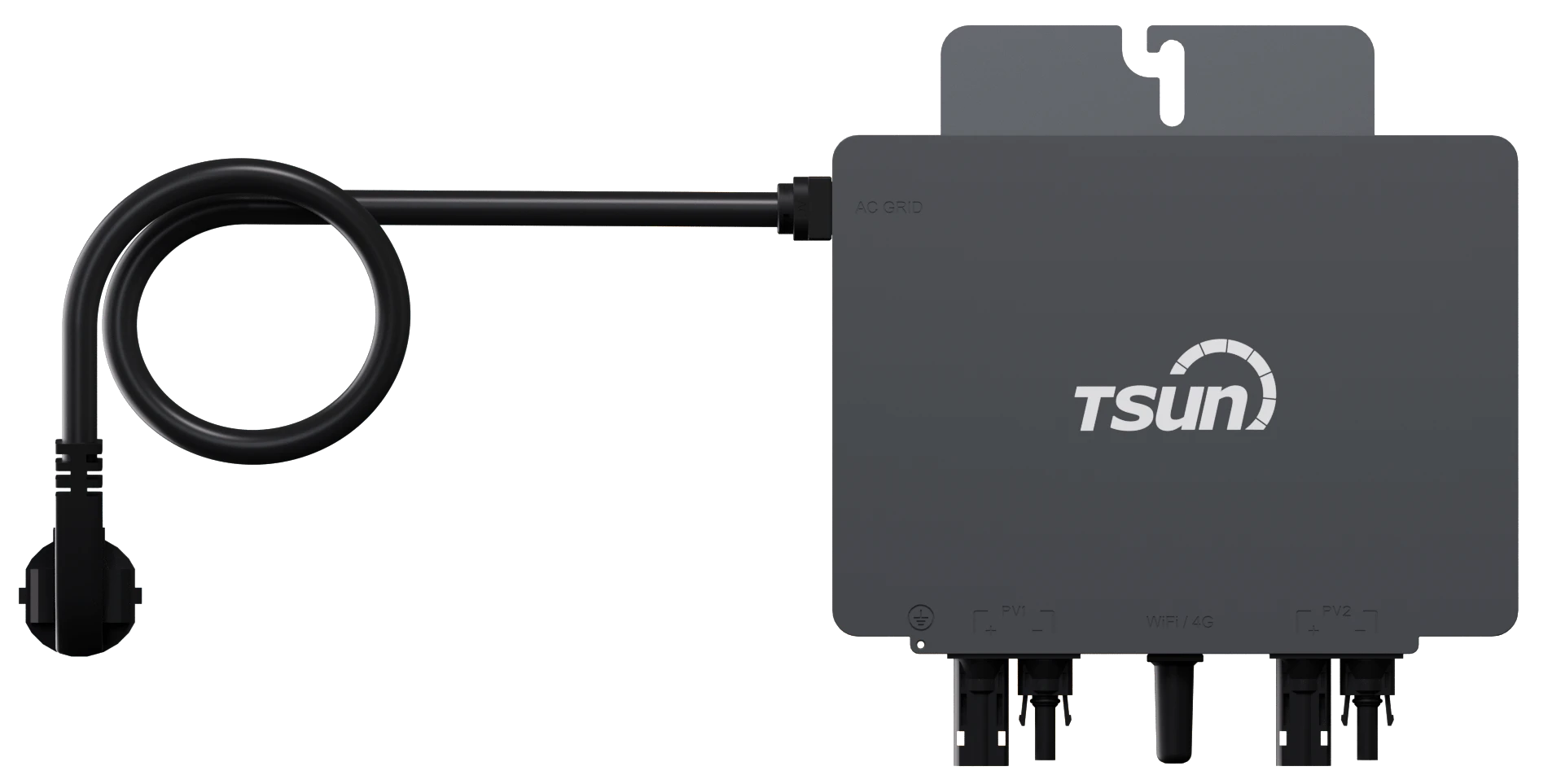
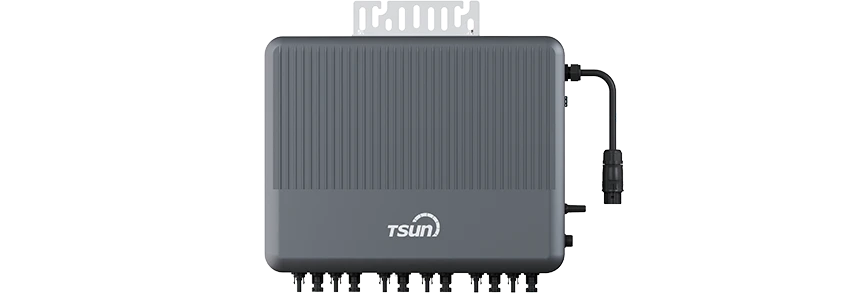
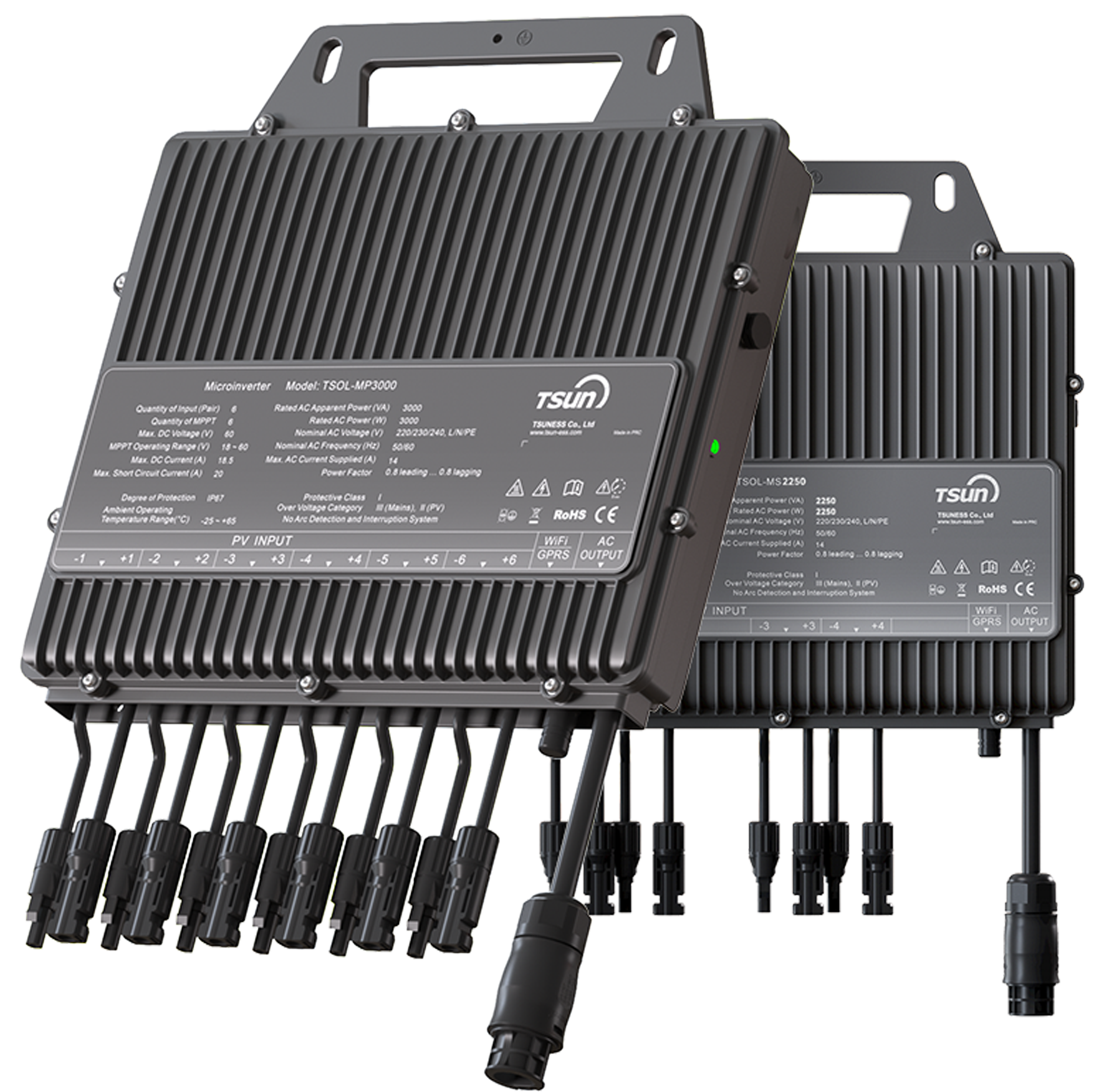
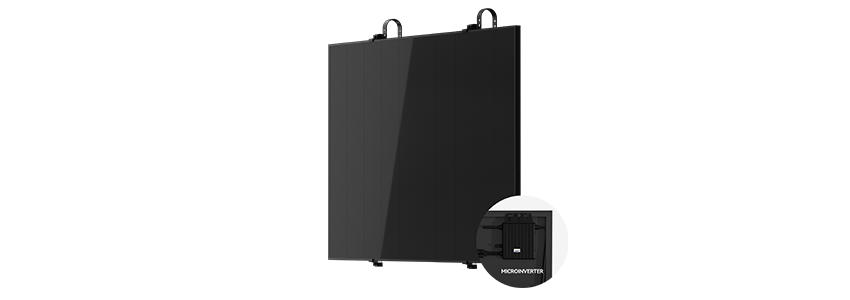
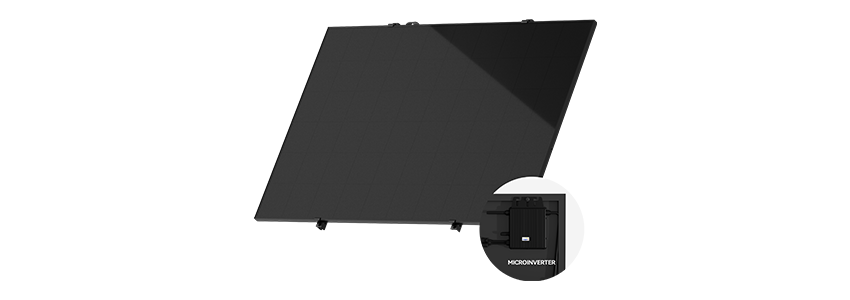
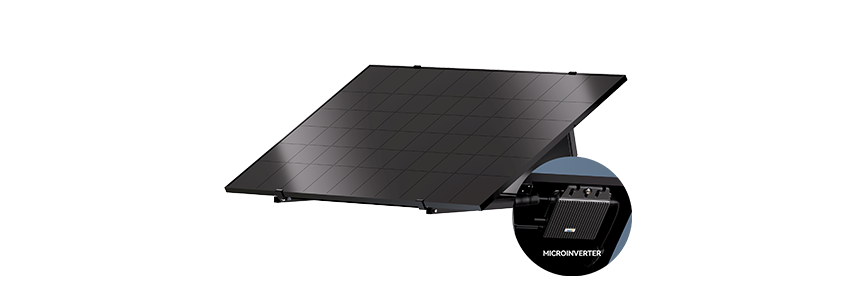
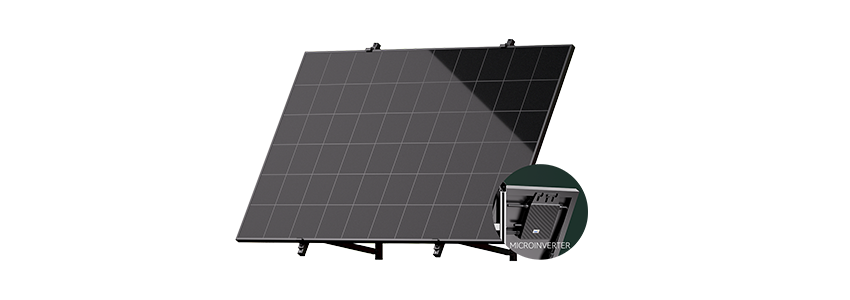
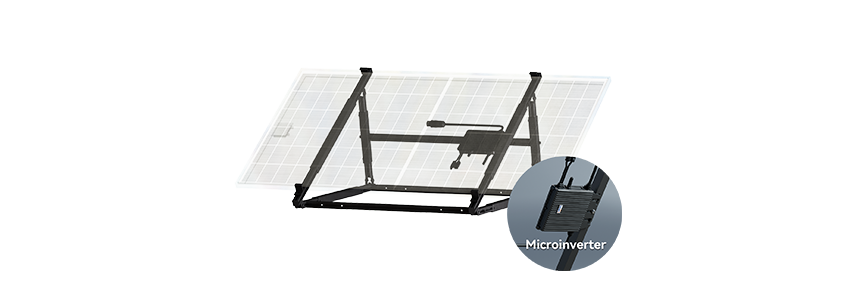
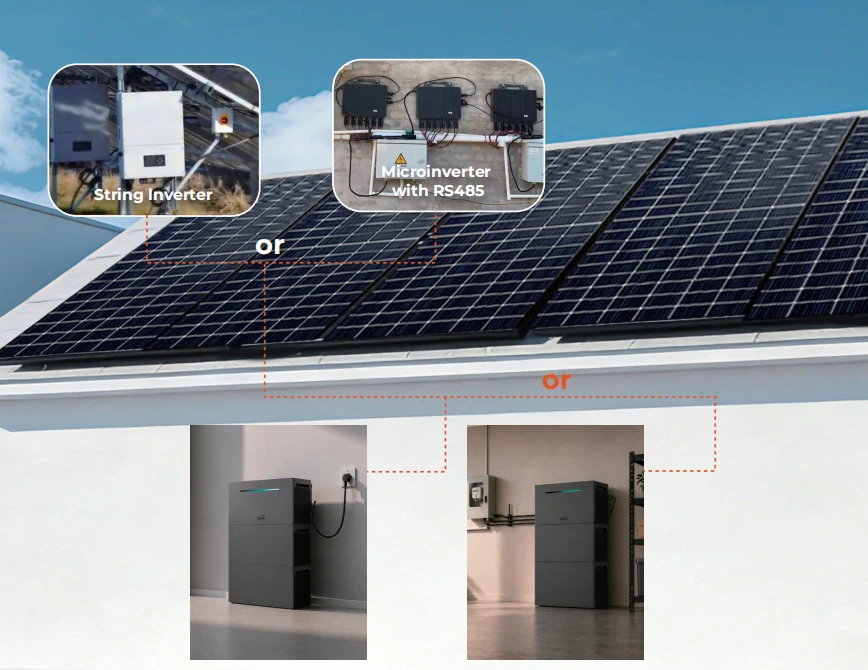
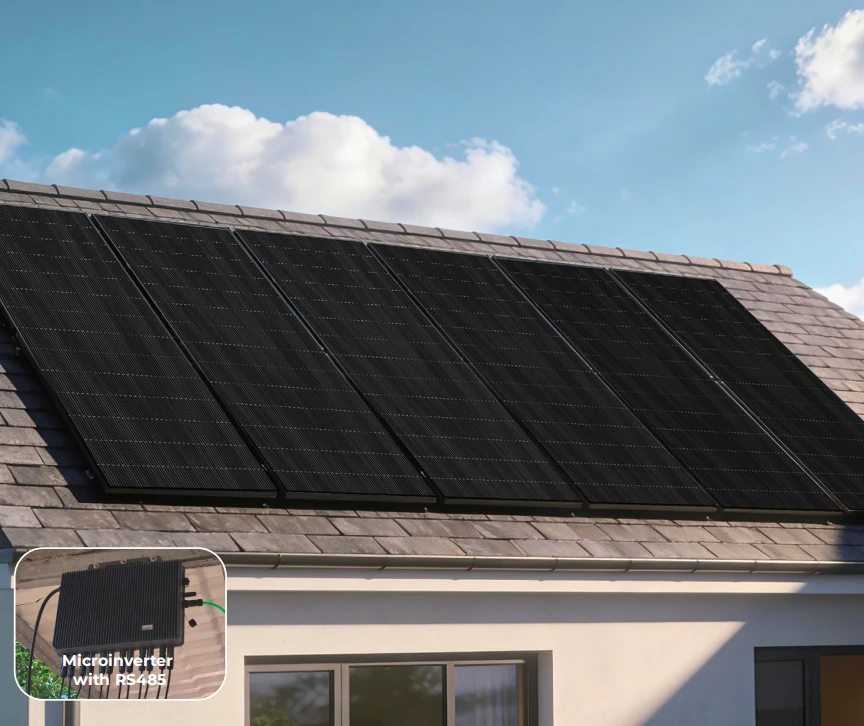
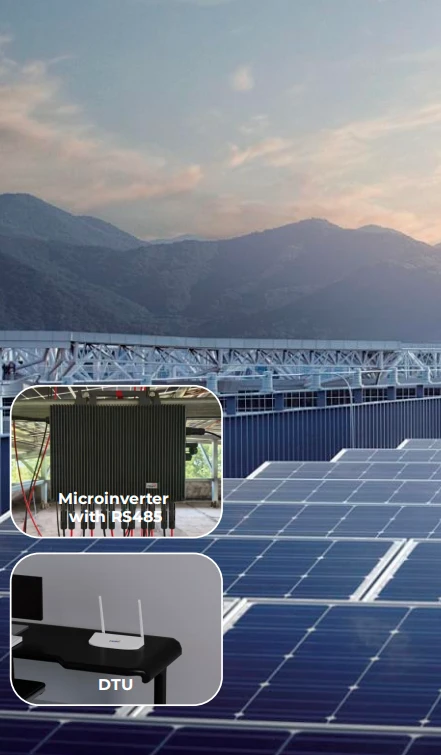
A microinverter is a small-scale inverter that converts the direct current (DC) electricity generated by a single solar panel into alternating current (AC) electricity, which can then be used to power homes and businesses or fed back into the grid. Unlike traditional string inverters, which handle DC conversion for an entire array of panels, microinverters operate independently at the panel level.
The blinking orange microinverter signal typically indicates a specific fault condition. While the exact meaning may vary depending on the manufacturer and model, it commonly signifies an issue with grid connection, such as voltage or frequency deviations. It can also point to internal errors within the microinverter itself, requiring further diagnostics or replacement.
This feature is essential because it allows for individual panel monitoring and optimization, maximizing energy harvest and enhancing system reliability. When a blinking orange microinverter appears, it indicates a need for immediate attention to restore full system functionality and prevent potential energy losses.
Key Operational Factors of Microinverters
Durability is a critical aspect of microinverter performance, as these devices are exposed to harsh outdoor conditions. They must withstand extreme temperatures, humidity, UV radiation, and potential physical impacts. High-quality components and robust encapsulation are essential for ensuring long-term reliability.
Scalability is another important factor, particularly for larger solar installations. Microinverters offer greater flexibility in system design, allowing for easy expansion or reconfiguration without significant performance losses. This contrasts with string inverters, where adding panels can often require a complete system upgrade.
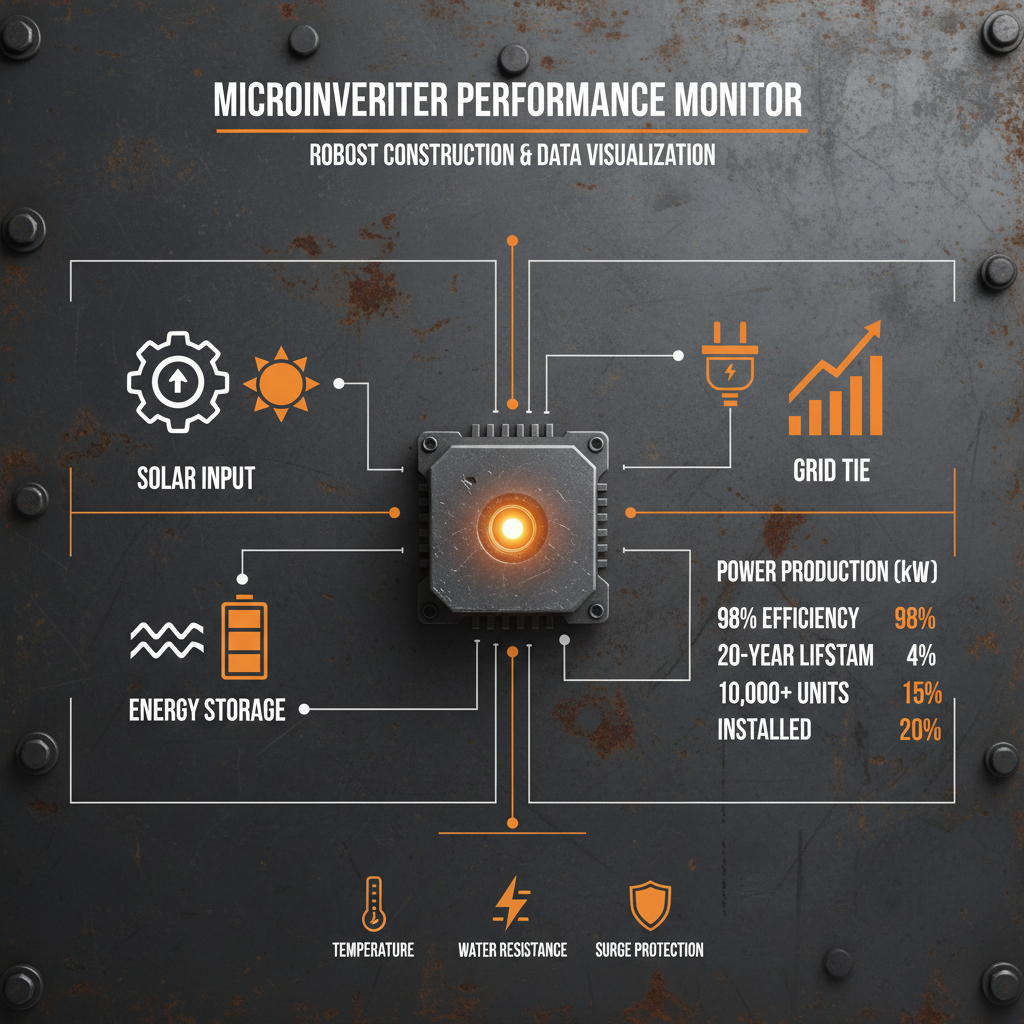
Microinverter Performance Metrics
Global Applications and Real-World Implementations
Microinverters are deployed in a wide range of applications globally, from residential rooftop systems to large-scale commercial and industrial installations. In areas with limited grid access, such as remote rural communities, microinverters provide a reliable and cost-effective solution for powering homes and businesses.
In post-disaster relief operations, microinverters can quickly establish temporary power supplies, providing essential electricity for communication, medical equipment, and emergency services. Their modular nature allows for flexible deployment and scalability, adapting to the evolving needs of the situation. They are also increasingly used in off-grid applications such as RVs and boats.
Advantages and Long-Term Value Proposition
The advantages of utilizing microinverters extend beyond just improved performance. They offer increased system safety, as the DC voltage is converted to AC at the panel level, reducing the risk of high-voltage DC arcs. They also enable precise monitoring of individual panel output, facilitating early detection of faults and optimizing energy production.
The long-term value proposition of microinverters lies in their ability to maximize energy yield, reduce maintenance costs, and enhance system reliability. While the initial investment may be slightly higher than traditional string inverters, the increased efficiency and extended lifespan can result in significant cost savings over the lifetime of the system. Addressing a blinking orange microinverter promptly reinforces this value.
Furthermore, the inherent safety features and individual panel monitoring provide peace of mind for homeowners and system operators, contributing to a more sustainable and resilient energy future.
Future Trends and Innovations in Microinverter Technology
Ongoing research and development efforts are focused on improving the efficiency, reliability, and cost-effectiveness of microinverters. New materials and manufacturing techniques are being explored to reduce component costs and enhance performance. Integration with advanced grid management systems is also a key area of innovation.
The integration of artificial intelligence (AI) and machine learning (ML) algorithms into microinverter monitoring platforms is enabling predictive maintenance capabilities, allowing for proactive identification of potential issues before they lead to system failures. This data-driven approach to maintenance can significantly reduce downtime and optimize energy production.
The continued drive towards greater energy independence and sustainability will fuel further innovation in microinverter technology, paving the way for a more distributed and resilient energy grid. This includes advancements in communication protocols and cybersecurity measures to protect against potential threats.
Summary of Blinking Orange Microinverter Troubleshooting
| Issue Category |
Potential Cause |
Troubleshooting Steps |
Severity Level (1-5) |
| Grid Connectivity |
Voltage fluctuations, frequency deviations |
Check grid voltage and frequency, verify connection to the utility grid |
4 |
| DC Voltage |
Panel mismatch, shading |
Inspect panel connections, remove shading obstructions |
3 |
| Internal Component Failure |
Component degradation, manufacturing defect |
Contact manufacturer for warranty support, replace microinverter |
5 |
| Communication Error |
Wireless interference, faulty communication module |
Check wireless signal strength, verify communication module functionality |
2 |
| Overheating |
Insufficient ventilation, high ambient temperature |
Ensure adequate ventilation, reduce ambient temperature |
3 |
| Software/Firmware Issue |
Corrupted firmware, software bug |
Update firmware, reset microinverter to factory settings |
2 |
FAQS
A blinking orange light on your microinverter typically indicates a communication issue with the system monitoring platform. This doesn't necessarily mean the inverter isn't producing power, but it means it isn't reporting its performance. It's often resolved by checking the wireless connection or resetting the inverter. If the issue persists, it could indicate a more serious fault, warranting further investigation by a qualified solar technician.
Generally, a blinking orange light on a microinverter isn't an immediate safety hazard, but it does signify a potential problem that should be addressed. Leaving a malfunctioning inverter unattended could lead to reduced performance and, in rare cases, more serious issues. It's best to investigate the cause promptly and take appropriate action to ensure continued safe operation of your solar system.
Some minor issues causing a blinking orange light, like a temporary wireless disconnection, can often be resolved by the homeowner. This might involve resetting the microinverter or checking the Wi-Fi connection. However, more complex issues, such as internal component failures, require the expertise of a trained solar professional. Attempting repairs yourself could void the warranty and potentially create a safety risk.
A blinking orange microinverter indicates that the inverter isn’t properly communicating data to the monitoring system. Although it may still be generating some power, it's not performing at its optimal capacity, and the system isn't able to track its output accurately. This can lead to a decrease in overall energy production and may affect the financial returns of your solar investment.
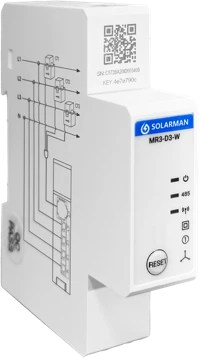
Regular monitoring of your solar system, including checking for blinking orange lights on your microinverters, is recommended. Many microinverter systems offer remote monitoring through a web portal or mobile app, allowing you to easily check the status of each inverter. Performing a visual inspection during regular maintenance is also advisable to identify any potential issues early on.
Most microinverters are designed to have a lifespan of 25 years, comparable to the lifespan of the solar panels they're paired with. However, the actual lifespan can be influenced by factors such as operating temperature, environmental conditions, and the quality of the components. Regular maintenance and prompt attention to issues like a blinking orange light can help maximize the lifespan of your microinverters.
Conclusion
The blinking orange microinverter serves as a crucial indicator of system health and performance within modern solar energy installations. Understanding its implications, coupled with proactive monitoring and maintenance, is paramount for maximizing energy yield, ensuring system reliability, and realizing the full potential of solar power. The evolution of microinverter technology, driven by advancements in materials, communication protocols, and AI-powered diagnostics, promises even greater efficiency and resilience in the future.
By prioritizing early detection of issues, embracing innovative monitoring solutions, and fostering collaboration between homeowners, installers, and manufacturers, we can unlock the transformative power of solar energy and accelerate the transition to a sustainable energy future. Visit our website at www.tsun-ess.com to learn more about our microinverter solutions and how we can help you optimize your solar investment.




 LEARN DETAILS

 Downloads
 Video Center
 Report Fault for Repair
 FAQS
FAQS Service Network
 Privacy Policy
 Contact Us
 Monitoring