Efficient Solar Energy Storage System Factory Solutions
Efficient Solar Energy Storage System Factory Solutions
0%
Table of Contents
Introduction
When evaluating the infrastructure of a solar energy storage system factory, the primary concern for most procurement managers is no longer just raw capacity, but the integration of modularity and efficiency. The shift toward decentralized power generation has created a critical need for systems that can be deployed in diverse environments, from residential balconies to industrial rooftops, without requiring massive structural overhauls.
The complexity of modern energy demands means that a standard storage unit is rarely sufficient. Instead, the industry is moving toward hybrid architectures where AC coupled systems and high-power microinverters work in tandem to optimize energy harvesting. Understanding how these components interface—and how a factory manages the precision of these integrations—is essential for ensuring long-term system reliability and maximizing the return on investment.
This analysis explores the technical benchmarks and manufacturing standards that define a high-performing solar energy storage system factory, specifically focusing on the synergy between micro-inverter technology and versatile storage solutions to solve common deployment challenges.
Core Architecture of Modern Solar Storage Systems
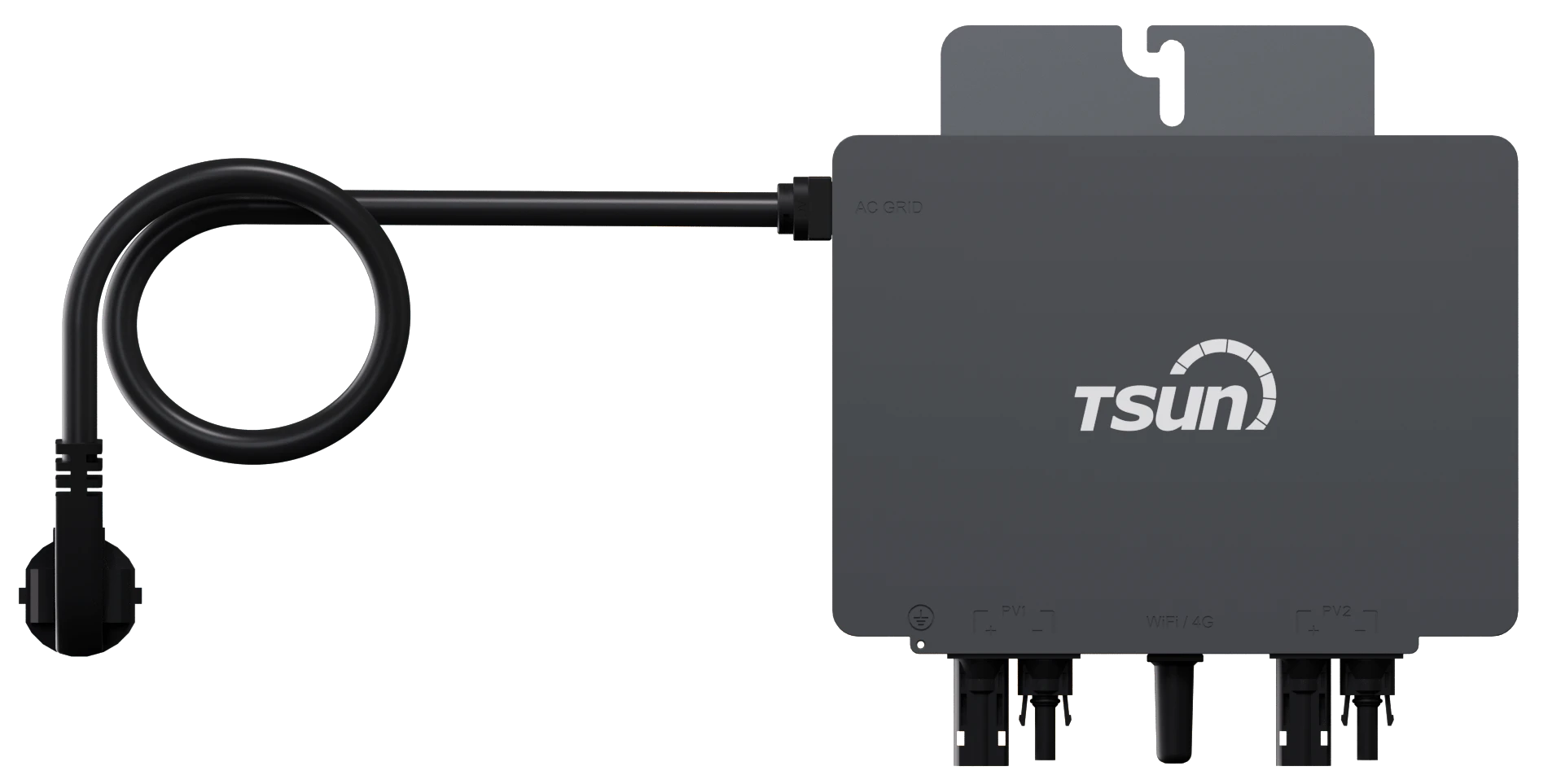
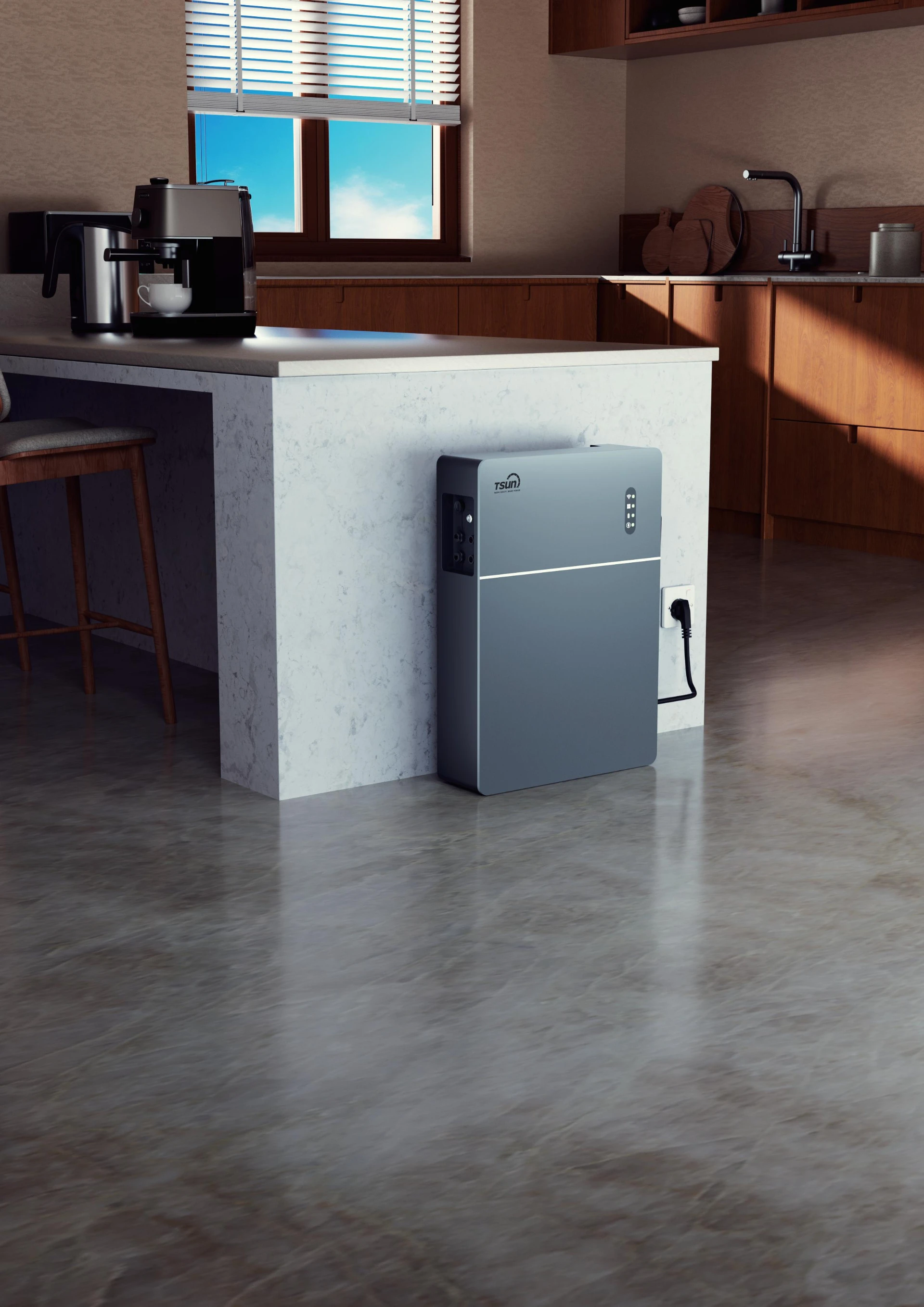
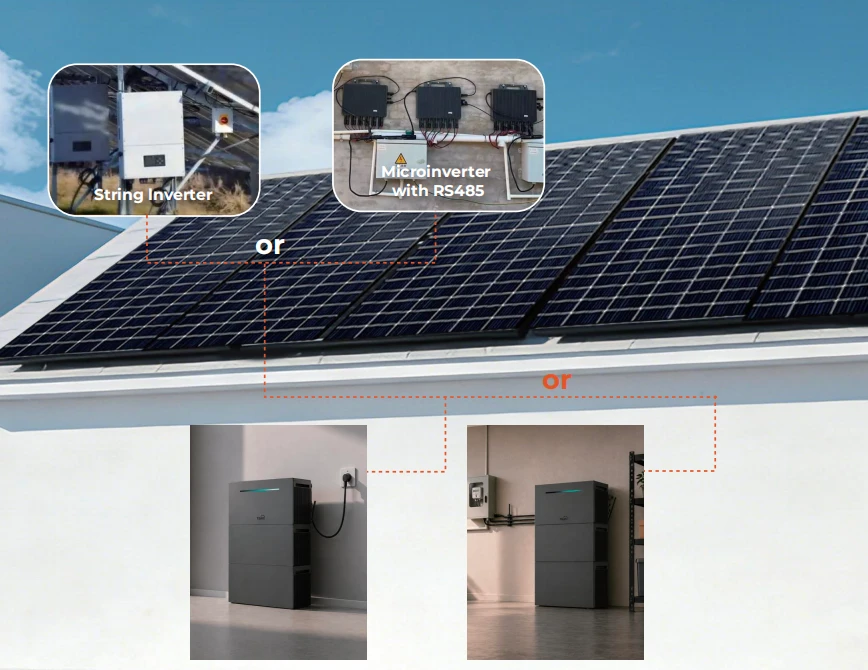
Modern solar energy storage systems are built upon a modular philosophy that separates power conversion from energy accumulation. At the center of this architecture is the inverter—specifically microinverters in smaller systems—which converts DC power from panels to usable AC power. When paired with storage units like the AC Coupled Storage Unit (ACU), the system gains the ability to shift peak loads and maintain power during grid outages without requiring a complete system redesign.
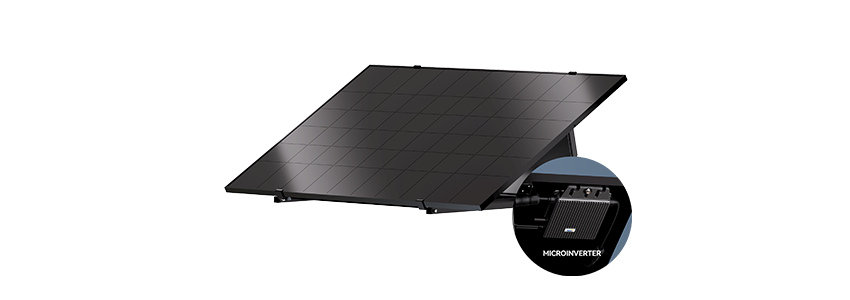
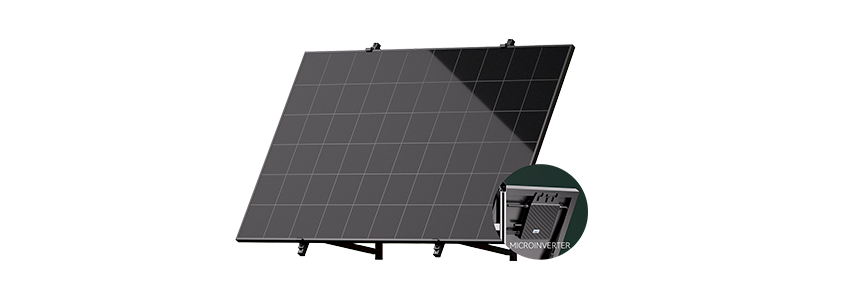
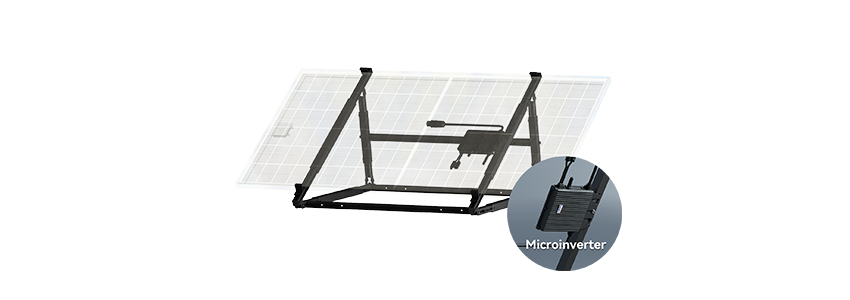
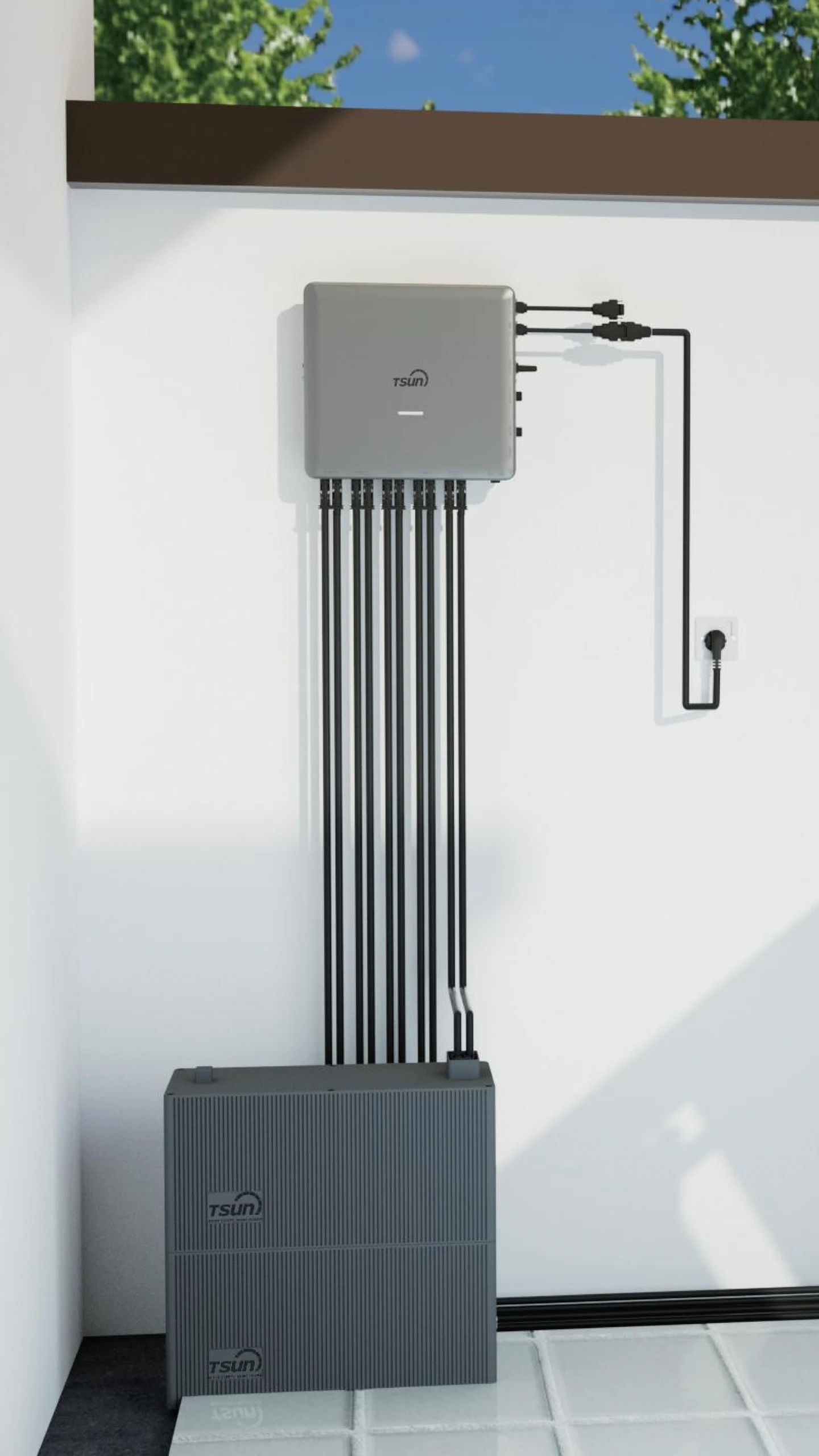
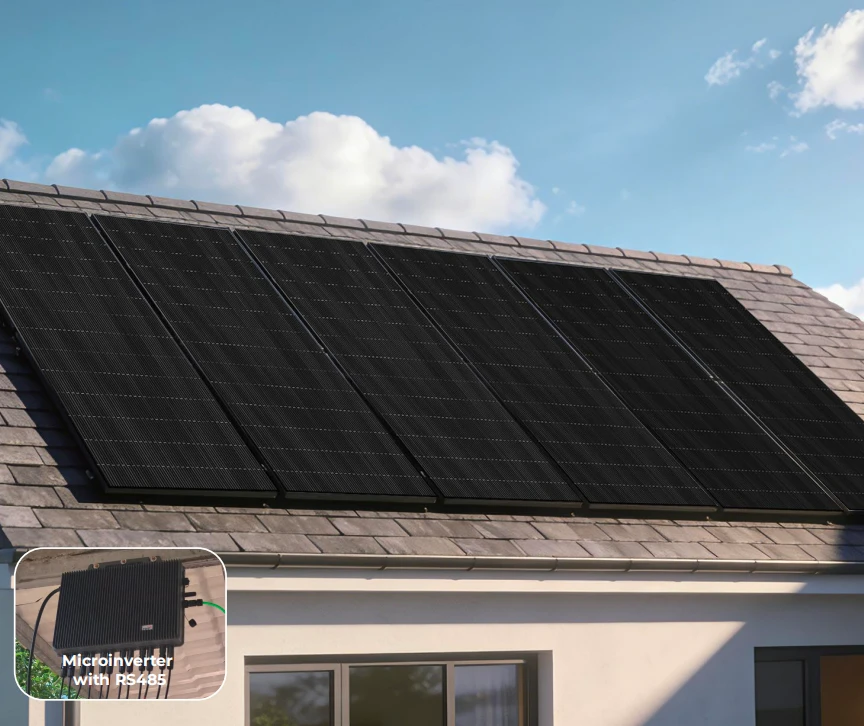
The integration of "plug and play" components, such as the Easy Solar Kit, allows for rapid deployment. By utilizing a 1-in-1 microinverter design, each solar panel operates independently, meaning a single panel's failure or shading does not compromise the entire array's output. This granular control is the hallmark of a sophisticated manufacturing approach, moving away from centralized string inverters toward distributed intelligence.
Technical Determinants of System Efficiency and Durability
The efficiency of a storage system is largely determined by the MPPT (Maximum Power Point Tracking) voltage range and the conversion loss of the inverter. For instance, a system operating within a 16-60V MPPT range allows for high flexibility in panel selection, ensuring that the maximum available energy is harvested even under fluctuating light conditions. Durability is equally critical, requiring robust thermal management to protect electronics from overheating during high-current throughput.
High-performance storage systems prioritize independent panel optimization. By dedicating one microinverter to one panel (1-in-1 design), the system eliminates the "Christmas light effect," ensuring that the weakest panel does not throttle the output of the strongest, thereby increasing overall daily energy yield by significant margins in complex urban environments.
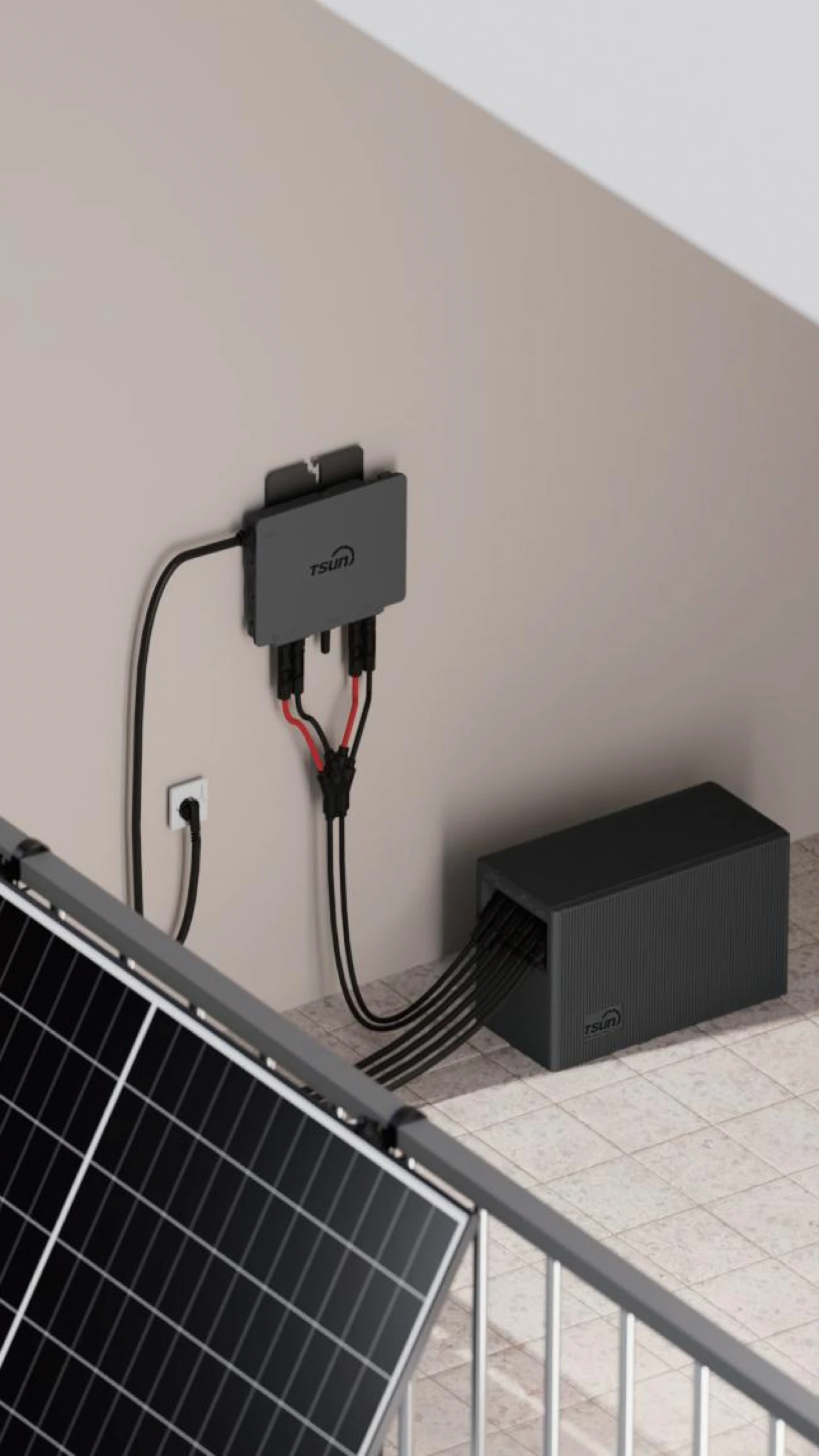
Furthermore, the physical construction—such as the use of trunk cables in microinverter arrays—reduces the number of potential failure points by minimizing manual wiring. This streamlined connectivity not only lowers installation labor costs but also reduces AC cable clutter, which is a vital consideration for "Hang on Balcony" or "On the Ground" installations where space and aesthetics are prioritized.
Strategic Value of AC Coupled vs DC Coupled Integration
Choosing between AC and DC coupled systems depends on the existing infrastructure and the goal of the installation. DC coupled systems, like the SolarCan (DC Coupled Unit), are often more efficient for new, small-scale installations because they avoid one stage of conversion. They are ideal for micro-storage solutions in courtyards or carports where a compact, all-in-one footprint is required.
AC coupled systems offer superior flexibility for retrofitting. By integrating an energy storage inverter with a battery pack (as seen in the ACU series), users can add storage to an existing on-grid solar system without replacing the original inverters, drastically reducing the barrier to entry for residential energy independence.
For commercial and industrial (C&I) applications, the ability to scale from 5 kWh to 20 kWh using AC coupled units provides a scalable growth path. This allows businesses to start with a modest investment and expand their storage capacity as their energy consumption grows or as battery costs continue to decline, ensuring the system remains economically viable over its lifecycle.
Performance Benchmarks Across Different Inverter Capacities
The output capacity of a microinverter directly correlates with the size of the PV module it can support. In professional deployments, matching the nominal continuous output power to the recommended module power is critical to avoid clipping and maximize efficiency. For example, the range from 300W to 500W covers the vast majority of residential panel specifications.
Comparing different models reveals how power density affects system design. A 500W 1-in-1 inverter provides maximum independence for a single high-efficiency panel, whereas 2-in-1 or 4-in-1 configurations are used to balance cost and complexity in larger arrays. The following data illustrates the nominal output power across the standard microinverter series.
Nominal Continuous Output Power (Watts)
Deployment Scenarios from Balconies to Ground Mounts
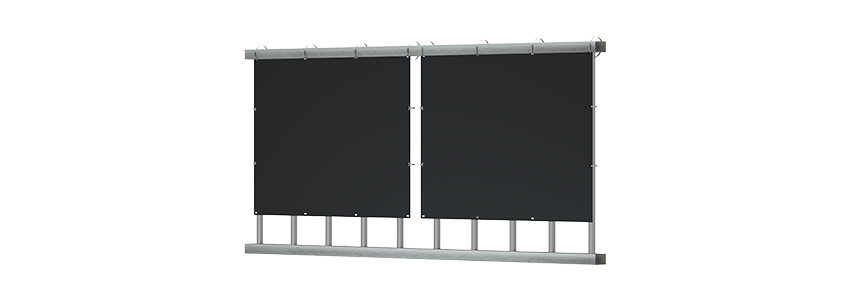
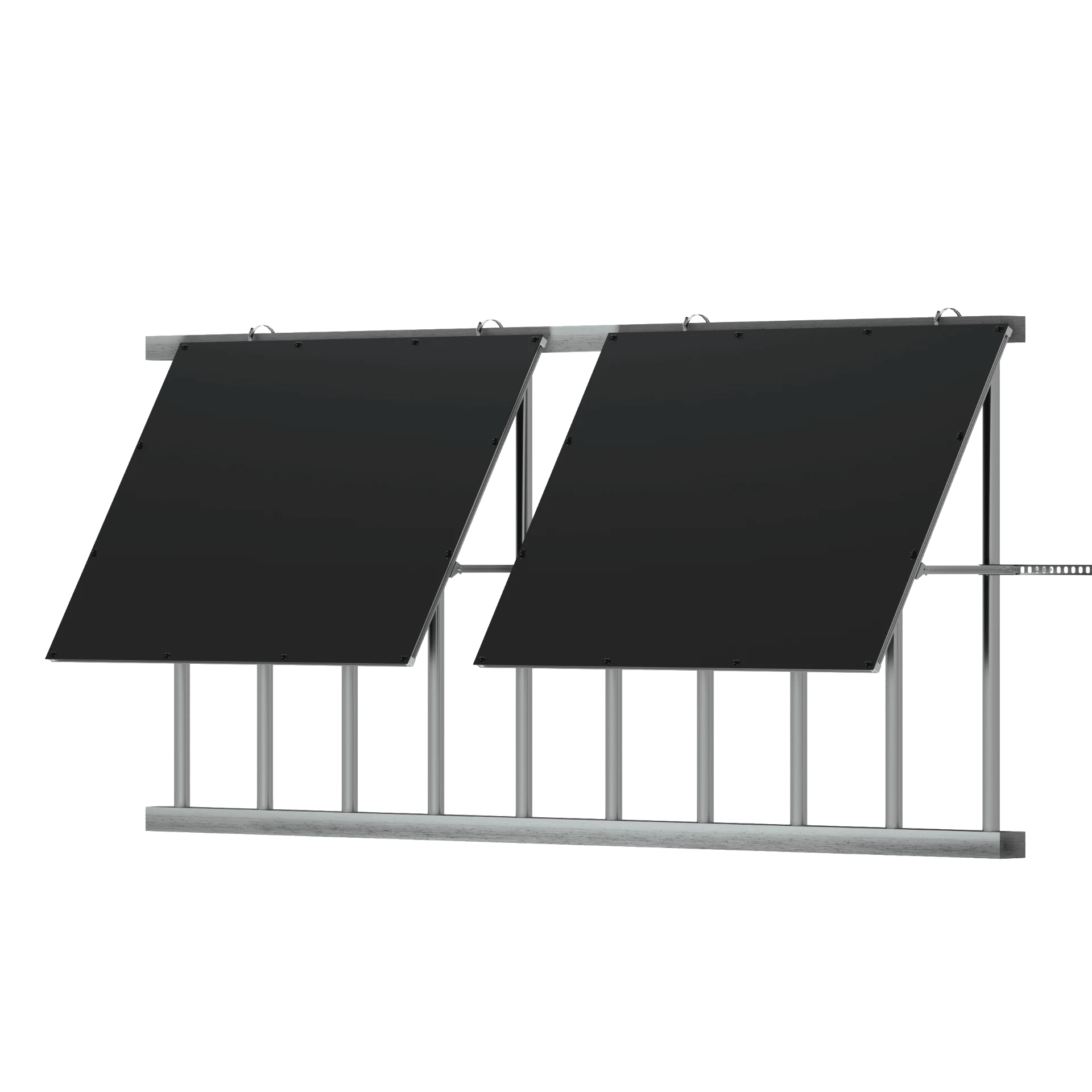
The versatility of modern solar kits allows for application in nearly any residential space. Balcony solar solutions utilize vertical or angled brackets to maximize sunlight capture in urban apartments. These "DIY" kits are specifically designed for plug-and-play installation, requiring minimal electrical expertise while providing immediate reductions in monthly utility bills.
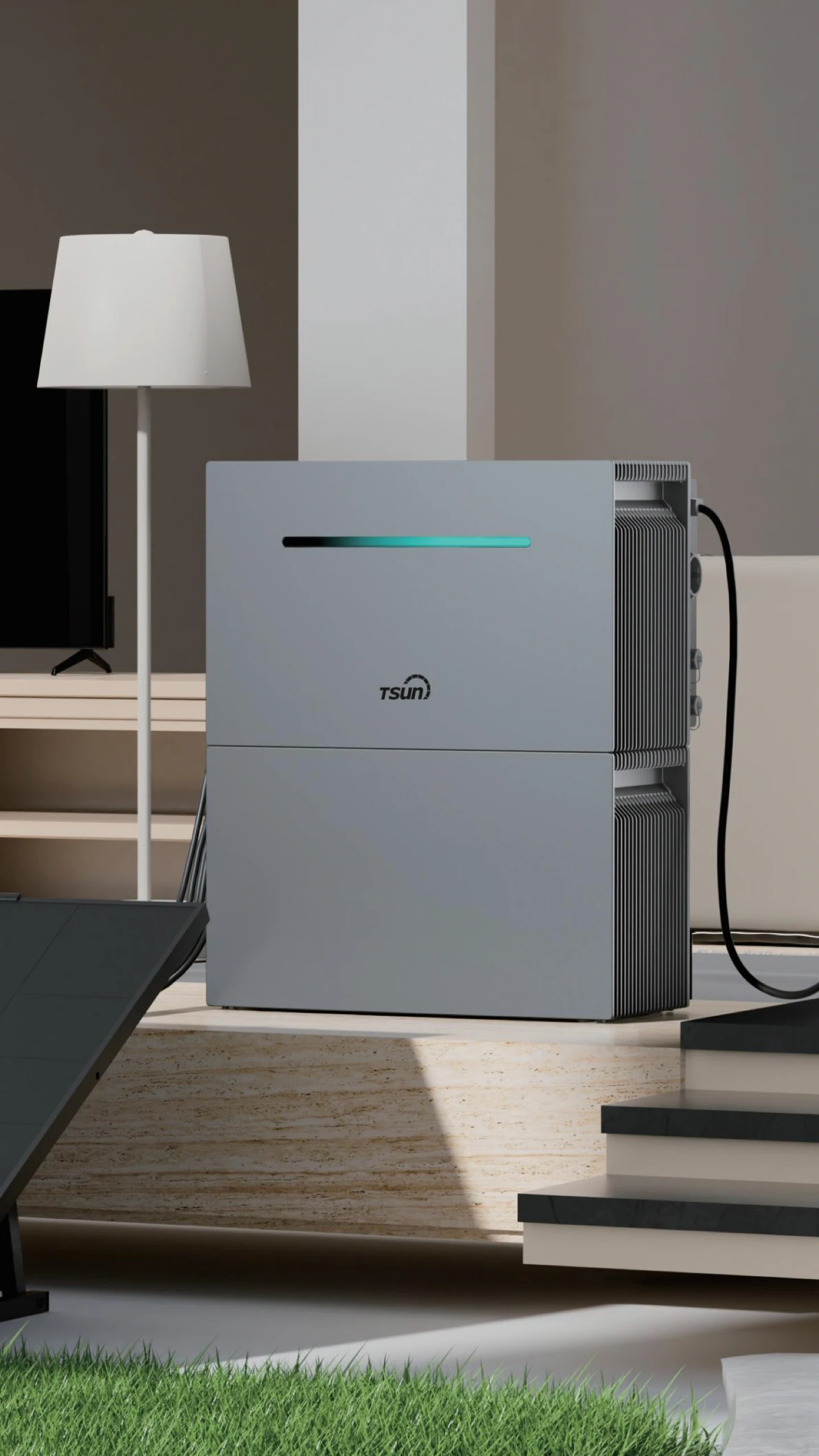
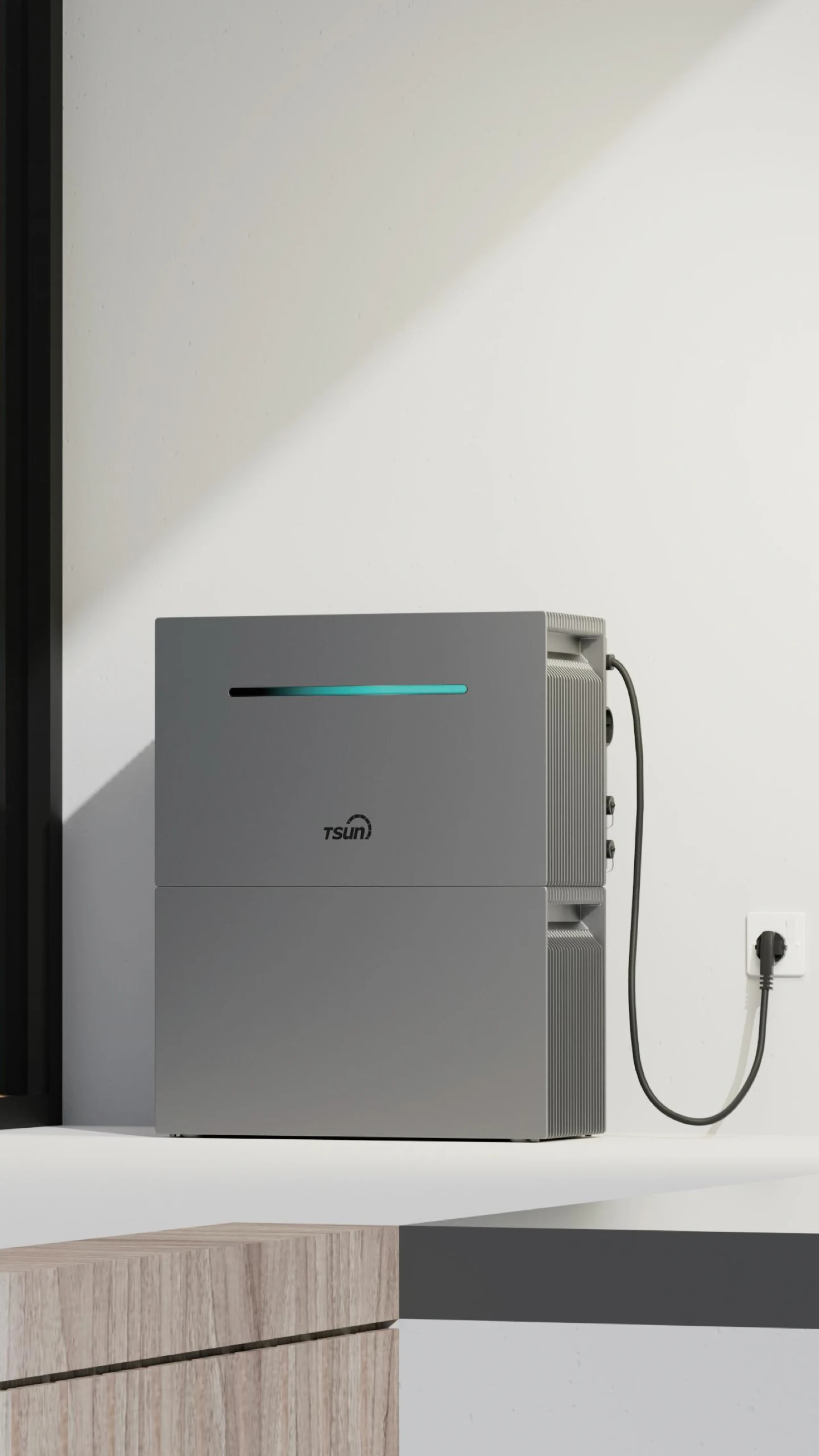
For those with more space, "On the Ground" and "All Scenarios" kits provide a more robust foundation. These systems often integrate larger storage units, such as the SolarTrunk (Micro Hybrid Storage Unit), which stores surplus energy for discharge during peak tariff hours. This transition from simple power generation to active energy management is what transforms a basic solar setup into a comprehensive home energy ecosystem.
Future Trajectories in Micro-Hybrid Energy Storage
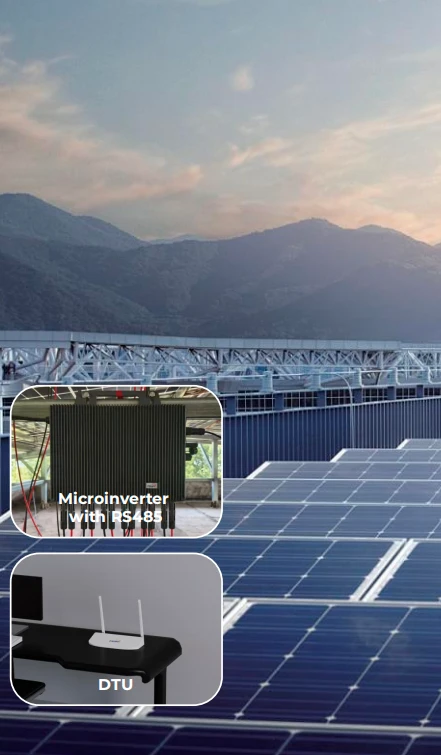
The industry is moving toward "Micro Hybrid" units that merge the functions of the inverter and the battery into a single, streamlined chassis. This reduces the physical footprint and simplifies the communication protocols between the battery management system (BMS) and the power converter, leading to higher round-trip efficiency and simplified monitoring via built-in Wi-Fi and RS485 interfaces.
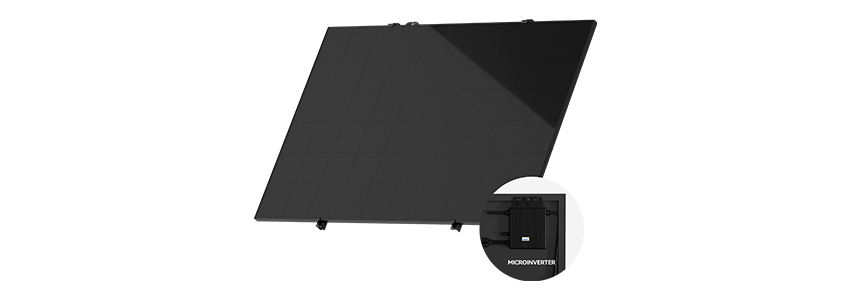
Another emerging trend is the democratization of energy storage through "Easy Solar Kits" that integrate PV modules, microinverters, and DIY brackets into a single SKU. This removes the friction of sourcing components from different vendors and ensures that all parts are factory-tested for compatibility, reducing the risk of system failure due to mismatched components.
Ultimately, the goal is a fully autonomous residential energy node. Future systems will likely integrate smarter AI-driven monitoring that predicts weather patterns and adjusts battery discharge rates accordingly, ensuring that the home always has sufficient reserve power while minimizing reliance on the grid during high-cost periods.
Overcoming Integration Barriers in Small-Scale Solar
Integrating energy storage into small-scale solar remains challenging due to the balance between cost and performance. Many users struggle with the complexity of AC wiring or the high initial cost of large battery banks. The solution lies in modularity—starting with a micro-storage unit and expanding as needed.
Technical limitations often arise in the form of "clipping" when a panel's peak output exceeds the inverter's capacity. To solve this, procurement should focus on matching the Recommended Module Power (e.g., 300-600W) to the specific inverter model, such as the TSOL-MX500 for higher-wattage panels.
The following table provides a decision matrix for selecting the right system configuration based on common user needs and installation constraints.
System Configuration Selection Matrix
User Need
Recommended Unit
Key Benefit
Installation Type
Urban Apartment
Balcony Kit
Plug & Play
Vertical/Angled
Low Budget
1-in-1 Micro
Cost-Effective
DIY Wall/Rail
Existing Solar
AC Coupled (ACU)
Easy Retrofit
System Extension
Full Independence
Hybrid Micro
Peak Shifting
Ground/Roof
Small House
SolarCan (DC)
High Efficiency
Courtyard/Carport
C&I Scale
ACU 6.0K
High Capacity
Industrial Mount
Frequently Asked Questions
What is the main advantage of a 1-in-1 microinverter?
The main advantage is independent panel optimization. By dedicating one inverter to one panel, the system prevents a single shaded or faulty panel from reducing the output of the entire array. This is particularly valuable in residential areas with partial shading from trees or nearby buildings, ensuring the highest possible energy harvest per panel.
Can I add storage to my existing on-grid solar system?
Yes, by using an AC Coupled Storage Unit (ACU). Unlike DC coupled systems that require you to change your inverter, AC coupled systems allow you to integrate a battery and a dedicated storage inverter into your existing AC circuit. This makes it the most efficient way to upgrade an existing system to include backup power and peak-shaving capabilities.
Is a balcony solar kit actually effective for energy savings?
Absolutely. While smaller than roof systems, balcony kits using high-efficiency microinverters can significantly offset "baseload" electricity costs (like refrigerators and routers). Because they are plug-and-play and use specialized brackets, they provide an accessible entry point for renters and apartment dwellers to reduce their carbon footprint and utility bills.
What is the difference between the SolarTrunk and SolarCan?
The SolarTrunk is a Micro Hybrid Storage Unit designed for versatile residential settings, often focusing on modularity and AC coupling. The SolarCan is a DC Coupled Unit, typically used as a micro-energy storage solution for very small households or specific plug-and-play scenarios like carports, offering high efficiency for small-scale DC-to-DC energy transfers.
How do I choose between different microinverter power ratings?
You should match the inverter's nominal output to the recommended module power of your panels. For example, if your panels are 400W, a TSOL-MS400 or TSOL-MX400 is ideal. Using an inverter with too low a rating will cause "clipping" (lost energy), while one with too high a rating may be an unnecessary expense without providing additional gain.
What monitoring options are available for these storage systems?
Most modern systems include built-in Wi-Fi, RS485, or RJ45 interfaces. Through these, users can utilize smart meters and power meters to track real-time generation, battery state-of-charge, and grid consumption. This data is essential for optimizing the discharge cycles of the battery to maximize financial savings.
Conclusion
The evolution of the solar energy storage system factory has moved toward a focus on modularity and distributed intelligence. By combining microinverter technology with flexible AC and DC coupled storage, the industry has made sustainable energy accessible to a wider range of users—from urban apartment dwellers to commercial enterprises. The key to a successful deployment lies in the precise matching of inverter capacity to panel output and the selection of a storage architecture that fits the existing site constraints.
For those seeking to implement these solutions, focusing on integrated kits and scalable storage units ensures a future-proof investment. To explore a comprehensive range of microinverters and hybrid storage systems tailored for various installation scenarios, you can visit the technical resources at www.tsun-ess.com.
Ethan Reynolds is our Lead Product Specialist, focused on the Power Trunk and Solar Trunk product lines. He boasts a strong background in power electronics and battery storage technologies. Ethan's role involves rigorous testing, quality assurance, and close collaboration with the engineering team to refine our storage system solutions. He's






 LEARN DETAILS
 Downloads
 Video Center
 Report Fault for Repair
 FAQS
 Service Network
 Privacy Policy
 Contact Us
 Monitoring