016-in-1 Balcony Microinverter (TSUN; models MX3000D(800), MX2400D, MX2500D, MX2700D, MX3000D, MX3300D)
022-in-1 Balcony Microinverter (TSUN; models MS600, MS700, MS800, MX800, MX900, MX1000 Balcony)
Overview
When sourcing balcony photovoltaic equipment from microinverter manufacturers, procurement teams and distributors need to match the inverter channel count to the available roof or balcony area and to local grid-export regulations. Headquarters TSUNESS Co., Ltd. (TSUN) publishes two distinct balcony-rated product lines that address different ends of this range: the 6-in-1 Balcony Microinverter and the 2-in-1 Balcony Microinverter. Both share the same brand origin and plug-and-play installation philosophy, yet they differ substantially in power capacity, physical size, input current handling, and target use case.
Criterion 1 — Panel Capacity and System Scope
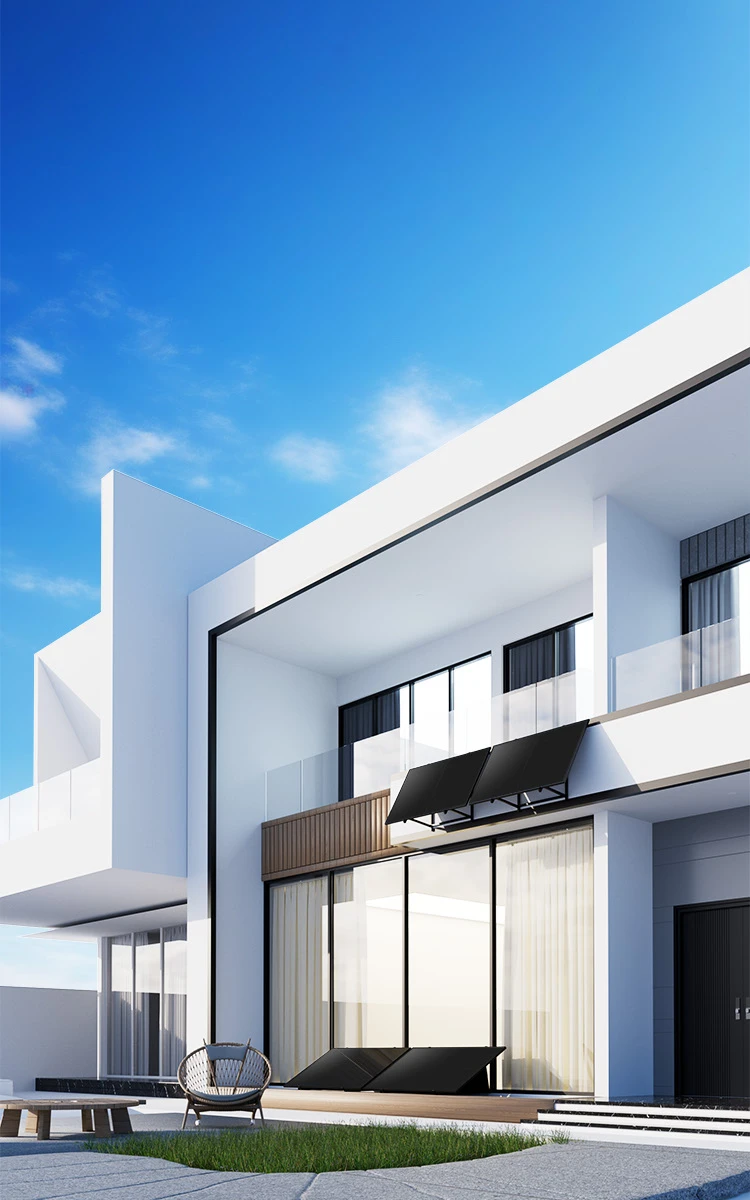
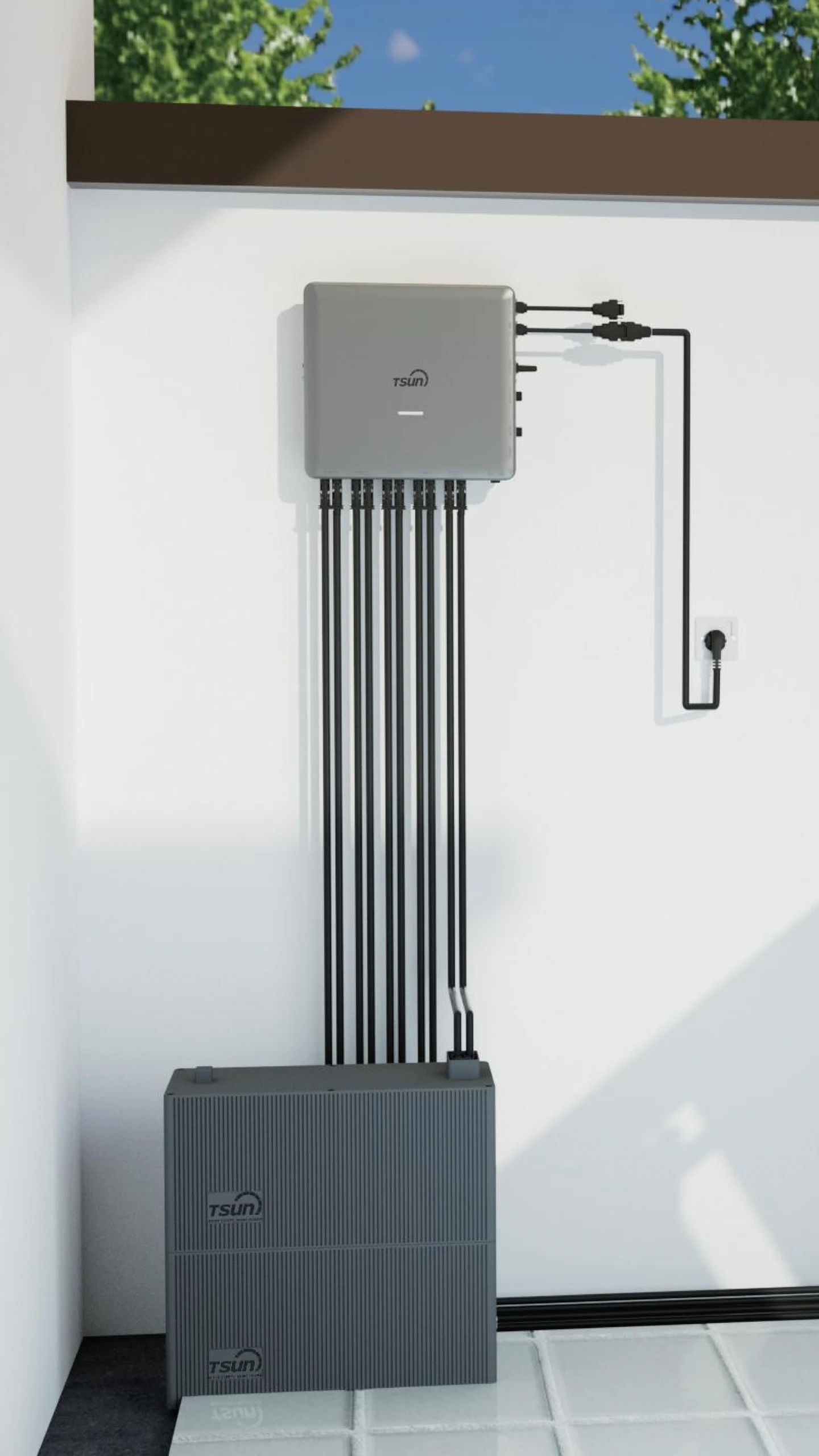
The 6-in-1 Balcony Microinverter connects up to six solar panels in a single unit, making it designed for urban balcony installations where a larger panel array is feasible. According to published documentation, this design "fully meets the dual needs of urban users for high power and convenient installation in limited space."
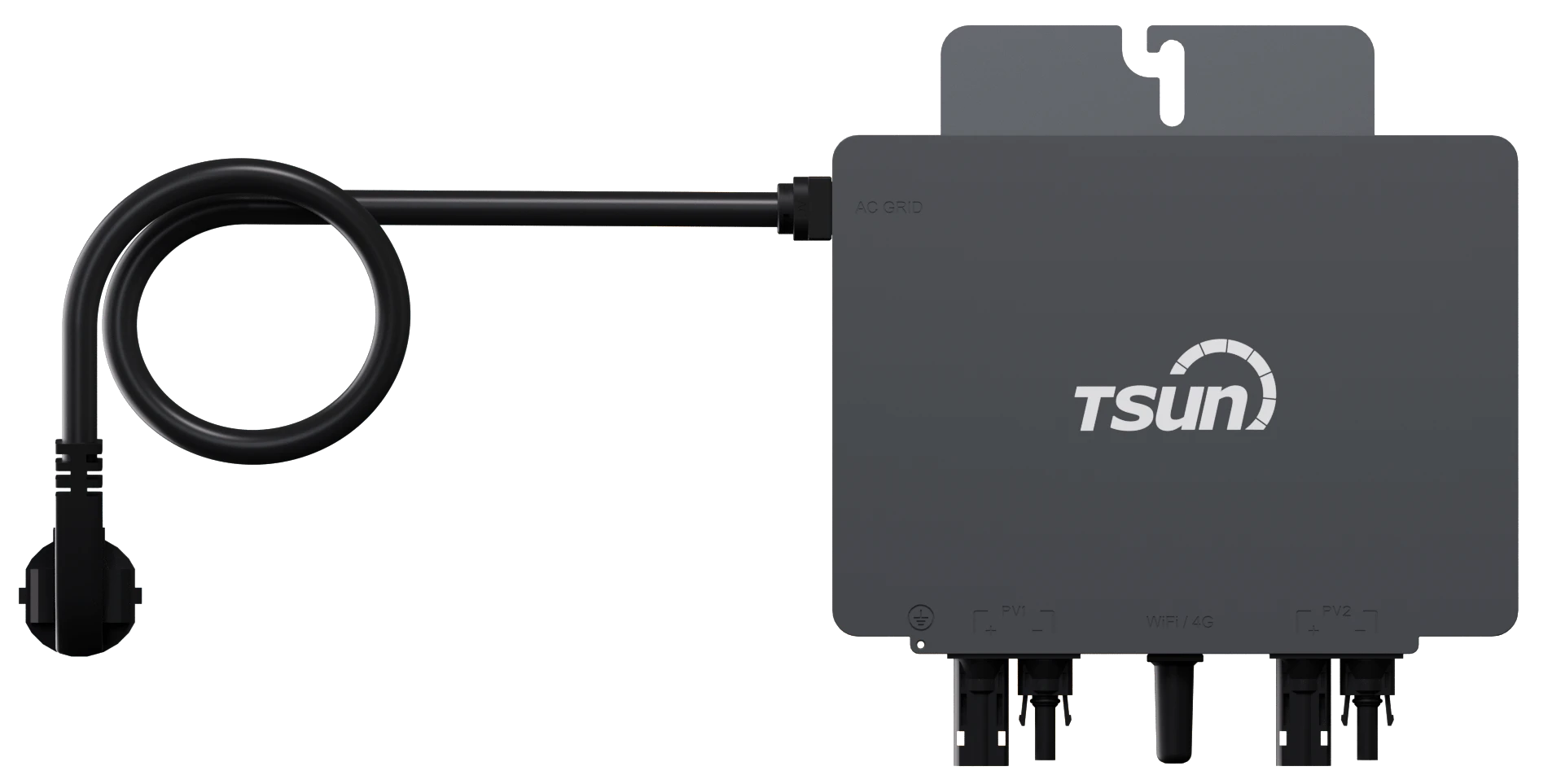
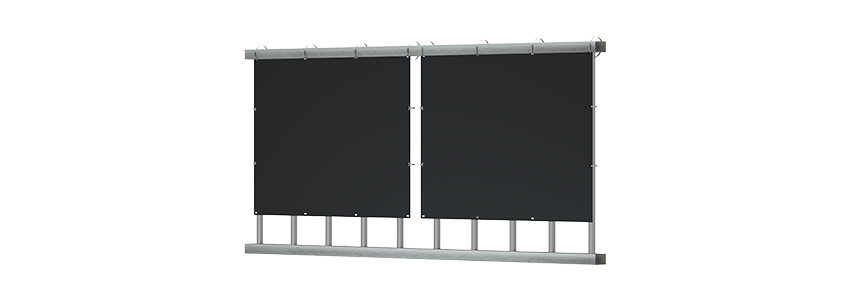
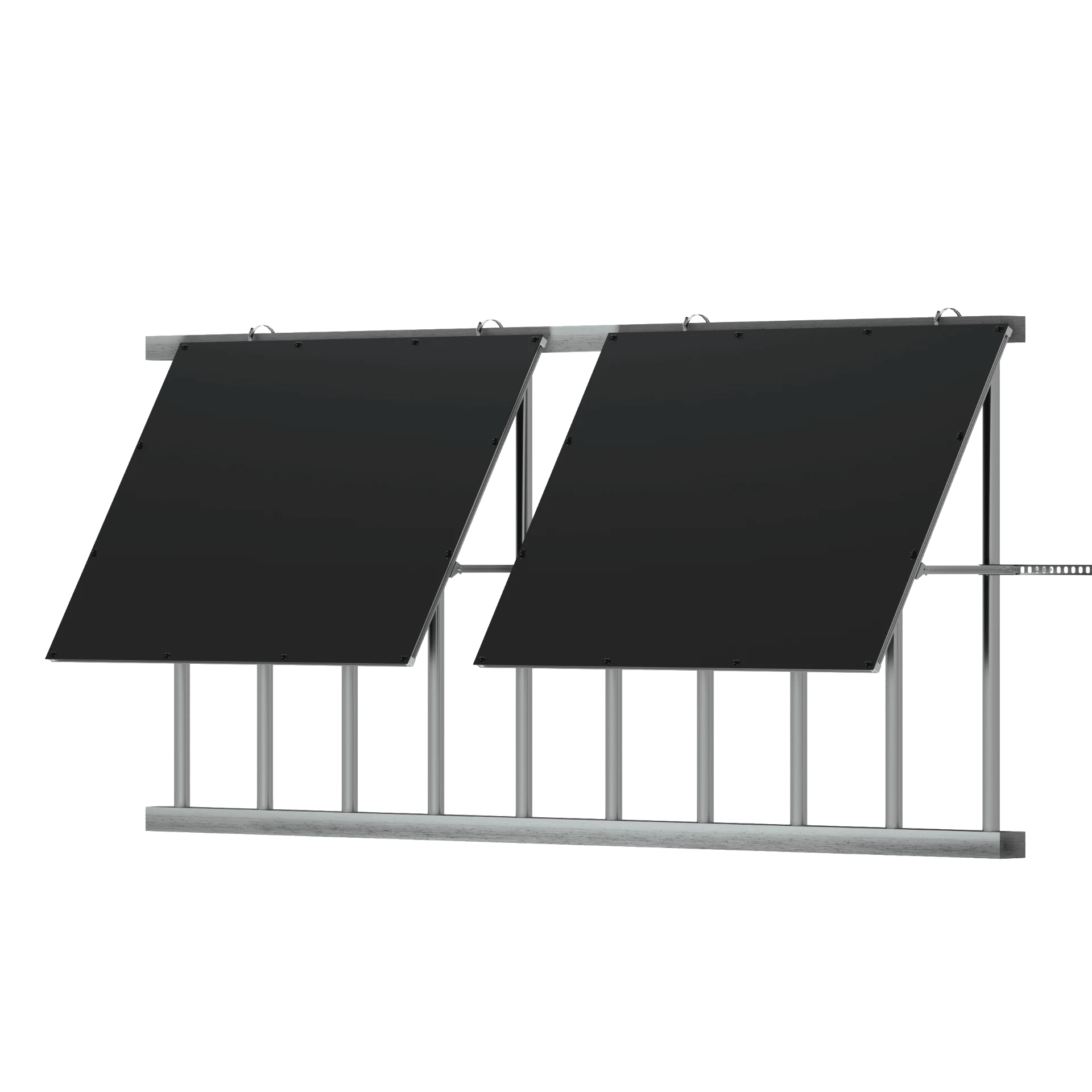
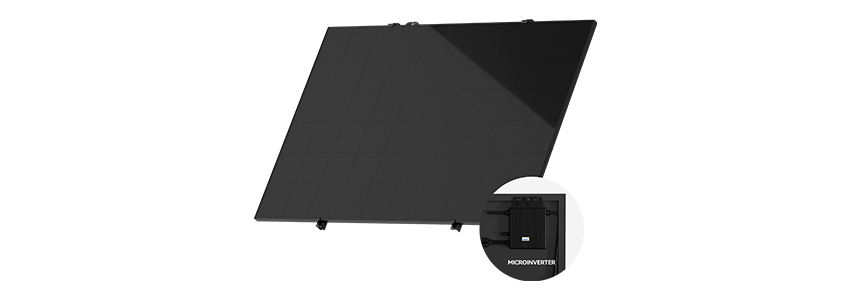
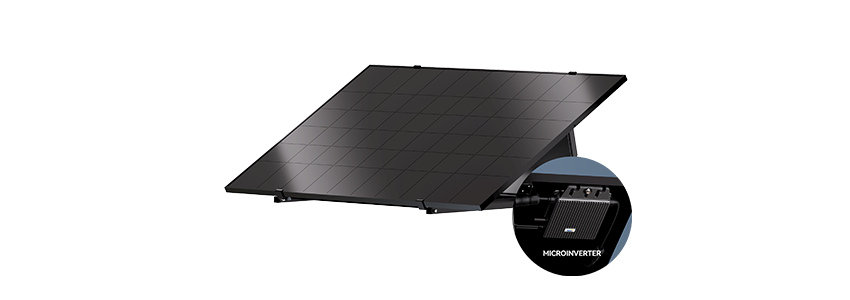
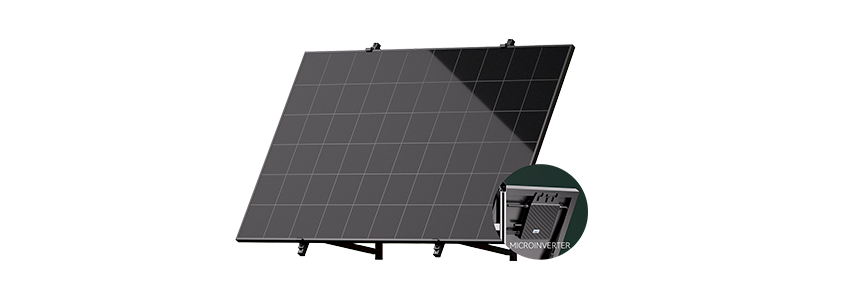
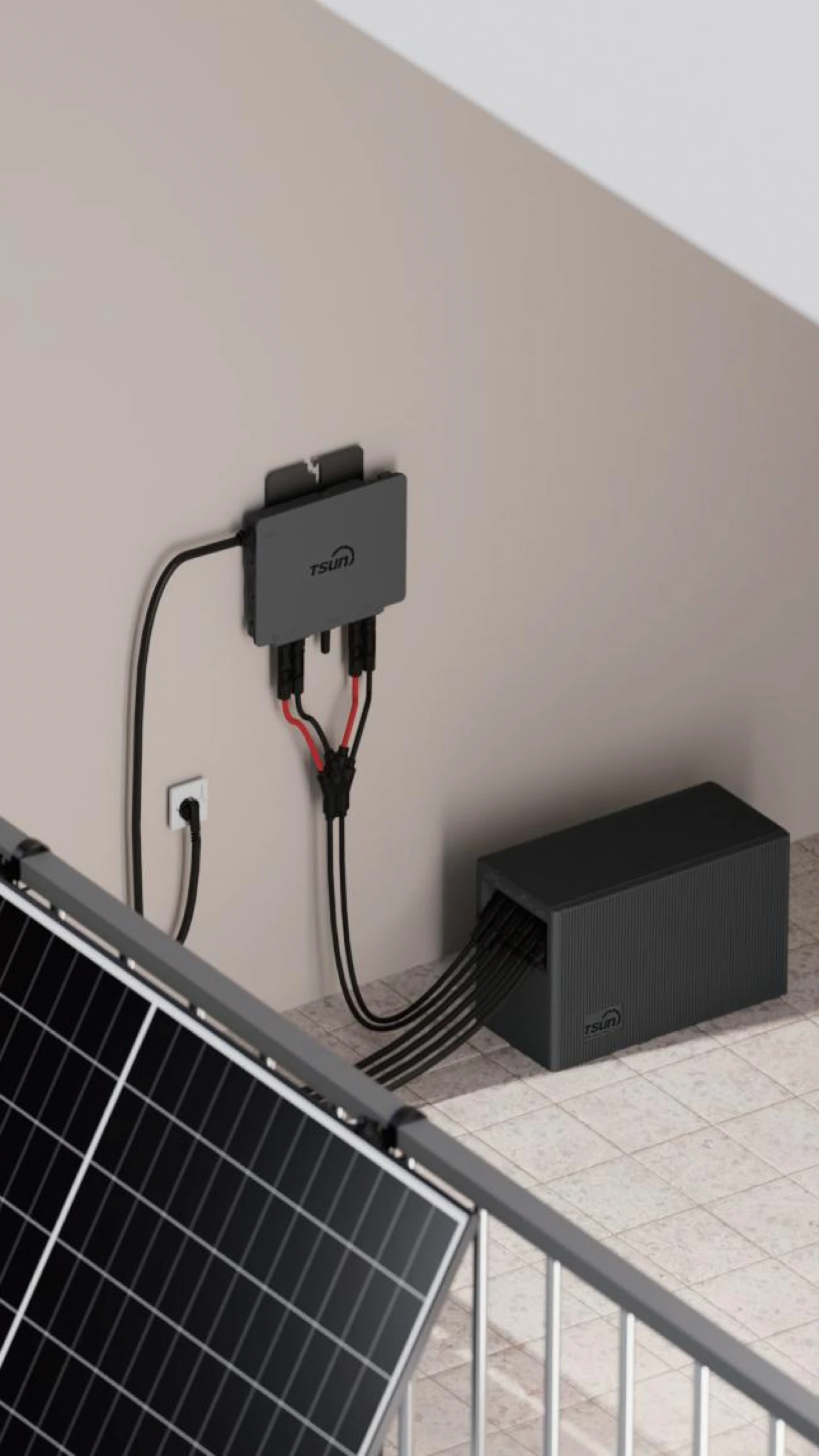
The 2-in-1 Balcony Microinverter connects two solar panels per unit. Its published description positions it for "urban residents for small-scale clean energy" where balcony space is more constrained. Multiple 2-in-1 units can be daisy-chained together to scale the system without a single large unit.
Summary: The 6-in-1 serves larger channel requirements per unit; the 2-in-1 targets smaller installations or modular expansion.
Criterion 2 — Nominal Continuous Output Power
The following table reproduces published nominal continuous output power values for each documented model variant:
6-in-1 Balcony Microinverter — Output Power by Model
The published maximum output power across the 6-in-1 series is 3,300 W, with a published peak efficiency of 97.0%.
2-in-1 Balcony Microinverter — Output Power by Model
Published documentation states output power of the 2-in-1 series "can reach up to 1000W, which is in a leading position among 2-in-1 type microinverters."
Summary: The 6-in-1 offers a wider and higher power range (800–3,300 W) compared to the 2-in-1 range (600–1,000 W). The 2-in-1 MX800 Balcony model shares the same 800 W output figure as the 6-in-1 MX3000D(800) variant, illustrating an overlap at the lower end.
Criterion 3 — Input Electrical Parameters (DC Side)
6-in-1 Balcony Microinverter
2-in-1 Balcony Microinverter
Summary: Both products share the same MPPT voltage window (16–60 V) and maximum input voltage (60 V). The 6-in-1 specifies a higher per-input current rating — 18 A (continuous) and 25 A (short-circuit) — compared to 14 A (continuous) and 20 A (short-circuit) for the 2-in-1. This reflects the 6-in-1's higher per-channel current handling for larger or higher-wattage panels.
Criterion 4 — Physical Dimensions and Weight
The 6-in-1 unit is physically larger and more than three times heavier than the 2-in-1 unit. Both products are designed for balcony mounting; the dimensional difference is a relevant factor when assessing mounting surface load and available balcony rail or frame space.
Criterion 5 — Installation Design and Wiring
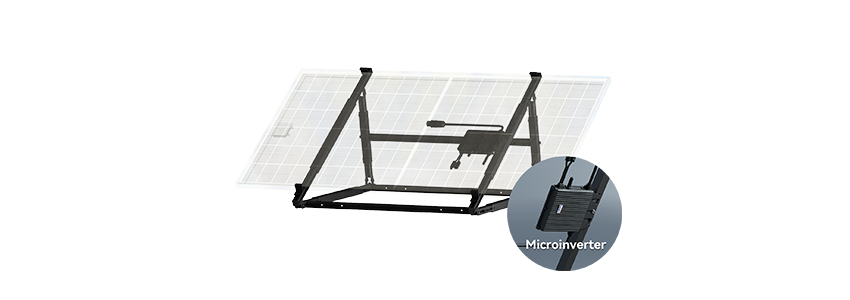
Both products are described as supporting Plug & Play installation — a common feature across the TSUN balcony microinverter range.
- The 6-in-1 Balcony Microinverter documentation states: "Users do not need to rely on professional skills, so they can easily get started, quickly connect the components, and put them into use immediately."
- The 2-in-1 Balcony Microinverter documentation confirms a "Plug & Play function, allowing users to quickly and easily complete the system connection and put it into use immediately, greatly reducing the complexity of installation."
The broader TSUN balcony Gen3 range also features a daisy-chain wiring method that integrates a 1.45 m AC output cable between inverters, allowing configurations from 500 W to 9,000 W without additional AC cable. Buyers should verify with Headquarters TSUNESS Co., Ltd. which specific model variants support each wiring configuration.
Criterion 6 — Monitoring and Safety Features
Monitoring
The 2-in-1 Balcony Microinverter published documentation explicitly describes an intelligent monitoring system connecting to a cloud platform via wireless network or data collector, with a dedicated mobile app or web interface, and immediate anomaly notifications.
The Microinverter 2-in-1 (For Balcony) — a closely related TSUN Gen3 2-in-1 balcony product — documents multiple communication options including Wi-Fi, RS485, 4G, and Bluetooth for real-time monitoring across different installation scenarios.
Published documentation for the 6-in-1 Balcony Microinverter does not include a dedicated monitoring or communication section in the available excerpts. Buyers should request supplier documentation confirming the monitoring interface for 6-in-1 models.
Safety Design
The 2-in-1 series has multiple protections: overvoltage, overcurrent, overtemperature, and anti-islanding (automatic grid-disconnection on grid failure). The 60 V DC input ceiling on the related Gen3 2-in-1 balcony unit eliminates the need for additional components such as AFCI, RSD, or DC boxes. The 6-in-1 series shares the same 60 V maximum input voltage.
Supplier Documentation Notes for Procurement
When approaching microinverter manufacturers such as Headquarters TSUNESS Co., Ltd. for a wholesale inquiry, procurement teams should request the following for both product lines:
- Full datasheet per model variant — confirm all electrical ratings, temperature ranges, and protection class (IP rating) per SKU.
- Certification documents — request region-specific certificates (e.g., for the US, Middle East, Europe, and Southeast Asia markets) directly from the supplier; the available published excerpts reference safety certifications without specifying individual marks.
- Wiring and mounting diagrams — clarify which daisy-chain configurations and wiring methods apply to 6-in-1 versus 2-in-1 model variants.
- Monitoring platform compatibility — confirm cloud platform and app availability for 6-in-1 models in the target market.
- Export and regulatory compliance — verify local grid-export power limits (the 2-in-1 documentation notes output power adjustable per local regulations up to 1,000 W).
Conclusion
For buyers working with microinverter manufacturers to source balcony solar equipment, the choice between the TSUN 6-in-1 and 2-in-1 Balcony Microinverter products reflects primarily a capacity and form-factor decision. The 6-in-1 unit addresses installations requiring higher aggregate output (up to 3,300 W) from a single device connecting six panels, with higher per-input current handling (18 A / 25 A short-circuit). The 2-in-1 unit is a lighter (2.6 kg), more compact device suited to smaller-scale balcony setups or modular build-outs, with documented monitoring communication options. Both products share the same MPPT voltage window and plug-and-play design philosophy as documented by Headquarters TSUNESS Co., Ltd. Buyers should request full supplier documentation and certifications before finalizing procurement decisions.





 LEARN DETAILS
 Downloads
 Video Center
 Report Fault for Repair
 FAQS
 Service Network
 Privacy Policy
 Contact Us
 Monitoring





 LEARN MORE