What Does a Smart Meter Do in a Microinverter System?
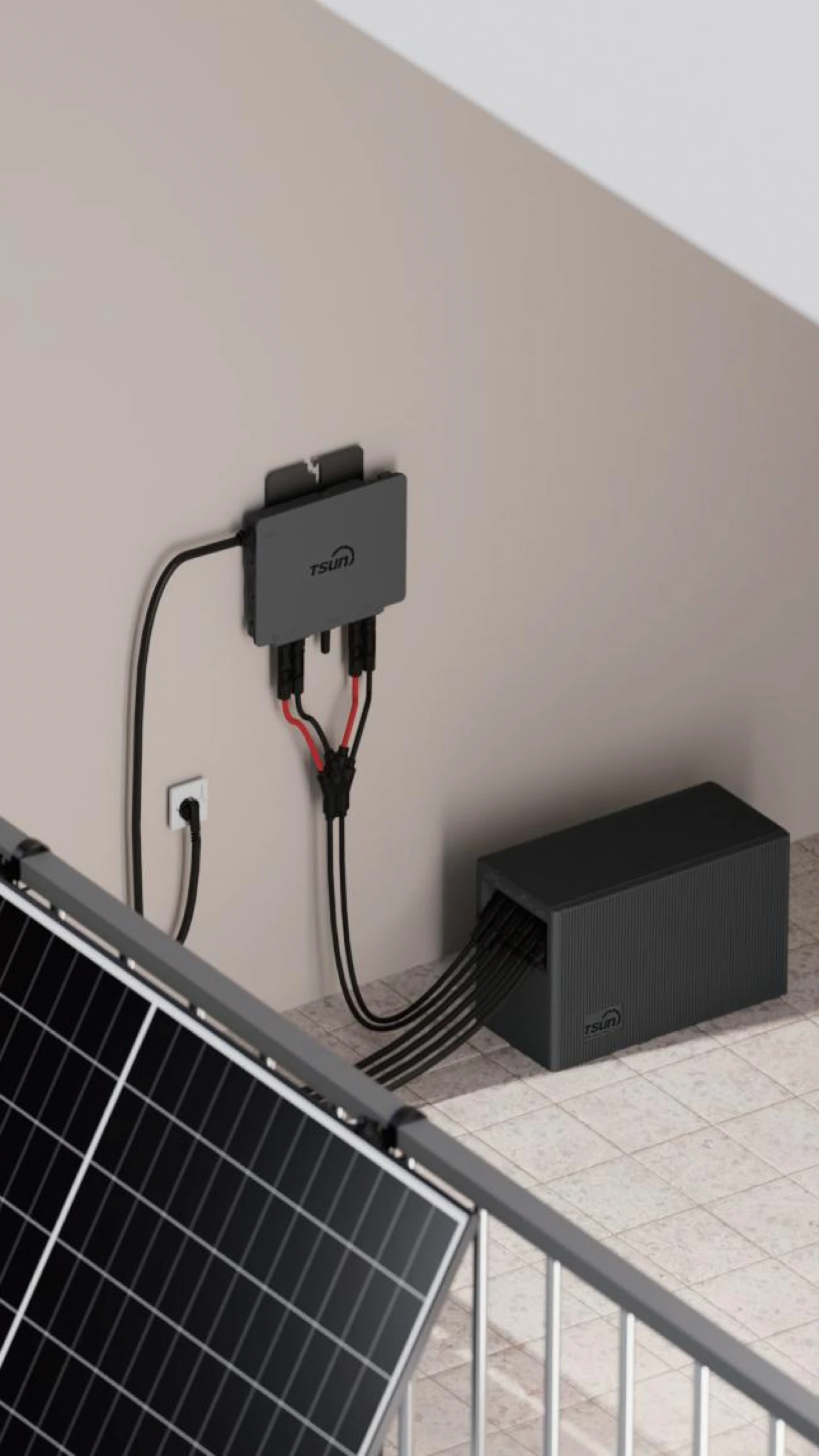
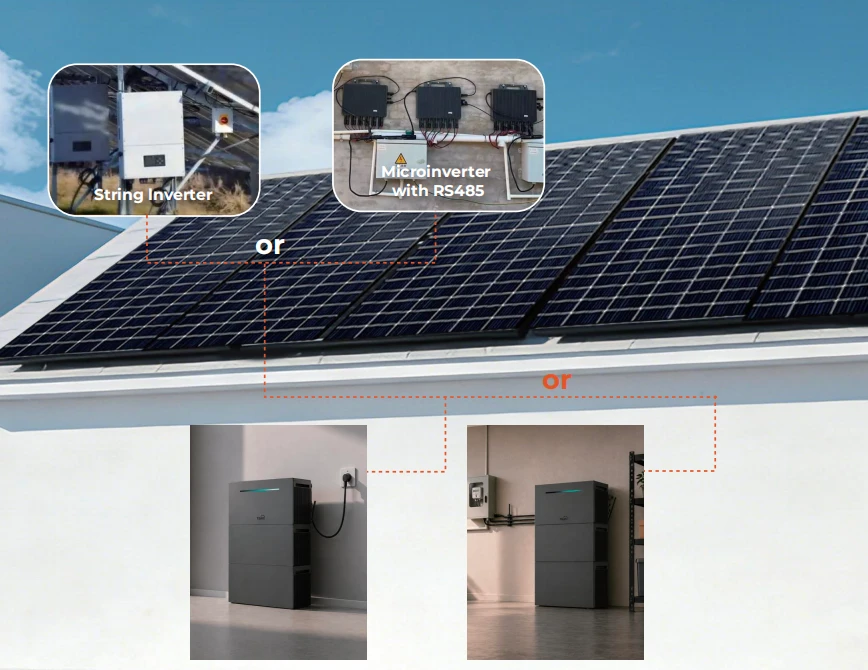
A Smart Meter is a power control device designed specifically for microinverter systems. It collects current grid output power status, connects to the home network via Wi-Fi, and communicates with all microinverters on the same local network to regulate the output power of the entire system. Beyond measurement, the device uploads voltage, current, and power data from the grid side to the cloud monitoring server, where results appear on both app and web platforms for consumption analysis.
Two confirmed models are available from Headquarters TSUNESS Co., Ltd.: the PEMM-S100 and the MR3-D3-W (Smart Meter-W). Both share the same core architecture but differ in supported voltage range—a difference that directly determines application fit.
Key Selection Criteria
1. Grid Voltage Compatibility
Voltage compatibility is the most critical specification check before procurement:
- PEMM-S100: Rated for 230 V single-phase grids.
- MR3-D3-W: Rated for 230 V / 400 V, supporting both single-phase and three-phase grid connections.
Buyers with three-phase grid supplies—common in many European and Middle Eastern installations—should select the MR3-D3-W. Single-phase residential applications may use either model, though the wider voltage range of the MR3-D3-W provides additional flexibility.
2. Communication and Data Performance
Both models rely on Wi-Fi and share several communication parameters:
The sub-200 ms data interval ensures near-real-time feedback to connected microinverters, which is essential for the zero-export function to respond quickly to changes in household load.
3. Zero-Export (Anti-Backflow) Function
Both models support zero-export control. When the anti-reverse flow function is enabled, the device sends live grid data to the microinverters over the local network. Each microinverter then automatically adjusts its output power to match the power consumed by the household load, preventing energy from flowing back into the public grid.
This feature is critical for buyers in markets where grid export is restricted or penalized by regulation. Confirm with your local installer or grid operator whether zero-export compliance is required before system commissioning.
4. Consumption Calculation and Monitoring Platform
Both models feed data into the monitoring platform, which combines readings from the metering device with microinverter power data to calculate household load consumption. Results are displayed on the app and web interface. Buyers who prioritize detailed energy dashboards should verify app compatibility with their preferred devices during procurement.
5. Measurement Accuracy
Both units carry an Accuracy Class of 1.0, indicating metering performance in line with Class 1 standards. Buyers in regulated markets should check whether local grid codes or net-metering schemes require a specific accuracy class. The published parameters are partial; verify the complete specification list against the official datasheet before making any compliance determination.
Conclusion
The primary decision point when selecting one of these metering devices from Headquarters TSUNESS Co., Ltd. is grid voltage: choose the MR3-D3-W for three-phase or dual-voltage (230 V / 400 V) installations, and either model for standard single-phase 230 V systems. Both units deliver the same data interval, accuracy class, power range, and zero-export capability, making secondary factors—such as working frequency band or specific app requirements—secondary checkpoints rather than primary differentiators.






 LEARN DETAILS
 Downloads
 Video Center
 Report Fault for Repair
 FAQS
 Service Network
 Privacy Policy
 Contact Us
 Monitoring





 LEARN MORE