Guide to Microinverter Solar Panels Price and DIY Kits
Transitioning to residential renewable energy has never been more accessible thanks to the evolution of plug-and-play photovoltaic systems. For urban dwellers and homeowners with limited space, the combination of micro-inverters and high-efficiency modules offers a streamlined path to energy independence. Unlike traditional string systems, these decentralized configurations maximize energy harvest by allowing each panel to operate independently, eliminating the "Christmas light effect" where one shaded module drags down the entire array's performance.
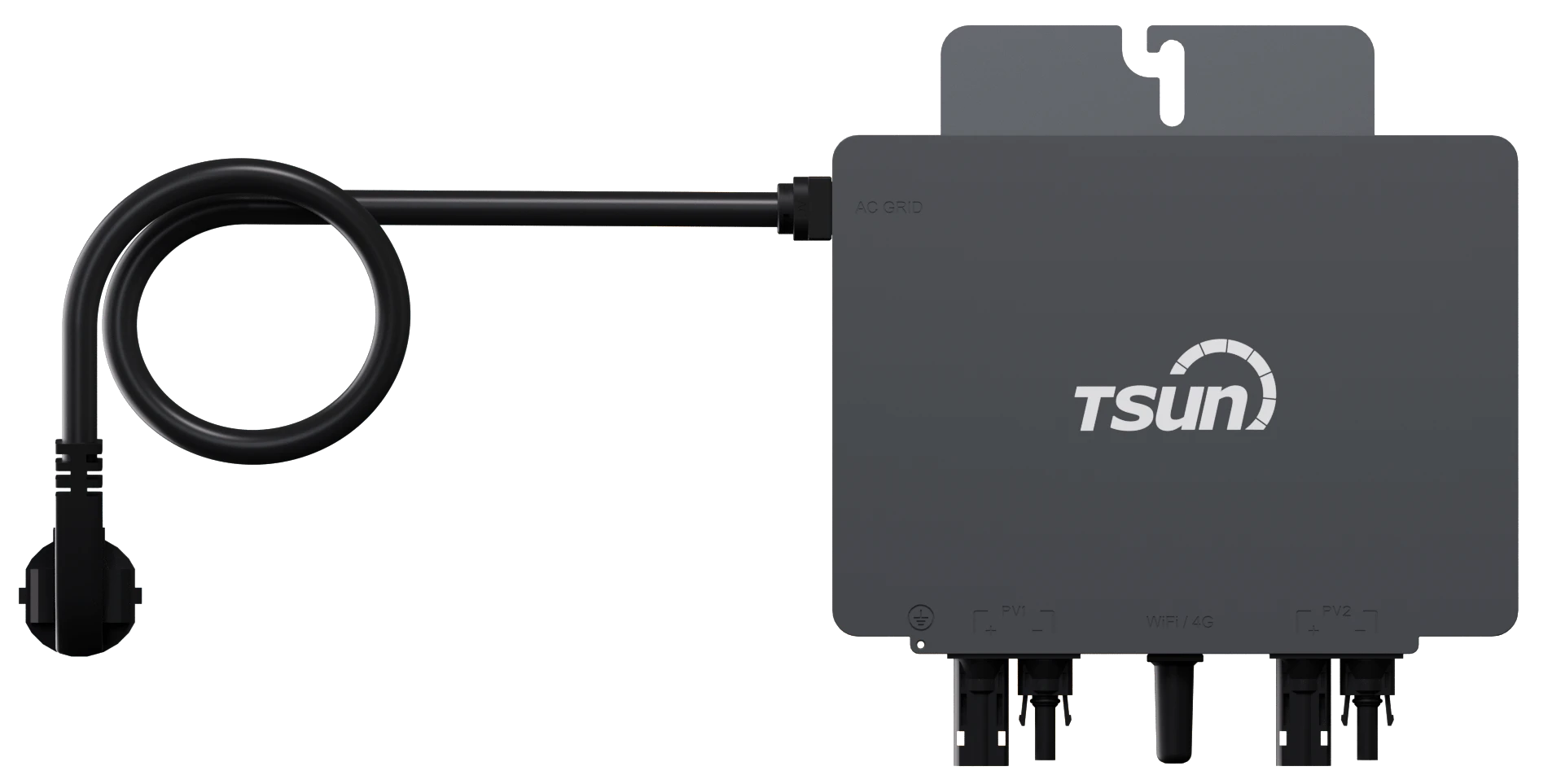
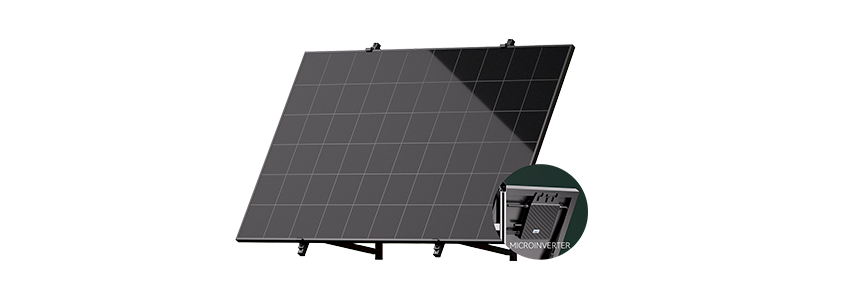
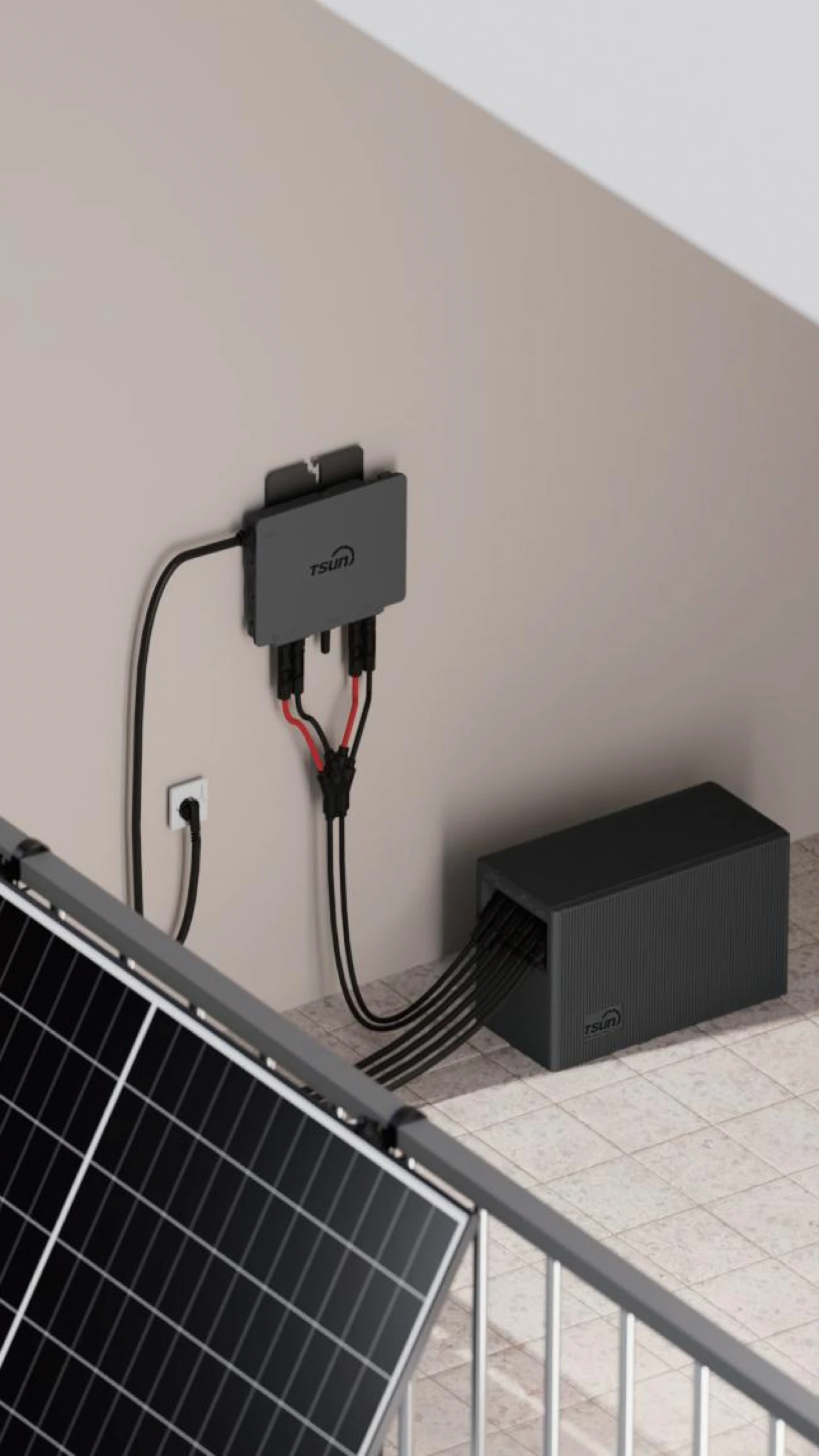
Understanding the microinverter solar panels price involves evaluating not just the upfront hardware cost, but the long-term value derived from ease of installation and system reliability. The TSUN Easy Solar Kit (ESK) exemplifies this trend, integrating the PV module, foldable brackets, and micro-inverters into a single package. By removing the need for professional electrical engineering for basic setups, these kits significantly lower the barrier to entry for those looking to reduce their electricity bills through a simple DIY approach.

The Technical Advantage of Micro-Inverter Based Photovoltaic Systems
Micro-inverters represent a fundamental shift in how DC electricity is converted to AC. While a central inverter handles the entire array, a micro-inverter is installed on each individual panel. This architecture is particularly critical for balcony and residential applications where partial shading from neighboring buildings, trees, or railings is inevitable. Because the conversion happens at the source, the system maintains peak efficiency across all modules, regardless of local obstructions.
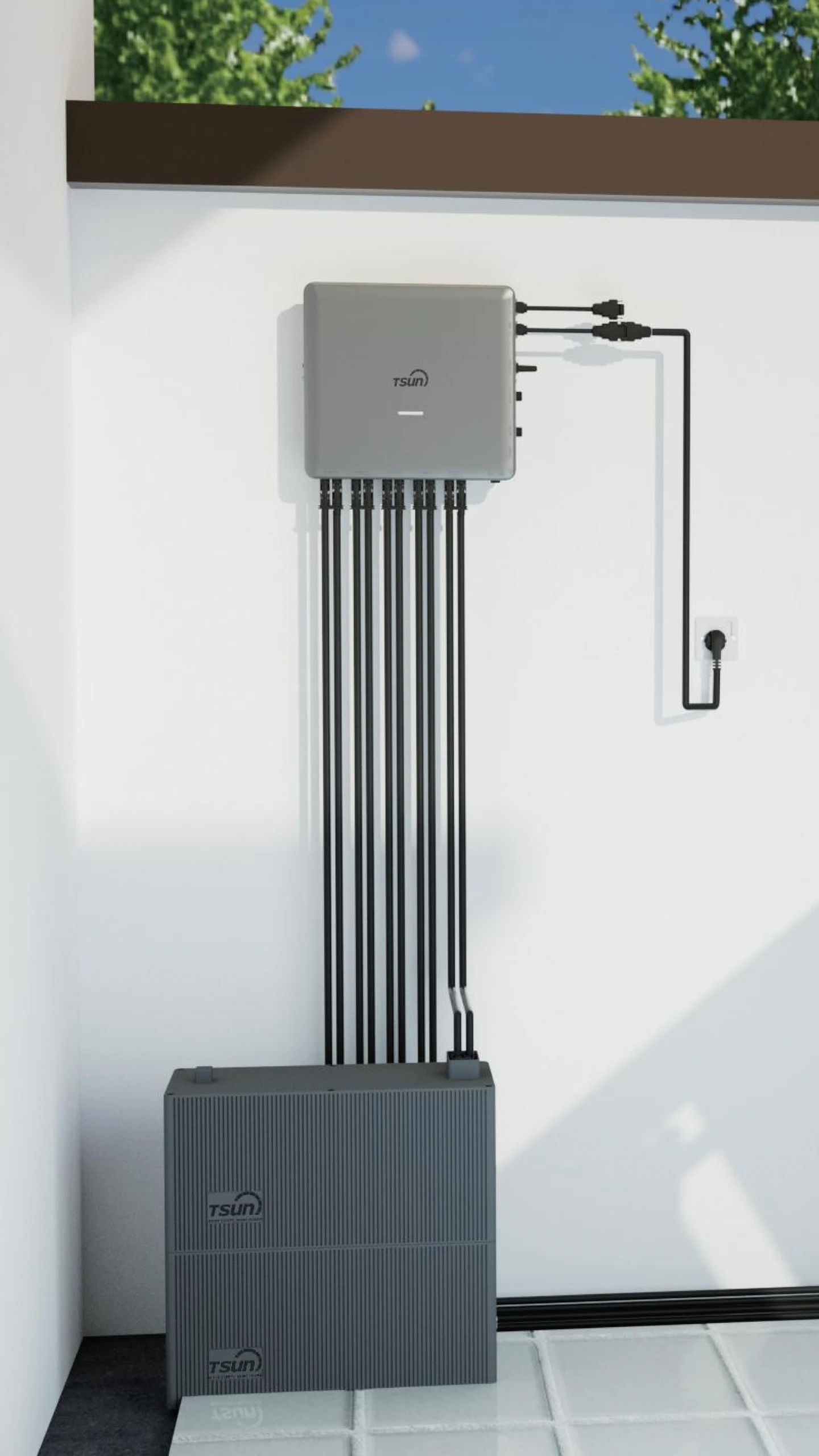
The TSUN ESS range enhances this capability by offering diverse configurations, from 1-in-1 to 6-in-1 micro-inverters, catering to different power requirements. These units are engineered for durability, featuring IP67 waterproof ratings that ensure reliable operation in rain, snow, or intense sunlight. By shifting the electronics to the panel level, the risk of high-voltage DC cabling throughout the home is eliminated, significantly improving safety for DIY users.
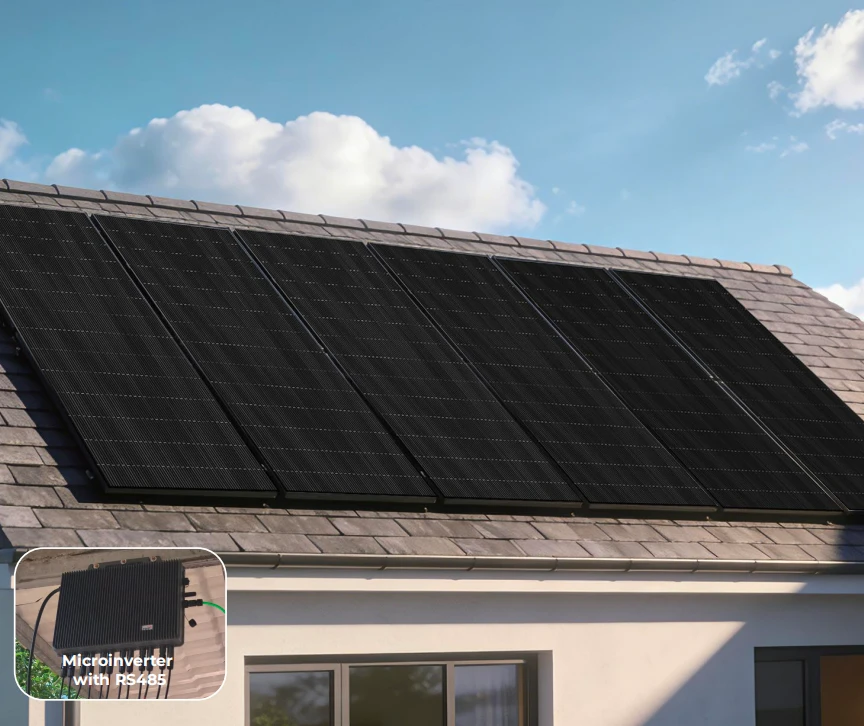
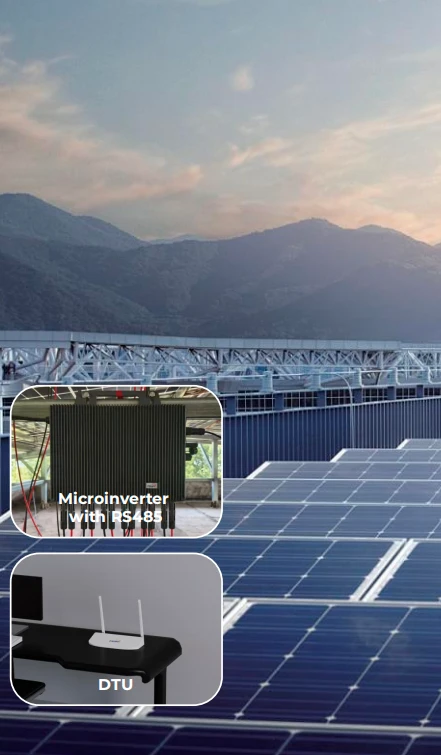
Furthermore, the integration of smart communication allows for granular monitoring. Through Wi-Fi, RS485, or 4G options, users can track the real-time output of their specific setup. This transparency helps in optimizing panel angles and understanding energy production patterns, transforming a passive piece of hardware into an intelligent energy management tool.

Application Scenarios for Plug-and-Play Solar Kits
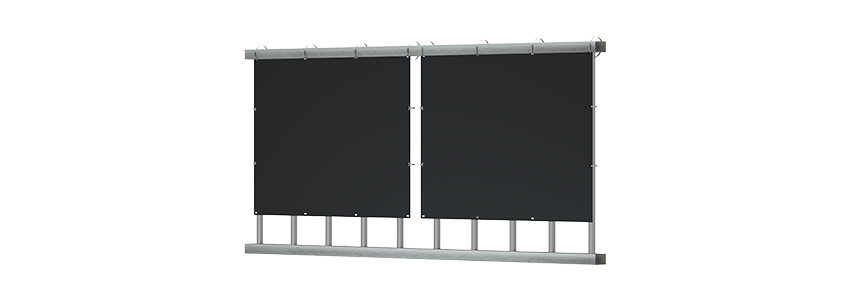
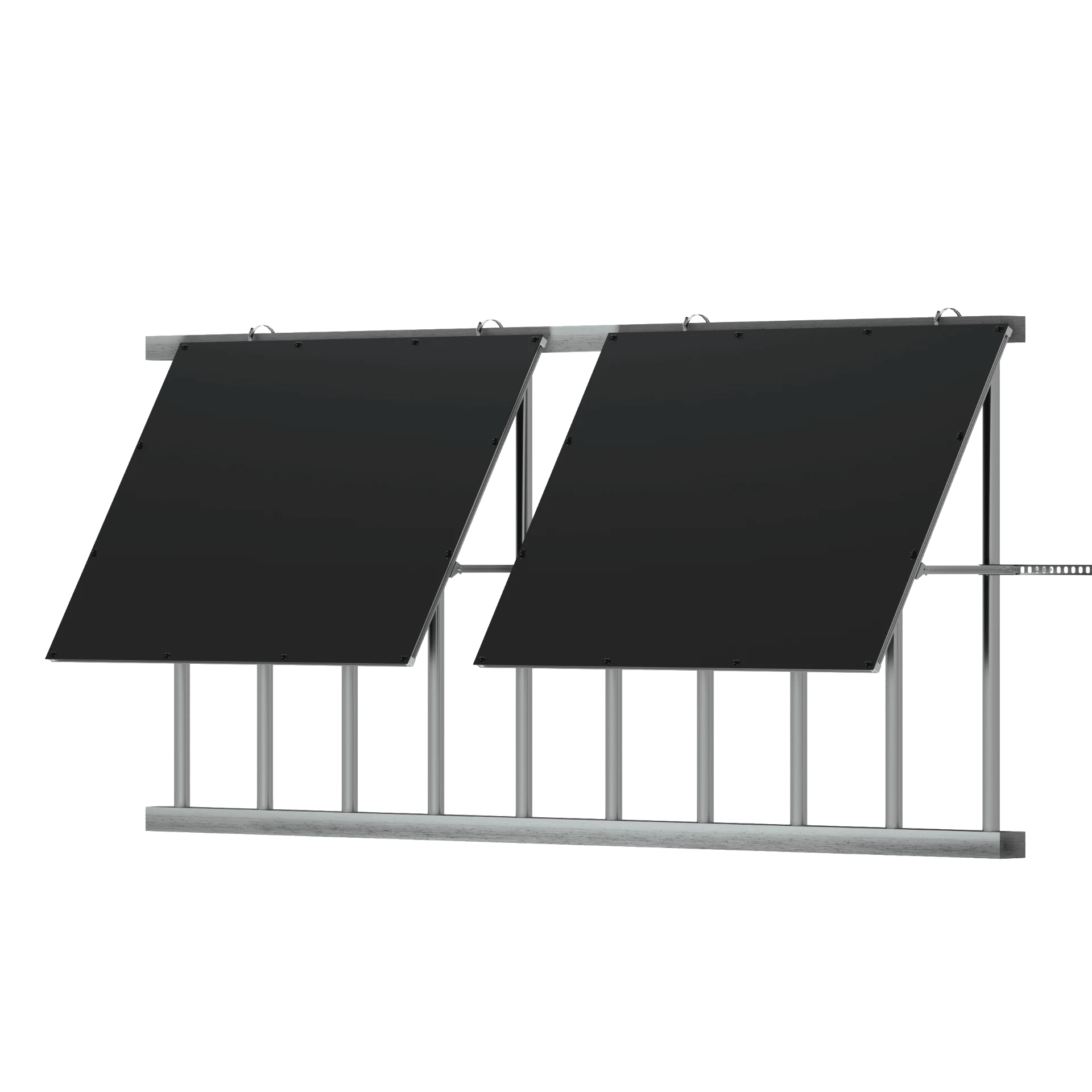
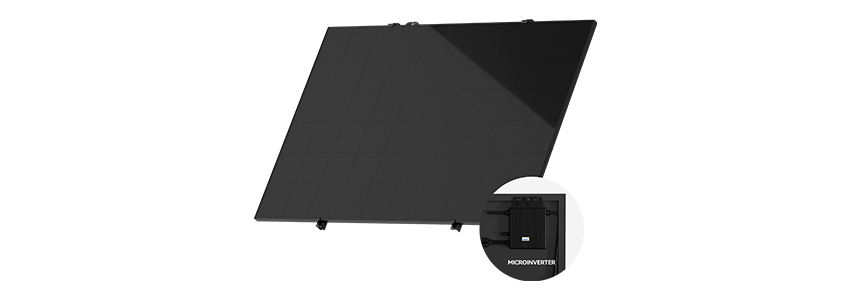
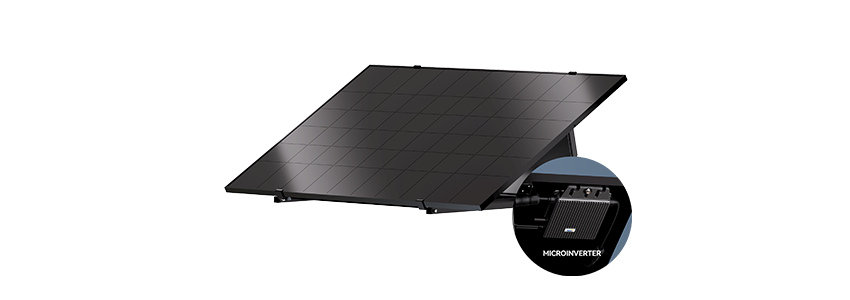
The versatility of the Easy Solar Kit (ESK) makes it suitable for a wide array of urban environments. In high-rise apartments, the "Hang on Balcony" vertical and angled brackets allow residents to utilize unused wall or railing space. These systems are designed for "zero-fuss" assembly, functioning similarly to building blocks, which empowers non-technical users to generate their own power without expensive contractor fees.
Beyond balconies, these kits are highly effective for:
- Garden and Courtyards: Using the "On the Ground" pop-up kits for rapid deployment in open spaces.
- Family Carports: Integrating micro-energy storage solutions like the SolarCan (DC Coupled Unit) to power EV chargers or outdoor lighting.
- Flat Roofs: Utilizing universal brackets to secure panels in optimal orientations for maximum sun exposure.
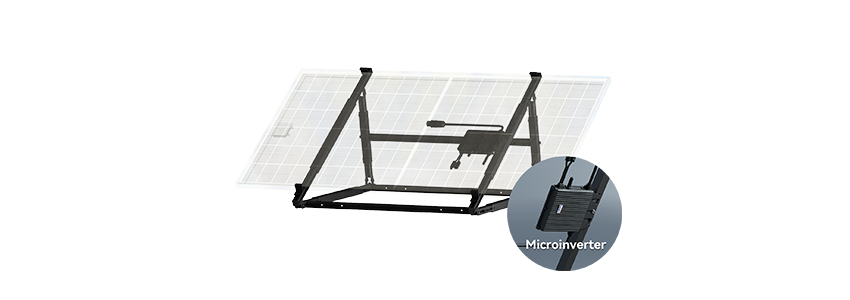
The strategic use of adjustable angle brackets is a key performance driver. By locking the panels into the perfect angle relative to the sun's path, users can maximize the output of the micro-inverter, ensuring that the microinverter solar panels price is justified by the actual kWh generated over the system's lifespan.
Evaluating Total Cost of Ownership and System Selection
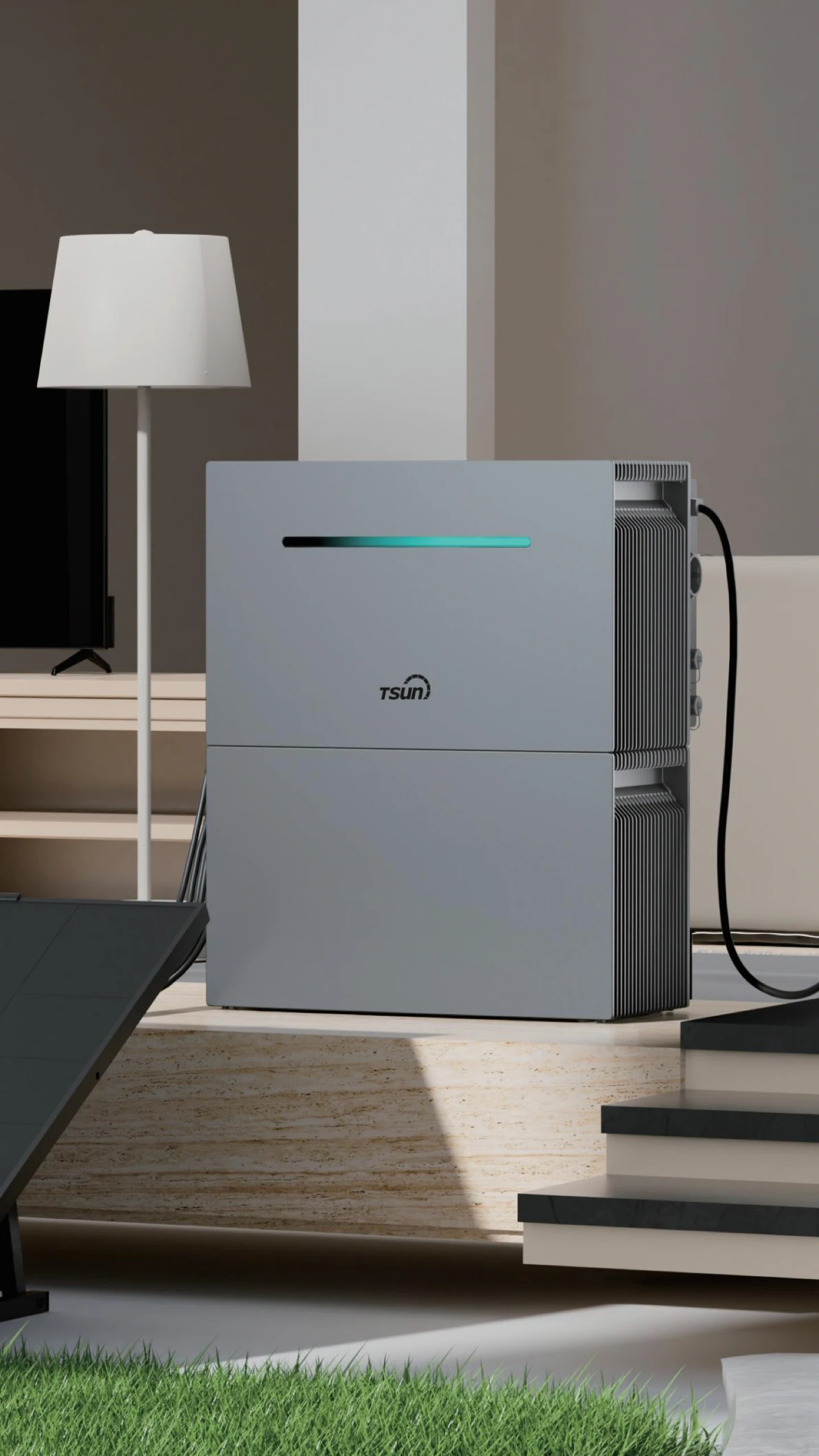
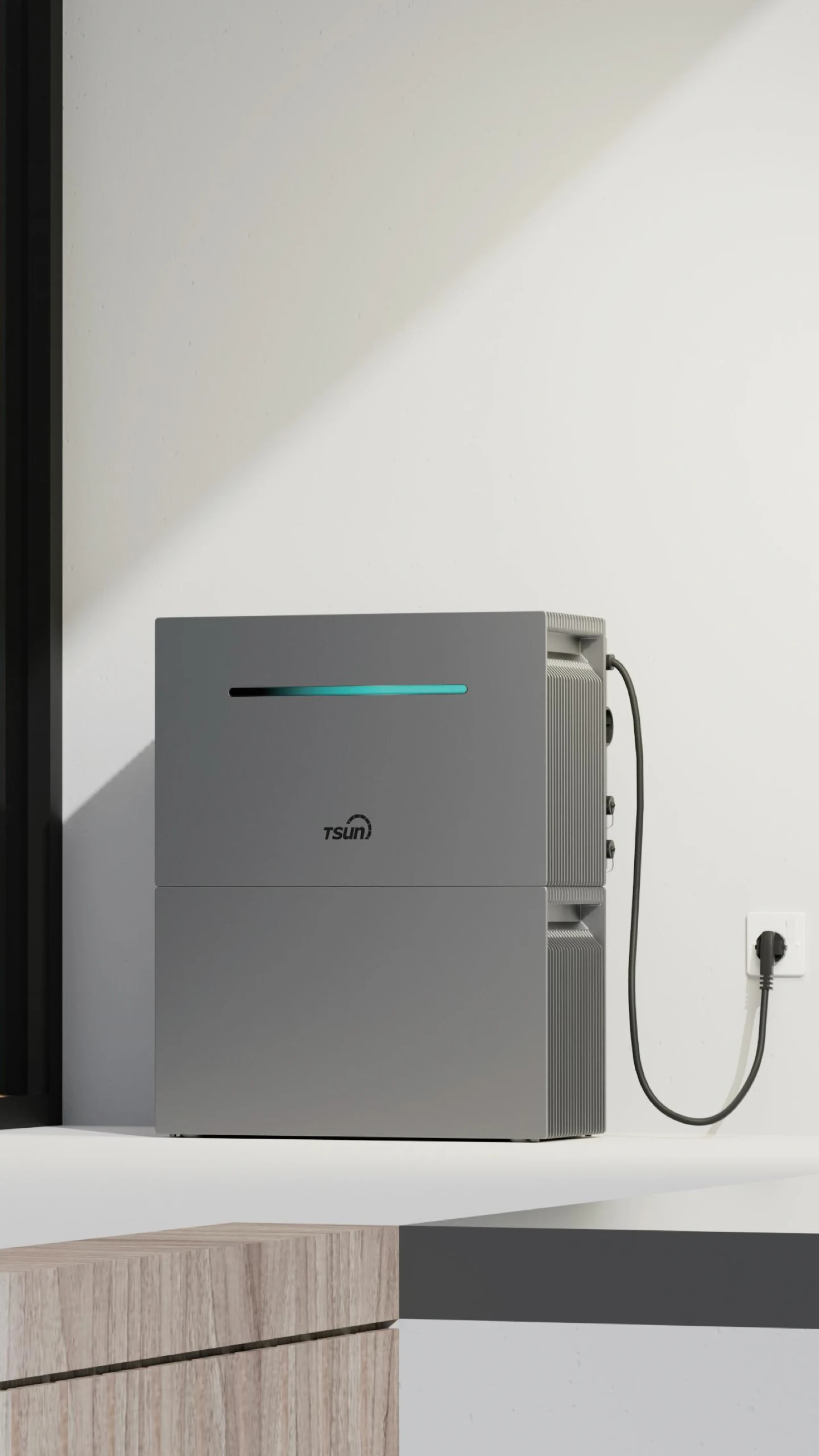
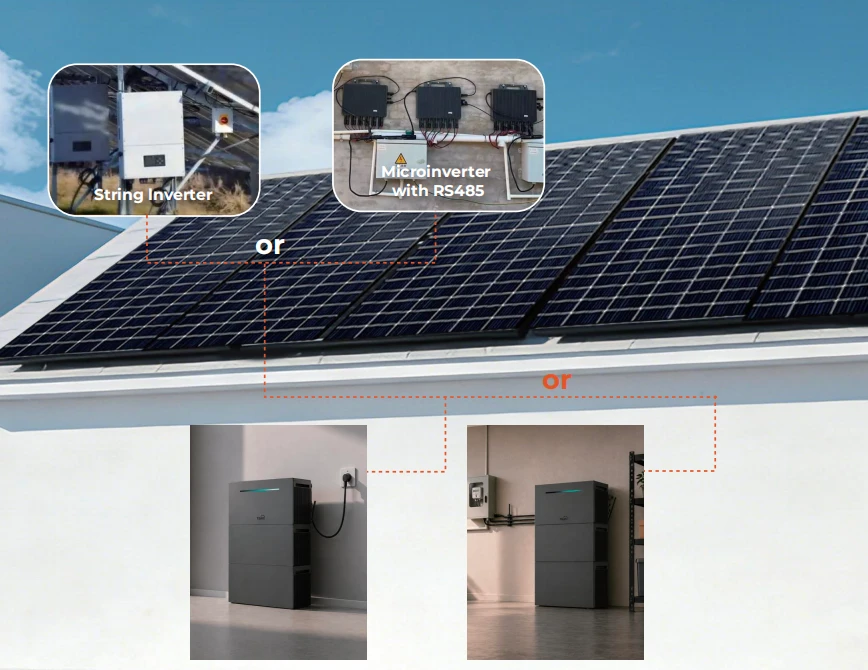
When buyers research the costs associated with micro-inverter systems, it is essential to look beyond the initial sticker price. A comprehensive evaluation should include the cost of mounting hardware, cabling, and potential storage additions. For instance, upgrading from a simple grid-tie system to a hybrid solution—using a Hybrid Microinverter and a stackable battery pack—increases the initial investment but provides energy security during grid outages and increases self-consumption rates.
Selection criteria should focus on the match between module power and inverter capacity. TSUN's offerings, ranging from 400W to 800W continuous output, allow users to scale their system based on their actual energy needs. For those with high-current modules, certain TSUNESS models support input currents up to 18A, ensuring compatibility with the latest high-power photovoltaic technology without clipping energy production.
Buyers should also consider the communication infrastructure. While Bluetooth is sufficient for local monitoring, Wi-Fi is the standard for balcony systems, and 4G is indispensable for remote rooftops. Choosing a kit that includes all these accessories in one package eliminates the risk of compatibility issues and reduces the hidden costs of sourcing individual components.
Comparison of Micro-Solar Kit Configurations
| Configuration Type |
Typical Output |
Installation Complexity |
Primary Application |
| Basic ESK 400 |
400W |
Very Low (DIY) |
Small Balcony / Window |
| Basic ESK 800 |
800W |
Very Low (DIY) |
Medium Balcony / Garden |
| Hybrid Micro System |
Variable |
Medium |
Residential Energy Storage |
| AC Coupled Unit |
3.0K - 6.0K |
Professional |
Full Home Backup |
| SolarCan DC Unit |
2kWh - 10kWh |
Low to Medium |
Micro-Storage / Carports |
Quality Assurance and Weather Resilience in Urban Solar
Urban environments present unique challenges for solar hardware, including wind loads on high-rise balconies and exposure to urban pollutants. The TSUN Easy Solar Kit addresses these through rigorous material selection and engineering. The IP67 waterproof rating is not merely a specification; it is a necessity for equipment that must survive heavy rain and snow while remaining mounted outdoors year-round.
The mechanical stability of the foldable brackets ensures that panels remain secure even during high-wind events. By providing a locking mechanism for the adjustable angles, the system prevents shifting, which could otherwise lead to energy loss or physical damage to the module. This focus on "all-weather protection" ensures that the system delivers reliable electricity day in and day out, maximizing the return on investment.
From a manufacturing perspective, the integration of the micro-inverter directly into the kit reduces the number of potential failure points. By streamlining the connection process—unbox, connect, power up—the likelihood of installation errors that could lead to equipment failure is drastically reduced. This reliability is the cornerstone of the "plug-and-play" promise.
Future Trends in Decentralized Residential Energy
The trend in residential solar is moving rapidly toward "energy democratization," where individuals no longer need massive roof spaces to benefit from solar power. We are seeing a shift toward integrated micro-hybrid units that combine conversion and storage in a single, compact chassis. This allows users to store surplus energy generated during the day and utilize it during peak evening hours, further reducing dependence on the utility grid.
As smart home ecosystems evolve, the integration of solar monitoring with overall home energy management systems (HEMS) will become standard. The ability of micro-inverters to provide module-level data will allow AI-driven systems to automatically adjust home appliance usage based on real-time solar production. This synergy between hardware and software will be the primary driver of efficiency in the coming decade.
For the procurement manager or the individual homeowner, the key is to invest in scalable platforms. Starting with a basic balcony kit and having the ability to expand into a larger storage system—via AC Coupled Units or Hybrid Microinverters—provides a future-proof energy strategy. The democratization of solar energy is not just about the panels, but about the intelligent electronics that make them usable for everyone.
Frequently Asked Questions About Micro-Inverter Solar Kits
How does a micro-inverter system differ from a traditional string inverter?
A string inverter converts the combined DC power of all panels into AC at one central point. If one panel is shaded, the entire string's output drops. A micro-inverter converts DC to AC at the individual panel level, ensuring that each module performs at its maximum potential regardless of the others.
Can I install the TSUN Easy Solar Kit by myself without an electrician?
Yes, the ESK is designed as a plug-and-play DIY system. It includes all necessary components—panels, brackets, and micro-inverters—allowing users to set it up as easily as assembling building blocks. However, always check local regulations regarding grid connection in your region.
Are these systems effective in rainy or snowy weather?
Absolutely. The micro-inverters are IP67 waterproof, meaning they are fully protected against dust and can withstand temporary immersion in water. This makes them ideal for all-weather outdoor installations on balconies or roofs.
Will a micro-inverter support high-power solar modules?
Yes, certain TSUNESS micro-inverter models are specifically designed to support high-current photovoltaic modules, with input current specifications reaching up to approximately 18 A, allowing them to work efficiently with high-power panels.
What is the best way to monitor my energy production?
TSUN systems offer multiple communication methods. Wi-Fi is recommended for most balcony setups for easy app integration, while RS485 is used for larger C&I projects, and 4G is best for remote areas without available Wi-Fi.
How do I choose between a 400W and an 800W kit?
The choice depends on your available space and energy needs. A 400W kit is ideal for small balconies or windows, while an 800W kit is better for larger balconies, gardens, or areas with higher sun exposure to maximize your savings.
Technical References and Industry Sources
Investing in a decentralized solar solution is a strategic move toward reducing carbon footprints and energy costs. By choosing an integrated system like the TSUN Easy Solar Kit, users can bypass the complexities of traditional installations and begin harvesting clean energy immediately. Whether for a high-rise balcony or a suburban garden, the transition to micro-inverter technology ensures efficiency, safety, and scalability for the modern home.
Caleb Harrison
Caleb Harrison serves as a Technical Marketing Manager, specializing in the ESK (Easy Solar Kit) range and balcony solar solutions. He's responsible for crafting compelling content and providing technical support to our sales teams and partners. Caleb's deep understanding of our product portfolio allows him to effectively communicate the benefits of our plug-and-play systems to a broad audience. He’s particularly enthusiastic about the ESK Universal and its potential to democratize access to solar energy. He previously worked as a solar installer, giving him valuable hands-on experience.






 LEARN DETAILS
 Downloads
 Video Center
 Report Fault for Repair
 FAQS
 Service Network
 Privacy Policy
 Contact Us
 Monitoring