





 LEARN DETAILS
 Downloads
 Video Center
 Report Fault for Repair
 FAQS
 Service Network
 Privacy Policy
 Contact Us
 Monitoring

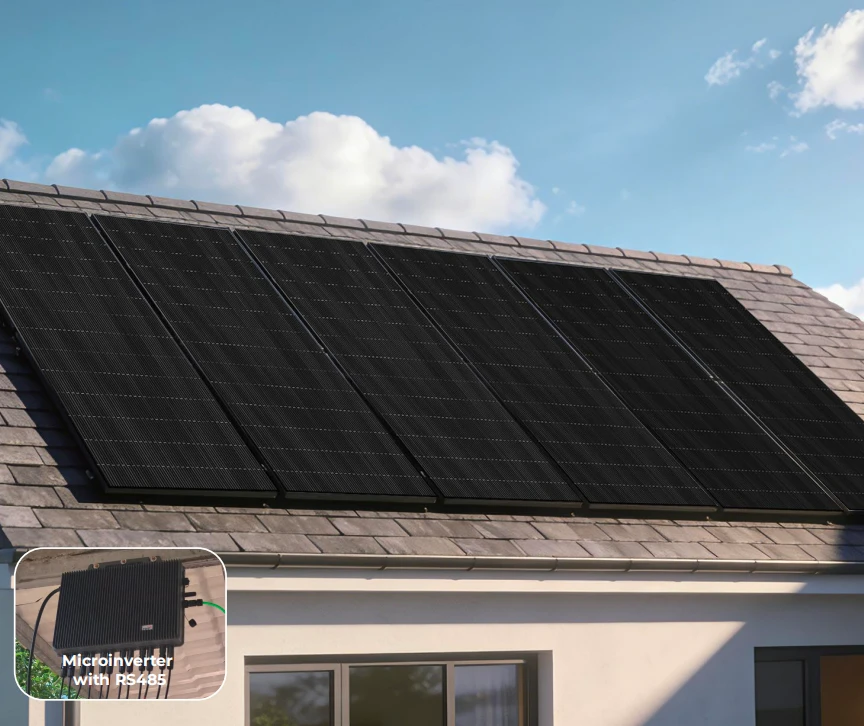
When planning a transition to renewable energy, understanding the microinverter solar system price is critical for establishing a realistic return on investment (ROI). Unlike traditional string inverters that centralize power conversion, microinverters operate at the individual panel level, offering distinct advantages in shading tolerance and system reliability. This article examines the financial variables that influence the total cost of ownership for distributed inverter architectures.
The commercial landscape for residential solar has shifted toward modularity. Users are no longer just buying panels; they are investing in energy ecosystems that include smart monitoring and storage. From a procurement perspective, the initial expenditure is often balanced against the long-term energy harvest increase. For those researching microinverter solar system price, it is essential to look beyond the sticker price of the hardware and evaluate the systemic efficiencies provided by module-level power electronics (MLPE).
In the following analysis, we will break down the primary cost drivers, compare the value proposition of various microinverter configurations—such as the 1-in-1 to 6-in-1 models—and explain how integrating storage units like the SolarCan or PowerTrunk affects the overall financial blueprint. Readers will learn how to differentiate between low-cost entry-level kits and professional-grade energy solutions to make an informed procurement decision.
Evaluating the Economics of Distributed Inversion
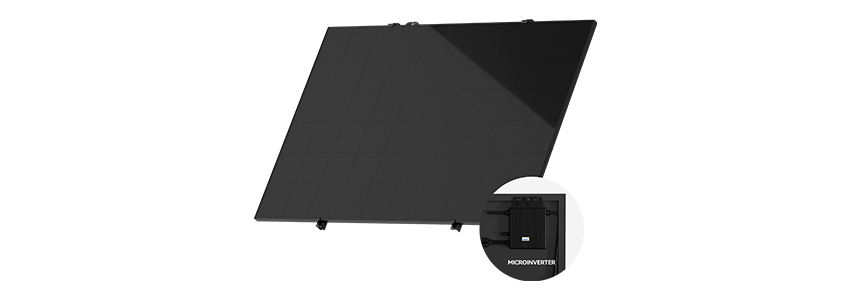
The economic framework of a solar installation using distributed inversion differs significantly from centralized systems. In a standard string setup, a single point of failure can jeopardize the entire array's output. Conversely, a microinverter-based architecture ensures that each panel operates independently. This technical redundancy translates to a higher initial capital expenditure (CAPEX) but often results in lower operational expenditure (OPEX) over a 25-year lifecycle. The price variance is primarily driven by the requirement for multiple smaller inverters rather than one large unit.
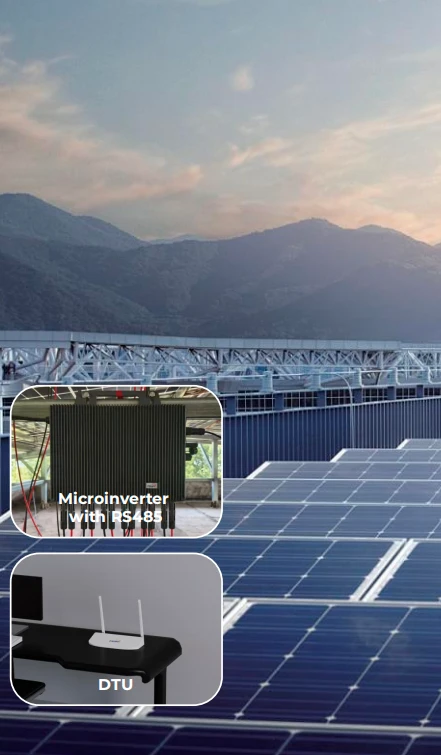
Furthermore, the integration of smart monitoring is native to these systems. Because each unit tracks individual panel performance, homeowners can identify degradation or failures instantly without employing external diagnostic tools. This "built-in" intelligence reduces the cost of professional maintenance visits. When analyzing the total expenditure, the ability to expand the system incrementally—adding one panel and one inverter at a time—provides a financial flexibility that string systems cannot match, allowing users to scale their investment as their energy needs grow.
Cost Drivers and Value Analysis
Calculating the total investment requires a granular look at hardware, labor, and the efficiency premiums associated with different technical specifications. The following subsections detail the specific factors that move the needle on the final invoice.
Hardware Components and Pricing
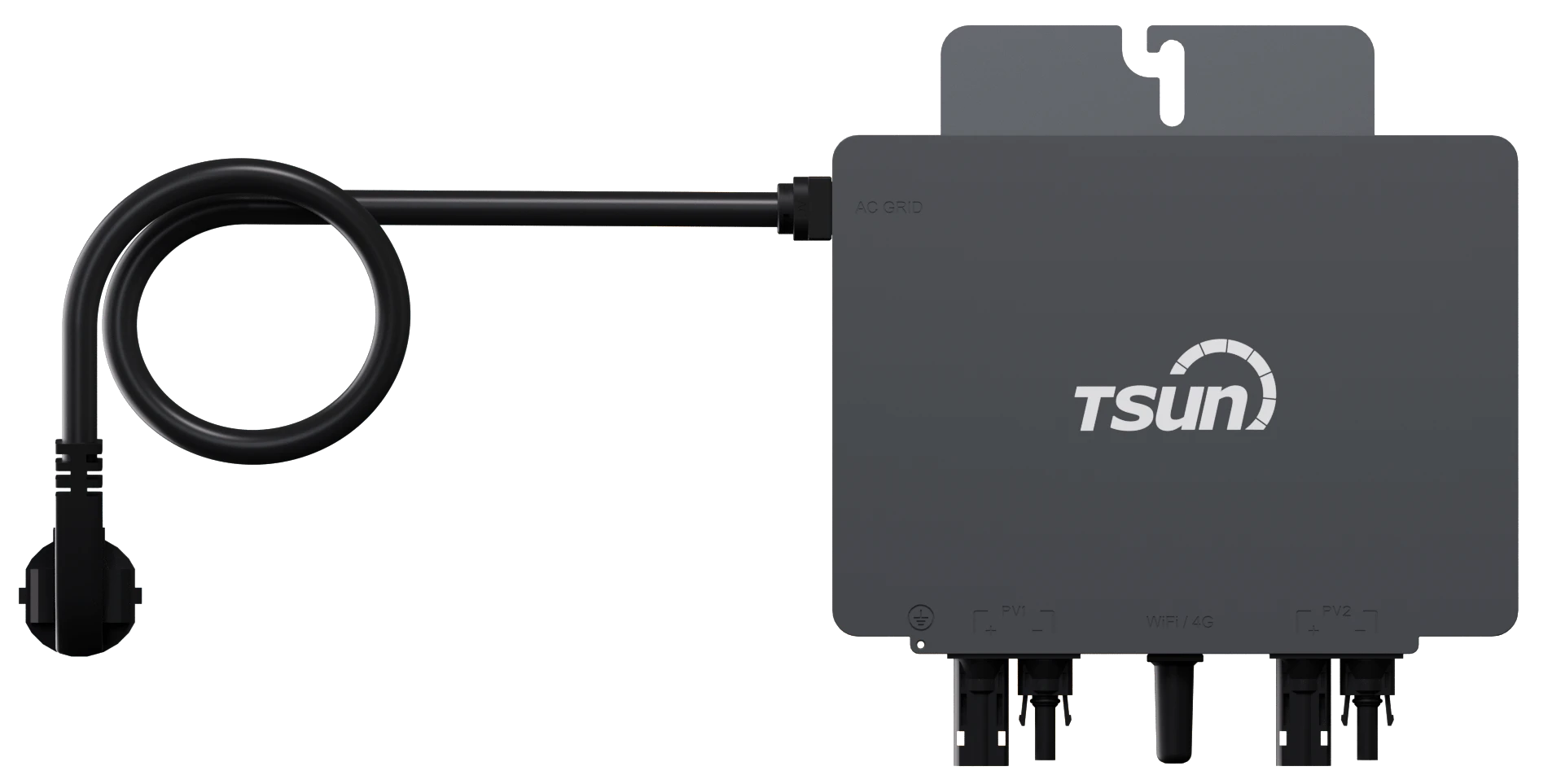
The cost of hardware is influenced by the "n-in-1" configuration. For instance, a 1-in-1 microinverter is straightforward but requires more units for large arrays, whereas 4-in-1 or 6-in-1 units (like the GEN3 series) optimize the balance between cost and installation speed. High-capacity units, such as the TITAN series (MP3680 to MP6000), target higher power densities, which can reduce the total number of units needed per kilowatt, potentially lowering the hardware cost per watt.
| Inverter Type | Cost Impact | Efficiency Focus | Best Use Case |
|---|---|---|---|
| 1-in-1 Microinverter | Higher per panel | Maximum granularity | Complex shading/Small roofs |
| 4-in-1 / 6-in-1 Units | Moderate | Balanced throughput | Standard residential arrays |
| TITAN Series (High Power) | Optimized per W | Power density | High-wattage 600W+ modules |
| Three-phase Microinverters | Premium | Commercial stability | C&I Small-scale projects |
| Easy Solar Kits (DIY) | Lowest entry | Plug-and-play | Balcony/Garden setups |
| Hybrid Microinverters | Integrated value | Storage synergy | Solar-plus-battery systems |
Installation Labor and Complexity
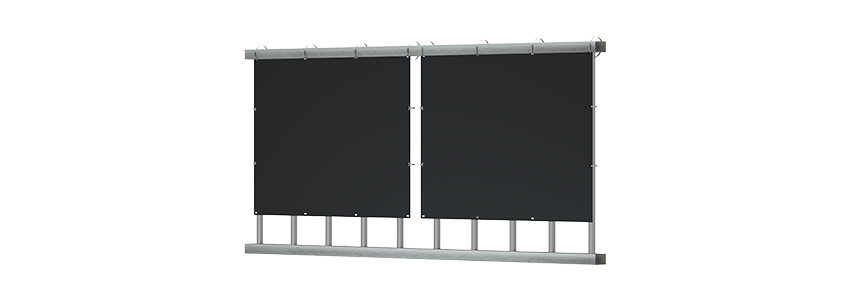
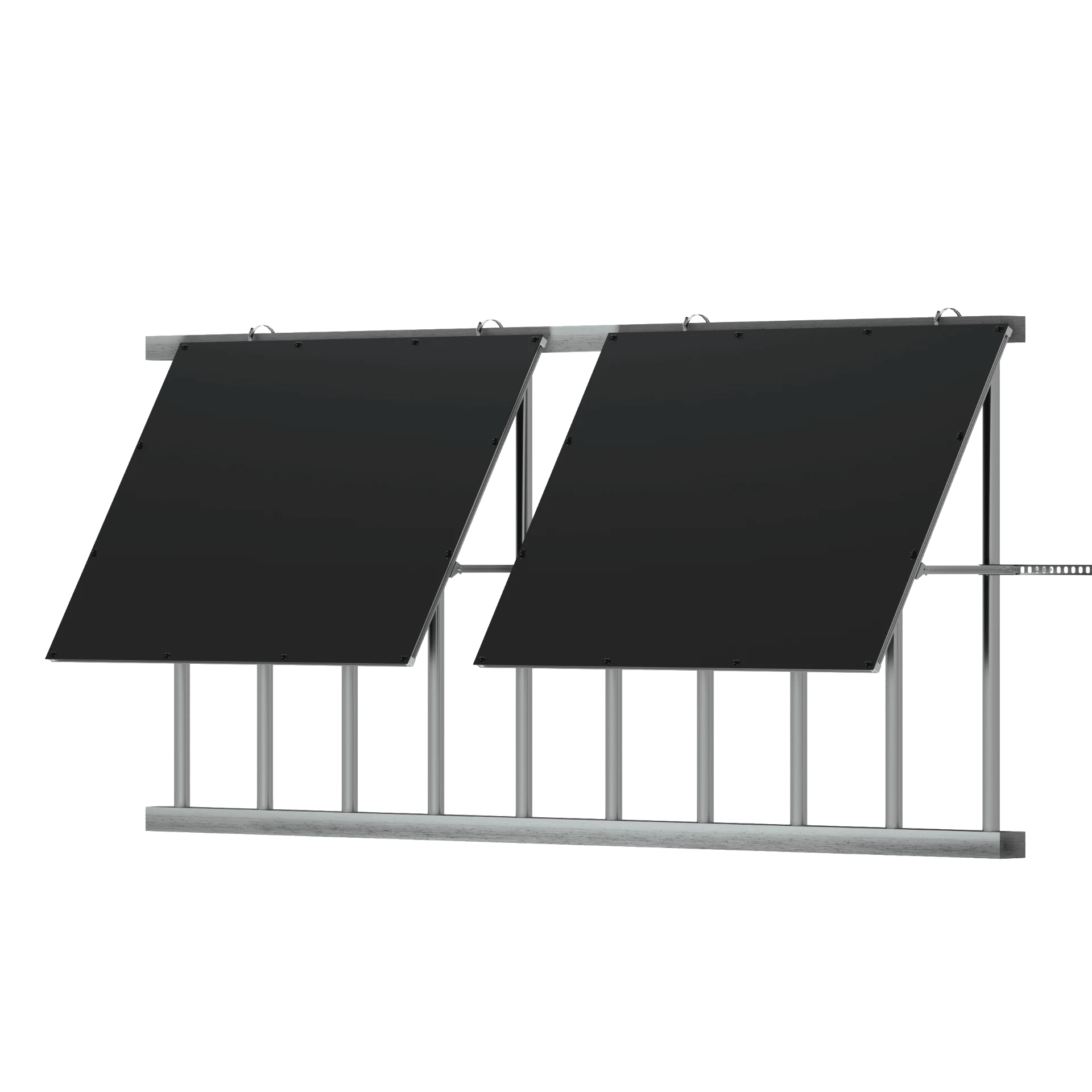
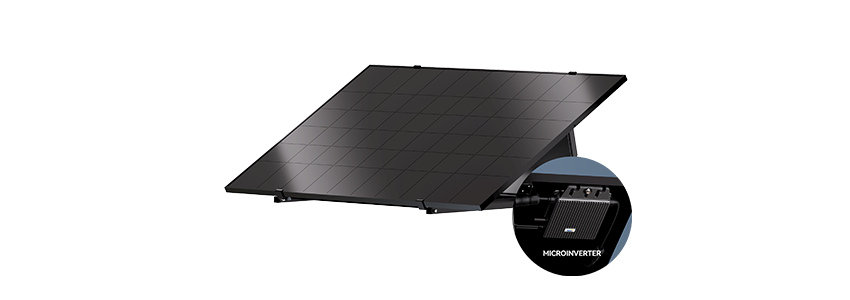
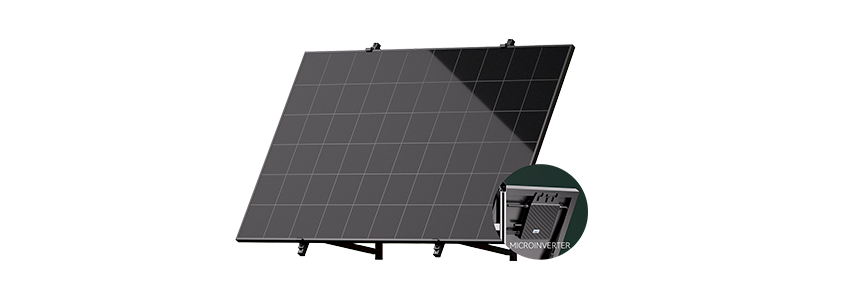
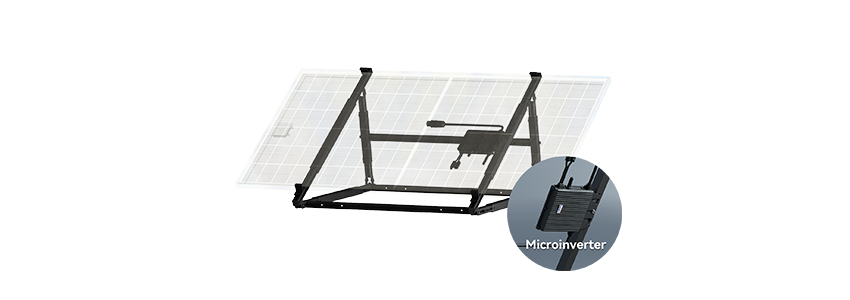
Labor costs are often lower for microinverter systems because they eliminate the need for a centralized inverter installation and the extensive DC wiring required to bring all panels to a single point. The AC-coupled nature of these systems allows for a safer, "plug-and-play" installation process. For DIY enthusiasts, the Easy Solar Kit—integrating PV modules, brackets, and cables—drastically reduces professional labor fees, making small-scale balcony or rooftop installations far more accessible.
Efficiency Gains vs. Initial Outlay
While the upfront cost is higher, the "energy harvest" is typically superior. In environments with partial shading (trees, chimneys), a string inverter's output is limited by the weakest panel. Microinverters bypass this "Christmas light" effect. If a system increases annual yield by 5-15%, the payback period for the price premium is often reached within a few years, effectively making the more expensive hardware the more economical choice over time.
Impact of Energy Storage Integration
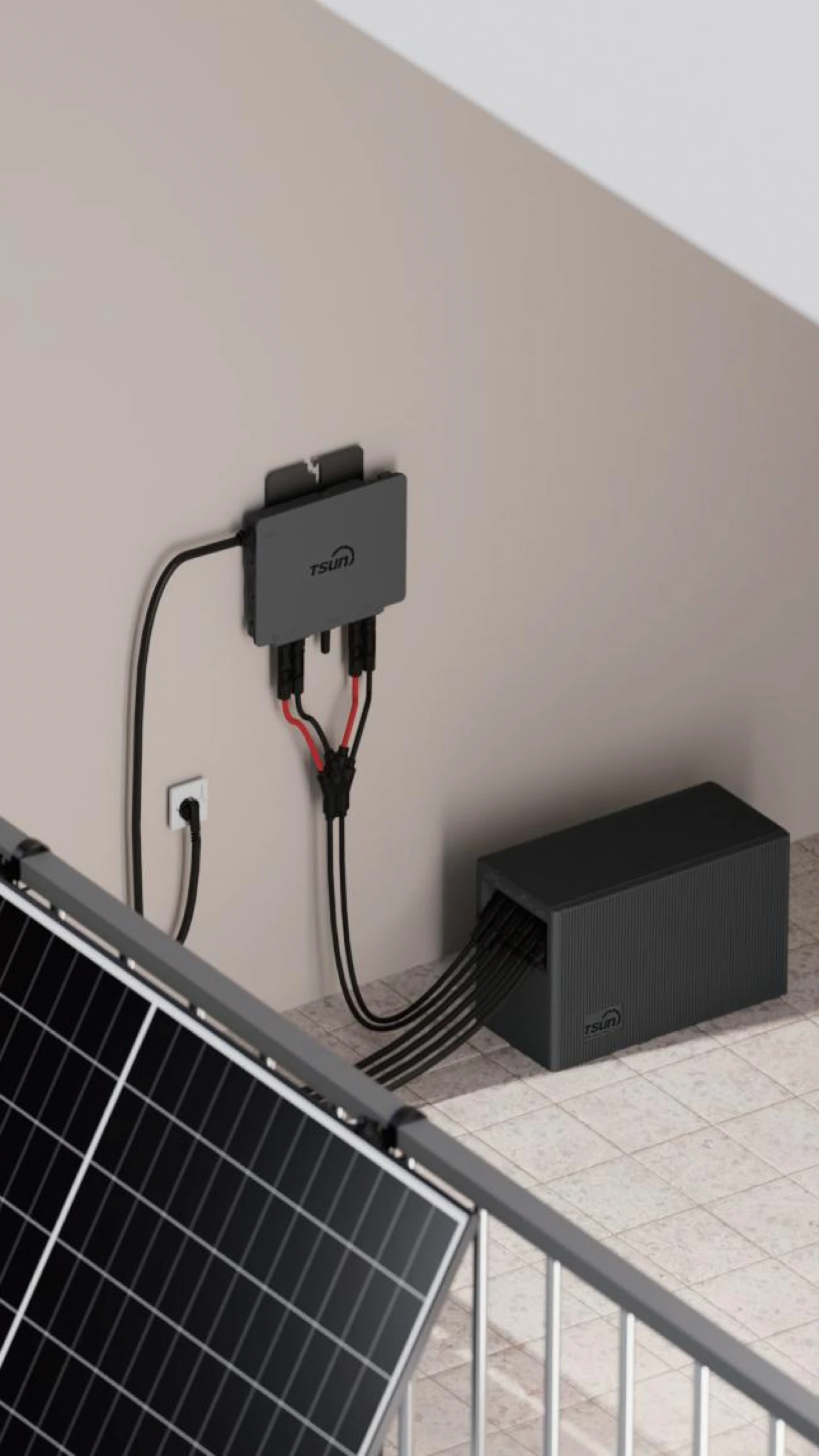
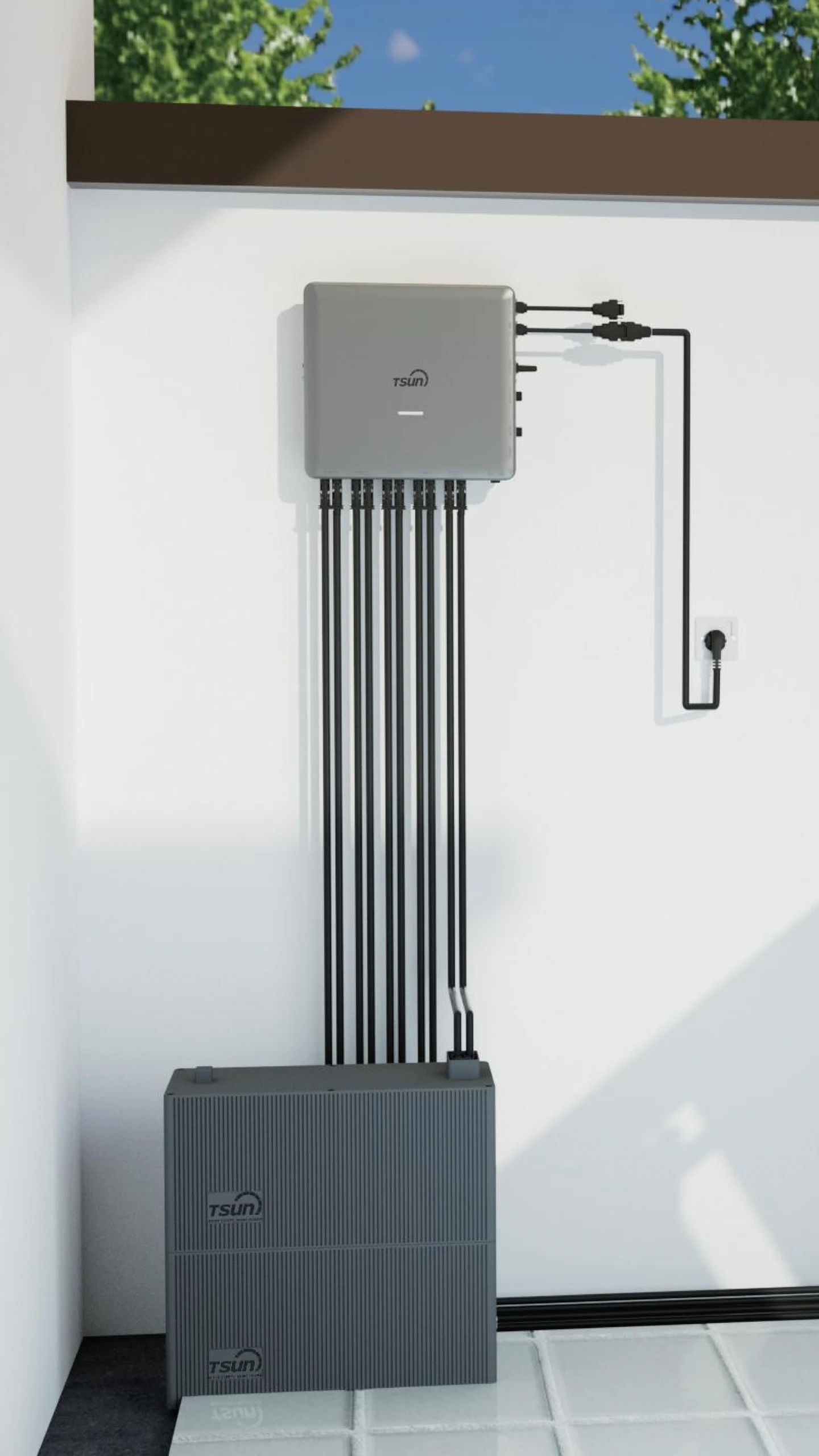
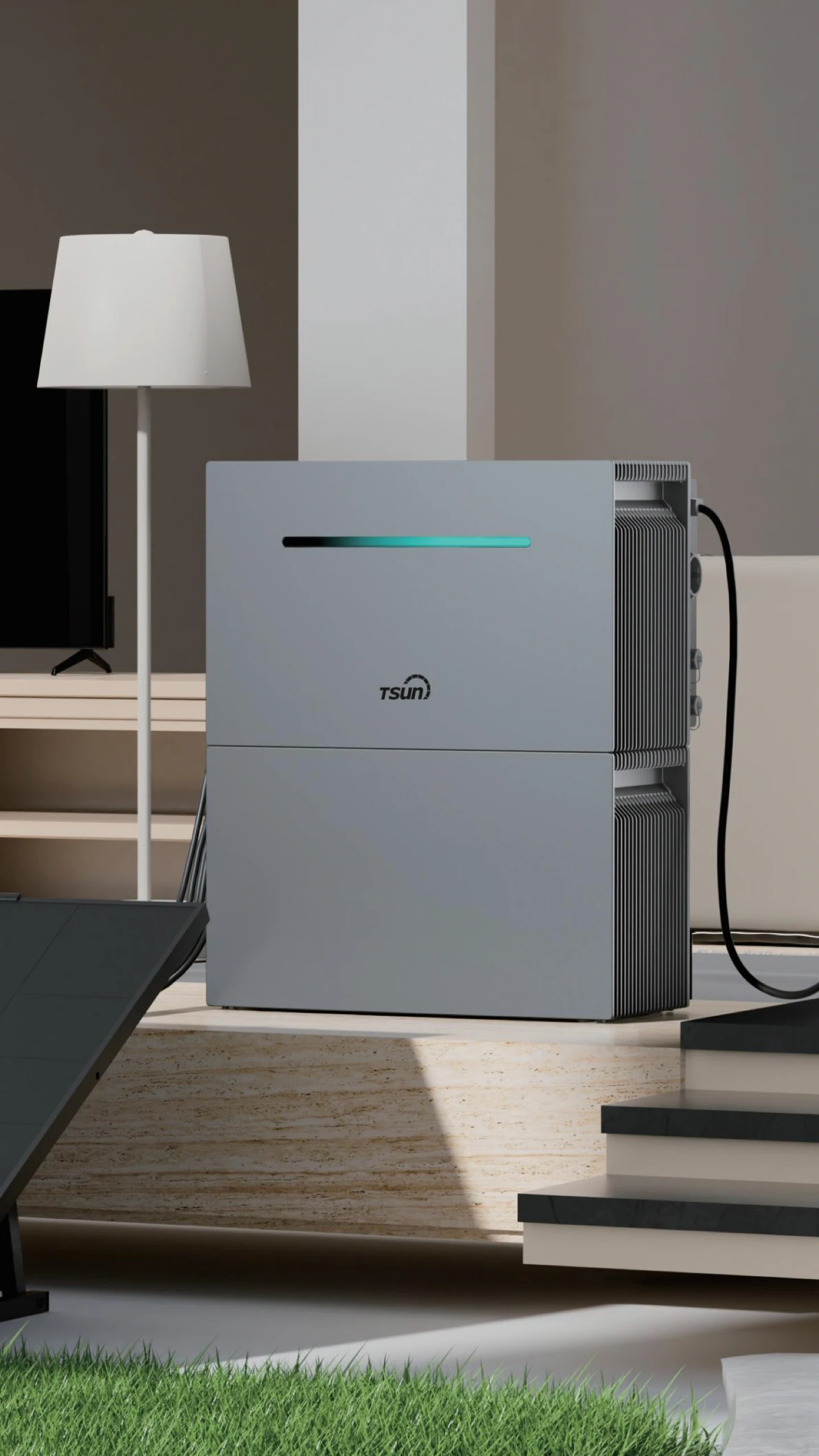
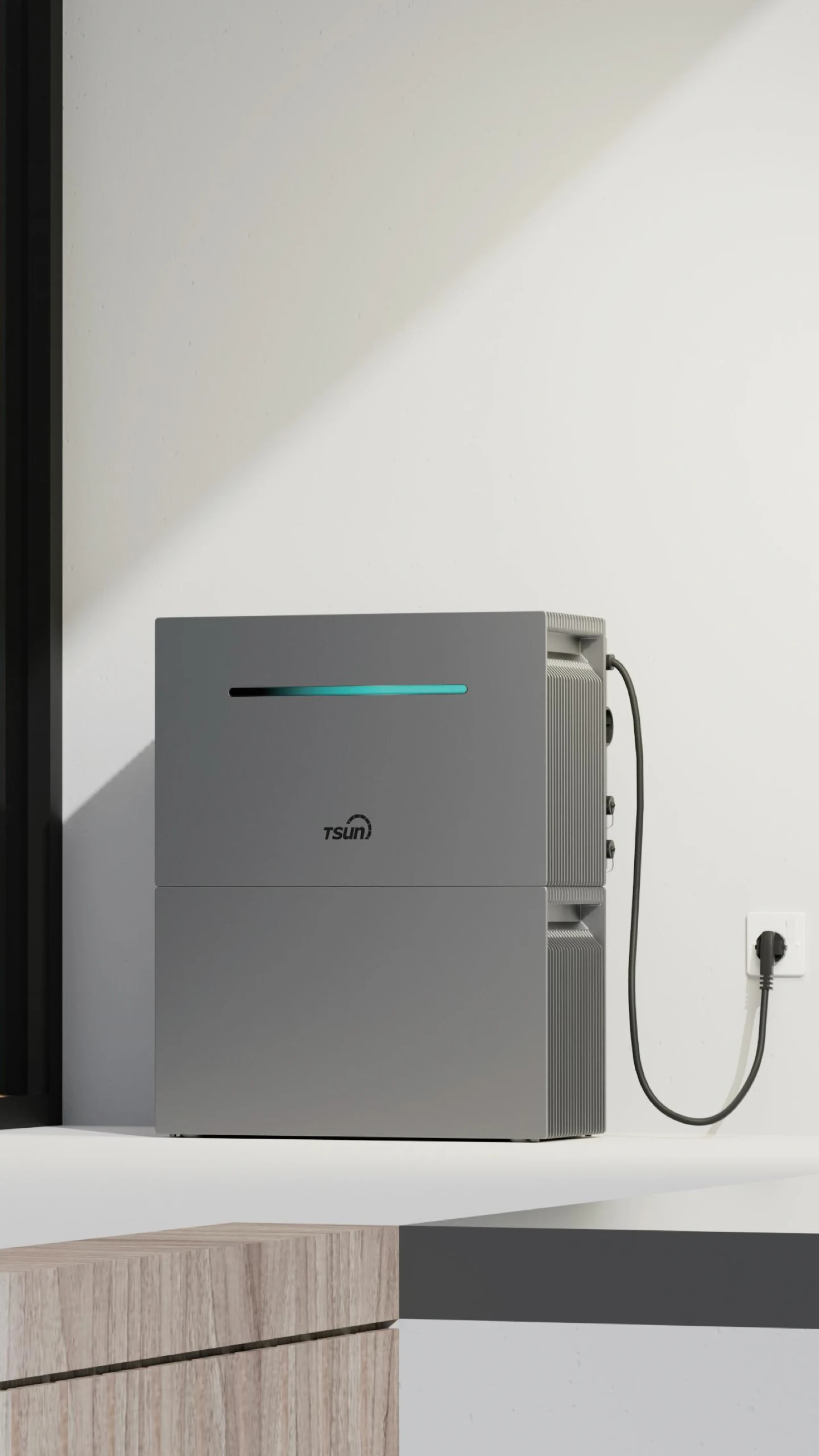
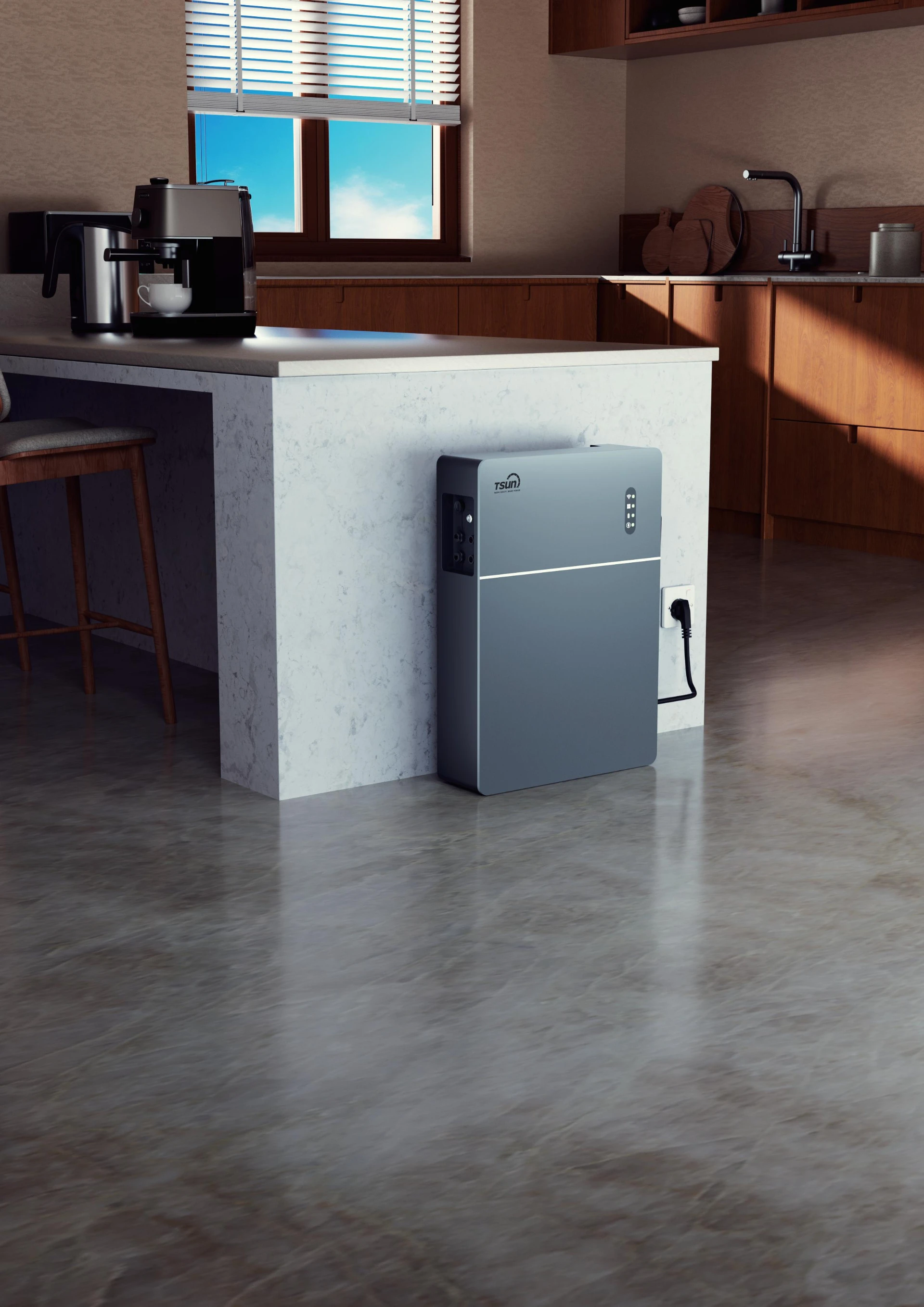
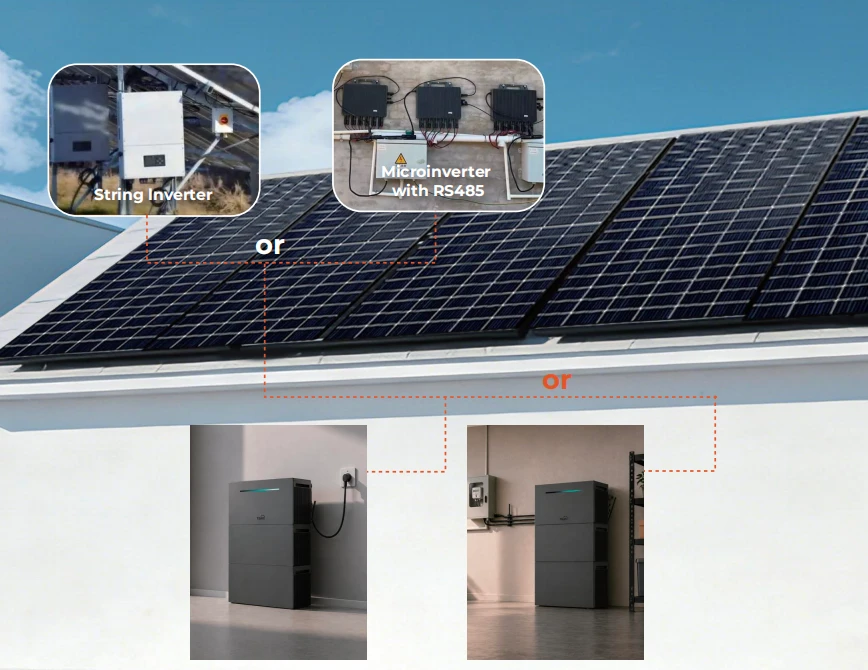
Adding storage, such as the SolarCan (DC Coupled Unit) or the PowerTrunk (Micro AC Coupled Unit), increases the total system cost but transforms the value proposition. By utilizing DC-DC intelligent optimizers and LiFePO4 cells, systems can store surplus energy for peak-shaving. The cost of these units is offset by the ability to avoid high utility rates during peak hours and providing backup power during outages, significantly increasing the overall utility of the investment.
Maintenance and Lifecycle Costs
Maintenance for distributed systems is generally proactive rather than reactive. The use of high-strength aluminum alloy shells with IP65 protection ensures durability in extreme temperatures (-20 to +55 °C). Because each inverter is a separate entity, the failure of one does not shut down the system. This avoids the costly emergency replacements associated with central inverter failures, spreading the replacement cost over several years as individual units reach their end-of-life.
Regulatory Incentives and Payback
Many regions offer tax credits or rebates based on the total installed capacity and the use of certified MLPE technology. These incentives can slash the effective cost of the system by 20% to 30%. When calculating the payback period, users should factor in the local Feed-in Tariff (FiT) and the current cost of grid electricity. The faster the utility rates rise, the quicker the investment in a high-efficiency microinverter system pays for itself.
Scaling Costs for Residential Systems
A significant financial advantage is the "pay-as-you-grow" model. With a string system, upgrading usually requires replacing the central inverter if the new capacity exceeds its limit. With microinverters, adding a new panel simply requires adding another corresponding inverter. This prevents the "over-provisioning" cost—where users pay for a large inverter they don't yet need—and allows for a staggered investment strategy that aligns with household budget cycles.
FAQ
Why is a microinverter system generally more expensive than a string system?
The higher cost stems from the multiplication of hardware; instead of one large inverter, you are installing one or more smaller inverters for every few panels. However, this cost is balanced by reduced DC wiring, simpler installation labor, and significantly higher energy yields in shaded conditions, as each panel operates independently.
How does the 'n-in-1' configuration affect the total price?
Configuration impacts both hardware and labor costs. A 1-in-1 system offers the most granularity but requires more units. 4-in-1 or 6-in-1 units reduce the total number of components and the time spent on installation, which typically lowers the total cost per watt while maintaining the benefits of distributed inversion.
Is it cost-effective to add battery storage to a microinverter setup?
Yes, provided you have a high daytime energy surplus. Integrating units like the AC Coupled Storage Unit (ACU) allows you to store energy for night use. The investment is recovered through reduced grid reliance and the ability to use "time-of-use" pricing to save money during peak utility hours.
What are the hidden costs of solar installation to watch for?
Common hidden costs include structural roof reinforcements, electrical panel upgrades (to handle the new AC feed), and permitting fees. Using integrated solutions like Easy Solar Kits can minimize some of these by simplifying the physical installation and cabling requirements.
How does the lifespan of a microinverter impact its value?
Microinverters often have longer warranties than central inverters. Because they operate at lower voltages and are designed with robust materials like high-strength aluminum alloys, they are highly durable. A longer lifespan reduces the frequency of expensive replacements, improving the long-term ROI.
Can I lower the initial cost by doing a DIY installation?
Yes, for small-scale applications. Plug-and-play solutions specifically designed for balconies or gardens allow users to avoid expensive professional electrical contracting for the primary setup, though local building codes and grid connection regulations should always be verified first.
References and further reading
- International Electrotechnical Commission (IEC) standards for Photovoltaic (PV) inverter safety and efficiency.
- Solar Energy Industries Association (SEIA) reports on residential system cost trends and MLPE adoption.
- Technical specifications for LiFePO4 battery cycling and thermal management in outdoor energy storage.
Related Articles