Microinverter solar technology is rapidly becoming a cornerstone of modern renewable energy systems. Its distributed architecture offers significant advantages over traditional string inverters, particularly in terms of efficiency, reliability, and scalability. As global demand for clean energy solutions intensifies, understanding the nuances of microinverter solar is crucial for homeowners, businesses, and policymakers alike. This technology isn’t merely an alternative; it represents a paradigm shift in how we harness the power of the sun.
The proliferation of microinverter solar is directly linked to the growing need for decentralized power generation. Traditional grid infrastructure is often aging and vulnerable, while centralized solar farms can suffer from transmission losses and geographic limitations. microinverter solar addresses these challenges by enabling localized energy production, reducing reliance on the grid, and increasing energy independence. The UN Sustainable Development Goal 7, Affordable and Clean Energy, is powerfully supported by advancements in this field.
Furthermore, the declining costs of solar panels and microinverters, coupled with government incentives, are making this technology increasingly accessible. From residential rooftops to commercial installations and off-grid applications, microinverter solar is empowering individuals and communities to take control of their energy future, contributing to a more sustainable and resilient world.
Introduction to Microinverter Solar
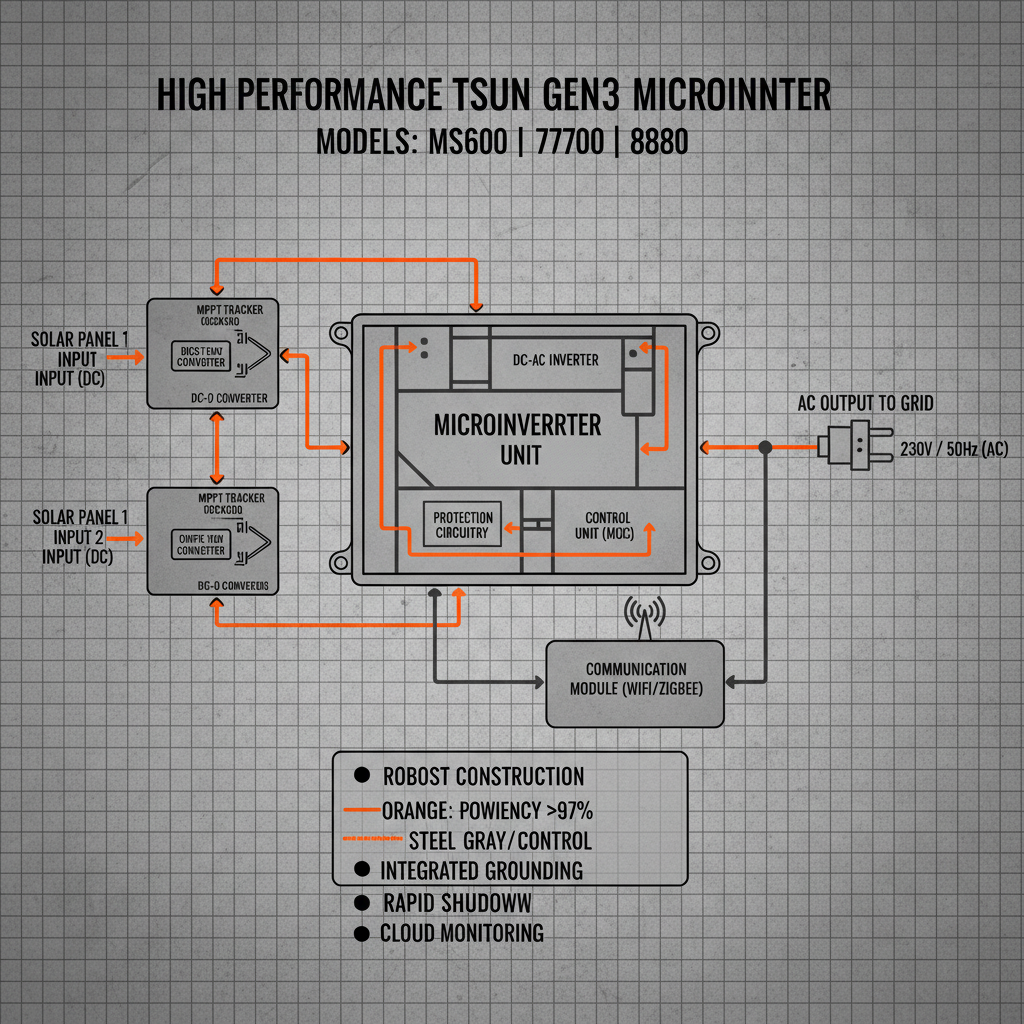
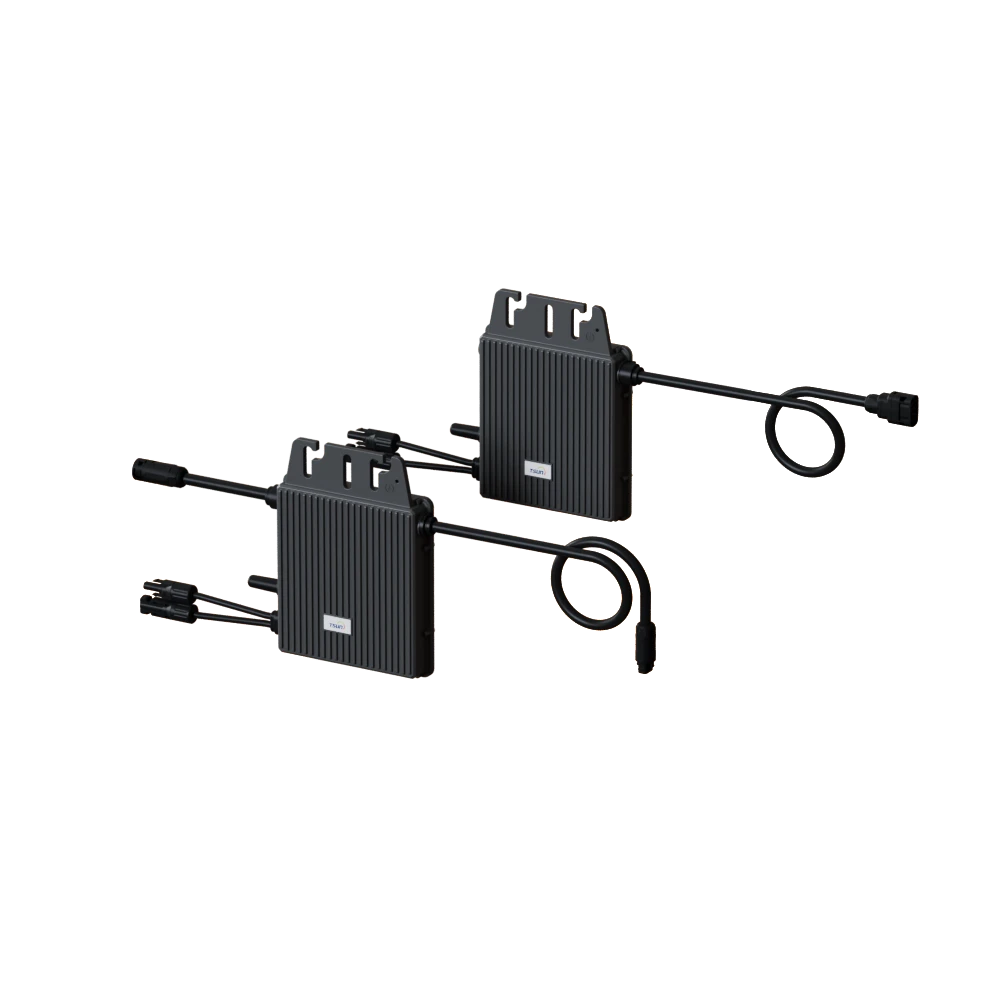
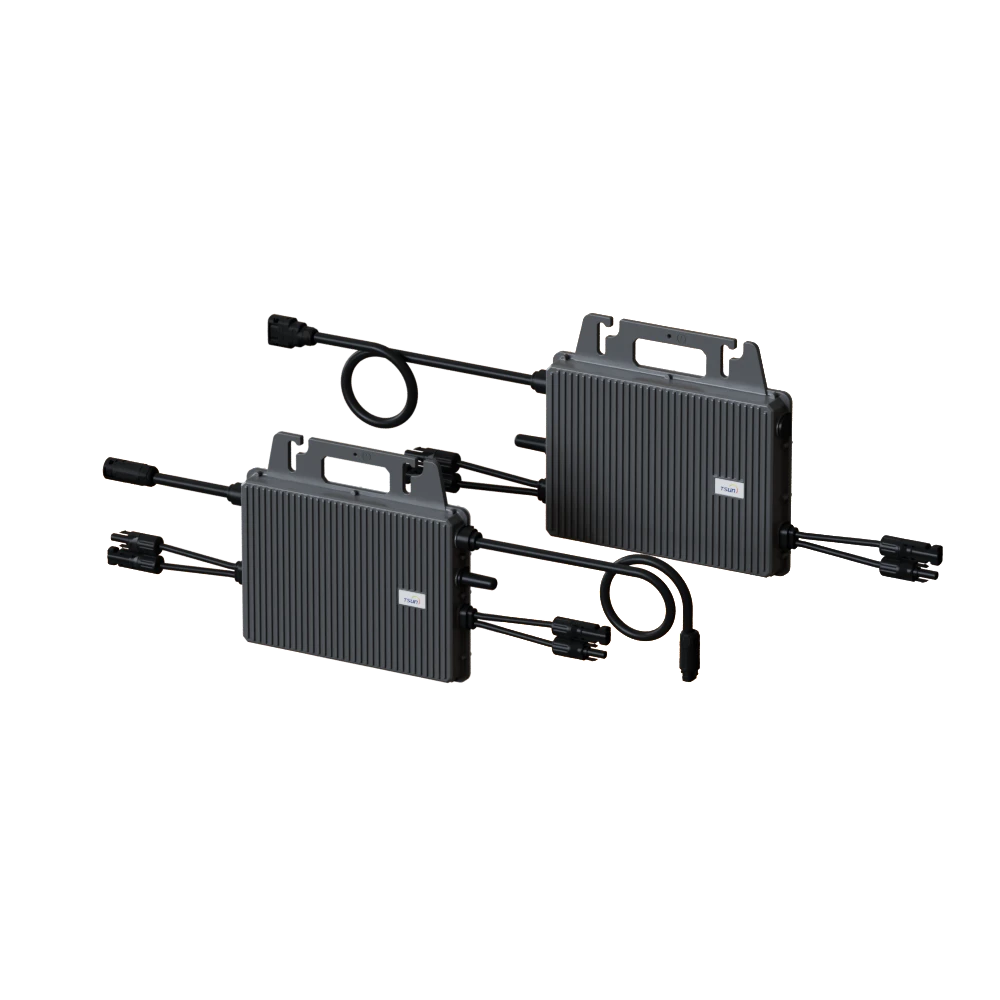
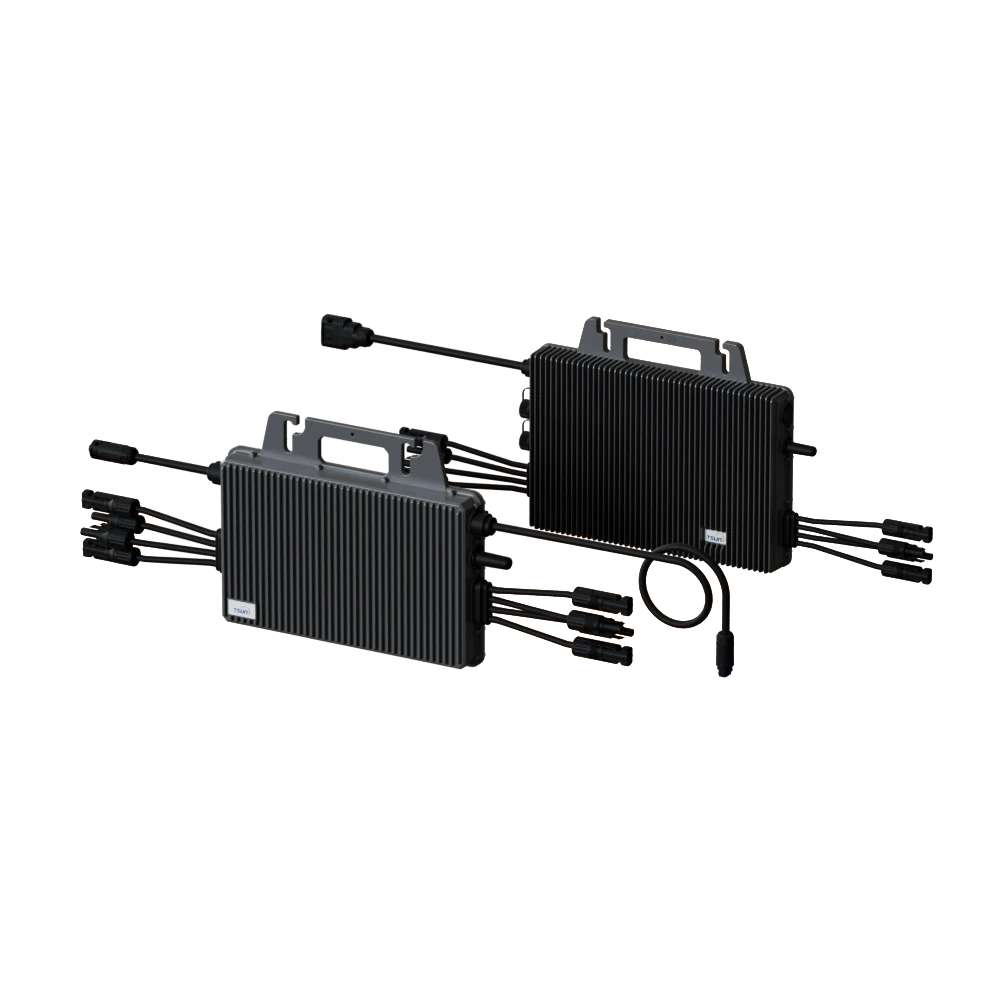
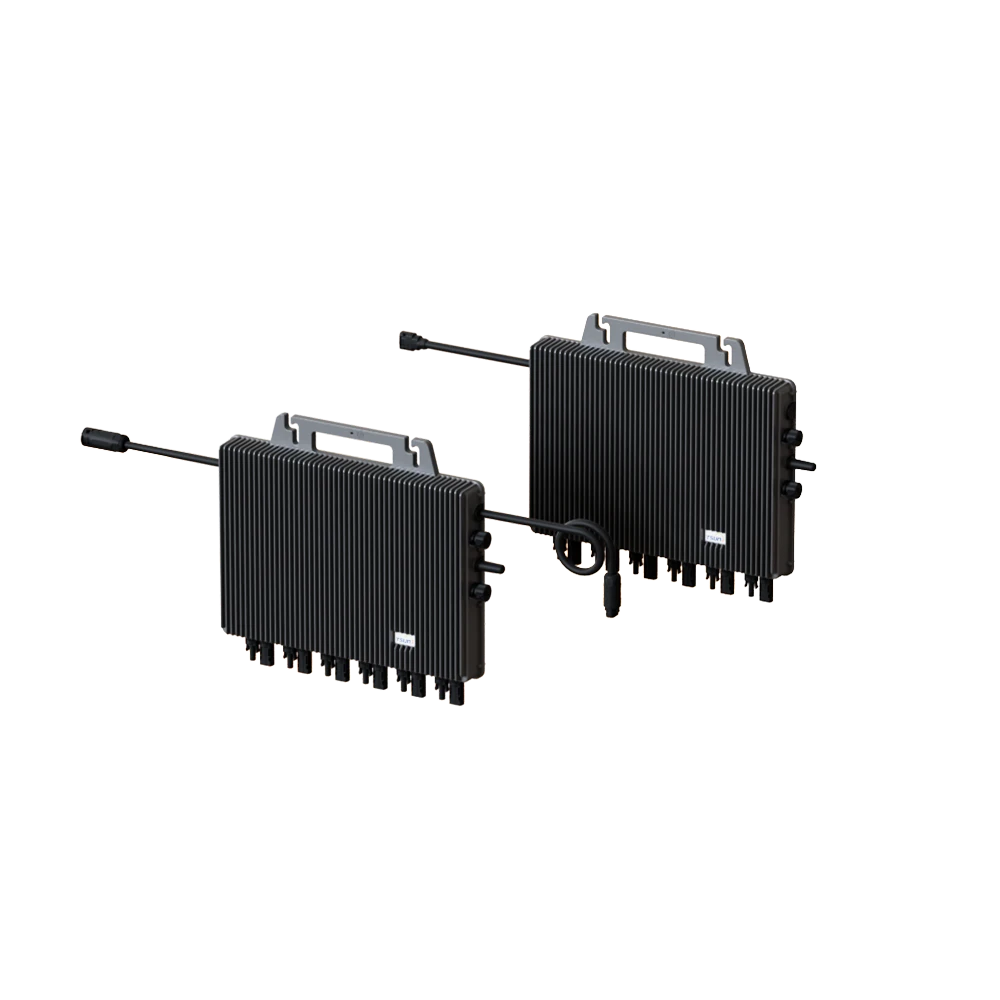
Microinverter solar systems represent a significant advancement in photovoltaic (PV) technology. Unlike traditional string inverter setups, where multiple panels are connected in series, microinverters are individual inverters attached to each solar panel. This distributed power conversion approach allows each panel to operate independently, maximizing overall system efficiency and mitigating the impact of shading or panel mismatch.
The adoption of microinverter solar is driven by the increasing desire for greater control and optimization in solar energy production. They provide granular monitoring of each panel's performance, enabling quick identification and resolution of any issues. This proactive approach leads to increased energy yields and a longer lifespan for the entire system.
Defining Microinverter Solar
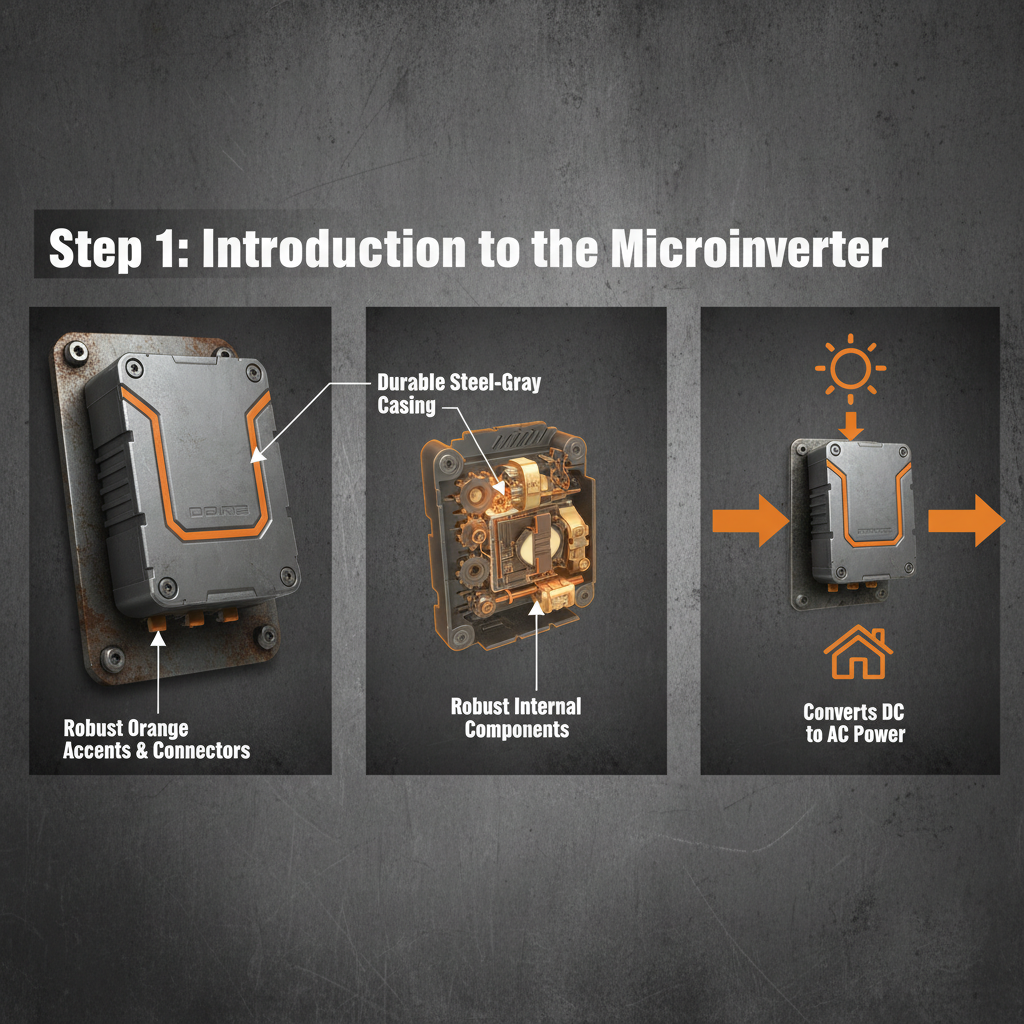
At its core, microinverter solar involves converting the direct current (DC) electricity generated by individual solar panels into alternating current (AC) electricity directly at the panel itself. This contrasts with string inverters, which collect DC power from multiple panels and then convert it to AC in a central location. The resulting AC power is then readily usable by homes and businesses or fed back into the grid.
This distributed architecture isn’t just about technical efficiency; it's about empowering energy consumers. Microinverter solar allows for greater flexibility in system design, facilitating easy expansion and integration with battery storage systems. It's a building block for a more decentralized and resilient energy grid.
The technology’s relevance extends beyond just powering homes. It plays a vital role in providing energy access to remote areas and developing countries where extending the traditional grid is costly and impractical. Microinverter solar provides a viable solution for off-grid power and microgrid development.
Core Components of Microinverter Systems
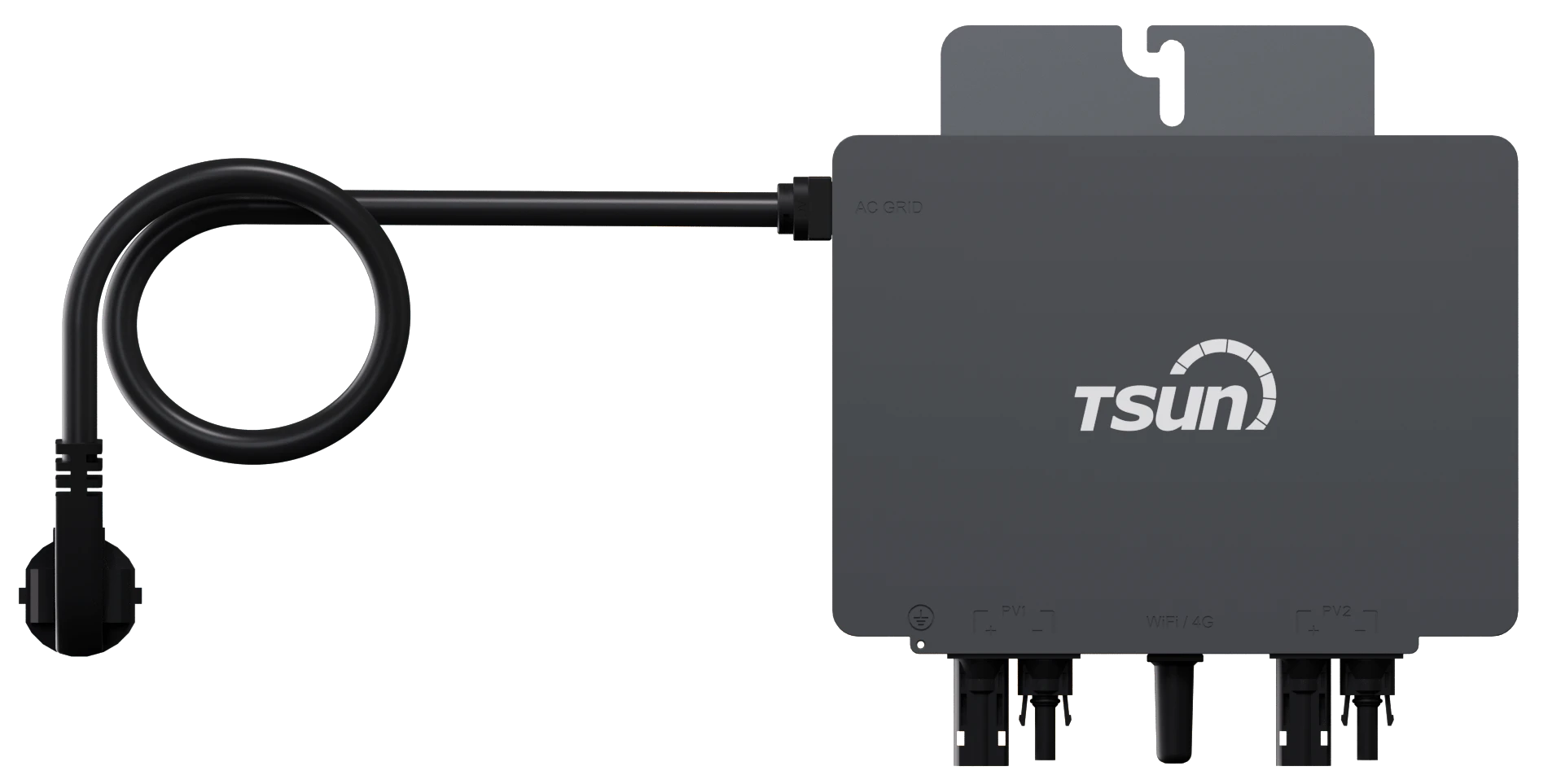
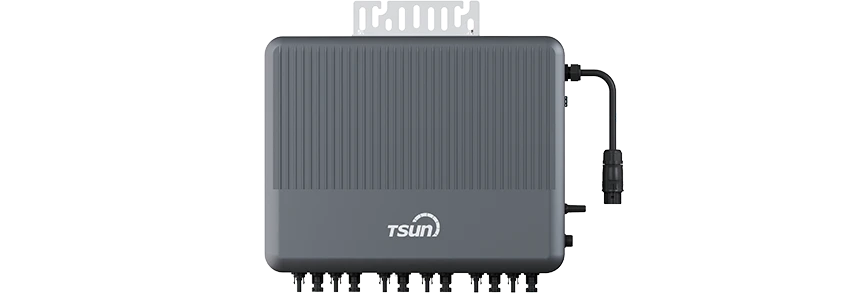
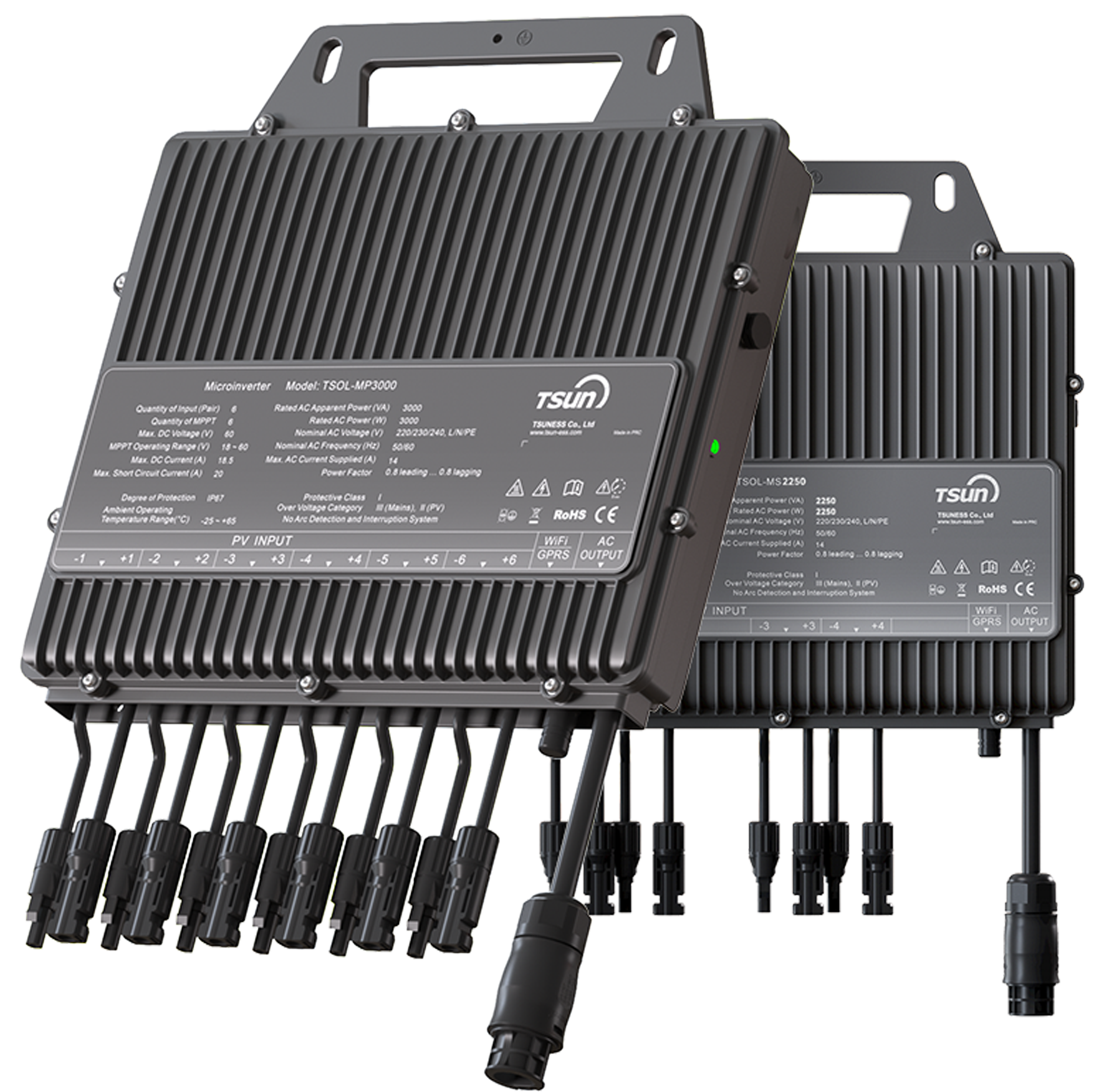
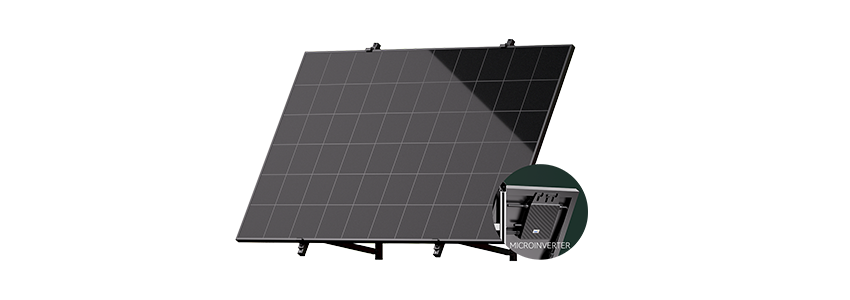
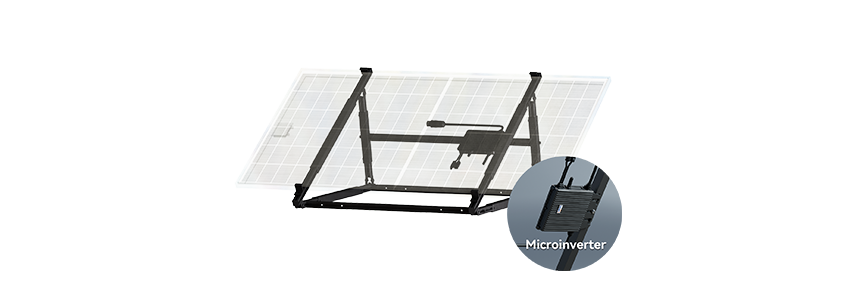
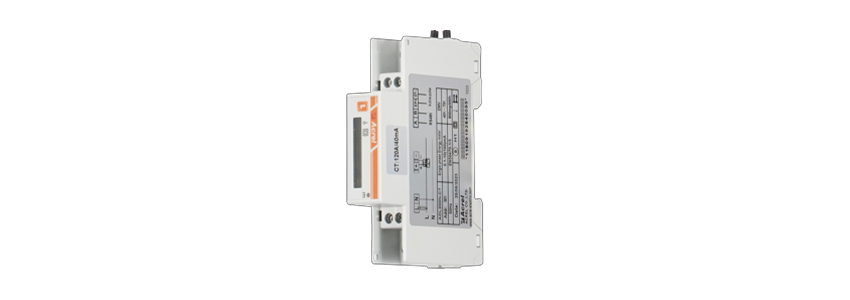
A typical microinverter solar system consists of several key components. First, there are the solar panels themselves, which capture sunlight and convert it into DC electricity. Then, each panel is connected to a dedicated microinverter, which performs the DC-to-AC conversion. These microinverters communicate with a central monitoring platform, providing real-time data on system performance.
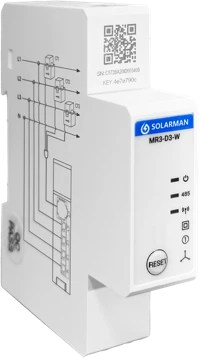
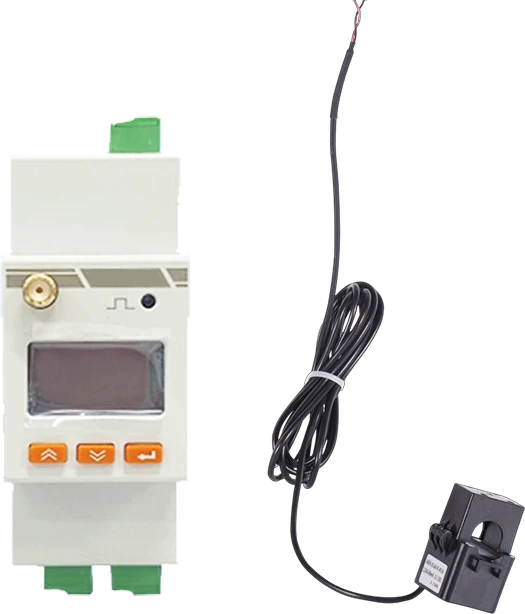
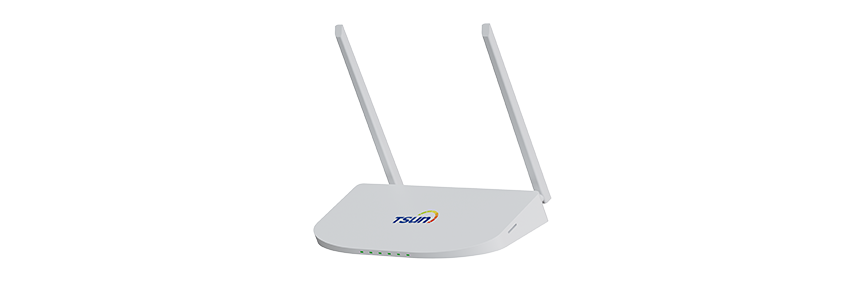
Beyond the panels and microinverters, a gateway device is essential. This gateway collects data from all the microinverters and transmits it to the cloud-based monitoring system, allowing users to track energy production, identify potential issues, and optimize system performance. Finally, the AC output of the microinverters is connected to the home's electrical panel or the grid.
The quality and compatibility of these components are critical for system reliability. Choosing reputable manufacturers and ensuring proper installation are essential for maximizing the lifespan and performance of a microinverter solar system. Microinverter solar systems benefit from robust communication protocols and secure data transmission.
Key Factors Influencing Microinverter Performance
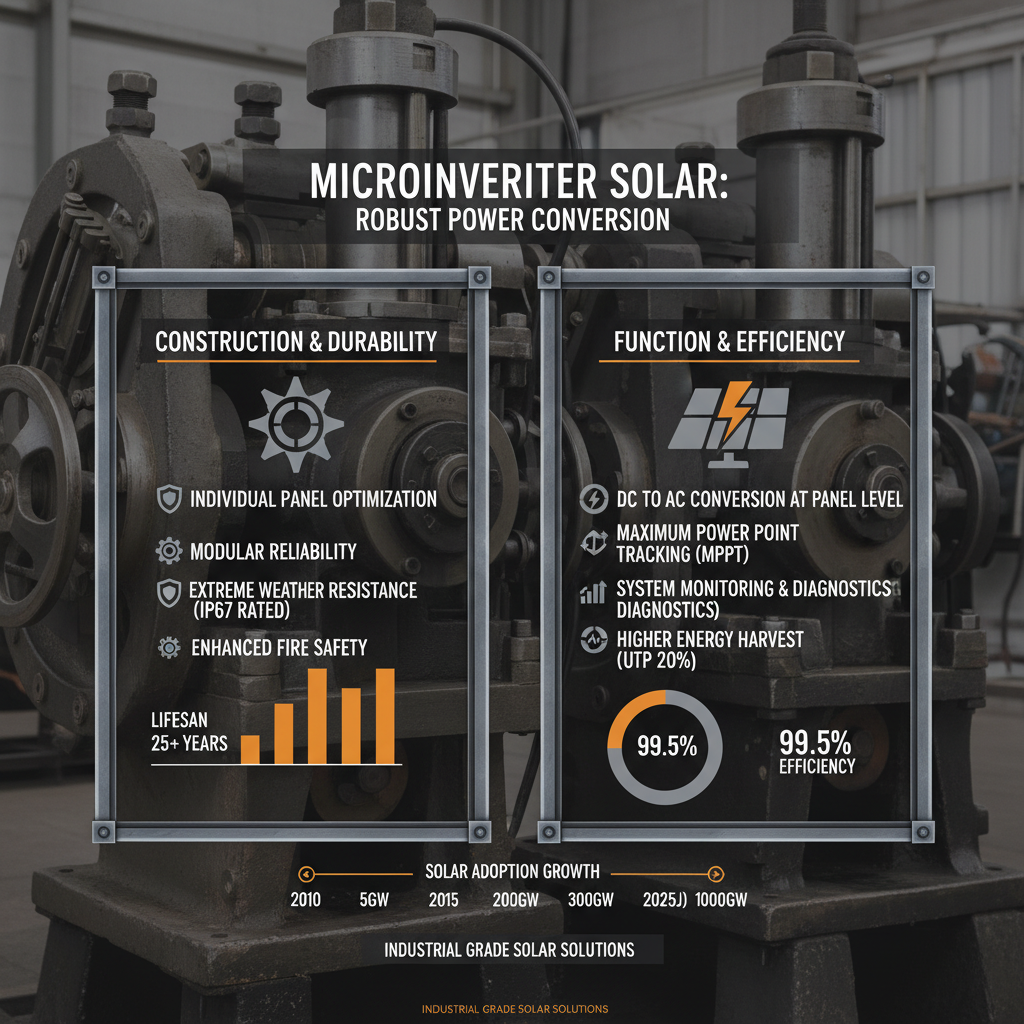
Several factors can impact the performance of a microinverter solar system. Shading, even partial shading, can significantly reduce the output of a string inverter system, as the entire string is limited by the performance of the weakest panel. However, microinverters mitigate this issue by allowing each panel to operate independently, maximizing power generation even under shaded conditions.
Microinverter Solar Performance Factors
Global Applications and Use Cases
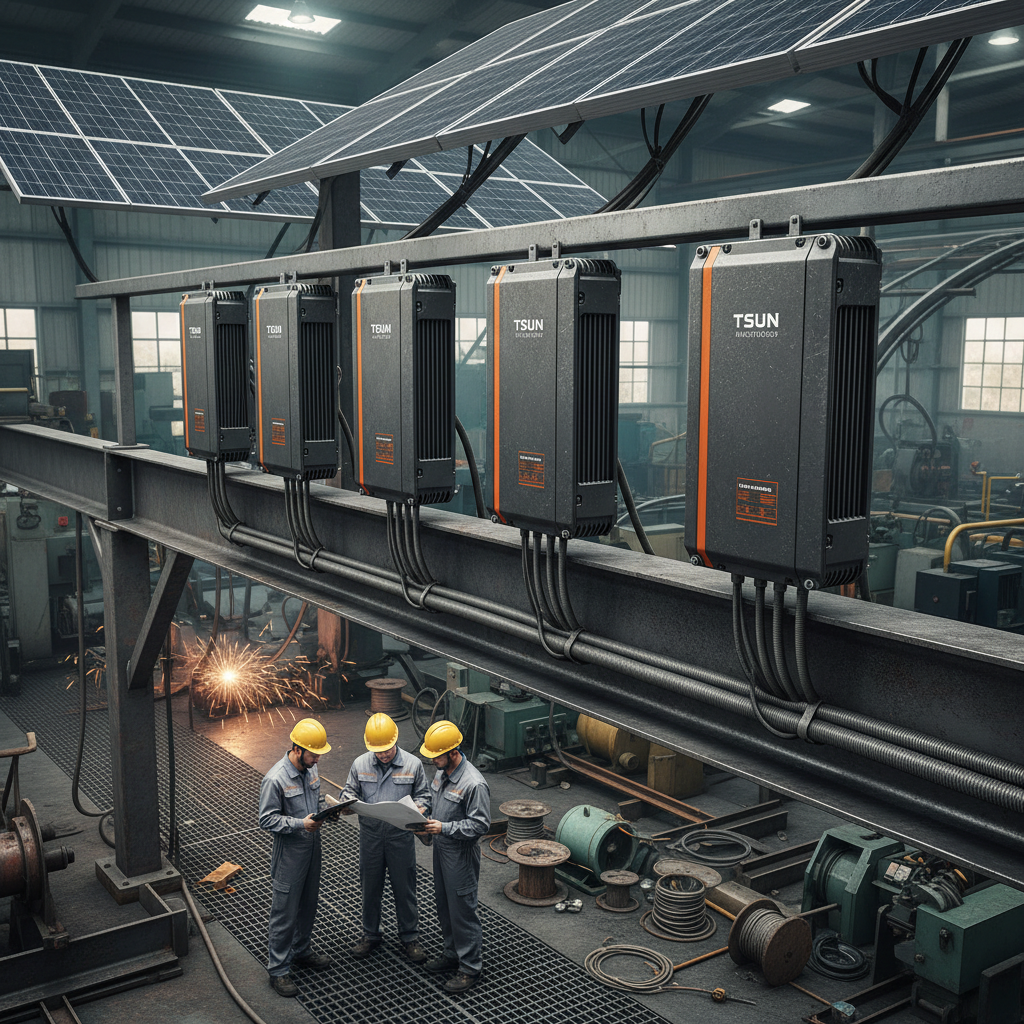
Microinverter solar technology is finding applications across a diverse range of settings. In residential areas, it's becoming increasingly popular for powering homes, reducing electricity bills, and increasing energy independence. In commercial and industrial settings, microinverters are used to power businesses, manufacturing facilities, and agricultural operations.
Beyond traditional grid-tied applications, microinverter solar is also playing a crucial role in off-grid and remote power solutions. In post-disaster relief operations, microinverter systems can provide immediate power to communities lacking access to the grid. In remote industrial zones, they offer a cost-effective and reliable alternative to expensive diesel generators.
Advantages and Long-Term Value
The advantages of microinverter solar extend far beyond simple cost savings. Increased energy production, due to optimized performance and shading mitigation, translates into a faster return on investment. The granular monitoring capabilities of microinverter systems provide valuable insights into system health, enabling proactive maintenance and preventing costly downtime.
Moreover, the modularity and scalability of microinverter systems offer long-term flexibility. As energy needs evolve, additional panels and microinverters can be easily added to expand the system's capacity. This adaptability ensures that the investment remains valuable for years to come, contributing to a more sustainable and secure energy future.
Future Trends and Innovations
The future of microinverter solar is bright, with several exciting trends on the horizon. Advancements in materials science are leading to more efficient and durable microinverters. Integration with smart home technologies and energy management systems is enabling greater control and optimization of energy usage.
Furthermore, the growing demand for energy storage is driving the development of microinverter systems that seamlessly integrate with battery storage solutions. These combined systems offer increased energy independence and resilience, allowing homeowners and businesses to store excess solar energy for use during peak demand or power outages.
Challenges and Solutions
Despite its many advantages, microinverter solar faces some challenges. The initial cost can be higher compared to traditional string inverter systems. However, this cost is often offset by increased energy production and long-term savings. Another challenge is the complexity of system monitoring and maintenance, requiring specialized knowledge and tools.
To address these challenges, manufacturers are continuously innovating to reduce costs and simplify system management. Cloud-based monitoring platforms are becoming more user-friendly and providing remote diagnostics and troubleshooting capabilities. Microinverter solar companies are also offering comprehensive installation and maintenance services to ensure optimal system performance.
Microinverter Solar System Comparison
| System Type |
Initial Cost |
Efficiency |
Shading Tolerance |
| String Inverter |
$1,500 - $2,500 |
95-98% |
Low |
| Microinverter |
$2,000 - $3,500 |
96-99% |
High |
| Hybrid System |
$2,500 - $4,000 |
97-99% |
Medium |
| DC Optimizer + String Inverter |
$2,200 - $3,200 |
96-98% |
Medium-High |
| Power Optimizers + Microinverters |
$3,000 - $4,500 |
97-99.5% |
Very High |
| Off-Grid Microinverter System |
$3,500 - $6,000 |
95-99% |
High |
FAQS
Microinverters offer several advantages, including increased energy production due to Maximum Power Point Tracking (MPPT) on each panel, improved shading tolerance, enhanced system monitoring, and greater design flexibility. Unlike string inverters, where the performance of the entire string is limited by the weakest panel, microinverters allow each panel to operate independently, maximizing overall system output. They also provide granular data on individual panel performance, enabling quicker identification and resolution of issues.
Generally, microinverters have a higher upfront cost than string inverters. However, this cost can often be offset by the increased energy production, improved system reliability, and reduced maintenance requirements. Over the long term, the higher efficiency and longevity of a microinverter system can result in a lower levelized cost of energy (LCOE).
Microinverters excel at handling shading. Because each panel has its own inverter, shading on one panel doesn't affect the output of the others. In a string inverter system, shading on even a small portion of one panel can significantly reduce the output of the entire string. Microinverters mitigate this issue, maximizing energy production even in partially shaded conditions.
Most microinverter manufacturers offer warranties of 25 years, indicating a projected lifespan of at least that long. The actual lifespan can vary depending on environmental conditions and installation quality. However, due to their robust design and individual panel optimization, microinverters tend to be more durable and reliable than traditional string inverters.
Yes, many modern microinverter systems are designed to seamlessly integrate with battery storage solutions. This allows homeowners and businesses to store excess solar energy for use during peak demand or power outages, increasing energy independence and resilience. Some microinverter manufacturers even offer integrated battery solutions.
Microinverter systems offer exceptional monitoring capabilities. They typically come with a cloud-based platform that provides real-time data on the performance of each individual panel. This allows users to track energy production, identify potential issues, and optimize system performance from anywhere with an internet connection.
Conclusion
Microinverter solar represents a significant advancement in renewable energy technology. Its distributed architecture, enhanced efficiency, and granular monitoring capabilities offer compelling advantages over traditional string inverter systems. As the demand for clean and reliable energy continues to grow, microinverter solar is poised to play an increasingly important role in powering our future, fostering sustainability, and empowering energy consumers.
Investing in microinverter solar is not just an environmentally responsible choice; it's a financially sound one. With declining costs, increasing efficiency, and long-term reliability, this technology offers a compelling return on investment. We encourage homeowners, businesses, and policymakers to explore the benefits of microinverter solar and embrace a more sustainable energy future.



 LEARN DETAILS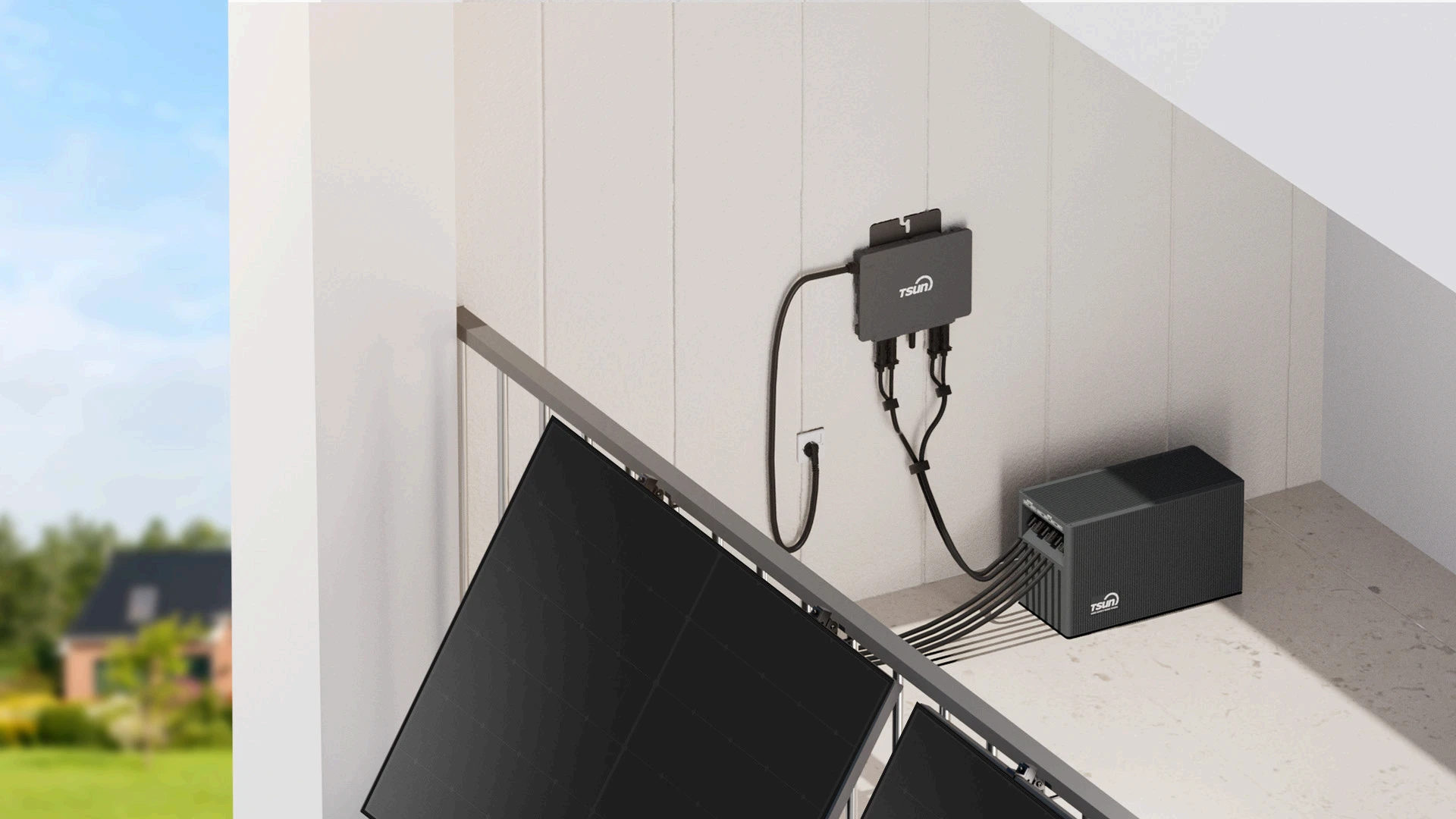
 Downloads
 Video Center
 Report Fault for Repair
 FAQS
FAQS Service Network
 Privacy Policy
 Contact Us
 Monitoring