The global shift towards renewable energy sources is rapidly increasing, and within this landscape, the role of solar panel microinverter technology is becoming increasingly crucial. These devices are not just components of solar energy systems; they represent a fundamental change in how we generate, distribute, and utilize power, offering greater efficiency, reliability, and scalability. Understanding solar panel microinverters is essential for anyone involved in the renewable energy sector, from homeowners and installers to policymakers and researchers.
The demand for decentralized and resilient energy solutions is driving the adoption of microinverters worldwide. Traditional string inverters, while still prevalent, suffer from limitations like single-point failure and the impact of shading on overall system performance. Solar panel microinverters address these issues by optimizing the output of each individual panel, maximizing energy yield, and enhancing system monitoring capabilities. This technology is a key enabler of a more sustainable and democratized energy future.
Investing in knowledge about these systems is vital as the industry evolves. Innovations in materials, communication protocols, and grid integration are continuously improving the performance and cost-effectiveness of solar panel microinverters. A comprehensive understanding of their benefits and applications is now paramount for driving the widespread adoption of solar energy and achieving global sustainability goals.
Introduction to solar panel microinverter
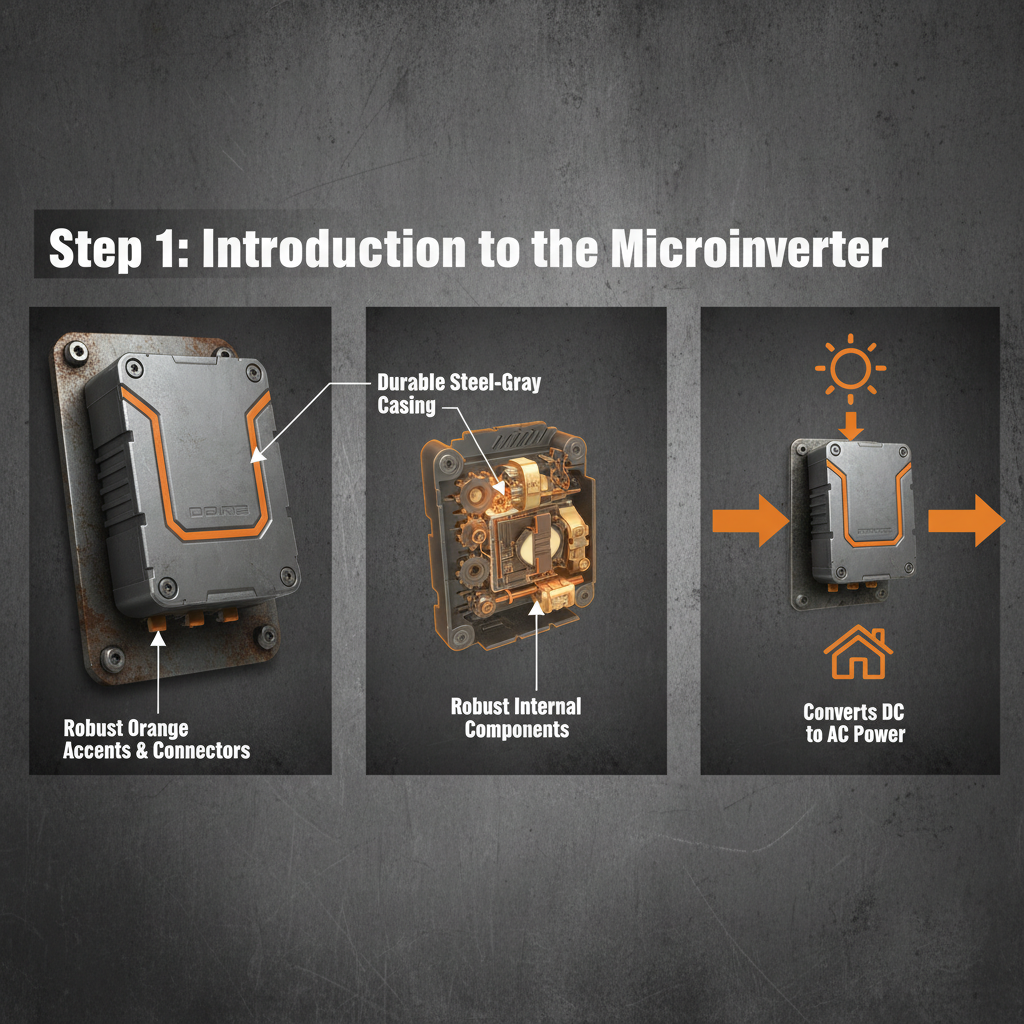
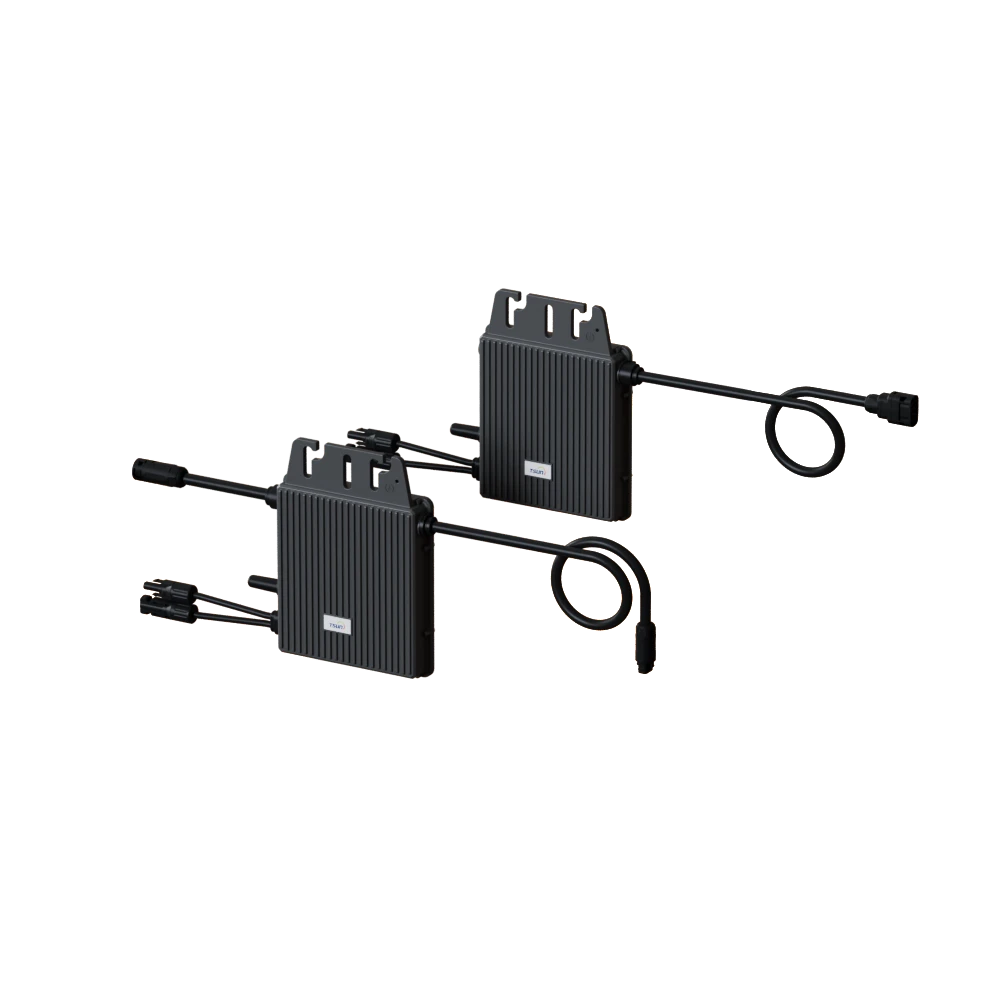
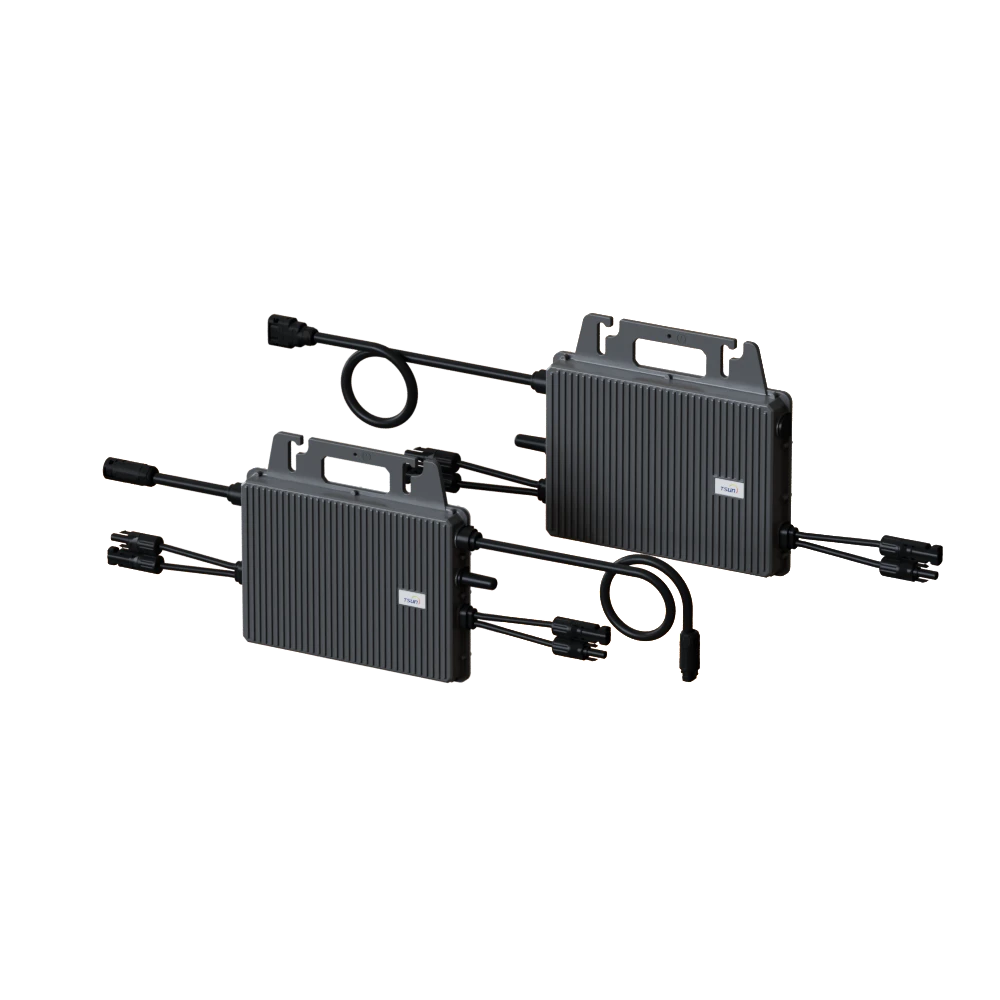
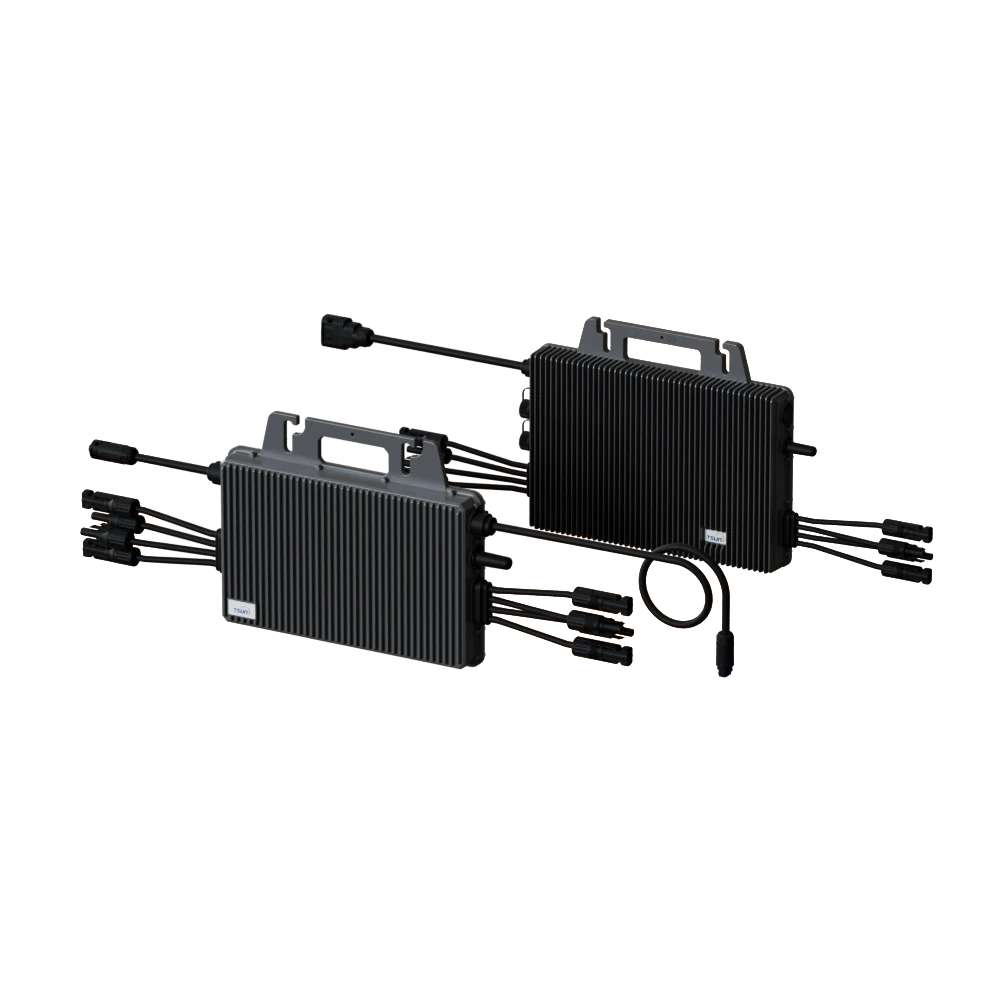
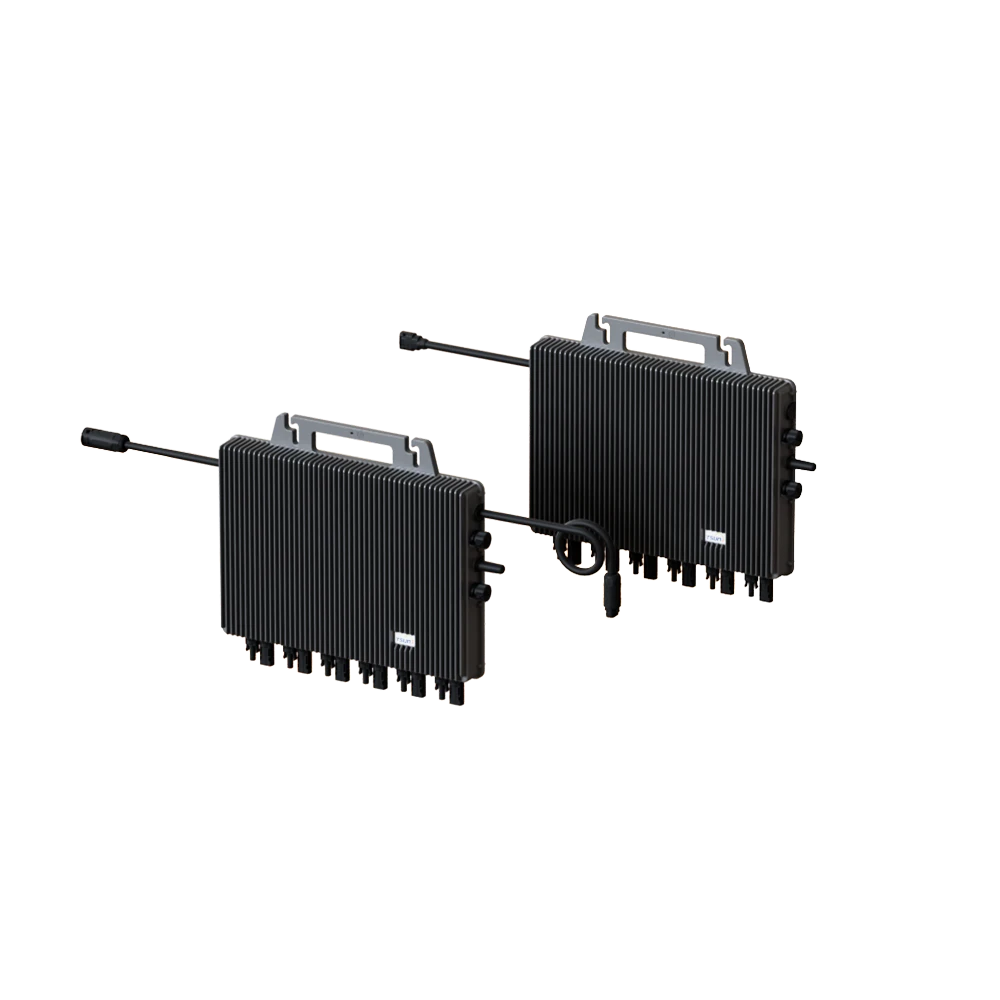
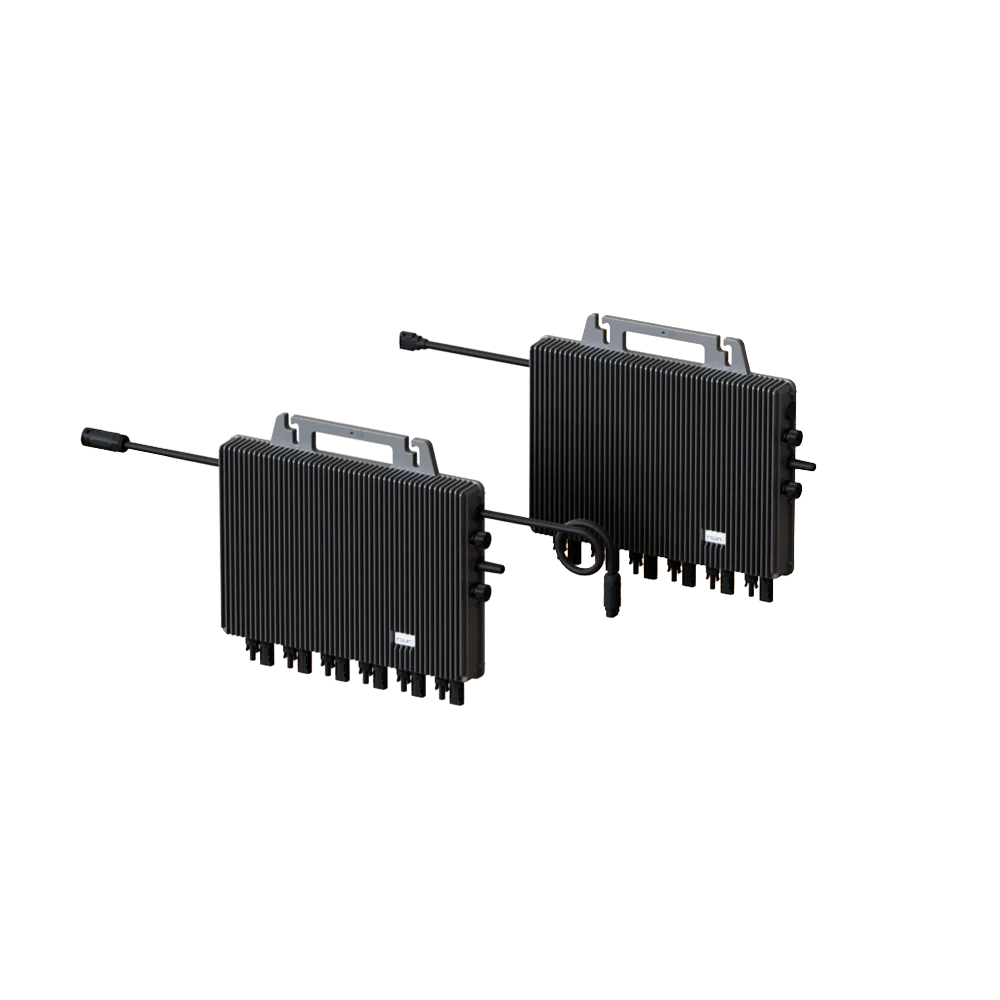
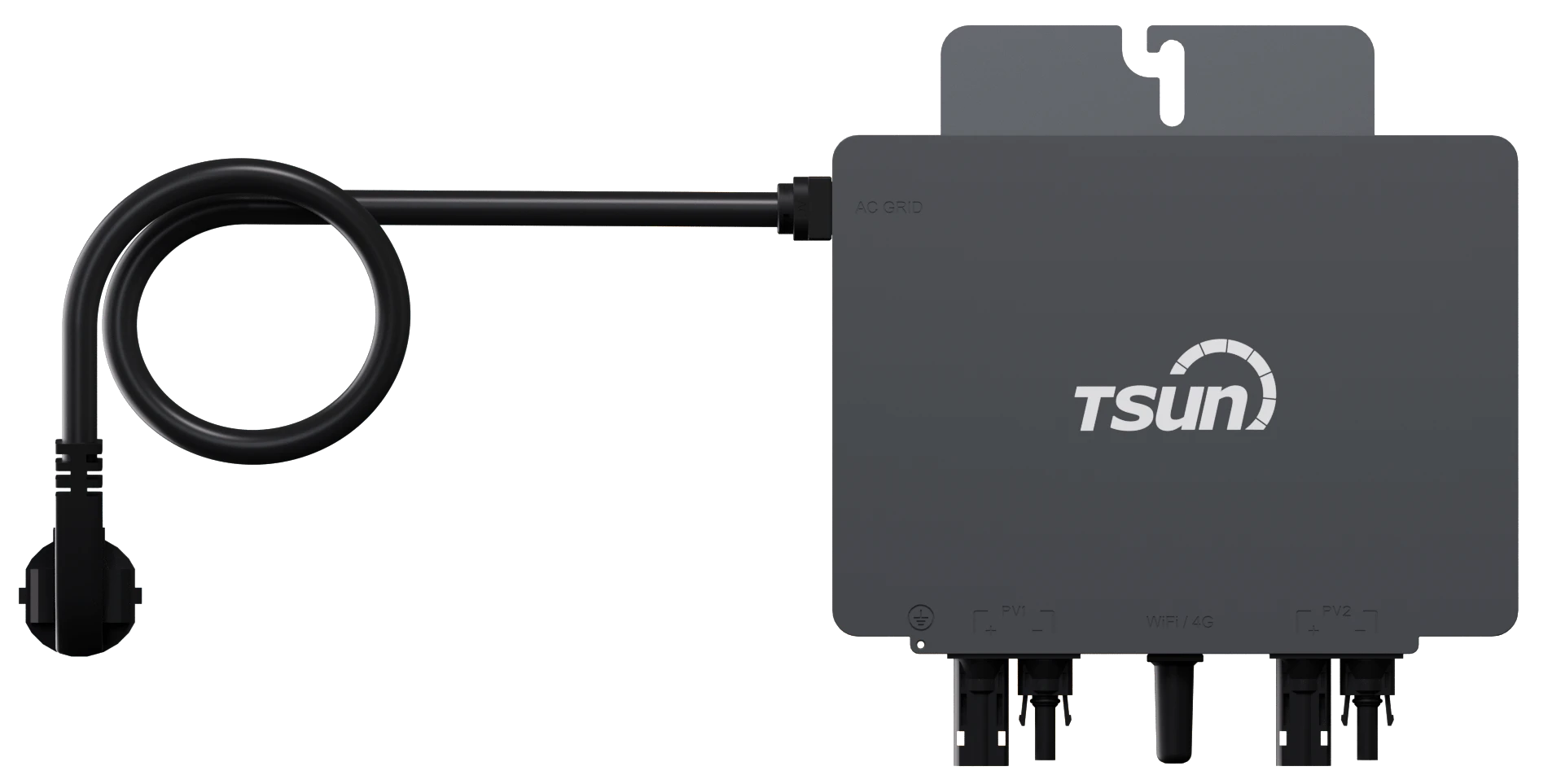
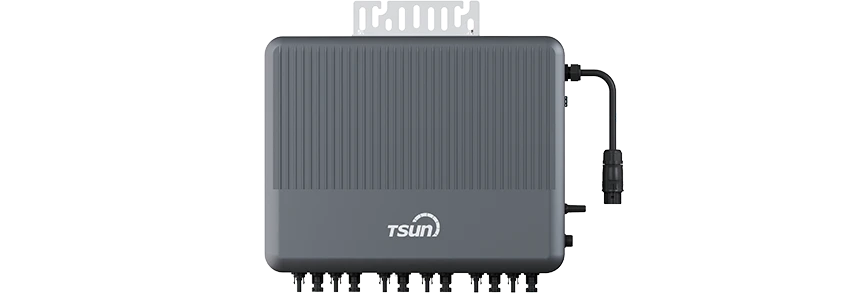
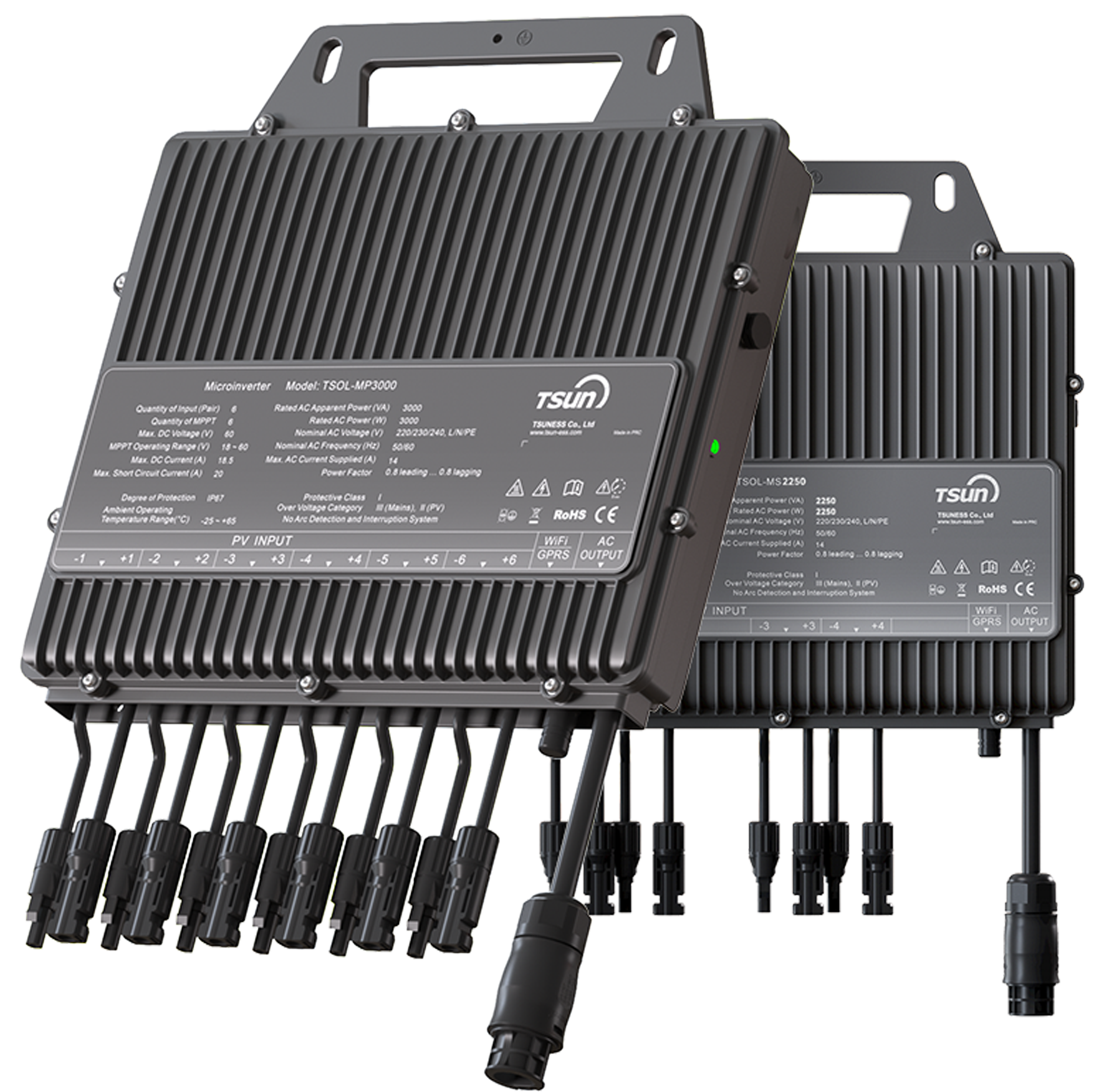
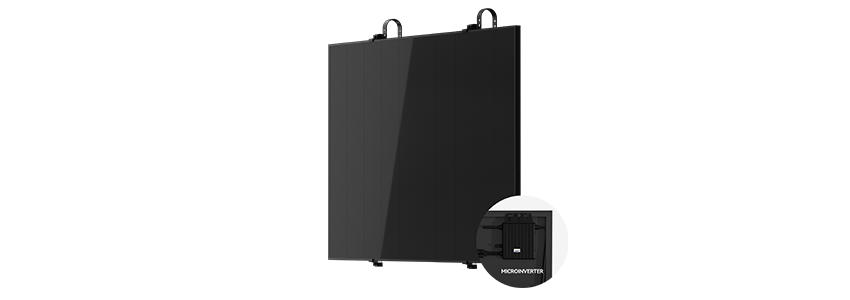
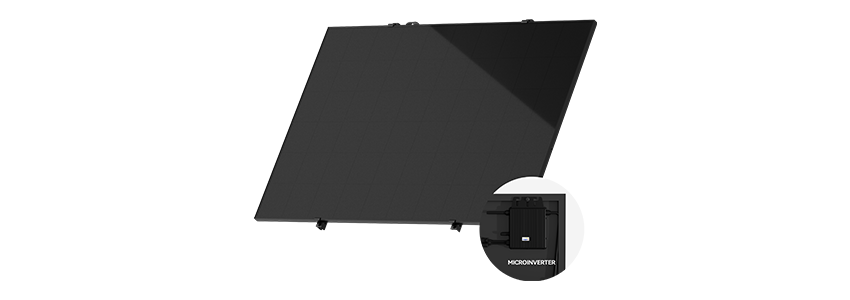
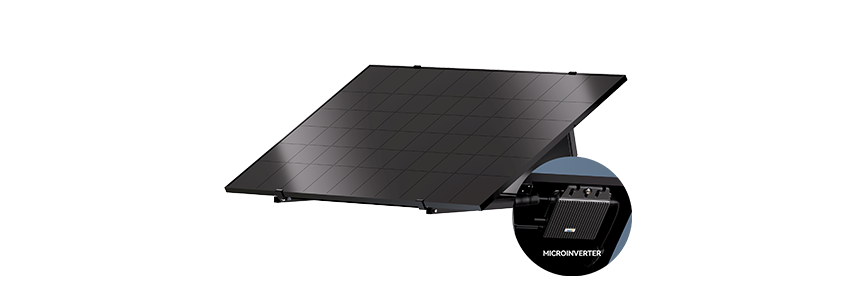
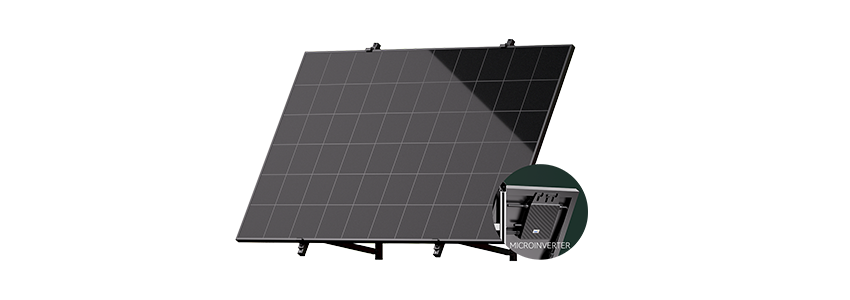
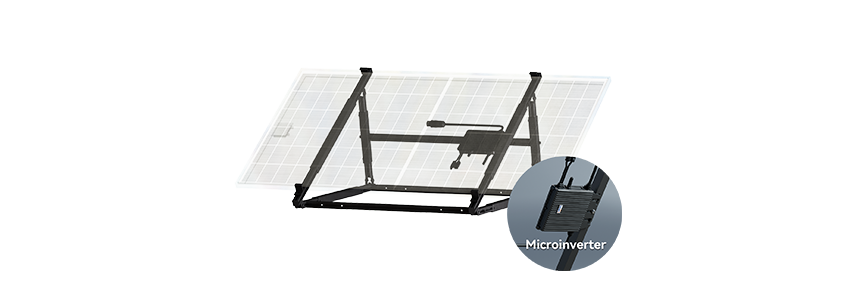
The increasing global emphasis on renewable energy has propelled the development of innovative solar technologies. At the forefront of this revolution is the solar panel microinverter, a pivotal component in modern solar energy systems. These compact devices are strategically installed on the back of each solar panel, converting DC power to AC power at the source.
Unlike traditional string inverters that manage an entire array, microinverters offer panel-level monitoring and optimization, leading to substantial improvements in system efficiency and reliability. This distributed architecture is becoming increasingly vital as the demand for resilient and scalable energy solutions grows worldwide.
Defining Solar Panel Microinverter Technology
A solar panel microinverter is a small, solid-state electronic device that converts the direct current (DC) electricity generated by a single solar panel into alternating current (AC) electricity, which is the type of electricity used by most homes and businesses. This conversion happens at the panel level, unlike traditional string inverters which convert DC to AC for the entire array simultaneously.
This technology directly connects to the grid, allowing for independent panel operation and optimal energy harvesting. Its connection to modern industry stems from the need for decentralized power generation, offering increased grid stability and resilience. Solar panel microinverters are integral to the shift towards smarter, more distributed energy networks.
Furthermore, the increasing availability of advanced monitoring features provided by these devices is critical for predictive maintenance and optimizing energy production, aligning with the principles of sustainable and efficient energy management.
Core Components and Key Features
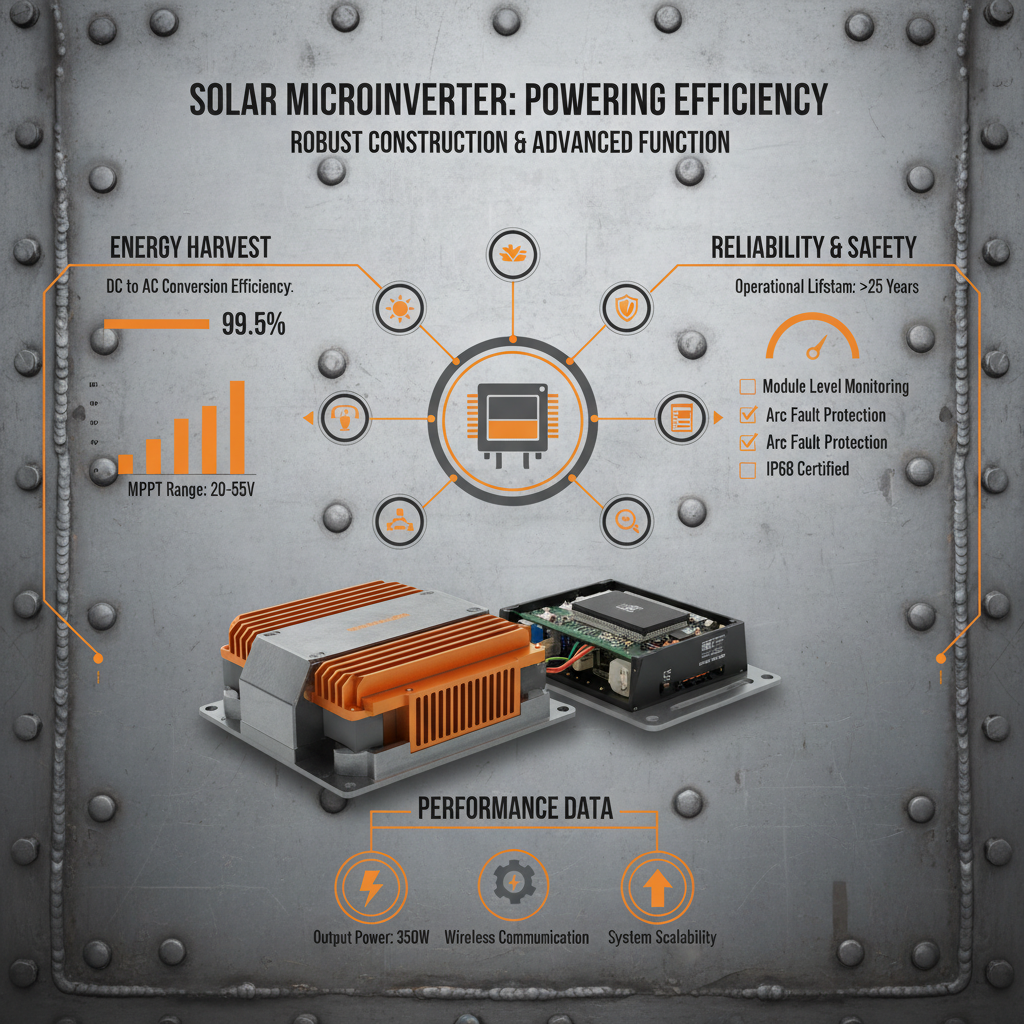
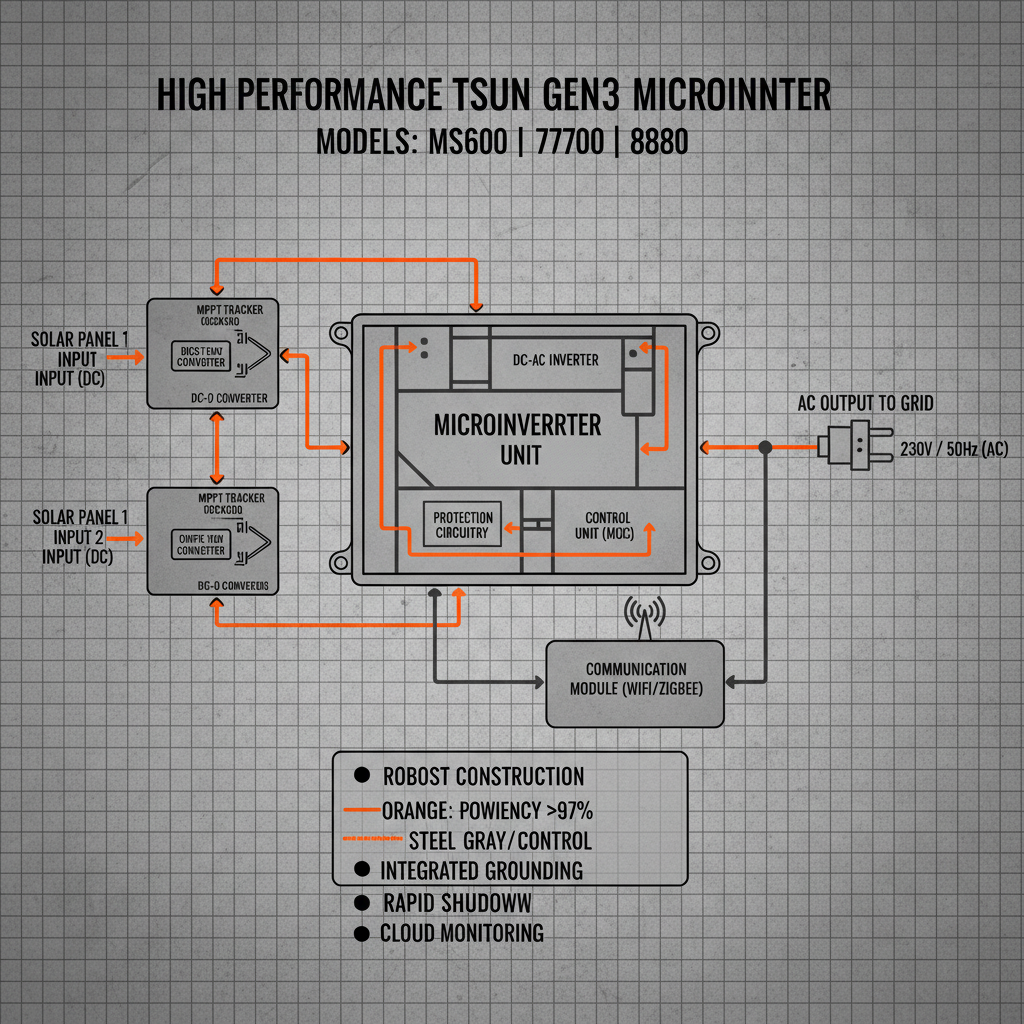
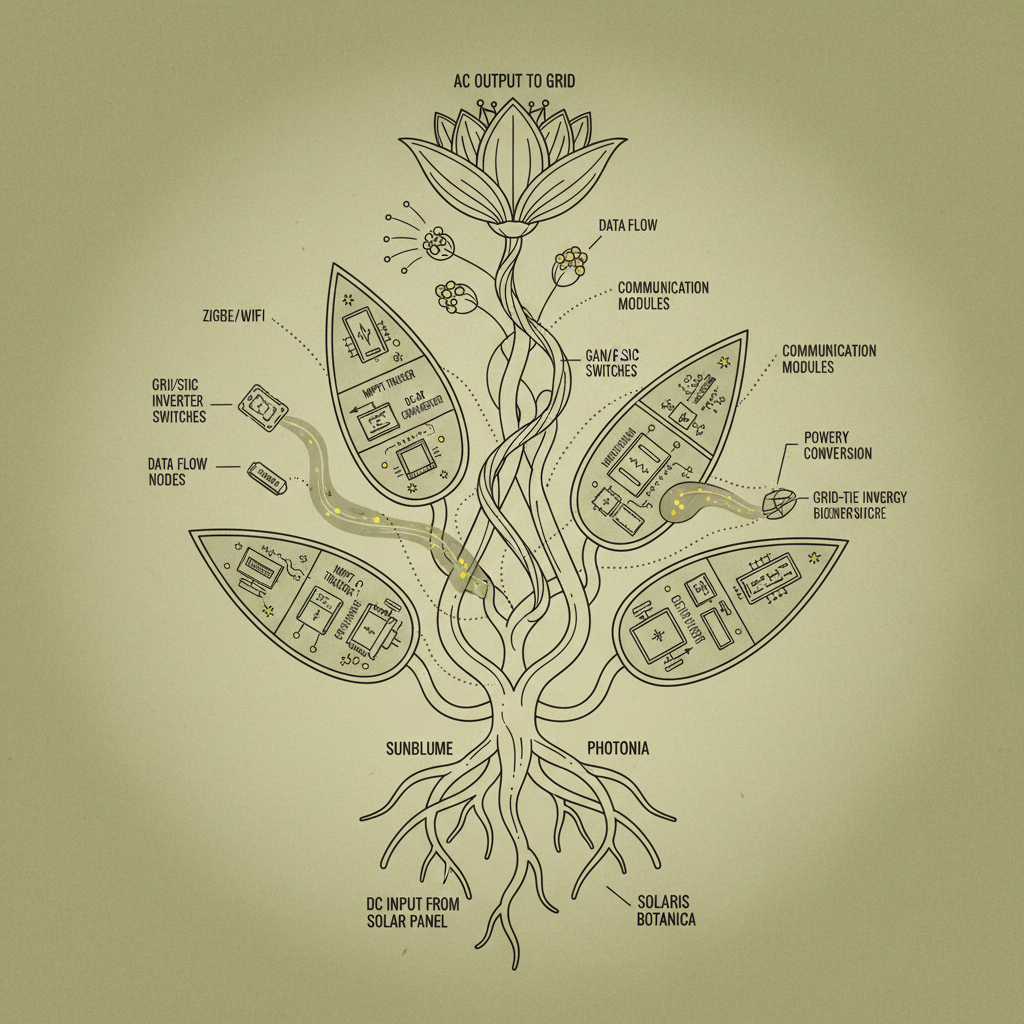
The functionality of a solar panel microinverter relies on several key components. These include a maximum power point tracker (MPPT) which ensures each panel operates at its most efficient voltage and current, a DC-DC converter for voltage regulation, and a DC-AC inverter to convert the power to usable AC electricity. Integrated communication systems allow for remote monitoring and control.
Key features include panel-level monitoring, enabling precise identification of underperforming panels. Independent operation means the failure of one microinverter doesn't affect the entire system. Advanced grid support functions, such as voltage and frequency ride-through, enhance grid stability. The compact size and simplified installation process contribute to reduced labor costs.
The increasing sophistication of these features reflects a dedication to maximizing system performance and resilience. This translates into higher energy yields, lower maintenance costs, and a greater return on investment for solar energy system owners.
The Advantages of Increased Efficiency with solar panel microinverter
One of the most significant benefits of using solar panel microinverters is the improved efficiency they deliver, particularly in situations where shading is present. Unlike string inverters, where the performance of the entire array is limited by the weakest panel, microinverters allow each panel to operate independently, maximizing the overall energy yield.
This leads to greater power production, particularly in complex roof layouts or environments with partial shading from trees or buildings. Moreover, the panel-level monitoring allows for swift identification and diagnosis of any performance issues, ensuring optimal system operation over its lifespan.
Solar Panel Microinverter Efficiency Comparison
Real-World Applications of solar panel microinverter
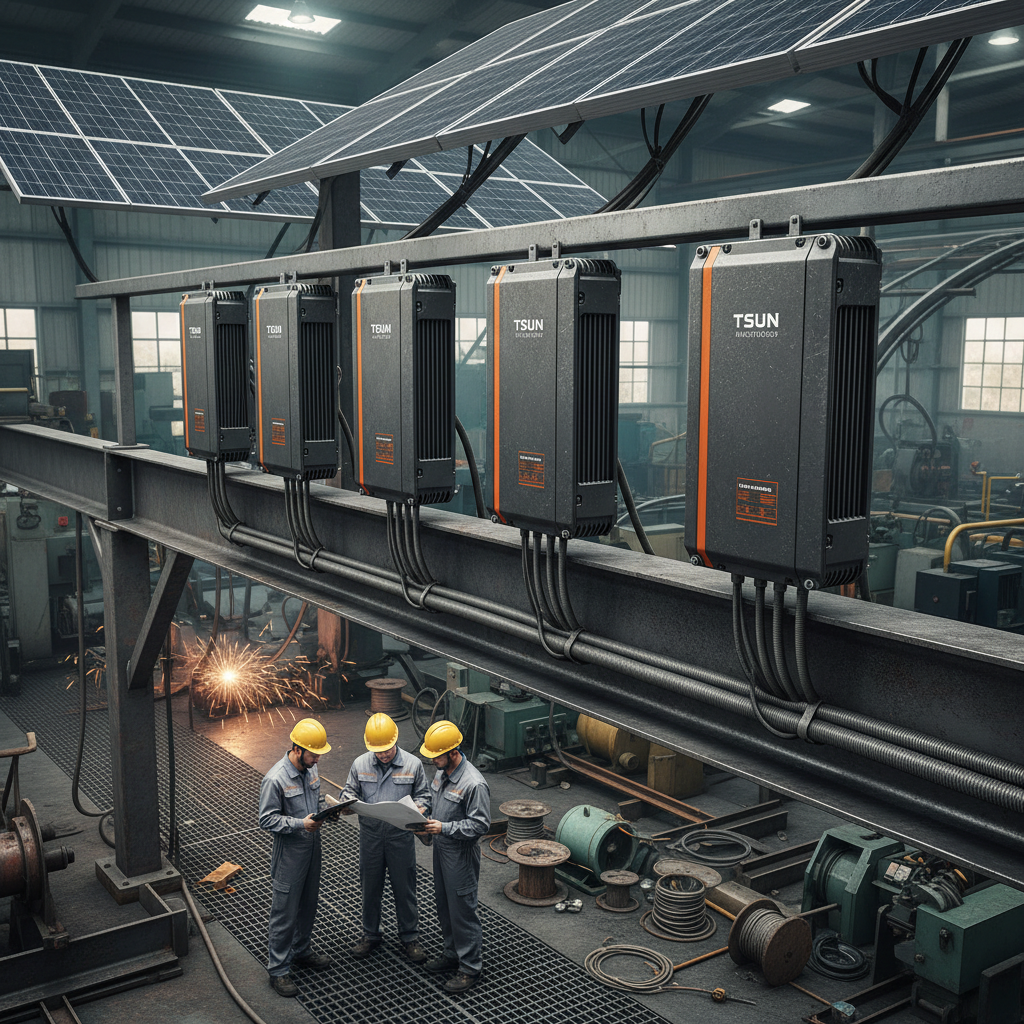
Solar panel microinverters are finding diverse applications across various sectors. Residential installations benefit from increased energy production and improved system reliability. Commercial rooftops leverage the panel-level optimization to maximize return on investment, even with complex roof geometries.
Furthermore, these systems are becoming increasingly common in off-grid and remote locations, providing a dependable power source for rural communities and critical infrastructure. In post-disaster relief operations, solar panel microinverter-based systems provide immediate and sustainable power where grid infrastructure is damaged or unavailable.
Long-Term Value and Sustainability Impact
The long-term benefits of solar panel microinverters extend beyond mere energy production. Their enhanced reliability translates to lower maintenance costs and extended system lifespans. The granular monitoring data enables proactive maintenance, preventing potential issues before they escalate.
From a sustainability perspective, maximizing energy yield and reducing waste contributes to a smaller carbon footprint. By empowering individuals and communities with access to clean, reliable energy, these systems promote energy independence and resilience, fostering a more sustainable future.
Future Trends and Innovations in solar panel microinverter
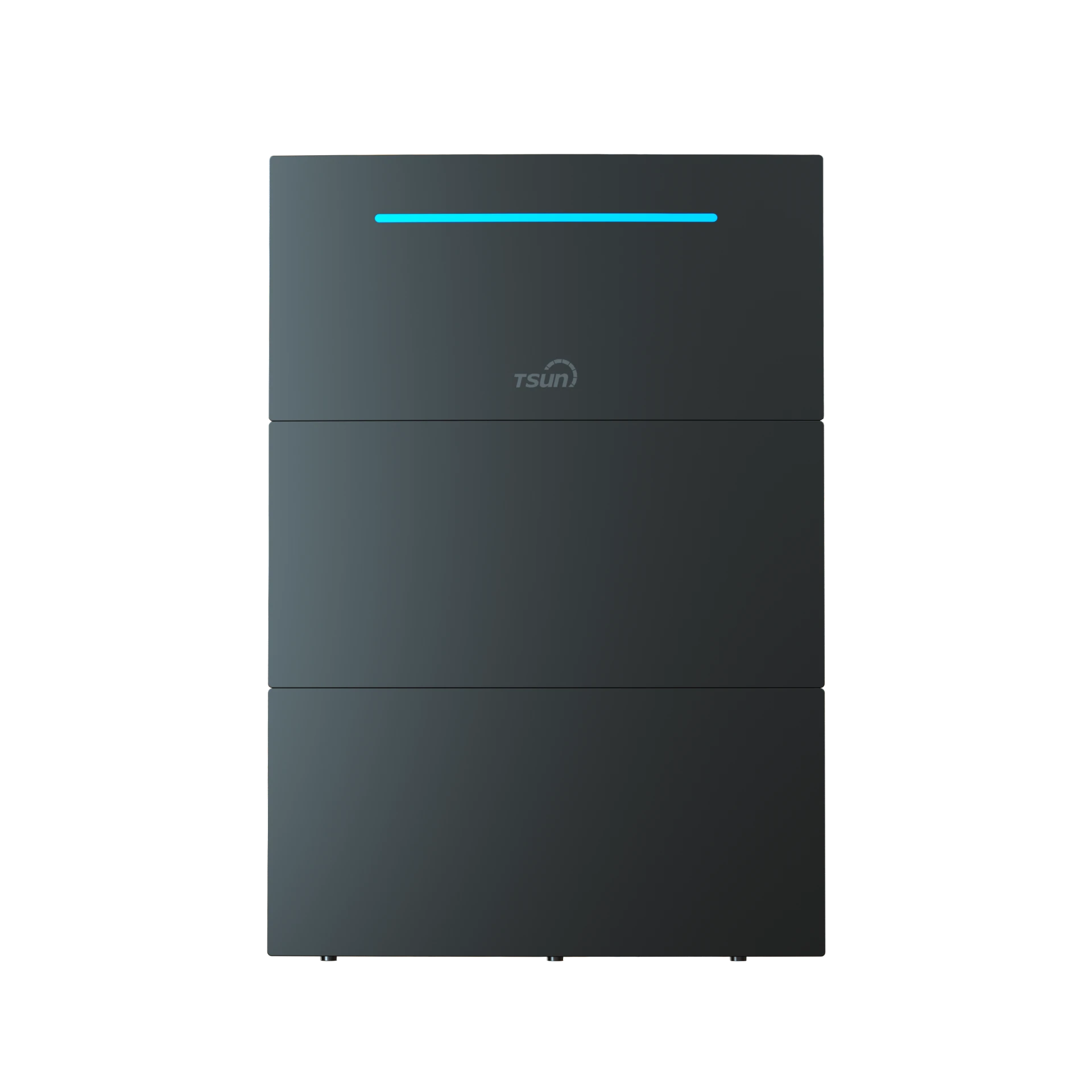
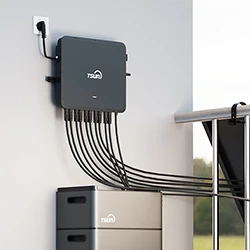
The future of solar panel microinverter technology is focused on integration with smart grids and advanced energy management systems. Emerging trends include enhanced cybersecurity features, improved communication protocols, and the development of bi-directional microinverters for energy storage solutions.
Innovations in materials science are leading to more efficient and durable microinverters, while advancements in artificial intelligence are enabling predictive maintenance and optimized energy dispatch. These developments will further solidify the role of solar panel microinverters as key components of a decentralized, resilient, and sustainable energy future.
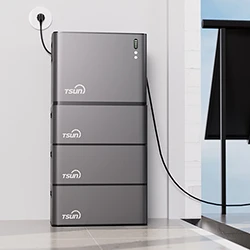
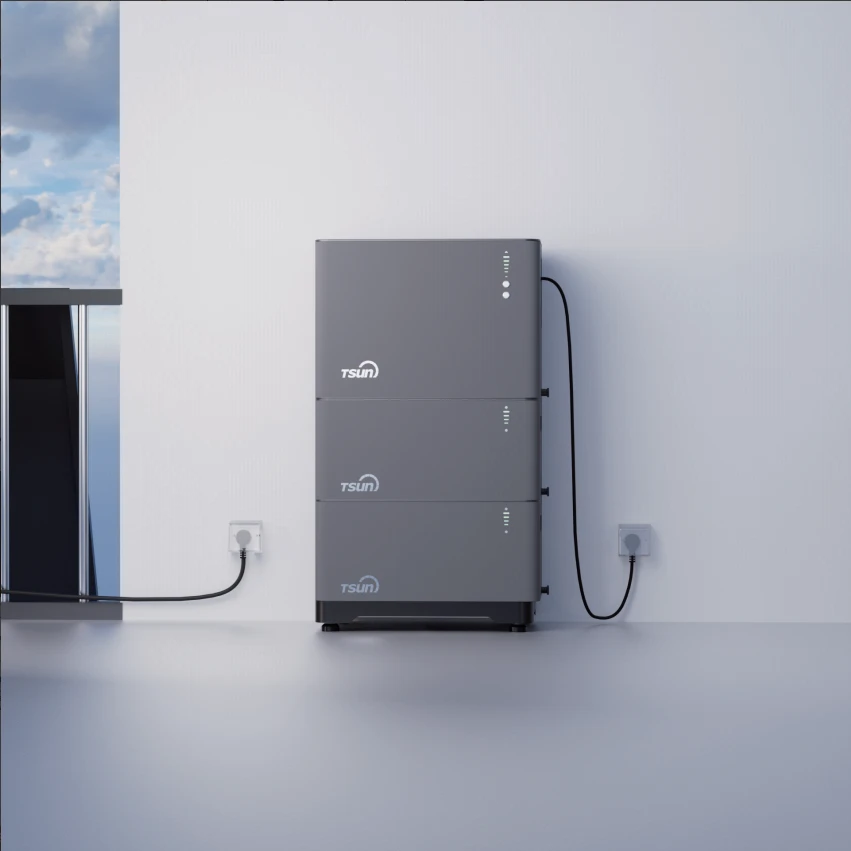
The integration of these systems with battery storage solutions is set to dramatically improve energy self-sufficiency and further reduce reliance on traditional fossil fuels.
Core Considerations for Solar Panel Microinverter System Performance
| Component Quality |
Communication Protocol |
System Scalability |
Environmental Resilience |
| Durability of internal components |
Reliability of data transmission |
Ease of expansion and integration |
Resistance to temperature fluctuations |
| Longevity of power electronics |
Security of communication channels |
Compatibility with energy storage |
Protection against humidity and corrosion |
| Efficiency of energy conversion |
Remote monitoring capabilities |
Flexibility in system design |
Resistance to UV degradation |
| Thermal management effectiveness |
Data encryption standards |
Cost-effectiveness of scaling |
Ability to withstand extreme weather events |
| Compliance with industry standards |
Integration with smart home systems |
Modular system architecture |
Impact resistance and physical robustness |
| Warranty coverage and support |
Open communication protocols |
Grid stability support features |
Long-term performance stability |
FAQS
Solar panel microinverters offer several advantages over string inverters. They maximize power output by optimizing each panel individually, especially in shaded conditions. They also provide panel-level monitoring, allowing for quick identification of performance issues. Importantly, a failure in one microinverter does not impact the output of the entire system, enhancing overall reliability and reducing downtime. They’re a smart investment for long-term energy production.
Solar panel microinverters actively contribute to grid stability through advanced grid support functions. They can rapidly respond to grid fluctuations by adjusting power output, helping to maintain voltage and frequency levels within acceptable ranges. This “grid-forming” capability is crucial for integrating increasing amounts of renewable energy into the grid without compromising its reliability. They enable bidirectional power flow when paired with battery storage.
Most reputable manufacturers of solar panel microinverters offer warranties ranging from 25 to 30 years, indicating an expected lifespan that aligns with that of the solar panels themselves. However, actual lifespan can vary depending on environmental conditions and maintenance. Regular monitoring and proactive maintenance can help maximize the longevity of your microinverter system.
Generally, the initial upfront cost of solar panel microinverters is higher than that of string inverters. However, this cost is often offset by the increased energy production, reduced maintenance costs, and enhanced system reliability over the long term. Additionally, the panel-level monitoring capabilities can help identify and address potential issues quickly, further maximizing return on investment.
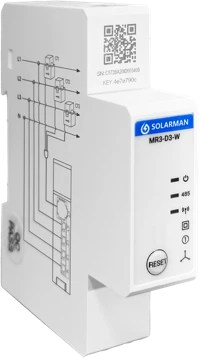
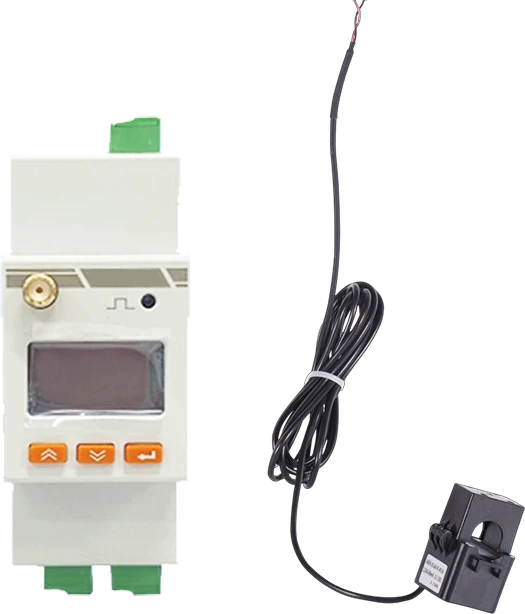
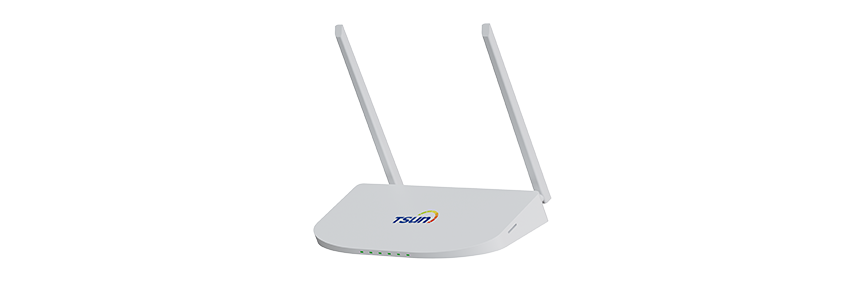
Solar panel microinverters typically utilize wireless communication protocols, such as Wi-Fi or Zigbee, to transmit data to a central monitoring gateway. This gateway then connects to the internet, allowing users to access real-time performance data via a web or mobile application. This data includes individual panel output, system health, and energy production statistics.
When selecting a brand, consider factors such as warranty length, manufacturer reputation, performance data, and compatibility with your solar panels. Look for brands with a proven track record of reliability and a strong customer support network. It’s also essential to ensure the microinverters are certified to meet relevant safety and performance standards. Check for independent testing and reviews.
Conclusion
In conclusion, solar panel microinverter technology represents a significant advancement in solar energy systems, offering increased efficiency, reliability, and scalability. The ability to optimize individual panel performance, coupled with advanced monitoring and grid support features, makes them a compelling choice for both residential and commercial applications. Embracing this technology is essential for driving the transition towards a more sustainable and decentralized energy future.
Looking ahead, continued innovation in microinverter technology will further enhance its integration with smart grids and energy storage solutions. We encourage you to explore the benefits of solar panel microinverters and consider how they can contribute to your energy goals. Visit our website at www.tsun-ess.com to learn more and discover our comprehensive range of microinverter solutions.



 LEARN DETAILS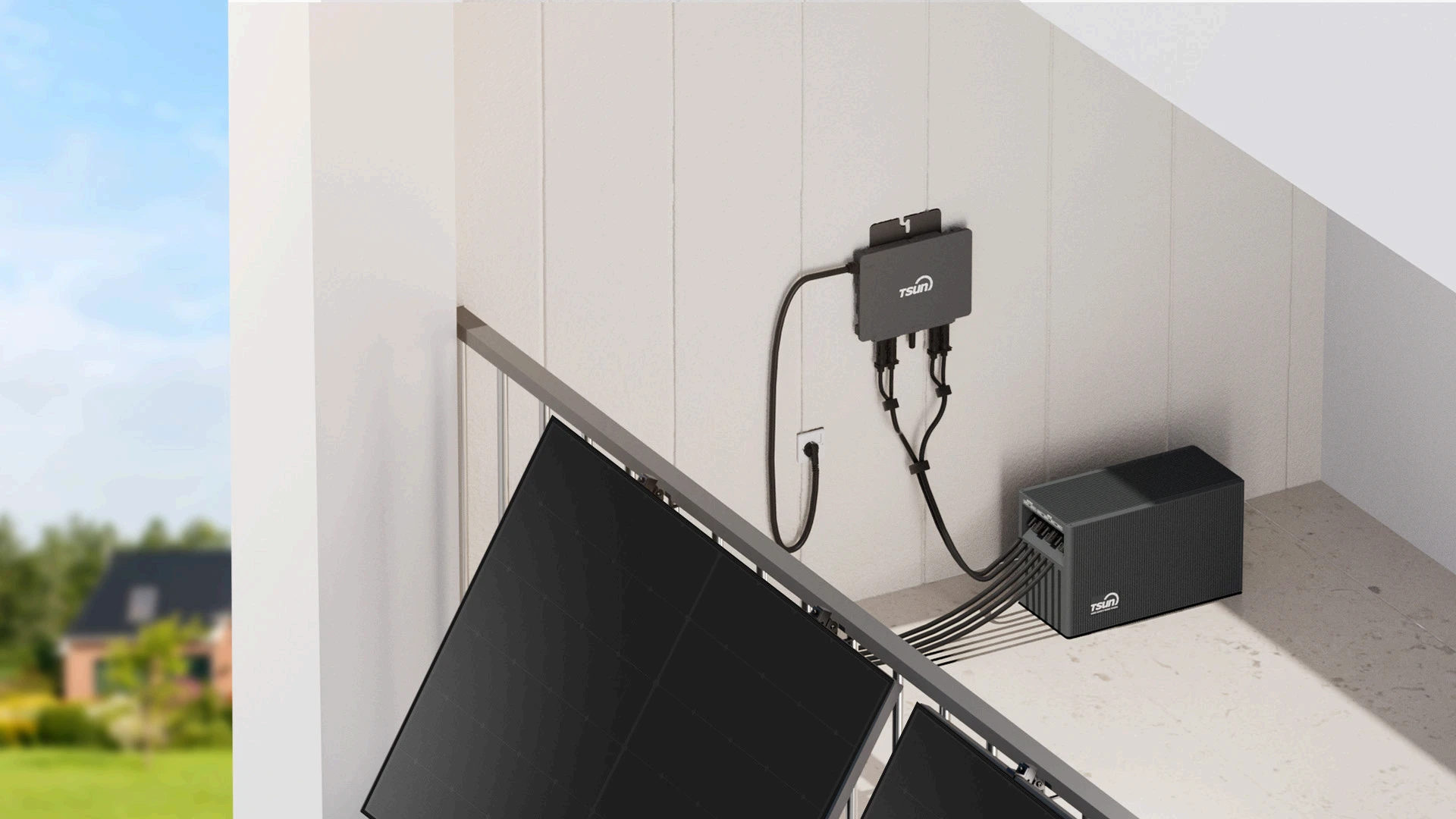
 Downloads
 Video Center
 Report Fault for Repair
 FAQS
FAQS Service Network
 Privacy Policy
 Contact Us
 Monitoring