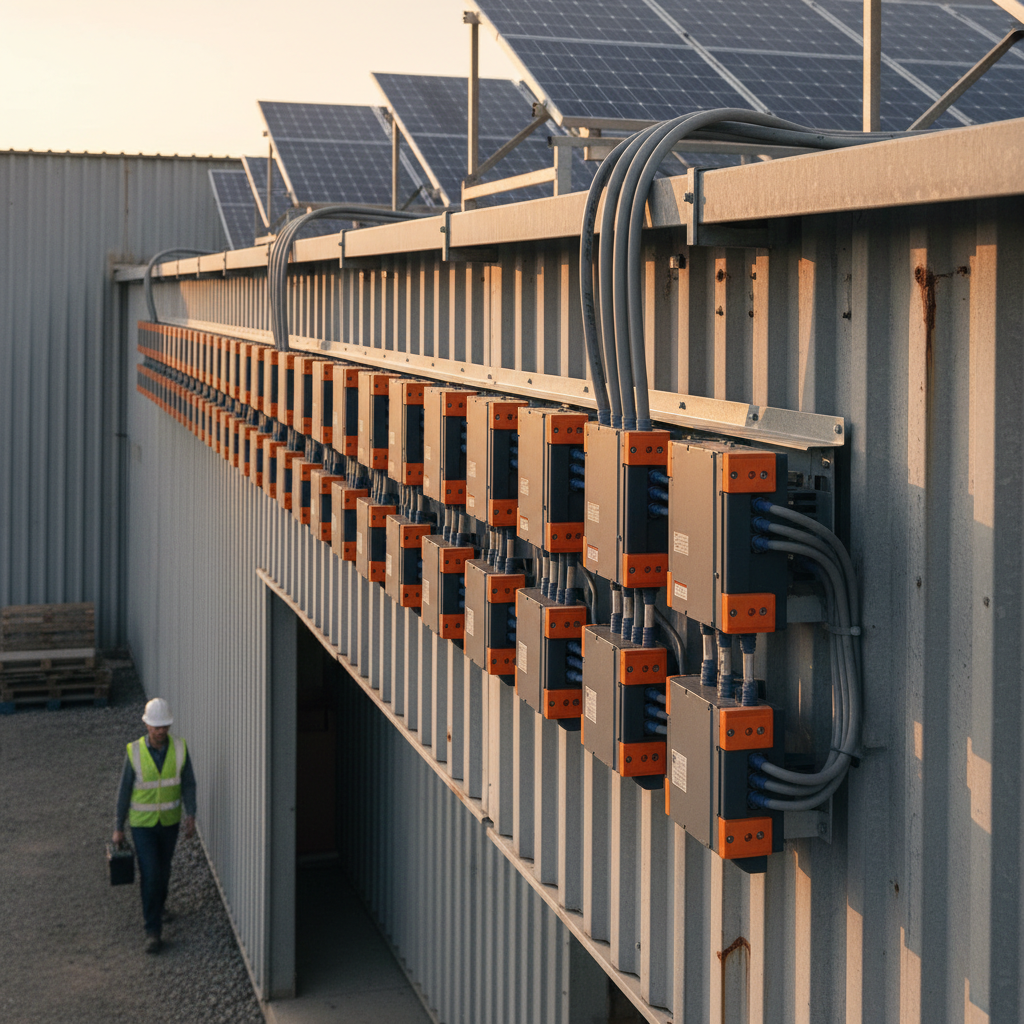
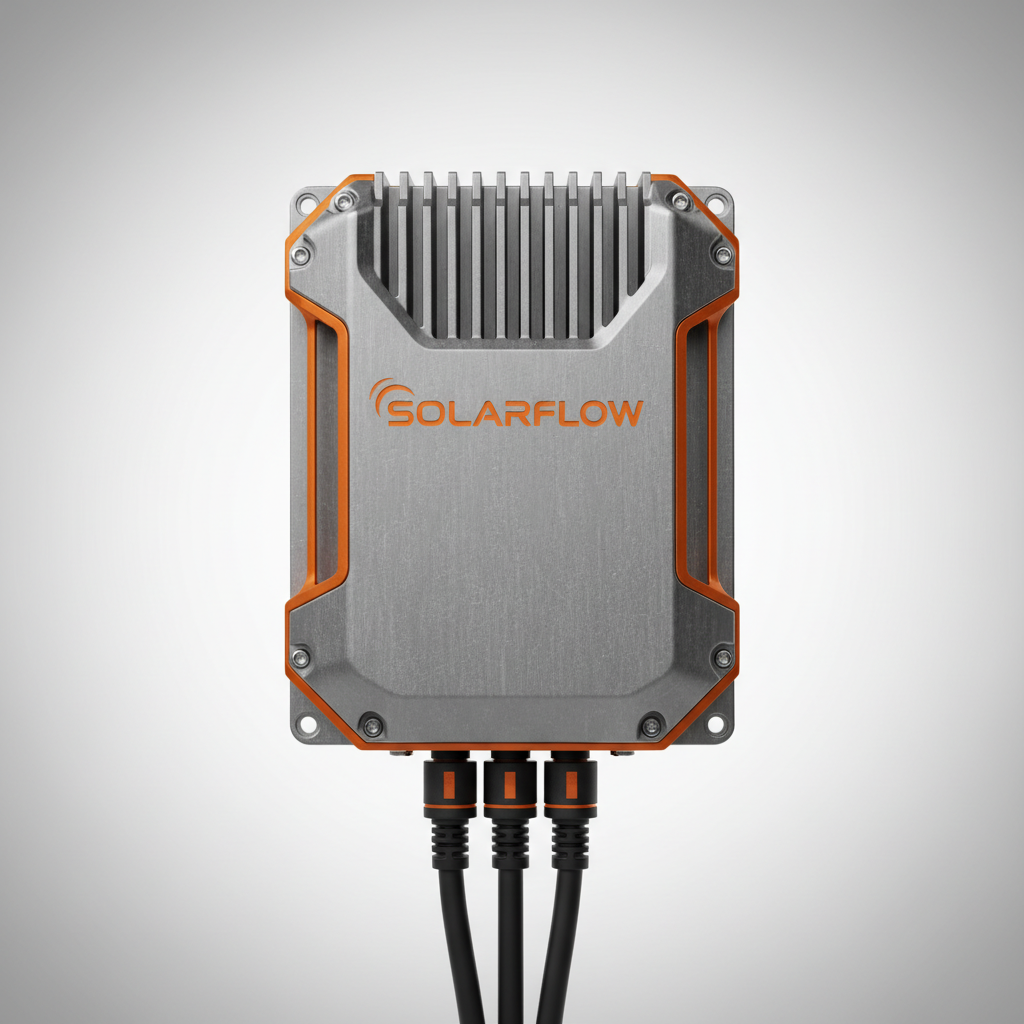
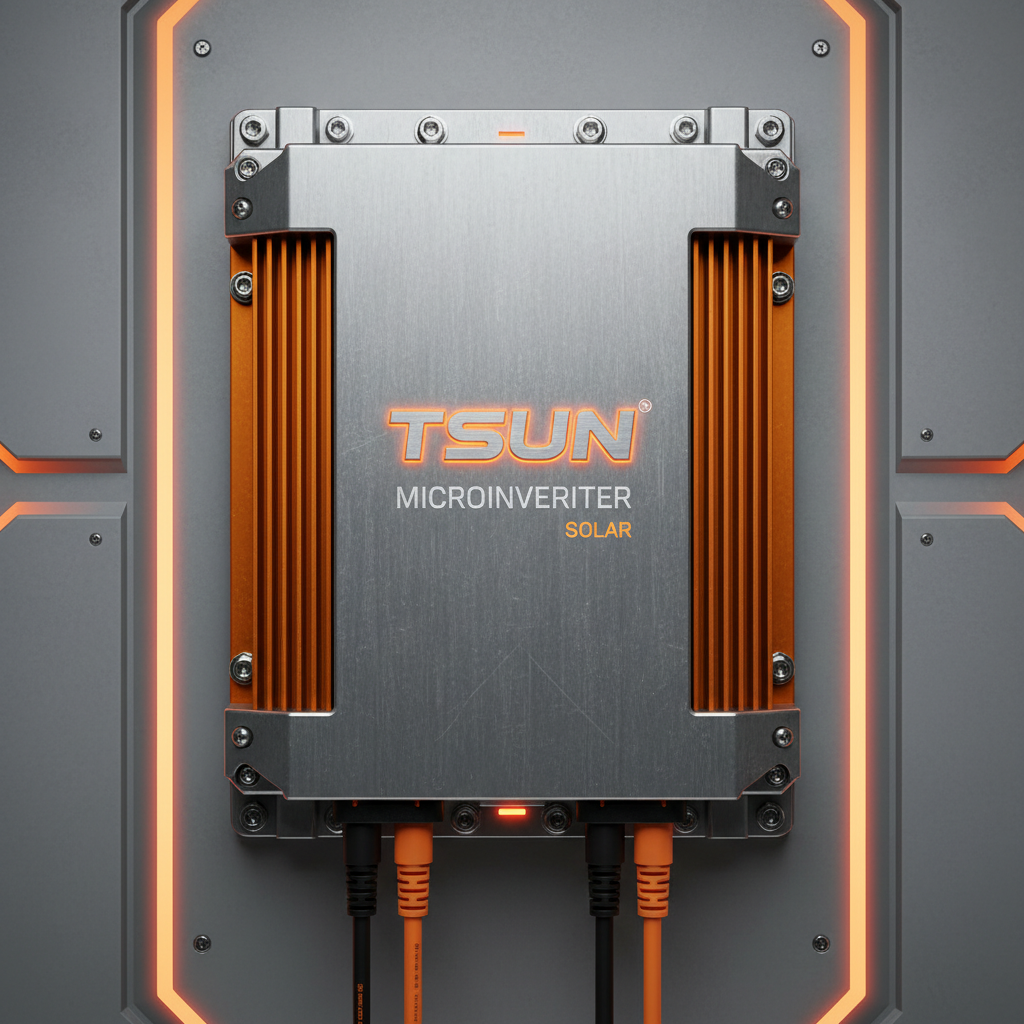
Microinverters solar represent a pivotal advancement in renewable energy technology, transforming how we harness the power of the sun. Traditionally, solar panel systems utilized a centralized inverter to convert direct current (DC) electricity generated by the panels into alternating current (AC) electricity used in homes and businesses. However, microinverters solar offer a decentralized approach, mounting a small inverter on each individual solar panel. This shift provides significant advantages in performance, reliability, and scalability, impacting everything from residential rooftops to large-scale solar farms.
The growing global demand for clean energy, coupled with declining costs of solar technology, is driving rapid adoption of microinverters solar. According to the International Energy Agency (IEA), solar power is projected to become the world's dominant source of electricity by 2050. This expansion necessitates innovative solutions like microinverters to maximize energy yield and system efficiency, particularly in environments with shading or varying panel orientations. The challenge lies in optimizing these systems for diverse climates and grid infrastructures.
Understanding the intricacies of microinverters solar is crucial for homeowners, installers, and policymakers alike. This technology not only empowers individuals to generate their own clean energy but also contributes to a more sustainable and resilient energy future. As the industry matures, continued innovation and standardization are vital for unlocking the full potential of this transformative technology and accelerating the transition to a cleaner, more sustainable world.
Introduction to microinverters solar
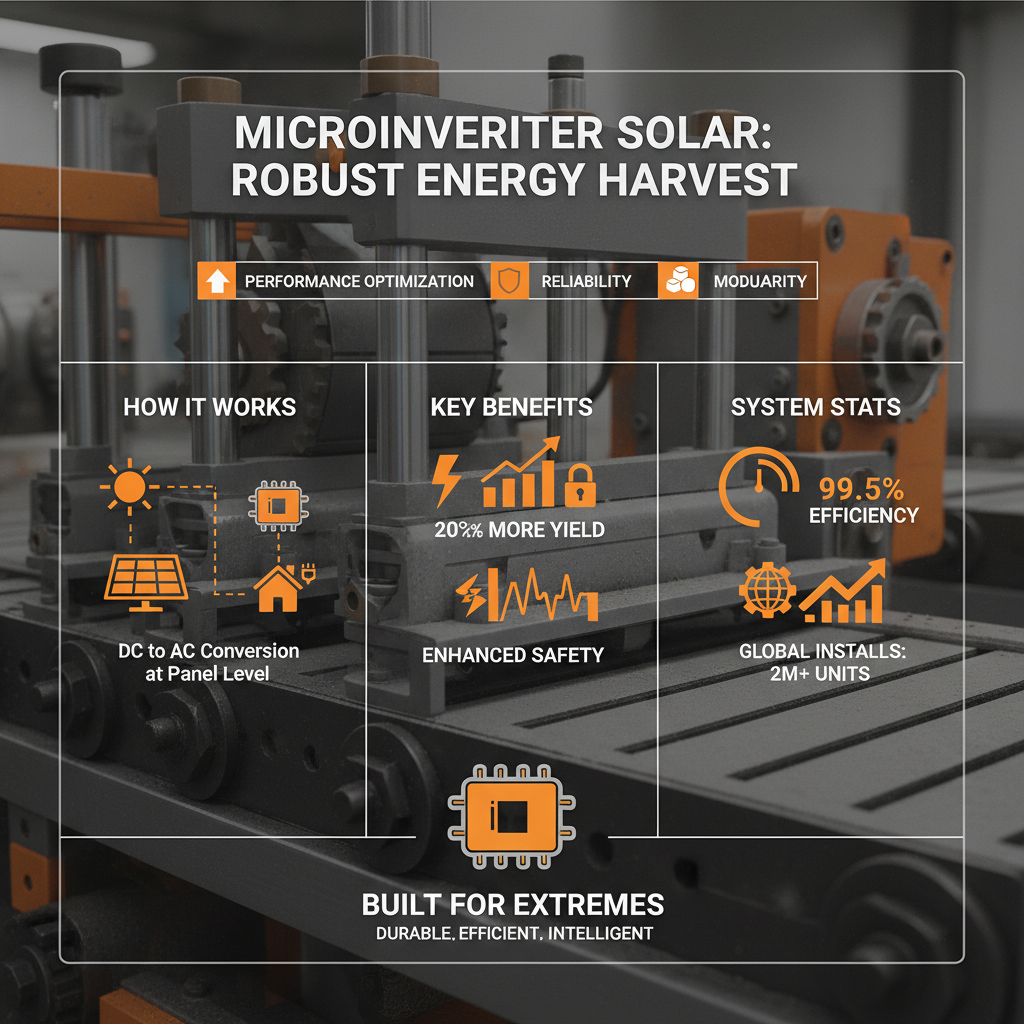
The core principle behind microinverters solar lies in maximizing energy harvest from each individual solar panel. Unlike traditional string inverters, which are susceptible to the performance of the weakest panel in the string, microinverters allow each panel to operate independently at its maximum power point (MPP). This translates to higher overall system efficiency, especially in situations where shading, soiling, or panel mismatch are present.
The benefits extend beyond increased energy production. Microinverters solar also provide enhanced system monitoring capabilities, allowing users and installers to track the performance of each panel individually. This detailed insight facilitates rapid identification and resolution of any issues, minimizing downtime and maximizing return on investment. microinverters solar are increasingly chosen for their advanced features and reliability.
Defining Microinverter Technology
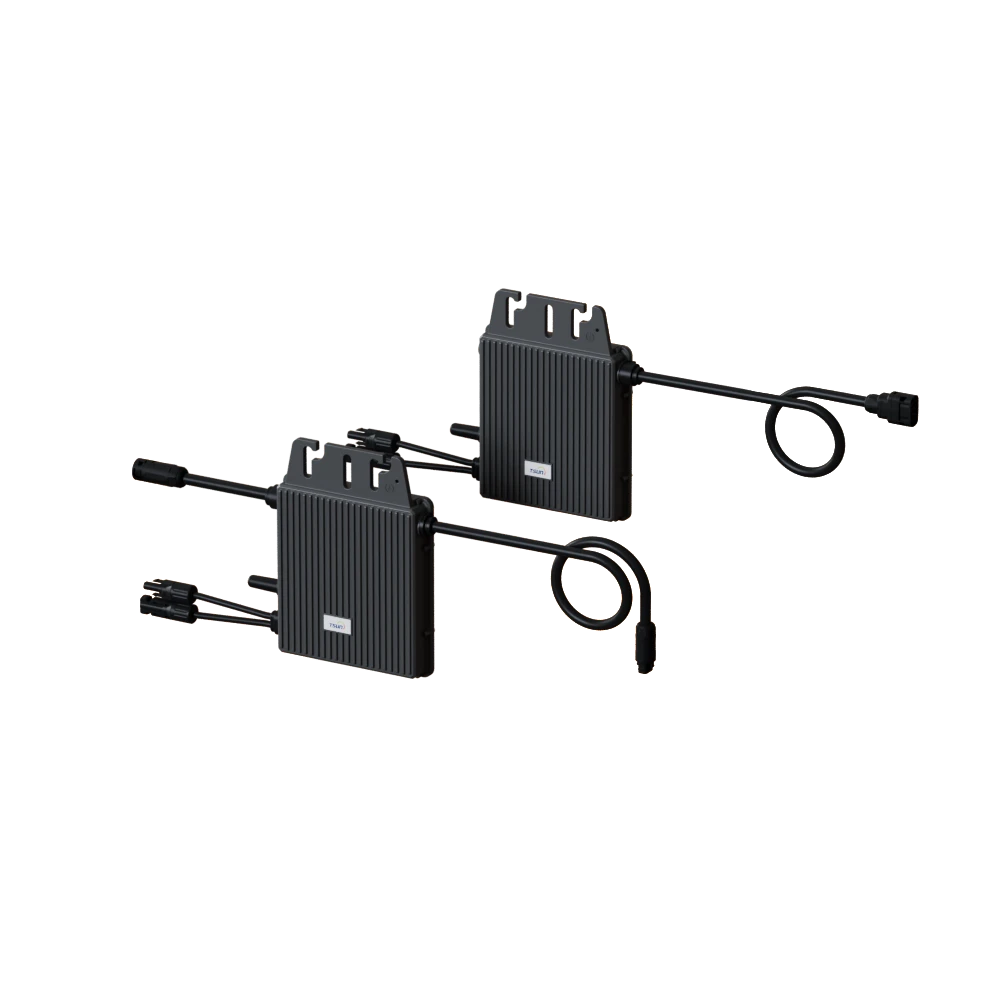
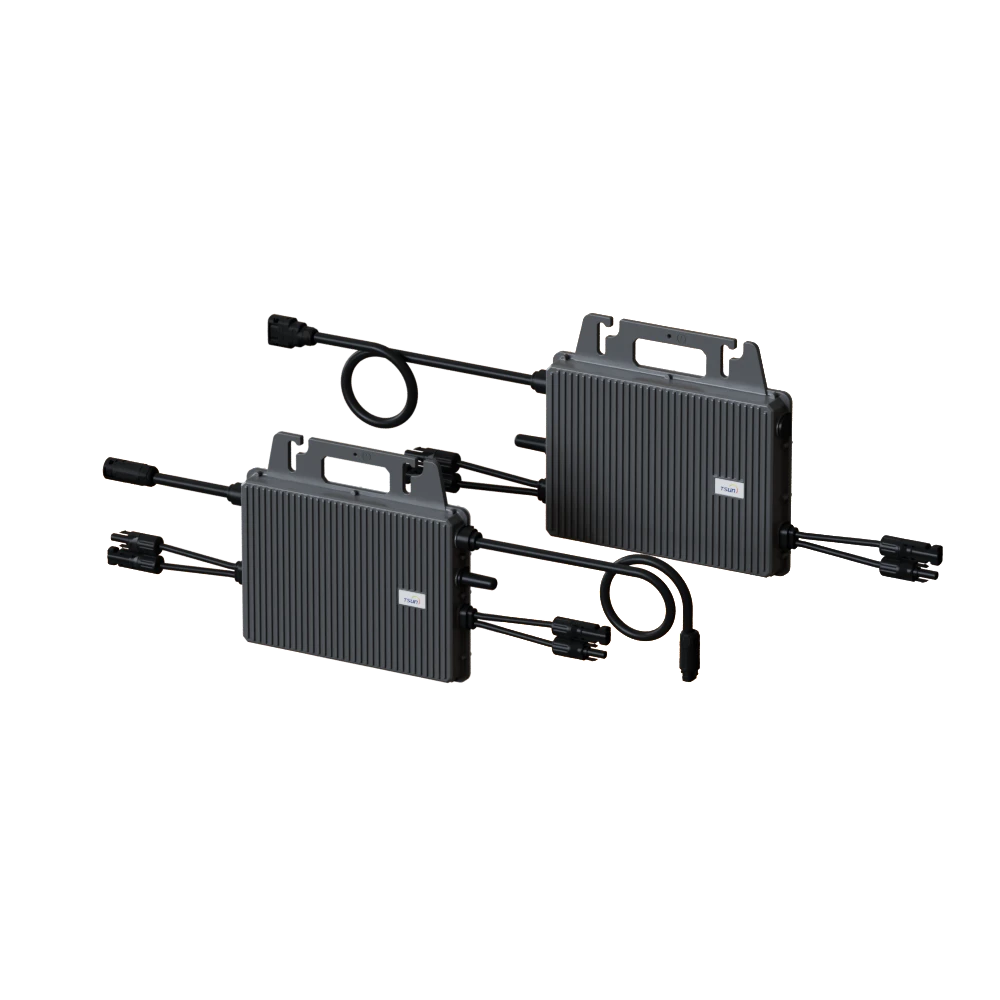
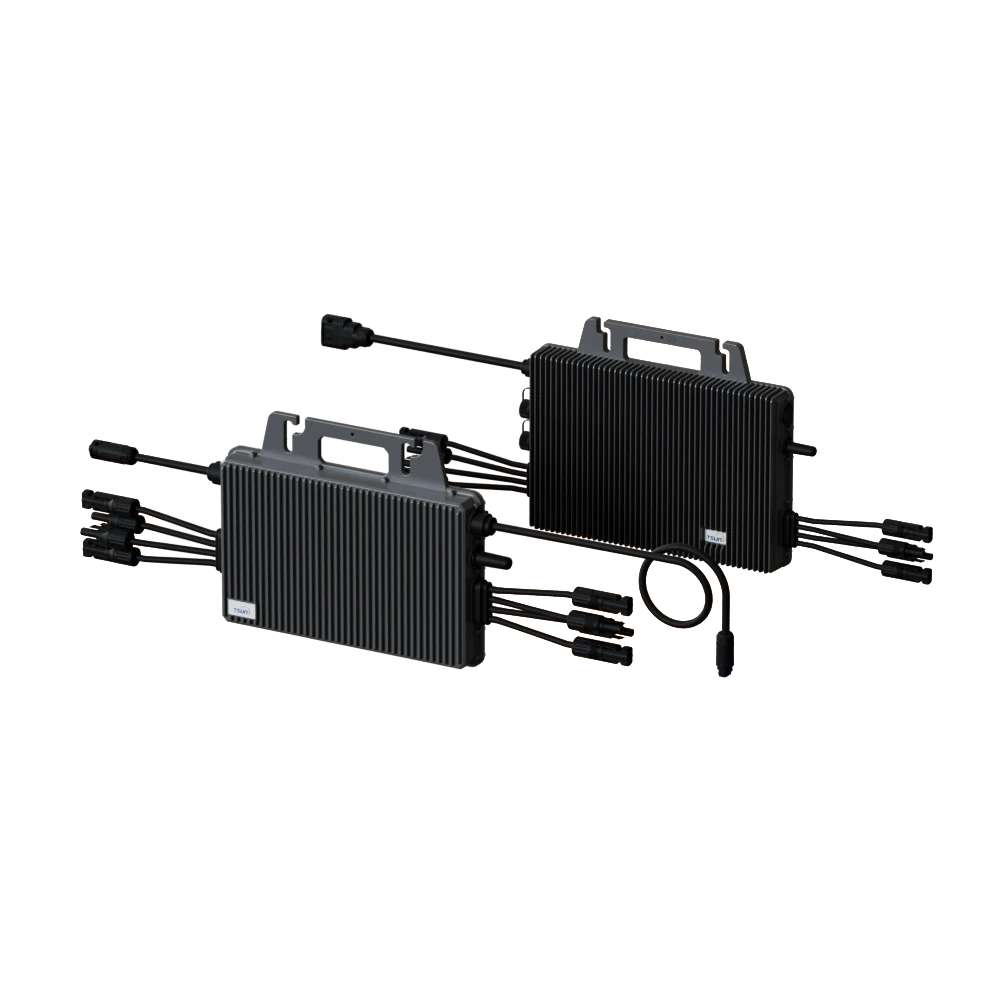
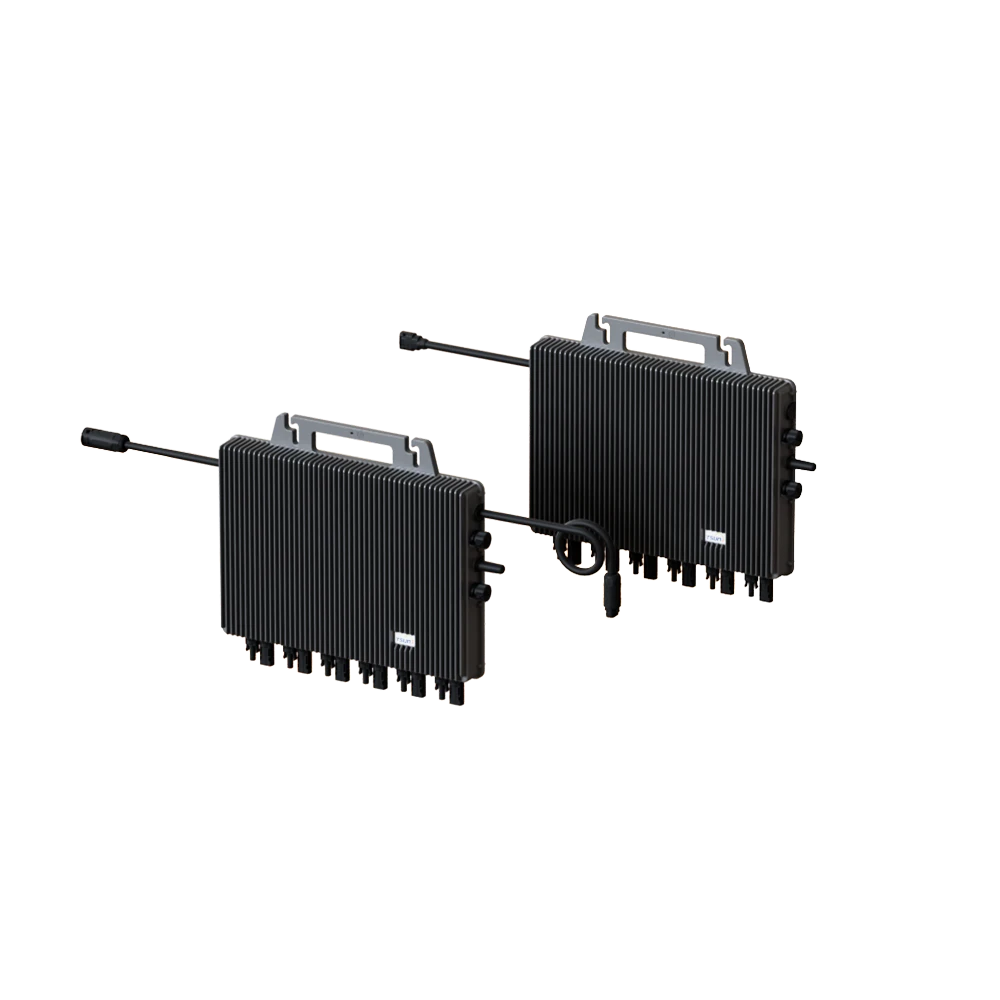
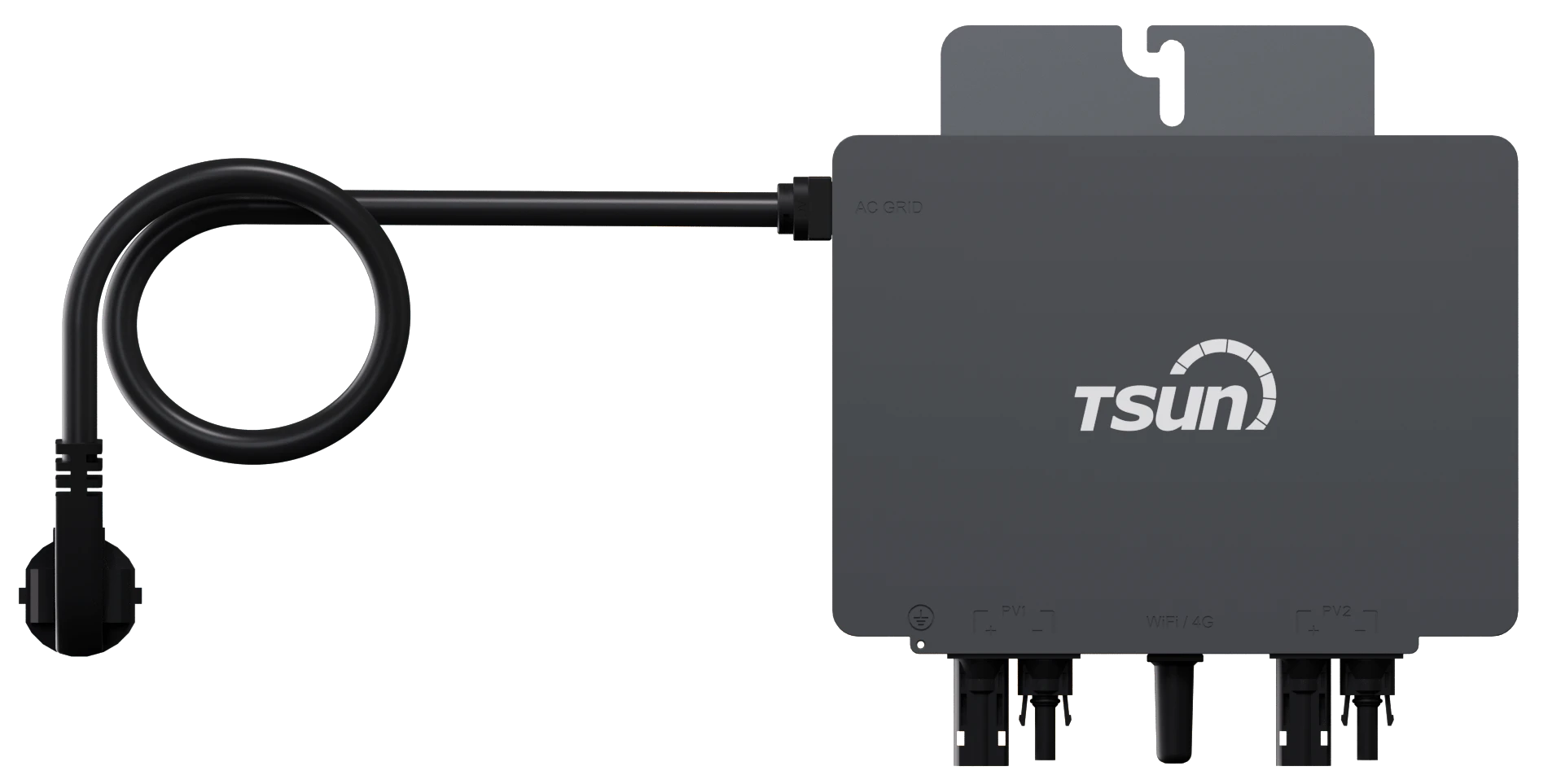
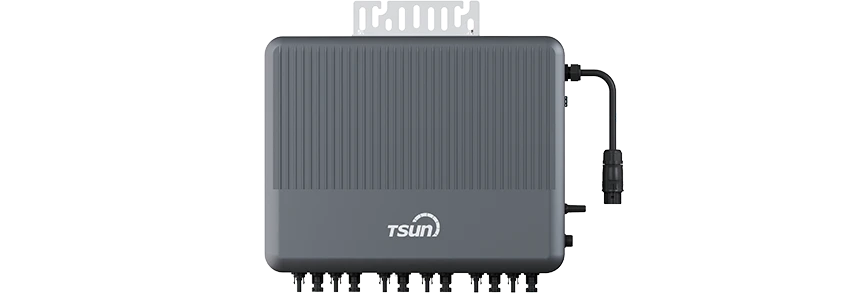
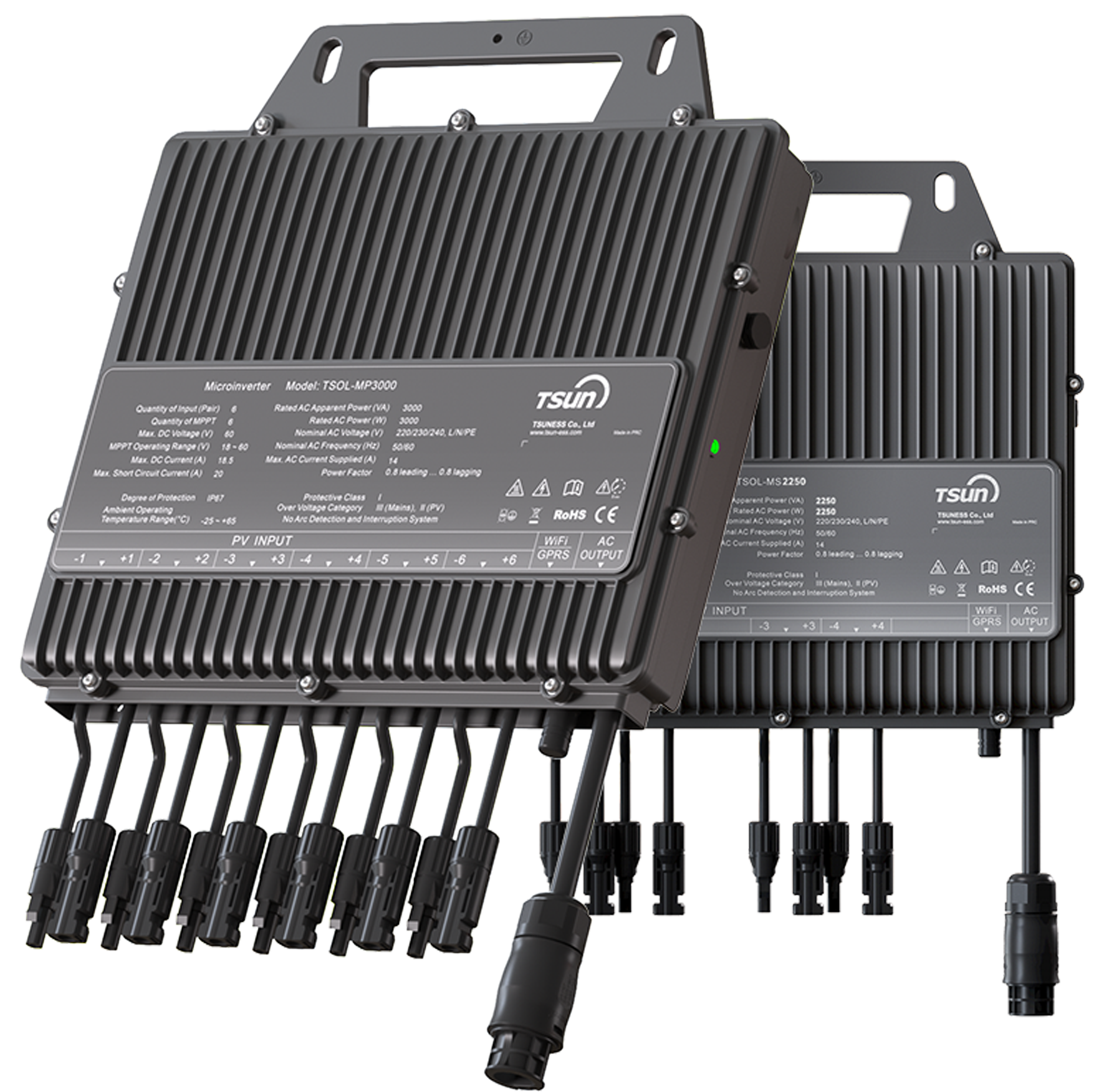
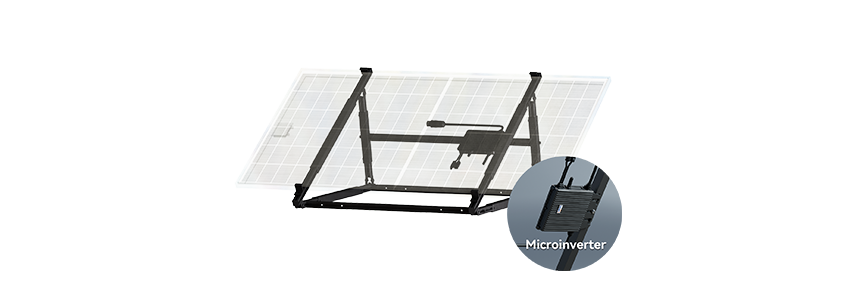
Microinverters are small, solid-state electronic devices that convert the direct current (DC) electricity generated by a single solar panel directly into alternating current (AC) electricity. This is a fundamental difference from string inverters, which convert the DC electricity from an entire string of panels into AC. Because each panel has its own microinverter, the system is far more resilient to individual panel failures and performance variations.
This decentralized architecture also offers significant safety advantages. With DC voltage limited to the level of a single panel, the risk of high-voltage DC arcs is considerably reduced, enhancing the overall safety of the solar installation. This is especially important in residential settings where roof access and electrical safety are paramount considerations.
Essentially, microinverters solar act as miniature power plants, optimizing the energy output of each panel independently and contributing to a more efficient and reliable solar energy system. Their integration represents a crucial step toward democratizing energy production and enabling a wider adoption of renewable energy sources.
Key Components and Characteristics
Several key factors define the performance and reliability of microinverters solar. Firstly, efficiency is paramount – the ability to convert DC to AC with minimal energy loss. Modern microinverters typically achieve efficiencies of 95% or higher. Secondly, durability is crucial, as these devices are exposed to harsh outdoor conditions including temperature fluctuations, humidity, and UV radiation. Manufacturers employ robust encapsulation and cooling techniques to ensure long-term reliability.
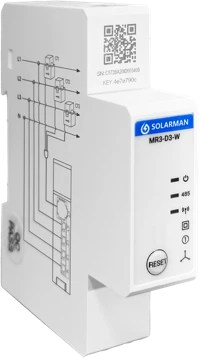
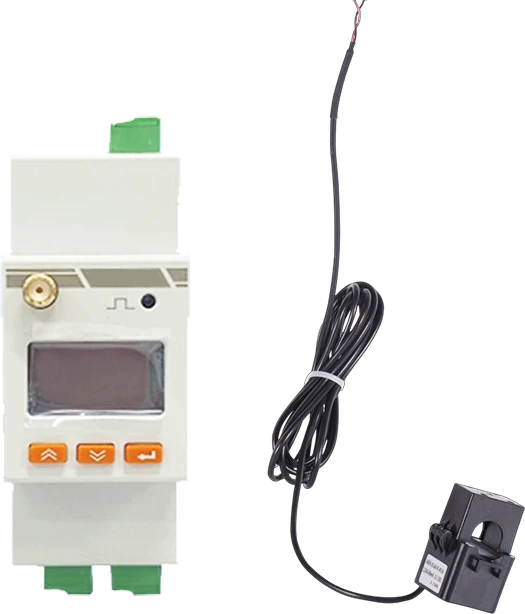
Scalability is another significant advantage. Microinverter systems can be easily expanded by simply adding more panels and microinverters, making them ideal for growing energy needs. Moreover, monitoring capabilities are integral. Most microinverters come equipped with communication modules that allow for real-time performance data to be accessed via a web or mobile app, providing comprehensive system insights.
Finally, grid compatibility is essential. Microinverters must be able to synchronize with the grid’s voltage and frequency, ensuring stable and reliable power delivery. Advanced microinverters also incorporate features like rapid shutdown, which automatically de-energizes the system in the event of a grid failure, enhancing safety for installers and emergency responders.
Performance & Efficiency of microinverters solar
The superior performance of microinverters solar stems from their ability to mitigate the impact of shading and panel mismatch. In a traditional string inverter system, even partial shading on a single panel can significantly reduce the output of the entire string. With microinverters, each panel operates independently, so shading on one panel does not affect the performance of others.
Furthermore, variations in panel characteristics – such as manufacturing tolerances, age, or soiling – can lead to performance discrepancies in string inverter systems. Microinverters eliminate this issue by optimizing the power output of each panel individually. The result is a higher overall system efficiency, particularly in real-world conditions where perfect uniformity is rarely achieved.
Microinverter System Performance Comparison
Global Applications & Real-World Implementations
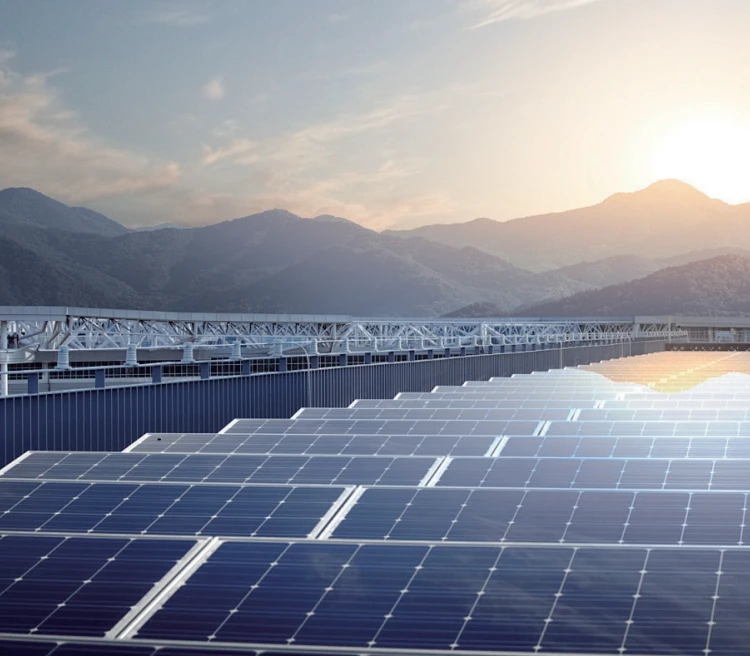
Microinverters solar are being deployed globally in a wide range of applications. In residential settings, they are a popular choice for homeowners looking to maximize energy production and gain greater control over their energy consumption. In commercial and industrial installations, microinverters offer scalability and resilience, making them well-suited for large rooftop arrays.
Beyond traditional rooftop installations, microinverters are also finding applications in off-grid and microgrid systems. In remote areas without access to the main electricity grid, microinverters enable independent power generation for homes, businesses, and community facilities. In post-disaster relief operations, rapidly deployable microinverter systems can provide emergency power to critical infrastructure. microinverters solar have demonstrated their value in various scenarios.
Advantages and Long-Term Value Proposition
The advantages of microinverters solar extend beyond increased energy production and improved reliability. The enhanced monitoring capabilities empower users to identify and address potential issues proactively, minimizing downtime and maximizing system lifespan. This translates to lower maintenance costs and a higher return on investment over the long term.
From a sustainability perspective, microinverters contribute to a cleaner energy future by maximizing the utilization of renewable resources. The decentralized architecture also enhances grid resilience by distributing power generation and reducing the risk of cascading failures. Furthermore, the increasing adoption of microinverters is driving innovation in the solar industry, leading to more efficient and cost-effective energy solutions.
The long-term value of microinverters extends to peace of mind. Knowing that each panel is operating optimally, and that potential issues are quickly identified, provides homeowners and businesses with a sense of security and confidence in their investment. This combination of economic, environmental, and social benefits makes microinverters a compelling choice for those seeking a sustainable and reliable energy solution.
Future Trends and Innovations in microinverters solar
The future of microinverters solar is poised for continued innovation. Advancements in power electronics and materials science are leading to more efficient and compact microinverters with improved performance characteristics. Integration with energy storage systems, such as batteries, is becoming increasingly common, enabling greater self-consumption of solar energy and enhanced grid independence.
Furthermore, the rise of the Internet of Things (IoT) is driving the development of smart microinverters with advanced communication and control capabilities. These “smart” microinverters can participate in demand response programs, optimize energy flow within the grid, and provide valuable data for grid operators. Emerging trends like wide bandgap semiconductors and artificial intelligence are expected to play a significant role in shaping the future of microinverter technology.
Policy support, such as tax incentives and renewable energy mandates, will also be crucial for accelerating the adoption of microinverters. Continued research and development, coupled with favorable regulatory frameworks, will pave the way for a more sustainable and resilient energy future powered by microinverters solar.
Summary of Key Factors Affecting Microinverter System Performance
| Component Quality |
Environmental Conditions |
System Design & Installation |
Monitoring & Maintenance |
| High-quality components ensure longevity and consistent performance of microinverters solar. |
Extreme temperatures and humidity can impact microinverter efficiency and lifespan. |
Proper panel orientation, shading analysis, and wiring are crucial for optimal performance. |
Regular monitoring helps identify and address issues promptly, maximizing energy yield. |
| Robust encapsulation protects against moisture and UV degradation, extending component life. |
Effective ventilation and cooling systems are essential for maintaining optimal operating temperatures. |
Correct sizing of microinverters to match panel specifications is vital for peak performance. |
Remote monitoring capabilities provide real-time insights into system performance. |
| Use of high-efficiency power electronics minimizes energy loss during DC-to-AC conversion. |
Snow accumulation and debris buildup can reduce sunlight reaching the panels. |
Compliance with local electrical codes and safety regulations is paramount. |
Proactive maintenance, such as panel cleaning, can maintain optimal energy production. |
| Components with long warranties offer peace of mind and protection against defects. |
Geographic location and climate patterns influence system performance and reliability. |
Professional installation ensures proper system configuration and optimal energy harvest. |
Data analysis can identify trends and optimize system performance over time. |
| Reliable communication protocols enable seamless monitoring and control. |
Altitude and air quality can affect panel performance. |
Using high-quality cabling and connectors minimizes energy loss and ensures safety. |
Software updates ensure microinverters operate with the latest features and security patches. |
| Certifications and standards compliance demonstrate product quality and safety. |
Exposure to salt spray in coastal areas can accelerate corrosion. |
Proper grounding and surge protection are essential for safety. |
Regular inspections can identify potential issues before they escalate. |
FAQS
Microinverters offer several advantages over string inverters, including increased energy yield due to Maximum Power Point Tracking (MPPT) for each panel, improved system reliability as a single panel failure doesn't impact the whole system, enhanced safety with lower DC voltage, and more granular monitoring capabilities. This leads to better performance, especially in shaded or complex rooftop environments.
Shading significantly impacts string inverters. If even one panel in a string is shaded, the output of the entire string is reduced to the level of the shaded panel. Microinverters, however, isolate each panel, meaning shading on one panel doesn’t affect the others. This leads to much higher energy production in partially shaded environments.
Most microinverter manufacturers offer warranties of 25 years, indicating an expected lifespan of at least that long. However, actual lifespan can be influenced by environmental factors and installation quality. Regular monitoring and proactive maintenance can help extend the lifespan of microinverters and ensure optimal performance.
Microinverters generally have a higher upfront cost than string inverters. However, the increased energy production, improved reliability, and enhanced monitoring capabilities often justify the additional investment, particularly in challenging rooftop conditions. The long-term return on investment is often higher with microinverters due to increased energy yield and reduced maintenance costs.
Microinverters provide granular monitoring of each individual panel's performance. Users can typically access real-time data on power generation, voltage, current, and temperature via a web or mobile app. This detailed data allows for rapid identification of issues and optimization of system performance.
Modern microinverters typically incorporate rapid shutdown technology, which automatically de-energizes the system during a grid outage, enhancing safety for emergency responders. Some microinverters can also work with battery storage systems to provide backup power during grid failures, ensuring continued energy supply to critical loads.
Conclusion
Microinverters solar represent a significant leap forward in solar energy technology, offering increased efficiency, reliability, and monitoring capabilities compared to traditional string inverters. Their decentralized architecture mitigates the impact of shading and panel mismatch, maximizing energy production in real-world conditions. From residential rooftops to large-scale commercial installations, microinverters are enabling a wider adoption of clean, renewable energy sources.
Looking ahead, continued innovation in power electronics, materials science, and smart grid technologies will further enhance the performance and versatility of microinverters. As the demand for sustainable energy solutions grows, microinverters solar are poised to play a crucial role in shaping a cleaner, more resilient energy future. For more information and to explore the possibilities of microinverters, visit our website: www.tsun-ess.com.



 LEARN DETAILS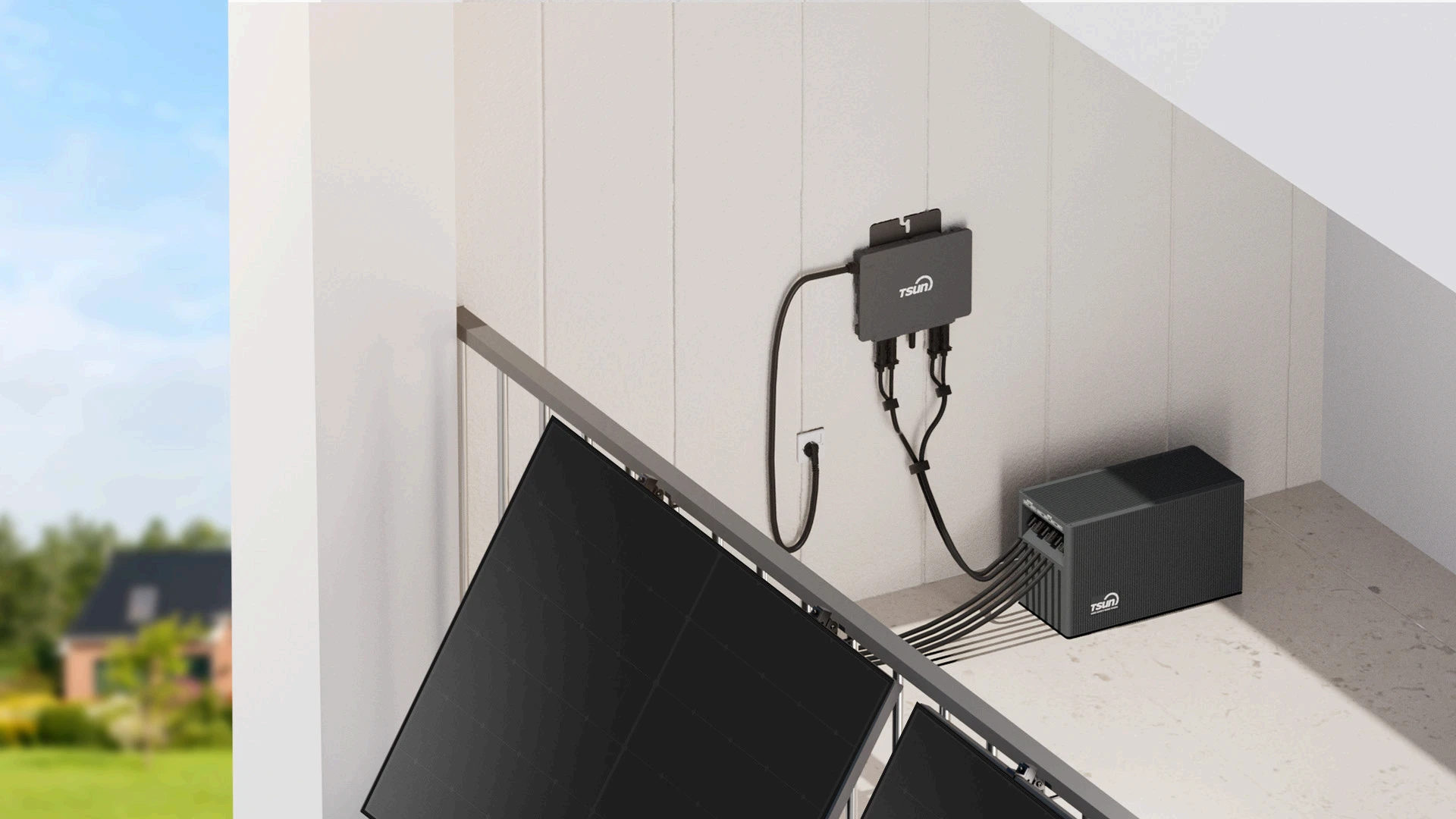
 Downloads
 Video Center
 Report Fault for Repair
 FAQS
FAQS Service Network
 Privacy Policy
 Contact Us
 Monitoring