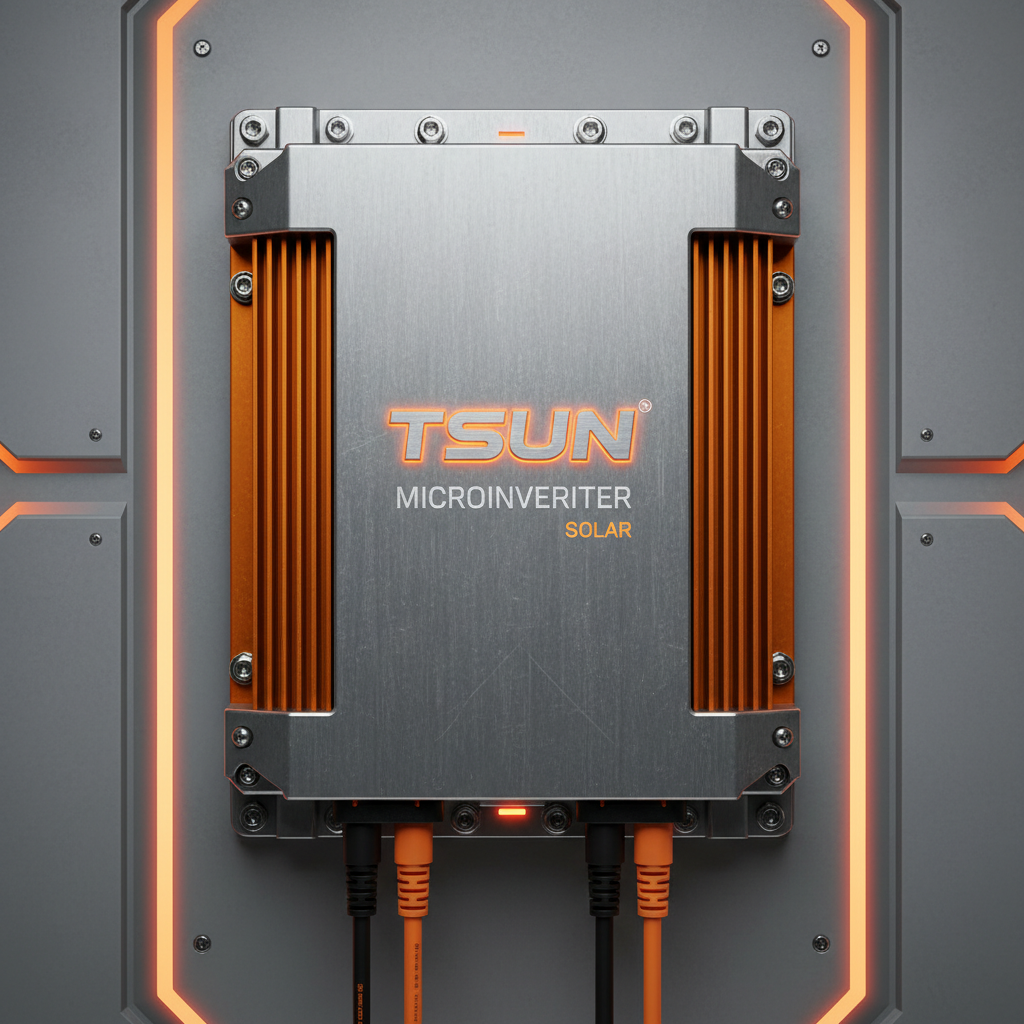
Solar microinverters are rapidly becoming a cornerstone of modern distributed energy systems. As the world shifts towards renewable energy sources, particularly solar power, the need for efficient and reliable energy conversion at the panel level is paramount. The traditional approach of using a single, centralized inverter for an entire solar array has limitations in terms of performance, scalability, and monitoring. Solar microinverters address these challenges by converting DC power to AC power directly at each solar panel, maximizing energy harvest and providing granular control and monitoring capabilities.
The global demand for solar energy is experiencing exponential growth, driven by factors such as decreasing costs, government incentives, and increasing environmental awareness. Organizations like the International Renewable Energy Agency (IRENA) report consistently rising installed solar capacity worldwide, highlighting its pivotal role in combating climate change. This surge in adoption underscores the need for advanced technologies like solar microinverters to optimize system performance and reliability. Addressing energy access in developing nations is also a critical aspect, where decentralized solutions leveraging technologies like solar microinverters can provide sustainable power to remote communities.
The increasing complexity of solar installations, coupled with growing consumer demand for smart home integration and energy independence, further fuels the demand for sophisticated inverter solutions. Microinverters aren't just about power conversion; they represent a shift towards a more intelligent and resilient energy infrastructure, paving the way for a future powered by clean, distributed generation.
Introduction to solar microinverters
At their core, solar microinverters represent a paradigm shift in how we harness solar energy. Unlike traditional string inverters, which serve an entire array, microinverters are individually connected to each solar panel. This decentralized architecture unlocks significant advantages, including improved energy yield, enhanced system monitoring, and increased reliability. The ability to independently optimize the performance of each panel makes solar microinverters particularly valuable in installations where shading or panel mismatching are prevalent.
The benefits extend beyond pure energy production. The detailed panel-level data provided by microinverters allows for proactive maintenance and faster identification of potential issues, minimizing downtime and maximizing the return on investment. This level of granularity is crucial for large-scale commercial and utility installations, where even small efficiency gains can translate into substantial cost savings.
Defining solar microinverters
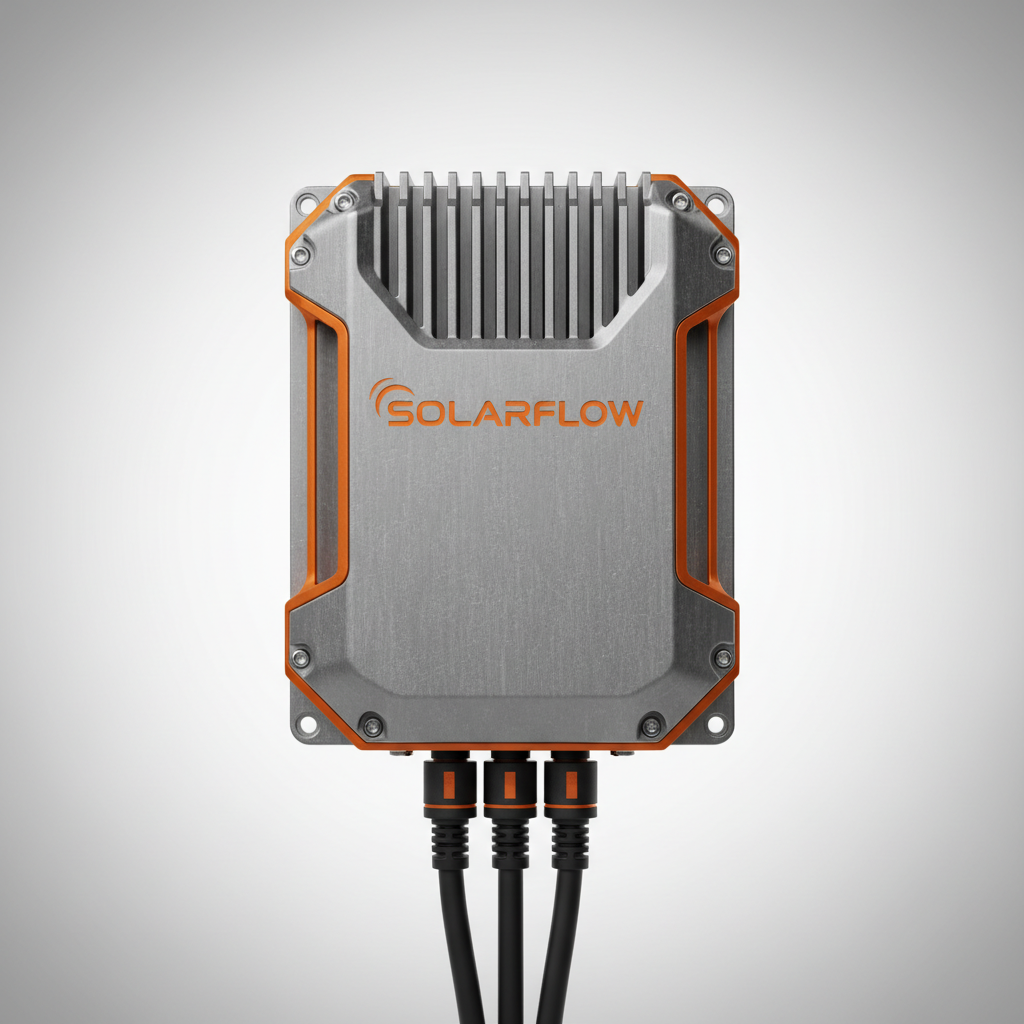
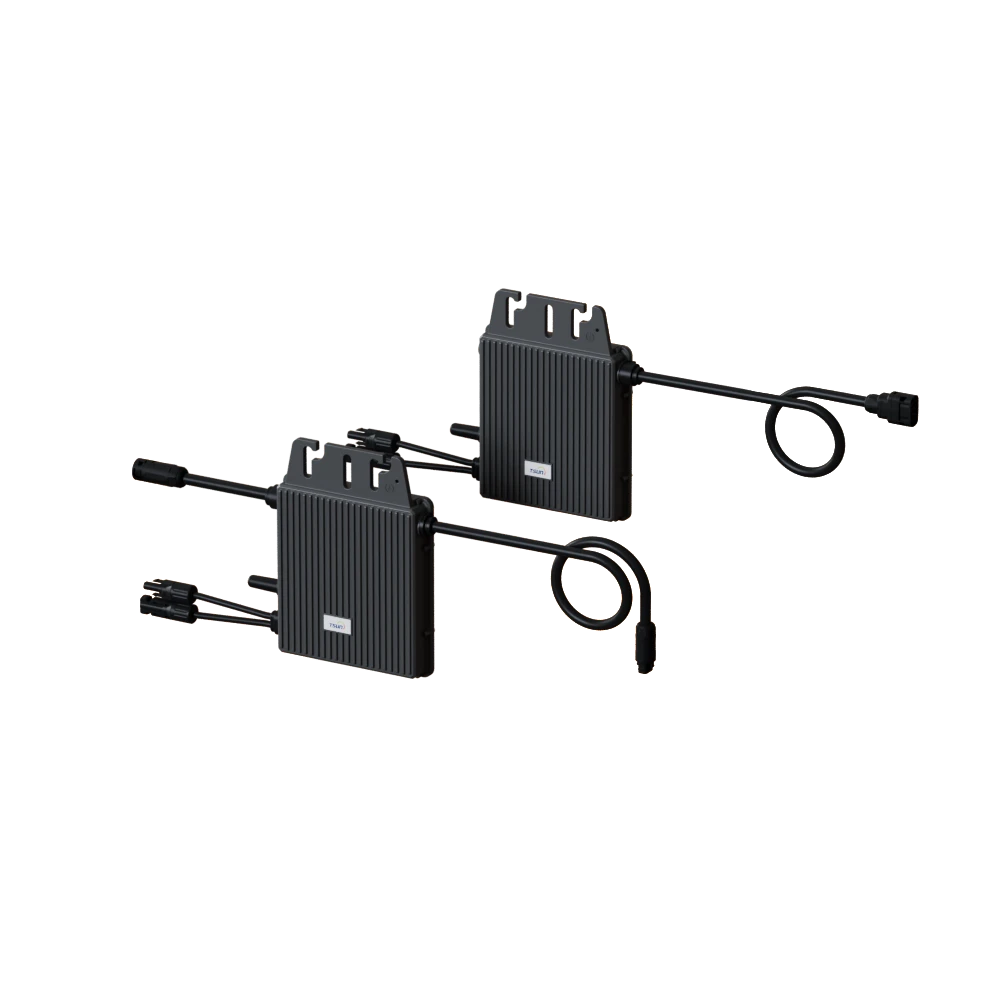
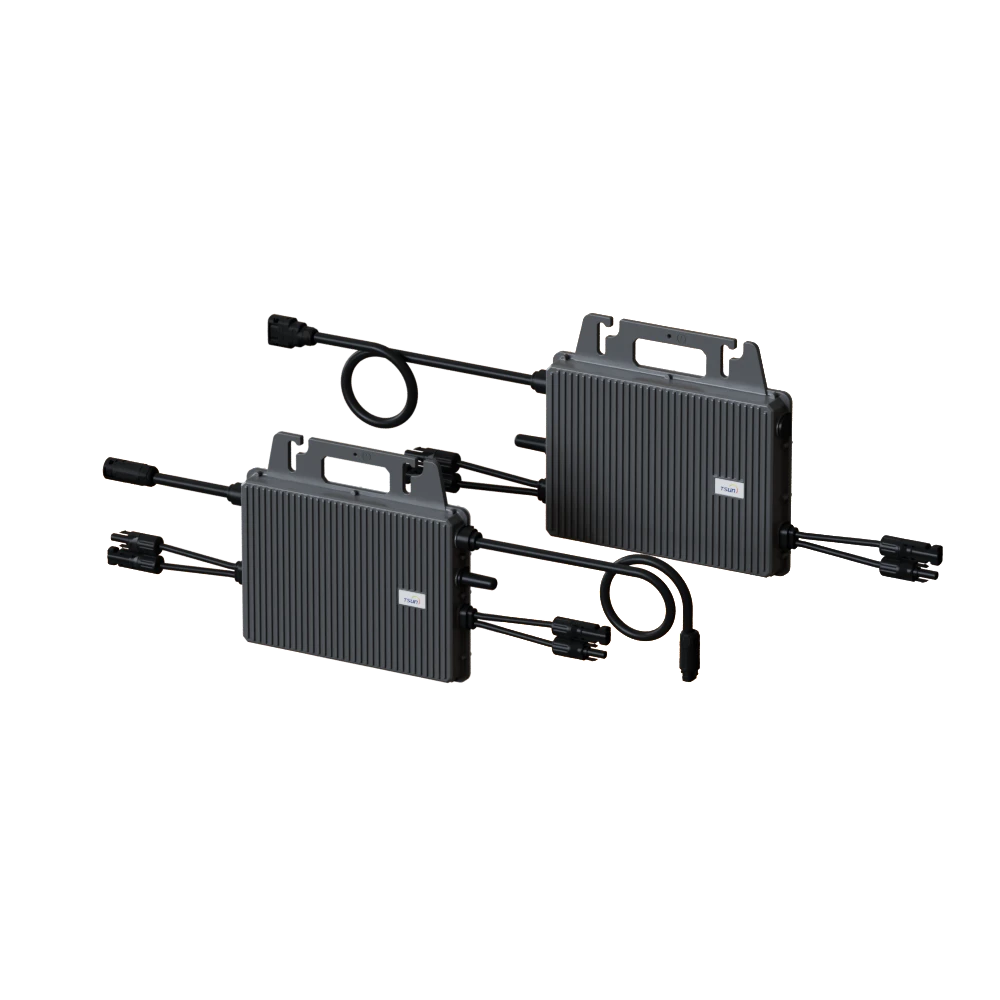
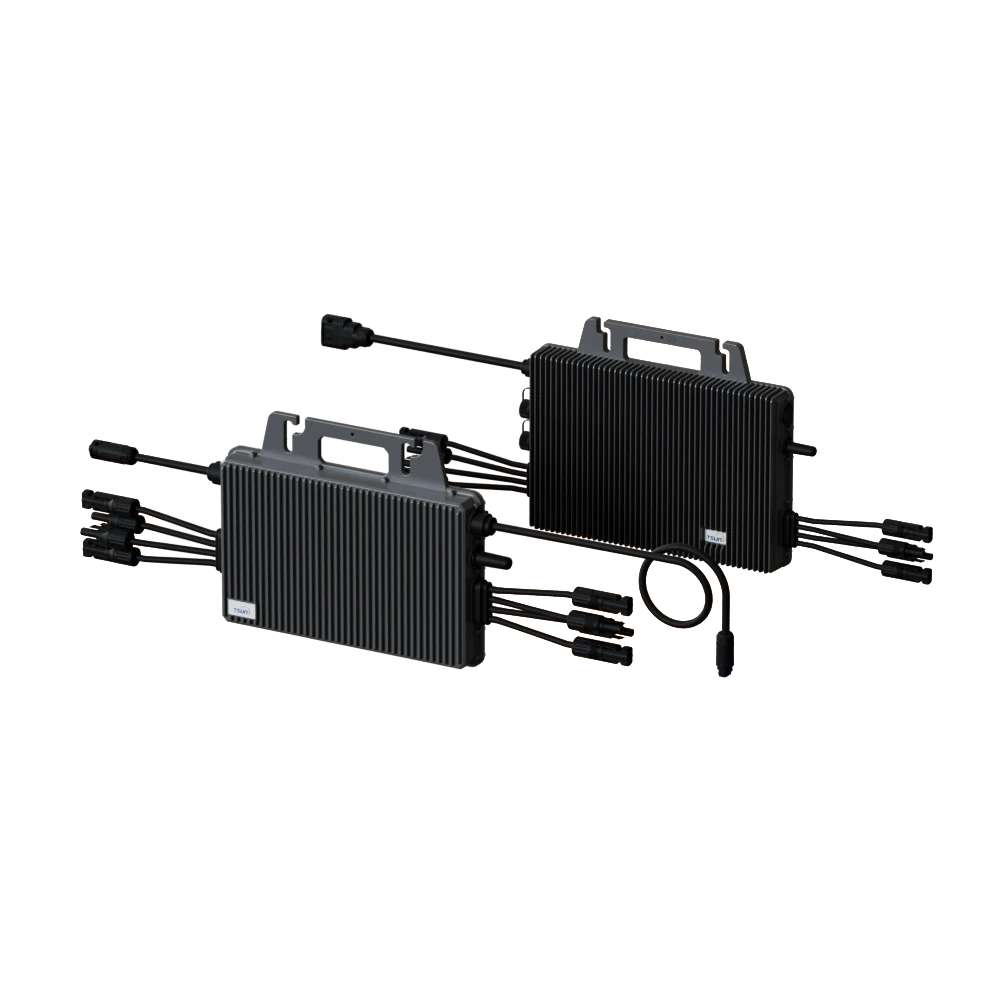
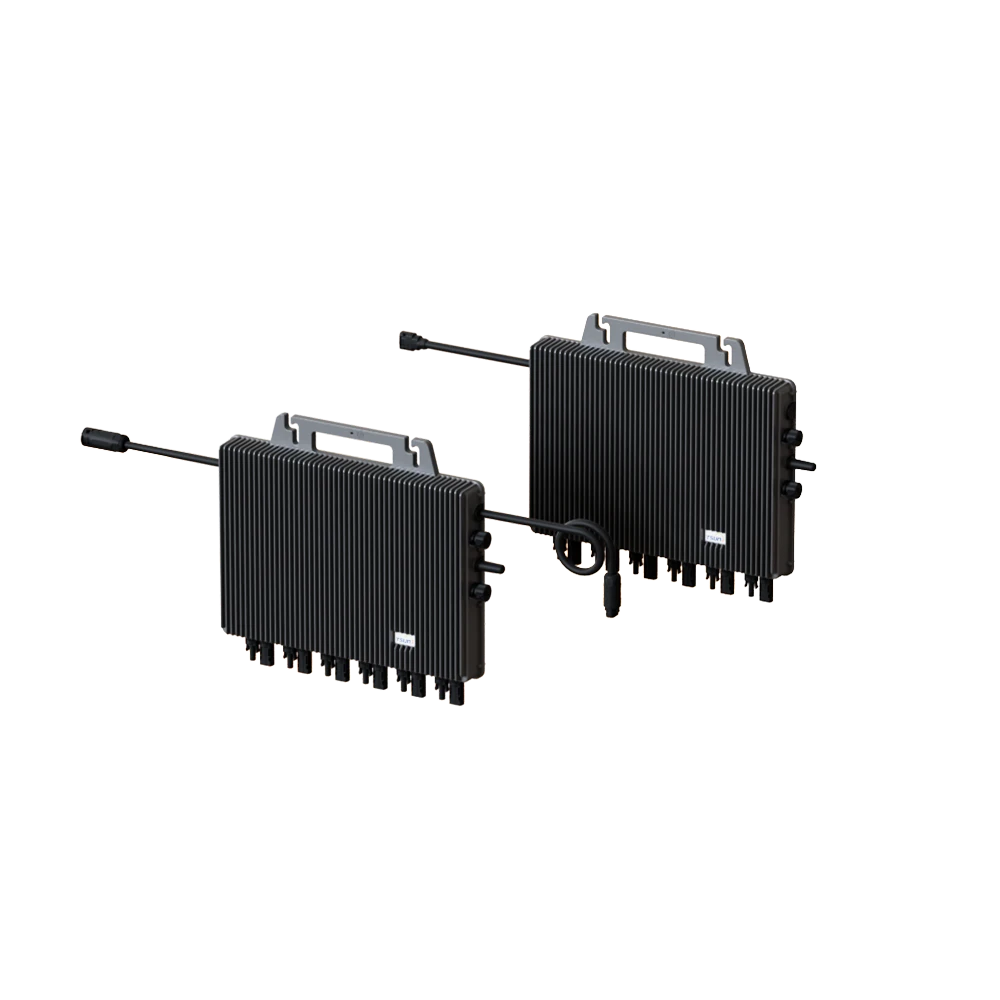
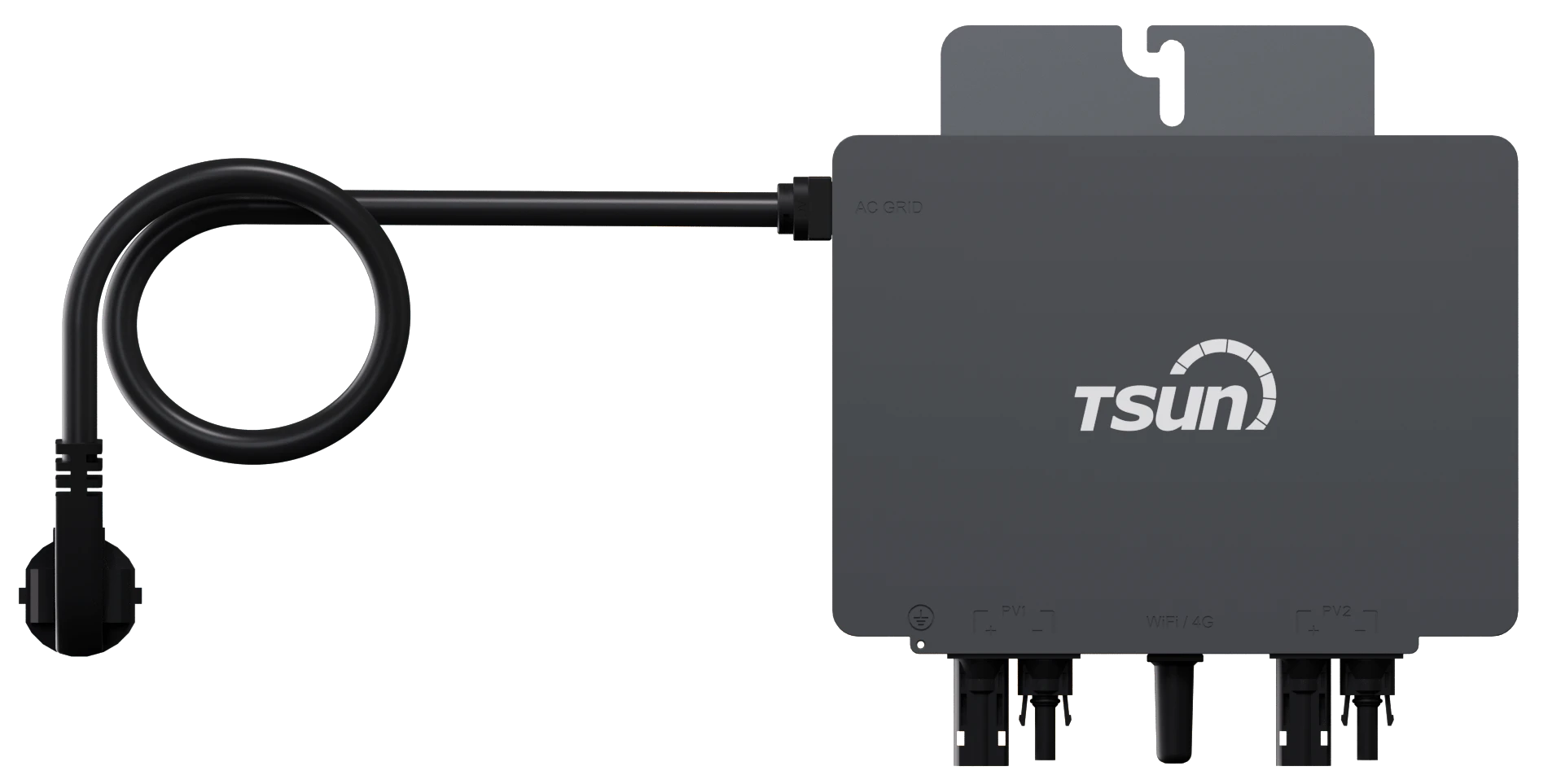
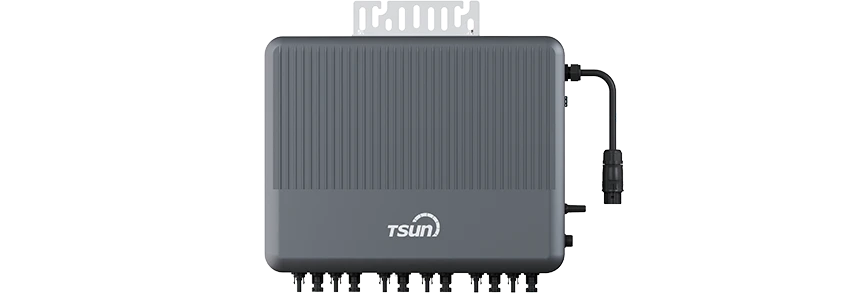
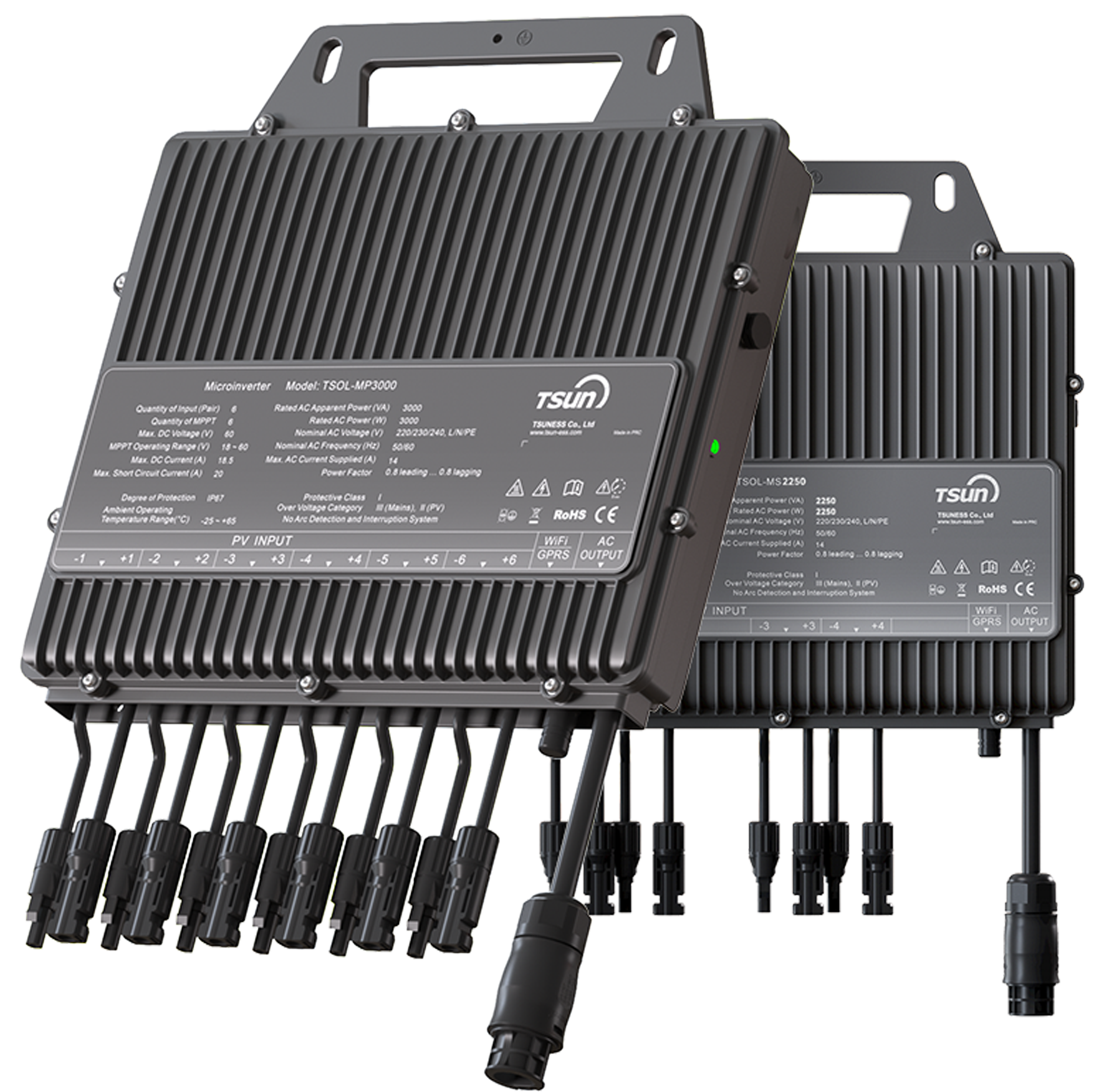
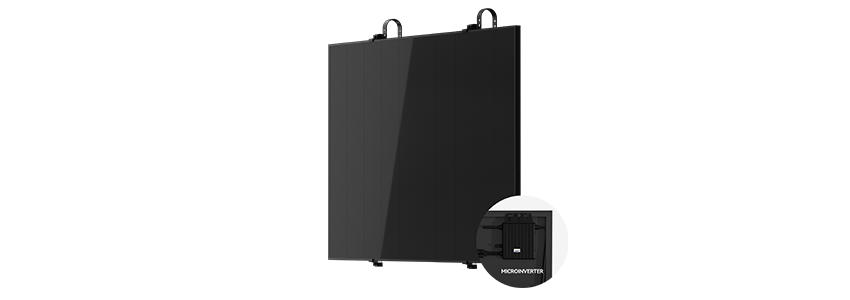
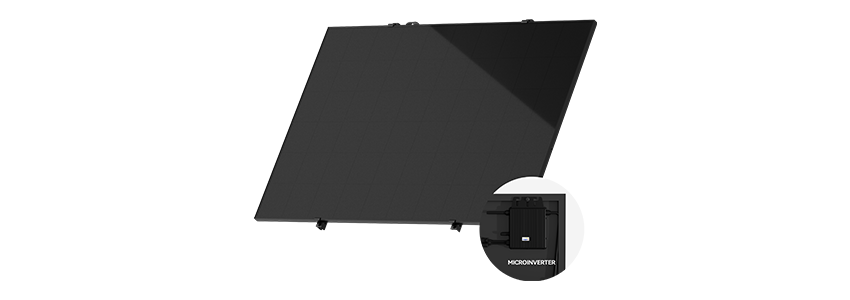
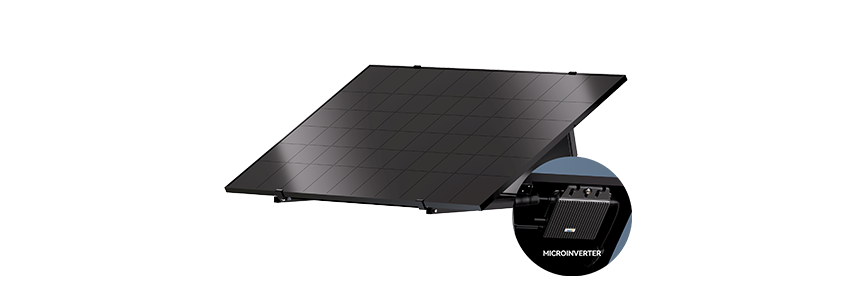
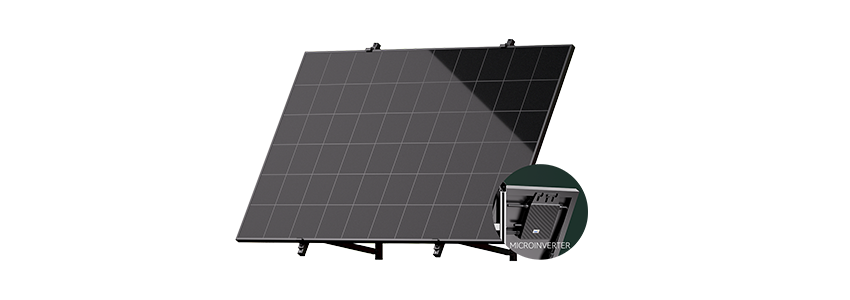
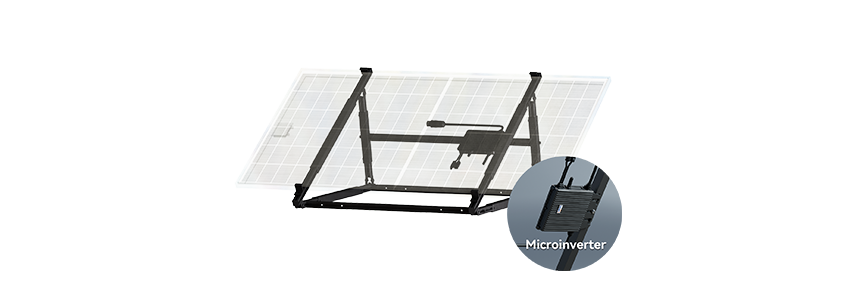
Solar microinverters are compact power electronics devices that convert the direct current (DC) electricity generated by individual solar panels into alternating current (AC) electricity, the standard form used in homes and businesses. This conversion happens directly at the panel itself, eliminating the need for long DC wiring runs to a central inverter. Essentially, each panel functions as its own independent power plant, contributing directly to the overall energy output.
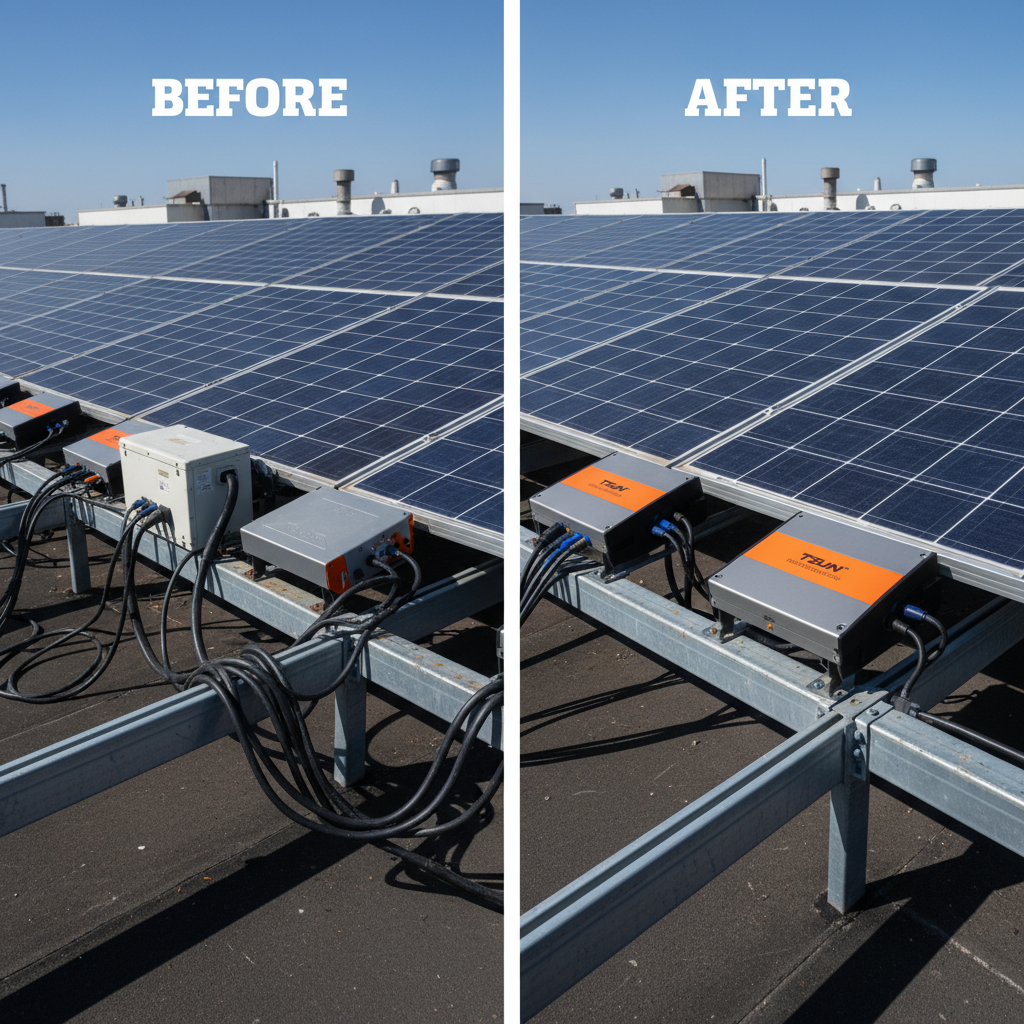
This decentralized approach is especially critical in environments where panel performance can vary due to shading, orientation, or panel degradation. A traditional string inverter will see the performance of the entire string limited by the weakest panel, whereas microinverters allow each panel to operate at its maximum power point (MPP) independently. This is a core differentiator and the fundamental principle behind their increased efficiency.
The integration of microinverters aligns directly with the growing trend of distributed generation, empowering homeowners and businesses to become prosumers – both producing and consuming their own electricity. They represent a vital component in the evolution of a more resilient and sustainable energy landscape, directly impacting modern industry and humanitarian needs by offering reliable power solutions in remote areas.
Core Components of solar microinverters
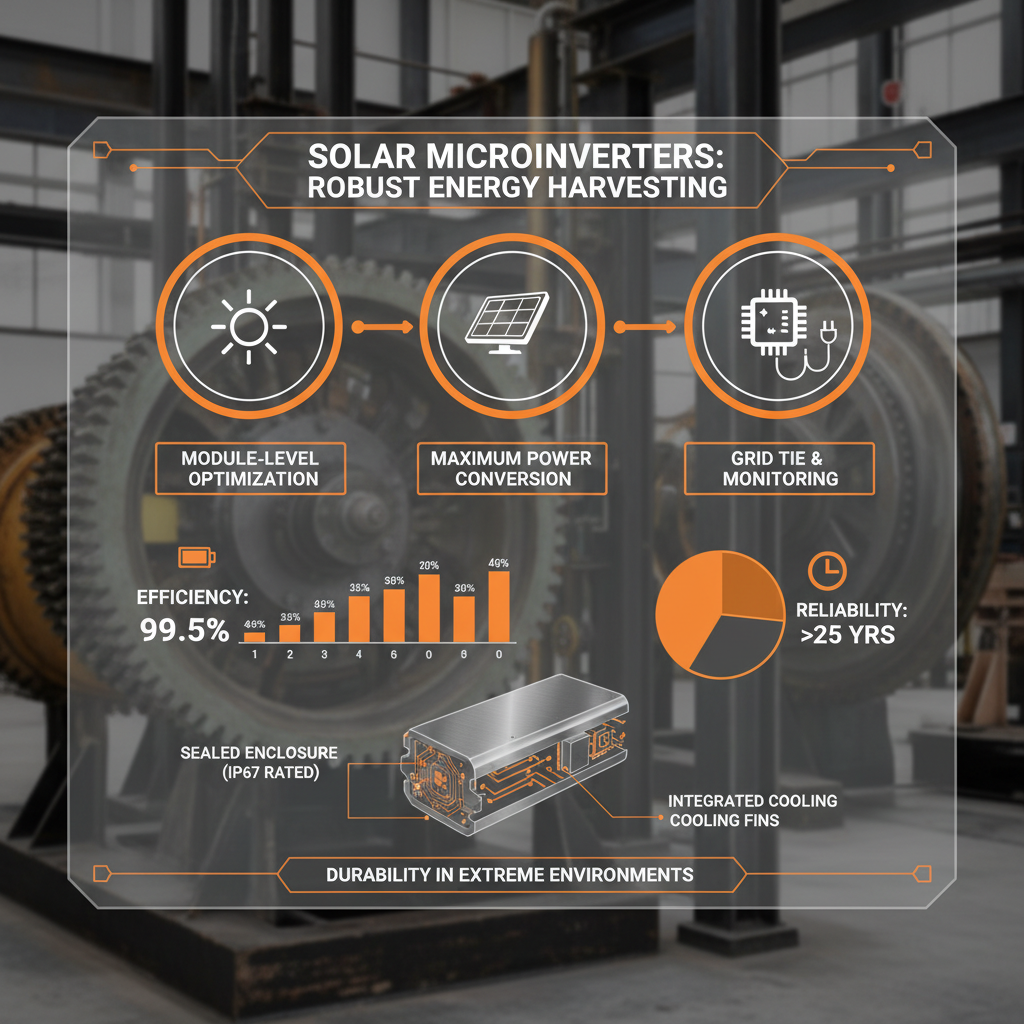
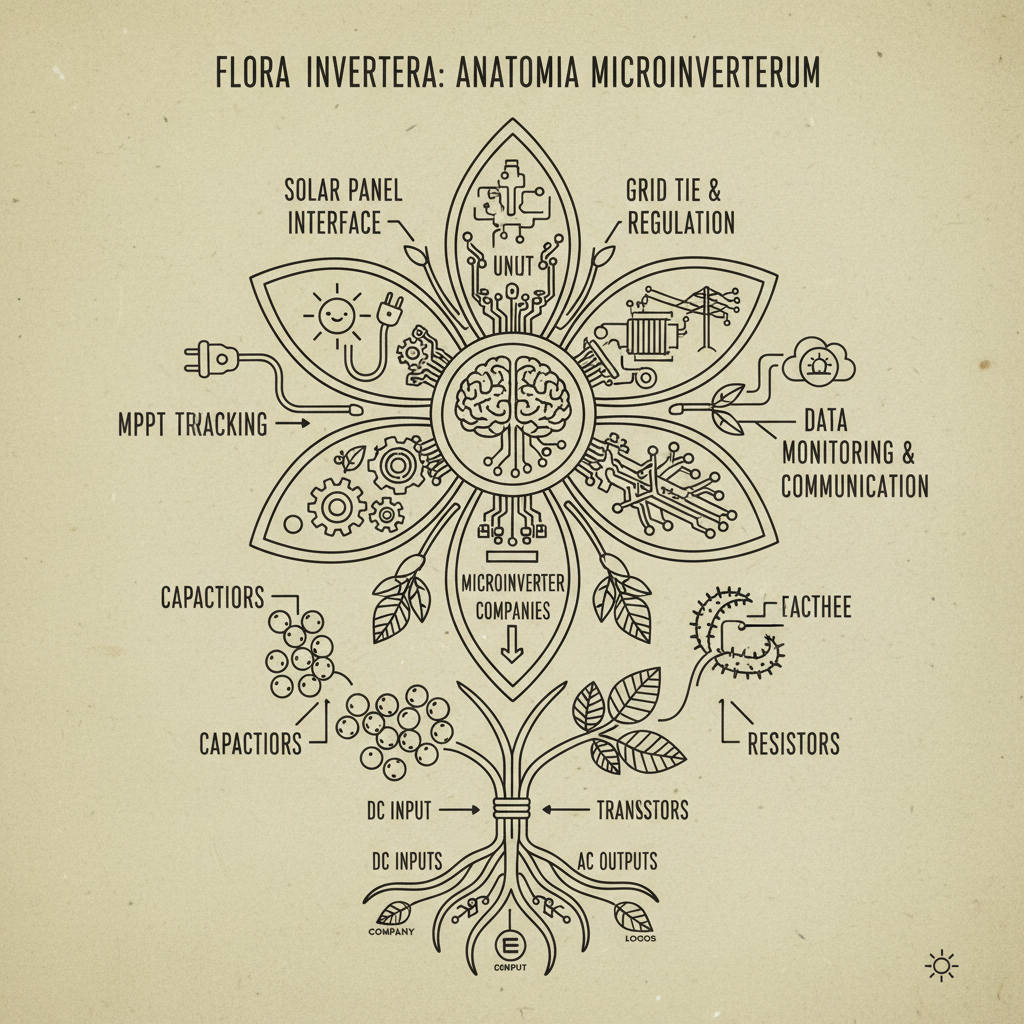
The core functionality of solar microinverters rests on several key components working in harmony. The DC-DC converter stage is responsible for maximizing power extraction from the solar panel by tracking its maximum power point. This is followed by a DC-AC inverter stage that converts the optimized DC voltage into AC voltage suitable for grid connection or local consumption. Sophisticated control circuitry, including microcontrollers and digital signal processors (DSPs), manages these conversions and ensures stable and efficient operation.
Crucially, all microinverters incorporate robust communication capabilities, often utilizing Wi-Fi or Power Line Communication (PLC), to transmit performance data to a central monitoring platform. These systems also include advanced safety features, such as rapid shutdown functionality, which automatically de-energizes the DC wiring in the event of a grid outage or emergency, enhancing safety for installers and emergency responders. The reliability of the components used – capacitors, MOSFETs, and inductors – directly impacts the lifespan and performance of the microinverter.
Finally, the enclosure of the microinverter is designed for outdoor durability, protecting the sensitive electronics from harsh weather conditions. These enclosures often feature robust materials and conformal coatings to ensure long-term reliability in extreme temperatures, humidity, and UV exposure. The integration of these components contributes to the overall efficiency, reliability, and safety of solar microinverters.
Key Factors Influencing Performance
Several factors significantly impact the performance of solar microinverters. Conversion efficiency, measured as the percentage of DC power converted into AC power, is a primary metric. Higher efficiency translates directly into greater energy yield. Temperature also plays a critical role; microinverters are designed to operate optimally within a specific temperature range, and performance can degrade at extreme temperatures.
Maximum Power Point Tracking (MPPT) accuracy is another crucial factor. Effective MPPT algorithms ensure that each panel operates at its peak performance, even under varying sunlight conditions. Furthermore, the reliability and lifespan of the components used – capacitors, semiconductors, and transformers – determine the long-term performance and durability of the microinverter.
Performance Comparison of solar microinverters Technologies
Global Applications and Use Cases
Solar microinverters are finding widespread application across a diverse range of sectors. Residential solar installations are a primary market, where homeowners are leveraging the benefits of increased energy production, enhanced monitoring, and improved safety. Commercial and industrial rooftops also represent a significant growth area, as businesses seek to reduce their energy costs and carbon footprint.
In remote industrial zones, where grid connectivity is limited or unreliable, solar microinverters provide a robust and cost-effective solution for powering critical infrastructure. They are also proving invaluable in post-disaster relief operations, providing immediate power to communities affected by natural disasters. In regions with challenging terrain or limited infrastructure, decentralized solar solutions utilizing microinverters offer a pathway to energy independence.
Advantages and Long-Term Value
The advantages of solar microinverters extend far beyond immediate cost savings. By maximizing energy production and minimizing losses, they provide a substantial return on investment over the system's lifespan. The granular monitoring capabilities empower users to identify and address performance issues quickly, ensuring optimal operation. The improved safety features, such as rapid shutdown, provide peace of mind and protect both installers and occupants.
From a sustainability perspective, microinverters contribute to a cleaner energy future by enabling greater adoption of renewable energy sources. The enhanced reliability and durability reduce the need for frequent replacements, minimizing waste and promoting a circular economy. Ultimately, the long-term value lies in the combination of economic benefits, environmental responsibility, and enhanced energy independence.
Future Trends and Innovations
The future of solar microinverters is bright, with several exciting trends on the horizon. Advancements in power electronics and materials science are driving increased efficiency and reduced costs. Integration with smart home technologies and energy management systems is becoming increasingly prevalent, enabling seamless control and optimization of energy consumption.
The rise of wide-bandgap semiconductors, such as silicon carbide (SiC) and gallium nitride (GaN), promises to further enhance the performance and efficiency of microinverters. Moreover, the development of more sophisticated algorithms for MPPT and grid synchronization will unlock even greater energy yields. These innovations align with the broader trends of green energy, digital transformation, and automation, paving the way for a more sustainable and resilient energy future.
We can also expect to see increased emphasis on cybersecurity, ensuring the protection of sensitive data and preventing unauthorized access to energy systems. The integration of artificial intelligence (AI) and machine learning (ML) will enable predictive maintenance and optimized energy management, further enhancing the value of solar microinverters.
FAQS
Solar microinverters offer several advantages over string inverters, including increased energy harvest due to per-panel MPPT, improved system monitoring and diagnostics, enhanced safety with rapid shutdown functionality, and greater design flexibility for shaded or complex roof layouts. They minimize the impact of panel mismatch and allow for easier system expansion.
Microinverters incorporate rapid shutdown technology, automatically de-energizing the DC wiring when the system is offline or during emergencies. This significantly reduces the risk of electrical hazards for firefighters and maintenance personnel. Because the DC voltage is converted to AC at the panel level, there are no high-voltage DC wires running across the roof or through the building.
Most reputable solar microinverter manufacturers offer warranties of 25 years, reflecting the expected lifespan of the devices. However, actual lifespan can vary depending on environmental conditions and maintenance practices. High-quality components and robust designs contribute to long-term reliability.
Microinverters mitigate the impact of shading because each panel operates independently. If one panel is shaded, it only affects the output of that specific panel, not the entire string. This maximizes energy harvest in situations where partial shading is unavoidable.
Solar microinverters provide detailed, panel-level monitoring data, allowing users to track the performance of each individual panel in real-time. This data can be accessed through a web portal or mobile app, enabling proactive maintenance and optimization.
The initial upfront cost of solar microinverters is typically higher than that of a string inverter system. However, the increased energy production, enhanced monitoring, and improved reliability often result in a lower overall cost of ownership over the lifespan of the system. Consideration should also be given to potential labor savings during installation and maintenance.
Conclusion
In conclusion, solar microinverters represent a significant advancement in solar energy technology. Their decentralized architecture, enhanced monitoring capabilities, and improved safety features offer compelling advantages over traditional string inverter systems. The ability to maximize energy harvest, mitigate the impact of shading, and provide granular control makes them an ideal solution for a wide range of applications, from residential rooftops to large-scale commercial installations.
Looking ahead, continued innovation in power electronics, materials science, and software algorithms will further enhance the performance and efficiency of solar microinverters. As the world transitions towards a cleaner and more sustainable energy future, microinverters will play an increasingly vital role in empowering individuals and businesses to harness the power of the sun. To learn more about how solar microinverters can benefit you, visit our website today.



 LEARN DETAILS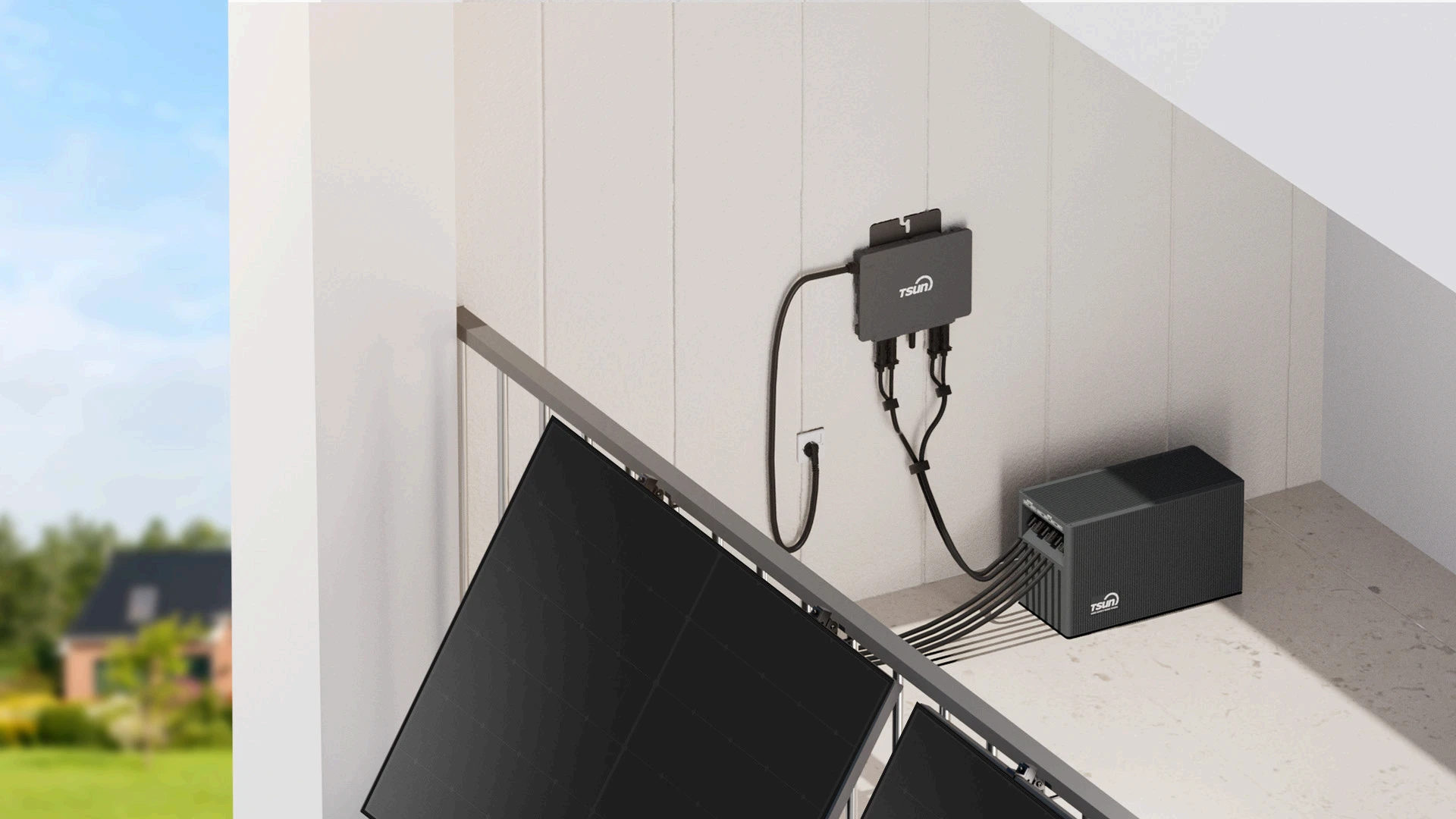
 Downloads
 Video Center
 Report Fault for Repair
 FAQS
FAQS Service Network
 Privacy Policy
 Contact Us
 Monitoring