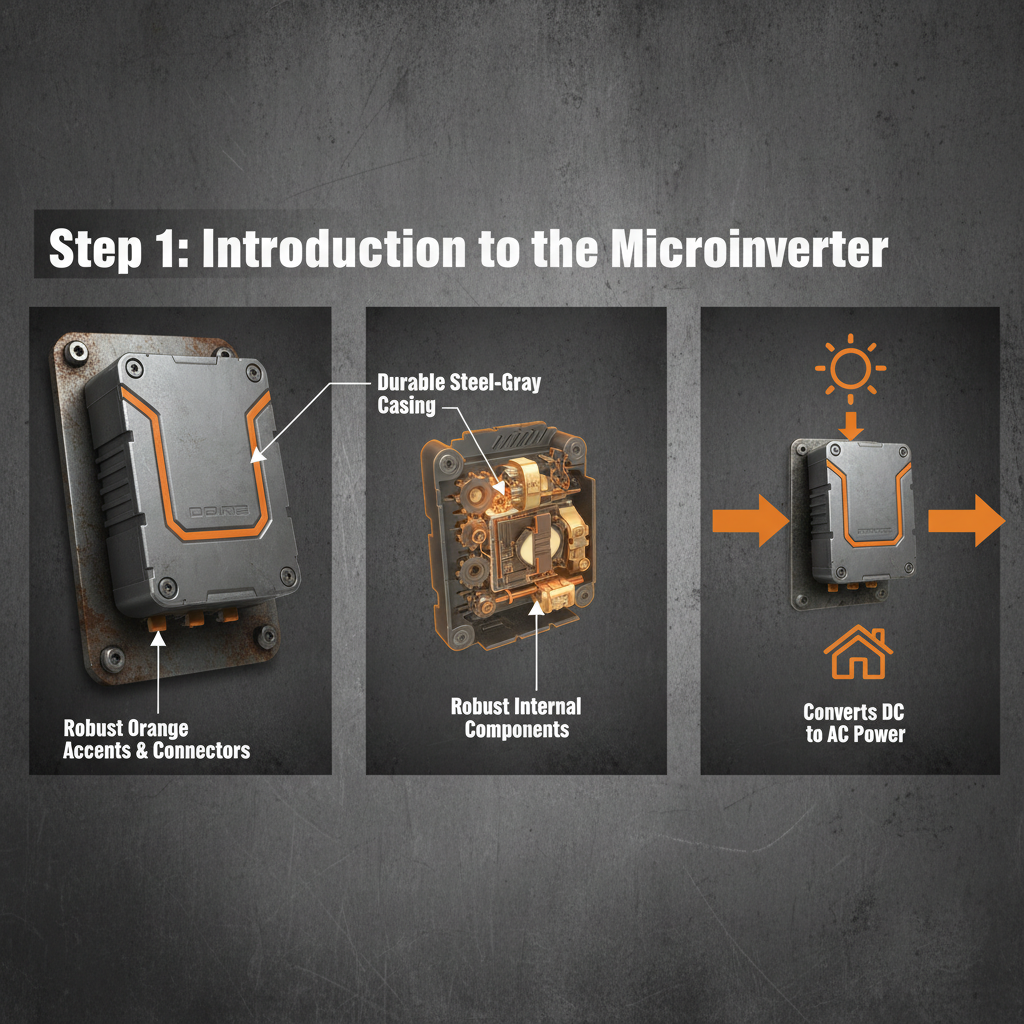
The world’s energy landscape is shifting, and rapidly. We're seeing a huge push for decentralized power generation, folks wanting to be less reliant on the grid – and rightly so. But rooftop solar, while great, has its limitations. That’s where ac micro inverter technology steps in. It’s not just about sticking panels on a roof; it’s about maximizing efficiency, improving safety, and ultimately, giving folks more control over their energy. I’ve seen firsthand how crucial reliable power is, not just in homes, but on job sites, in remote communities, and during emergency situations. This isn't theoretical for me; it’s about practical solutions that work.
The demand is growing, make no mistake. Global solar capacity is exploding, with projections showing a continued steep climb. The International Energy Agency (IEA) reports record-breaking growth in renewable energy investments – and microinverters are a key part of that. The challenge, as I see it, is getting this tech deployed reliably and affordably, especially in areas where traditional grid infrastructure is weak or nonexistent. It's not enough to just have the technology; we need to make it accessible and dependable for everyone.
Frankly, the old string inverter setups just don't cut it in a lot of scenarios. Shade, panel mismatch, complex roof layouts – they all bring down the whole system's performance. ac micro inverter systems address these issues head-on, offering a more resilient and efficient solution. It’s a game-changer, and I’m seeing it play out on job sites every day.
Understanding the Core of ac micro inverter
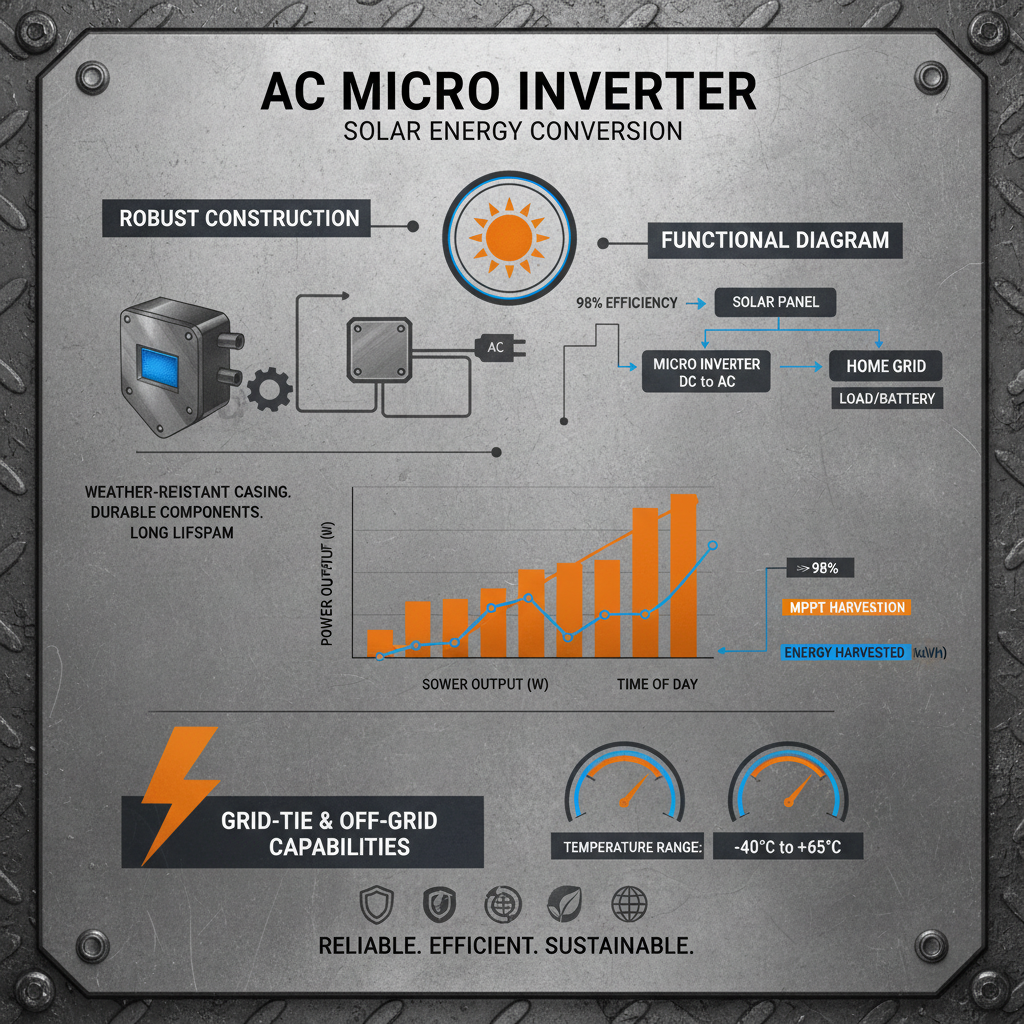
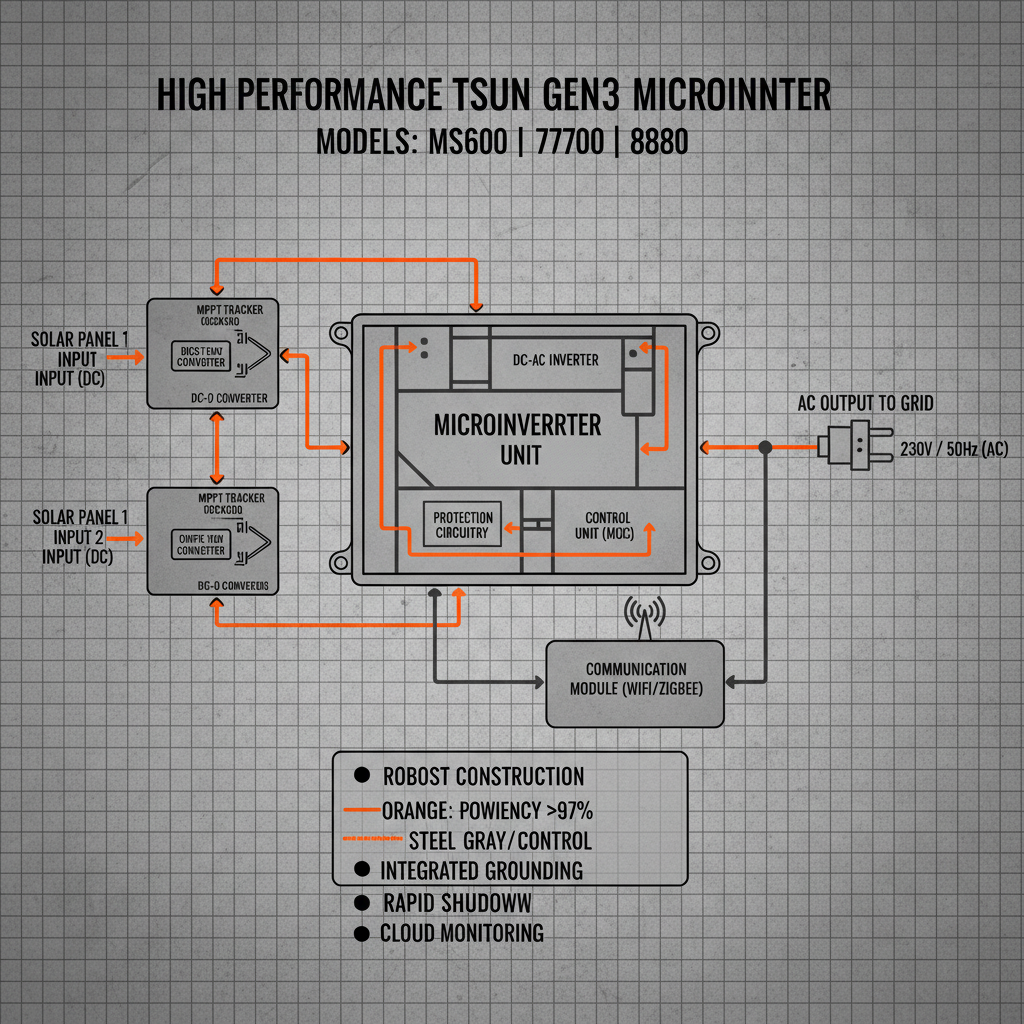
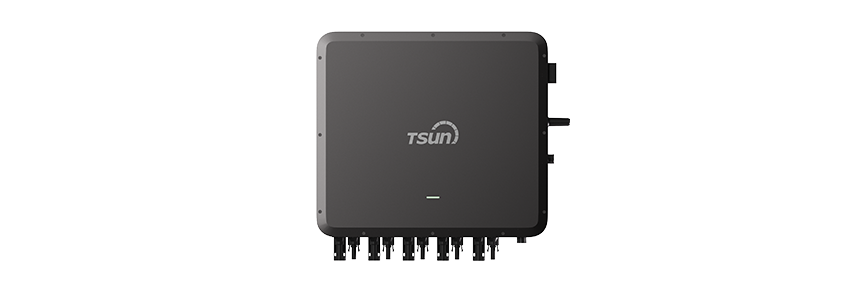
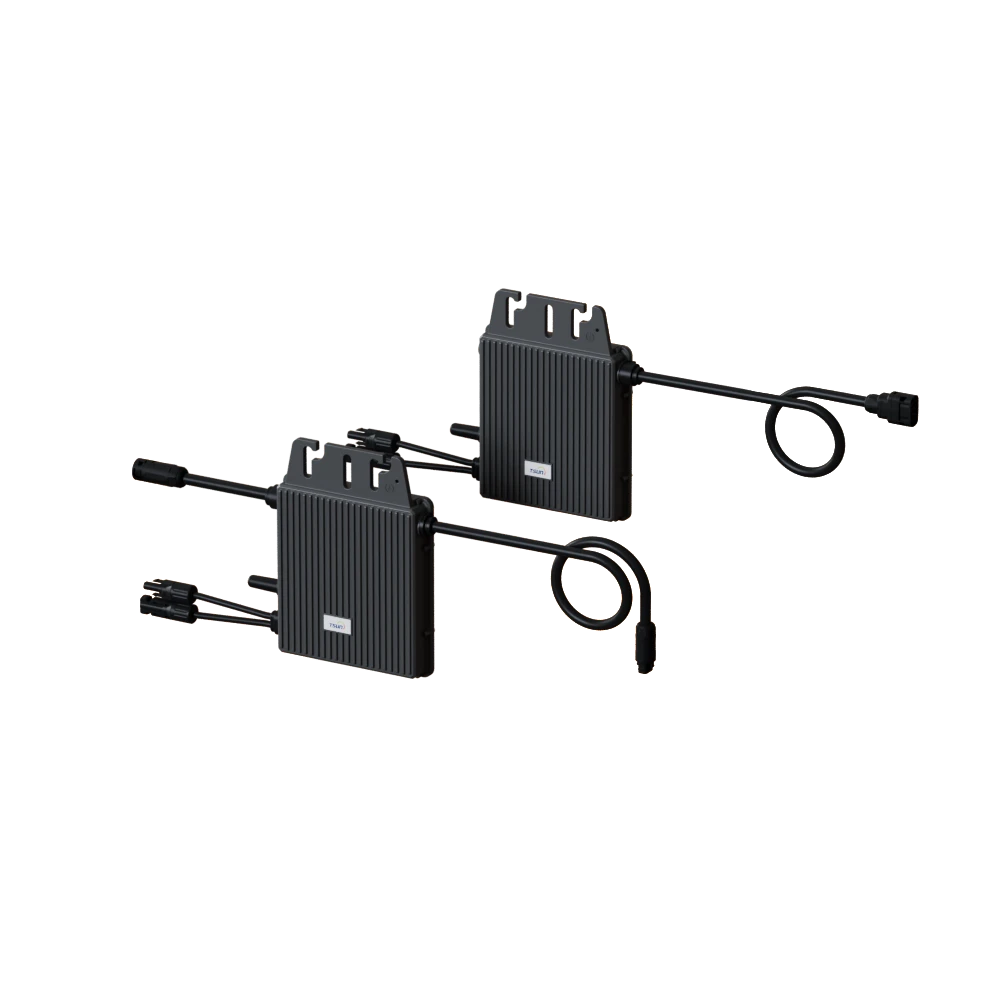
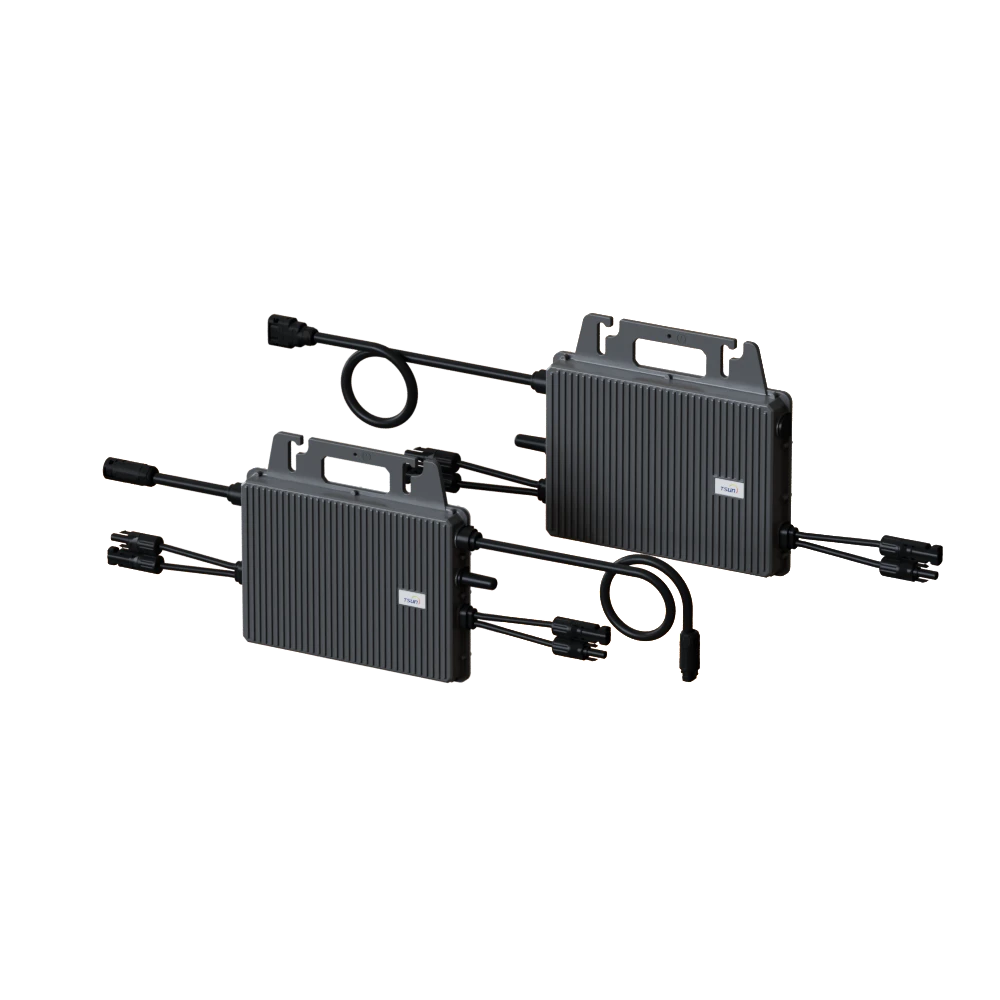
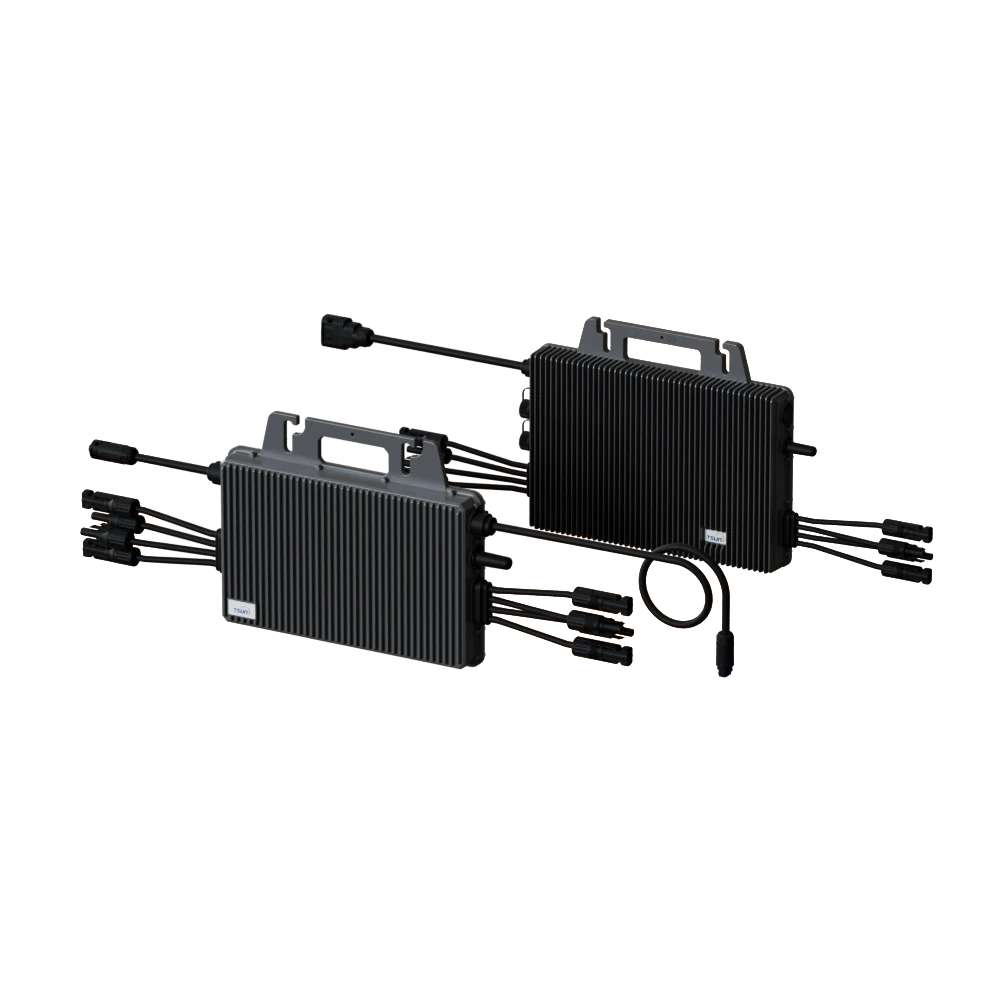
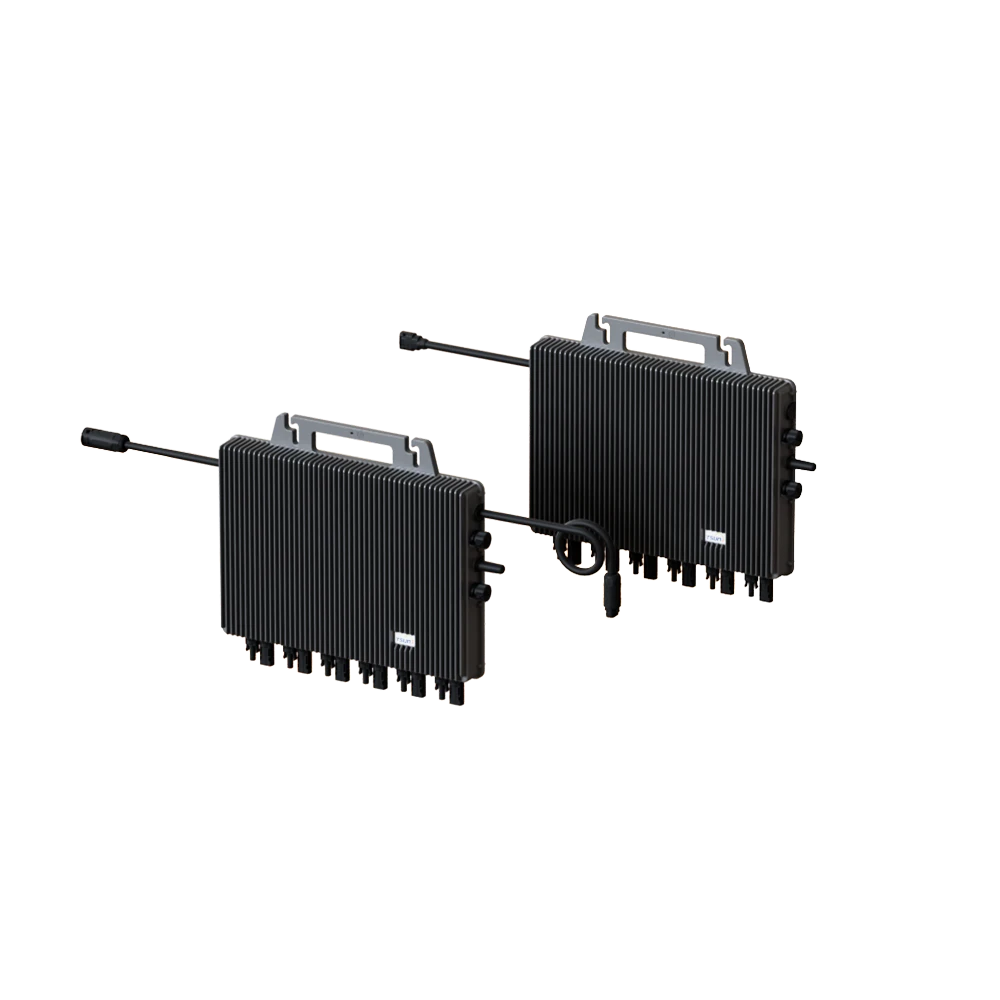
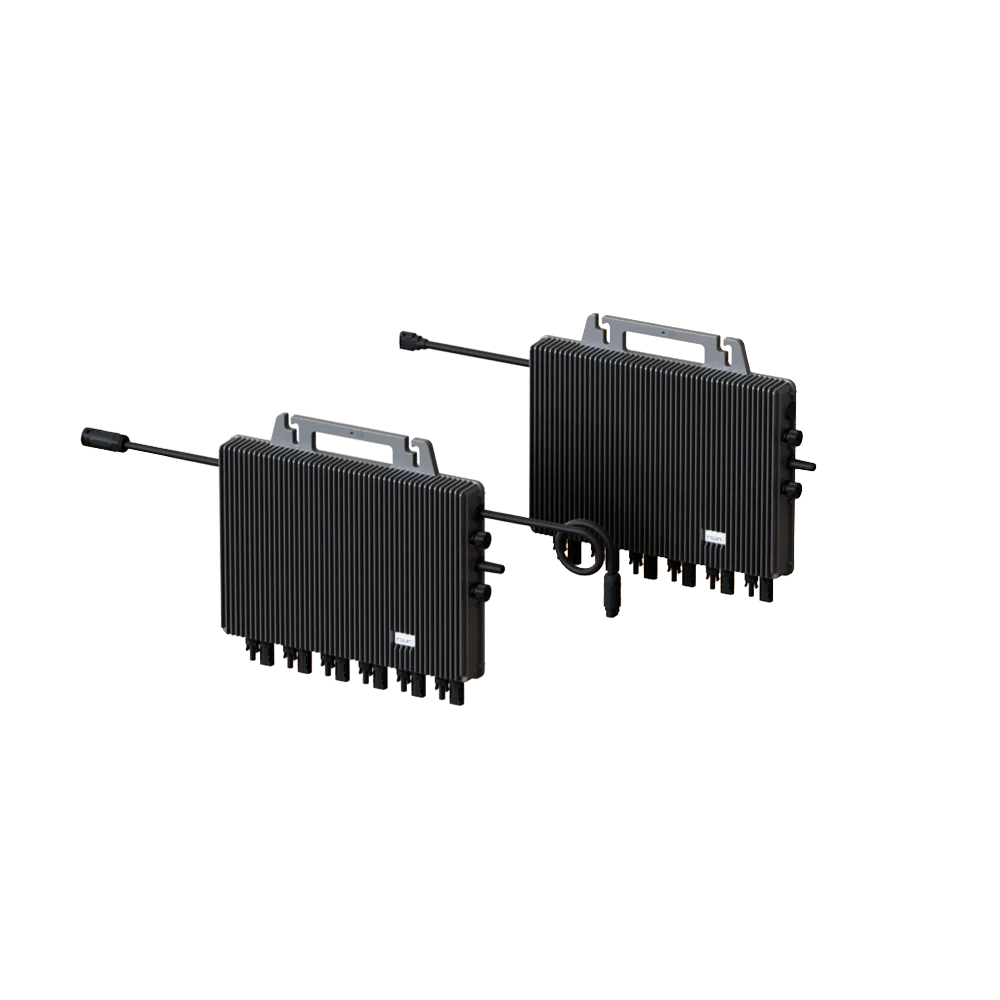
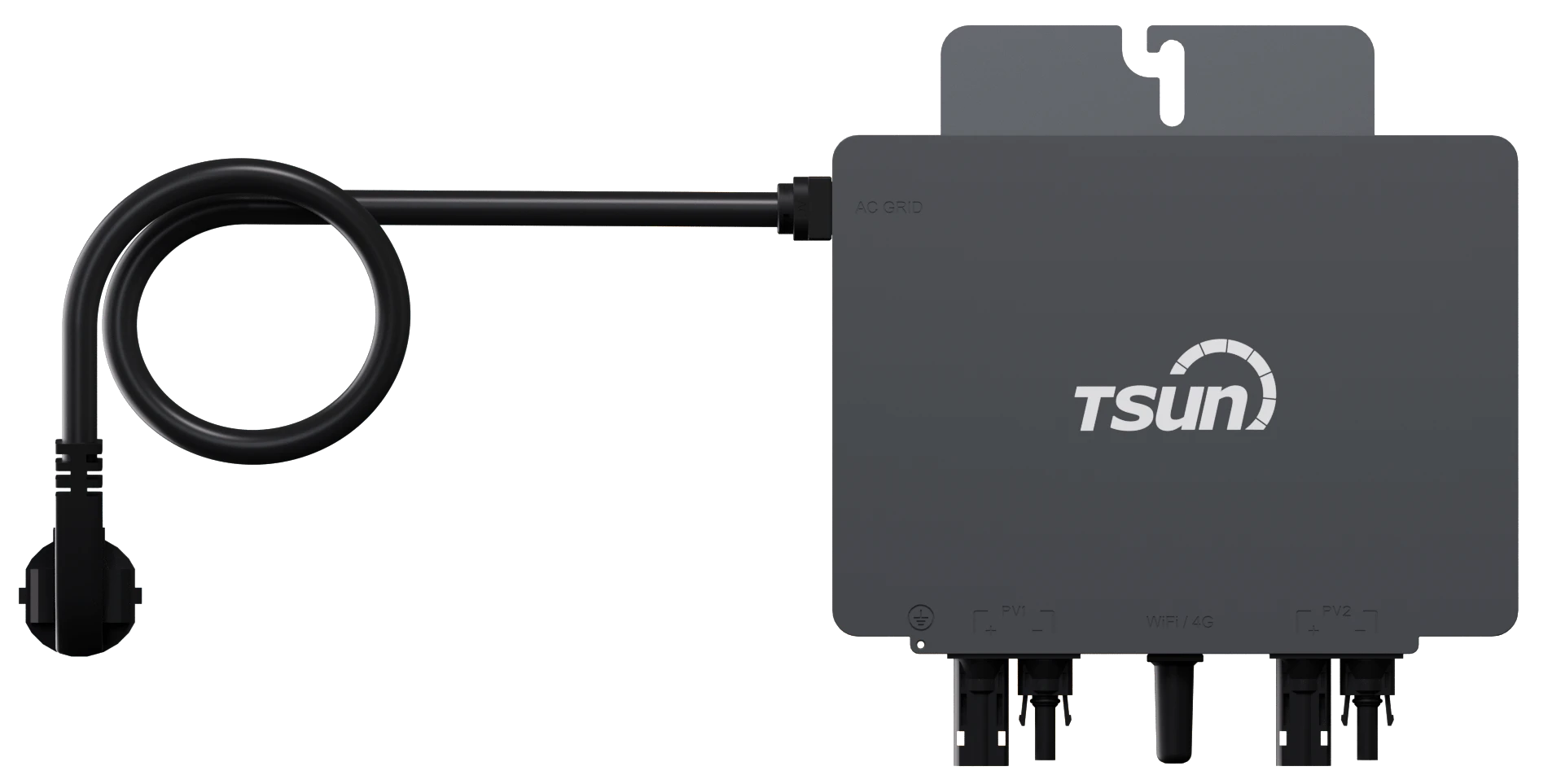
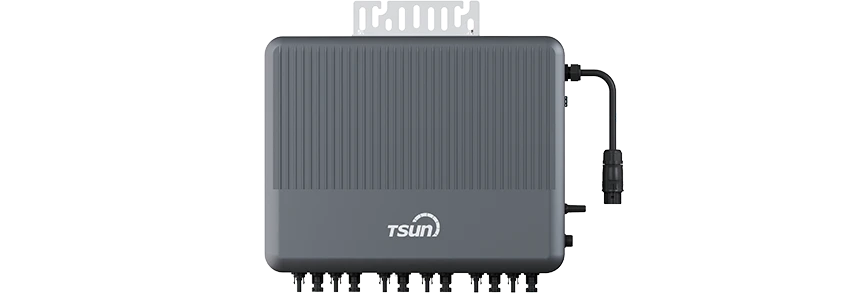
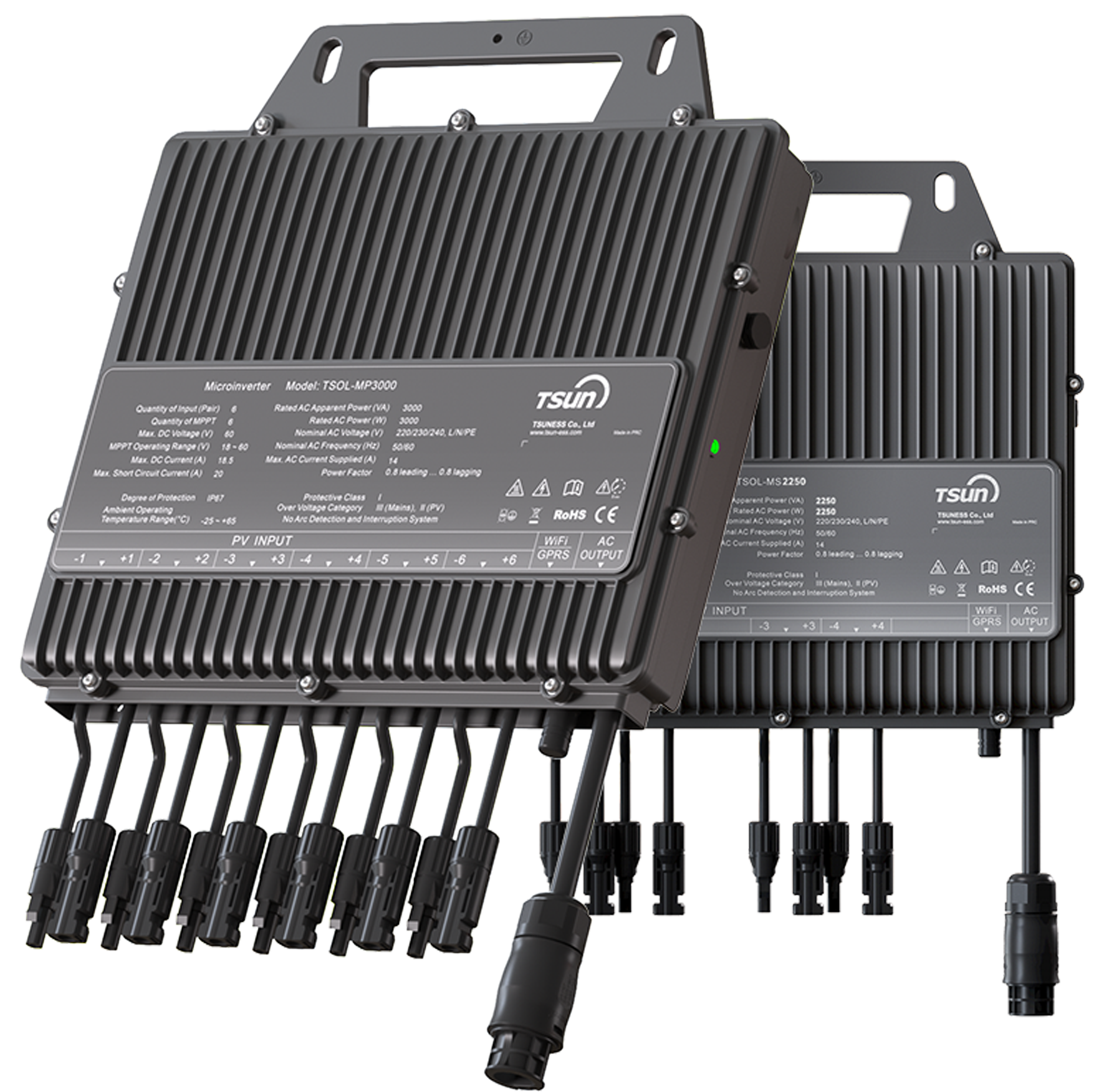
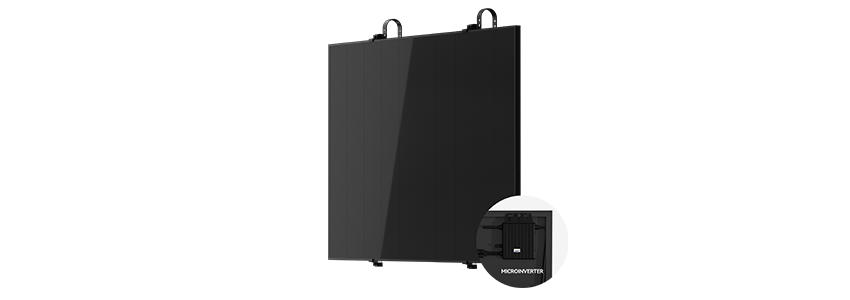
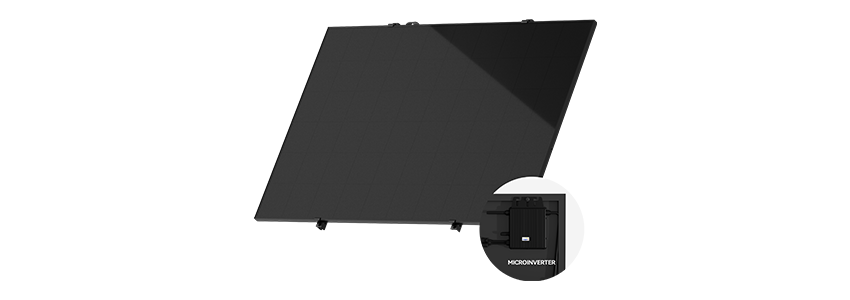
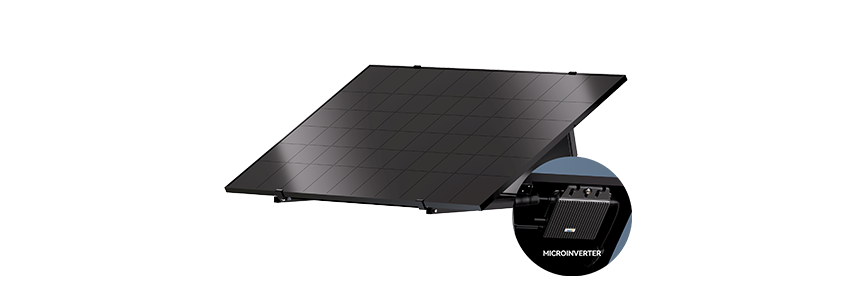
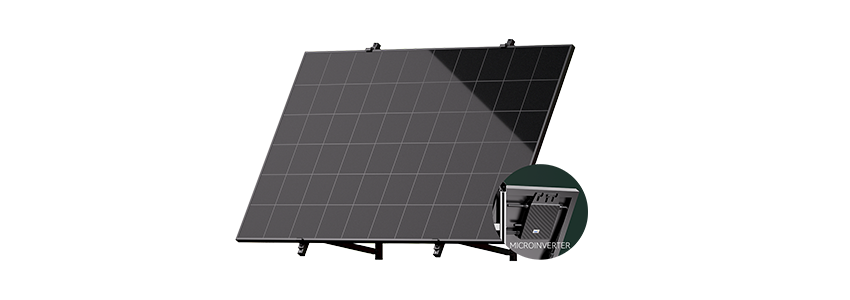
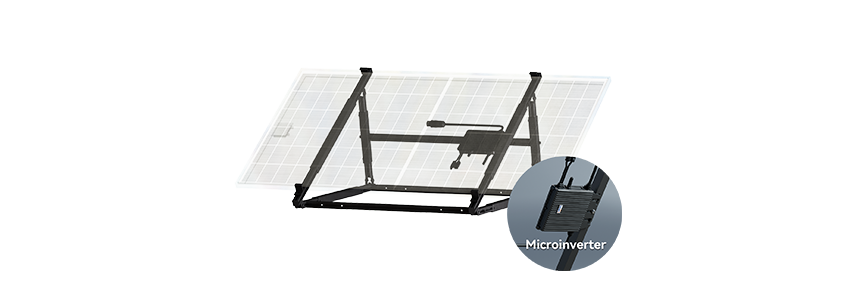
At its heart, an ac micro inverter takes the DC electricity generated by a single solar panel and converts it directly into AC electricity, the kind we use to power our homes and businesses. The key difference from traditional string inverters is that each panel has its own dedicated microinverter. This design eliminates the ‘weakest link’ scenario, where one shaded or malfunctioning panel can drag down the performance of the entire system.
I’ve spent enough time troubleshooting electrical systems to appreciate the simplicity and reliability this offers. It means fewer points of failure and easier monitoring. Plus, it allows for greater flexibility in system design – you can add panels incrementally as your energy needs grow without having to overhaul the whole setup. That kind of scalability is a huge win for long-term investment.
The Global Impact of ac micro inverter Technology
The global shift towards renewable energy is undeniable, and ac micro inverter technology is playing a critical role. We're seeing increased adoption in both residential and commercial sectors, driven by factors like rising energy costs and growing environmental awareness. But the impact goes beyond just reducing carbon footprints. Microinverters are enabling energy independence for communities that previously lacked access to reliable power.
Think about remote villages in developing countries, disaster-stricken areas, or even off-grid cabins. These are places where extending the traditional grid is simply not feasible or cost-effective. Microinverters provide a pathway to sustainable, localized energy production. We’re talking about powering schools, hospitals, and small businesses – things that drastically improve quality of life.
The market is expanding rapidly, particularly in regions with high solar irradiance. Asia-Pacific, North America, and Europe are currently leading the charge, but we’re seeing increasing interest from Africa and Latin America as well. The falling cost of solar panels combined with the enhanced efficiency of microinverters is making this technology increasingly accessible to a wider range of consumers.
Defining ac micro inverter: A Practical Perspective
Let's cut through the jargon. An ac micro inverter isn’t just a piece of equipment; it’s a complete distributed power solution. Unlike a central string inverter that manages the entire array, each microinverter operates independently. This means each panel optimizes its own output, regardless of the performance of others. This isn't about fancy engineering for the sake of it. This is about real-world performance and maximizing the return on investment for the end user.
From a practical standpoint, this translates to better energy harvesting, especially in challenging conditions like partial shading or varying panel orientations. It also simplifies system monitoring and troubleshooting. Because each microinverter communicates its performance data individually, it’s easy to identify and isolate any issues. I’ve spent way too many hours tracing faults in traditional string inverter systems – microinverters make that process significantly faster and easier.
The connection to modern industry and humanitarian needs is clear. It’s about resilience, independence, and creating a more sustainable energy future. It’s about giving power back to the people, literally and figuratively.
Key Advantages of Utilizing ac micro inverter Systems
There are several key factors driving the adoption of ac micro inverter systems. First, and probably most importantly, is improved performance. As I mentioned, the individual panel optimization means you squeeze every last watt out of your solar array. Second, scalability is a huge benefit. You can easily add more panels to your system as your needs change without having to worry about compatibility issues.
Then there’s the safety aspect. Microinverters operate at lower voltages than string inverters, reducing the risk of electrical hazards. This is particularly important for DIY installations or for systems installed on roofs where access can be challenging. And, let's be real, the granular monitoring capabilities are a massive advantage for preventative maintenance and identifying potential problems before they become major headaches.
Performance Metrics of Different ac micro inverter Approaches
Real-World Applications of ac micro inverter Globally
I've seen ac micro inverter systems deployed in a huge variety of settings. In post-disaster relief operations, they've been crucial for providing emergency power to hospitals and shelters. In remote industrial zones, they're powering everything from construction equipment to communication systems. And increasingly, we’re seeing them used in agricultural applications, powering irrigation pumps and processing facilities.
They’re also becoming popular for off-grid homes and cabins, offering a self-sufficient energy solution that eliminates the need for expensive grid connections. I've worked on projects in both the US and Europe, and the demand is consistently high. The versatility and reliability of these systems make them a perfect fit for a wide range of applications.
Long-Term Value and Benefits of ac micro inverter
The tangible benefits of ac micro inverter go beyond just cost savings, though those are significant. Reduced energy bills, lower maintenance costs, and increased system lifespan all contribute to a strong return on investment. But there's a broader value proposition as well. These systems contribute to a more sustainable energy future, reducing our reliance on fossil fuels and mitigating the effects of climate change.
There's also a sense of empowerment that comes with energy independence. Knowing that you’re generating your own clean energy and are less vulnerable to grid outages is incredibly reassuring. It’s about peace of mind, knowing you're doing your part for the environment and protecting your bottom line. And let's be honest, that's a pretty good feeling.
Future Trends and Challenges in ac micro inverter Development
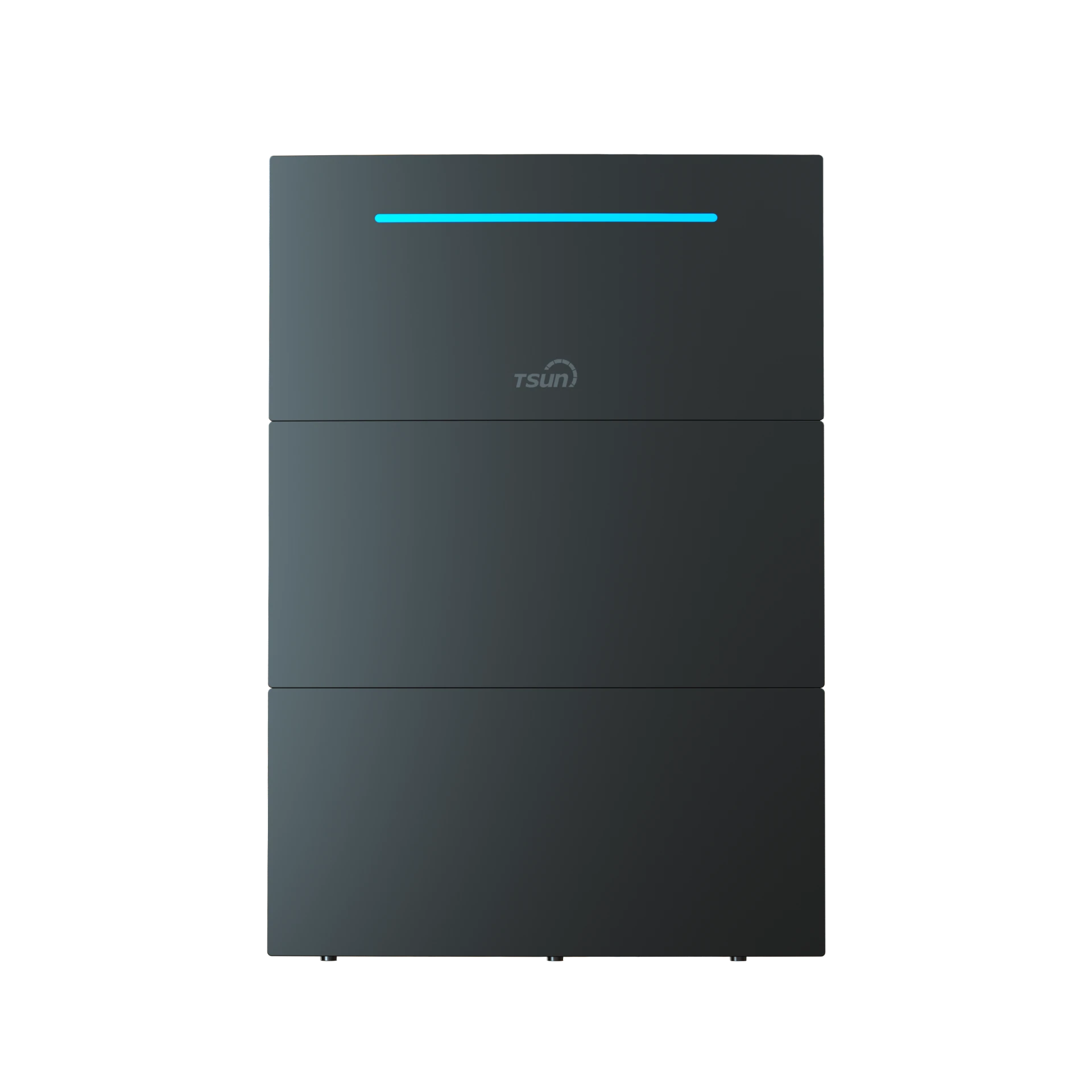
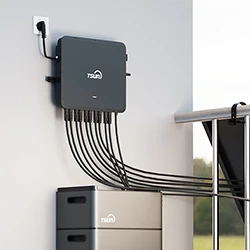
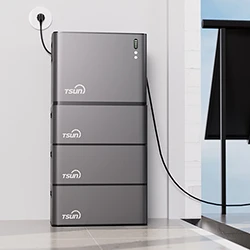
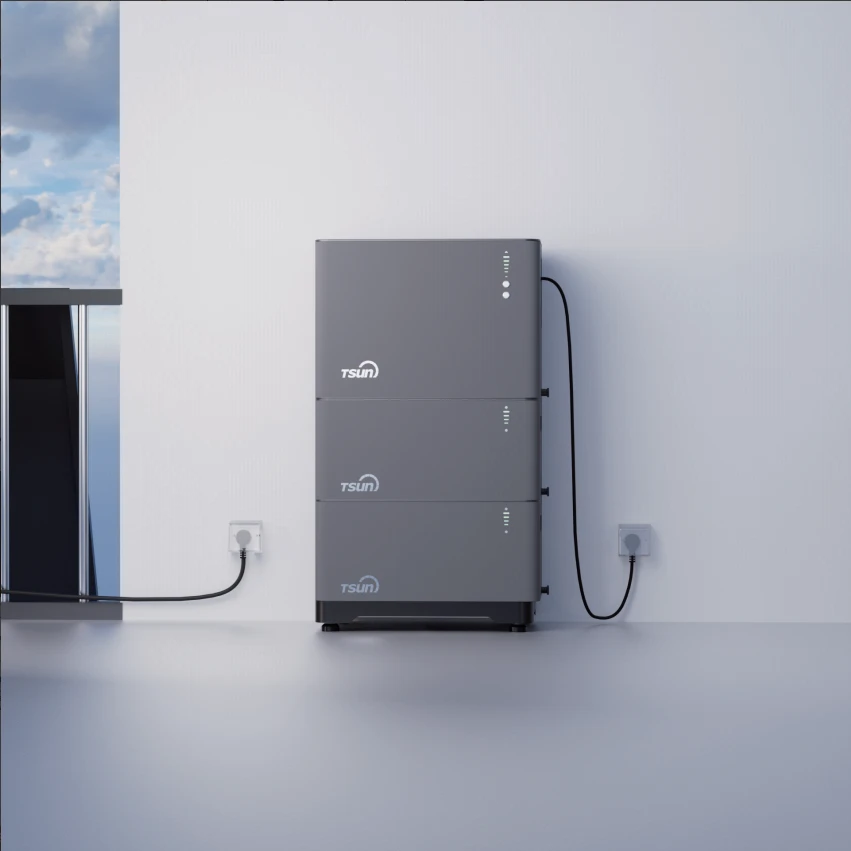
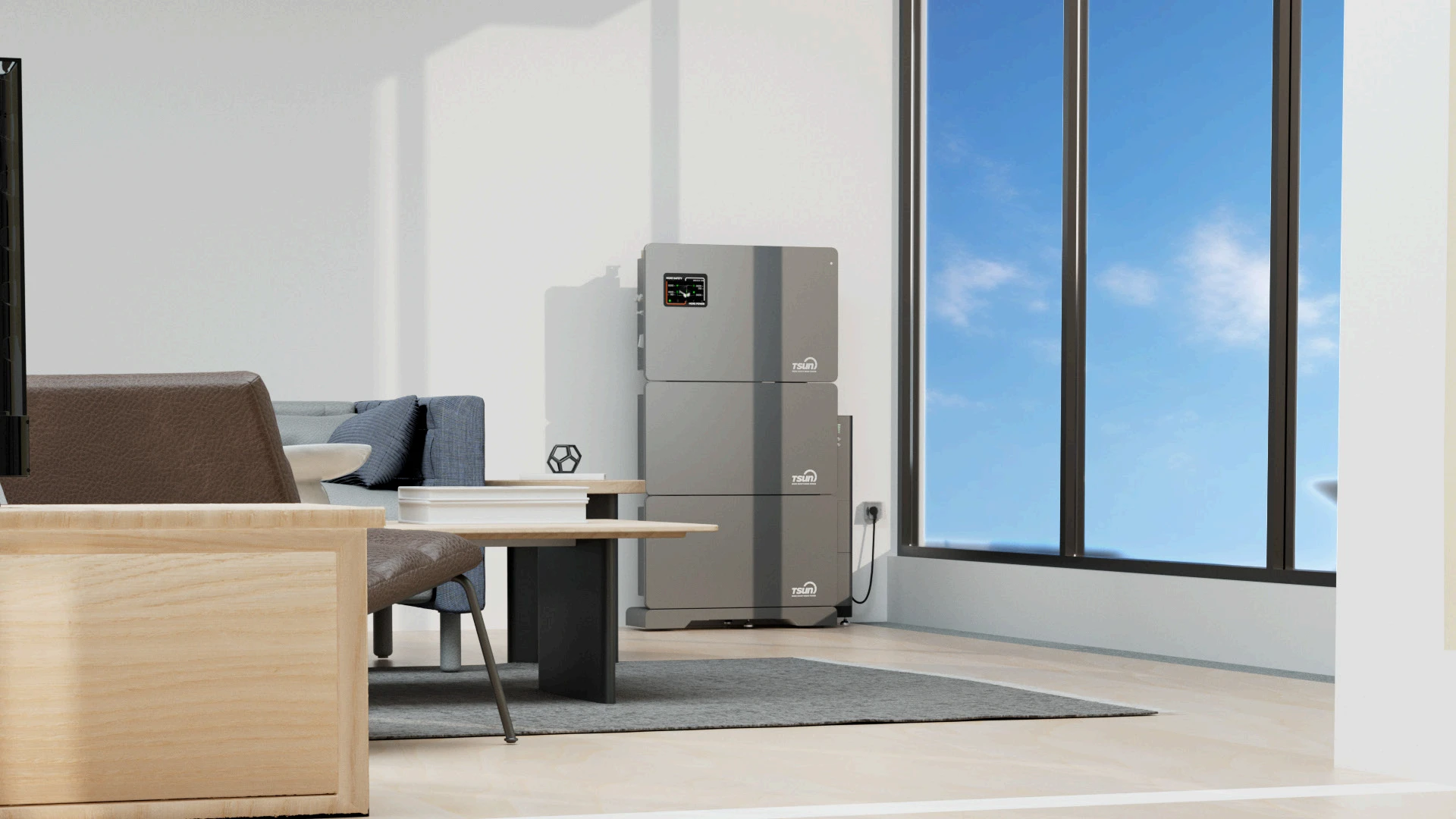
The ac micro inverter landscape is constantly evolving. We're seeing advancements in power electronics, enabling higher efficiency and lower costs. Integration with energy storage systems is becoming increasingly common, allowing homeowners and businesses to store excess solar energy for use at night or during power outages. And the rise of smart grids and the Internet of Things (IoT) is opening up new possibilities for optimizing energy management.
However, there are challenges to overcome. Supply chain disruptions, component shortages, and evolving regulatory standards can all impact the industry. We also need to address concerns about cybersecurity and data privacy. But these are solvable problems, and I'm confident that innovation will continue to drive progress in this field.
The integration of AI and machine learning for predictive maintenance and system optimization is a particularly exciting area of development. Imagine a system that can anticipate potential failures and proactively schedule maintenance, minimizing downtime and maximizing performance. That's the future of ac micro inverter technology.
Key Comparative Analysis of ac micro inverter System Attributes
| System Reliability |
Cost Effectiveness |
Scalability Potential |
Maintenance Complexity |
| 9/10 – Highly resilient due to individual panel operation |
7/10 – Initial investment slightly higher, offset by long-term savings |
10/10 – Easily expandable with minimal disruption |
4/10 – Simplified troubleshooting and reduced maintenance needs |
| 8/10 – Robust performance in challenging conditions |
8/10 – Lower installation costs compared to battery storage |
9/10 – Adaptable to various roof types and orientations |
5/10 – Remote monitoring capabilities streamline maintenance |
| 7/10 – Reliable with advanced surge protection |
6/10 – Competitive pricing with government incentives |
8/10 – Flexible deployment for residential and commercial projects |
6/10 – Modular design simplifies component replacement |
| 9/10 – Excellent performance in shaded environments |
7/10 – Strong return on investment in high-solar regions |
7/10 – Supports incremental system upgrades |
4/10 – Reduced downtime due to independent panel operation |
| 8/10 – Consistent power output under varying conditions |
9/10 – Optimized for self-consumption and grid feed-in |
6/10 – Requires careful planning for system expansion |
5/10 – User-friendly monitoring dashboards |
| 7/10 – Durable and weather-resistant components |
8/10 – Long-term energy savings contribute to profitability |
9/10 – Ideal for diverse architectural designs |
7/10 – Proactive monitoring alerts enhance system efficiency |
FAQS
The key difference lies in how they handle DC to AC conversion. String inverters convert the DC electricity from the entire solar array at once, while ac micro inverter convert it at the panel level. This means microinverters offer panel-level monitoring, increased efficiency in shaded conditions, and greater system flexibility. Think of it like this: a string inverter is a single point of failure, while a microinverter system is more distributed and resilient.
Shading is where ac micro inverter really shine. With a string inverter, even partial shading on one panel can significantly reduce the output of the entire array. Microinverters isolate each panel, so shading on one panel only affects that panel's output, not the whole system. This makes them ideal for roofs with trees, chimneys, or other obstructions.
Most ac micro inverter manufacturers offer warranties of 25 years, which is a good indication of their expected lifespan. However, proper installation and maintenance are crucial for maximizing longevity. From my experience on sites, a well-maintained system can easily last well beyond the warranty period.
The upfront cost of a microinverter system is typically higher than a string inverter system. However, the increased efficiency, panel-level monitoring, and scalability can often offset the initial investment over the lifetime of the system. You also need to factor in potential savings from reduced maintenance and downtime.
ac micro inverter systems generally require very little maintenance. Regular monitoring of the system’s performance via the inverter’s monitoring portal is usually sufficient. Periodic cleaning of the solar panels to remove dirt and debris is also recommended. Because there's no central inverter to fail, the maintenance burden is significantly reduced.
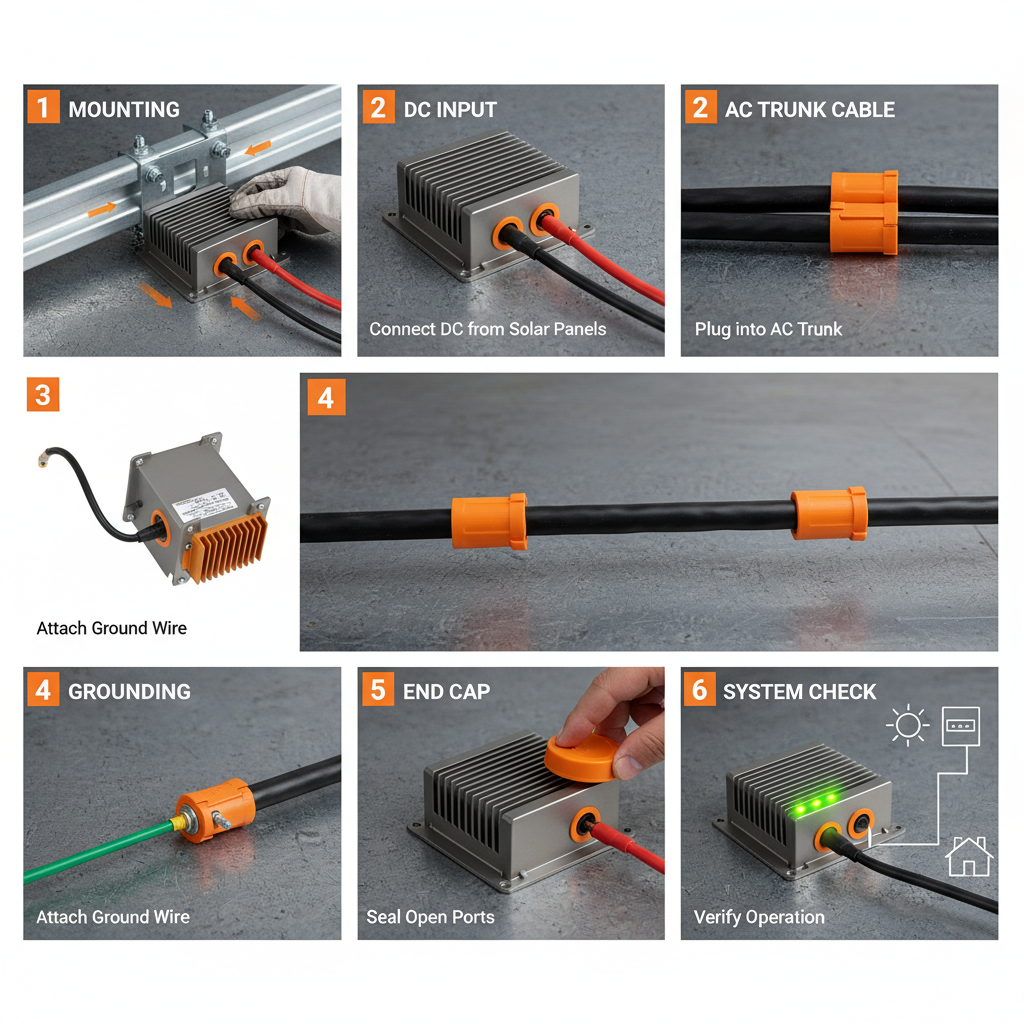
While it’s technically possible to install ac micro inverter yourself, it’s strongly recommended to hire a qualified and licensed solar installer. Electrical work can be dangerous, and a professional installer will ensure the system is installed correctly and safely, complying with all local codes and regulations. Plus, it often protects the warranty.
Conclusion
In conclusion, ac micro inverter technology represents a significant advancement in solar energy, offering improved performance, reliability, and scalability. The benefits extend beyond just cost savings, contributing to a more sustainable energy future and empowering individuals and communities. It’s not just about generating electricity; it’s about taking control of your energy destiny.
Looking ahead, continued innovation in power electronics, smart grid integration, and AI-powered optimization will further enhance the capabilities of microinverter systems. I encourage anyone considering solar to seriously evaluate microinverter technology – it's a smart investment that will pay dividends for years to come. To learn more about how ac micro inverter can benefit you, visit our website: www.tsun-ess.com.



 LEARN DETAILS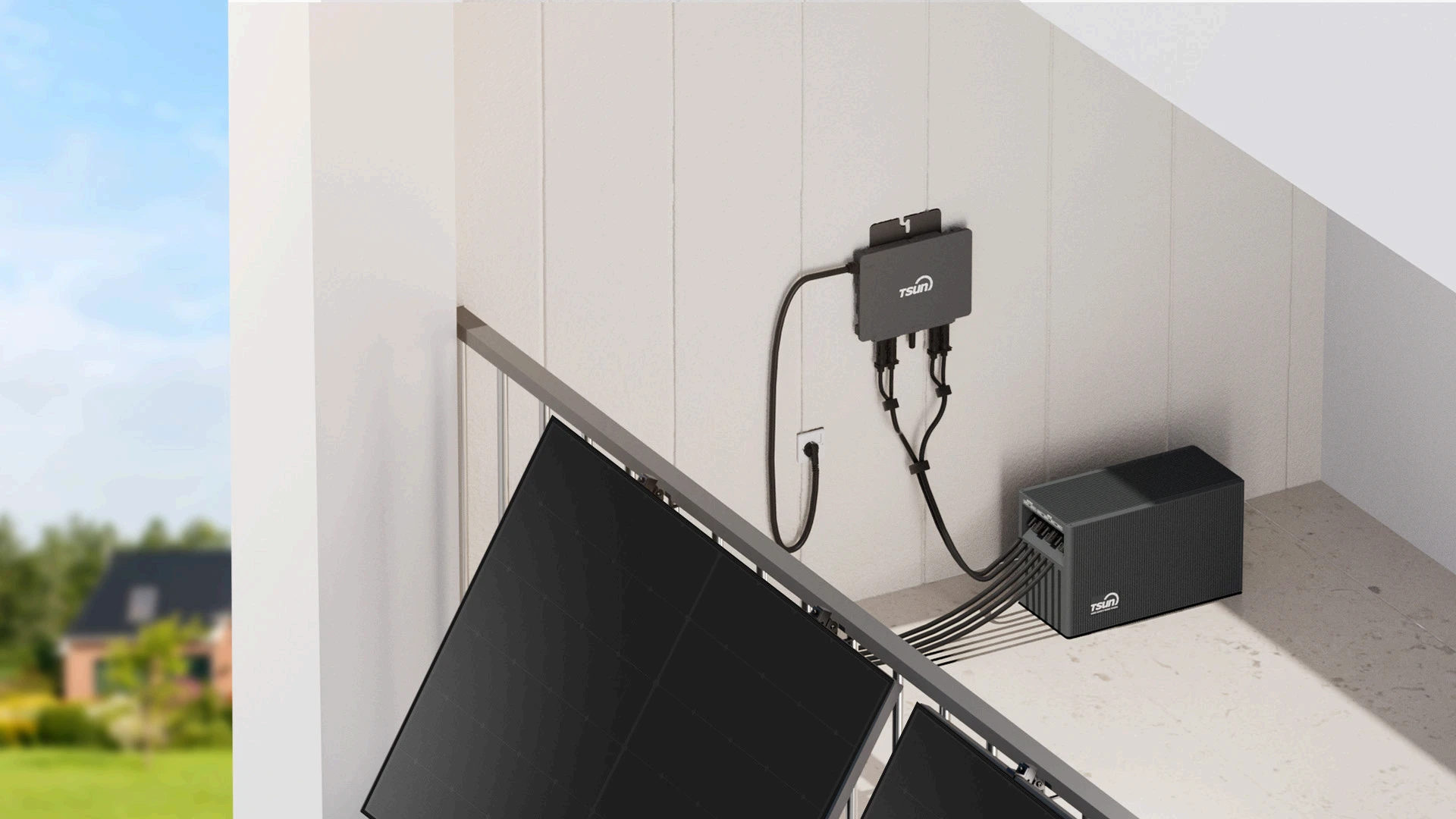
 Downloads
 Video Center
 Report Fault for Repair
 FAQS
FAQS Service Network
 Privacy Policy
 Contact Us
 Monitoring