Selecting the right mounting hardware is often the most overlooked part of a residential solar transition. For homeowners with limited roof space or those utilizing balconies, the emergence of specialized mounting solutions has shifted the conversation from "if it fits" to "how efficiently it captures light."
The demand for cheap spider angled easy solar panel kits reflects a broader market trend toward modularity and user-installed energy systems. By combining adjustable angles with simplified anchoring, these kits lower the barrier to entry for urban dwellers who previously found professional installations cost-prohibitive.
This analysis explores the technical balance between cost and structural integrity, providing a framework for evaluating easy-install solar kits in the context of modern microinverter technology and urban energy storage.
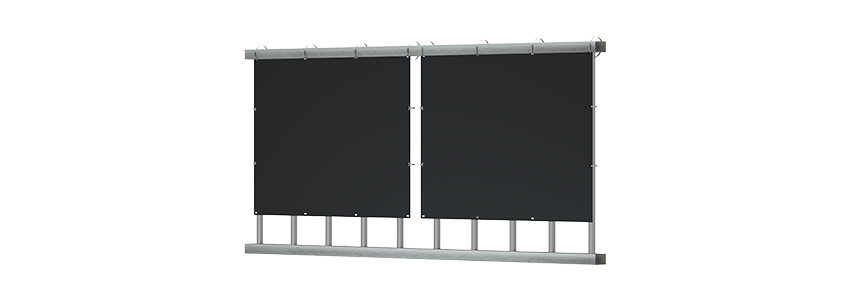
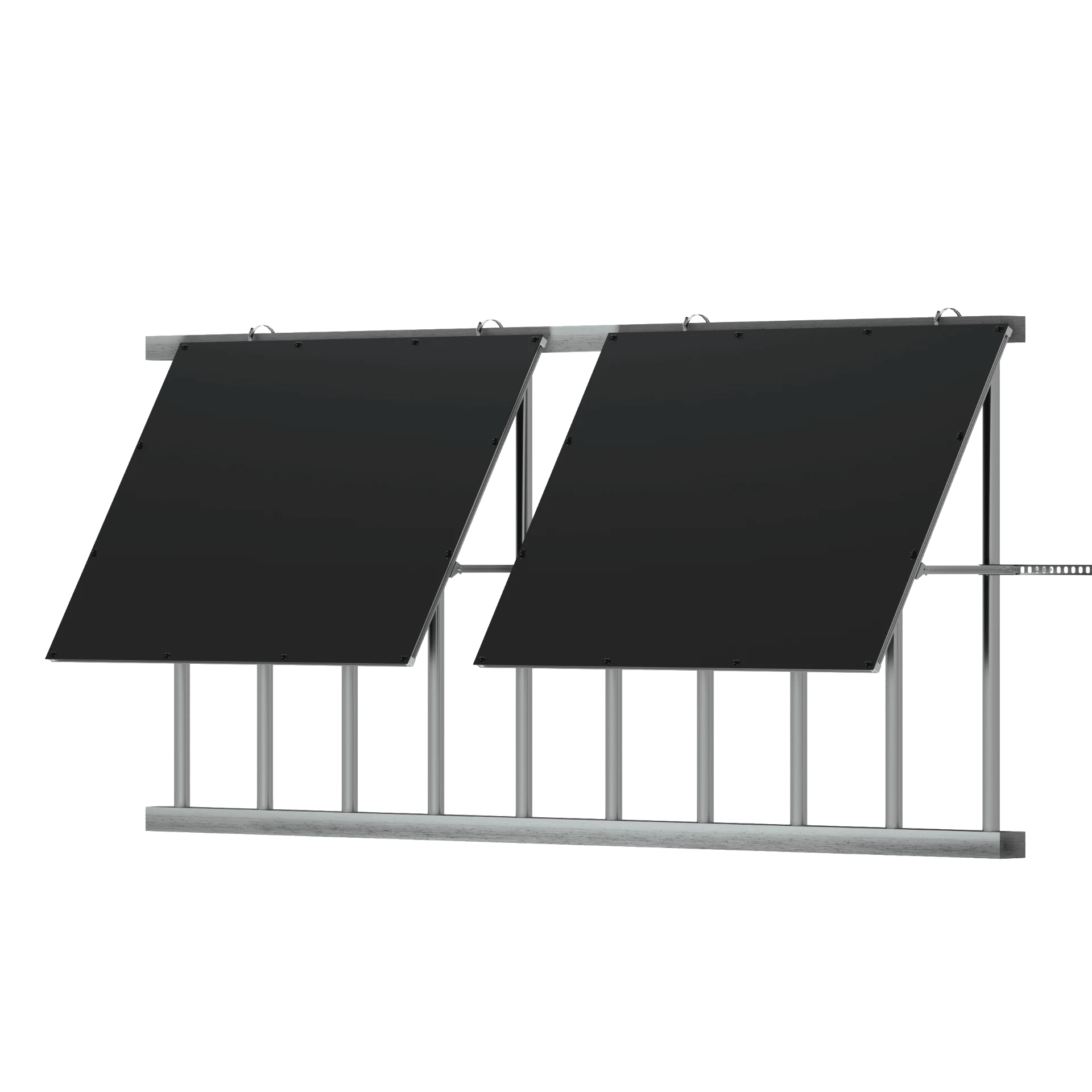
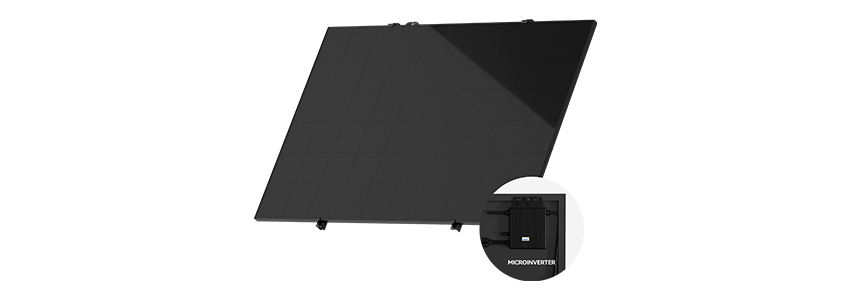
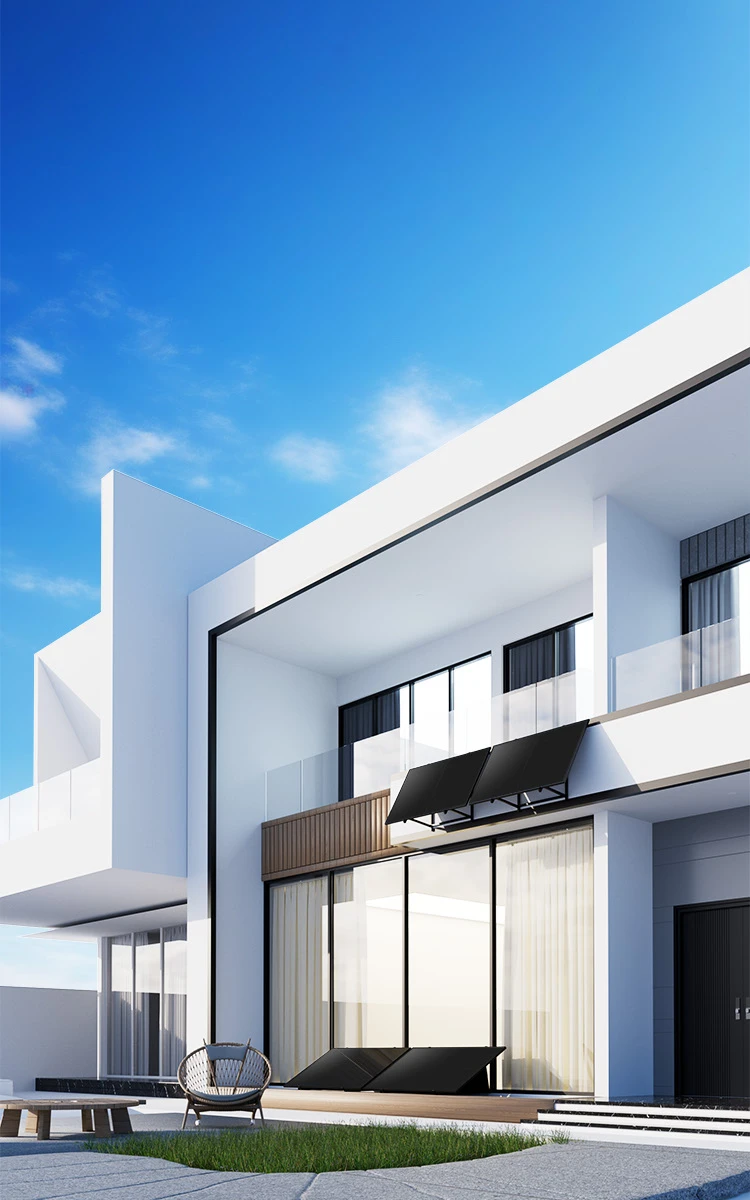
A comprehensive view of a modular solar kit designed for optimized light capture through adjustable angling.
◆ ◆ ◆
◆ ◆ ◆
The Evolution of DIY Solar Mounting

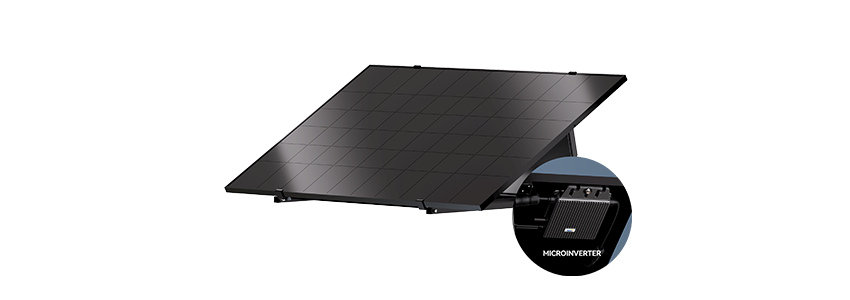
The detailed geometry of angled brackets allows for seasonal adjustments to maximize PV yield.
Early residential solar required permanent roof penetrations and heavy racking systems. However, the shift toward "Plug & Play" solar has prioritized non-invasive mounting. The concept of the "spider" or angled bracket allows panels to be secured to railings or walls without compromising the building's structural skin.
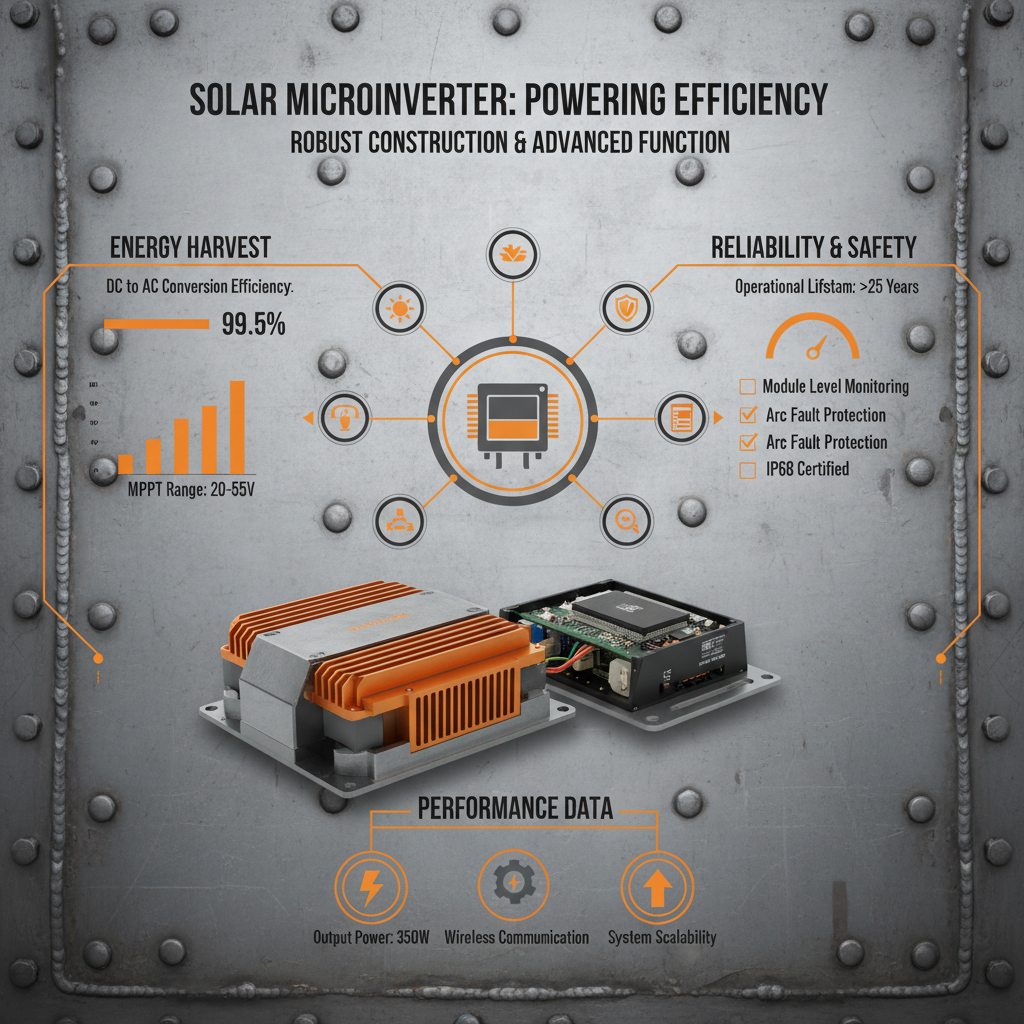
This transition is driven by the rise of balcony energy storage and the proliferation of microinverters, which eliminate the need for a centralized string inverter. Consequently, the mounting kit is no longer just a support structure but a critical component of the system's energy efficiency.
—
Technical Design Logic of Angled Kits
The primary objective of an angled solar kit is to mitigate the "cosine loss" that occurs when sunlight hits a panel at an oblique angle. By providing a fixed or adjustable tilt, these kits ensure that the PV modules are positioned closer to a perpendicular orientation relative to the sun's path. For balcony installations, where the vertical plane is often the only available space, an angled bracket is the only way to make the system viable.
Material selection plays a pivotal role in the longevity of these kits. High-grade aluminum alloys are typically used to balance weight and corrosion resistance. In urban environments, exposure to pollutants and varying humidity levels requires a finish that prevents oxidation while maintaining the rigidity necessary to withstand wind loads.
Furthermore, the "easy" aspect of these kits refers to the integration of standardized fasteners and pre-drilled holes. This reduces the need for specialized tools, allowing the end-user to move from unboxing to power generation in a matter of hours, provided the electrical components—such as the microinverter—are correctly paired.
—
Synergy Between Brackets and Microinverters
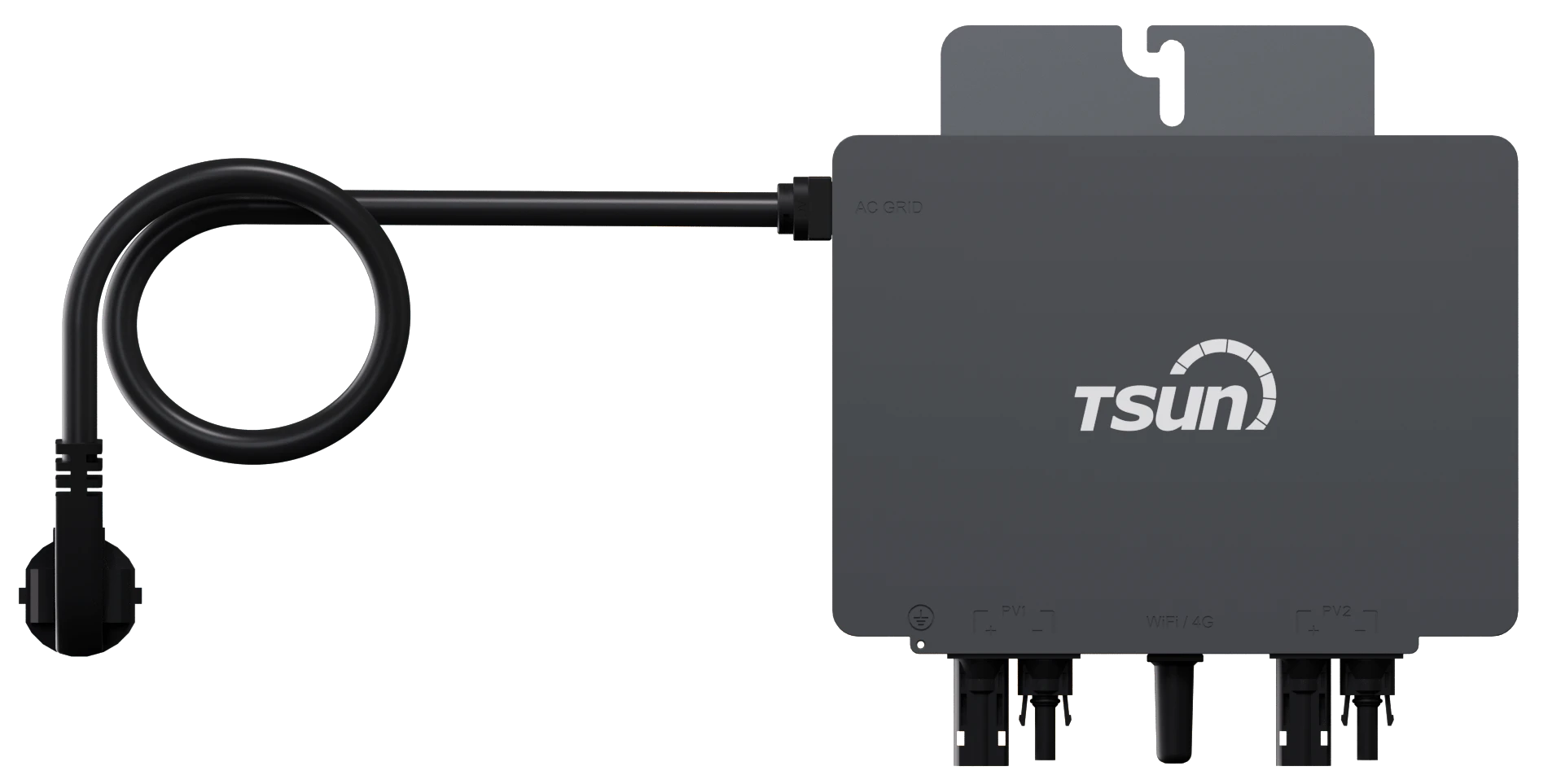
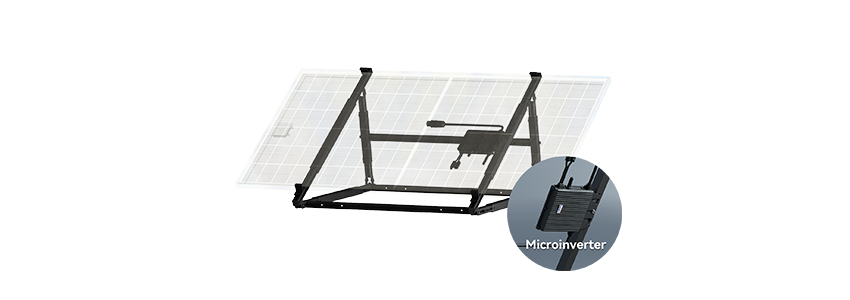
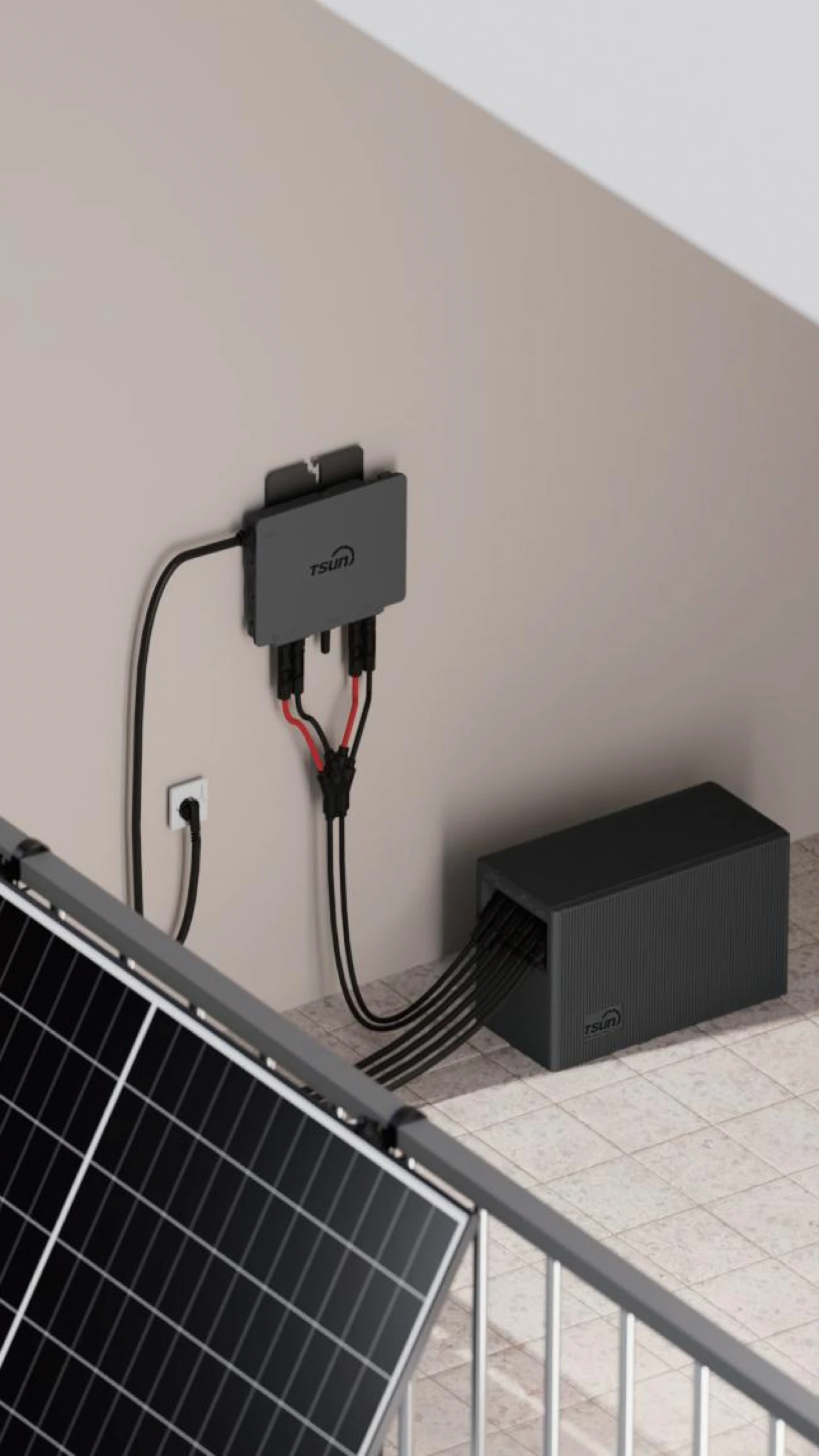
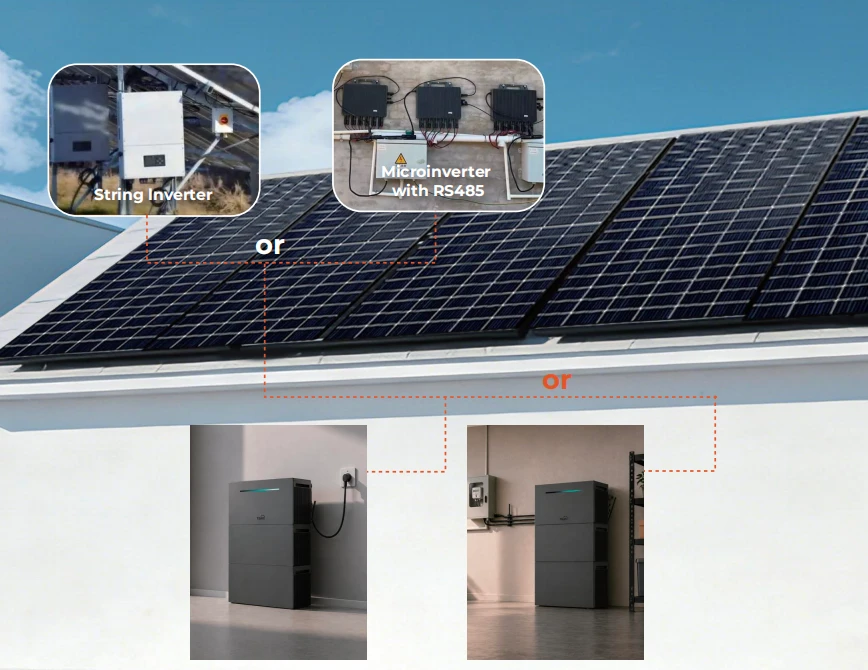
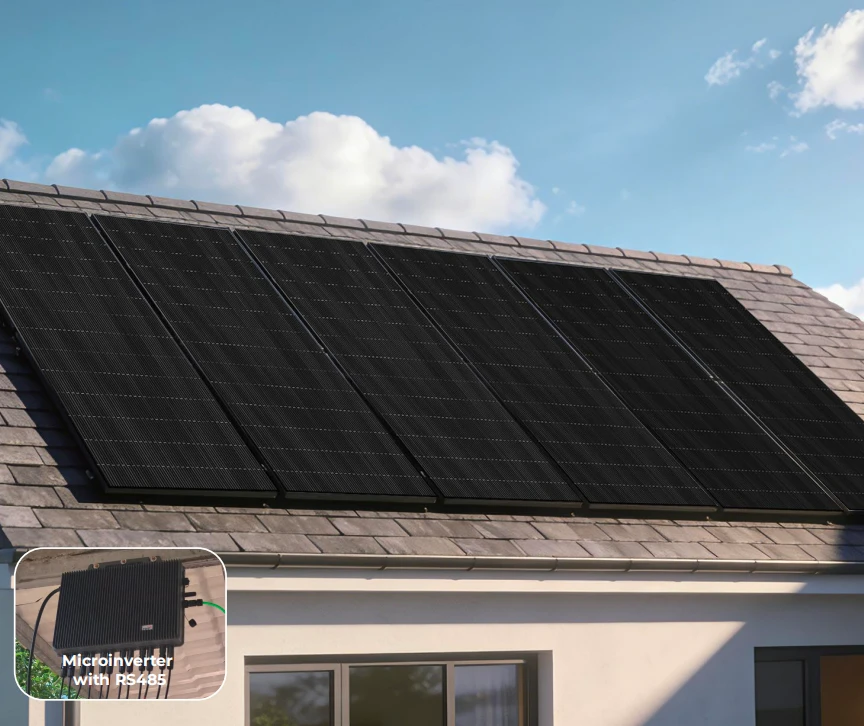
The physical mounting of a panel is only half the equation; the electrical conversion must be equally streamlined. Microinverters are the ideal companion for angled kits because they can be mounted directly behind the panel, hidden from view and protected from direct weather exposure by the panel itself.
The integration of high-frequency isolation and a low DC input voltage—such as the 60V max input found in advanced microinverters—significantly reduces installation risk and eliminates the need for complex DC safety boxes in DIY kits.
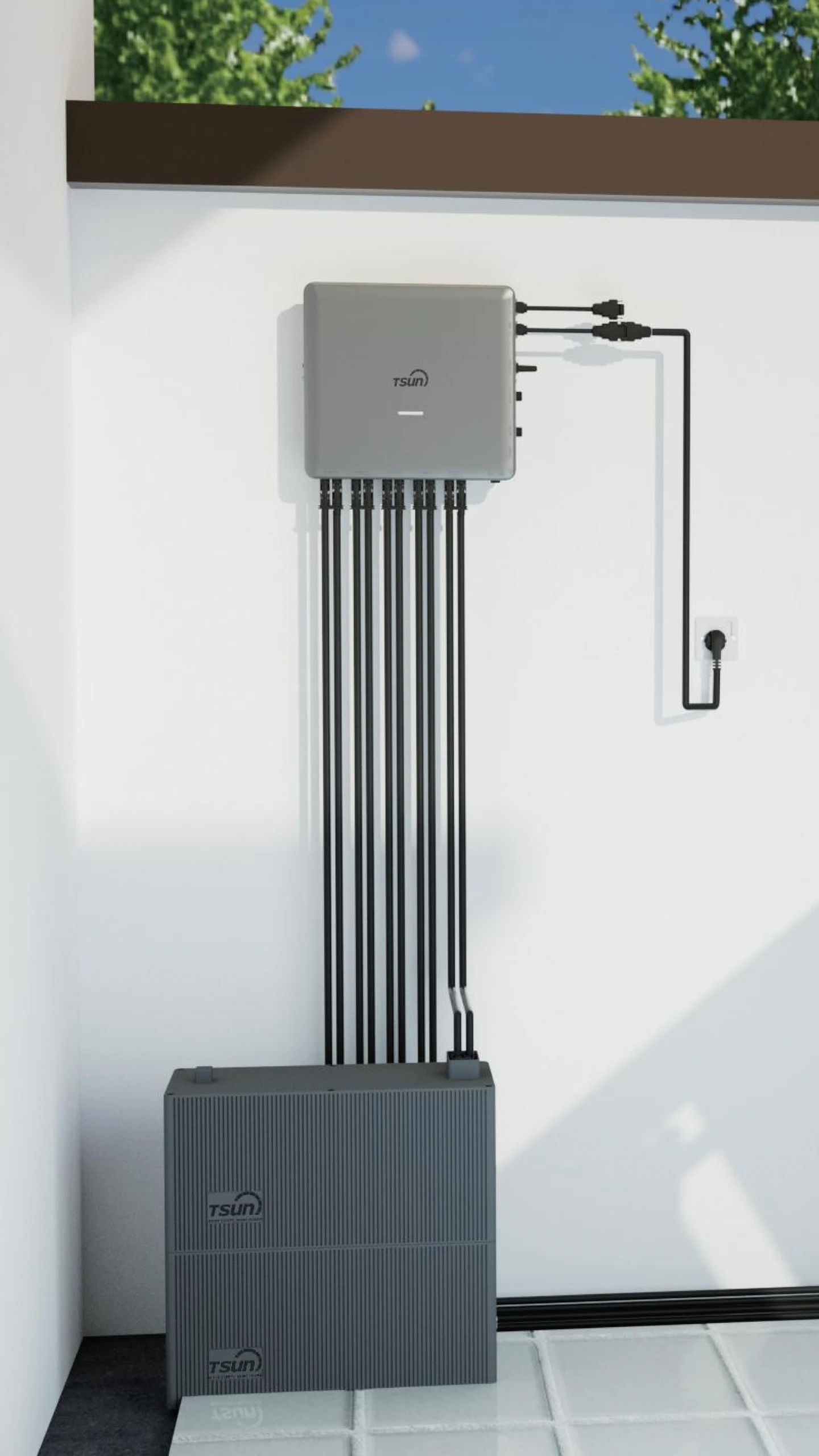
When using a 6-in-1 microinverter, the daisy-chain capability allows multiple angled panels to be linked without excessive cabling. This creates a clean, professional-looking installation where the wiring is as modular as the brackets. The result is a system that is not only cheap to install but highly scalable for the user's growing energy needs.
—
Performance Metrics of Modular Kits
Evaluating the value of an angled kit requires looking beyond the initial purchase price. The true metric is the "Efficiency-to-Cost Ratio." A kit that is marginally cheaper but lacks the proper angle for the user's latitude will result in lower annual kilowatt-hour (kWh) production, extending the payback period of the entire investment.
By analyzing typical urban installations, we can see how different mounting strategies impact the overall system effectiveness. The following index illustrates the relative value of various setup configurations based on installation ease, energy yield, and initial expenditure.
Figure 2. Solar Mounting Setup Value Comparison
—
Deployment Scenarios for Urban Environments
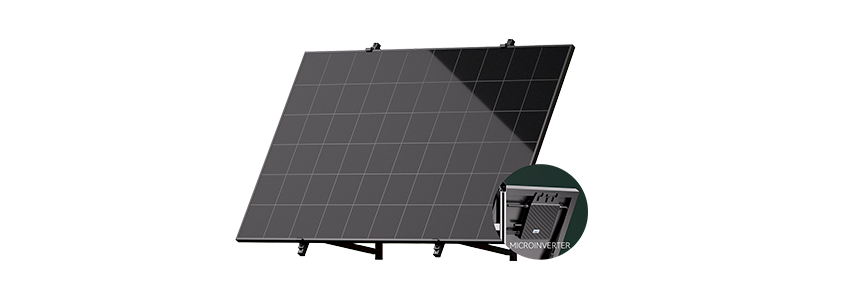
In high-density residential areas, the "Balcony Air Angled" configuration is particularly effective. These systems allow the panel to sit at an angle that avoids shading from the balcony above while maintaining a secure hold on the railing. This is often paired with an "Easy Solar Kit" that includes the panel, microinverter, and bracket in a single package to ensure total compatibility.
Another emerging scenario is the "On the Ground (Ready to Use)" approach for small courtyards or carports. Here, the angled brackets are attached to a portable frame, allowing the user to move the system to follow the sun or clear snow in winter, maximizing the uptime of the energy generation.
—
Future Shifts in Balcony Energy Storage
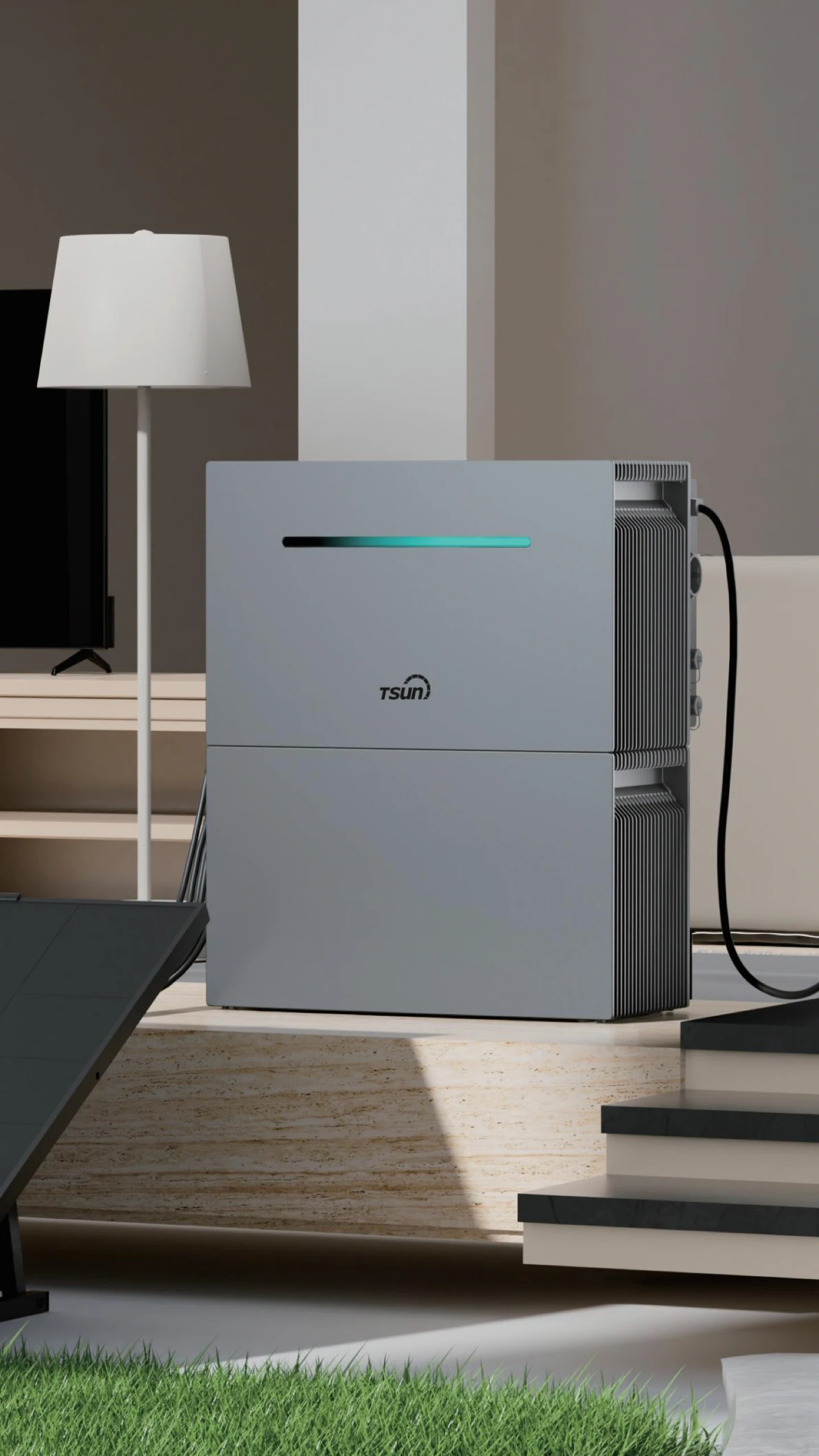
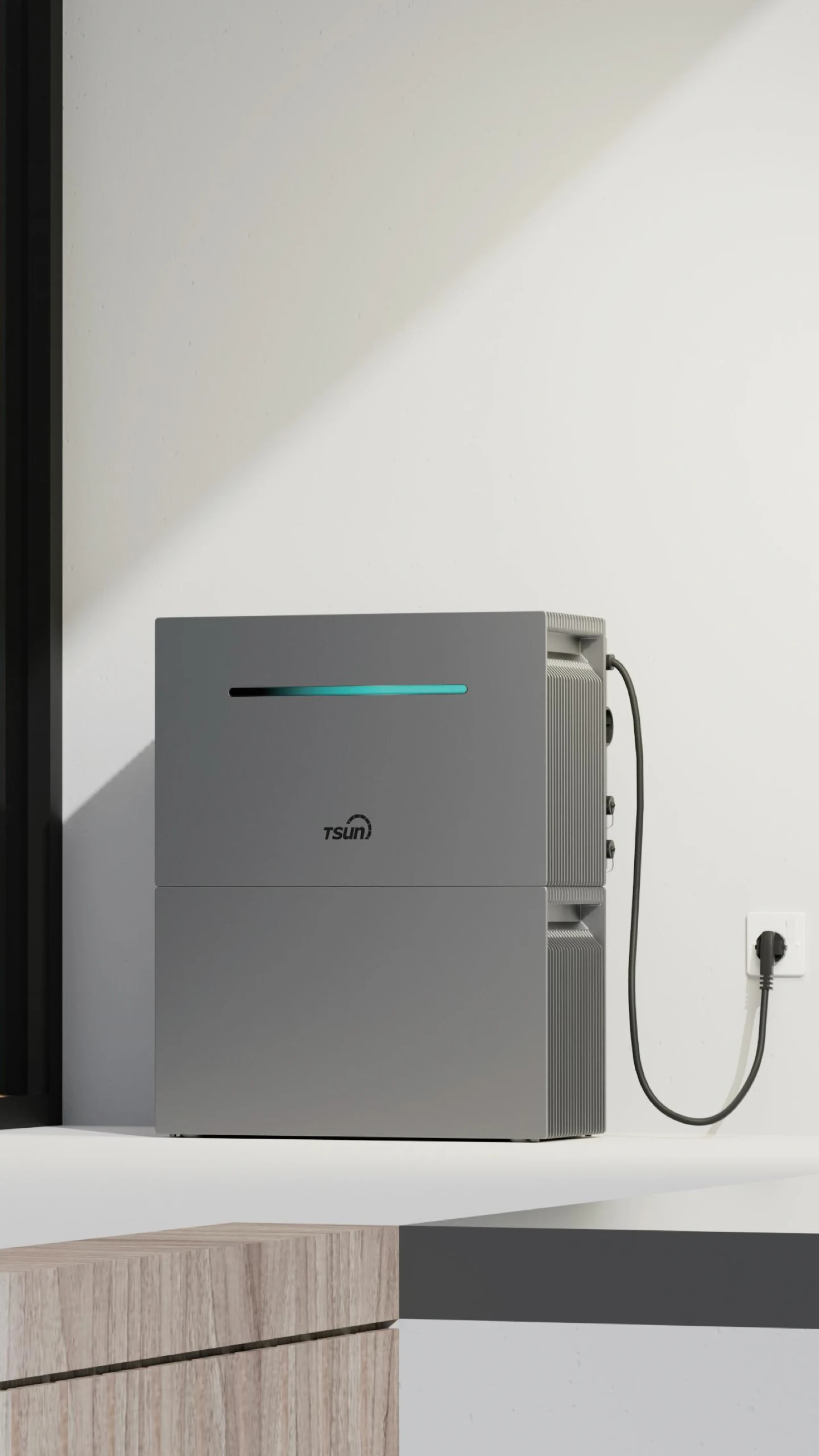
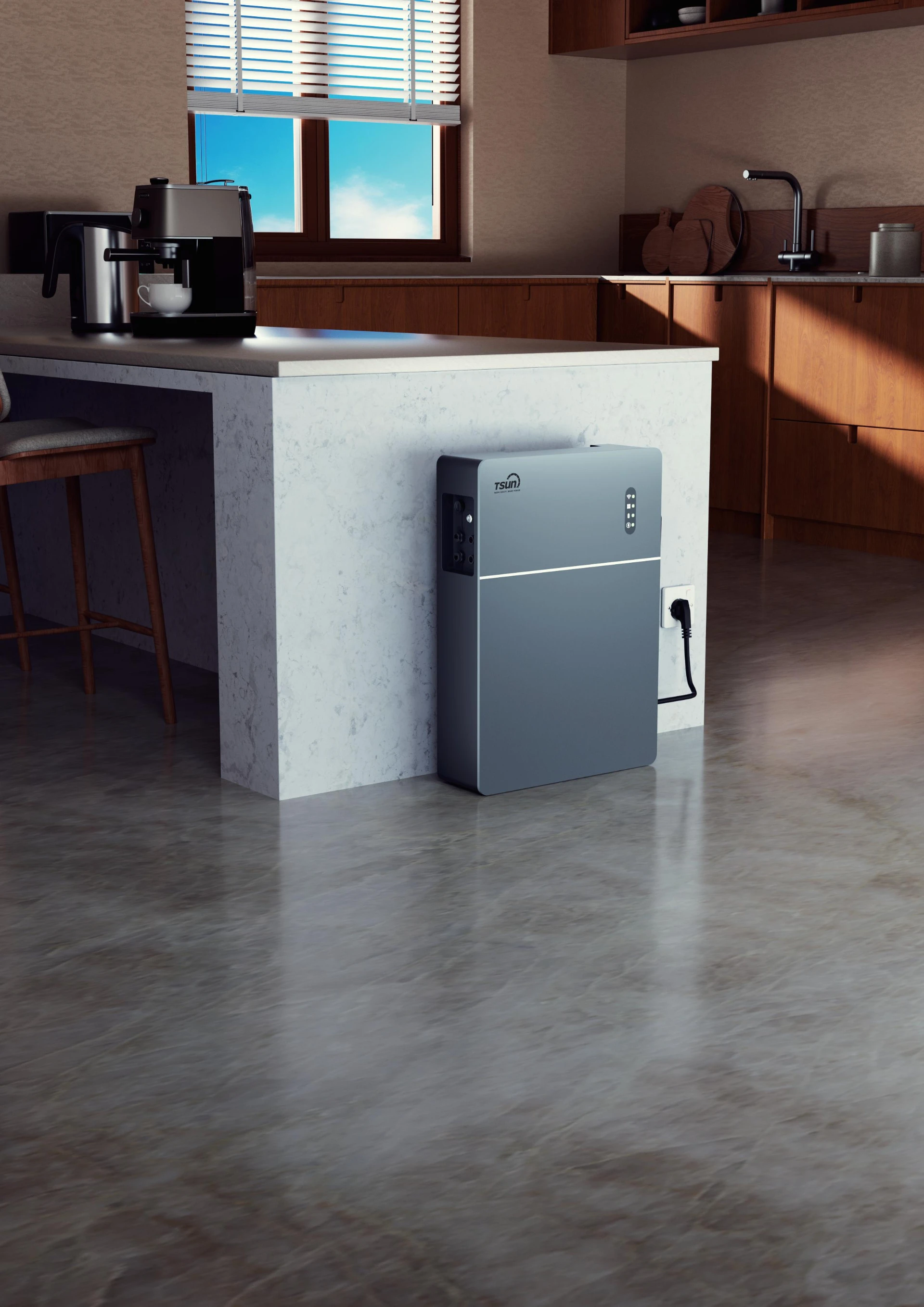
The industry is moving toward a holistic "Micro Hybrid" approach. Instead of just generating power and feeding it into the grid, new systems integrate the angled kit with an AC-coupled storage unit. This allows users to store excess energy generated during peak sunlight hours for use at night, fundamentally changing the economics of small-scale solar.
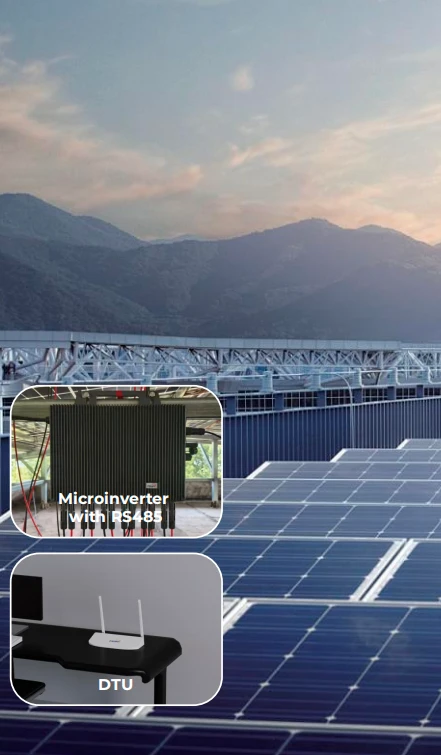
We are also seeing a push toward smarter monitoring. The combination of Wi-Fi, RS485, and Bluetooth communication in modern microinverters allows users to track the performance of their angled panels in real-time. This data helps users determine if a manual adjustment of the panel angle is necessary to optimize winter yield.
Ultimately, the goal is the "Zero-Effort" solar home. As installation kits become more intuitive and the synergy between mounting hardware and energy storage tightens, solar adoption will expand from early adopters to the general urban population.
—
Selection Framework for Easy Solar Kits
Choosing the right kit requires a trade-off analysis between initial cost and long-term yield. While "cheap" options are attractive, the structural reliability—specifically the ability to withstand high wind loads on a balcony—must be the primary filter.
Buyers should verify that the kit is compatible with high-wattage modules (up to 700W) and that the included microinverter supports the local grid's phase requirements. For industrial or larger residential sites, a three-phase microinverter with IP67 protection is necessary to ensure a 25-year operational lifespan.
The following table provides a comparative framework for selecting the appropriate mounting and electrical combination based on the specific installation site and goal.
Table 1. Solar Kit Selection Matrix by Installation Scenario
| Scenario |
Recommended Bracket |
Electrical Pairing |
Primary Priority |
| Rental Balcony |
Angled Spider Kit |
Microinverter 2-in-1 |
Non-invasive Install |
| Private Courtyard |
Pop-Up/Ground Kit |
Hybrid Microinverter |
Energy Storage |
| Flat Roof (DIY) |
Universal Adjustable |
Microinverter 4-in-1 |
Max Energy Yield |
| Industrial Wall |
Heavy-Duty Angled |
Three-Phase Microinverter |
Grid Stability |
| Small Apartment |
Vertical/Angled Hybrid |
Balcony Energy Storage |
Space Optimization |
| Off-Grid Cabin |
Adjustable Spider Kit |
AC Coupled System |
System Autonomy |
◆ ◆ ◆
Questions & Answers
A spider angled kit refers to a mounting system characterized by multi-point anchoring (similar to a spider's legs) that allows the solar panel to be held at a specific tilt relative to the mounting surface. Unlike flat mounts, these kits use geometric bracing to create an angle, which is essential for capturing sunlight on vertical surfaces like balcony railings or walls, thereby increasing energy harvest.
Yes, provided they are engineered with high-grade aluminum and proper anchoring hardware. High-quality angled kits are designed to distribute wind pressure across multiple contact points. However, users should always verify the maximum wind load rating of the kit and ensure that the balcony railing itself is structurally sound before installation.
Microinverters allow each panel to operate independently. In angled balcony setups, shading from nearby buildings is common. A string inverter would see the entire system's output drop if one panel is shaded. Microinverters eliminate this "Christmas light effect," ensuring that the unshaded panels continue to produce maximum power, which is critical for small, fragmented installations.
The ideal angle generally corresponds to your latitude. For example, if you live at 40°N, a tilt of roughly 30-40 degrees typically maximizes annual production. However, if your goal is to maximize winter energy, a steeper angle is better. Adjustable spider kits are superior here as they allow you to tweak the tilt seasonally to maintain peak efficiency.
Most modern kits are designed for DIY installation, utilizing MC4 connectors for panels and standard AC plugs for the grid. When paired with a microinverter, the process is largely mechanical assembly and cable connection. However, users should still check local electrical codes and may need a certified electrician to verify the final connection to the home's breaker box for safety.
While the electronic components like microinverters can be rated for 25 years, the physical lifespan of a kit depends on the material. Anodized aluminum brackets are highly durable and typically last as long as the panels themselves. The main points of failure are usually the fasteners, which should be checked annually for tightness to ensure the system remains secure against vibration and wind.
◆ ◆ ◆
Final Thoughts
The transition to urban solar energy is no longer hindered by complex installations. The combination of cheap spider angled easy solar panel kits and high-efficiency microinverters has democratized energy production for millions of apartment dwellers. By focusing on the synergy between mounting geometry and electrical conversion, users can achieve significant energy savings without permanent structural changes to their homes.
As we move toward more integrated balcony energy storage solutions, the emphasis will shift from simple generation to intelligent management. Those who invest in modular, adjustable, and scalable kits today will be best positioned to integrate future battery technologies, ensuring their home remains energy-efficient for decades to come.





 LEARN DETAILS
 Downloads
 Video Center
 Report Fault for Repair
 FAQS
 Service Network
 Privacy Policy
 Contact Us
 Monitoring