Is the ESK Balcony Air Vertical the Right Kit for Your Project?
Balcony solar kits span several mounting styles and panel types. Choosing the wrong variant can mean a panel that is too heavy for a lightweight fence, an output rating that undershoots demand, or a bracket geometry that does not suit the available space. This guide walks through the practical criteria that should drive your evaluation of the ESK Balcony Air Vertical and explains how it sits within the broader TSUN Easy Solar Kit (ESK) lineup.
What the ESK Balcony Air Vertical Is
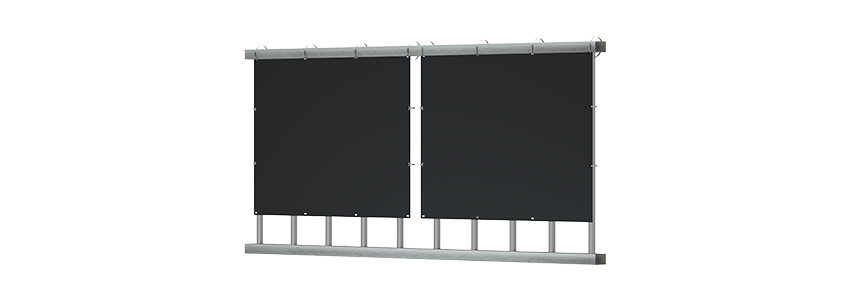
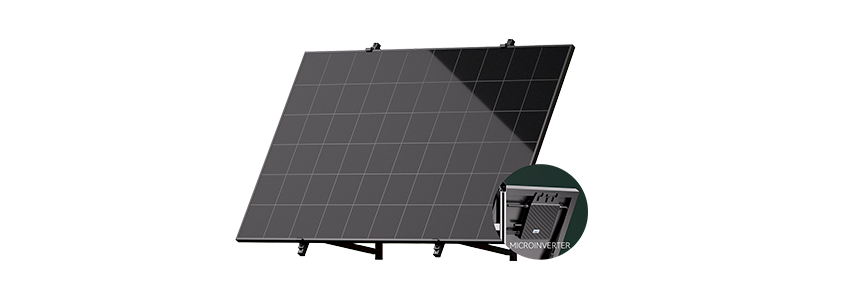
The ESK Balcony Air Vertical (models TSOL-ESK400-Air (V) and TSOL-ESK800-Air (V)) is a complete balcony photovoltaic kit developed by Headquarters TSUNESS Co., Ltd. under the TSUN brand. "Air" signals a lightweight flexible-panel design; "Vertical" refers to the panel orientation and bracket geometry suited to fence-mounted, portrait-style installation on balconies and high-rise facades.
Key published specifications (partial; refer to the official datasheet for complete parameters):
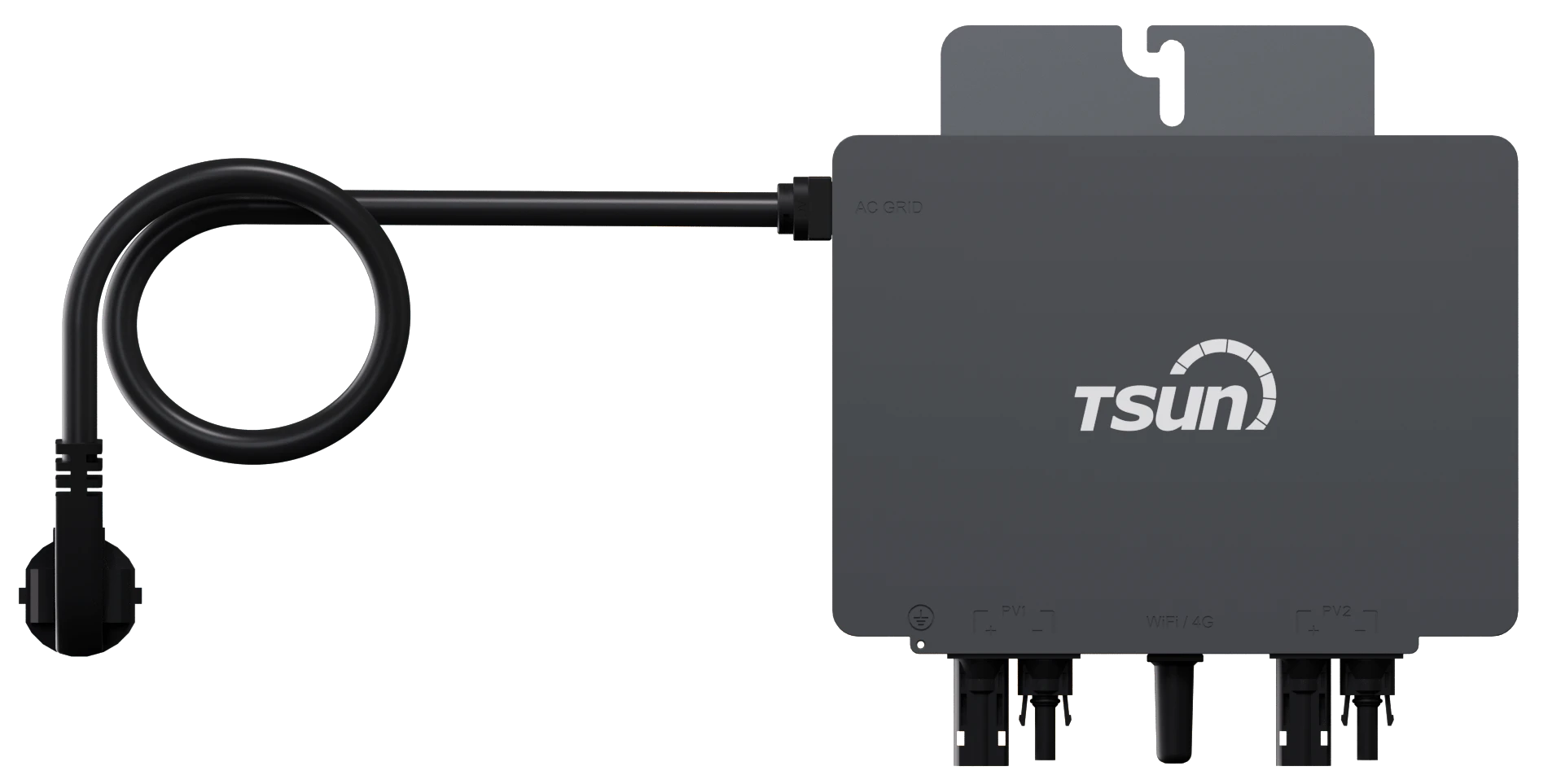
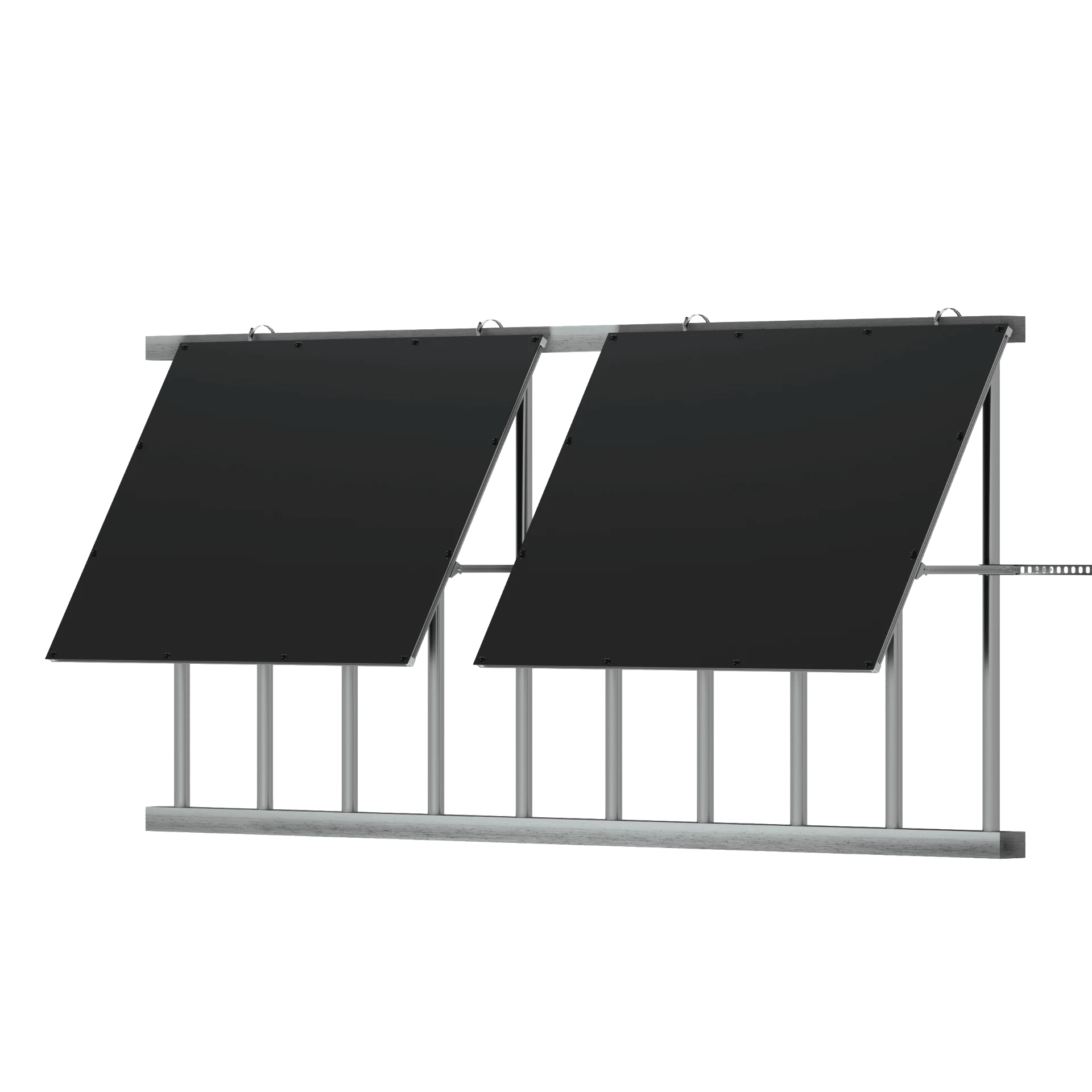
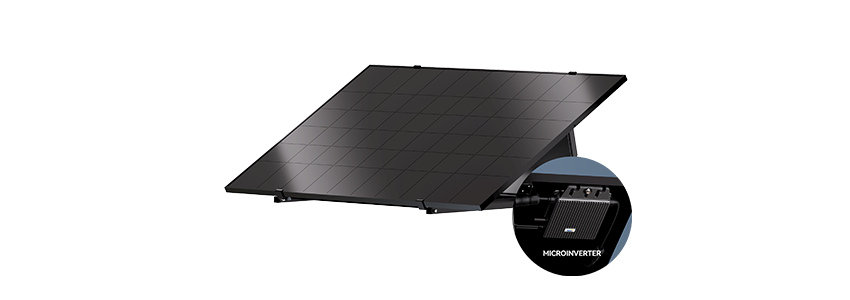
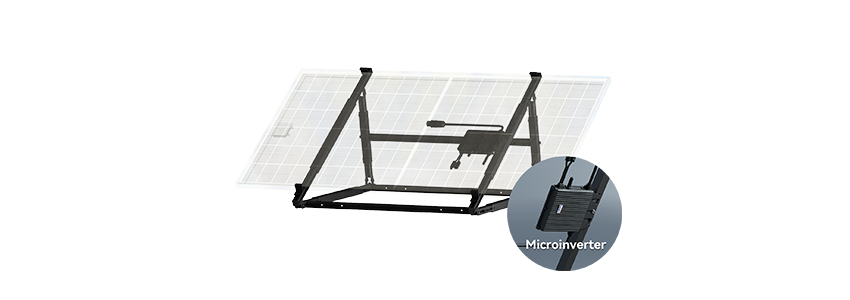
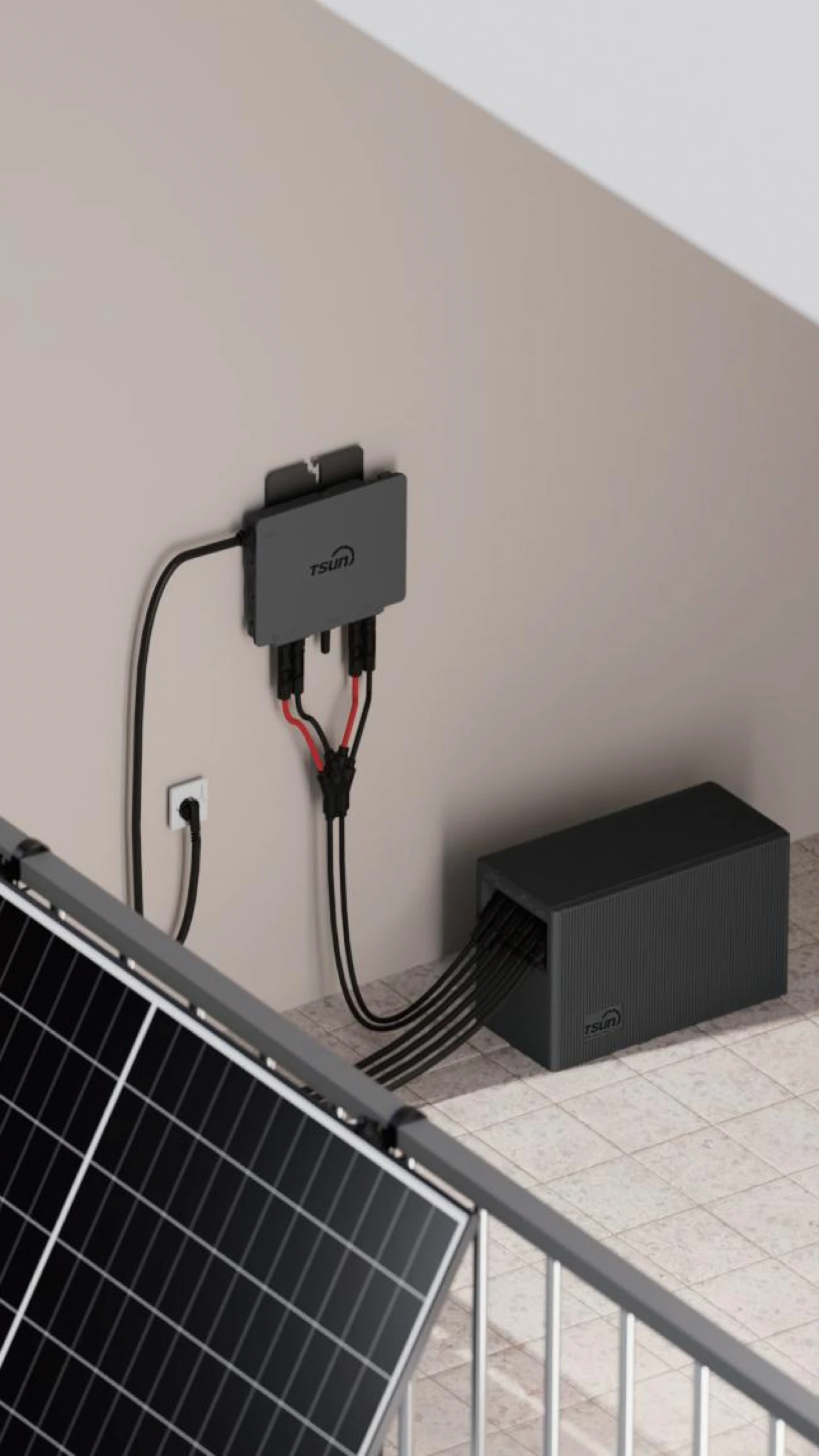
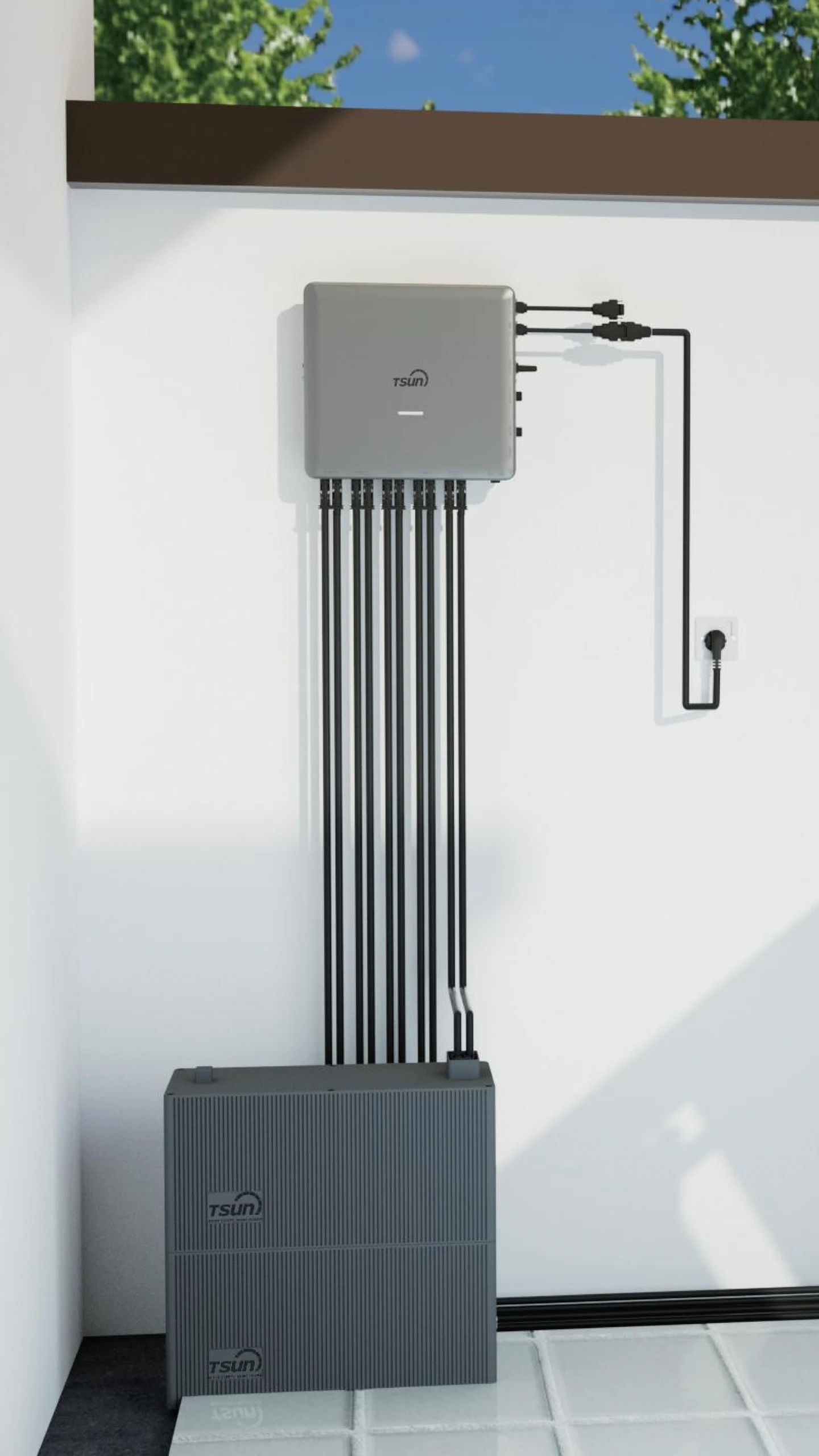
Each kit ships as a single all-in-one package containing the solar panels, a foldable bracket, a microinverter, an AC end cable with plug, and all accessories. No additional components need to be purchased separately.
Selection Criteria
1. Structural Load Capacity of the Fence or Railing
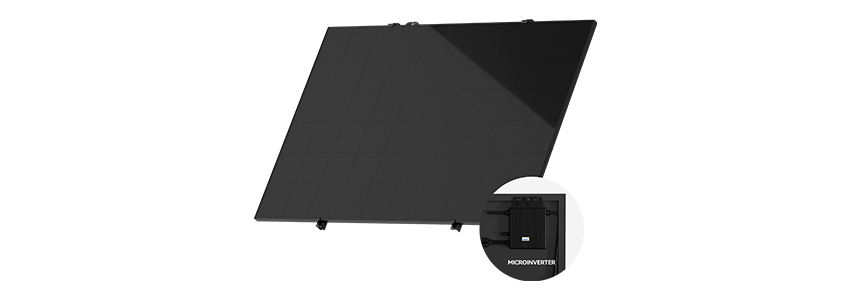
The most decisive criterion for the Air Vertical variant is structural load. The flexible panels weigh 3 kg each, and the design is explicitly intended for fences that are lightweight or structurally limited. If your fence or railing cannot bear the heavier rigid glass panels used in the standard ESK Balcony Vertical, the Air Vertical addresses that constraint directly. Conversely, if your balcony structure is robust and weight is not a concern, you may also wish to evaluate the ESK Balcony Vertical or ESK Balcony Angled, which use rigid panels rated up to 430 W each and achieve a higher maximum module efficiency (up to 24% on certain configurations).
Apply ESK Balcony Air Vertical when: the fence or railing has low load capacity, is structurally uncertain, or the installer needs to avoid heavy lifting at height.
2. Panel Orientation: Vertical vs. Angled
The ESK lineup offers both vertical (portrait) and angled (landscape or tilted) bracket configurations. The Air Vertical keeps panels in a fixed vertical orientation, which is optimised for integration with fence railings and for minimising wind-load profile on high-rise balconies. If the installation site has an obstructed vertical face or requires adjustable tilt to maximise sun capture, the ESK Balcony Air Angled (TSOL-ESK400-Air (A) / TSOL-ESK800-Air (A)) — which shares the same lightweight Air panel format — or the ESK Balcony Angled (rigid panels, adjustable bracket) may be a better fit. Both offer an adjustable angle bracket designed to lock in the optimal capture angle.
Apply ESK Balcony Air Vertical when: the mounting surface is a flat fence or railing requiring a portrait-oriented installation with minimal protrusion.
3. System Output Capacity (400 W vs. 800 W)
Within the Air Vertical range, buyers choose between the 400 W two-panel configuration and the 800 W four-panel configuration. The 800 W variant doubles output current (4 A vs. 2 A) and panel count. Selection should be based on the available fence length, the grid connection rules that apply in the target market, and the household's target self-consumption offset. Headquarters TSUNESS Co., Ltd. does not publish prices or delivery times in the confirmed materials; buyers should contact the company directly for commercial terms.
Apply 400 W: smaller fence sections, entry-level installations, or markets with regulatory caps at or below 400 W for plug-in balcony systems.
Apply 800 W: larger fence sections, higher self-consumption targets, or markets that permit up to 800 W for balcony solar.
4. All-Weather and Environmental Durability
The ESK Balcony Air Vertical carries IP67 waterproofing, meaning it is rated for protection against dust ingress and temporary immersion. This makes the kit suitable for rain, snow, and high-UV environments. The operating ambient temperature range of −25 °C to +65 °C supports deployment across a wide range of climates, from Northern European winters to the warmer markets of the Middle East and Southeast Asia. Buyers in extreme-temperature regions should verify local site conditions against this range using the full datasheet.
5. Monitoring and Communication Requirements
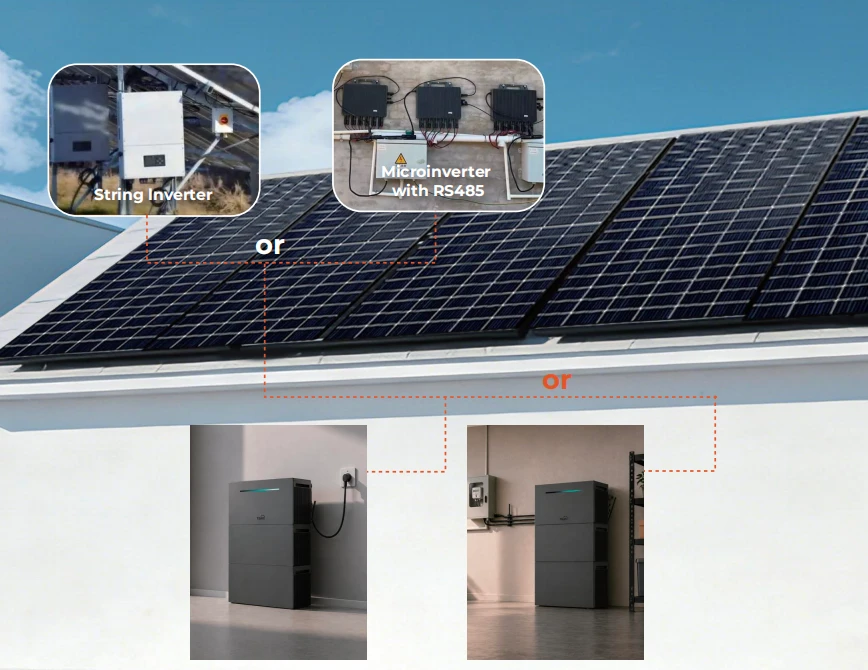
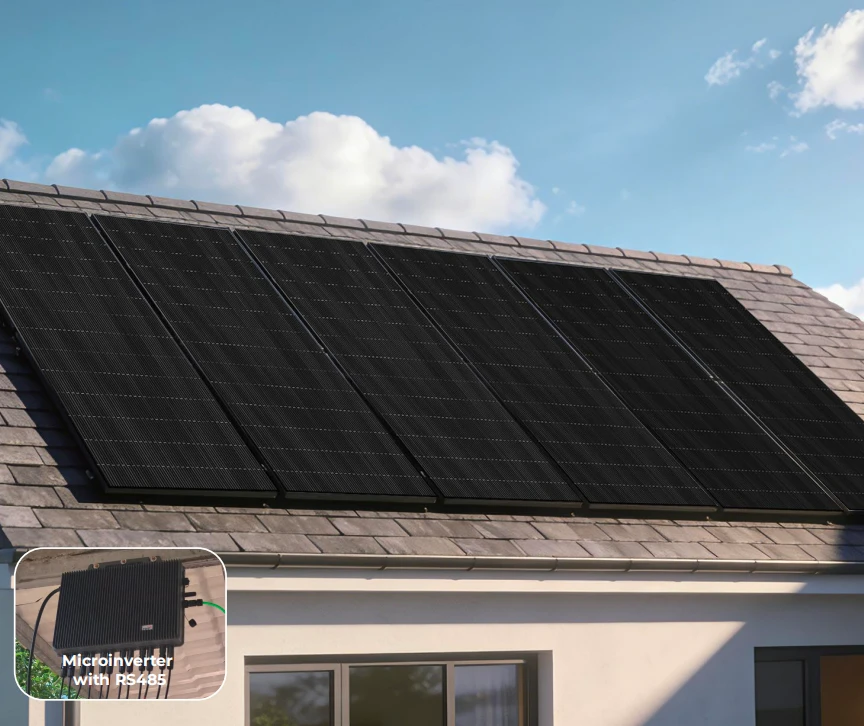
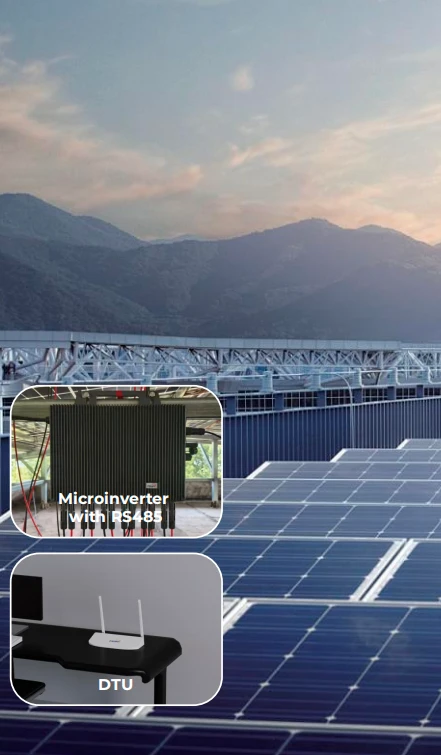
The ESK Balcony Air Vertical supports four communication methods via the included microinverter: Wi-Fi (recommended for balcony systems), RS485 (anti-reverse flow and C&I projects), 4G (rooftop or remote sites without Wi-Fi), and Bluetooth (local real-time monitoring without network access). Before purchasing, verify which communication method your monitoring infrastructure supports. If your project requires RS485 for anti-reverse flow compliance — common in certain European and Middle Eastern grid regulations — confirm the specific microinverter model and wiring requirements with Headquarters TSUNESS Co., Ltd.
6. DIY Suitability and Skill Level
The TSUN ESK kits are designed around a plug-and-play installation model. The Air Vertical does not require professional installer credentials for physical assembly, as the kit ships with all required hardware and documentation. Buyers for distribution or resale into markets with licensing or grid-connection rules should verify local regulatory requirements independently, as these differ by country and utility.
How ESK Balcony Air Vertical Compares Within the ESK Range
All TSUN ESK variants share the same core all-in-one packaging concept, IP67 weatherproofing, the same nominal output voltage (220/230/240 V), and the same maximum continuous output options (400 W or 800 W). The differences lie in panel weight, panel efficiency ceiling, and bracket geometry:
If weight is not a constraint and maximising panel efficiency is the priority, the rigid-panel ESK Balcony Vertical or ESK Balcony Angled (both rated up to 24% module efficiency on certain configurations) merit evaluation. If the installation is on a structurally limited fence and tilt optimisation is also needed, the ESK Balcony Air Angled is the closer Air-family alternative.
Specification Checks Before Ordering
Before placing an order for the ESK Balcony Air Vertical, procurement teams should confirm:
- Fence load rating — verify the railing or fence can accept the bracket and panel load.
- Available fence length and height — confirm the vertical panel footprint fits the mounting surface.
- Grid and regulatory compliance — check whether plug-in balcony solar systems are permitted in the target market and at the specified wattage (400 W or 800 W).
- Communication infrastructure — confirm available Wi-Fi, RS485, 4G or Bluetooth capability at the site.
- Full datasheet review — the specifications listed above are partial; request the complete datasheet from Headquarters TSUNESS Co., Ltd. for all electrical and mechanical parameters before final specification sign-off.
Summary
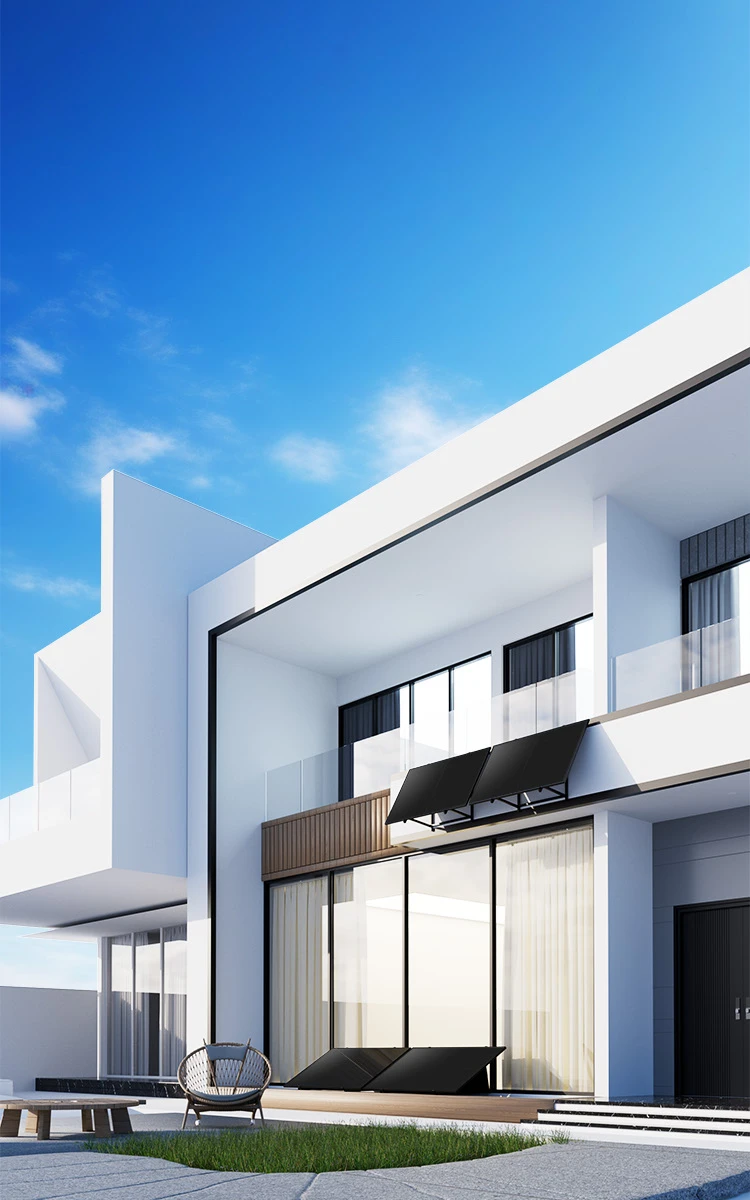
The ESK Balcony Air Vertical from Headquarters TSUNESS Co., Ltd. is specifically suited to balcony and high-rise fence installations where structural load is a primary constraint. Its 3 kg flexible panels, IP67 protection, and plug-and-play assembly lower the barriers to installation on lightweight or uncertain fence structures. Where weight is not the deciding factor, the wider ESK range — including rigid-panel and angled variants — offers higher module efficiency ceilings and adjustable tilt options. Matching the correct variant to the confirmed site conditions and regulatory environment is the core of a sound purchasing decision.





 LEARN DETAILS
 Downloads
 Video Center
 Report Fault for Repair
 FAQS
 Service Network
 Privacy Policy
 Contact Us
 Monitoring





 LEARN MORE