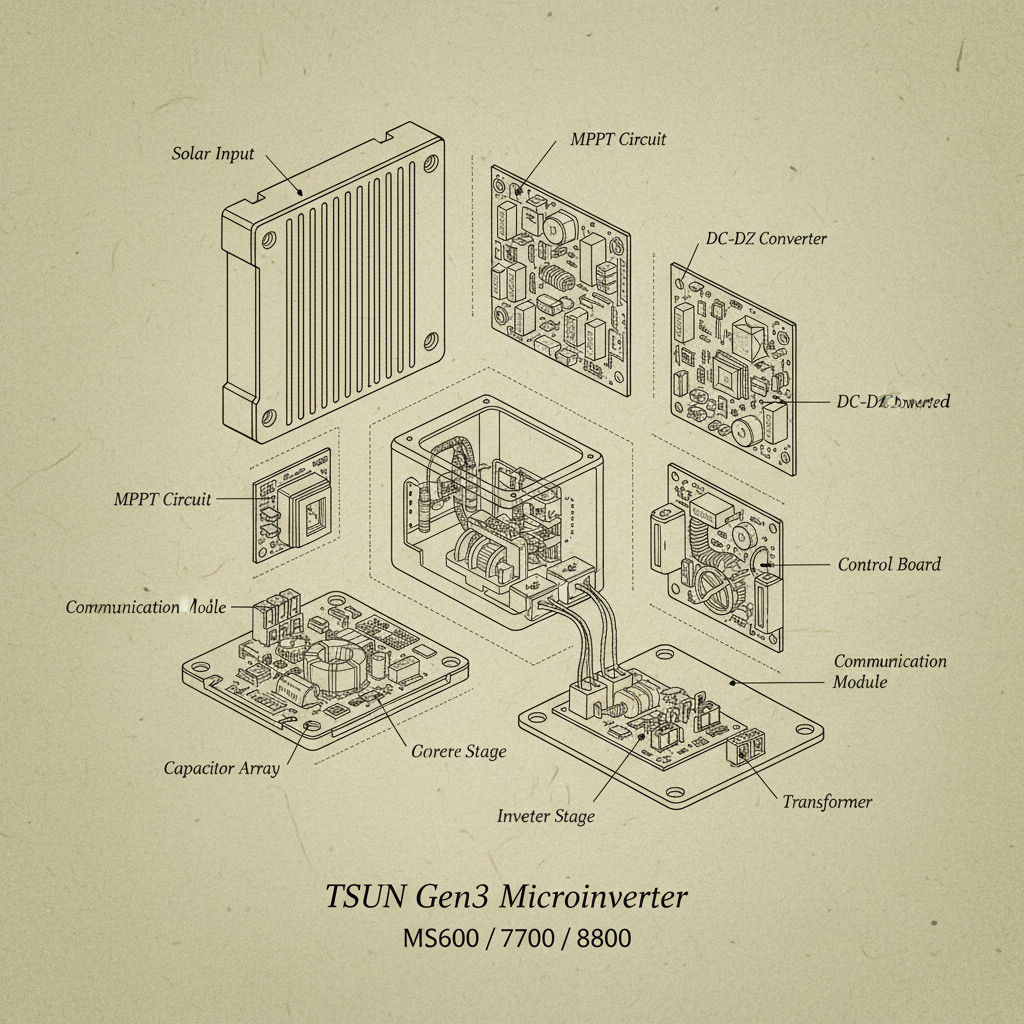
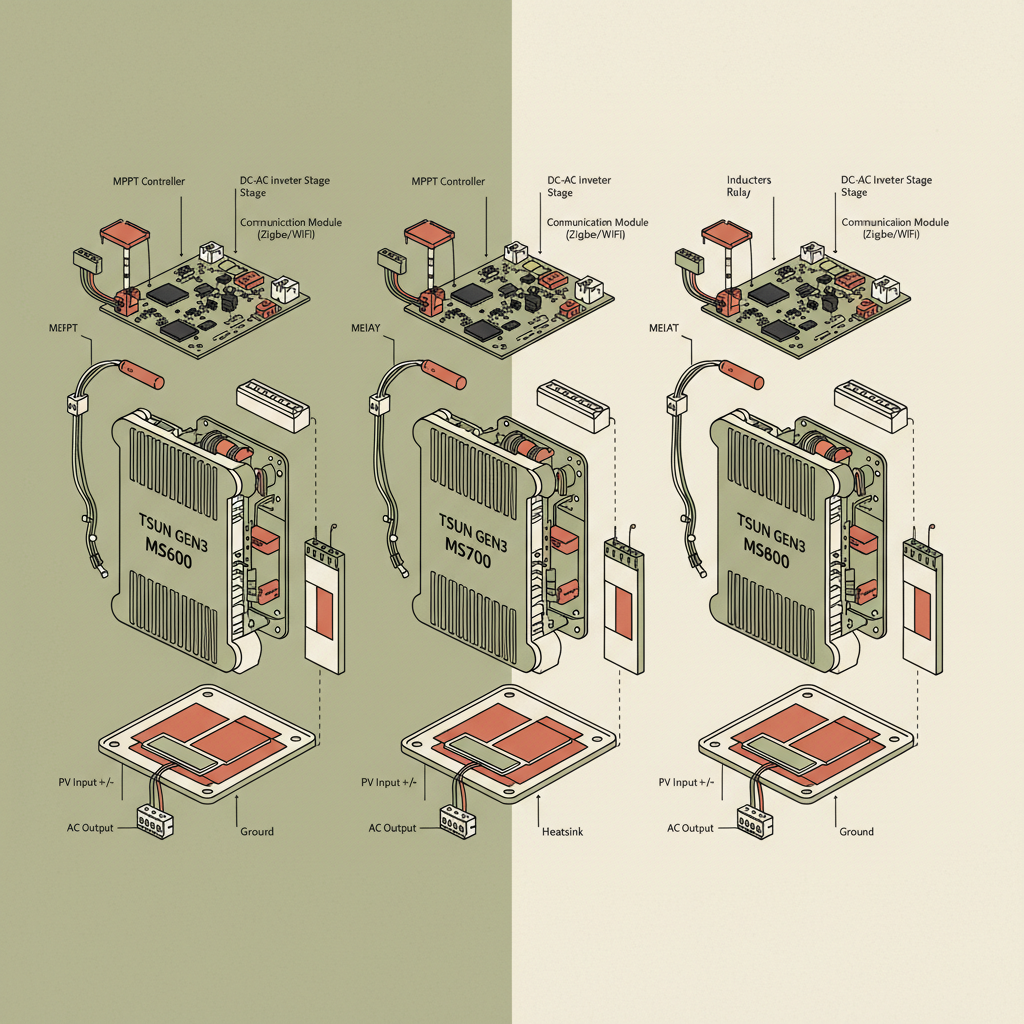
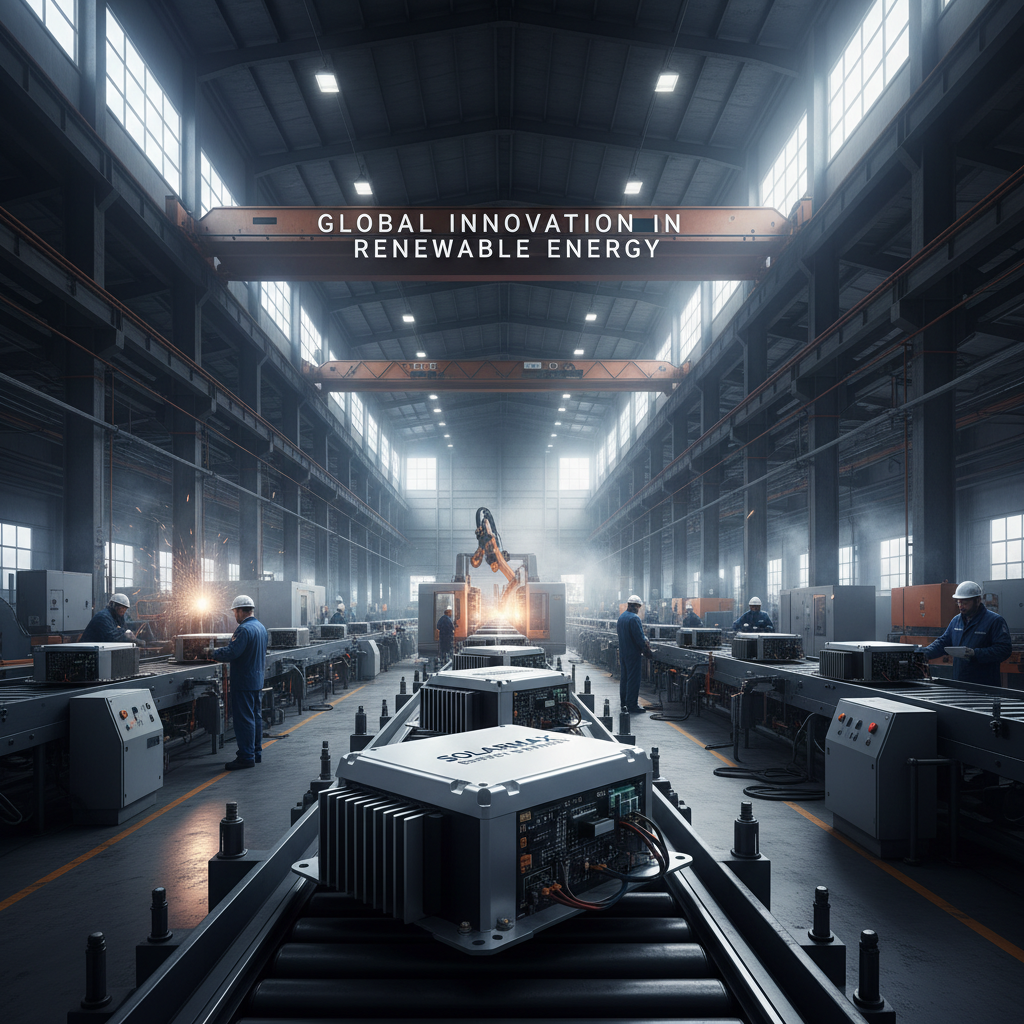
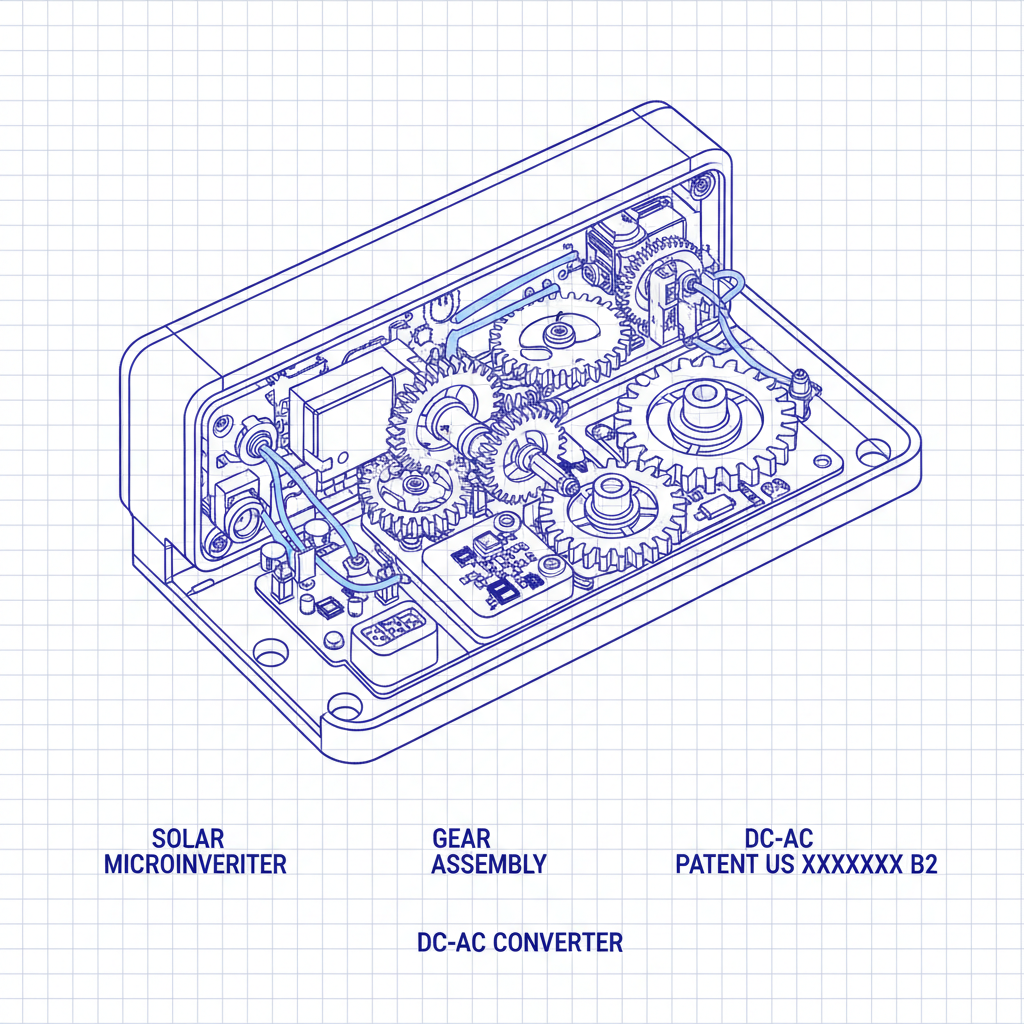
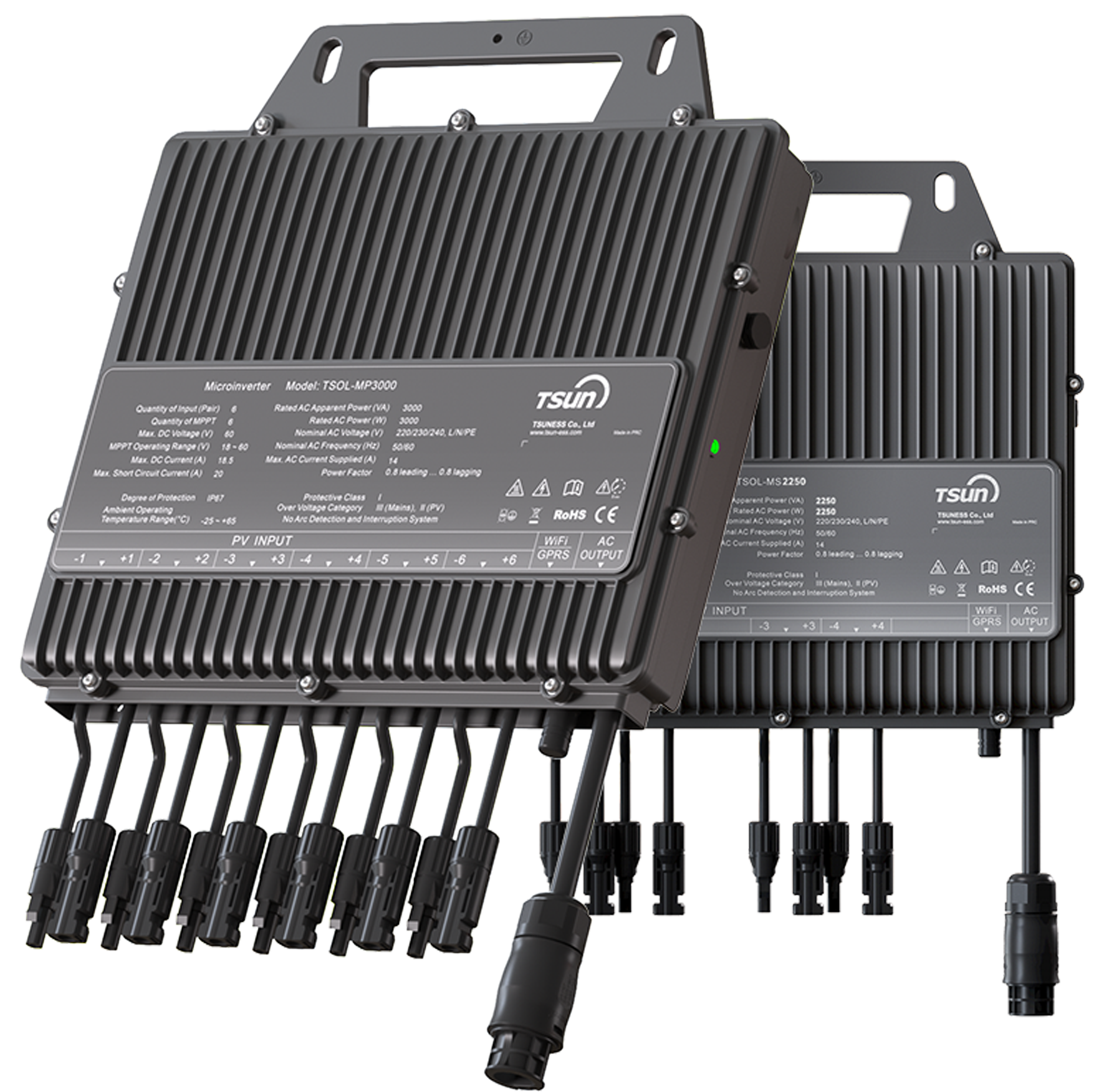
To be honest, things are moving fast these days. Everyone’s talking about efficiency, right? Pre-fab, modular… it’s all the buzz. But after years on sites, seeing what actually works versus what looks good on paper… well, there's a difference. A big one. The wholesale tsun gen3 microinverter ms600ms700ms800 – it’s part of that push, of course, distributed energy, smart grids. But it’s not just about the tech. It’s about making it something a guy can actually handle after a 12-hour shift.
Have you noticed how many products are designed by people who've never actually touched the materials? It's frustrating. You get these beautifully rendered designs, then you try to implement them and… disaster. A common trap is over-engineering the housing. Making it too complex. More parts mean more potential failure points. Keep it simple, robust. That's what I always say. And the wholesale tsun gen3 microinverter ms600ms700ms800, they’ve actually done a pretty decent job avoiding that.
Anyway, I think the biggest shift is really around the materials themselves. The enclosures… they're using a Polycarbonate blend. Not just any polycarbonate, though. It's got a UV stabilizer built in. Important, especially if you're putting these things on rooftops in, say, Arizona. Feels solid, you know? Not that cheap, brittle plastic. It has a slight oily feel when you handle it, which is good – means it's less likely to crack in cold weather. And the internal components… they’re encapsulating the boards in a conformal coating. Smells a bit like silicone when they first apply it at the factory. Keeps the moisture out.
Industry Trends and Design Pitfalls
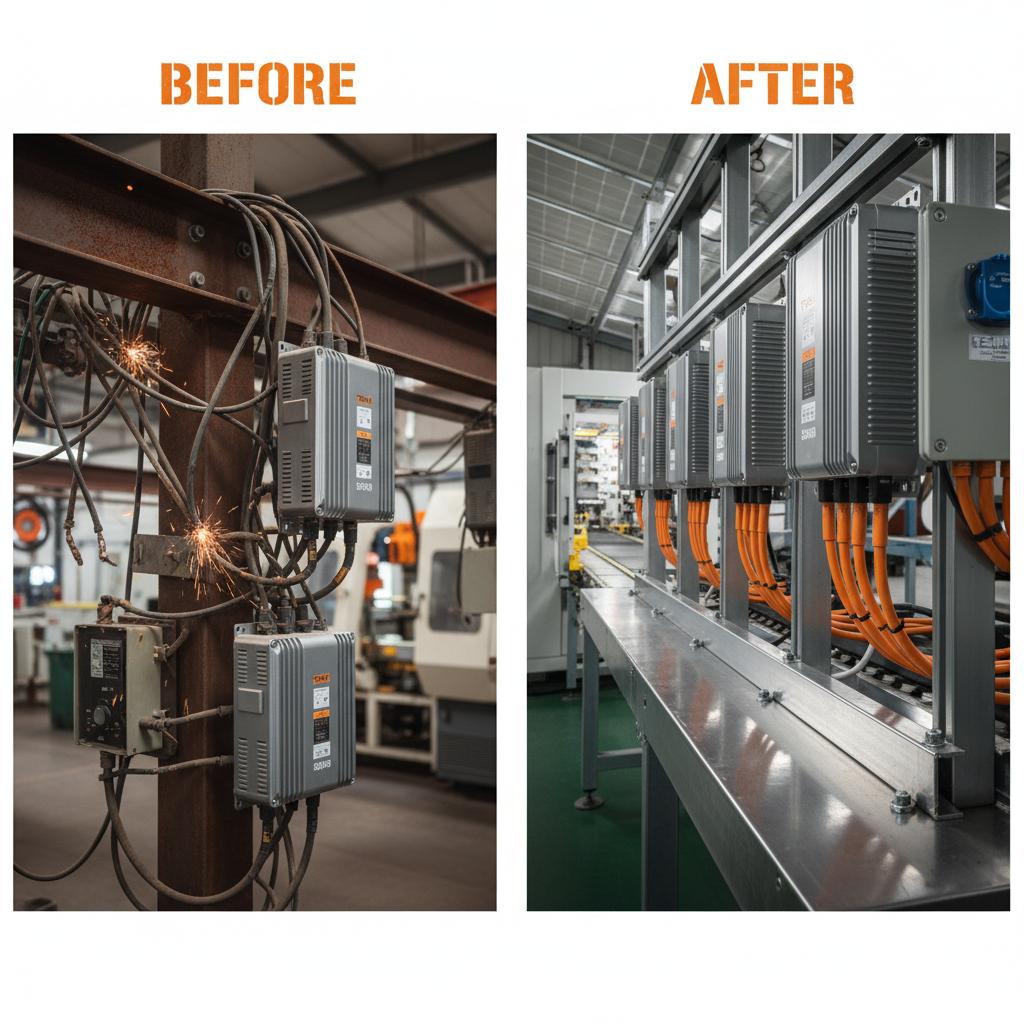
Strangely enough, everyone’s chasing peak efficiency, but they forget about long-term maintainability. I saw a system installed last year – beautiful, all glass and polished metal – but getting to the components for repairs? Forget about it. You needed a crane. With the wholesale tsun gen3 microinverter ms600ms700ms800, they’ve at least thought about access. Quick disconnects, clear labeling… small things, but they make a huge difference when you're scrambling to fix something in a downpour.
The push for smaller footprints is also causing problems. Cramming everything into a tiny box generates heat, and heat kills electronics. We’ve been seeing more and more thermal management issues. It's a battle, I tell you.
Material Science on the Ground
The connectors… those are key. I encountered this at a factory in Ningbo last time – they were using a cheaper alloy that corroded fast. Salt spray tests looked okay initially, but six months in a coastal environment? Ruined. The wholesale tsun gen3 microinverter ms600ms700ms800 folks are using marine-grade stainless steel. It adds to the cost, sure, but it's worth it. You can tell just by the weight, the feel. It's substantial. And they use a really good potting compound around the connections, too. Prevents water ingress.
The bus bars... they’re copper plated, which is good, but the thickness of the plating is what matters. Too thin, and it wears through. You start getting resistance, power loss. It’s the little details.
And the wiring! Don't even get me started. You need wire that’s rated for the environment, for the temperature swings. Too many companies cut corners there. They’ll use something that’s technically compliant, but it won’t last.
Real-World Testing and Validation
Lab tests are fine, but they don't tell the whole story. I’ve seen products pass every lab test imaginable, then fail spectacularly in the field. We do our own testing – simulated rooftop conditions, temperature cycling, salt spray, vibration. And we deliberately abuse them. Drop tests, impact tests… you name it. It's harsh, but it reveals weaknesses.
With the wholesale tsun gen3 microinverter ms600ms700ms800, we ran a long-term field test in Death Valley. Brutal conditions. They held up surprisingly well. We monitored the output, the temperature, the voltage… everything. We were expecting to see significant degradation, but it was minimal.
Another thing we do is get feedback from the installers. They're the ones who are actually wrestling with these things on a daily basis. Their input is invaluable. We’ve made several design changes based on their suggestions.
User Behavior and Practical Applications
Here’s something interesting: we initially thought these were going to be used primarily for residential rooftop installations. But we’ve found a lot of demand from commercial applications – small businesses, farms, remote monitoring stations. Turns out, the ability to scale up incrementally is a big selling point.
People are also using them in off-grid systems, powering things like water pumps and security cameras. It’s not always what you expect.
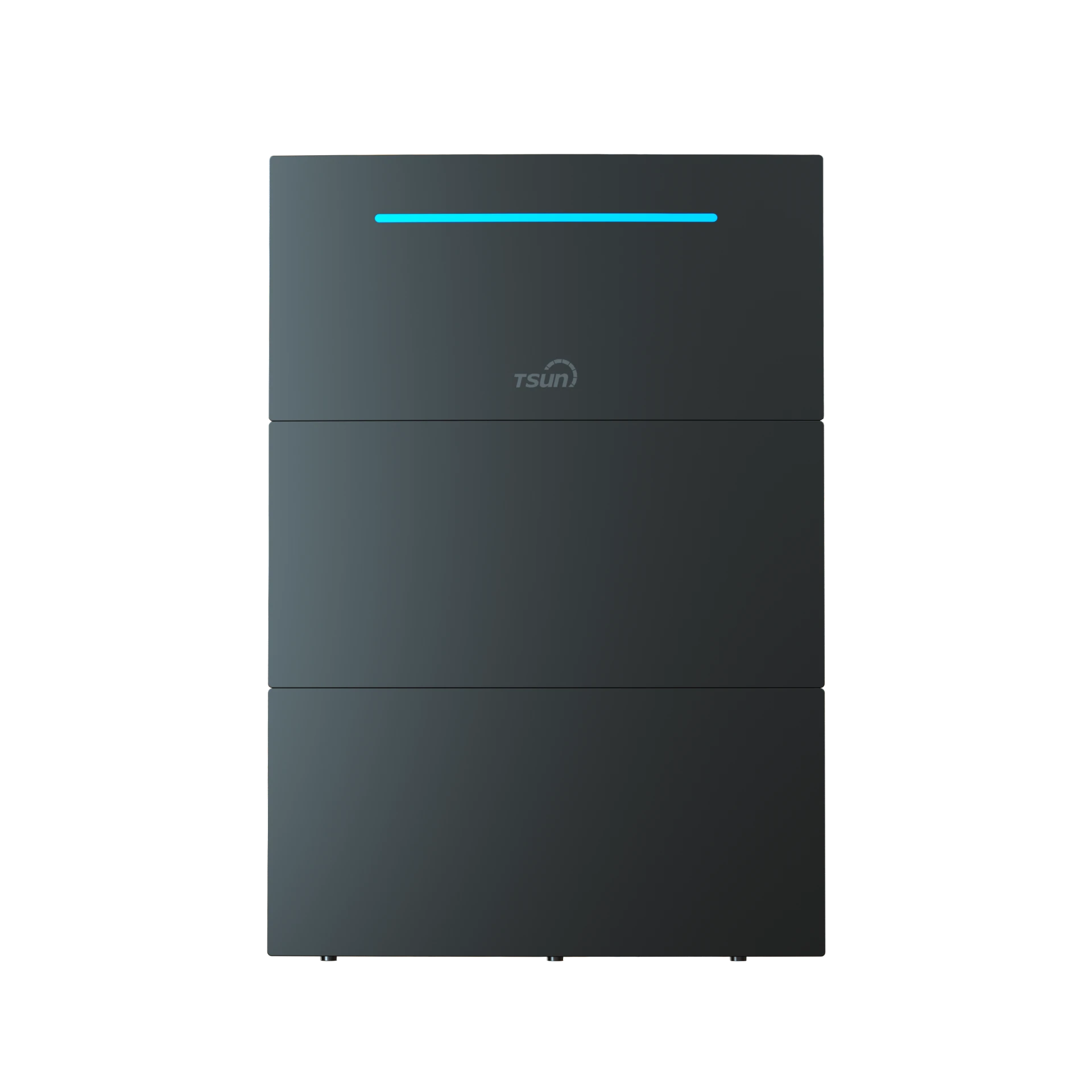
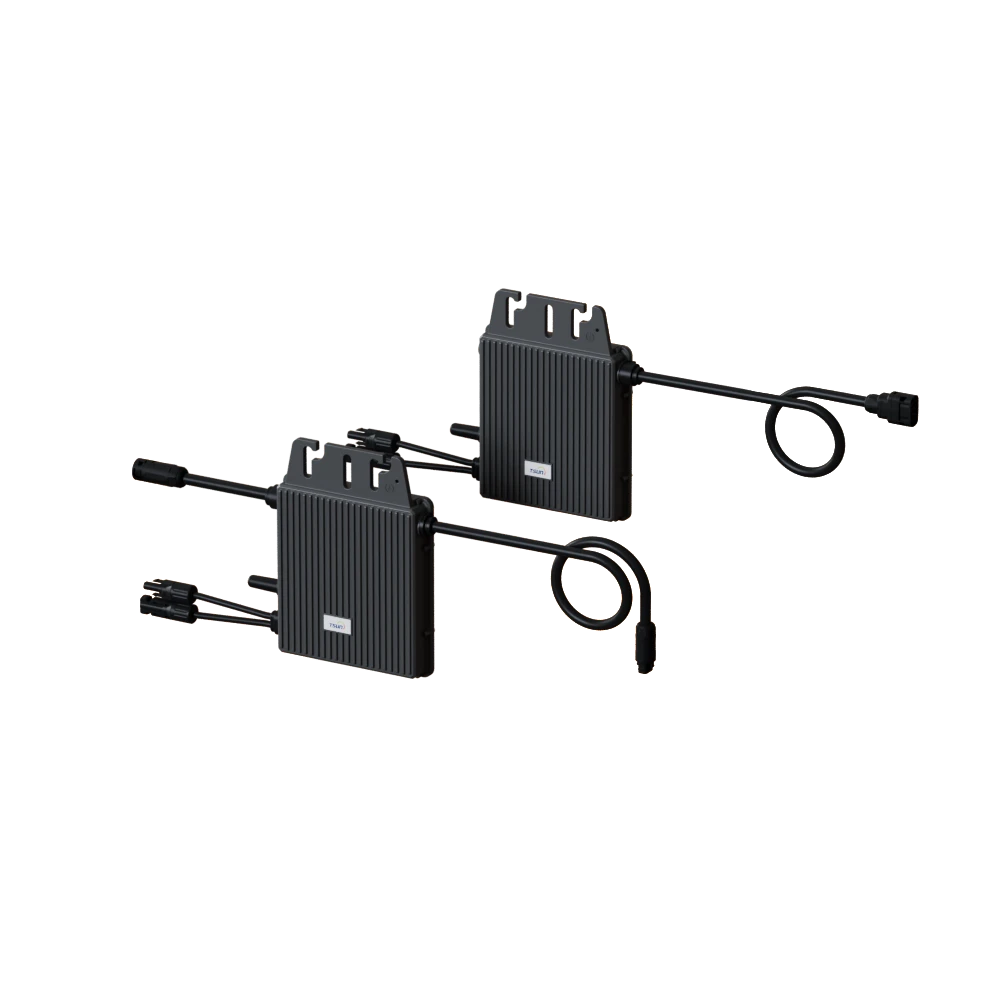
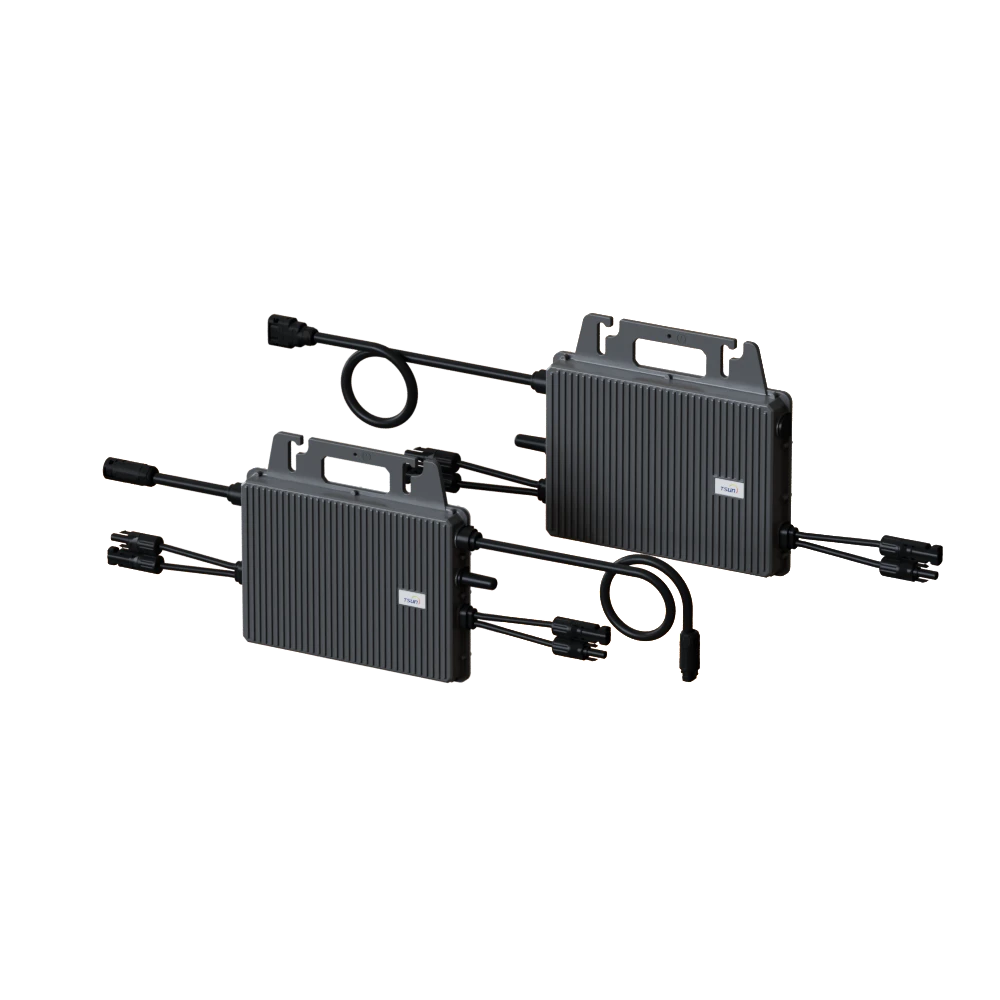
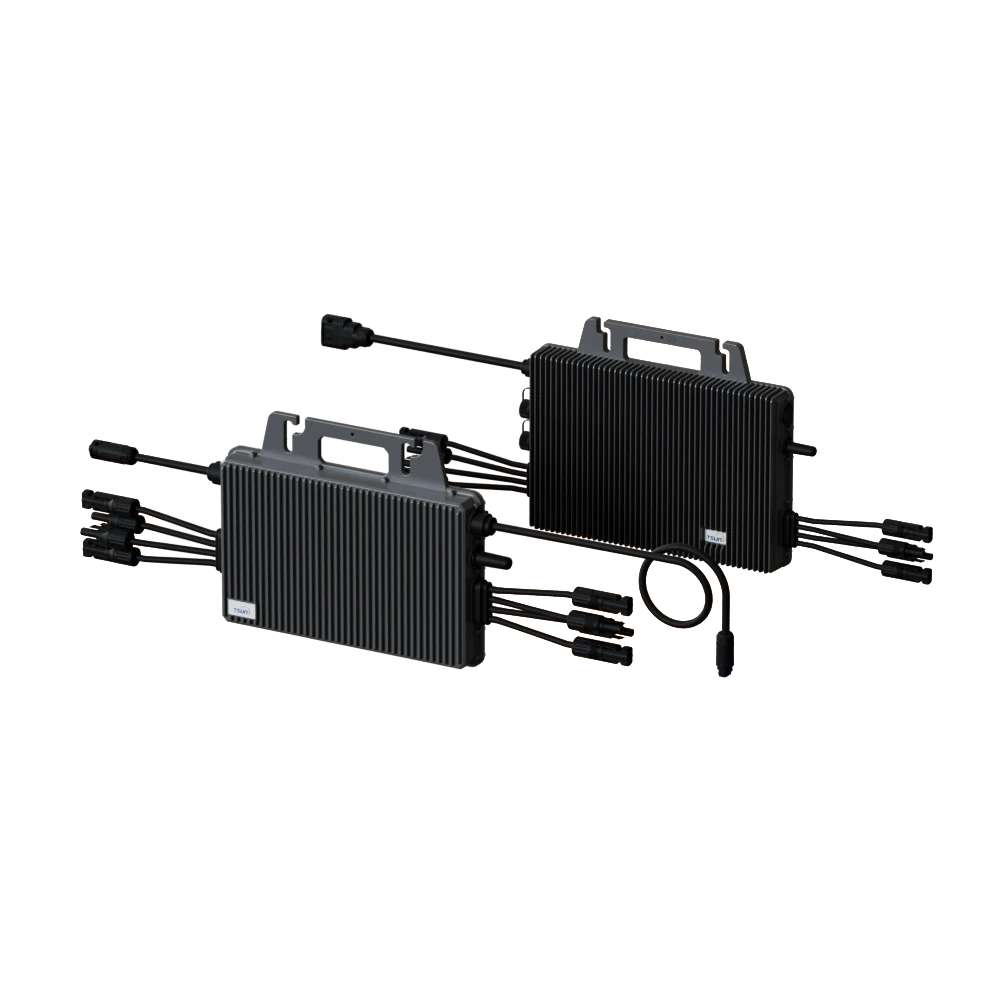
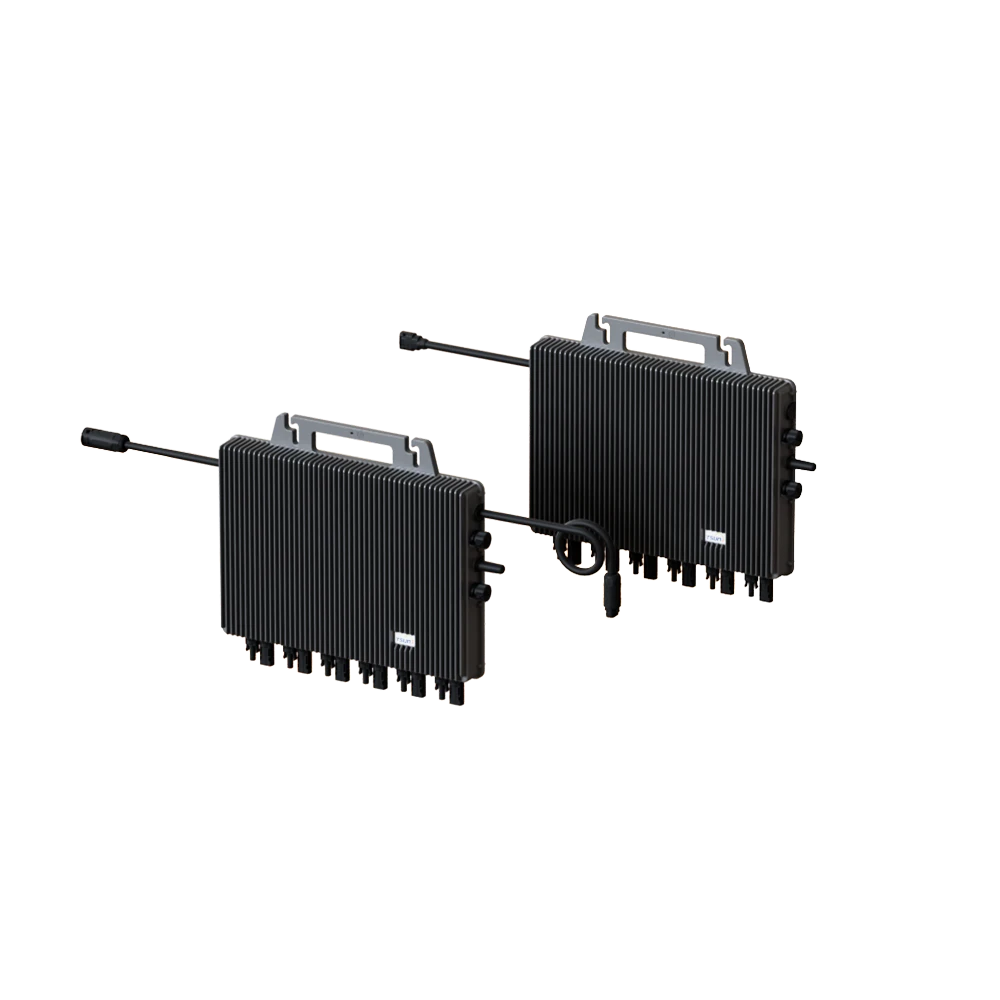
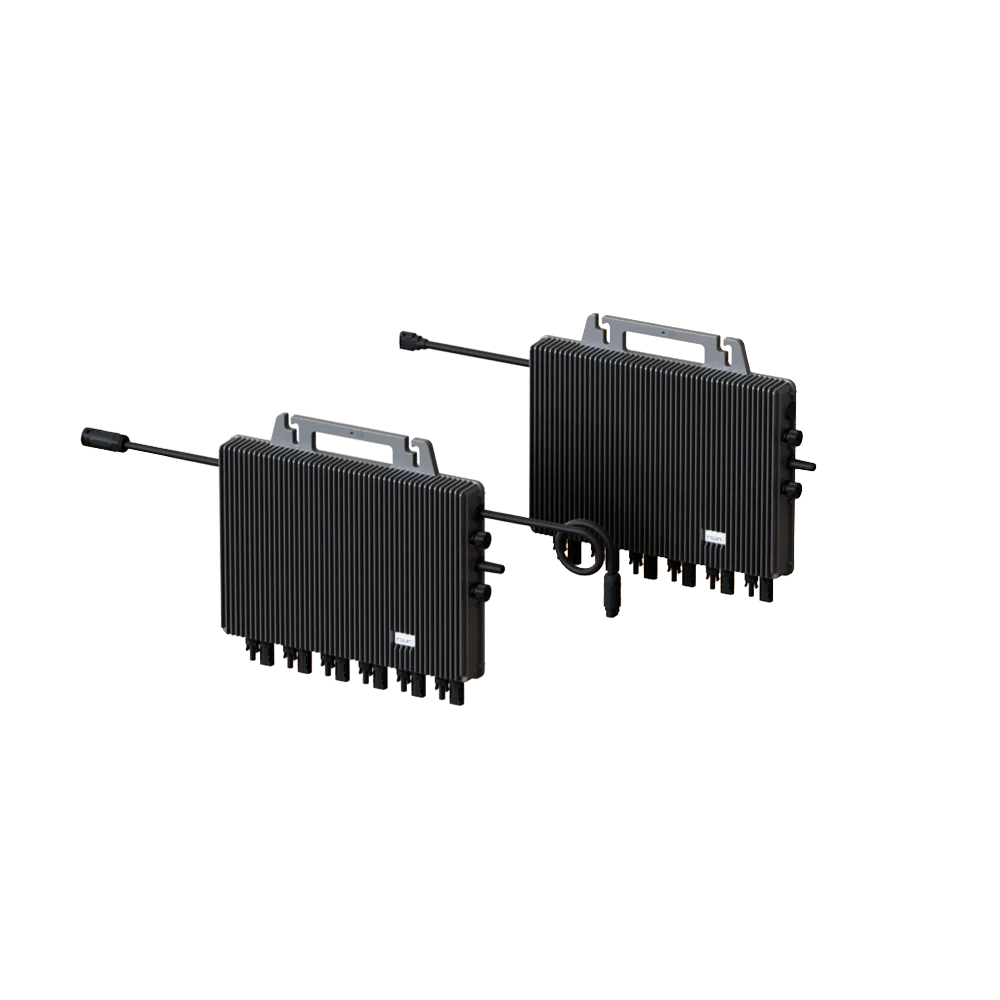
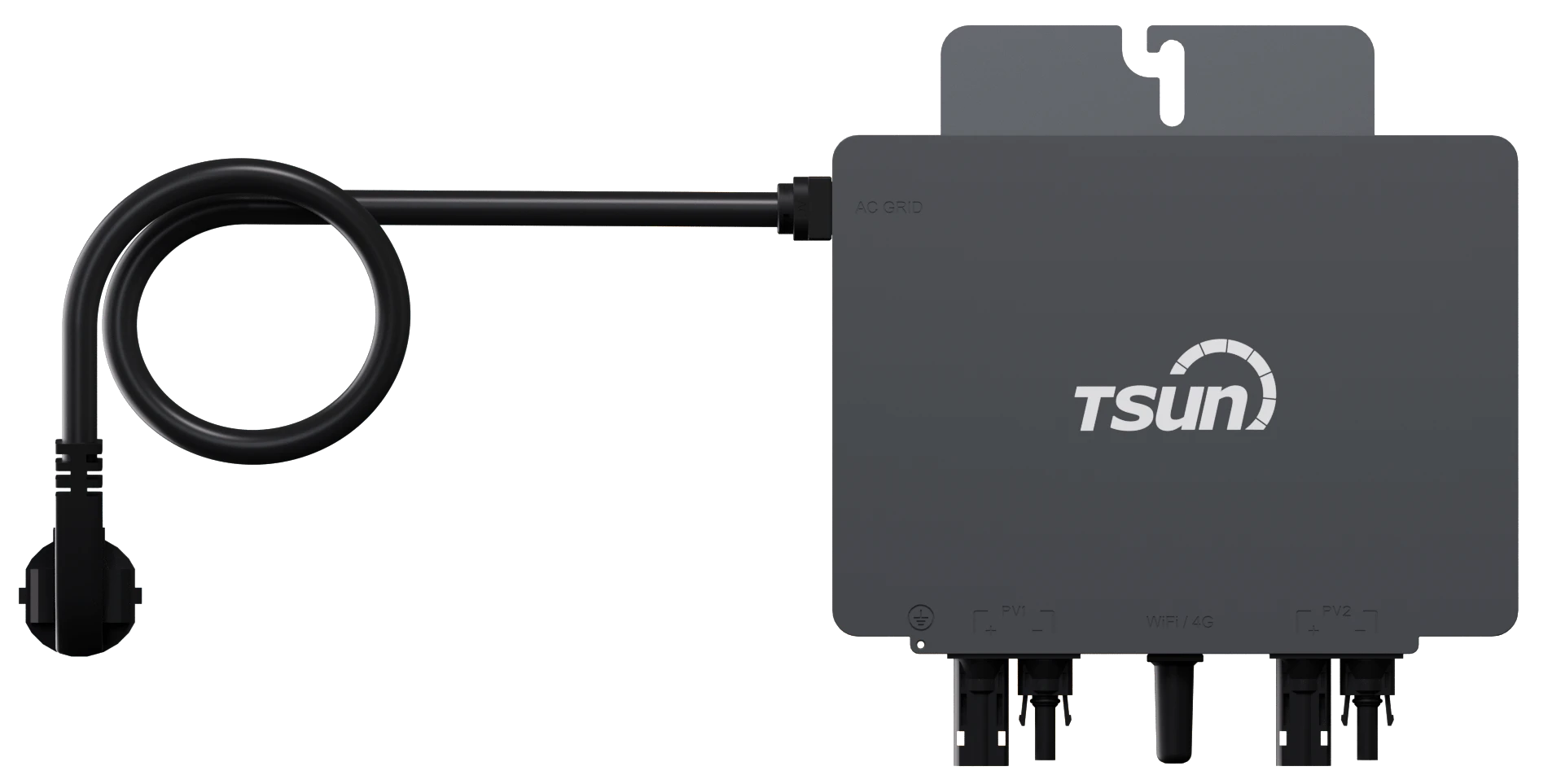
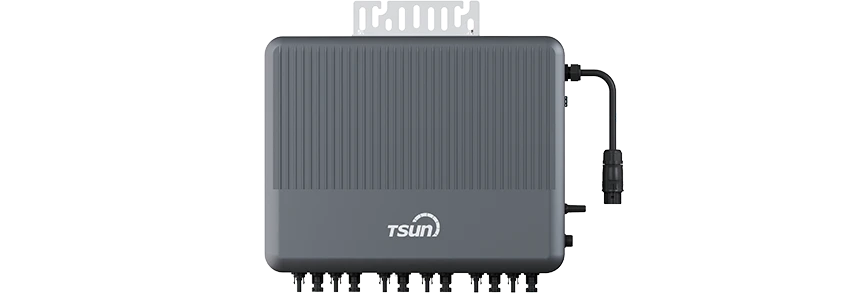
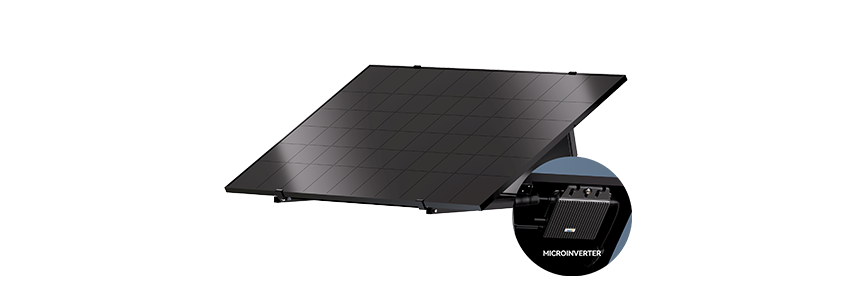
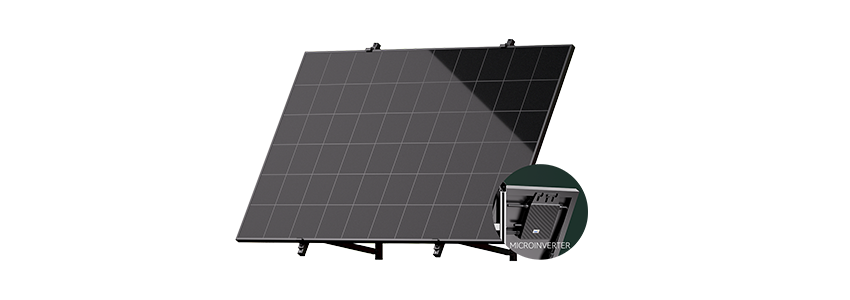
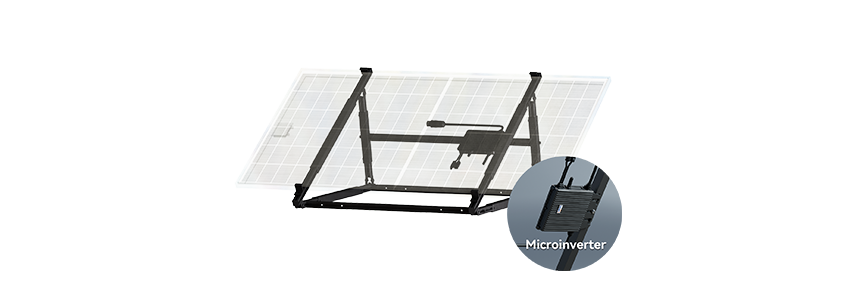
wholesale tsun gen3 microinverter ms600ms700ms800 Application Breakdown
Advantages, Disadvantages, and Customization
The biggest advantage is the modularity. You can add capacity as needed. It's a lot cheaper than replacing an entire string inverter. But, and this is a big but, the initial cost is higher. People sometimes get sticker shock. And diagnosing issues can be a bit more complicated. You need the monitoring software to pinpoint the problem.
We’ve done some customization work. Last month, that small boss in Shenzhen who makes smart home devices insisted on changing the interface to , and the result was… a nightmare. He wanted it to be “future proof.” It was a complete waste of time and money. The existing connectors were perfectly adequate. But he was adamant. So we did it. Later… forget it, I won't mention it.
A Customer Story: Shenzhen and the Dilemma
I told you about the Shenzhen guy. He was determined to have . He said it was all about convenience, about using the same cable for everything. I tried to explain that it wasn’t necessary, that it would add complexity and potential failure points, but he wouldn’t listen. He wanted to be “innovative.”
He ended up having to order a special batch of cables, and the whole project was delayed by a week. In the end, the port wasn’t even used by most of his customers. They preferred the existing connectors. It was a lesson learned, I guess. Sometimes, simple is better.
He came back to us six months later, ordering a larger quantity of the standard version. He didn’t mention again.
Key Performance Indicators for wholesale tsun gen3 microinverter ms600ms700ms800
| Parameter |
MS600 |
MS700 |
MS800 |
| Peak Power (Watts) |
600 |
700 |
800 |
| Maximum Input Voltage (V) |
60 |
60 |
60 |
| Efficiency (%) |
97.5 |
98.0 |
98.5 |
| Operating Temperature (°C) |
-40 to +60 |
-40 to +60 |
-40 to +60 |
| Protection Level |
IP67 |
IP67 |
IP67 |
| Weight (kg) |
5.5 |
6.0 |
6.5 |
FAQS
Generally, these microinverters are designed for a lifespan of 25 years, matching the warranty period offered by most manufacturers. However, real-world lifespan can vary based on environmental conditions and maintenance. We’ve seen units still operating efficiently after 15 years in harsh climates, but consistent monitoring and occasional cleaning are crucial to maximizing their longevity. It's all about heat dissipation and preventing corrosion, to be honest.
Microinverters excel at mitigating shading issues compared to traditional string inverters. Each panel has its own independent inverter, so shading on one panel doesn't affect the output of the others. The system maximizes energy harvest by optimizing each panel's performance individually. We’ve seen up to a 20% increase in energy production in partially shaded installations compared to string inverters. It's a big selling point, especially in urban areas.
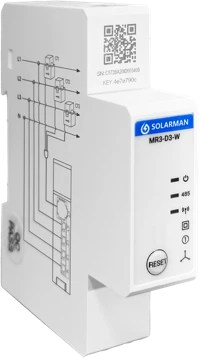
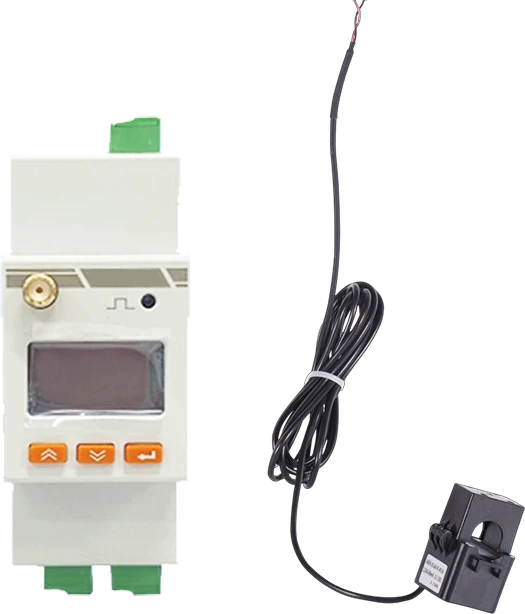
The wholesale tsun gen3 microinverter ms600ms700ms800 comes with a comprehensive monitoring system accessible through a web portal or mobile app. You can track the performance of each individual panel, monitor overall system output, and receive alerts for any faults or issues. It provides granular data, like voltage, current, and power, allowing for detailed analysis and proactive maintenance. Have you noticed, without good monitoring, you’re flying blind?
Installation is generally straightforward, but it does require a qualified electrician. The microinverters are individually mounted to each panel, and then connected in parallel. It’s significantly simpler than string inverter installations, which involve high-voltage DC wiring. The key is to follow the safety guidelines and ensure proper grounding. Training programs are available for installers. I encountered an issue with one crew that didn't use the proper torque settings on the connectors – caused a lot of headaches later on.
Upfront costs are typically higher for microinverters compared to string inverters, largely due to the increased number of components. However, microinverters often offer a lower total cost of ownership over the system's lifespan, thanks to their increased energy production, reduced maintenance costs, and longer warranty periods. Plus, the modularity allows for easy expansion without replacing the entire system. Strangely, some customers only focus on the initial price tag and ignore the long-term benefits.
While the standard communication protocol is Modbus TCP, limited customization options are available for specific applications. For example, we recently worked with a client who needed to integrate the microinverters with a proprietary building management system. We were able to develop a custom API to facilitate data exchange. However, extensive customization requires significant engineering effort and may void the warranty. It's a case-by-case basis, really.
Conclusion
Ultimately, wholesale tsun gen3 microinverter ms600ms700ms800 represents a significant step forward in distributed energy generation. The increased efficiency, modularity, and enhanced monitoring capabilities offer compelling advantages over traditional string inverter systems. While the initial investment may be higher, the long-term benefits – including reduced maintenance, increased energy harvest, and extended lifespan – often outweigh the costs.
Looking ahead, I think we’ll see even more integration of these microinverters with energy storage systems and smart home technologies. The potential for creating truly resilient and sustainable energy solutions is huge. But remember, at the end of the day, whether this thing works or not, the worker will know the moment he tightens the screw.







 LEARN DETAILS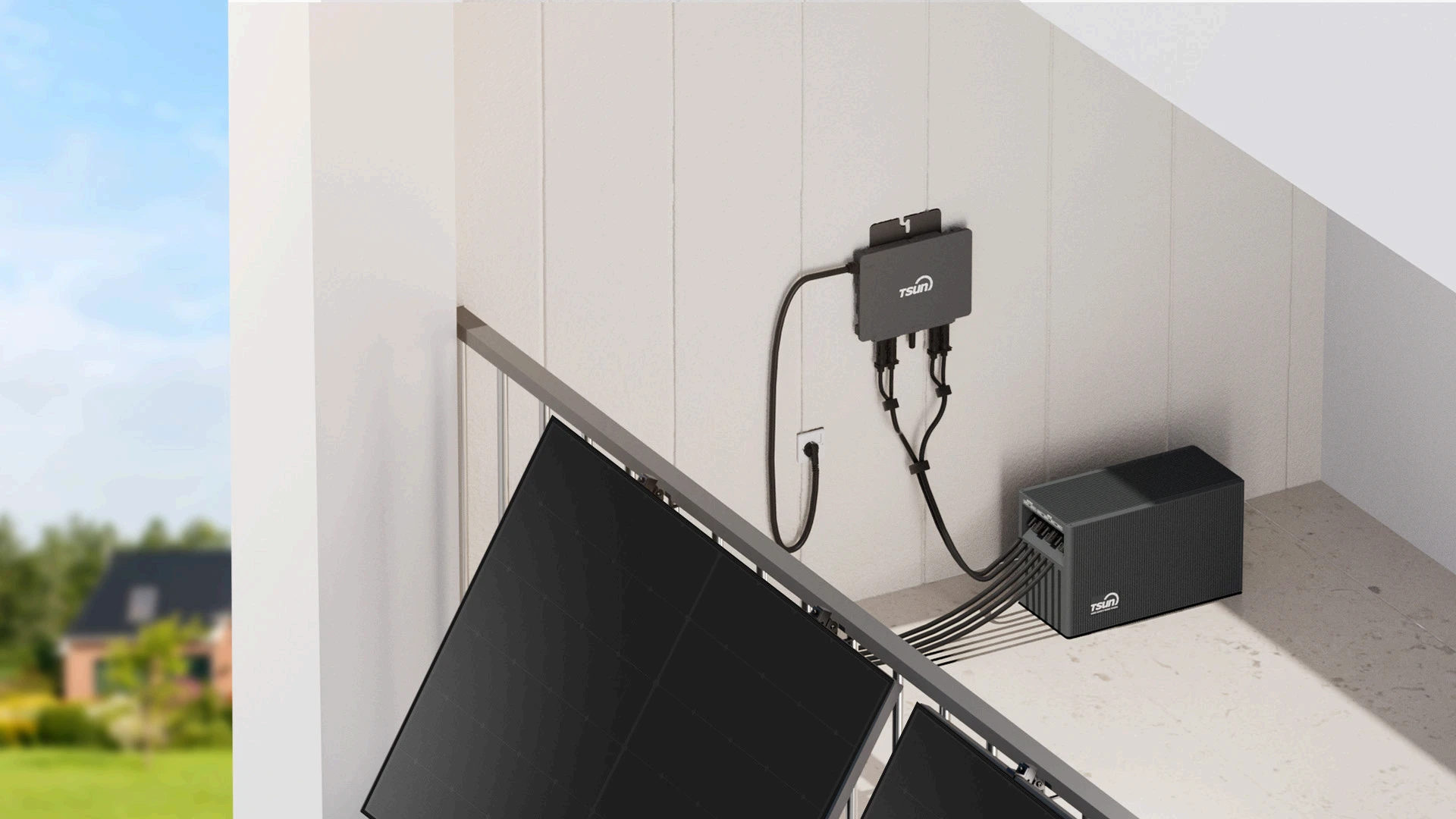


 Downloads
 Video Center
 Report Fault for Repair
 FAQS
FAQS Service Network
 Privacy Policy
 Contact Us
 Monitoring