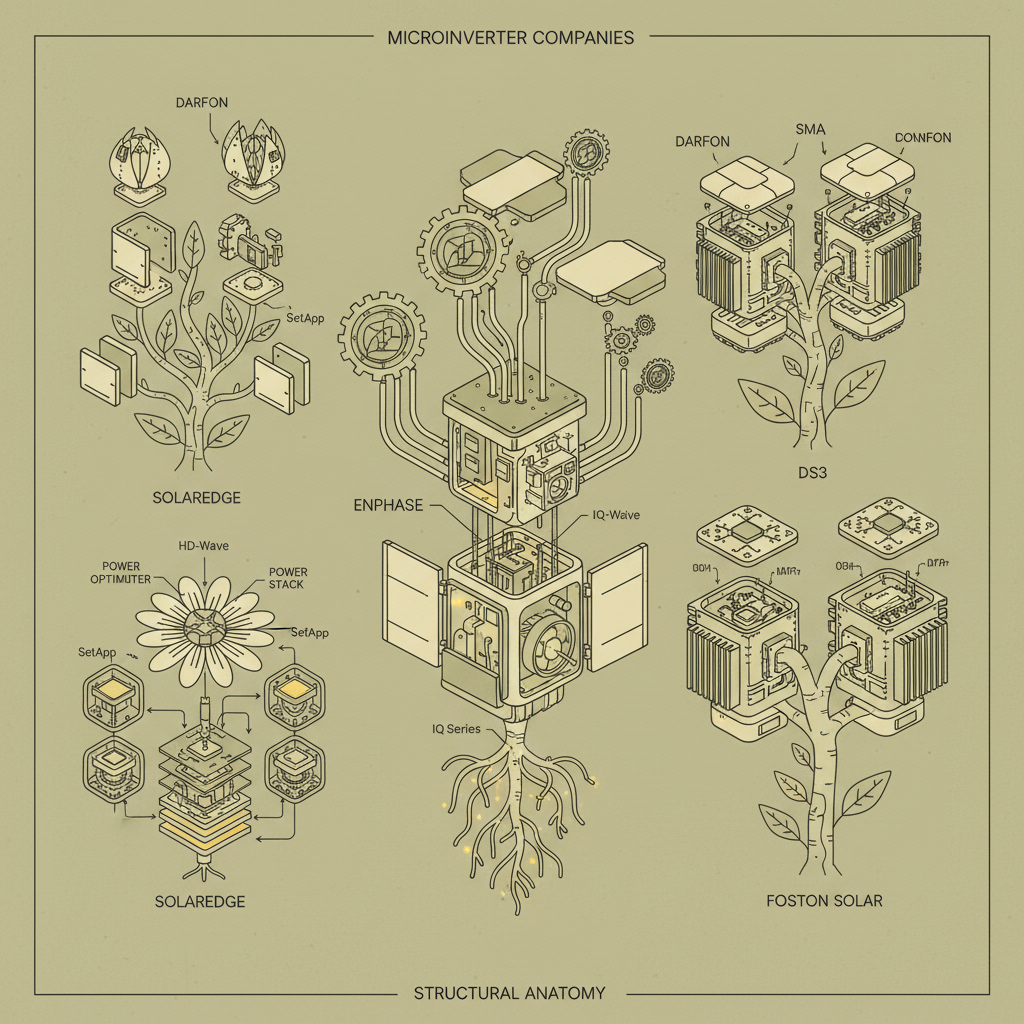
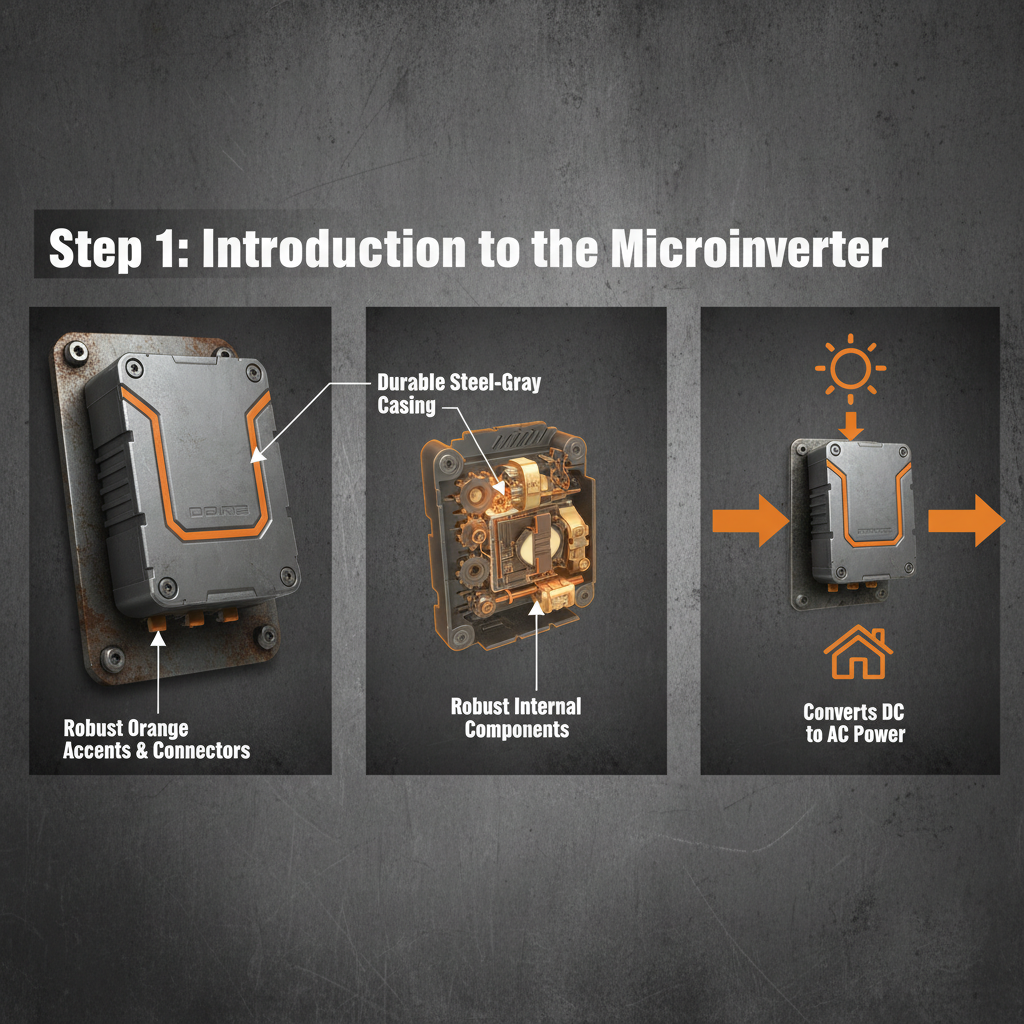
Look, microinverter companies… they're everywhere now, aren't they? Seems like every other investor is jumping on the bandwagon. It wasn't like this even five years ago. The whole push for distributed generation, energy independence, people wanting to offset their carbon footprint – it's all driving demand. And honestly, it's about time. For too long, we’ve been reliant on these massive, centralized power plants. But going distributed isn't just about 'green' points. It’s about resilience. You've seen what happens when a big grid goes down. It's chaos.
To be honest, the biggest change I've noticed isn't the tech itself, but the scale. We're talking about installations on everything from residential rooftops to commercial buildings, even remote microgrids powering small communities. And that scale is really pushing the limits of what's possible with traditional string inverters. That’s where microinverter companies really shine. It’s not just about making power; it's about managing it intelligently, at the source. I’ve been seeing a lot more folks looking at them for off-grid solutions, too.
What’s frustrating, though, is how often people get hung up on the theoretical efficiency numbers. They look at a spec sheet and think, "Oh, this one's 98% efficient!" But out in the real world, with shading, temperature fluctuations, and all the other quirks of a solar installation, those numbers rarely hold up. It's more about long-term reliability and optimizing performance under actual conditions. The guys on the ground – they understand that. microinverter companies are popping up left and right, which makes it harder to sift through the noise.
The Rising Tide of microinverter companies
Have you noticed how quickly the market's segmented? You've got the big players, the established names, and then you've got a whole wave of startups trying to disrupt things with niche technologies. Some are focusing on specific applications – like off-grid power for remote locations. Others are pushing the boundaries of performance, trying to squeeze every last drop of efficiency out of the system. It's a competitive landscape, and that's good for consumers. It forces innovation.
I encountered a situation at a factory in Zhejiang province last time – the supplier was touting a new type of film capacitor for their microinverters, claiming it dramatically improved lifespan. But when I asked about long-term testing, they kinda… waved their hands. That’s when I know I have to push back. That’s how you avoid failures down the line.
Defining the Core of microinverter companies
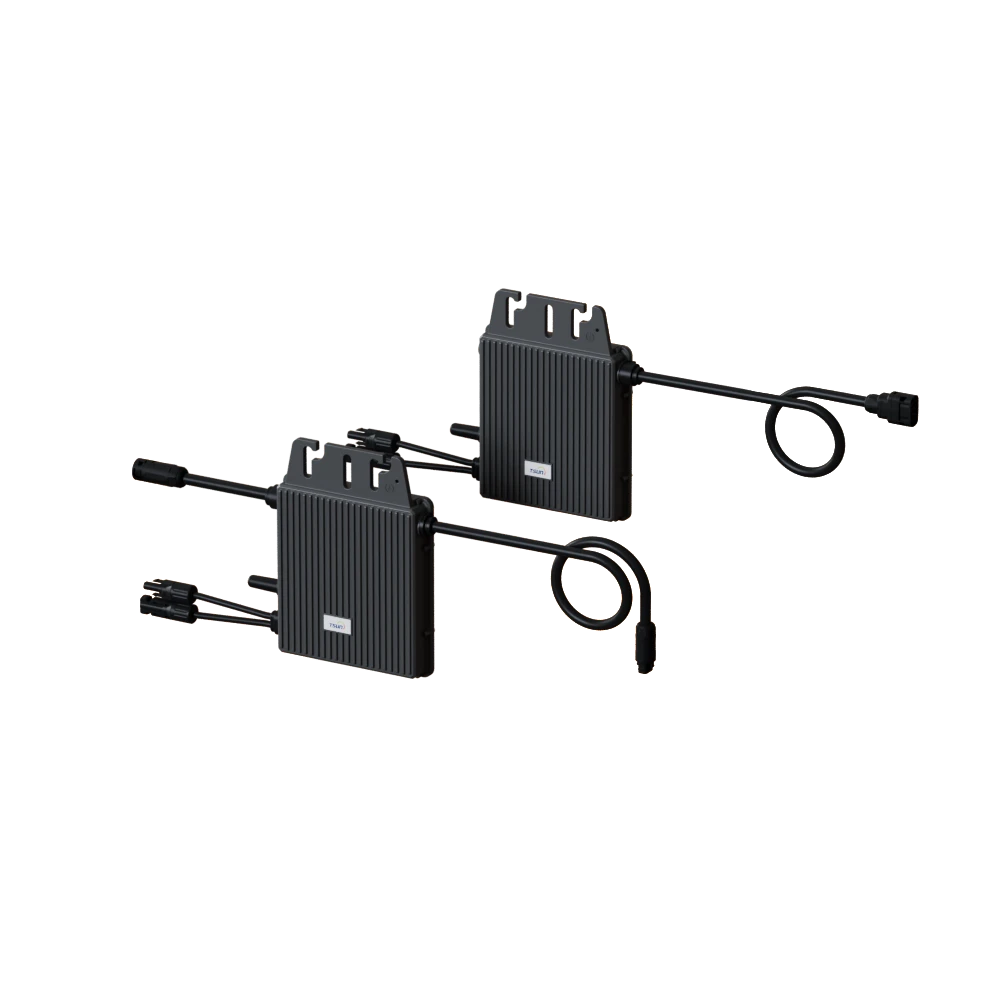
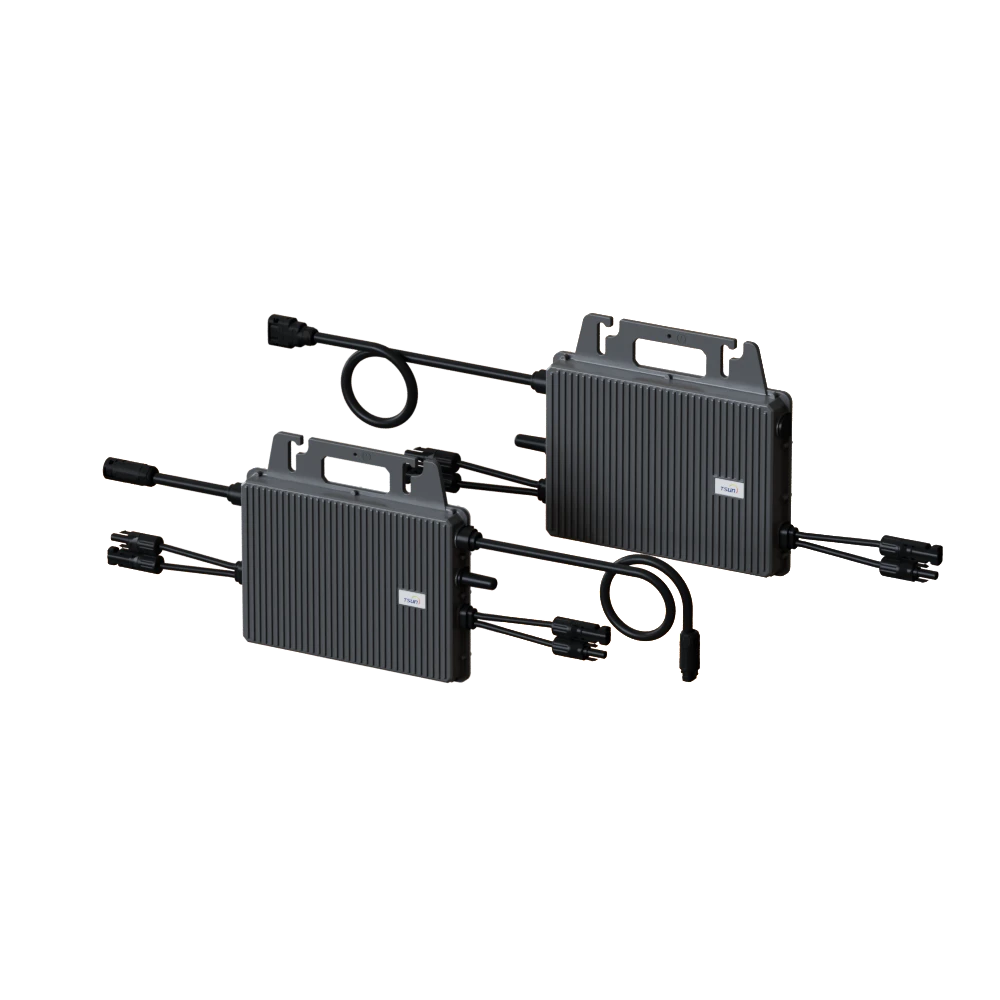
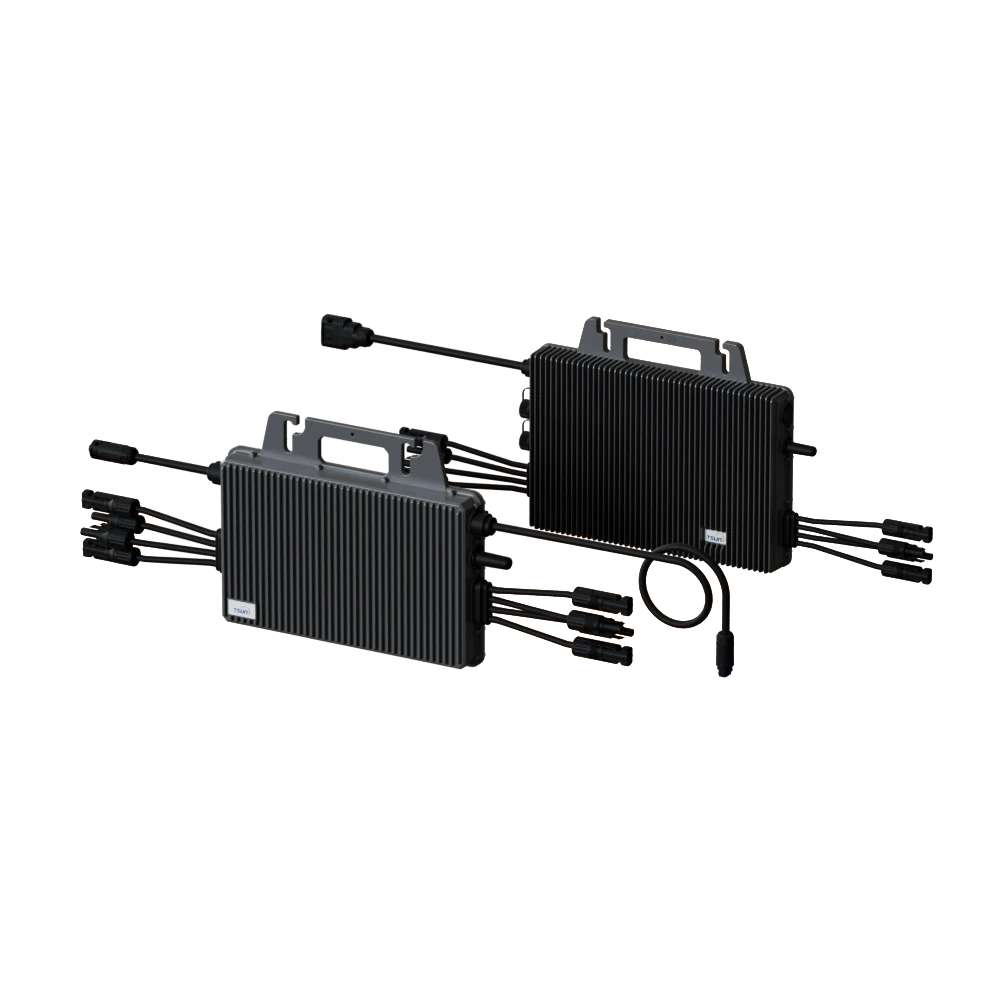
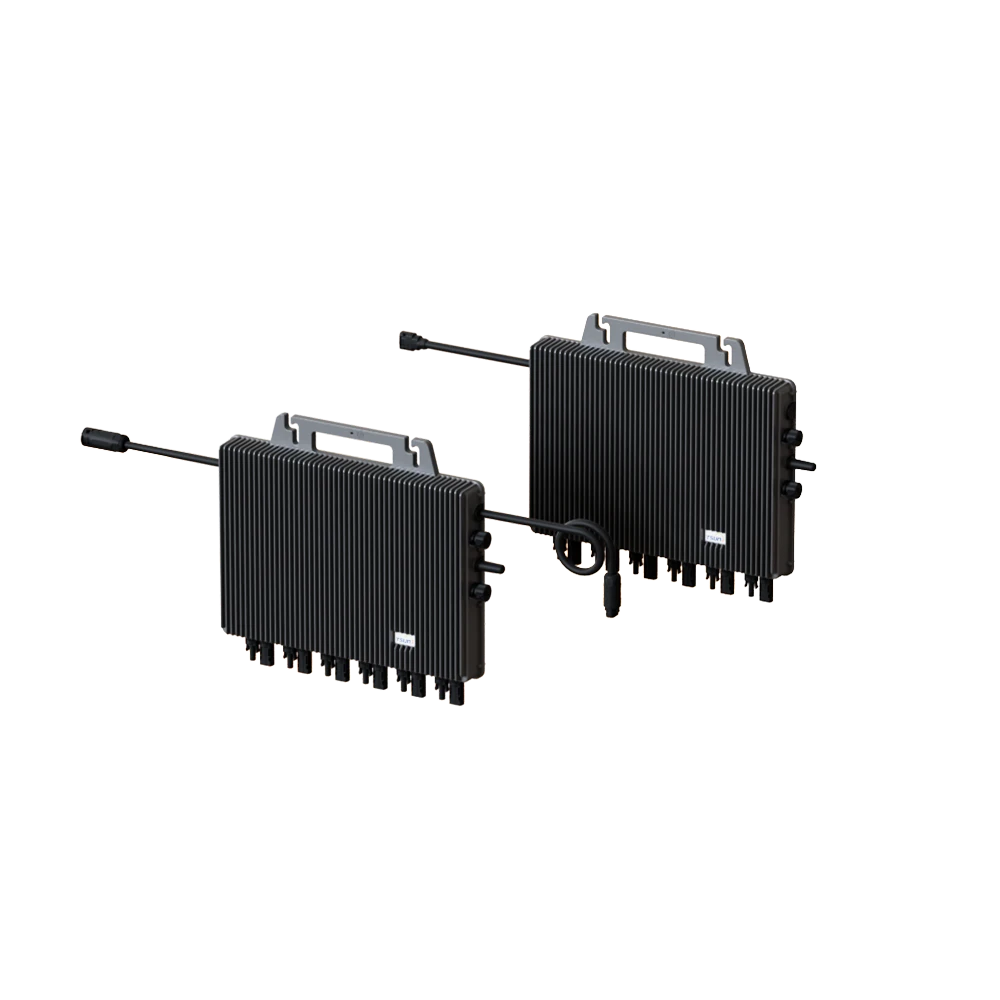
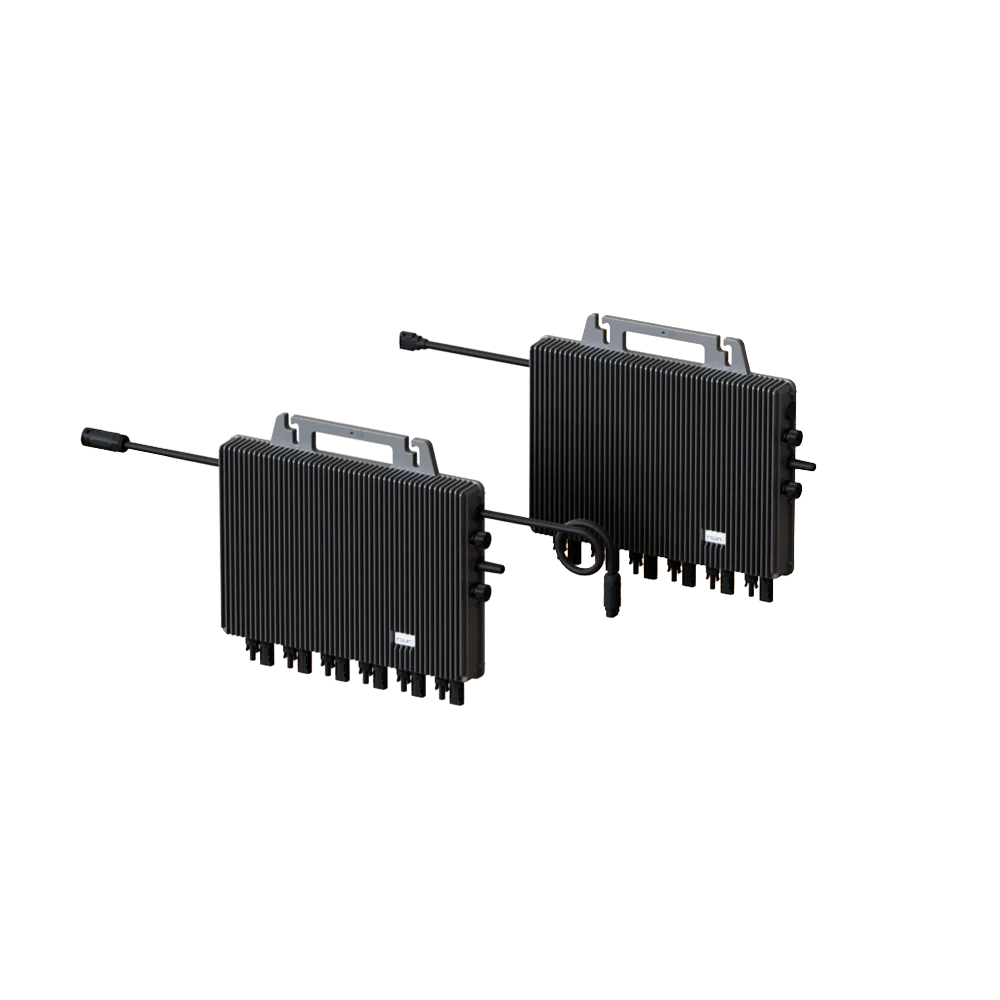
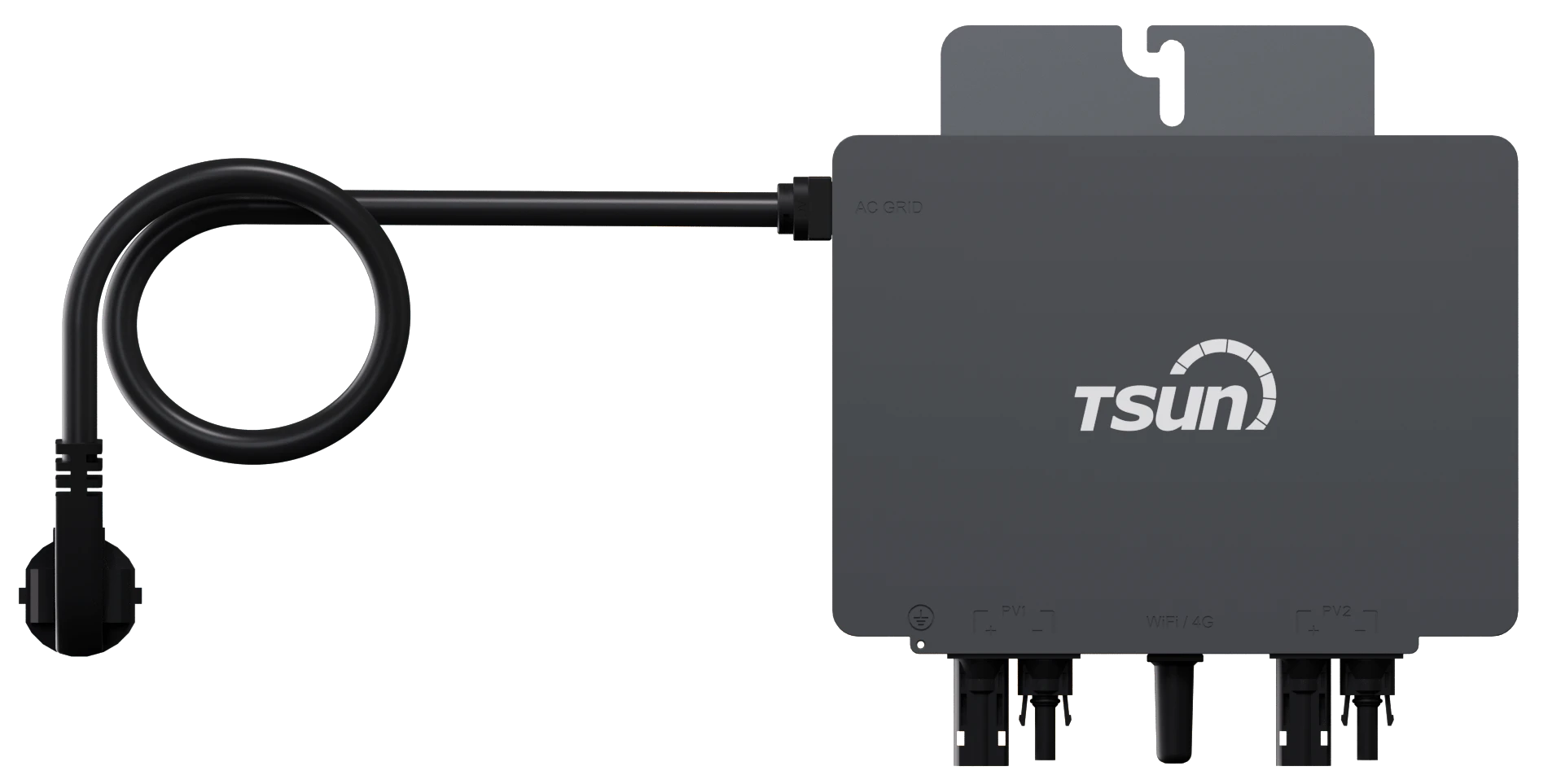
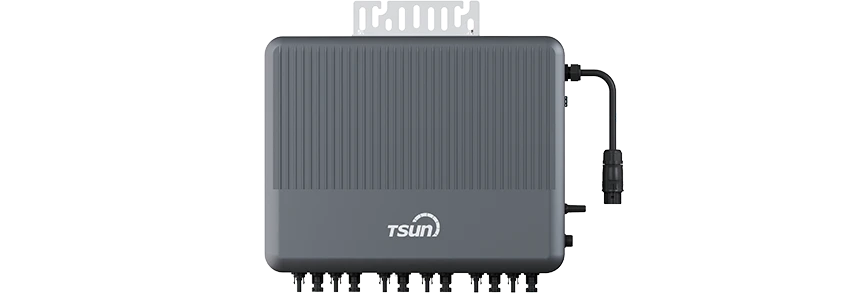
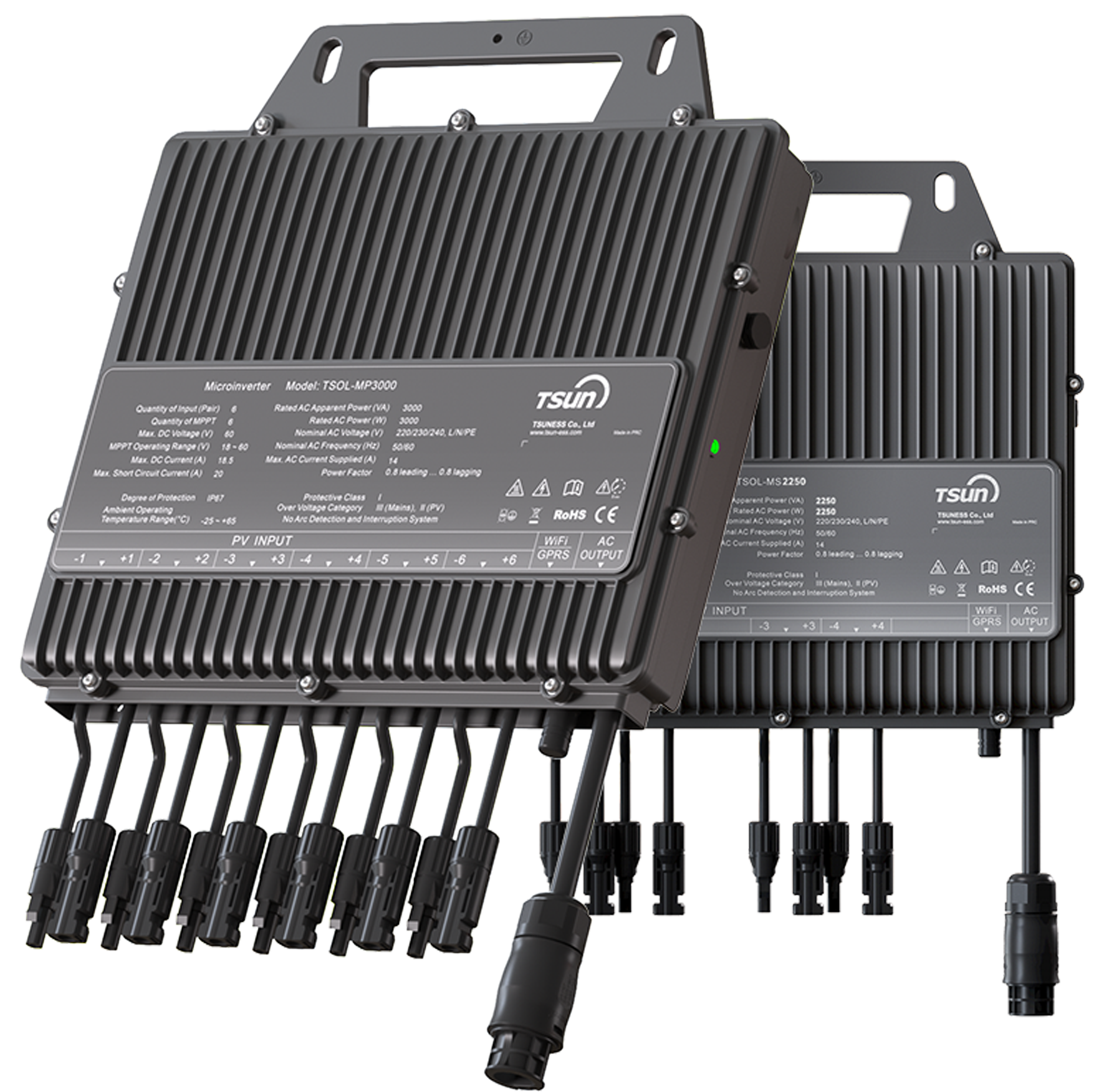
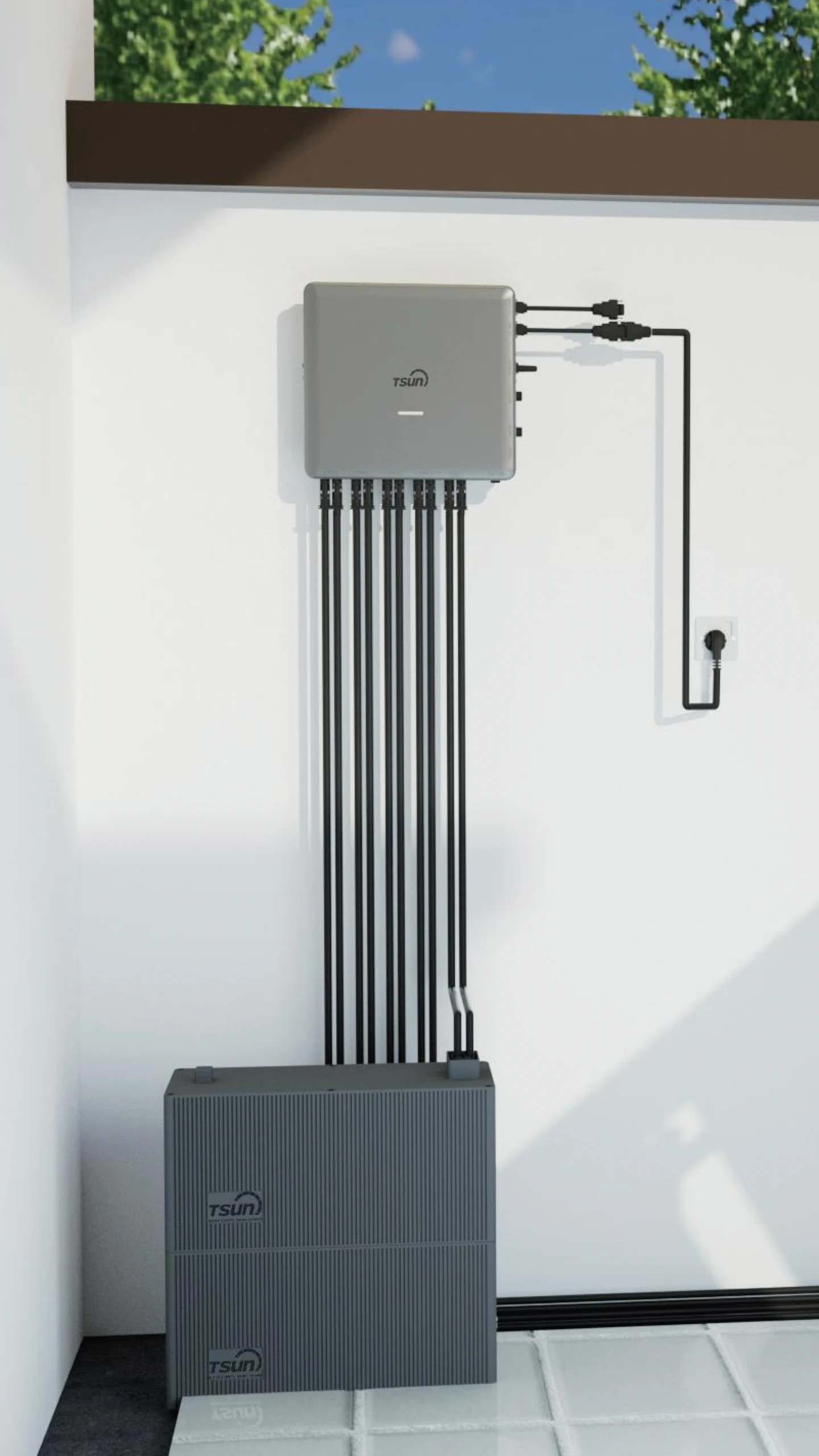
Okay, let's cut to the chase. A microinverter company, simply put, designs and manufactures microinverters. That's the core business. But it's about more than just the hardware. It’s about the software too. Monitoring platforms, grid integration tools, the whole ecosystem. The difference between a good microinverter company and a great one is how well they integrate everything. It’s a system, not just a box you slap on a panel. These companies play a crucial role in moving us away from centralized power generation and towards a more distributed, resilient energy grid.
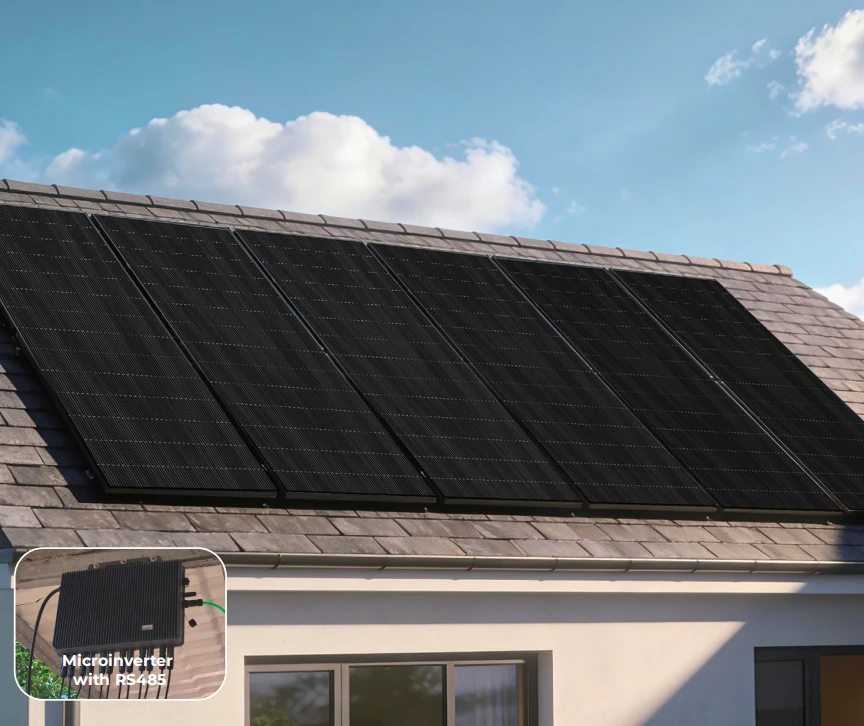
Strangely, people often forget that the real value isn't just about generating electricity. It's about managing that electricity. A microinverter system allows you to optimize power output from each individual panel, maximizing energy harvest and reducing the impact of shading or panel mismatch. That’s big, especially in urban environments.
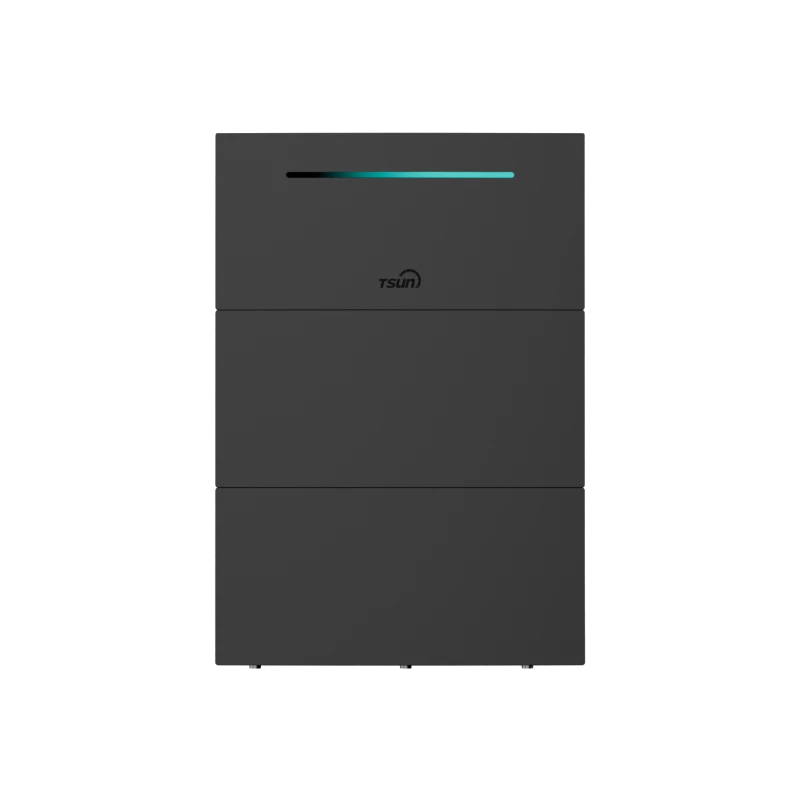
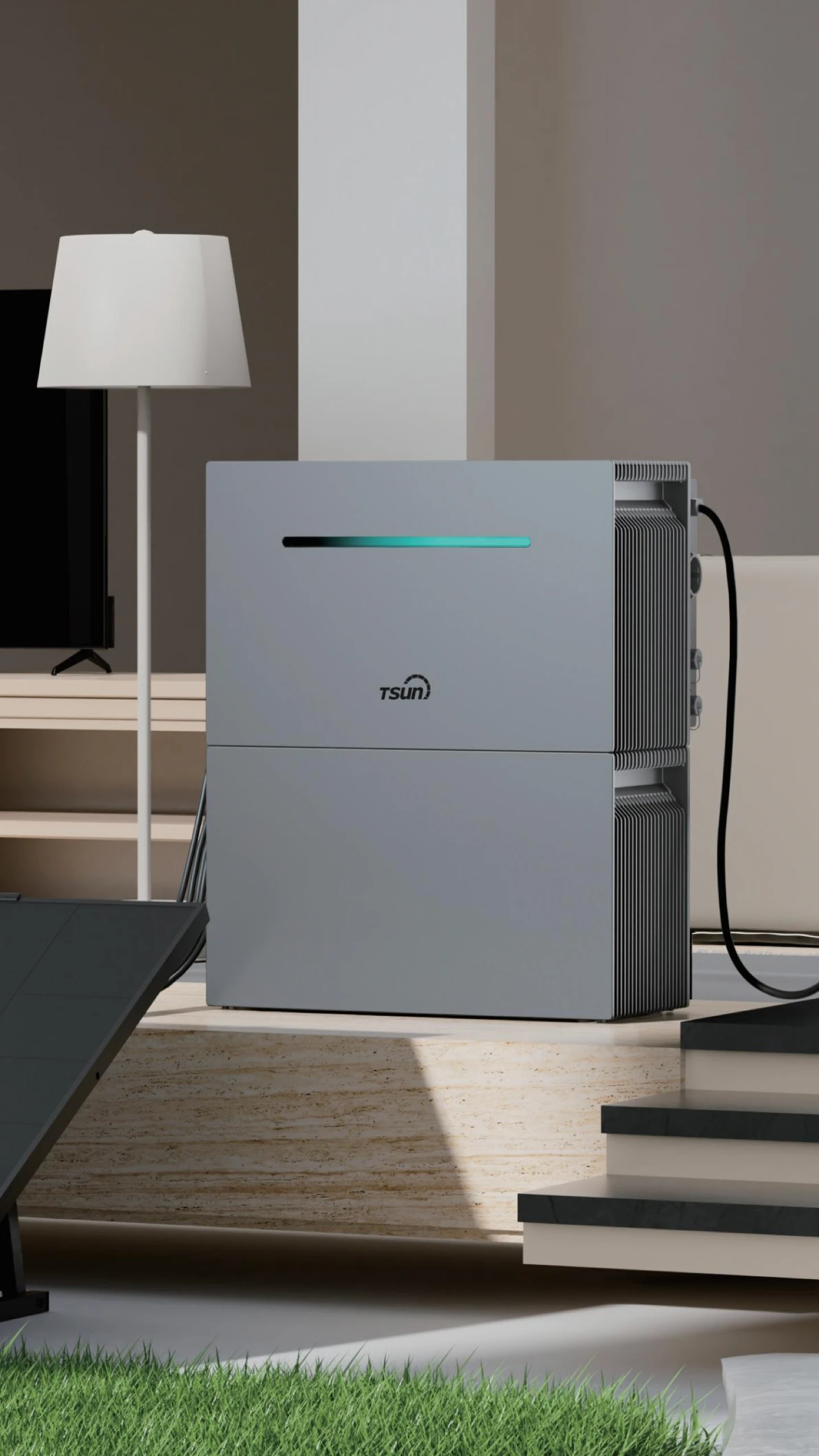
And it ties directly into the broader trend of smart grids and energy storage. Microinverter companies are often at the forefront of developing solutions that integrate with batteries and other energy management systems, creating more self-sufficient and sustainable energy solutions.
Key Factors Influencing Performance
Durability is huge. These things have to withstand years of exposure to the elements – rain, snow, heat, UV radiation. We’re not talking about a gadget in a temperature-controlled environment. It’s on a roof, baking in the sun all day. I've seen microinverters fail prematurely because of cheap components or poor sealing. You want to see IEC certifications, but even those don't always tell the whole story.
Scalability is another big one. Can the system easily expand to accommodate future energy needs? A good microinverter company will offer a range of products and solutions that can be scaled up or down as required. It also ties into compatibility with different panel types and sizes. You don’t want to be locked into a specific vendor or panel manufacturer.
Cost efficiency, obviously. Microinverters are generally more expensive upfront than string inverters. But you have to factor in the long-term benefits – increased energy yield, reduced maintenance costs, improved reliability. It’s a total cost of ownership calculation. And then there’s grid compliance and permitting – that varies by location, and it can add significant costs if the system isn’t designed properly.
Global Applications & Real-World Deployments
I've seen microinverter companies’ products used in everything from remote villages in Africa to upscale residential communities in California. In post-disaster relief operations, providing immediate power to critical infrastructure is vital, and these systems shine. They’re quick to deploy, and they don’t require extensive grid infrastructure. They’re also becoming increasingly popular in commercial applications – office buildings, factories, data centers. Anything where reliable power is critical.
What's really interesting is the growth in microgrids. Small, localized energy systems that can operate independently of the main grid. Microinverter companies are key players in enabling these microgrids. Think about a remote island community that relies on diesel generators for power. A microinverter-based solar system with battery storage can drastically reduce their fuel costs and carbon emissions.
In remote industrial zones, where grid connectivity is unreliable or non-existent, microinverters provide a reliable power source for critical operations. It allows for expansion without huge infrastructure investments.
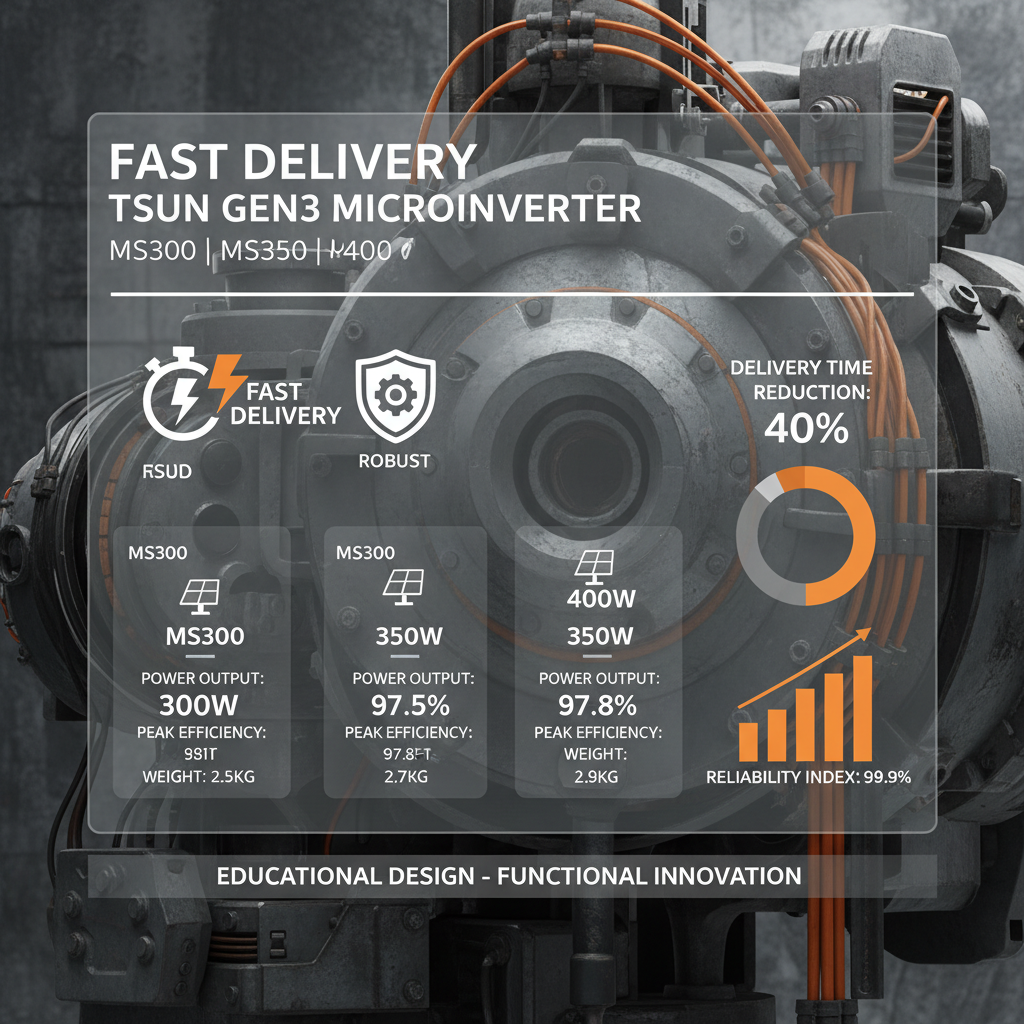
microinverter companies Performance Metrics
The Tangible Benefits & Long-Term Value
The biggest benefit, plain and simple, is increased energy yield. By optimizing performance at the panel level, you can squeeze more power out of your system, especially in challenging conditions. That translates to lower electricity bills and a faster return on investment. It's also a safety feature – if one panel fails, it doesn't bring down the whole system.
But it’s not just about money. There's a sustainability aspect, too. By generating your own clean energy, you're reducing your carbon footprint and contributing to a more sustainable future. And there's a sense of independence, of not being reliant on a centralized power grid that can be vulnerable to disruptions.
Future Trends & Innovative Approaches
I’m seeing a lot of work on wide bandgap semiconductors – silicon carbide and gallium nitride. They’re more efficient and can handle higher temperatures, which means smaller, more powerful microinverters. That’s huge. Also, advances in machine learning are being used to optimize microinverter performance in real time, predicting and mitigating issues before they even arise.
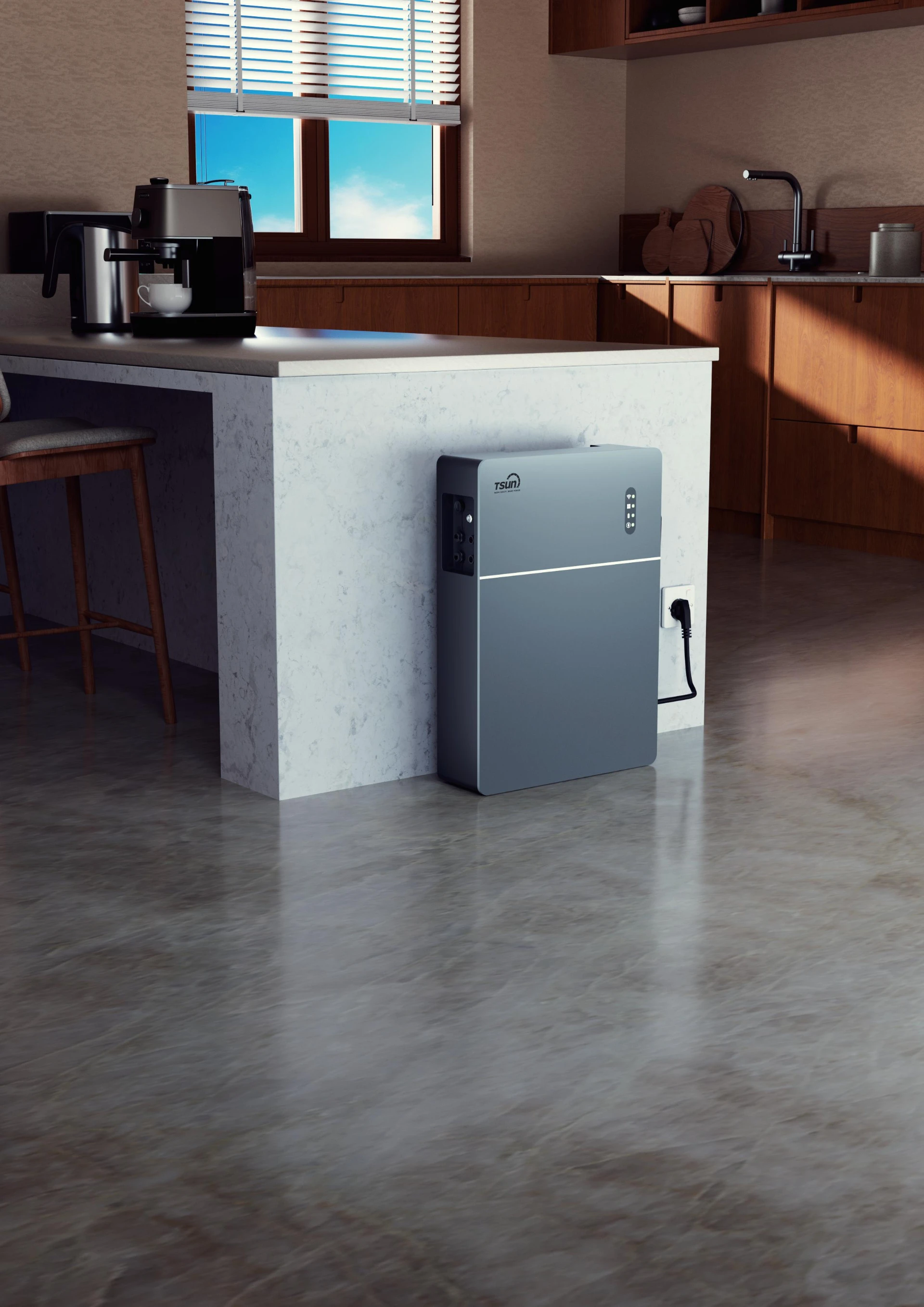
Anyway, I think the integration of energy storage is going to be key. Microinverters paired with batteries will allow homeowners and businesses to store excess energy for use during peak demand or power outages. That’s where the real value lies.
Challenges, Solutions & Practical Considerations
Look, the biggest headache is still interoperability. Getting microinverters to play nicely with different grid systems and monitoring platforms. It can be a nightmare. Also, the initial cost is still a barrier for some people. But prices are coming down, and the long-term benefits often outweigh the upfront investment.
I think standardization is needed, to be honest. A common communication protocol and data format would make it much easier to integrate microinverters into existing energy management systems. It’s been a long time coming, but people are finally starting to listen.
Here's a quick look at the common issues and solutions:
Common Microinverter Issues and Solutions
| Issue |
Root Cause |
Solution |
Priority (1-5) |
| Communication Failures |
Wireless Interference |
Optimize Antenna Placement |
4 |
| Premature Failure |
Overheating |
Improved Ventilation |
3 |
| Low Energy Yield |
Shading |
Panel Re-orientation or Optimization |
5 |
| Grid Compatibility Issues |
Incorrect Settings |
Proper Configuration |
2 |
| Monitoring System Errors |
Software Glitches |
Software Updates |
1 |
| High Initial Cost |
Component Pricing |
Long-Term Cost Benefit Analysis |
3 |
FAQS
Microinverters offer several advantages. They maximize energy harvest by optimizing each panel individually, improving system resilience, and providing more granular monitoring. They eliminate the single point of failure associated with string inverters and are generally easier to scale. It really comes down to the specific needs of the installation and the environment. However, string inverters are generally cheaper upfront.
Microinverters excel in shaded conditions. Because each panel operates independently, shading on one panel doesn't affect the output of the others. In a string inverter system, shading can significantly reduce the entire system’s production. This makes microinverters ideal for rooftops with trees or other obstructions. That’s a big selling point for residential customers.
Most microinverter companies offer warranties of 25 years, which is a good indication of their expected lifespan. However, like any electronic device, their actual lifespan can vary depending on environmental conditions and installation quality. Proper ventilation and protection from extreme temperatures are crucial for maximizing their longevity. We’ve seen some last longer, some fail sooner.
Generally, yes, but it's important to check the specifications of both the microinverter and the solar panel to ensure compatibility. Some microinverters have voltage or power limitations that may not be suitable for all panel types. It’s always best to consult with a qualified installer to ensure a proper match. Otherwise, you might have performance issues down the line.
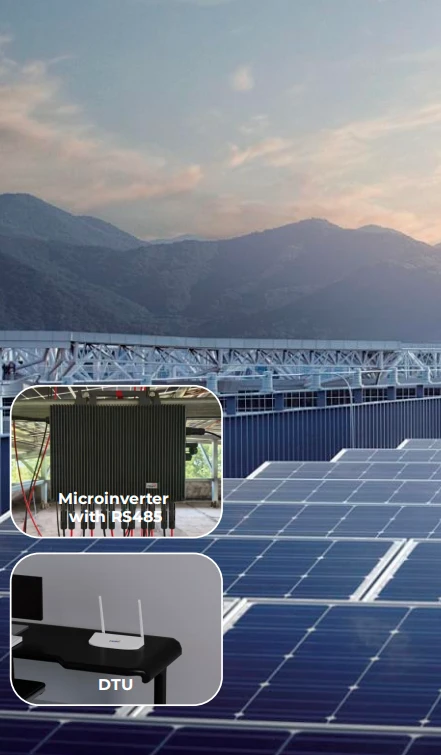
Microinverters provide more granular monitoring capabilities than string inverters. You can track the performance of each individual panel, which makes it easier to identify and diagnose issues. This simplifies maintenance and reduces downtime. The monitoring software typically provides alerts and reports that help you optimize system performance.
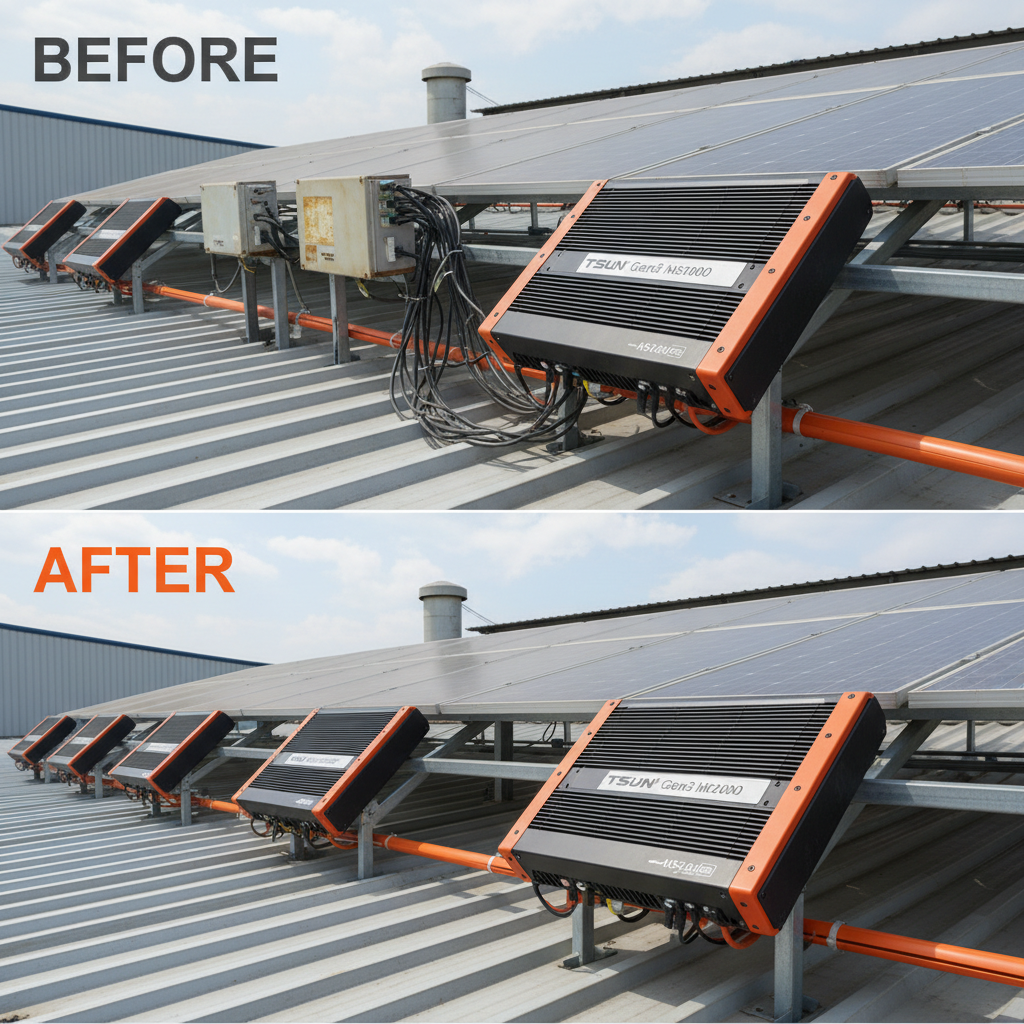
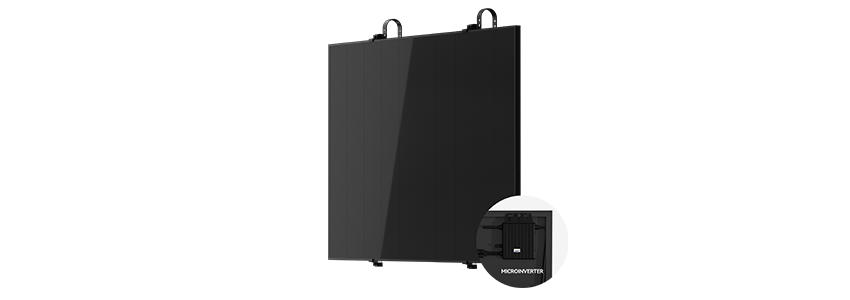
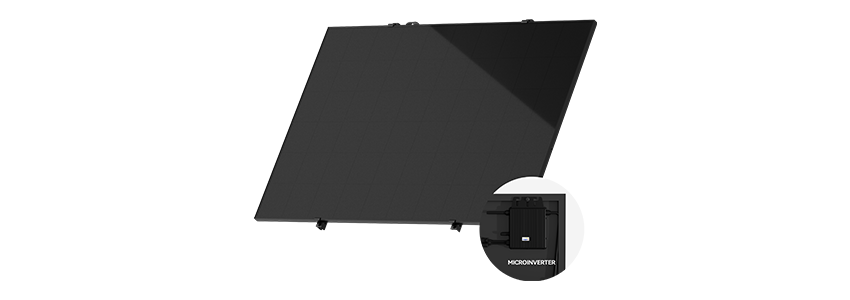
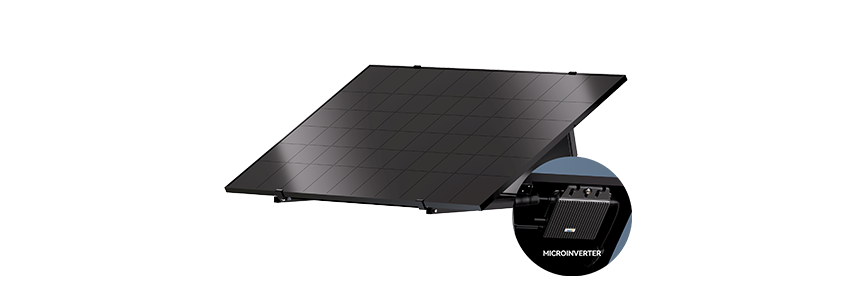
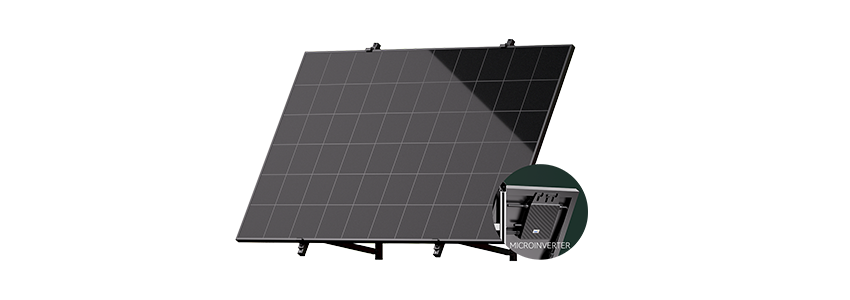
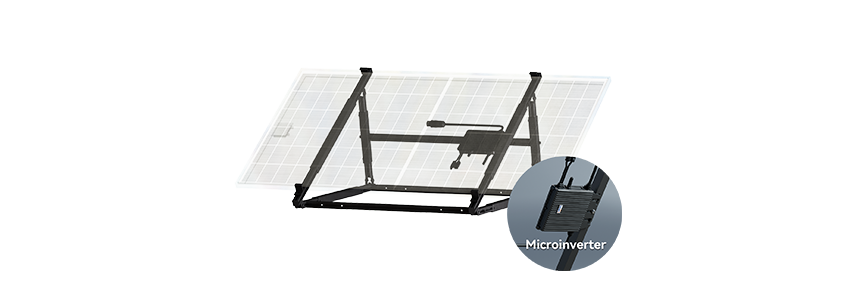
Installation typically involves mounting the microinverter directly to the back of each solar panel. It requires a qualified electrician to handle the wiring and grid connection. Proper grounding is essential for safety. The installation process is generally more time-consuming than installing a string inverter, but the increased flexibility and performance benefits often outweigh the added cost.
Conclusion
So, where does this leave us? Microinverter companies are driving a real shift in how we approach solar energy, offering increased efficiency, resilience, and flexibility. They’re not a silver bullet – there are still challenges to overcome, like cost and interoperability – but the benefits are clear. These systems are about more than just generating electricity; they’re about empowering individuals and communities to take control of their energy future.
Ultimately, whether this thing works or not, the worker will know the moment he tightens the screw. And honestly, that's the best test there is. The technology is important, the specifications are important, but at the end of the day, it comes down to real-world performance. And that's what we focus on.



 LEARN DETAILS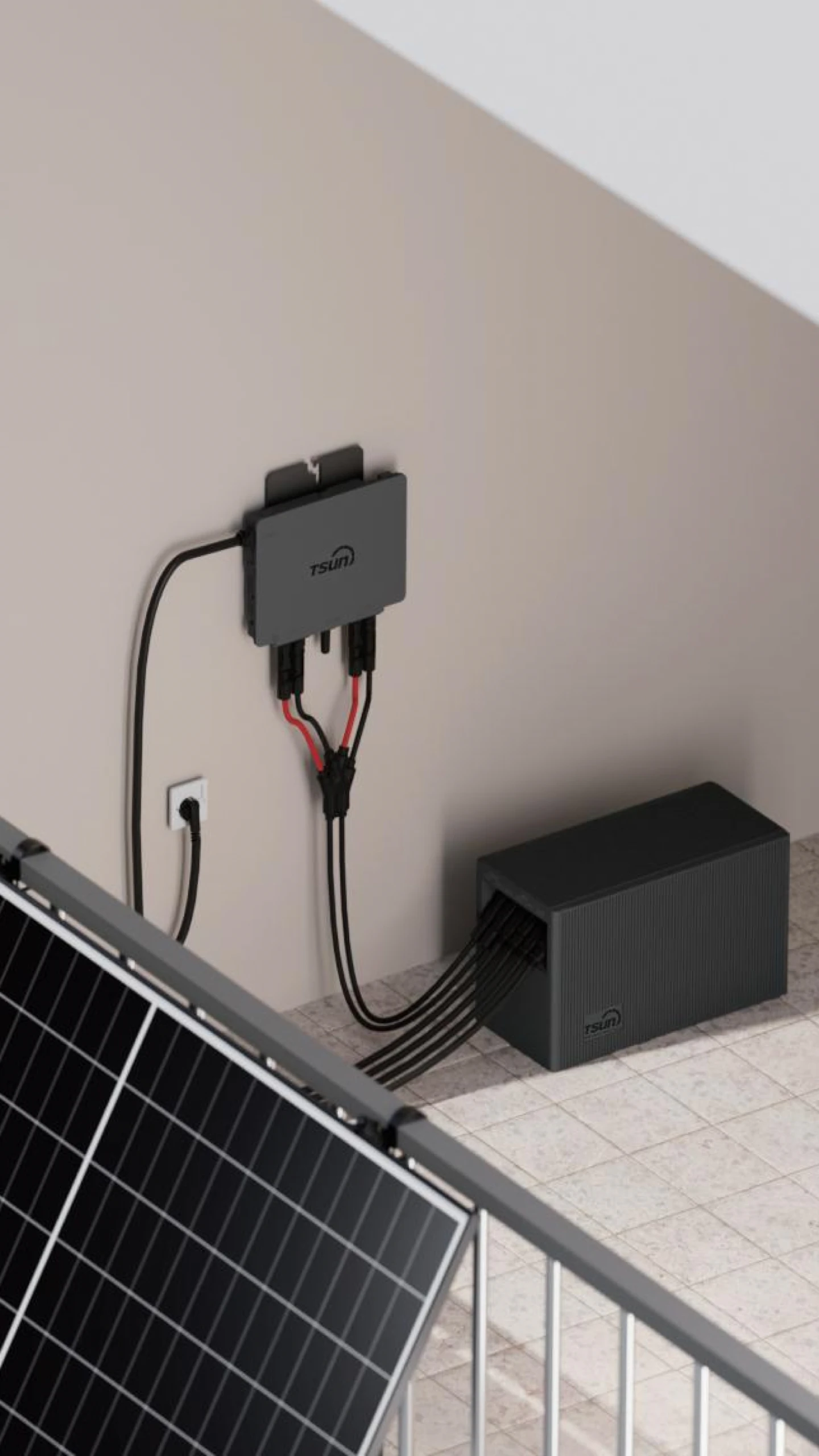
 Downloads
 Video Center
 Report Fault for Repair
 FAQS
FAQS Service Network
 Privacy Policy
 Contact Us
 Monitoring