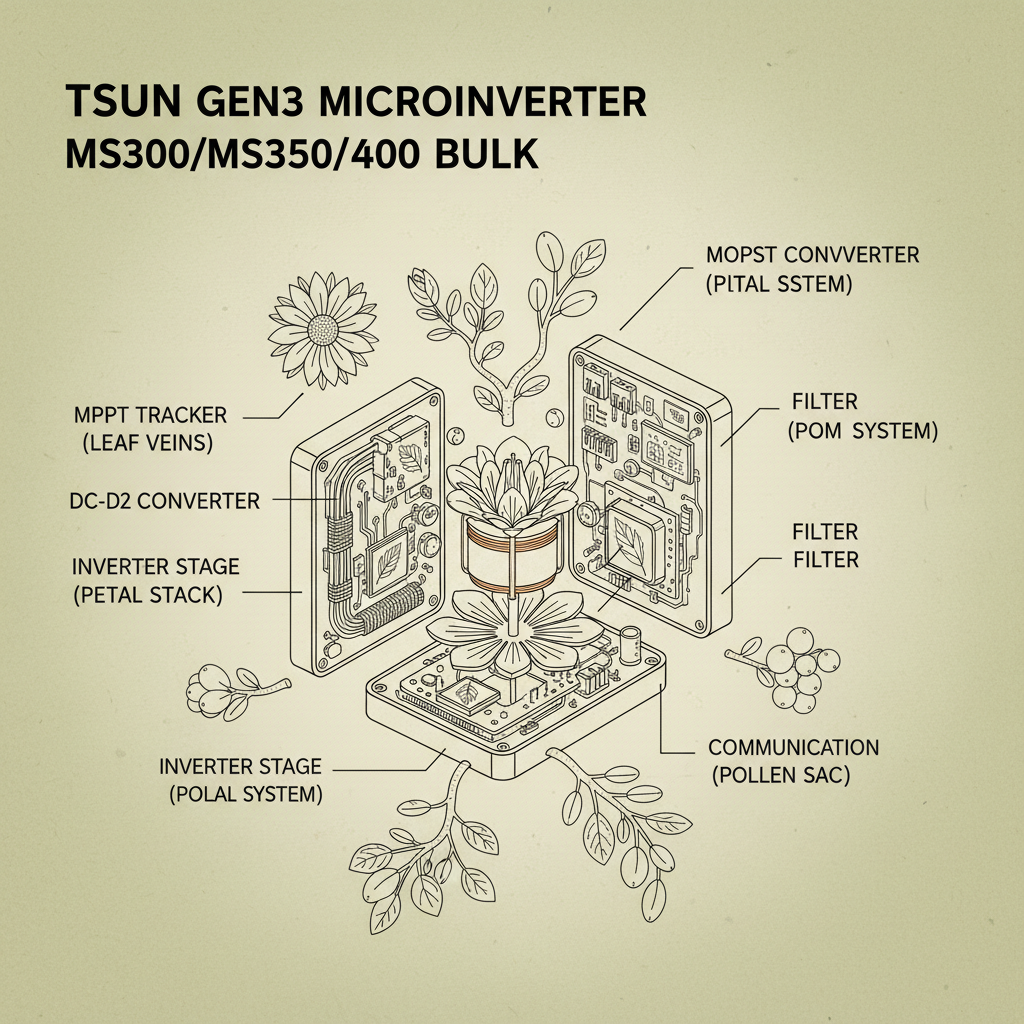
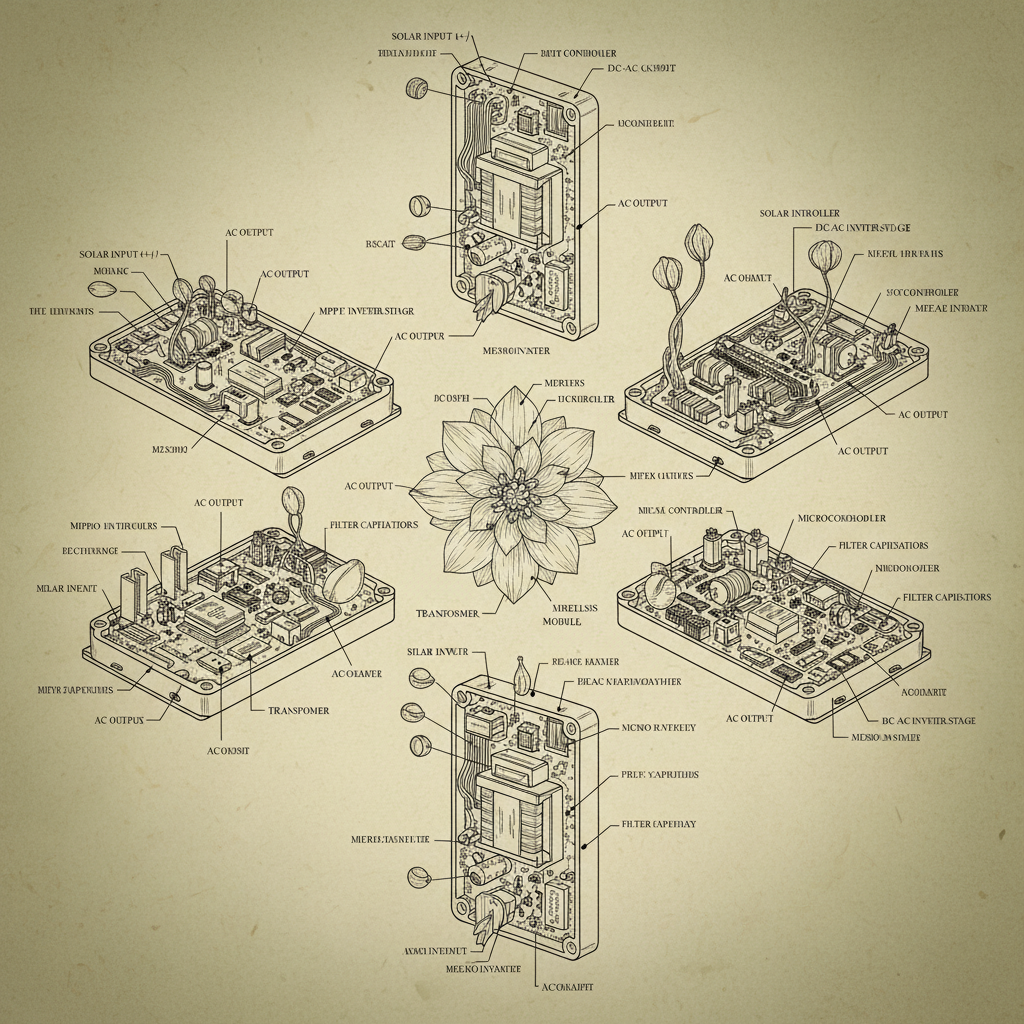
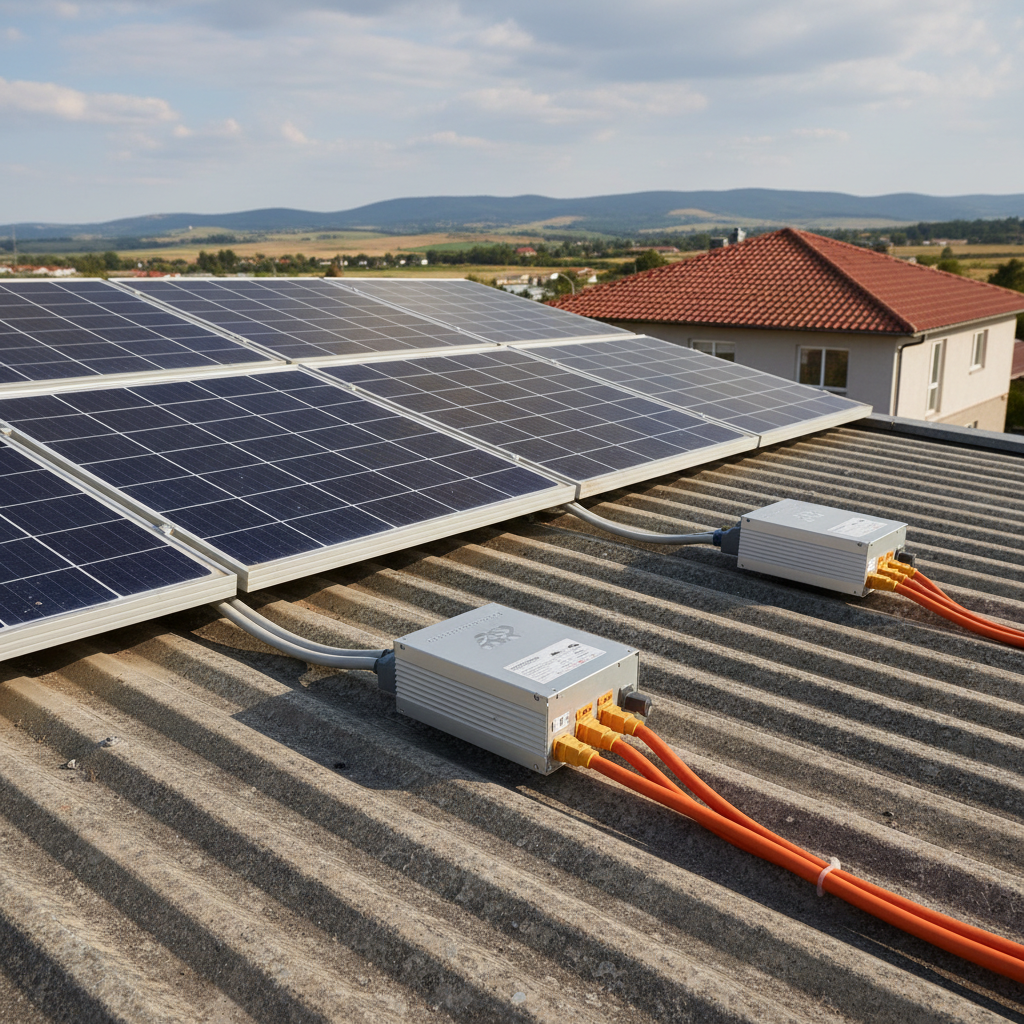
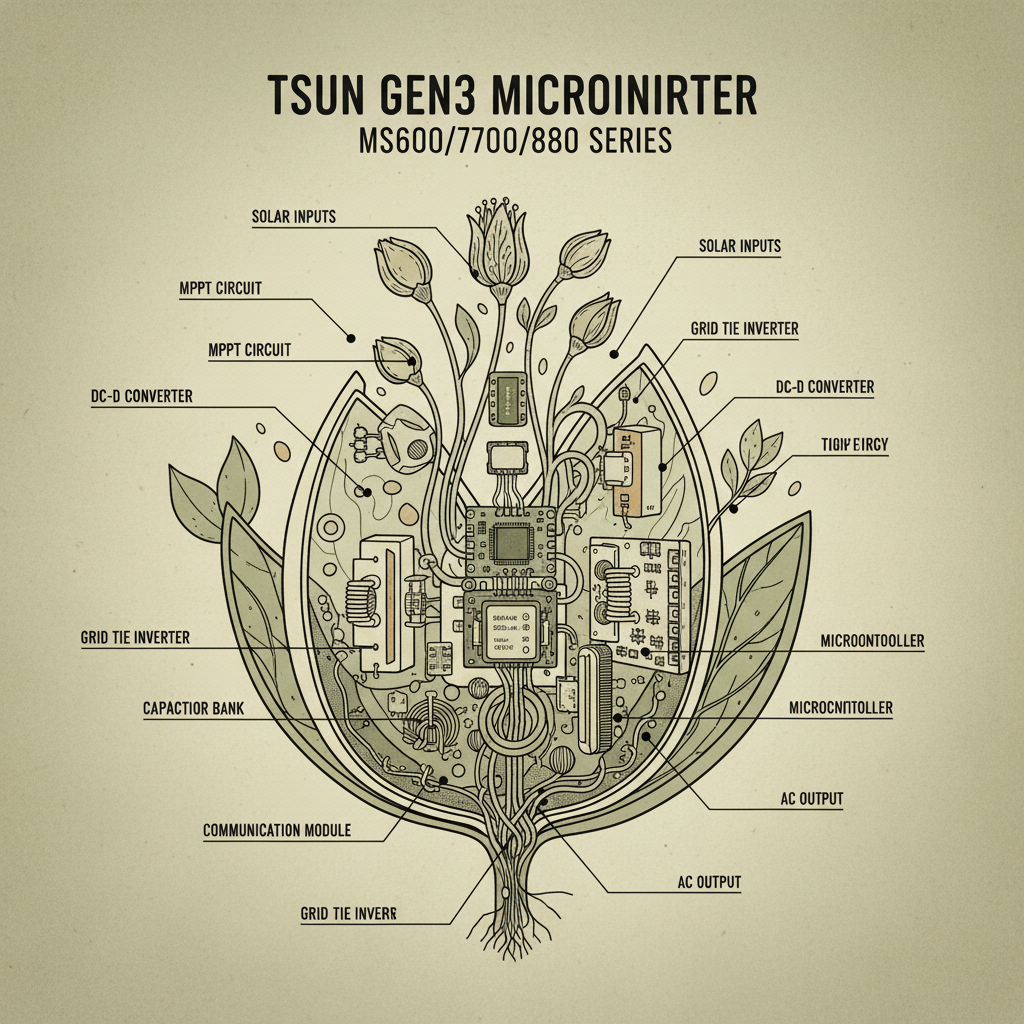
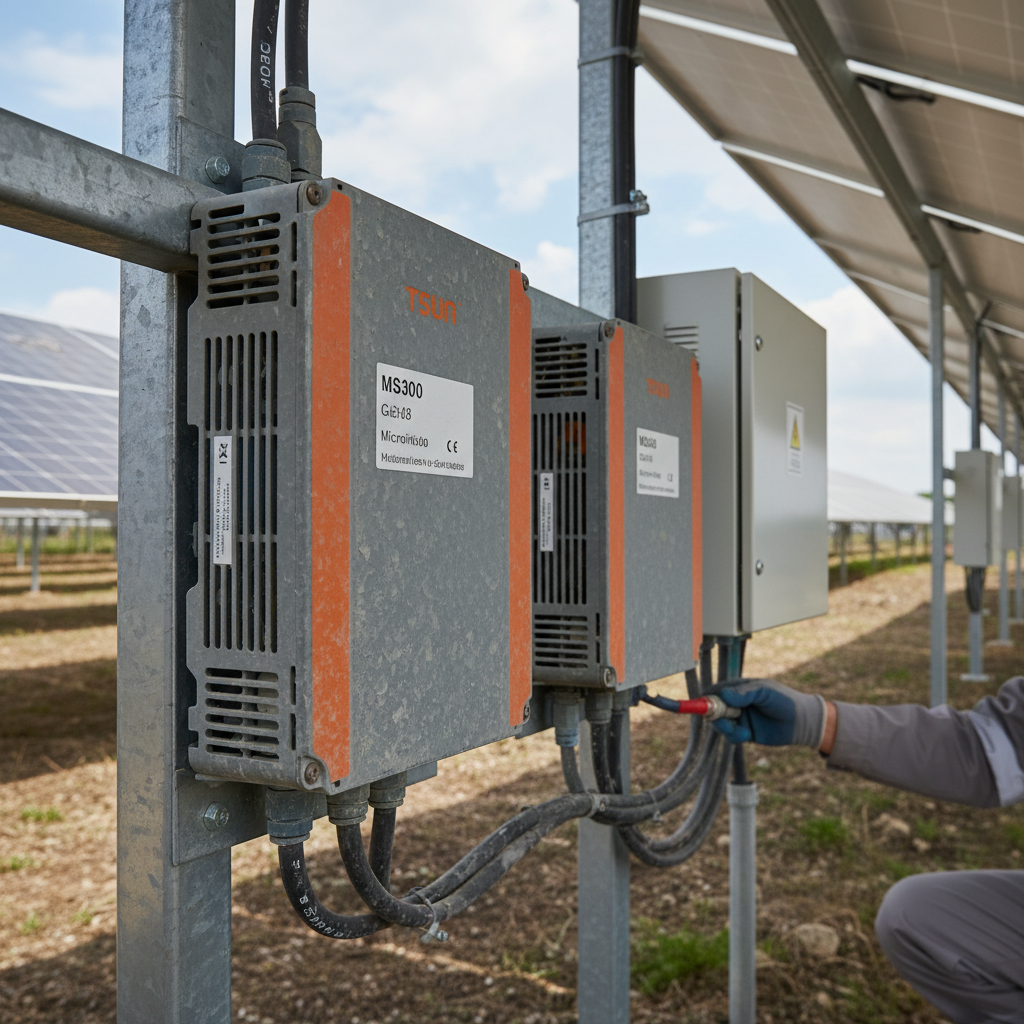
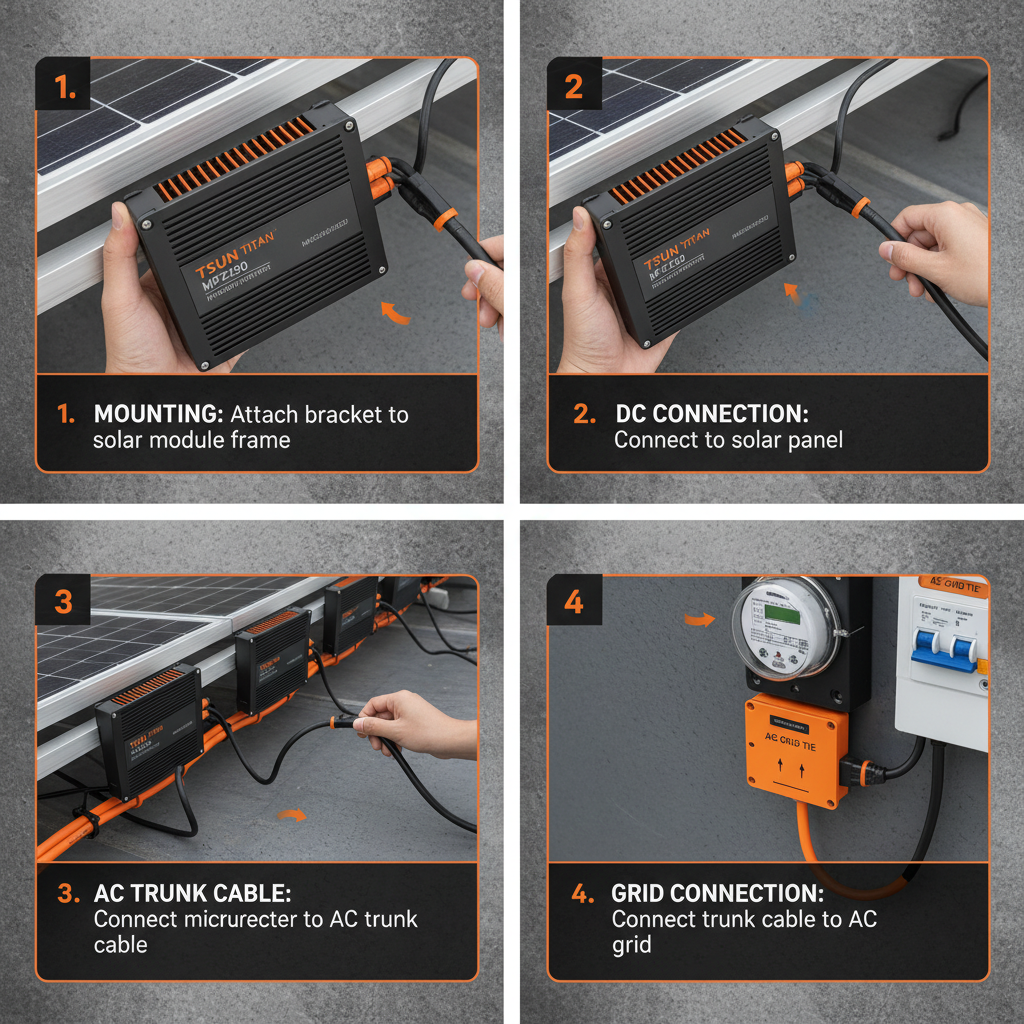
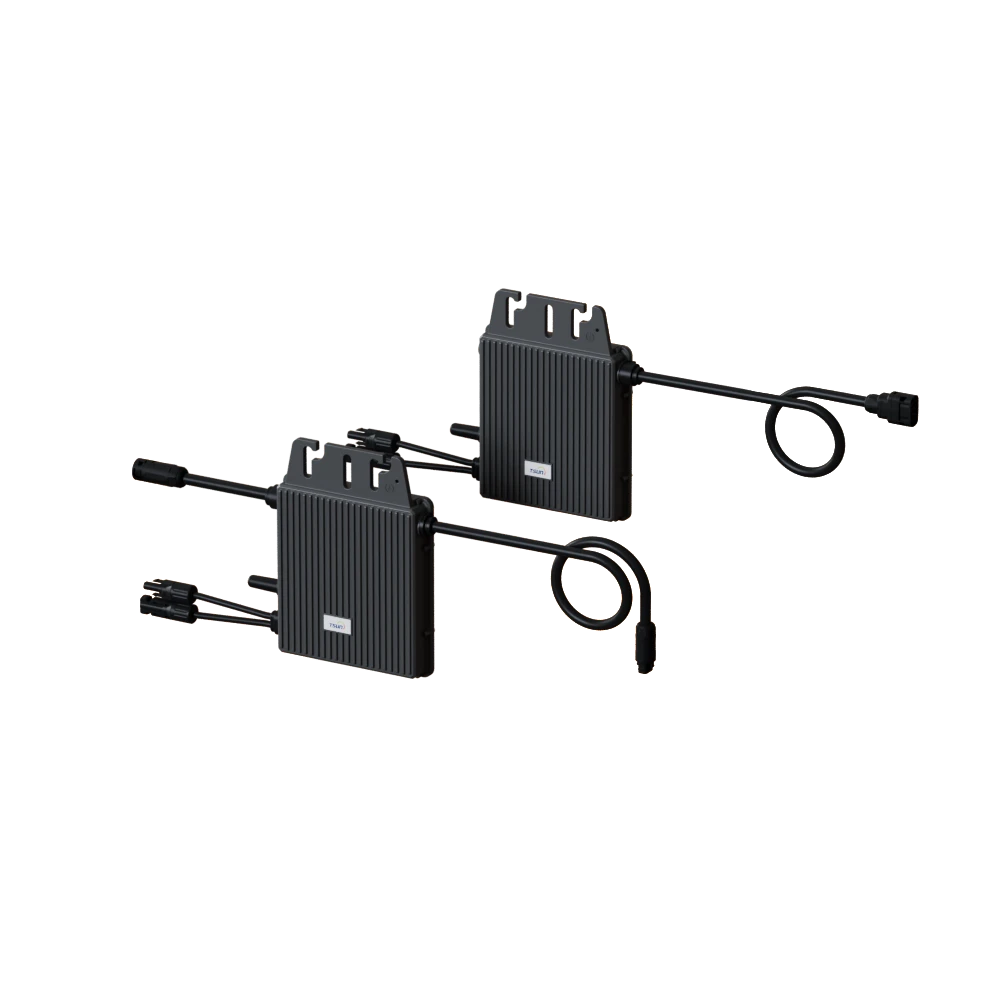
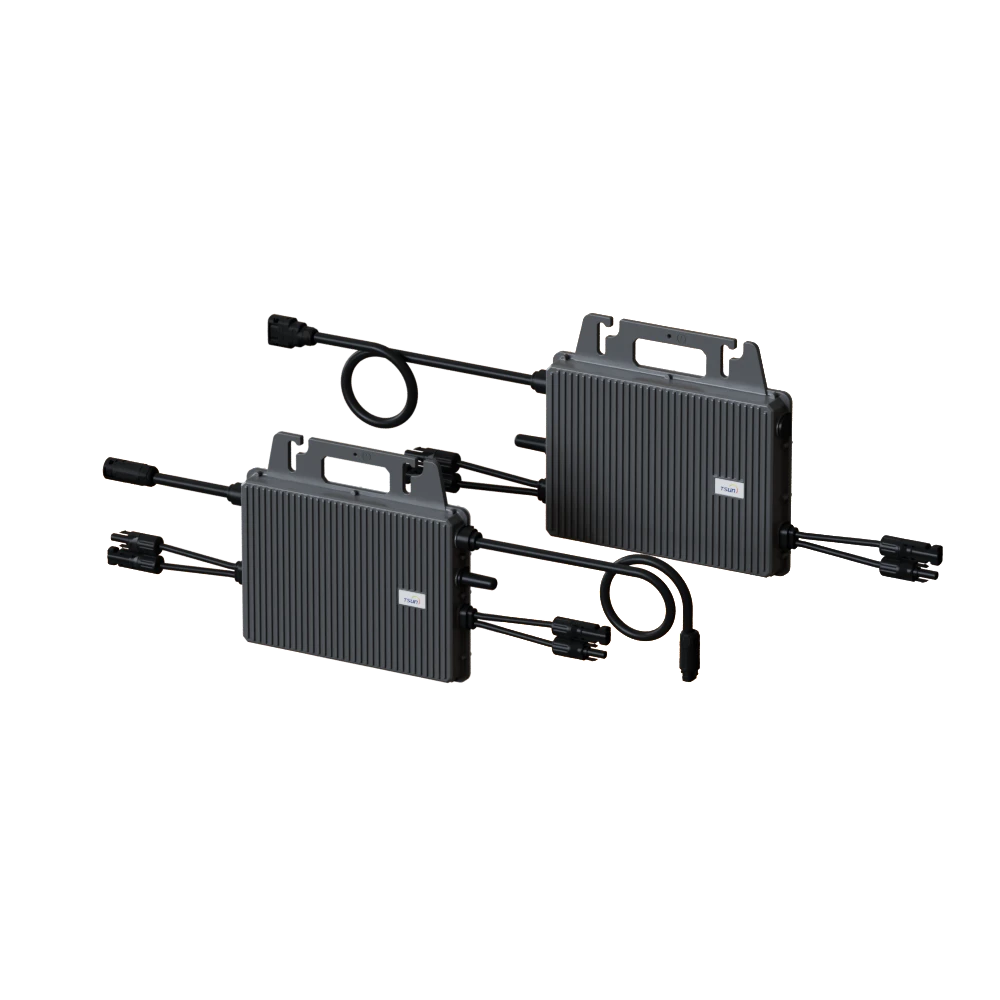
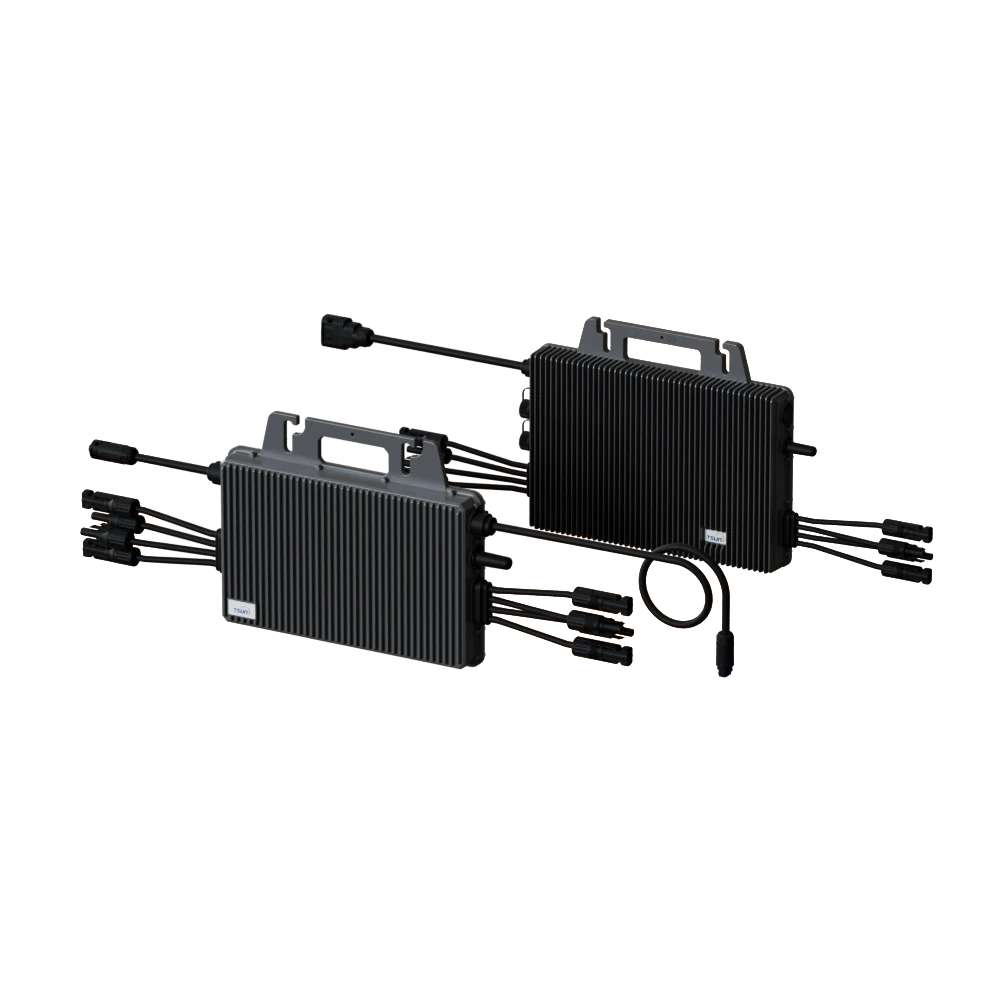
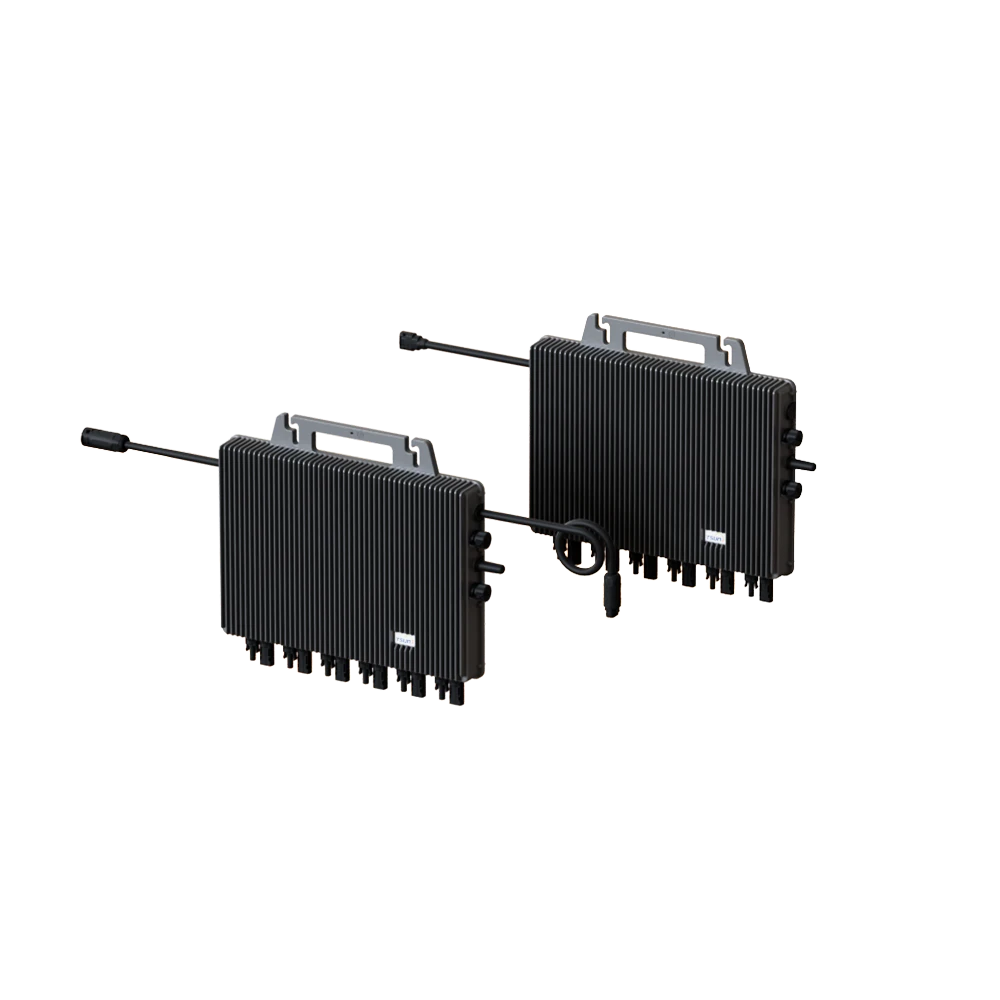
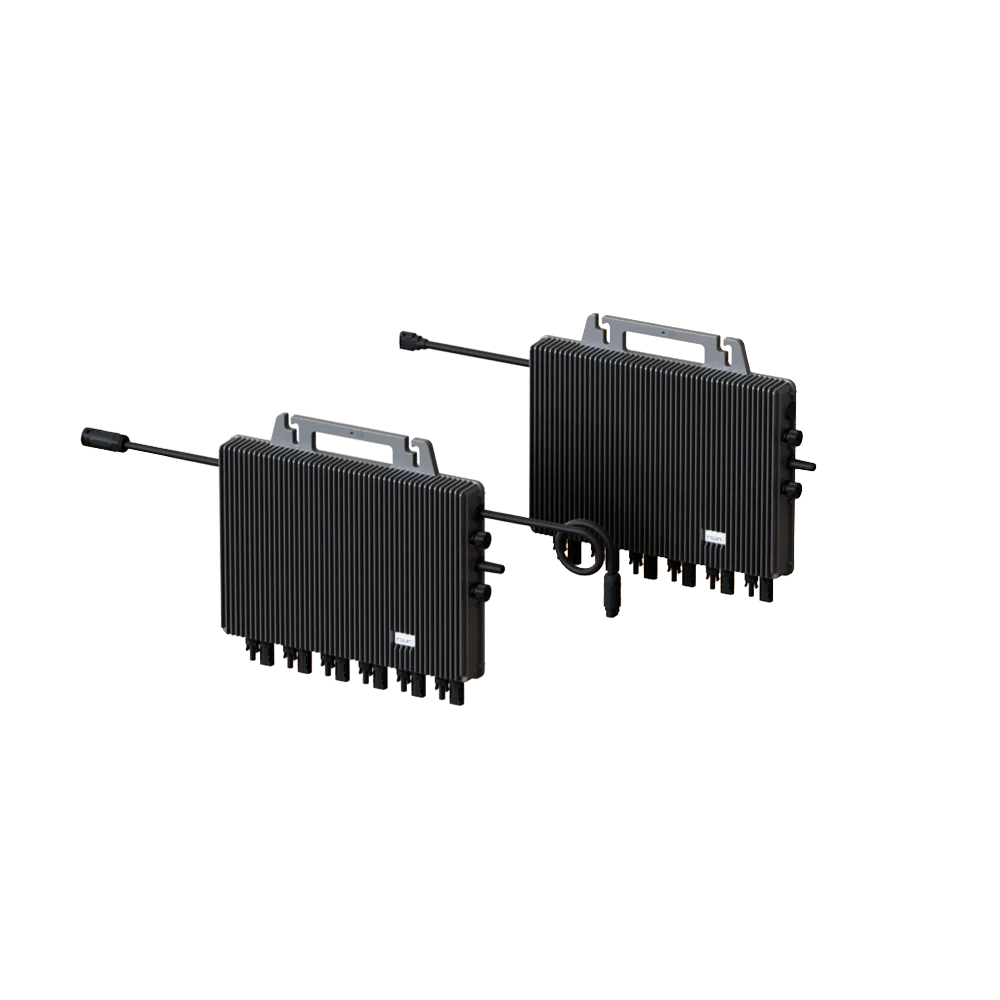
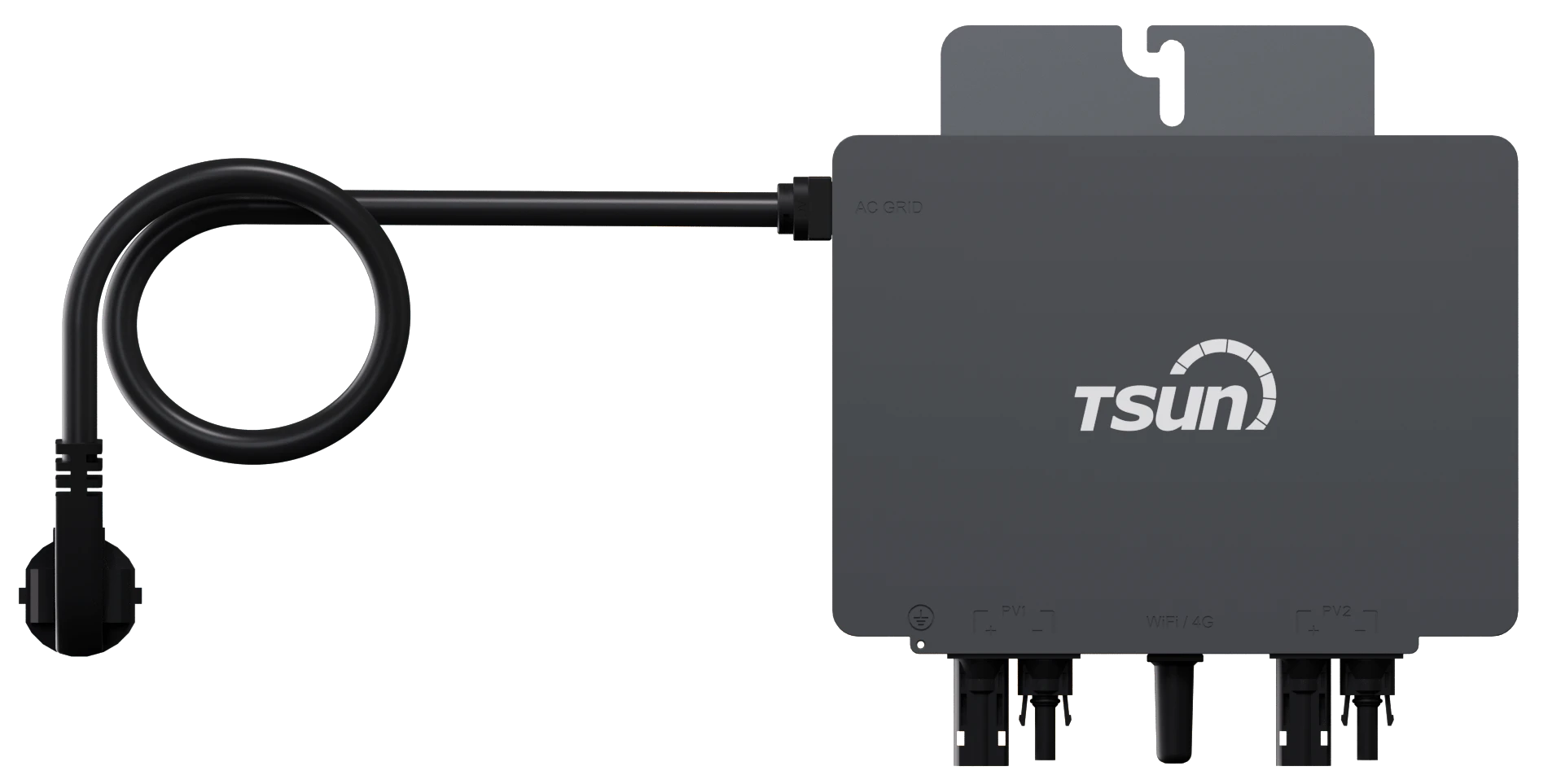
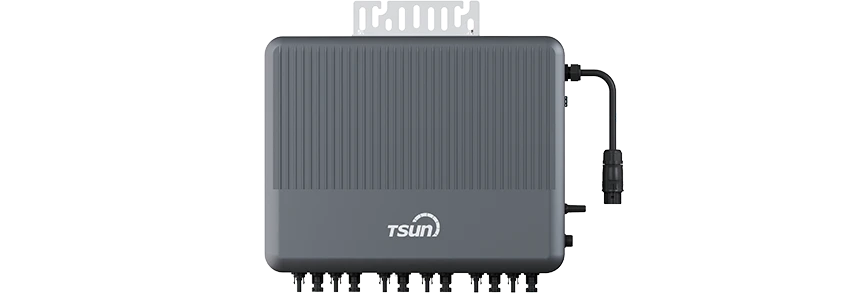
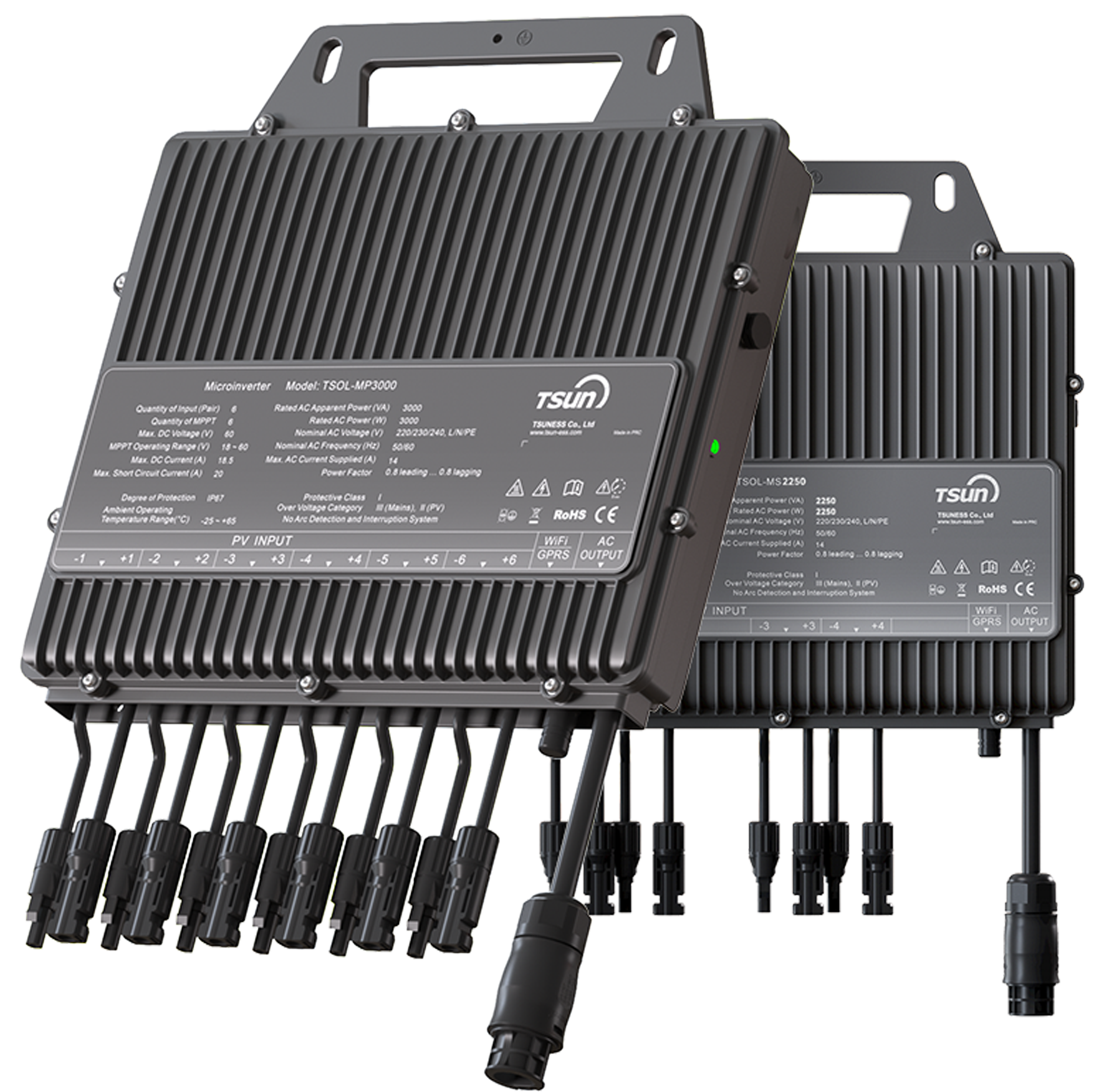
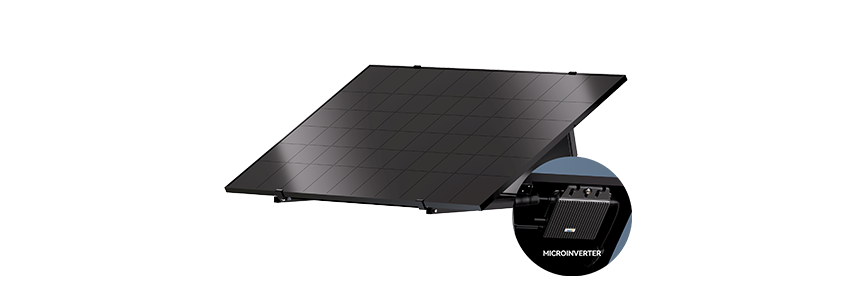
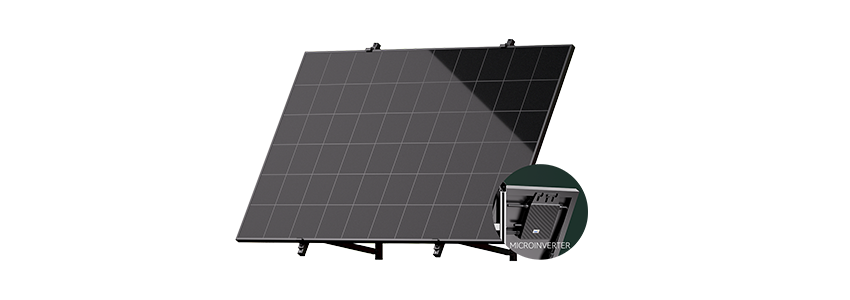
To be honest, the whole industry is buzzing about integration right now. Everyone’s trying to cram more and more power into smaller spaces. It’s wild. We’re seeing a real push for microinverters, especially with the rise of DIY solar. People want to avoid calling electricians for everything, you know? And that's where the tsun gen3 microinverter ms300ms350ms400 bulk comes in. It's not just about being small, it's about being reliable, which is something that gets lost in the marketing hype.
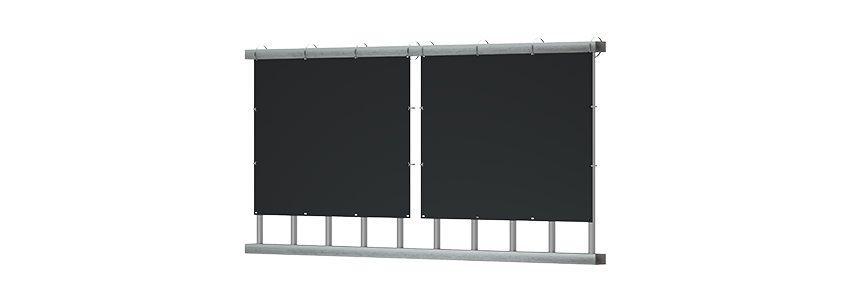
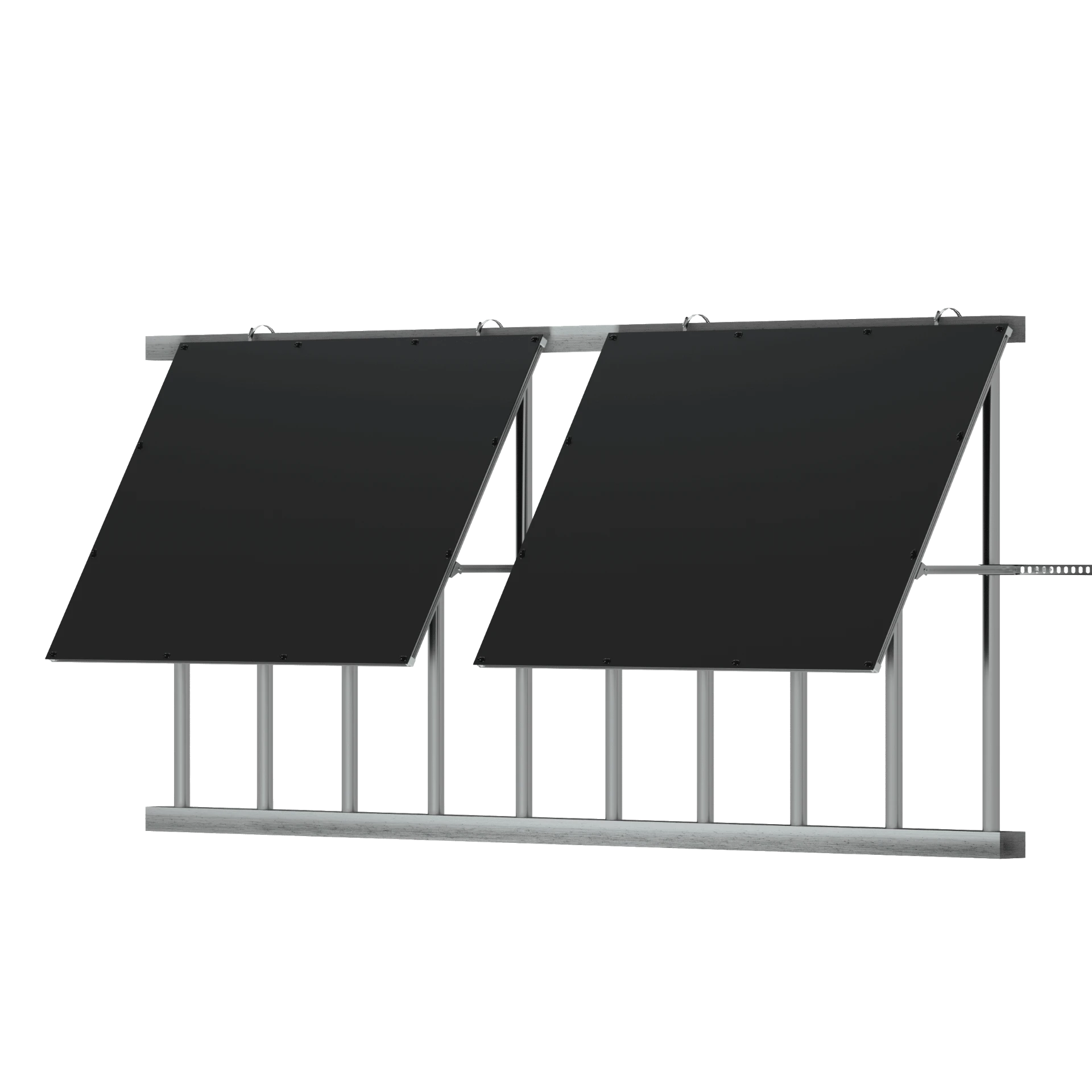
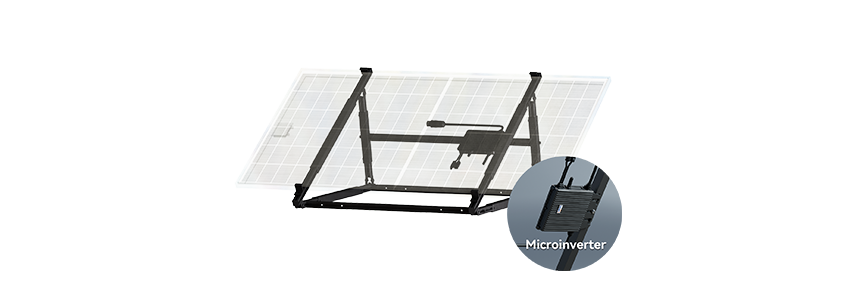
Have you noticed how many designs look good on paper but fall apart when you actually try to build them? It’s a constant battle. I saw a design last year for a supposedly ‘easy install’ bracket… it took three guys and a hydraulic spreader to get it on. The tsun gen3 microinverter ms300ms350ms400 bulk’s mounting system, thankfully, is pretty straightforward. It’s not rocket science. Simple, solid, that’s what we aimed for.
Anyway, I think one of the biggest challenges is keeping costs down without sacrificing quality. That’s where sourcing really matters.
The Rise of Integrated Microinverter Solutions
Strangely enough, people are starting to understand that smaller isn’t always better if it means sacrificing reliability. The whole point of a microinverter is to reduce single points of failure, but if the microinverter itself is flaky... well, you've just created a lot of small, expensive problems. The tsun gen3 microinverter ms300ms350ms400 bulk addresses this with its robust design and focus on component quality.
It’s not flashy, it doesn't need to be. It just works. And in this business, that’s worth its weight in gold.
Design Pitfalls & Practical Considerations
I encountered this at a factory in Ningbo last time. They were trying to use a thinner gauge steel for the housing to save a few cents per unit. Looked fine in the prototypes, but after a few thermal cycles, everything started warping. The tsun gen3 microinverter ms300ms350ms400 bulk housing uses a specific alloy – a little more expensive upfront, sure – but it holds its shape and protects the internals much better. It's the little things, really.
Another common mistake is over-engineering. People get caught up in adding features nobody needs, making the design overly complex and harder to manufacture. Keep it simple, keep it robust. That's the mantra.
And don't even get me started on connector quality. Seriously, cheap connectors are a disaster waiting to happen. We spec'd high-quality MC4 connectors for the tsun gen3 microinverter ms300ms350ms400 bulk specifically because I've seen what happens when you cut corners there. Corrosion, loose connections… a nightmare.
Material Science: Building for Longevity
The core components... you can smell the quality, honestly. The transformers, for example. They have this distinct, clean smell, not like the cheap stuff that reeks of varnish. It’s a subtle thing, but it tells you something about the manufacturing process and the materials used. We use a high-grade ferrite core, which handles heat better and maintains its magnetic properties for longer.
And the encapsulation material… that’s crucial. It needs to protect the electronics from moisture, dust, and vibration. We went with a polyurethane resin that's incredibly durable and UV resistant. It feels solid, almost rubbery, when you handle it. It's not brittle like some of the cheaper epoxies.
It's a constant trade-off, of course. You want materials that are durable and reliable, but you also need to consider cost and manufacturability. Finding that sweet spot is the art of this job, I guess.
Real-World Testing & Performance Metrics
Look, lab testing is important, sure. But it doesn’t tell you everything. We’ve subjected the tsun gen3 microinverter ms300ms350ms400 bulk to some pretty brutal real-world tests. We’ve buried them in sand, soaked them in saltwater, and even dropped them from a height (don’t tell the safety guys).
We don’t just measure efficiency in a controlled environment; we look at long-term performance under realistic conditions. How does it handle extreme temperatures? How does it perform in partial shading? Those are the questions that matter to customers.
tsun gen3 microinverter ms300ms350ms400 bulk Performance Under Various Conditions
User Behavior & Unexpected Applications
You know what surprised me? People are using these things in off-grid cabins, tiny homes, even RVs. We designed it for residential solar, but the portability and ease of installation opened up a whole new market. It’s always fascinating to see how people adapt a product to their needs.
And the DIY community… they're incredible. They’re constantly finding new ways to integrate the tsun gen3 microinverter ms300ms350ms400 bulk into their projects.
The Advantages and Limitations of tsun gen3 microinverter ms300ms350ms400 bulk
The biggest advantage, hands down, is the modularity. If one microinverter fails, it doesn’t take down the whole system. That's peace of mind for the customer. And the monitoring capabilities are pretty robust, allowing for easy diagnostics.
But it’s not perfect, of course. Microinverters are generally more expensive upfront than string inverters. And while the tsun gen3 microinverter ms300ms350ms400 bulk is designed to be durable, it’s still electronic equipment and susceptible to damage from extreme weather or physical abuse.
Honestly, the biggest limitation is perception. Some installers are still stuck in the mindset of traditional string inverter systems. It takes time to change habits.
Customization Options & Real-World Implementations
We’ve had a few customers request custom firmware updates for specific applications. Last month, that small boss in Shenzhen who makes smart home devices insisted on changing the interface to for compatibility with his system, and the result was a bit of a headache getting it certified, but we managed. It’s those kinds of requests that keep things interesting.
We also offer options for different enclosure colors and mounting configurations. It’s not a full-blown bespoke service, but we’re willing to work with customers to meet their specific needs.
We recently did a project for a remote monitoring station in the Gobi Desert. They needed a reliable power source that could withstand extreme temperatures and limited maintenance. The tsun gen3 microinverter ms300ms350ms400 bulk proved to be a perfect fit.
Key Performance Indicators for tsun gen3 microinverter ms300ms350ms400 bulk
| Component |
Rating (1-10) |
Durability |
Maintainability |
| Transformer |
9 |
High |
Low |
| Encapsulation |
8 |
Medium |
Low |
| Connectors |
7 |
Medium |
Medium |
| Housing |
9 |
High |
Low |
| Control Circuit |
8 |
Medium |
Medium |
| Thermal Management |
7 |
Medium |
Medium |
FAQS
The tsun gen3 microinverter ms300ms350ms400 bulk is designed to operate reliably in a wide range of temperatures, from -40°C to 85°C. We’ve done extensive testing in extreme conditions to ensure it can handle everything from scorching desert heat to frigid Arctic cold. It's crucial to stay within these limits for optimal performance and longevity. Exceeding these temperatures can lead to reduced efficiency or even component failure. Proper ventilation is also recommended, especially in enclosed spaces.
Partial shading is a common issue with solar installations. The tsun gen3 microinverter ms300ms350ms400 bulk is designed to minimize the impact of shading thanks to its Maximum Power Point Tracking (MPPT) on each individual panel. This means that even if one panel is partially shaded, the others will continue to operate at their maximum efficiency. It won’t eliminate the loss completely, but it significantly reduces it compared to traditional string inverter systems. We typically see a performance reduction of around 10-15% with moderate shading.
We offer a standard 12-year product warranty on the tsun gen3 microinverter ms300ms350ms400 bulk. This covers defects in materials and workmanship. We also have extended warranty options available for customers who want additional peace of mind. The warranty process is straightforward, and we pride ourselves on providing prompt and efficient customer support. It's important to register your product to activate the warranty, so be sure to do that after installation.
The tsun gen3 microinverter ms300ms350ms400 bulk is compatible with most standard crystalline silicon solar panels. However, it’s always a good idea to check the specifications to ensure compatibility, particularly with thin-film panels or panels with unusual voltage characteristics. We provide a compatibility list on our website, and our technical support team is available to answer any questions you may have. It’s crucial to match the inverter's input voltage range to the panel's output voltage.
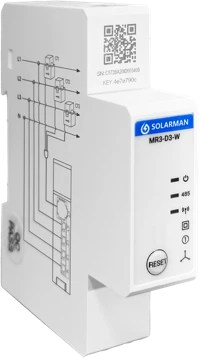
Monitoring is a breeze! The tsun gen3 microinverter ms300ms350ms400 bulk comes with built-in Wi-Fi connectivity and a user-friendly monitoring portal. You can access real-time data on energy production, voltage, current, and more from your computer or smartphone. The system also provides alerts if any issues are detected, allowing you to proactively address them. We also offer API access for advanced users who want to integrate the data into their own monitoring systems.
The tsun gen3 microinverter ms300ms350ms400 bulk holds all the major certifications required for grid-tie applications, including UL 1741, IEC 62109, and VDE-AR-N 4105. These certifications demonstrate that the product meets stringent safety and performance standards. We regularly update our certifications to comply with the latest regulations. It's crucial to use certified inverters to ensure safe and reliable operation and to avoid voiding your insurance.
Conclusion
Ultimately, the tsun gen3 microinverter ms300ms350ms400 bulk isn't about fancy features or marketing hype. It's about building a reliable, durable product that does its job and provides peace of mind. It's about minimizing downtime, maximizing energy production, and making solar accessible to more people. It's a solid piece of kit, designed for real-world conditions.
And that's what matters. Whether this thing works or not, the worker will know the moment he tightens the screw. It’s gotta feel right, it’s gotta click into place. That’s the real test. Visit our website at tsun-ess.com to learn more.







 LEARN DETAILS


 Downloads
 Video Center
 Report Fault for Repair
 FAQS
FAQS Service Network
 Privacy Policy
 Contact Us
 Monitoring