Understanding Microinverter Panels: A Guide to Enhanced Solar Performance
As the demand for renewable energy grows, optimizing solar panel performance is more critical than ever. Microinverter panels offer a compelling solution, providing significant advantages over traditional string inverter systems. This article delves into the world of microinverters, exploring their benefits, how they work, and why they are becoming increasingly popular for both residential and commercial solar installations. We’ll look at the key features that make them a smart investment for maximizing energy yield and long-term reliability.
What are Microinverter Panels and How Do They Work?
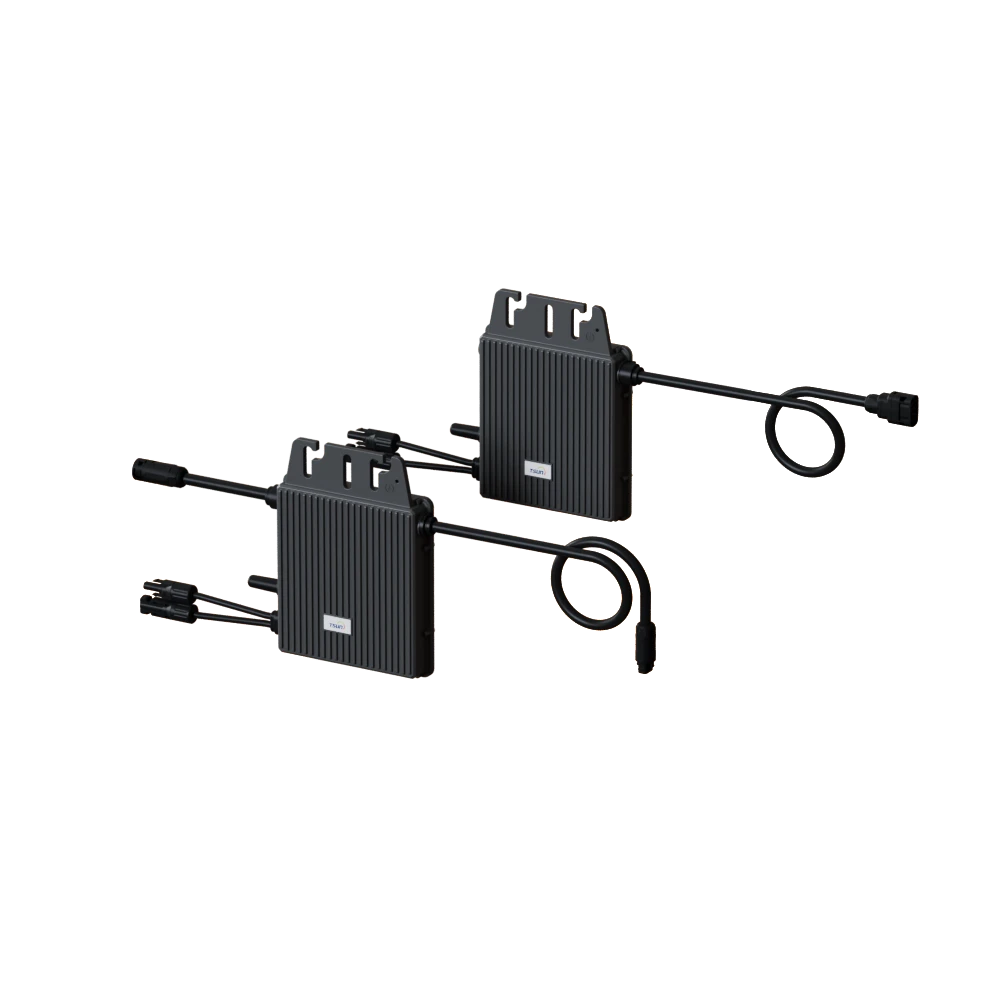
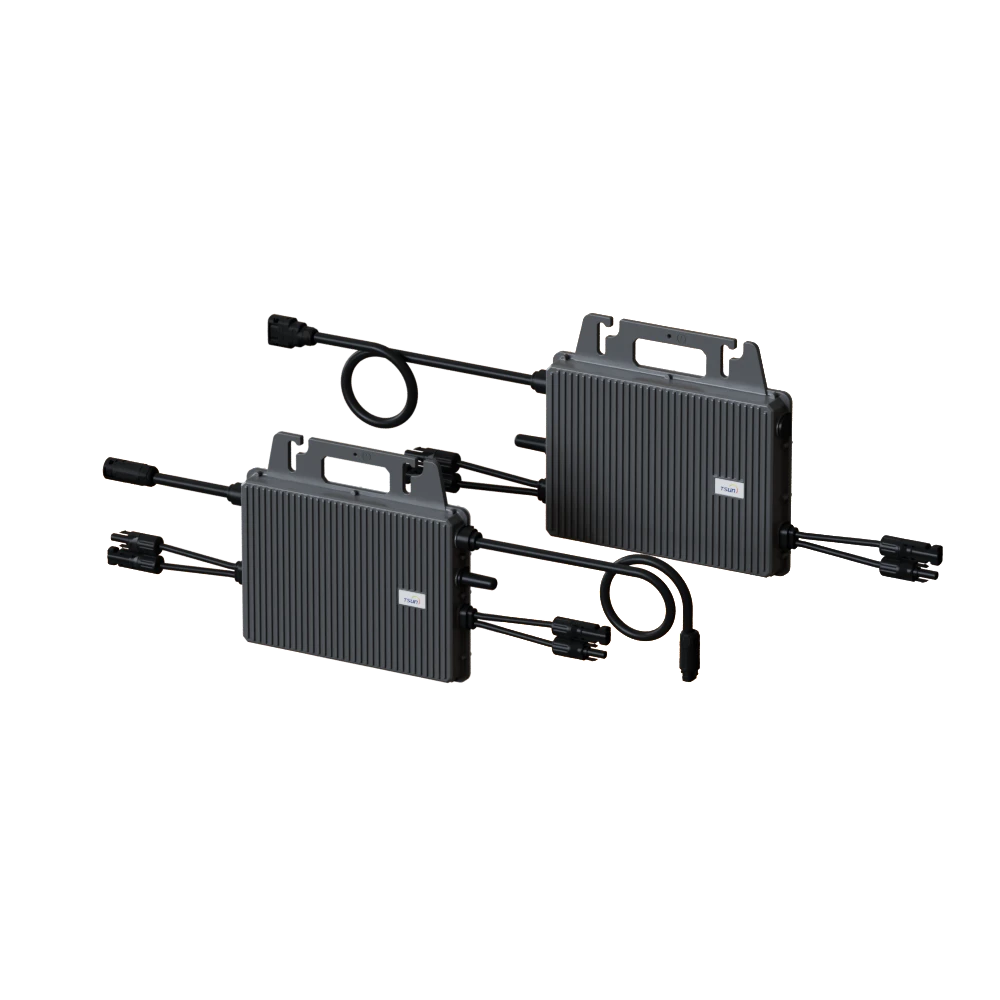
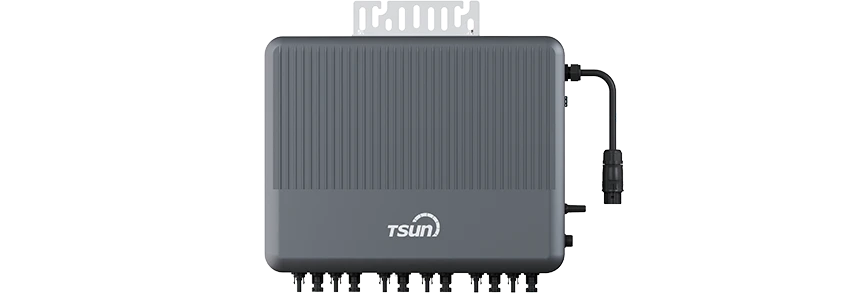
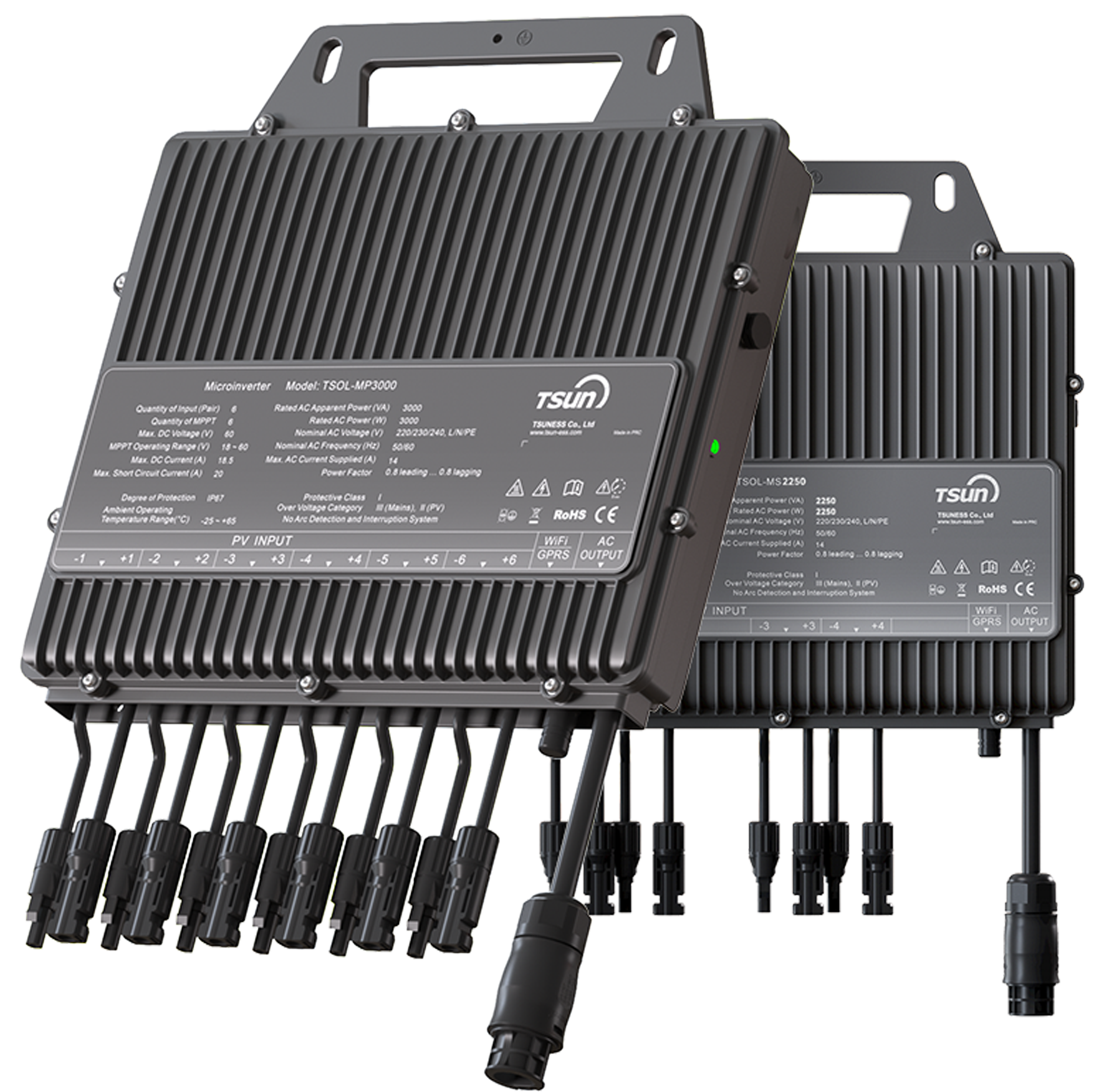
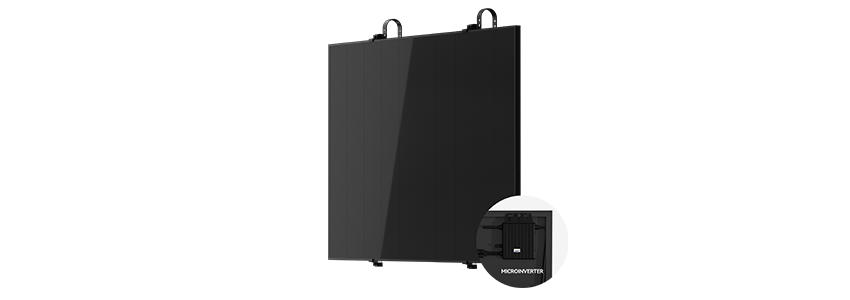
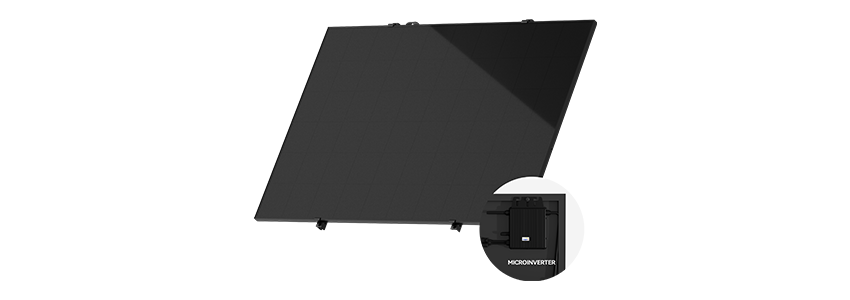
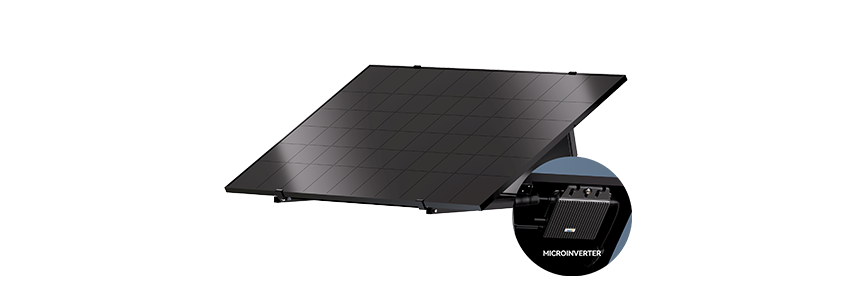
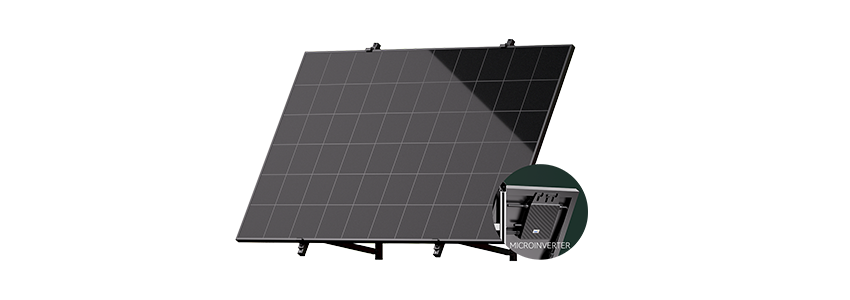
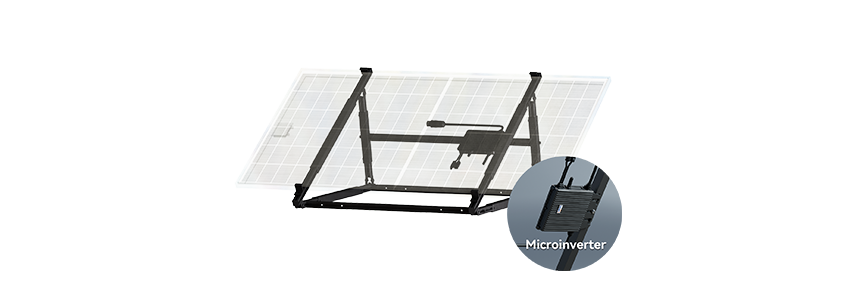
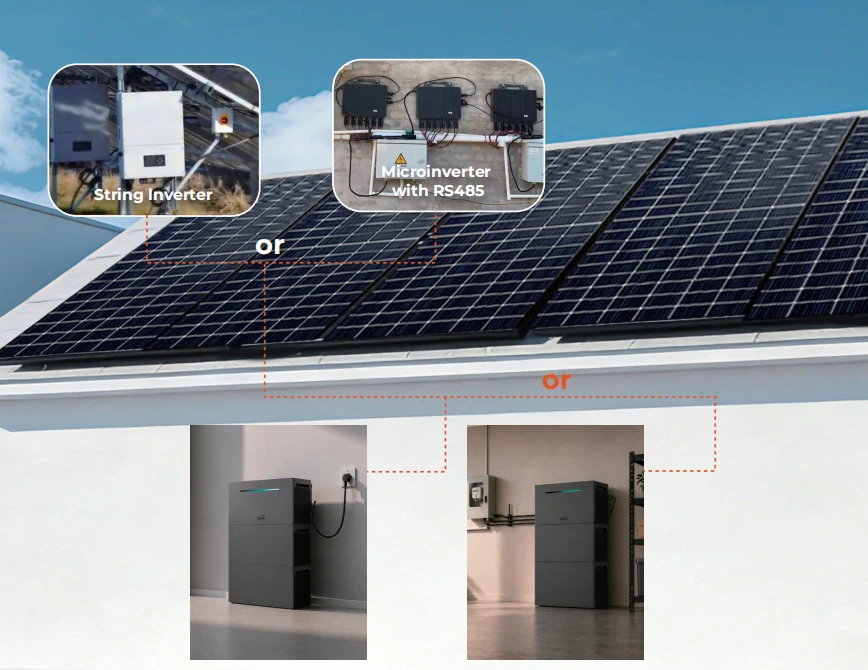
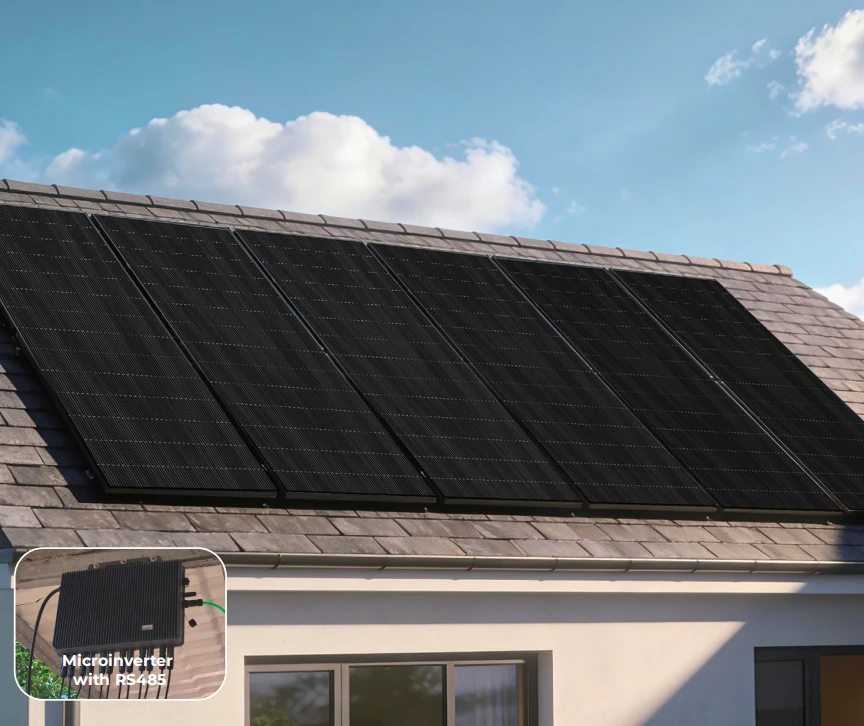
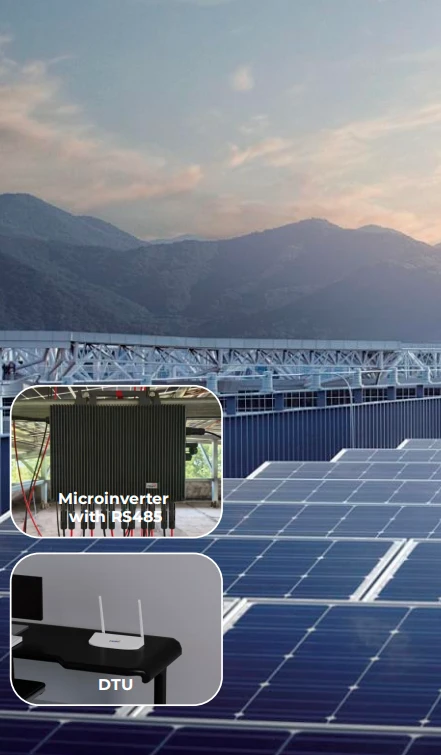
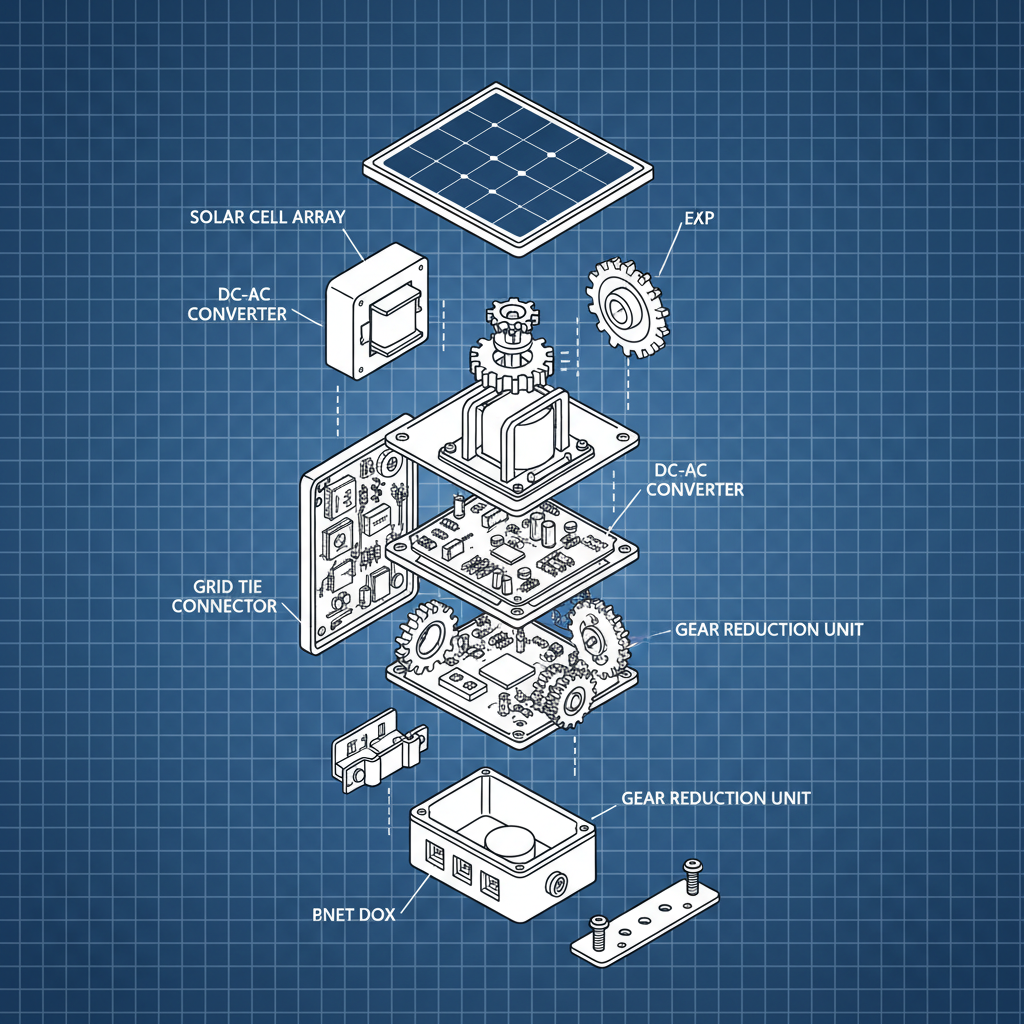
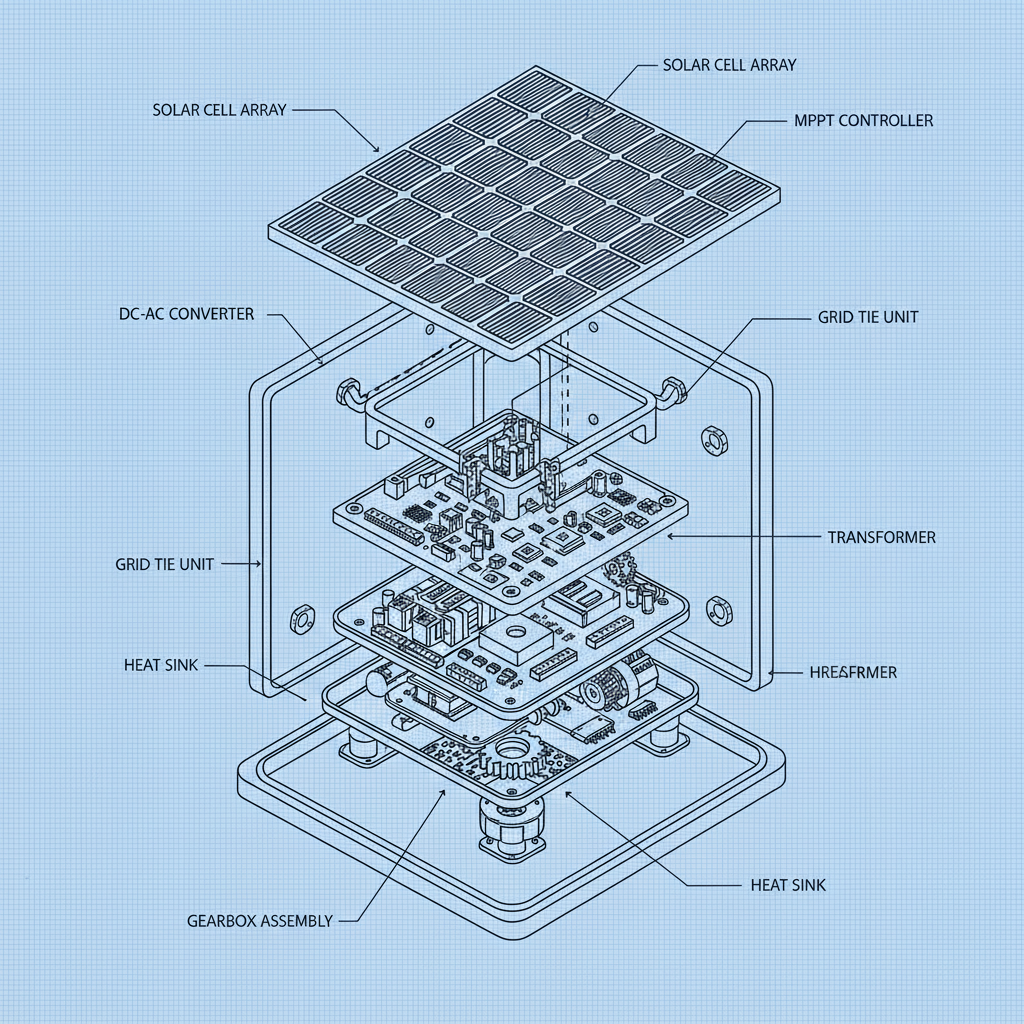
Unlike traditional solar systems that use a single string inverter to convert DC power from all panels to AC power, microinverter panels integrate an inverter directly onto each individual solar panel. This decentralized approach has several key benefits. Each panel operates independently, meaning that the performance of one panel doesn’t affect the others. This is especially advantageous in situations where shading is a concern. With string inverters, a shaded panel can reduce the output of the entire string, while microinverters allow the unshaded panels to continue operating at full capacity. The DC power generated by each panel is converted to AC power at the panel itself, and then fed directly into your home's electrical system.
Key Highlight: Microinverters maximize energy harvest by optimizing the output of each panel individually, mitigating the impact of shading and panel mismatch.
The Advantages of Using Microinverter Panels
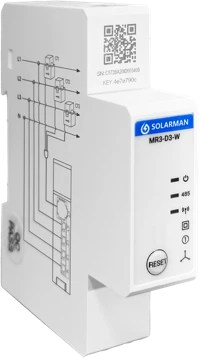
The benefits of choosing microinverter panels extend beyond just improved performance in shaded conditions. They also offer increased system reliability, enhanced monitoring capabilities, and greater design flexibility. Because each microinverter operates independently, a failure in one unit won’t bring down the entire system. Furthermore, most microinverter systems come with sophisticated monitoring software that allows you to track the performance of each individual panel, providing valuable insights into system health and energy production. This granular level of monitoring allows for quicker identification and resolution of any potential issues. The enhanced design flexibility enables optimizing panel orientation to maximize energy capture, even on complex rooflines.
Key Advantages:
• Increased Energy Yield, especially in shaded conditions
• Improved System Reliability
• Granular Monitoring of Individual Panel Performance
• Greater Design Flexibility
Microinverter Panels vs. String Inverter Systems: A Detailed Comparison
Choosing between microinverter panels and traditional string inverter systems requires careful consideration. While string inverters are generally less expensive upfront, microinverters offer a number of long-term benefits that can outweigh the initial cost. The following table provides a side-by-side comparison of the two technologies:
| Feature |
Microinverter Panels |
String Inverter Systems |
| Performance in Shade |
Minimal Impact |
Significant Reduction in Output |
| System Reliability |
High – Individual Panel Operation |
Lower – Single Point of Failure |
| Monitoring Capabilities |
Granular, Panel-Level |
Limited, System-Level |
| Upfront Cost |
Higher |
Lower |
Choosing the Right Microinverter Panels: A Look at Tsun-ESS Solutions
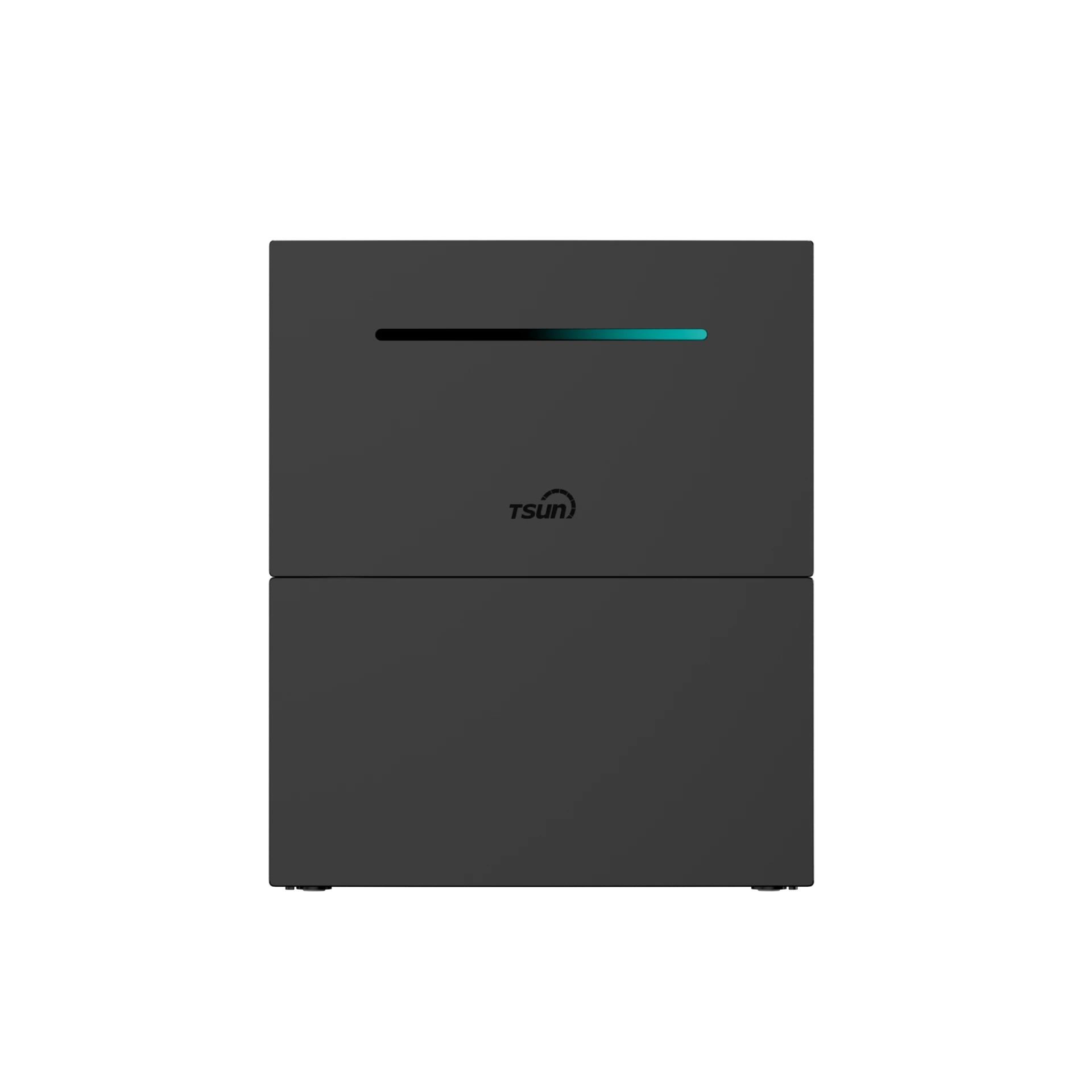
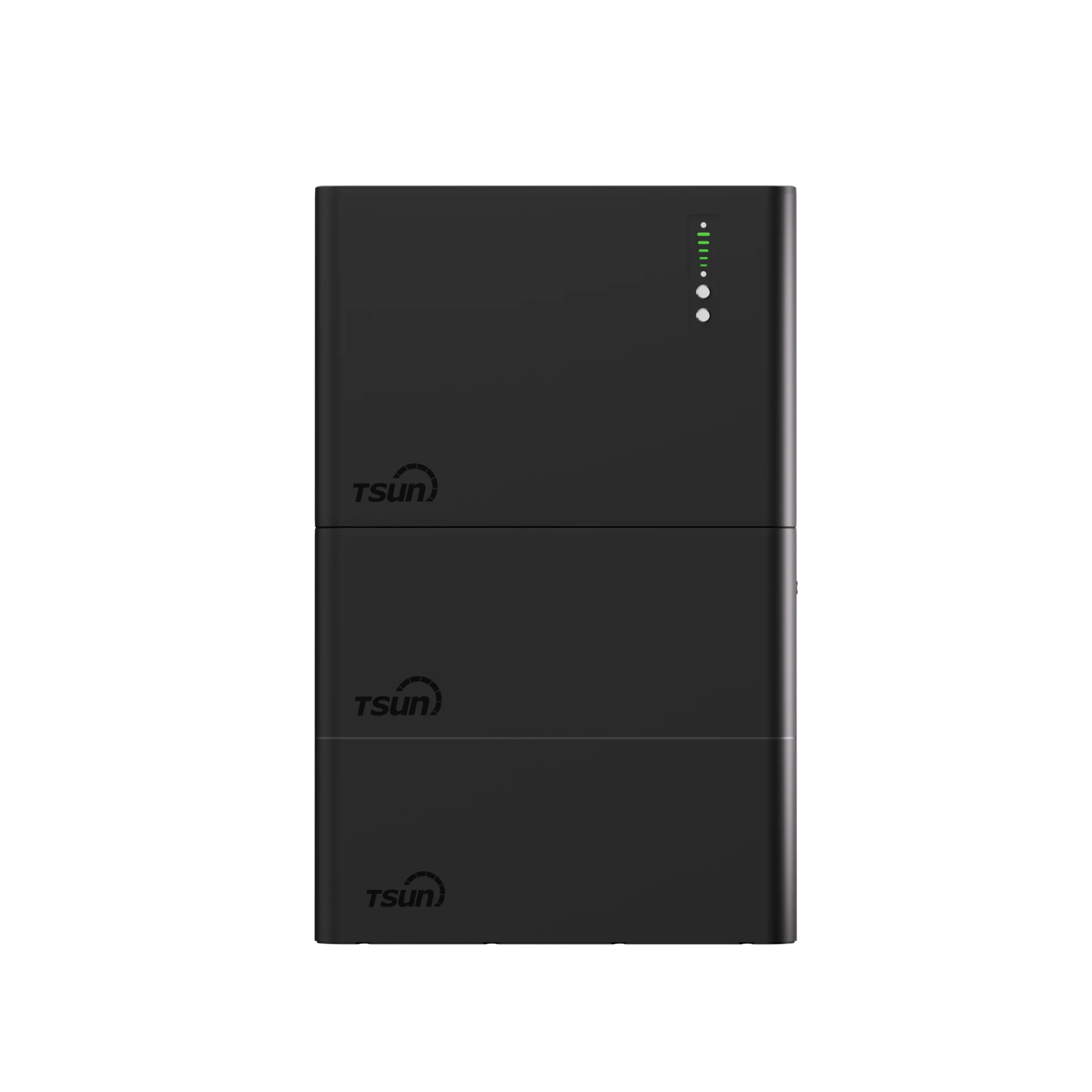
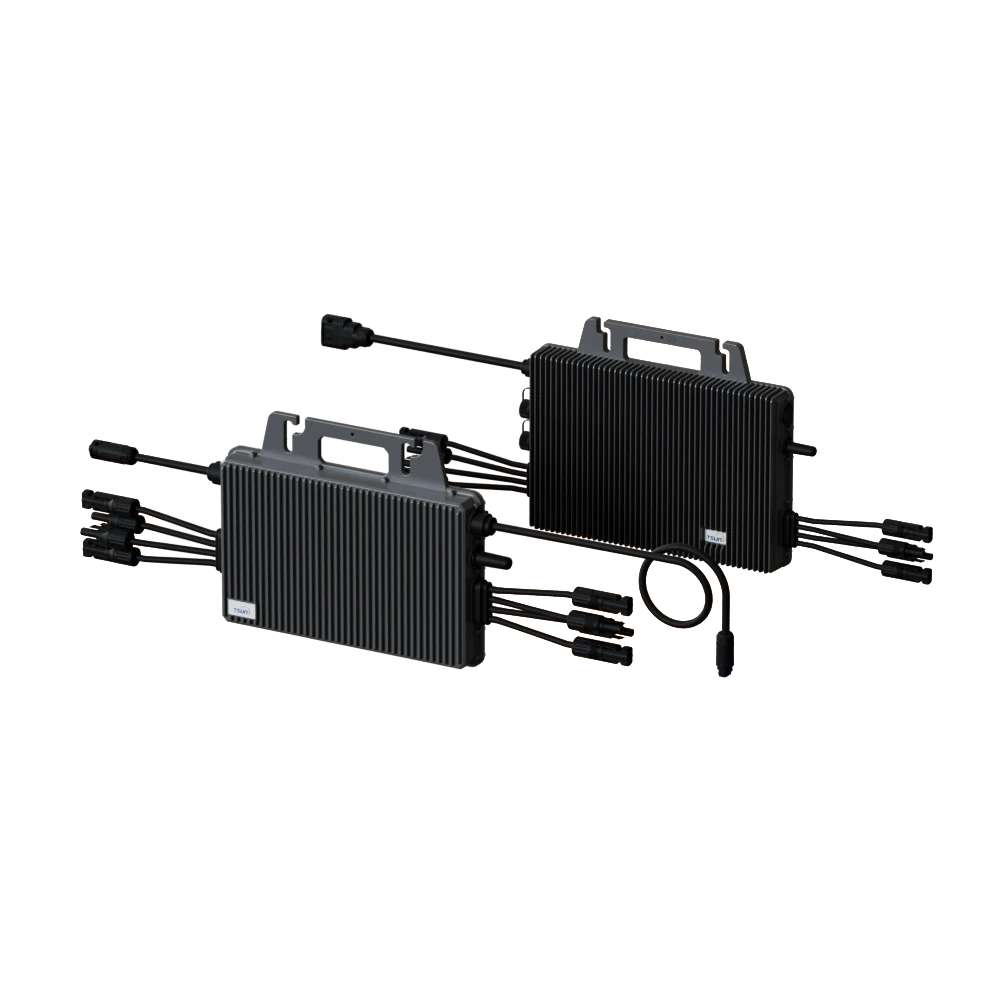
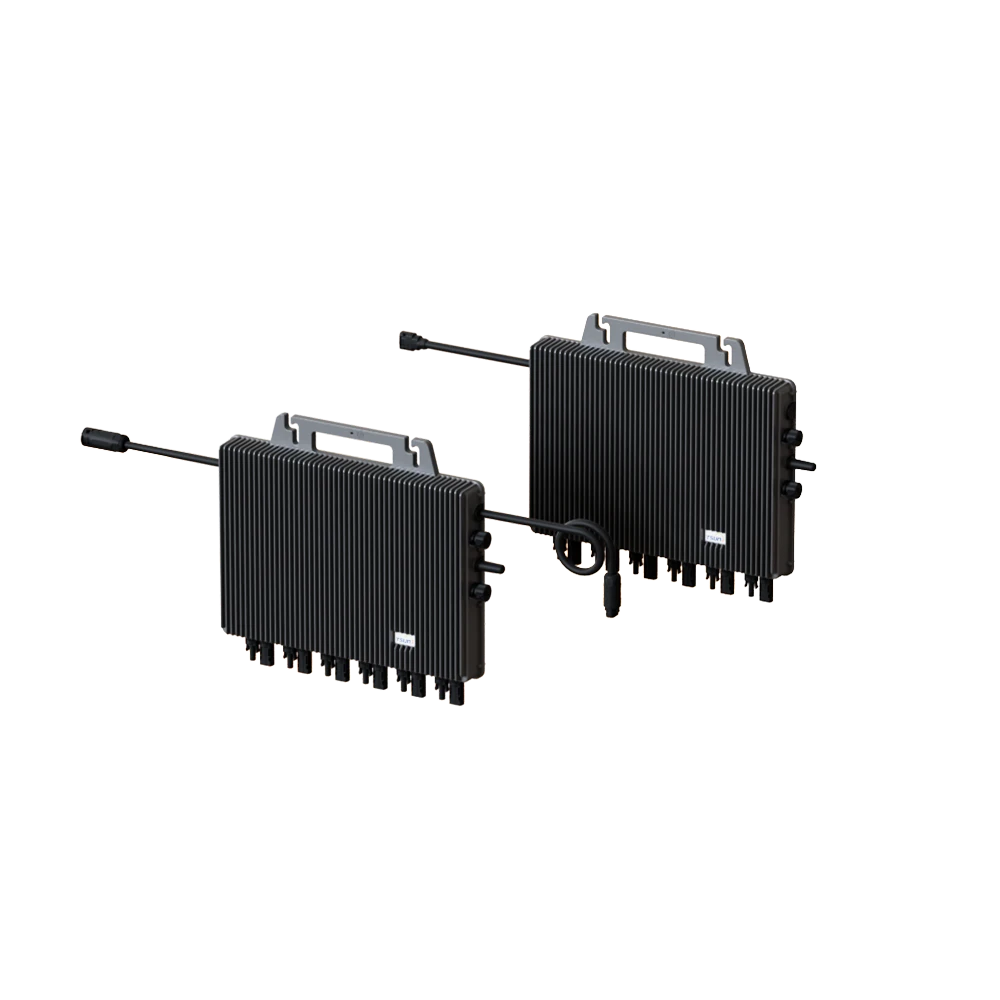
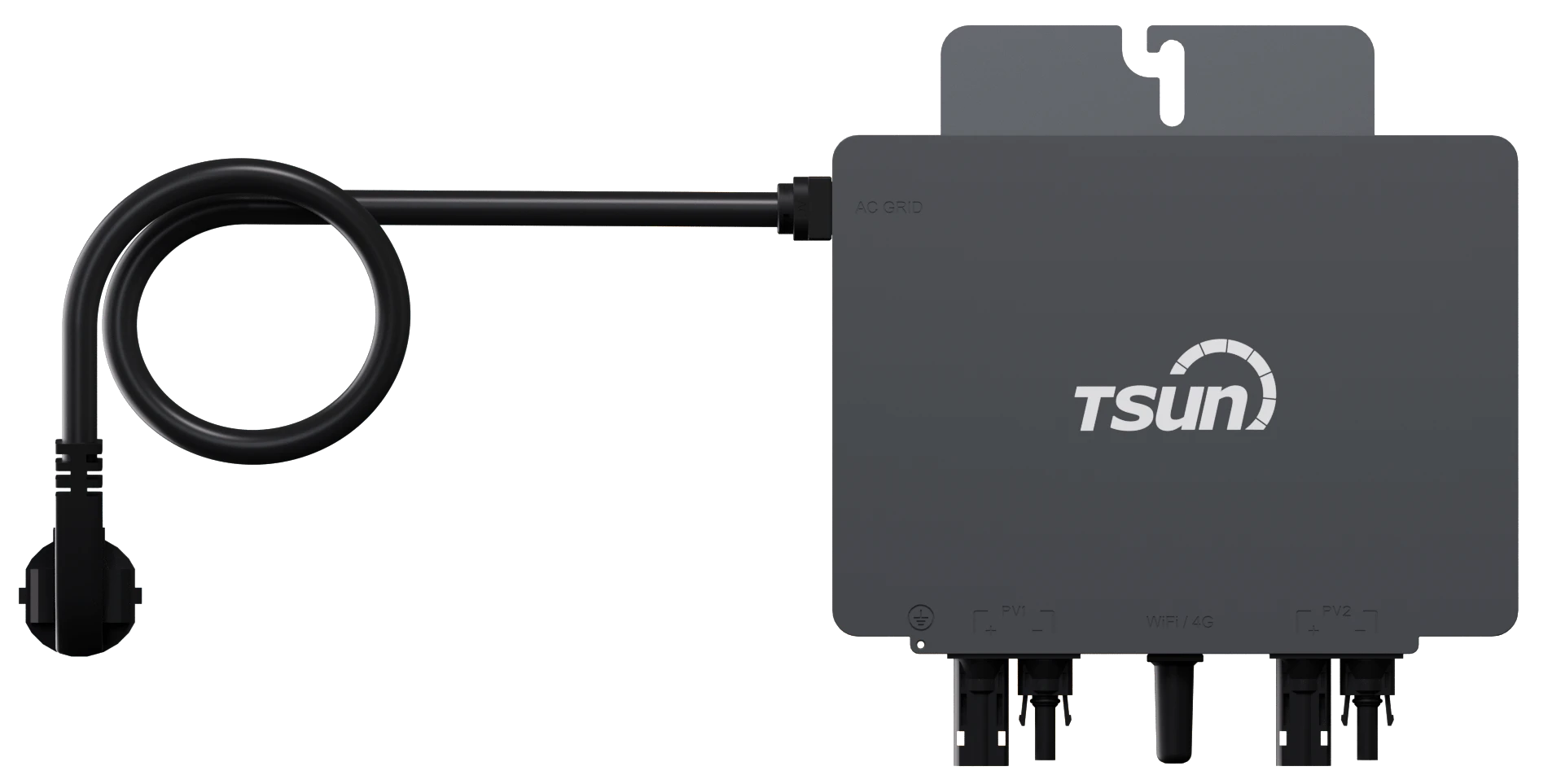
When selecting microinverter panels, it's crucial to choose a reputable provider with a proven track record of quality and reliability. Tsun-ESS offers a comprehensive range of microinverter solutions designed to maximize energy production and deliver long-term performance. Their products are rigorously tested to ensure durability and compliance with industry standards. With a commitment to innovation and customer satisfaction, Tsun-ESS provides a reliable and efficient solution for all your solar energy needs.
Technical Specifications and Product Range from Tsun-ESS
Tsun-ESS offers a variety of microinverter options to suit different solar panel configurations and energy requirements. Here’s a glimpse of their specifications:
| Model |
Max. Input Power (W) |
Peak Output Power (W) |
MPPT Voltage Range (V) |
| Tsun-ESS MI-500 |
500W |
500W |
24-60V |
| Tsun-ESS MI-600 |
600W |
600W |
24-60V |
Conclusion: Powering Your Future with Microinverter Panels
Investing in microinverter panels, particularly those from a trusted provider like Tsun-ESS, represents a smart and sustainable solution for maximizing solar energy production. With their enhanced performance, reliability, and monitoring capabilities, they are an ideal choice for homeowners and businesses alike. Embrace the future of solar energy and unlock the full potential of your investment.
Frequently Asked Questions (FAQs)
What is the typical lifespan of microinverters?
Microinverters generally have a lifespan of 25-30 years, aligning with the expected lifespan of most solar panels. However, regular maintenance and monitoring are crucial to ensure optimal performance and longevity. Factors like exposure to extreme weather conditions and component quality can influence their actual lifespan. Tsun-ESS microinverters are designed for durability and come with comprehensive warranties to provide peace of mind.
Are microinverters more expensive than string inverters?
Yes, microinverters typically have a higher upfront cost compared to string inverters. However, the long-term benefits often outweigh the initial investment. Microinverters offer increased energy production, enhanced reliability, and detailed monitoring capabilities. These factors can lead to significant cost savings over the lifespan of the system, particularly in scenarios with shading or complex rooflines.
Can microinverters be used with any type of solar panel?
While microinverters are compatible with most standard solar panels, it’s important to check the specifications to ensure compatibility. Tsun-ESS provides detailed compatibility information for its microinverter products. Using compatible panels will maximize performance and ensure system reliability.
What happens if a microinverter fails?
One of the key advantages of microinverters is that a failure in one unit won’t affect the performance of the entire system. Other panels will continue to operate normally. The failed microinverter can be replaced individually, minimizing downtime and disruption. Tsun-ESS offers robust warranties and readily available replacement parts to simplify this process.



 LEARN DETAILS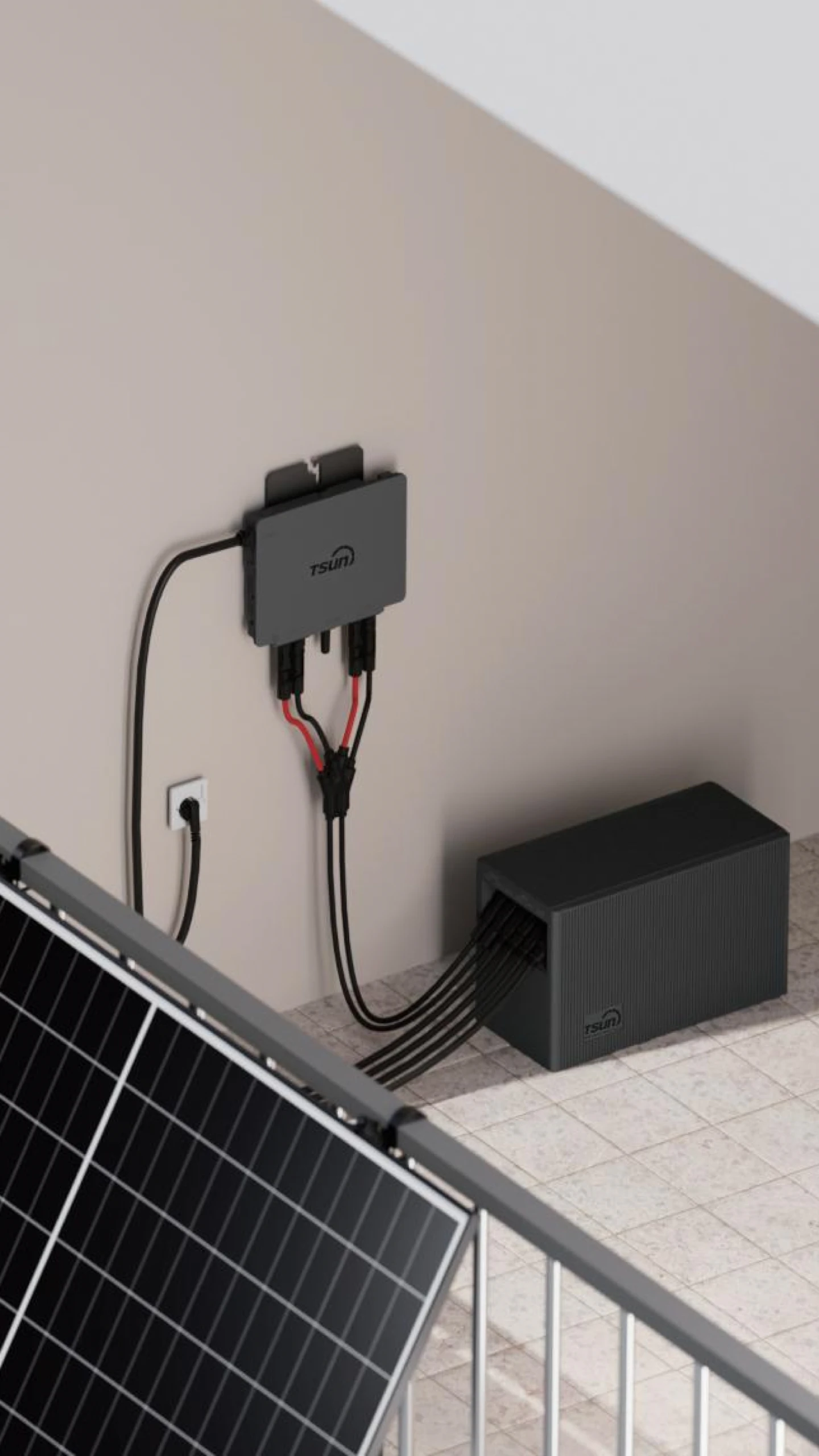
 Downloads
 Video Center
 Report Fault for Repair
 FAQS
FAQS Service Network
 Privacy Policy
 Contact Us
 Monitoring


 LEARN MORE