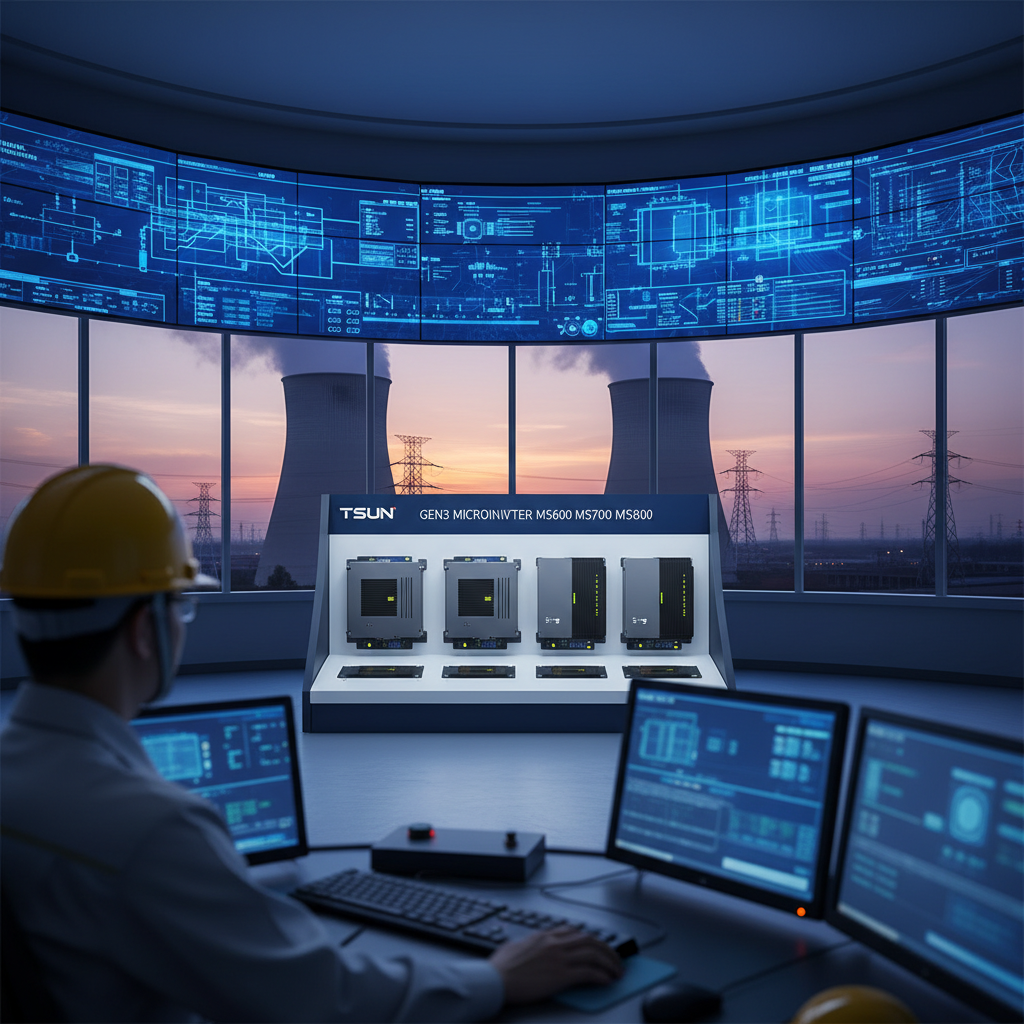
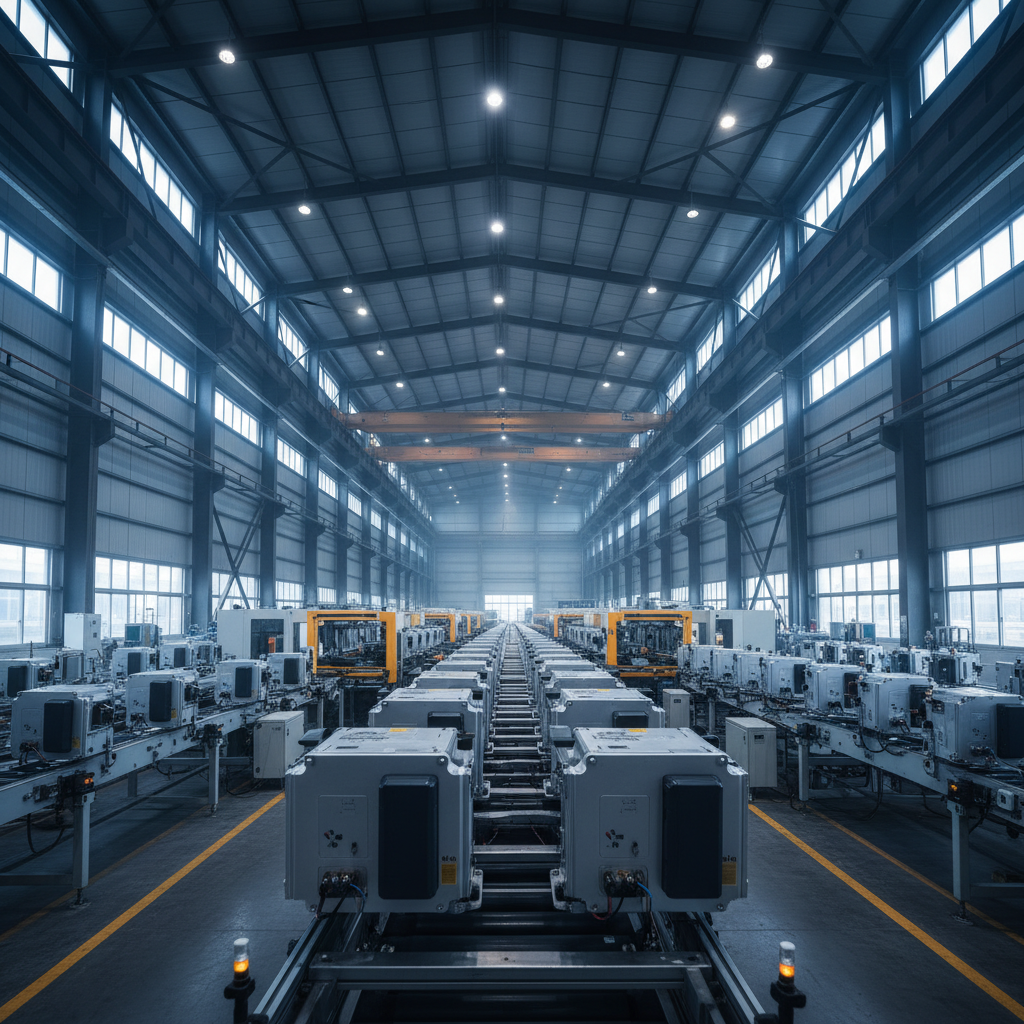
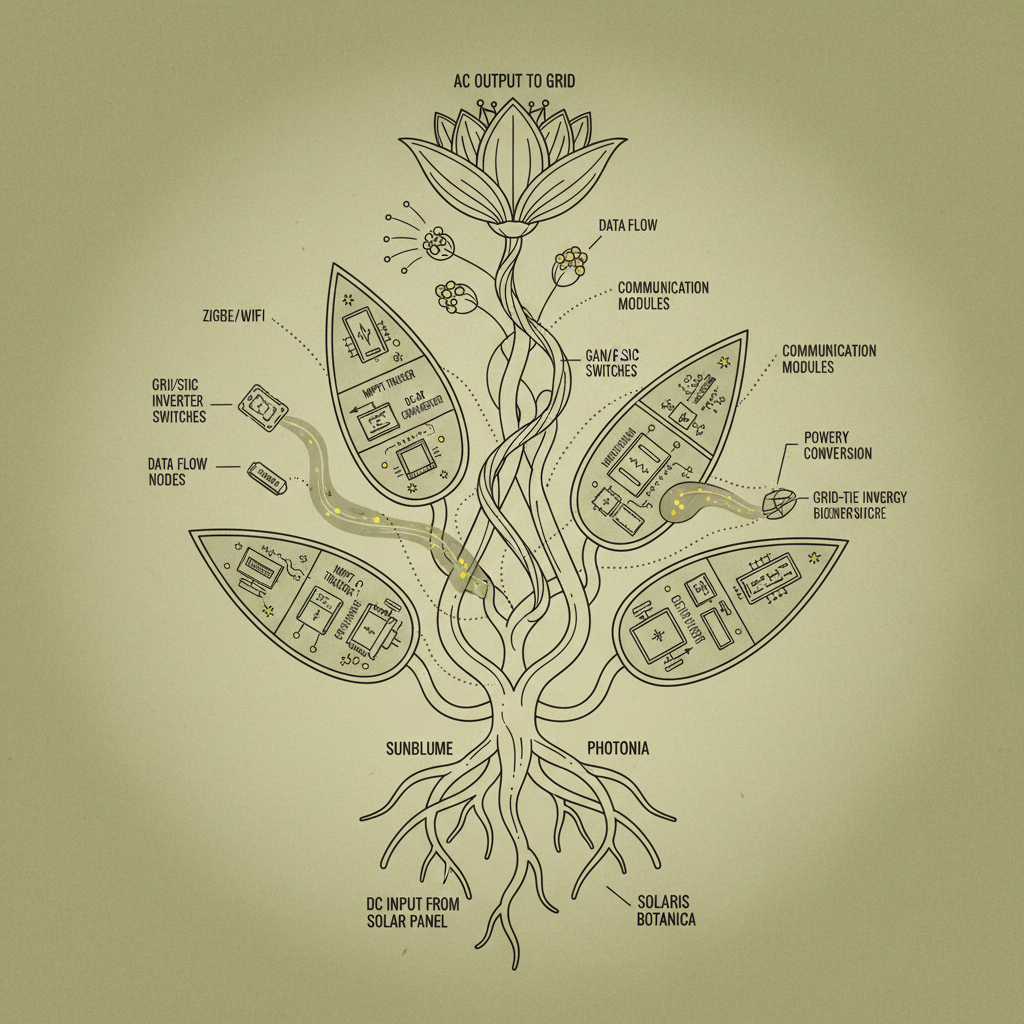
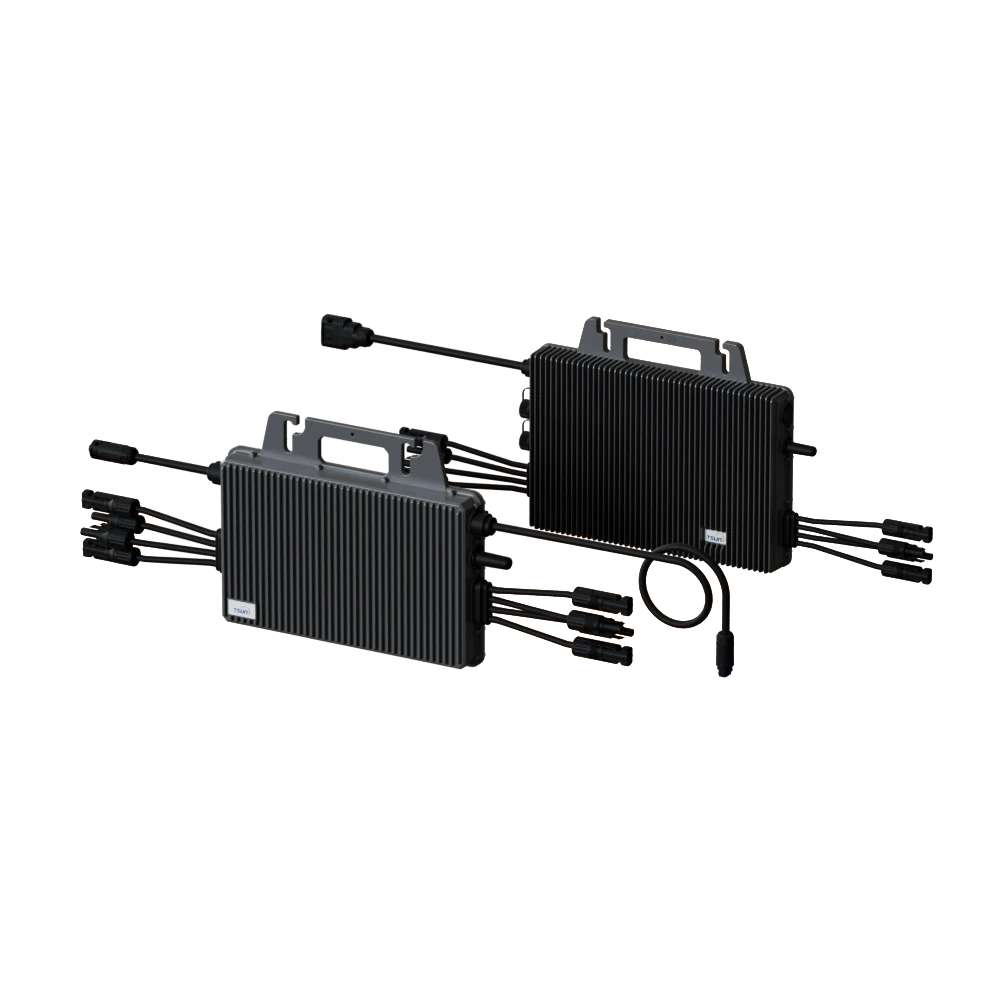
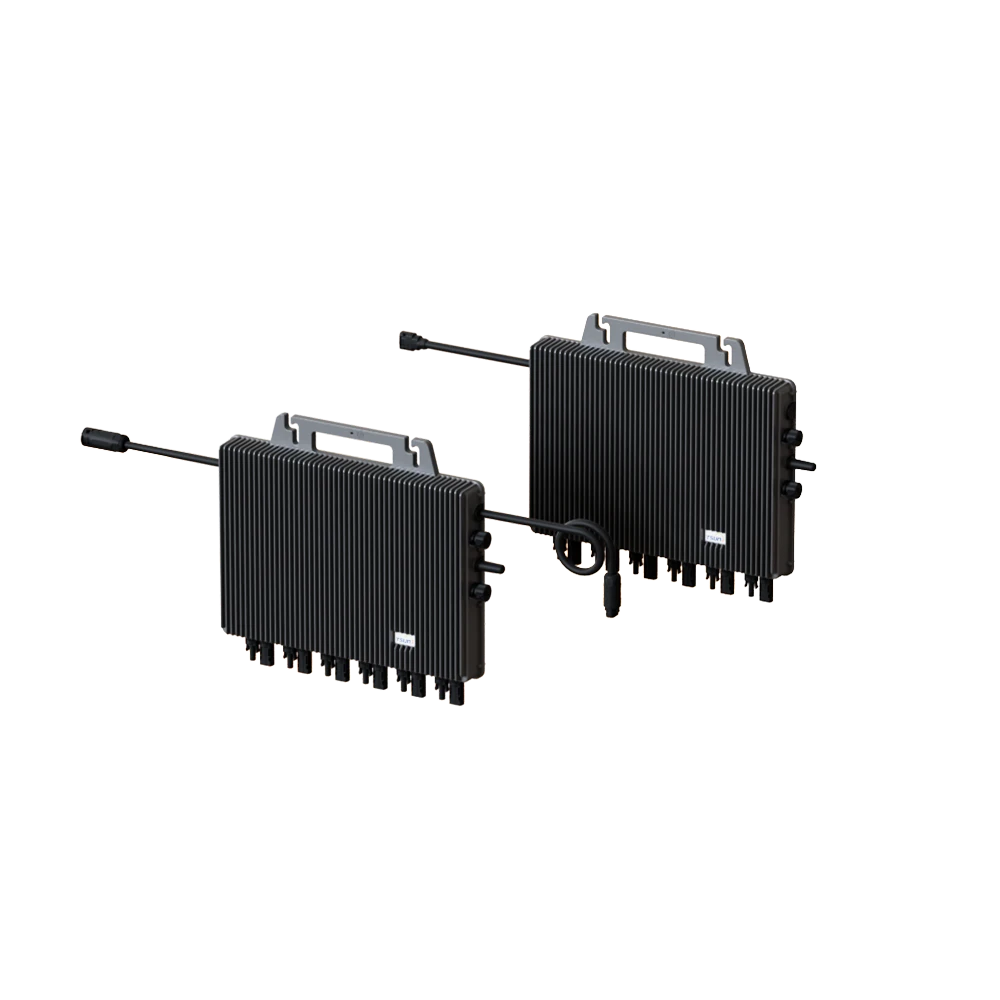
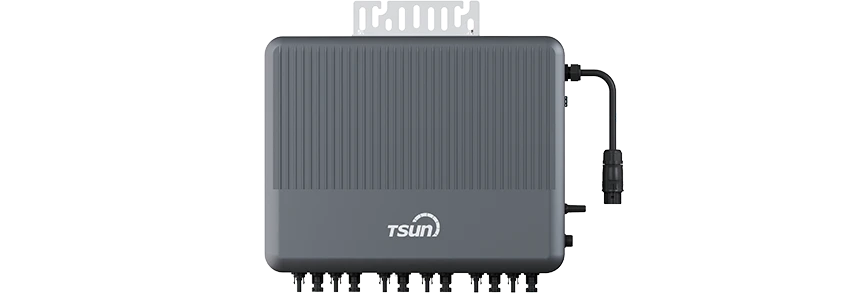
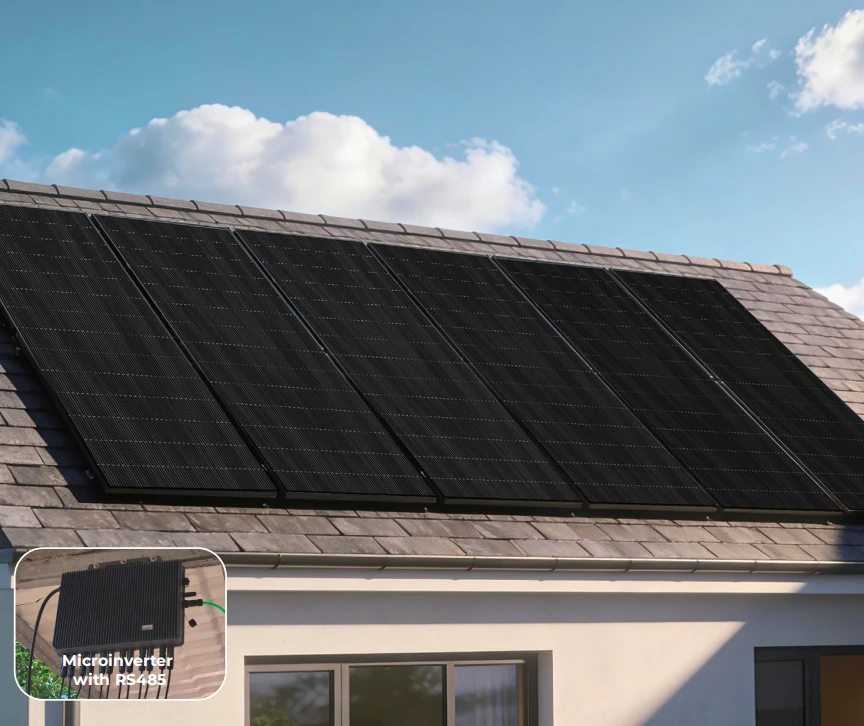
The global shift toward decentralized energy has accelerated the demand for efficient, plug-and-play solar solutions, positioning the tsun gen3 microinverter ms600ms700ms800 supplier as a critical link in the renewable energy supply chain. By converting DC power from solar panels to AC power at the individual module level, these microinverters eliminate the single point of failure inherent in traditional string inverters. This technological leap allows homeowners and DIY enthusiasts to maximize energy harvest even in shaded conditions, making solar energy accessible to a wider demographic.
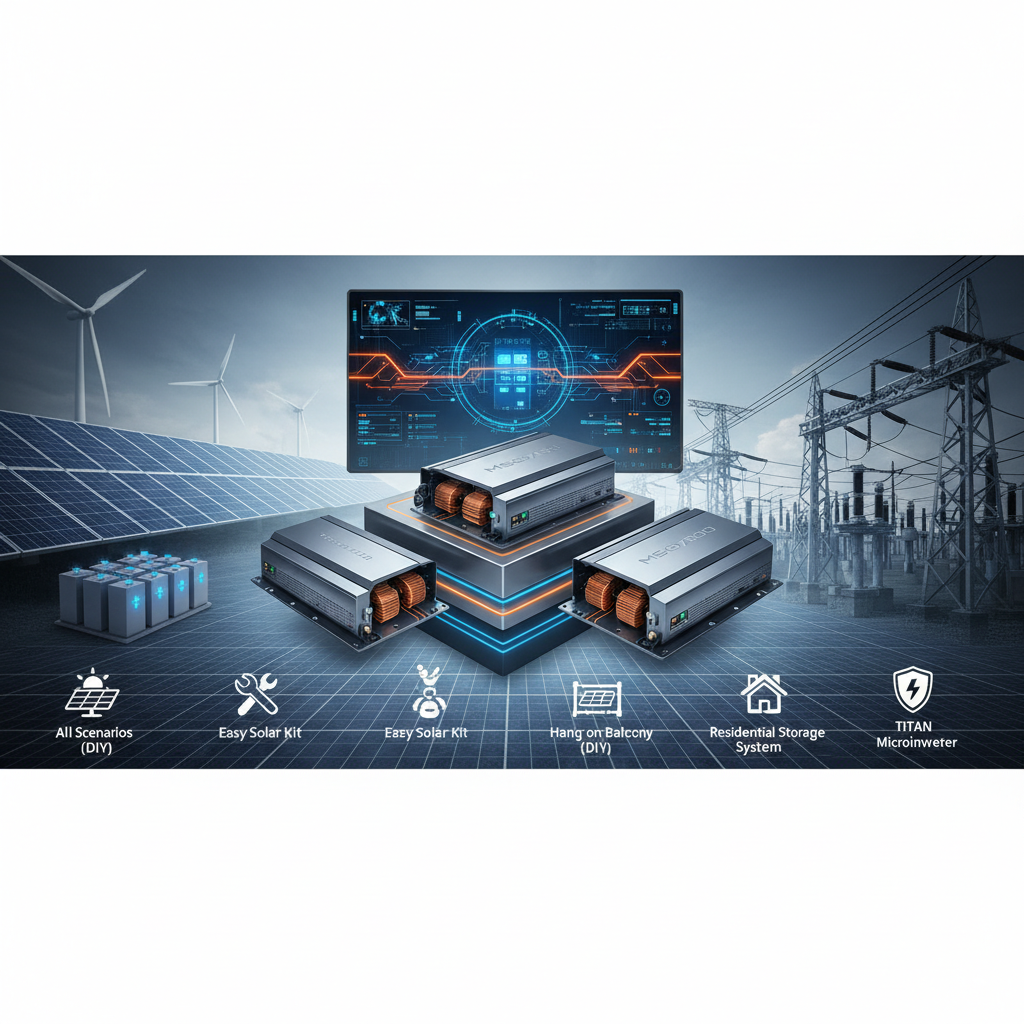
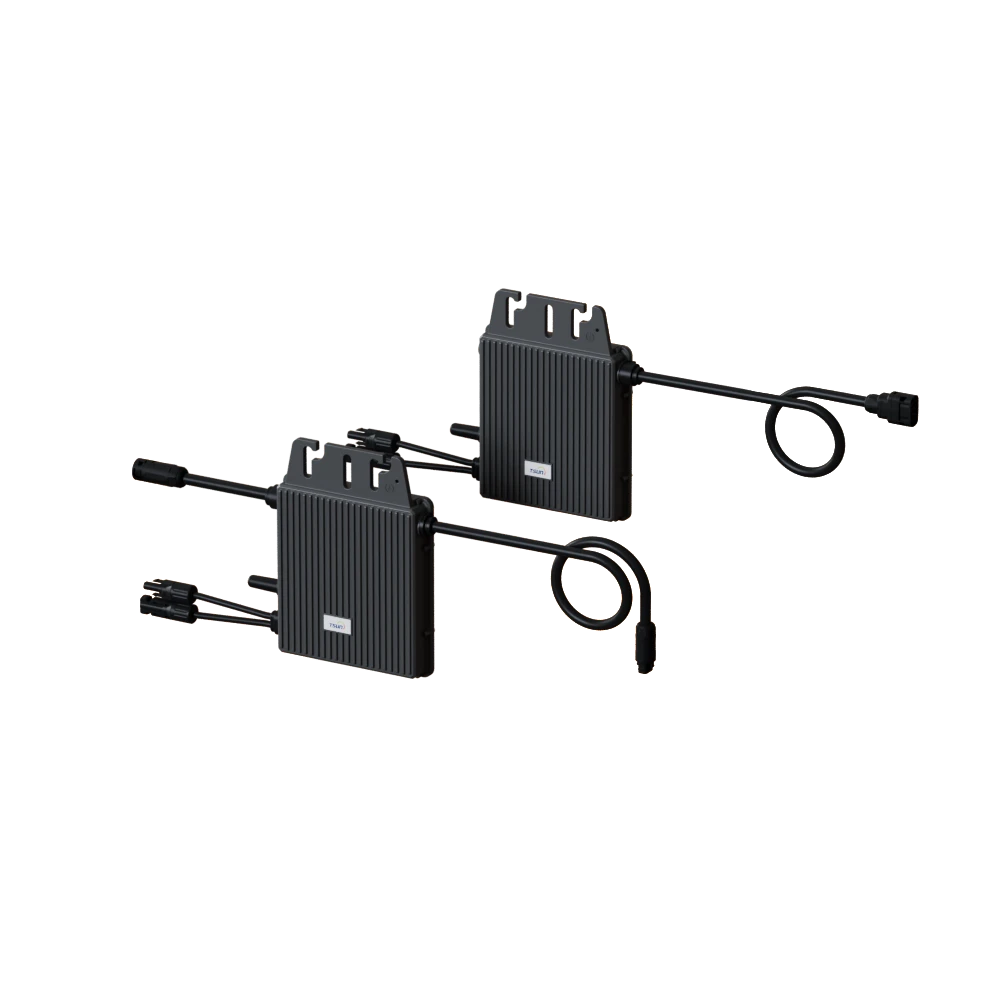
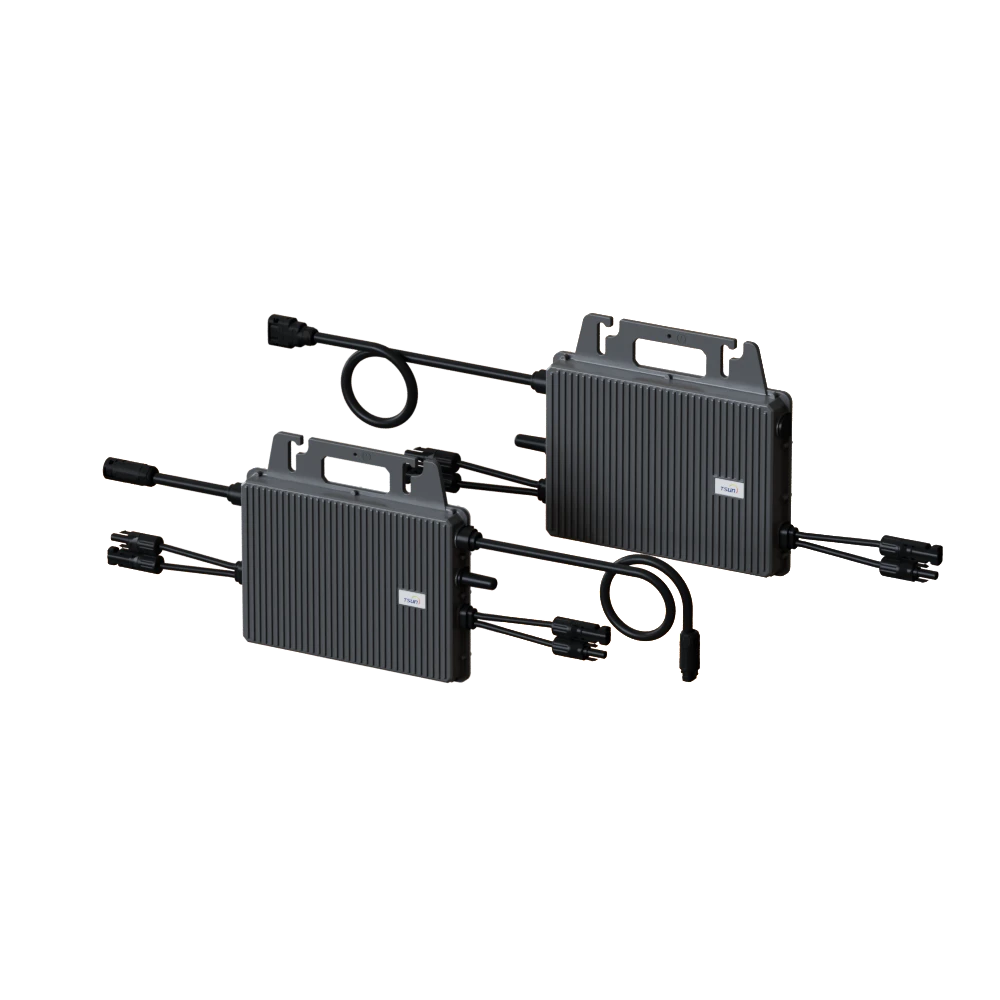
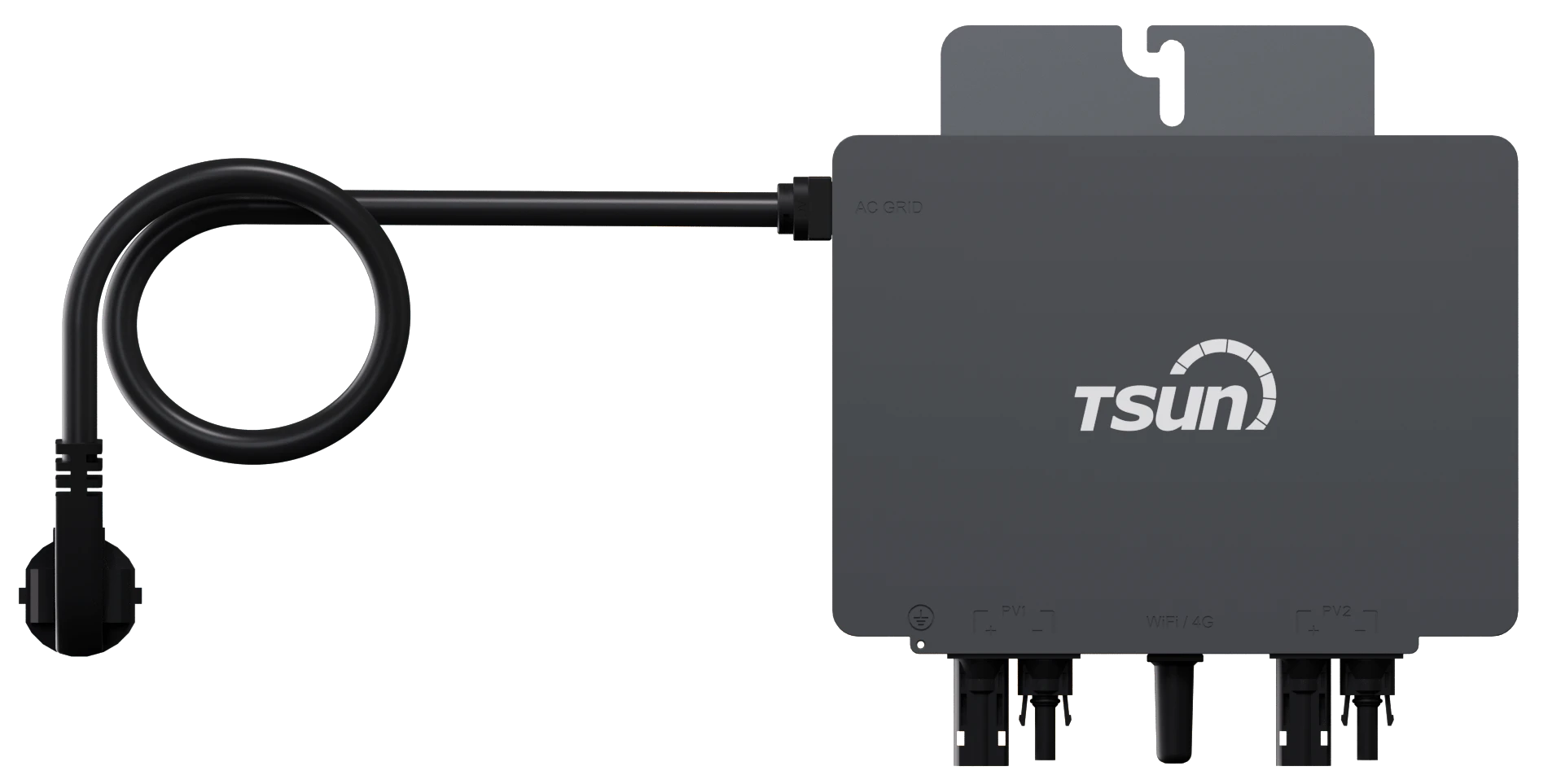
Across Europe and North America, the trend of "balcony solar" has surged, creating a massive market for compact, high-efficiency hardware. A reliable tsun gen3 microinverter ms600ms700ms800 supplier ensures that users have access to the MS600, MS700, and MS800 series, which are specifically engineered for varied panel wattages. These devices simplify the installation process, reducing the need for professional electrical contractors and lowering the barrier to entry for sustainable living.
Understanding the nuances of microinverter selection is no longer just for engineers; it is essential for any consumer looking to optimize their energy ROI. Whether you are integrating a small-scale DIY kit or a larger residential storage system, partnering with a professional tsun gen3 microinverter ms600ms700ms800 supplier provides the necessary technical support and quality assurance to ensure long-term system stability and safety compliance.
The Technical Evolution of the TSUN Gen3 Series
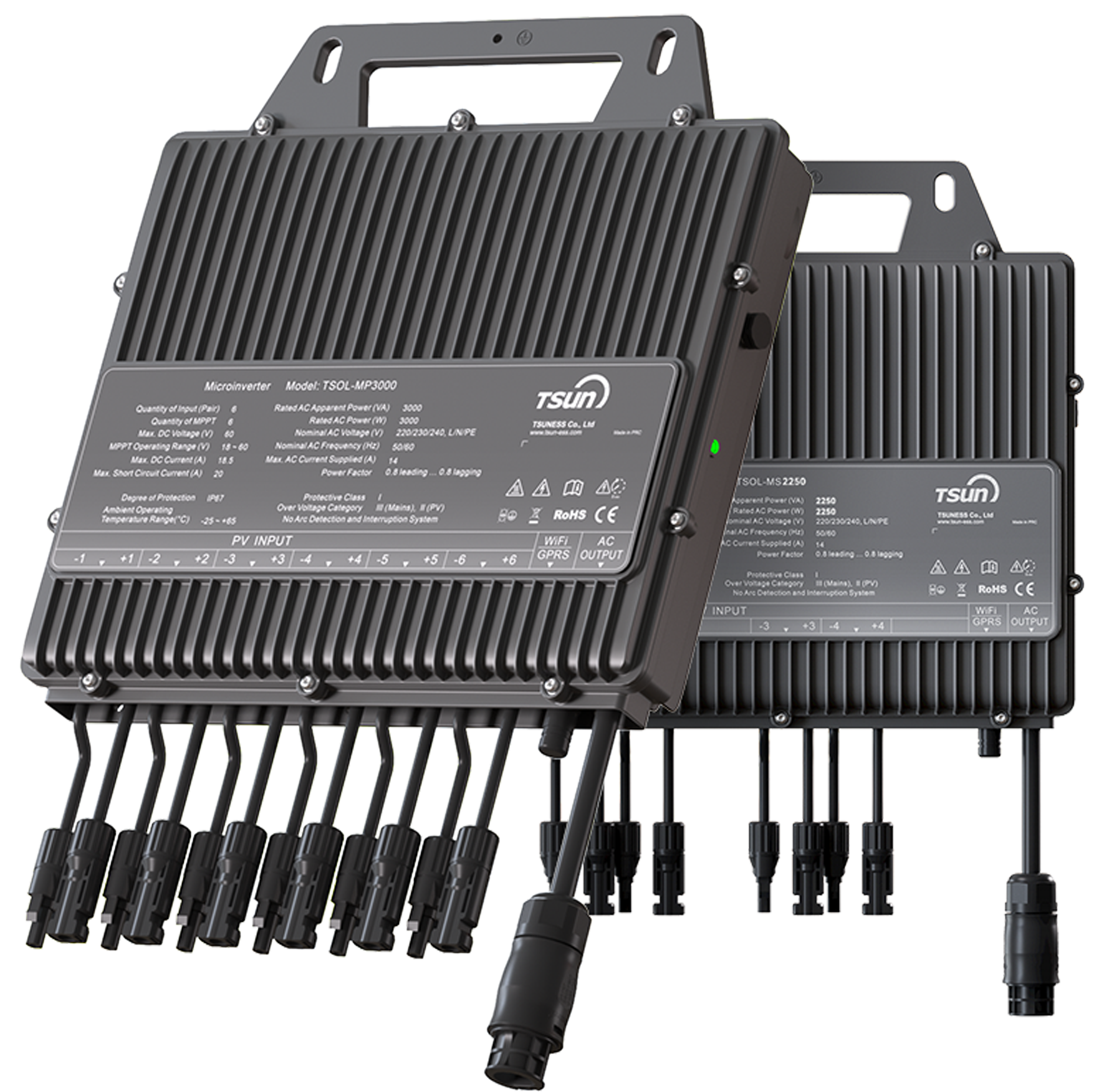
The progression from Gen1 to the Gen3 architecture represents a significant leap in power electronics. The TSUN Gen3 series, provided by a leading tsun gen3 microinverter ms600ms700ms800 supplier, focuses on increasing conversion efficiency while reducing the physical footprint of the unit. By utilizing Gallium Nitride (GaN) or advanced silicon carbide components, these inverters can handle higher thermal loads without compromising the lifespan of the device.
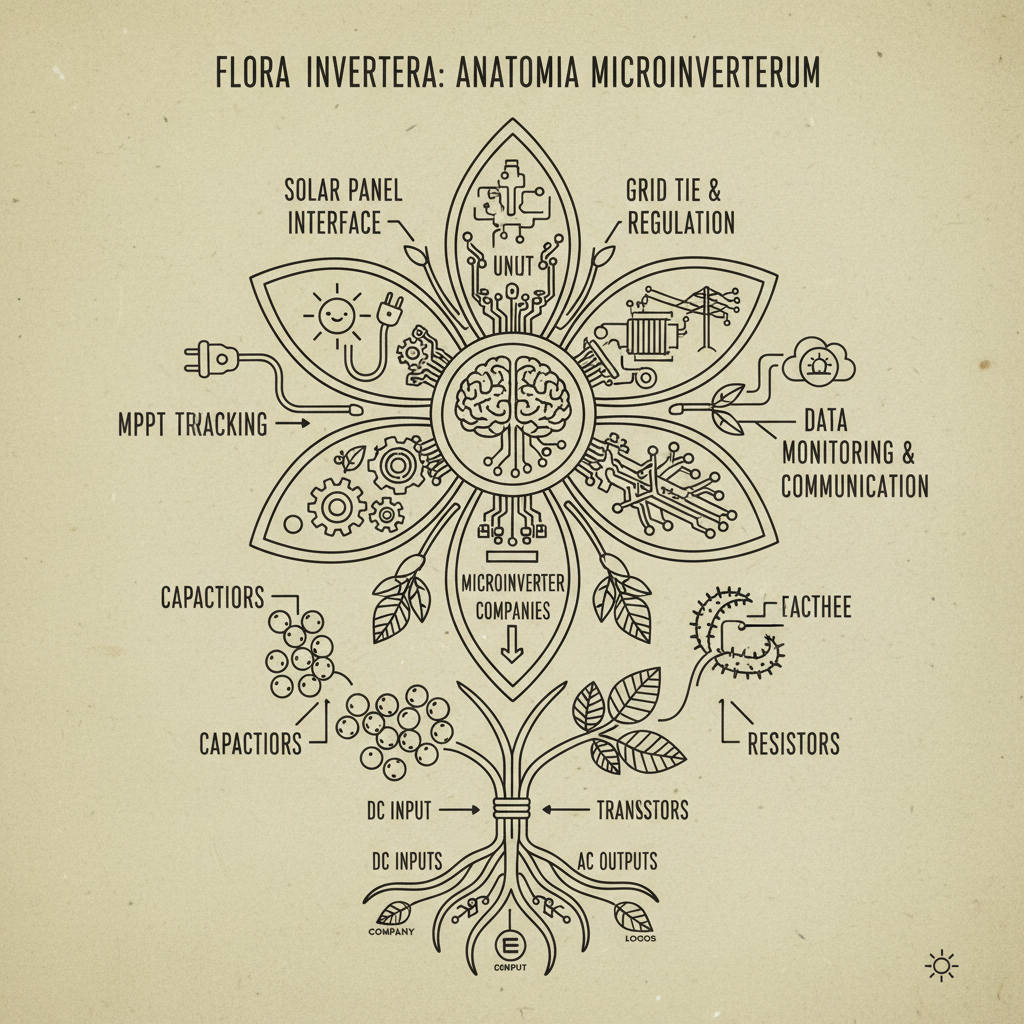
Moreover, the Gen3 series introduces smarter MPPT (Maximum Power Point Tracking) algorithms. This means the MS600, MS700, and MS800 models can react faster to changing weather conditions, ensuring that every photon captured by the solar panel is converted into usable electricity. This precision is what separates a generic inverter from the professional-grade hardware offered by a certified tsun gen3 microinverter ms600ms700ms800 supplier.
Core Components of a Reliable Microinverter System
A high-quality microinverter is defined by its durability and scalability. When sourcing from a tsun gen3 microinverter ms600ms700ms800 supplier, customers should look for IP67-rated enclosures that protect internal circuitry from moisture and dust. This is critical for equipment mounted outdoors on balconies or roofs, where exposure to the elements is constant.
Scalability is another pillar of the Gen3 design. Unlike string inverters that require a complete system overhaul to add more panels, the microinverter approach allows for "modular growth." You can start with a single MS600 unit and expand to an MS800 configuration as your energy needs grow, provided you have a supplier who can provide consistent hardware versions to ensure system harmony.
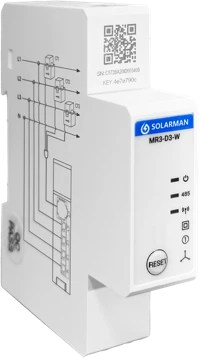
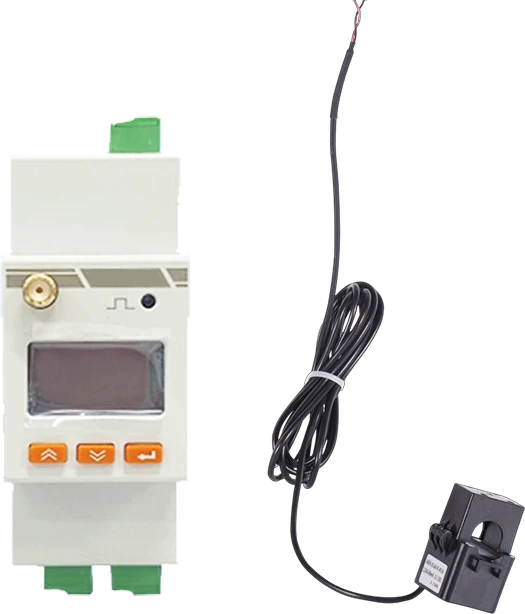
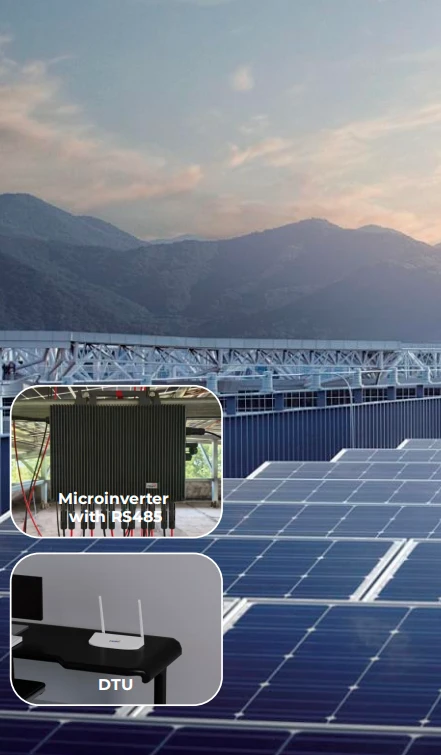
Finally, the integration of monitoring software is what brings the hardware to life. A professional tsun gen3 microinverter ms600ms700ms800 supplier doesn't just sell a box; they provide an ecosystem. Through cloud-based monitoring, users can track the performance of each individual panel, identifying issues in real-time rather than discovering a system failure months later.
Why Selecting the Right Supplier Matters for ROI
The long-term Return on Investment (ROI) of a solar installation is heavily dependent on the reliability of the hardware. Choosing an unauthorized vendor over a certified tsun gen3 microinverter ms600ms700ms800 supplier often leads to issues with warranty claims and outdated firmware. Genuine Gen3 products undergo rigorous stress testing to ensure they can operate for 20+ years.
Furthermore, a reputable tsun gen3 microinverter ms600ms700ms800 supplier provides critical technical documentation and compliance certifications (such as VDE or CE). This is not just a formality; it is a safety requirement. Improperly certified inverters can pose fire risks or cause instability in the local electrical grid, making the supplier's credentials a primary safety feature.
Beyond the hardware, the after-sales support offered by a dedicated tsun gen3 microinverter ms600ms700ms800 supplier is invaluable. From assisting with the initial DIY setup to providing firmware updates that optimize energy yield, the supplier acts as a technical partner in the user's journey toward energy independence.
Comparative Performance of MS600 MS700 and MS800
Choosing between the MS600, MS700, and MS800 depends entirely on the wattage of the solar panels being used. A professional tsun gen3 microinverter ms600ms700ms800 supplier will guide you to match the inverter's output capacity with the panel's peak power to avoid "clipping," where the inverter limits the energy produced by the panel.
The MS600 is ideal for smaller, entry-level panels, while the MS800 is designed for high-efficiency, larger format modules. By optimizing the match, users can increase their daily energy yield by up to 15% compared to using a mismatched, one-size-fits-all inverter solution.
Efficiency Ratings by Model from TSUN Gen3 Microinverter MS600MS700MS800 Supplier
Real-World Applications in Urban Environments
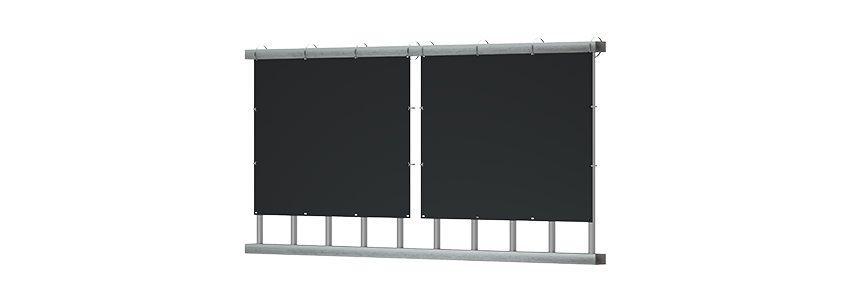
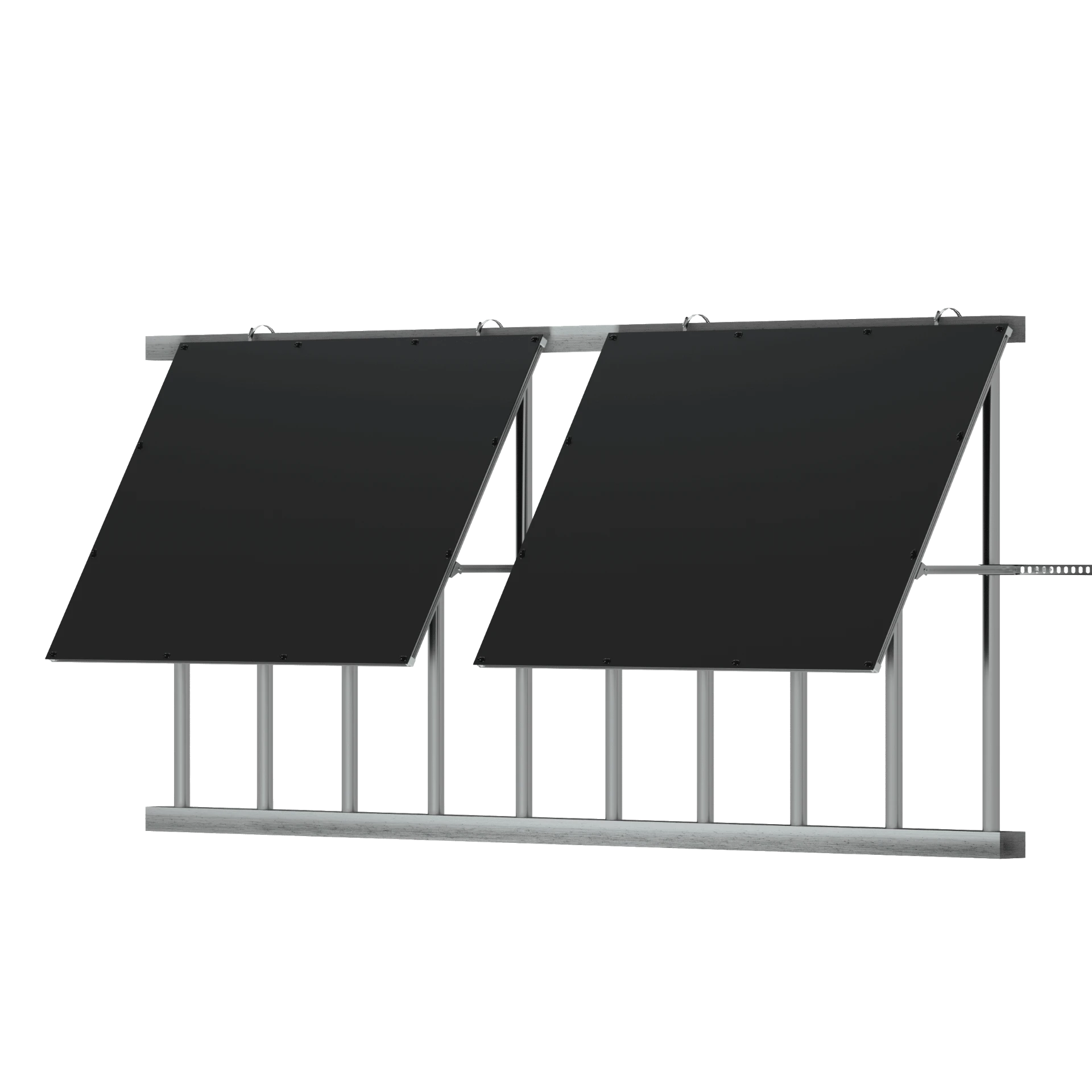
In densely populated cities, traditional rooftop solar is often impossible. This is where the solutions from a tsun gen3 microinverter ms600ms700ms800 supplier truly shine. Balcony solar kits, utilizing the MS600 or MS700, allow apartment dwellers to generate their own power, reducing reliance on the grid and lowering monthly electricity bills.
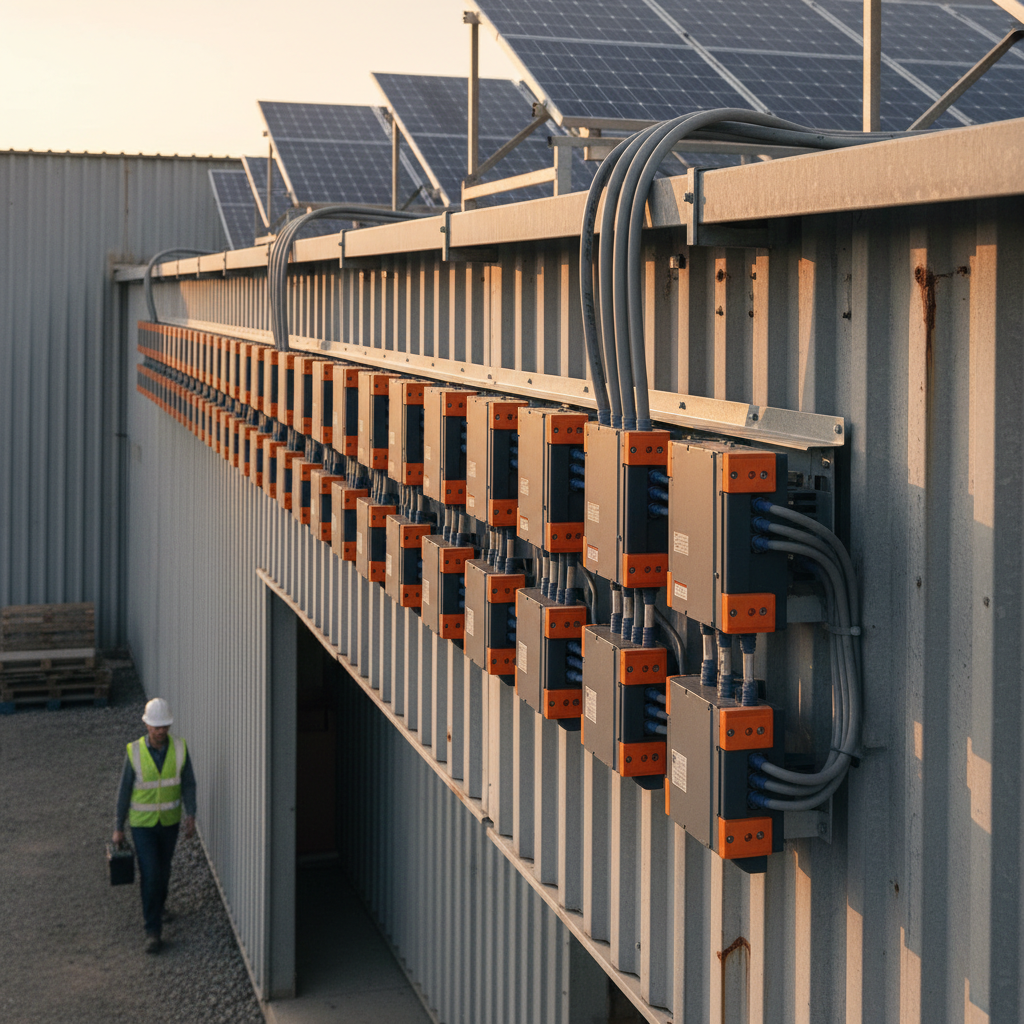
Beyond residential use, these microinverters are being deployed in remote industrial zones to power small sensors and monitoring equipment. Because they operate independently, a failure in one unit does not crash the entire network, ensuring that critical data flow remains uninterrupted—a level of reliability that only a premium tsun gen3 microinverter ms600ms700ms800 supplier can provide.
Sustainability and the Future of Micro-Generation
The transition toward "Micro-Generation" is a key part of the global digital transformation in energy. By leveraging hardware from a tsun gen3 microinverter ms600ms700ms800 supplier, we are moving toward a grid that is a collection of millions of small producers rather than a few giant power plants. This decentralization makes the overall energy infrastructure more resilient to natural disasters and cyber-attacks.
Future innovations are expected to integrate AI-driven energy management directly into the microinverter. Imagine a system that automatically adjusts its output based on real-time electricity pricing from the grid, allowing the user to sell power back when prices are highest. This level of intelligence is currently being developed by the top innovators in the tsun gen3 microinverter ms600ms700ms800 supplier network.
Sustainability also extends to the materials used in production. The Gen3 series aims to reduce the use of rare earth metals, focusing on recyclable components to ensure that the "green" energy produced doesn't come at the cost of environmental degradation during manufacturing.
Installation Challenges and Professional Solutions
Despite the "DIY" nature of these products, users often face challenges with AC cabling and grid connection. A professional tsun gen3 microinverter ms600ms700ms800 supplier provides comprehensive installation guides and pre-assembled AC cables to minimize errors. Proper grounding and the use of weather-proof connectors are non-negotiable for a safe installation.
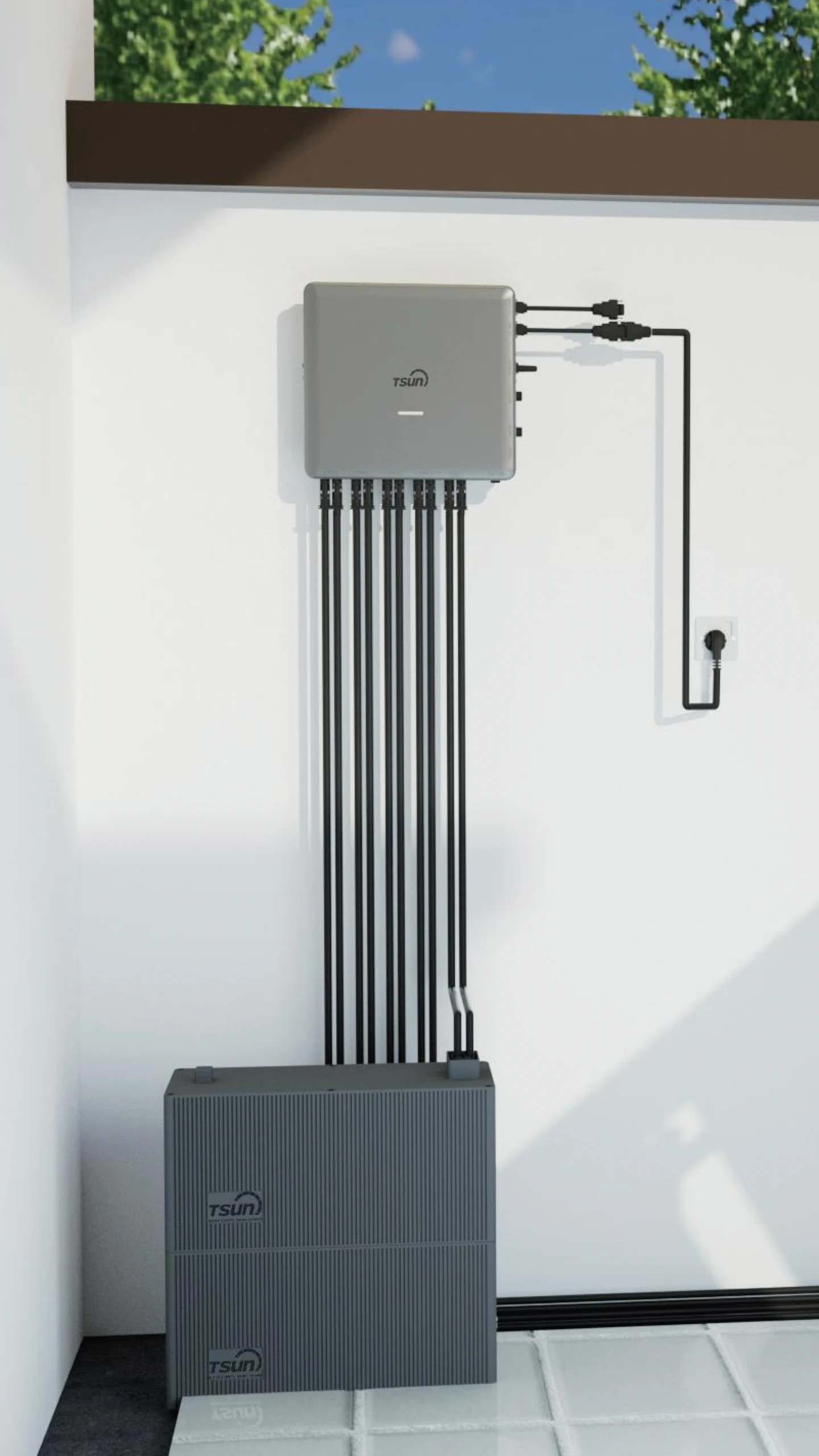
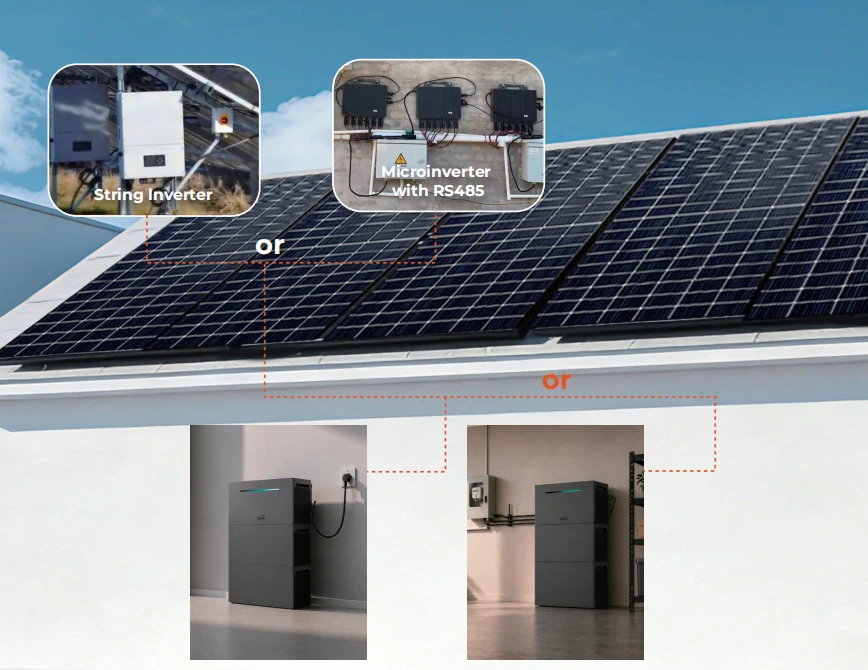
Another common hurdle is the integration with existing home energy storage systems. To overcome this, the tsun gen3 microinverter ms600ms700ms800 supplier recommends using a compatible hybrid storage system that can balance the AC input from the microinverters with the battery's DC storage, creating a seamless energy loop.
Ultimately, the key to a successful deployment is the partnership between the user and the supplier. By providing technical audits and remote support, a quality tsun gen3 microinverter ms600ms700ms800 supplier ensures that the system is not only functional but optimized for the specific geographical and architectural constraints of the site.
Comparative Analysis of TSUN Gen3 Series Models for Different Use Cases
| Model Version |
Optimal Panel Wattage |
Best Application |
Efficiency Rating |
| MS600 |
300W - 600W |
Small Balcony DIY |
96.2% |
| MS700 |
400W - 700W |
Residential Kit |
96.5% |
| MS800 |
500W - 850W |
High-Power Rooftop |
96.8% |
| Gen3 Combo A |
Mixed Range |
Commercial Small-scale |
96.4% |
| Gen3 Combo B |
High Range |
Off-grid cabins |
96.7% |
| Gen3 Custom |
Custom Spec |
Industrial IoT Power |
96.1% |
FAQS
The primary difference lies in the maximum power output and the compatible solar panel wattage. The MS600 is designed for smaller panels, while the MS800 handles higher wattage modules. A certified tsun gen3 microinverter ms600ms700ms800 supplier will help you match the inverter to your panel's peak power to maximize efficiency and prevent energy clipping.
Yes, these are designed for DIY "Plug & Play" installation, especially for balcony solar. However, local electrical codes vary. We always recommend consulting the installation guide provided by your tsun gen3 microinverter ms600ms700ms800 supplier and checking local regulations regarding grid-tie systems to ensure safety and legality.
In a string system, one shaded panel can drop the performance of the entire string. With the Gen3 series from a tsun gen3 microinverter ms600ms700ms800 supplier, each panel operates independently. If one panel is shaded, the others continue to produce power at their maximum capacity, significantly increasing total energy harvest.
When sourced from an official tsun gen3 microinverter ms600ms700ms800 supplier, these units are engineered for long-term outdoor use, typically lasting 20 to 25 years. Their IP67 rating and advanced thermal management ensure they can withstand extreme temperature fluctuations without significant degradation.
Absolutely. The modular nature of the Gen3 architecture allows you to add panels and inverters one by one. To ensure compatibility and consistent firmware versions, it is best to purchase your expansions from the same tsun gen3 microinverter ms600ms700ms800 supplier who provided your initial kit.
Most Gen3 systems come with an integrated monitoring solution. By connecting the inverter to your local Wi-Fi, you can use a dedicated app provided by the tsun gen3 microinverter ms600ms700ms800 supplier to view real-time production, historical data, and system health alerts from anywhere in the world.
Conclusion
The adoption of the TSUN Gen3 series marks a pivotal shift toward accessible, efficient, and resilient solar energy. By prioritizing modularity and high-conversion efficiency, the MS600, MS700, and MS800 models empower users—from urban apartment dwellers to industrial operators—to take control of their energy production. Partnering with a professional tsun gen3 microinverter ms600ms700ms800 supplier ensures that this transition is backed by quality hardware, safety certifications, and the technical support necessary for long-term success.
As we look toward a future of decentralized grids and AI-integrated energy management, the foundation laid by micro-generation technology will be essential. We encourage all energy seekers to invest in certified hardware and stay updated on the latest firmware enhancements to maximize their environmental and financial impact. To start your journey toward energy independence, visit our website: www.tsun-ess.com






 LEARN DETAILS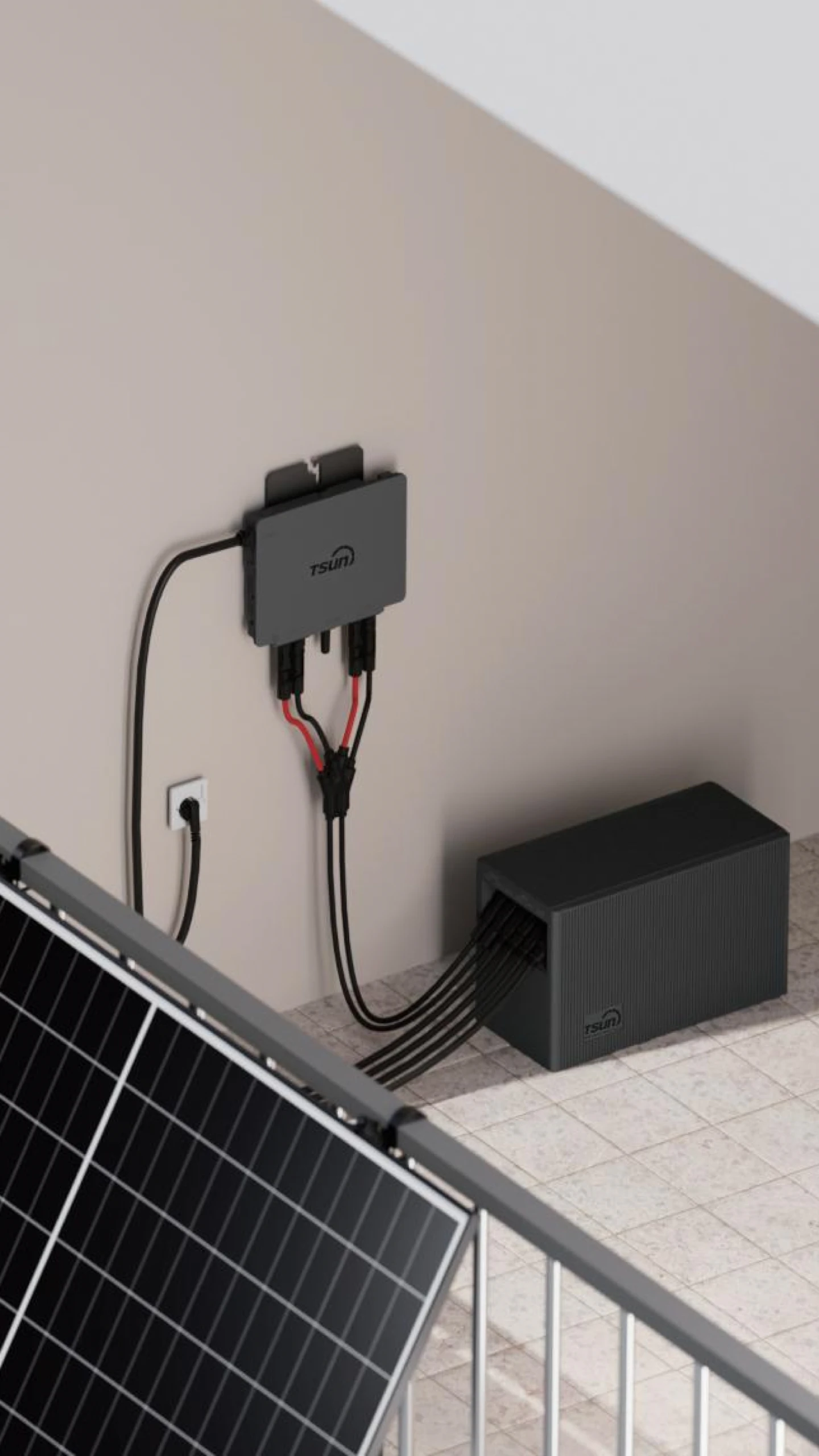
 Downloads
 Video Center
 Report Fault for Repair
 FAQS
FAQS Service Network
 Privacy Policy
 Contact Us
 Monitoring