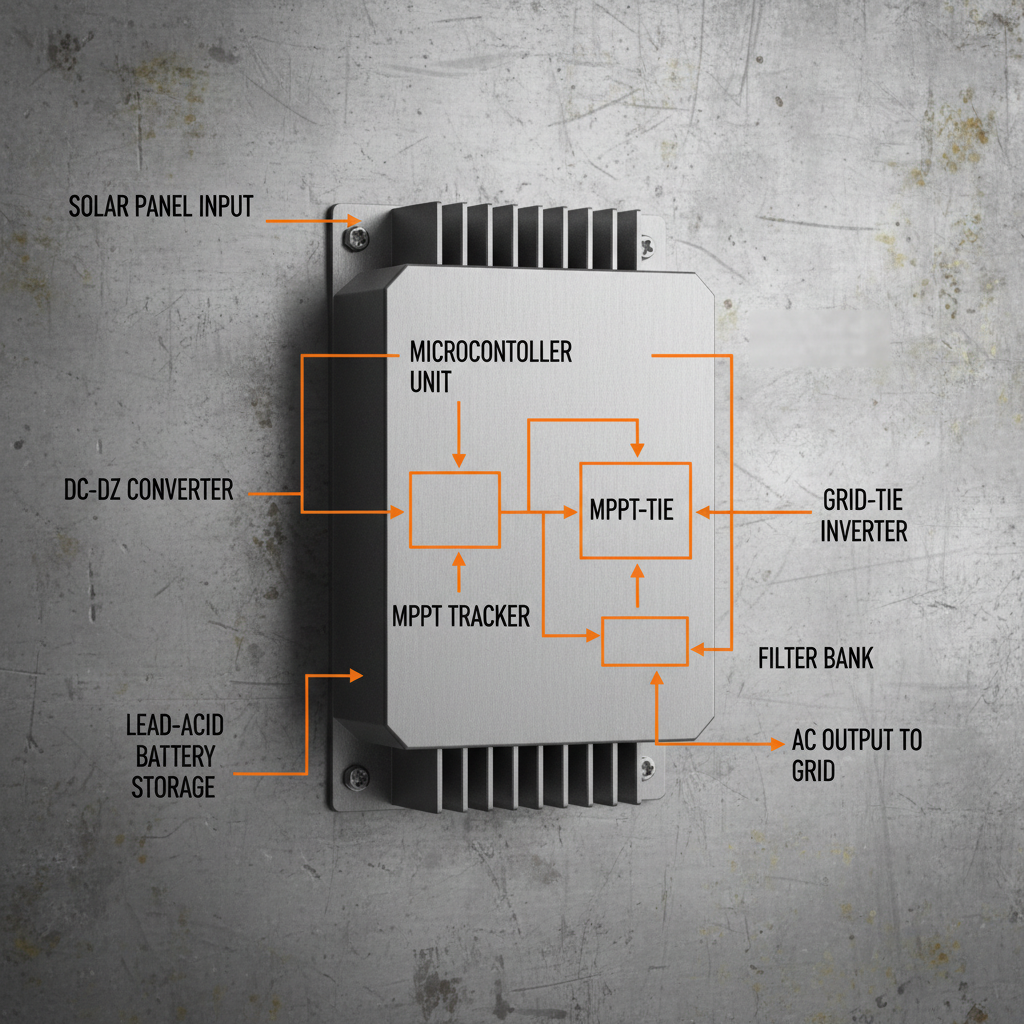
Look, I’ve spent the last fifteen years knee-deep in dust and concrete, watching projects rise from the ground. And I’ll tell you, the biggest headaches aren't always the design flaws or the weather delays. It’s power. Reliable, distributed power. Traditional setups, especially on larger sites or remote locations, are a constant juggling act. You’re running extension cords everywhere, tripping hazards galore, and praying the generator doesn't decide to take a day off. That’s where a micro inverter system changes everything. It's not just about convenience; it's about safety, efficiency, and frankly, keeping projects on schedule.
For years, we’ve been tied to centralized power sources, relying on bulky generators and complex wiring. That system is prone to single points of failure. One generator goes down, and a whole section of the site can grind to a halt. A micro inverter system, paired with solar or even wind, offers a resilient alternative. Each panel operates independently, so if one fails, the rest keep humming along. It’s a paradigm shift, moving from a vulnerable, centralized network to a robust, distributed one. And that impacts not just the bottom line, but the entire workflow.
I’ve seen crews lose valuable man-hours troubleshooting electrical issues. Time is money, plain and simple. A well-designed micro inverter system minimizes those interruptions and provides a cleaner, more stable power supply for sensitive equipment. It's about more than just lights and tools; it’s about welding machines, laser levels, and the increasingly sophisticated tech that’s becoming standard on every job site. The future of construction is electric, and that future needs distributed power.
Understanding Micro Inverter Systems
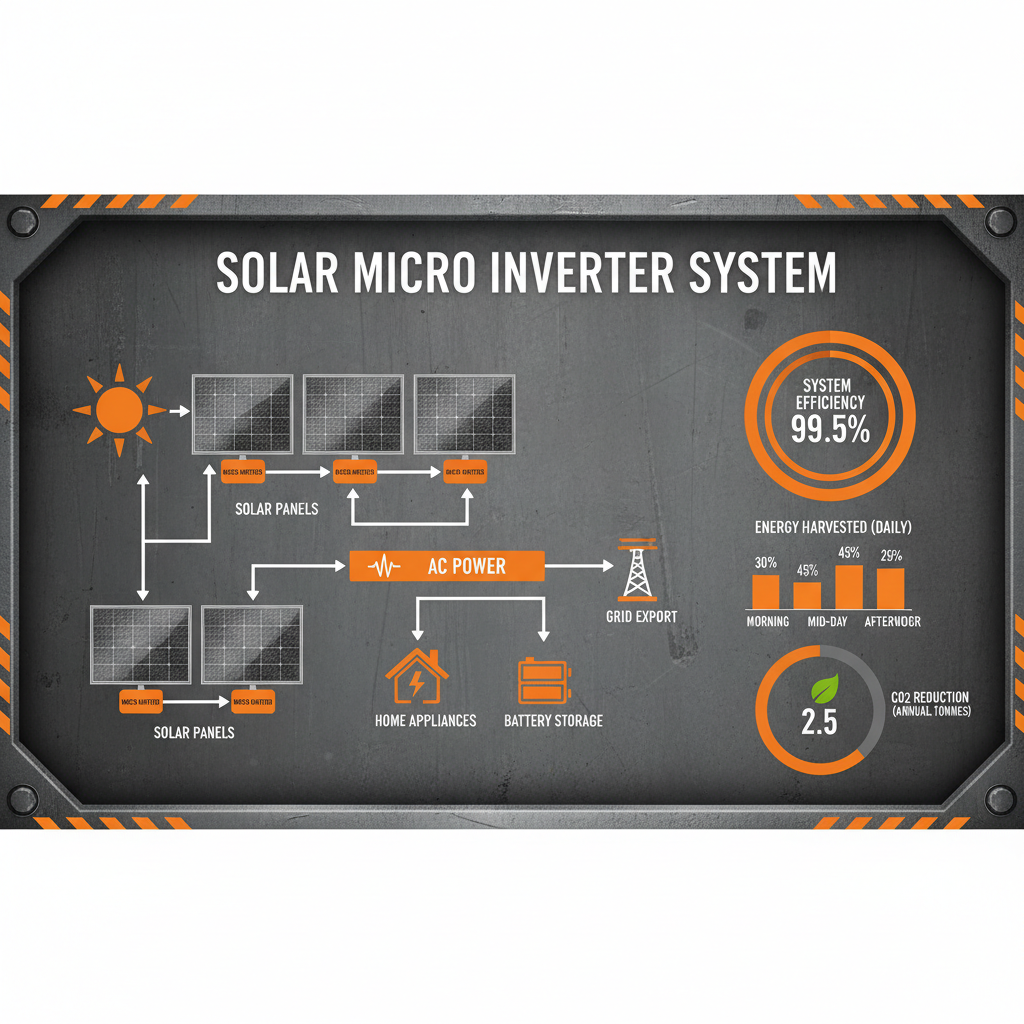
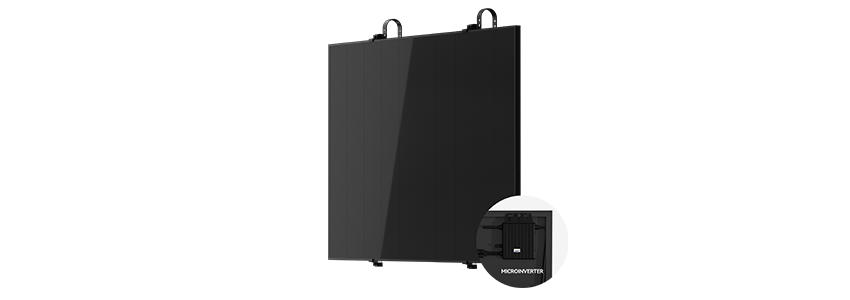
Let’s cut through the jargon. A micro inverter system isn't about replacing a whole grid connection overnight. It's about augmenting it, making it more resilient and efficient. Think of it as distributed intelligence. Instead of a central inverter handling all the DC-to-AC conversion, you have smaller inverters attached to each solar panel. This means if a panel gets shaded, or has a bit of dirt on it, it doesn't drag down the performance of the whole system.
From my perspective on the ground, this translates to fewer headaches and less downtime. I’ve seen large sites crippled by a single inverter failure. With a micro inverter system, that risk is dramatically reduced. It's about building redundancy into the system from the start. It’s about making life easier for the crew and keeping the project moving forward.
The Core Components of a Micro Inverter System
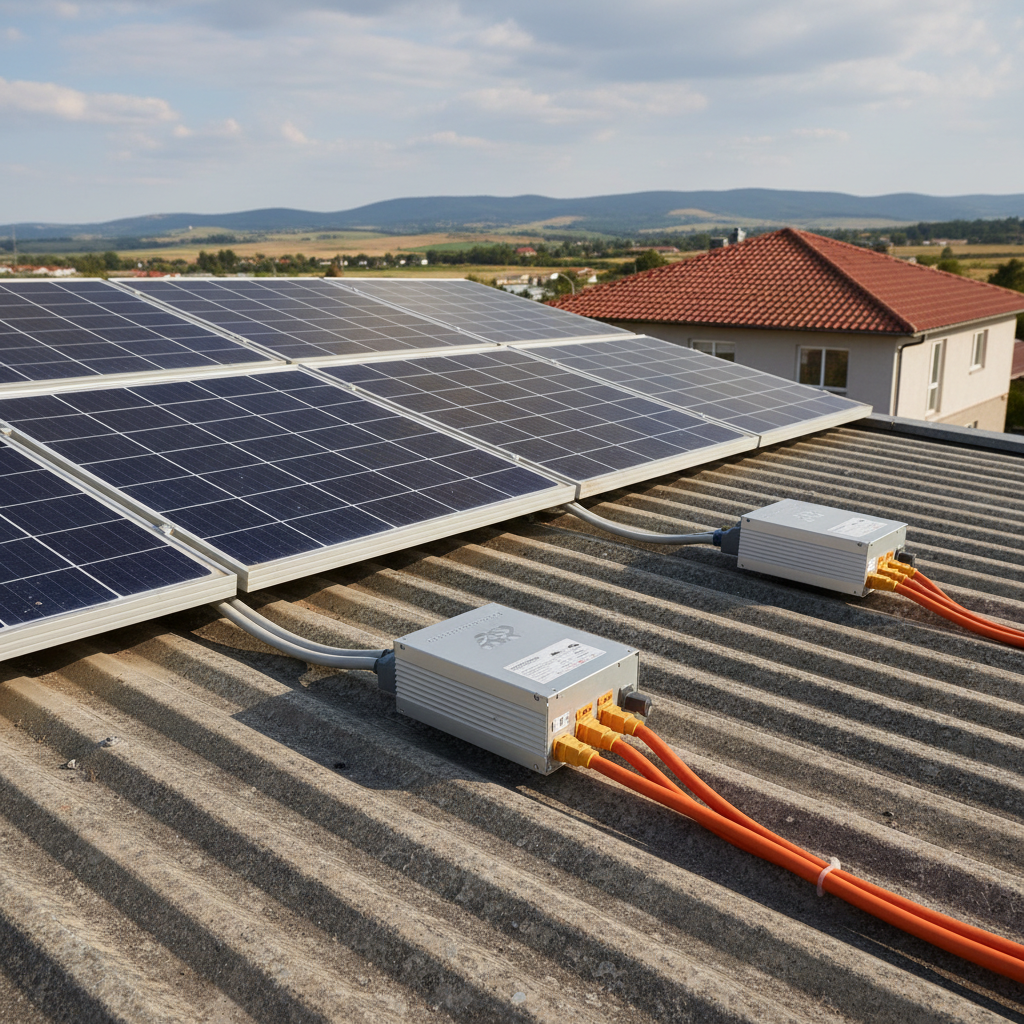
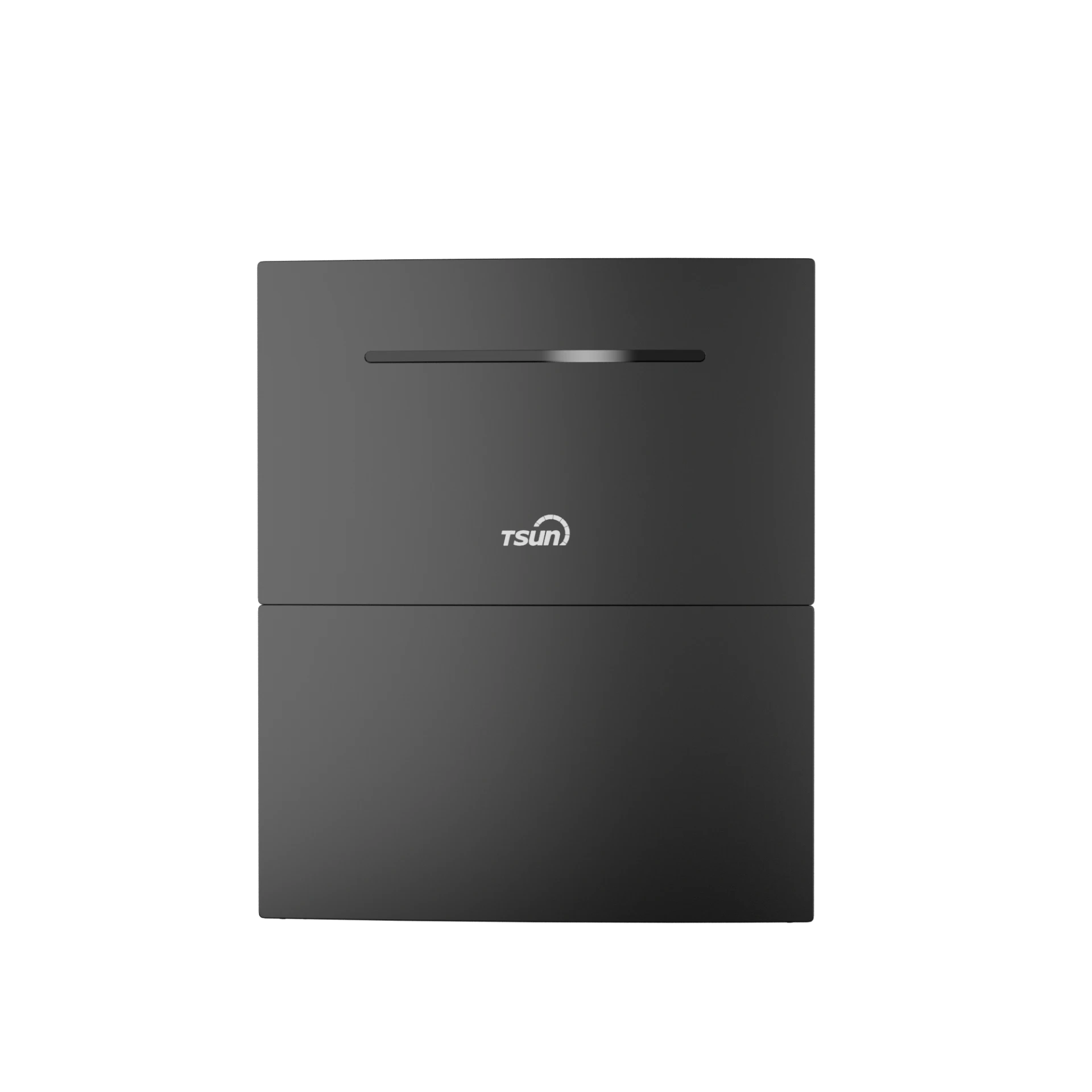
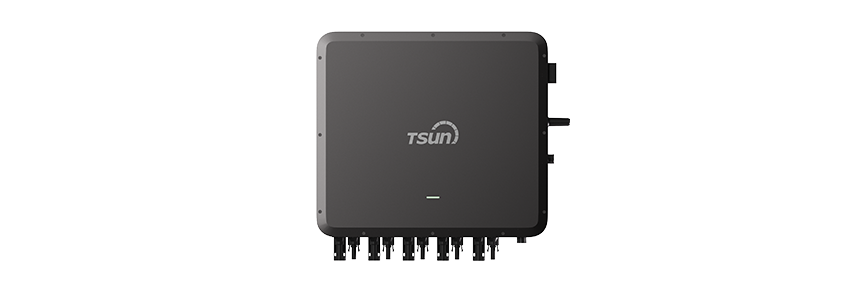
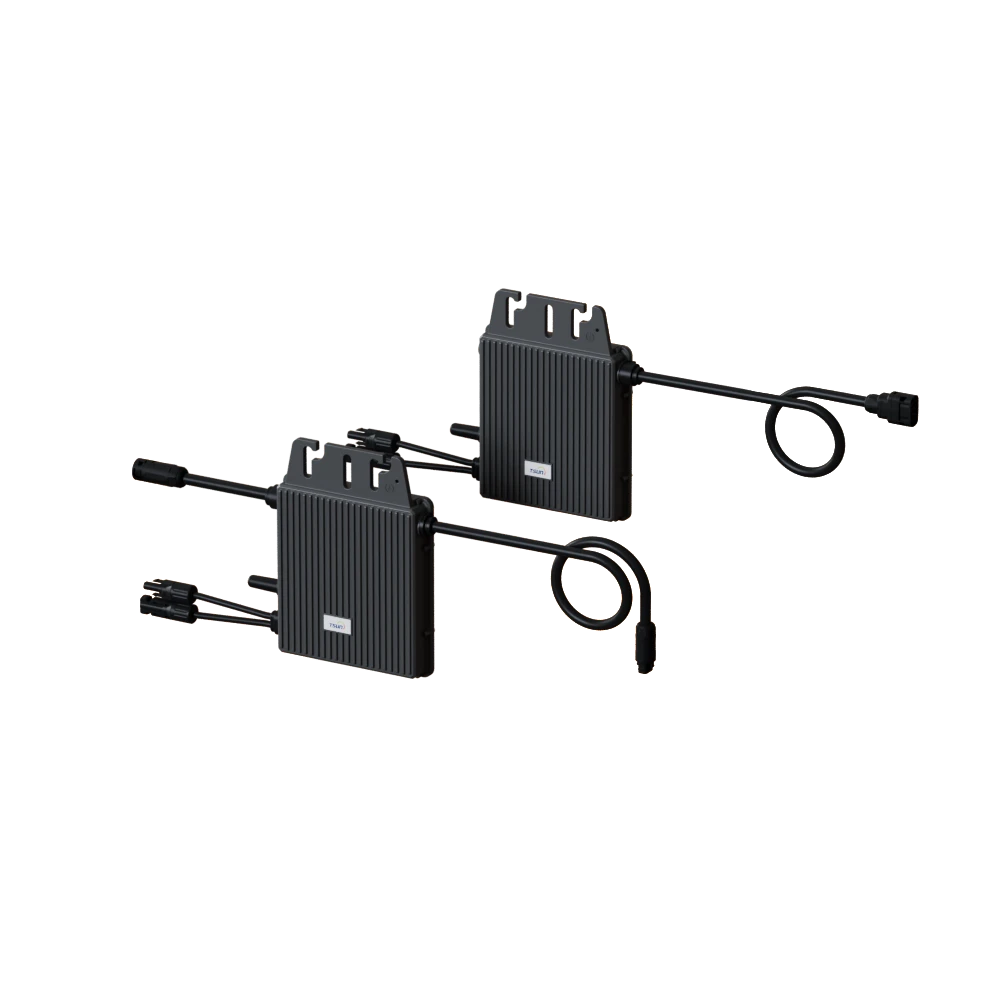
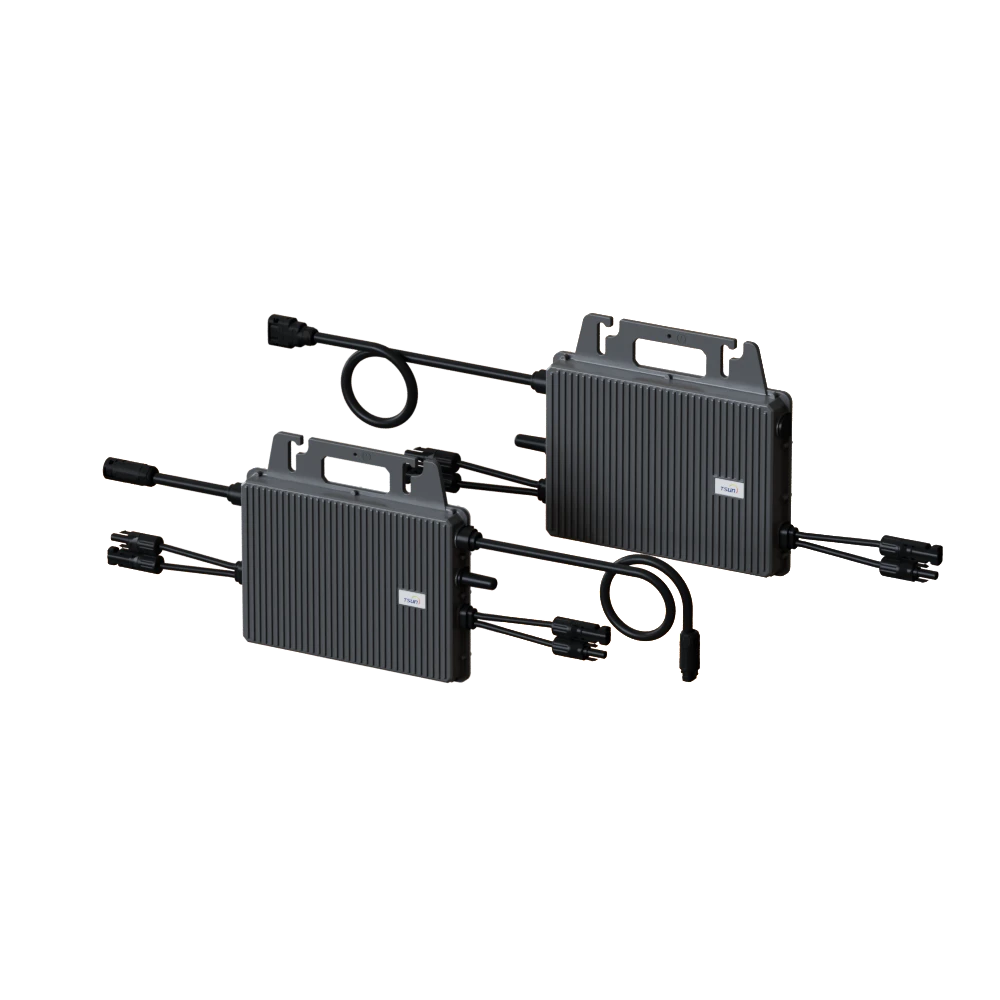
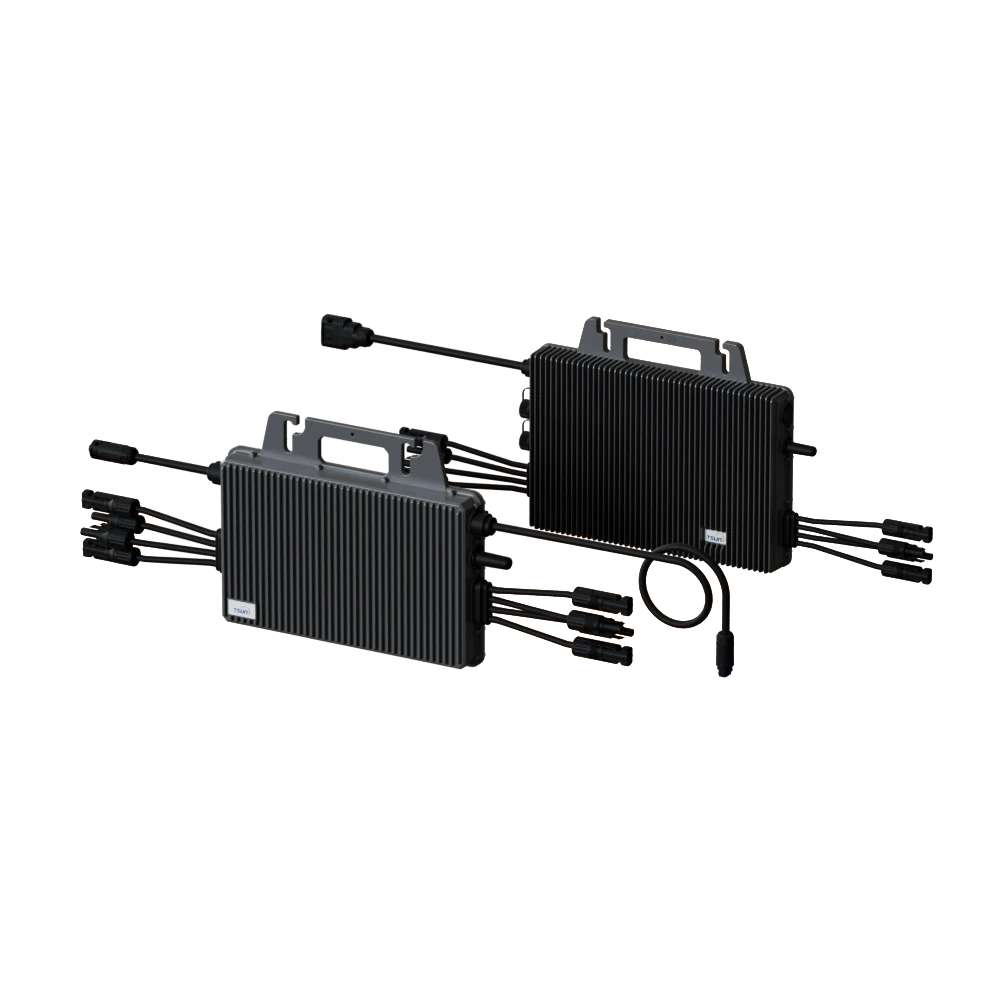
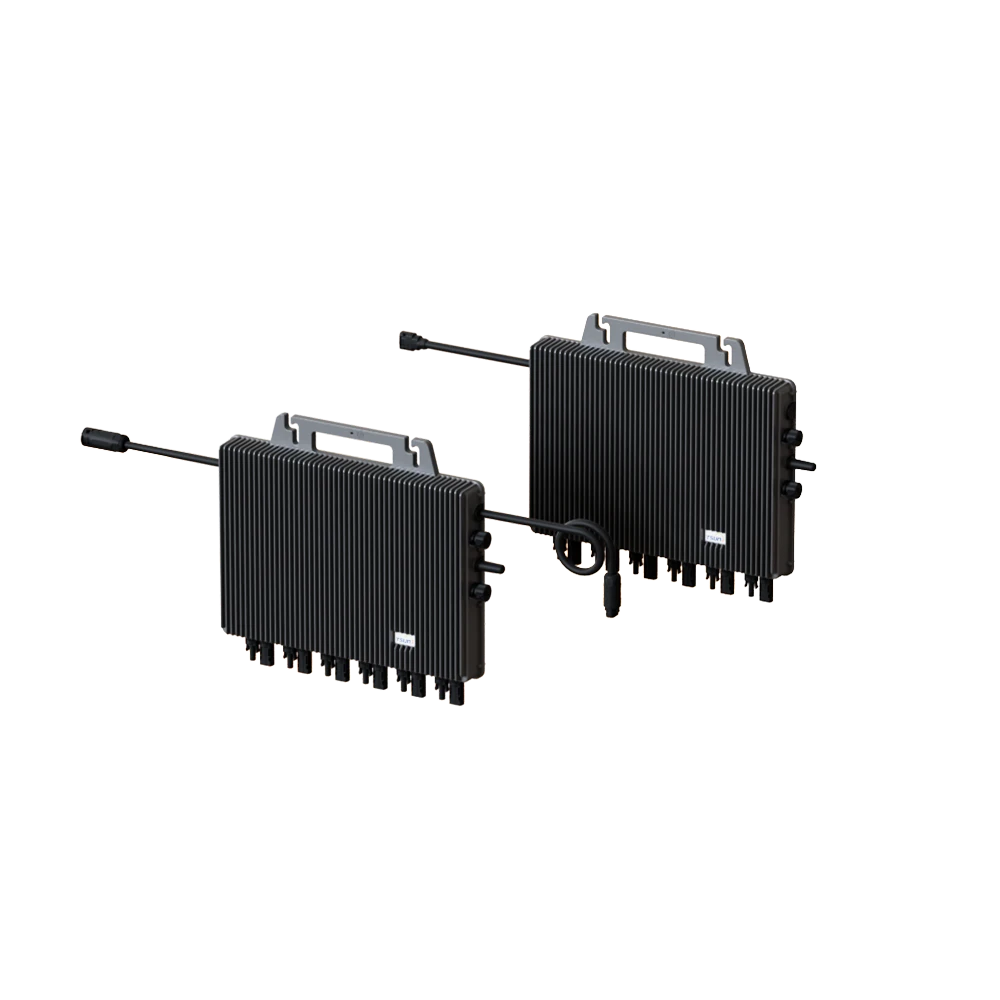
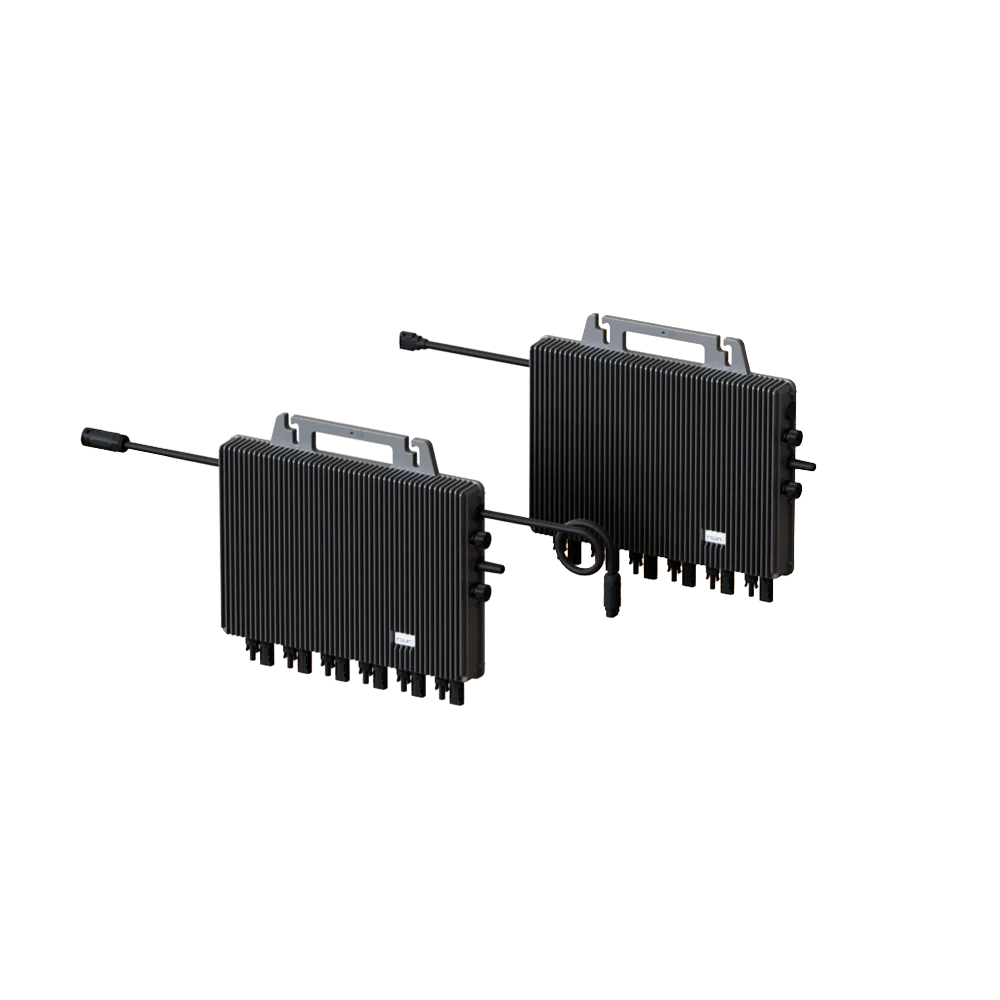
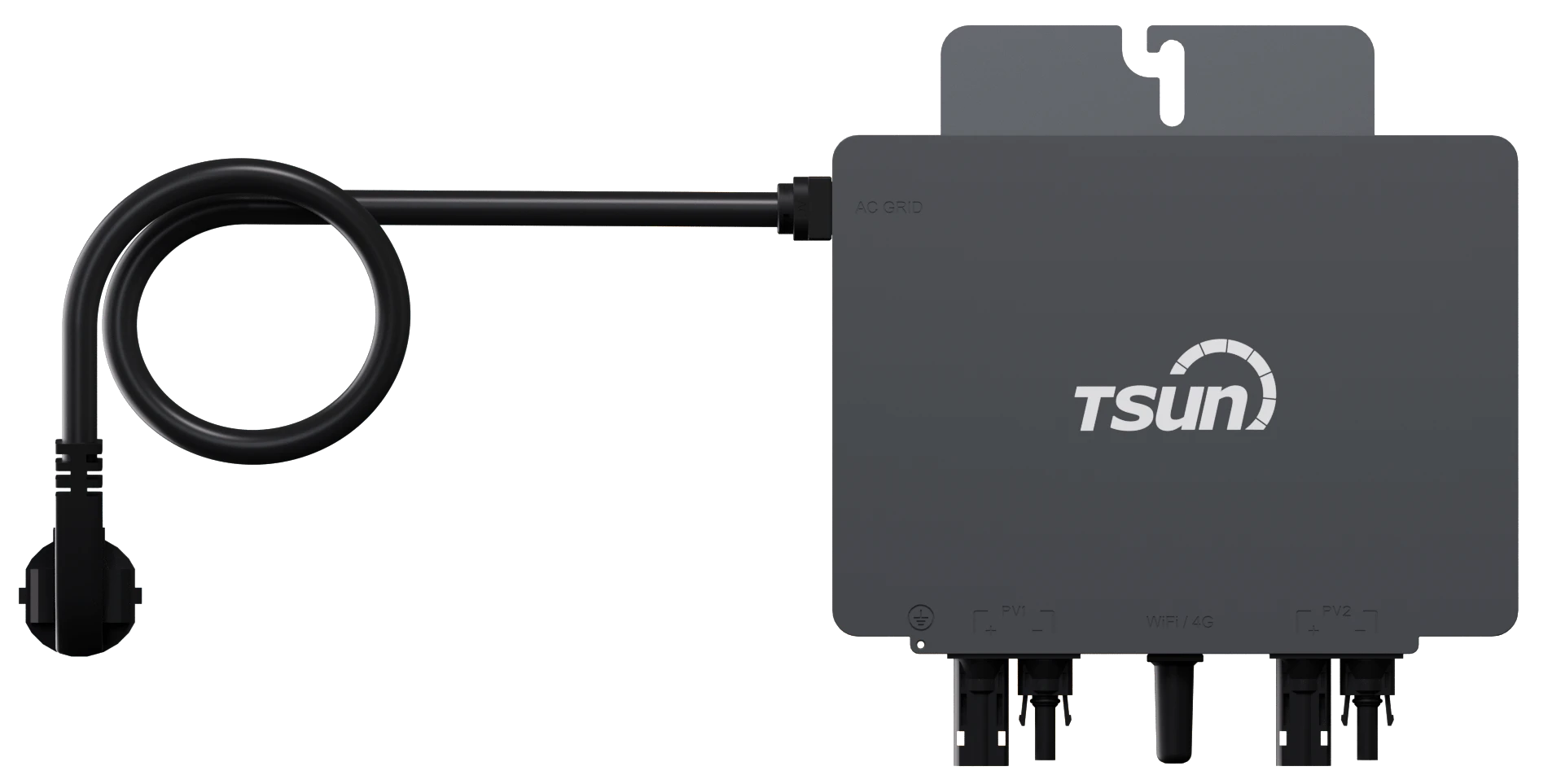
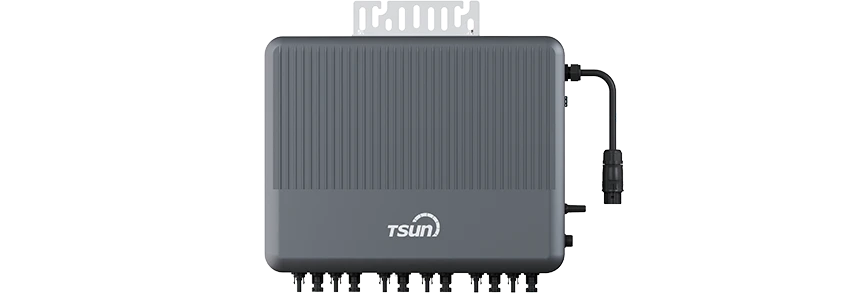
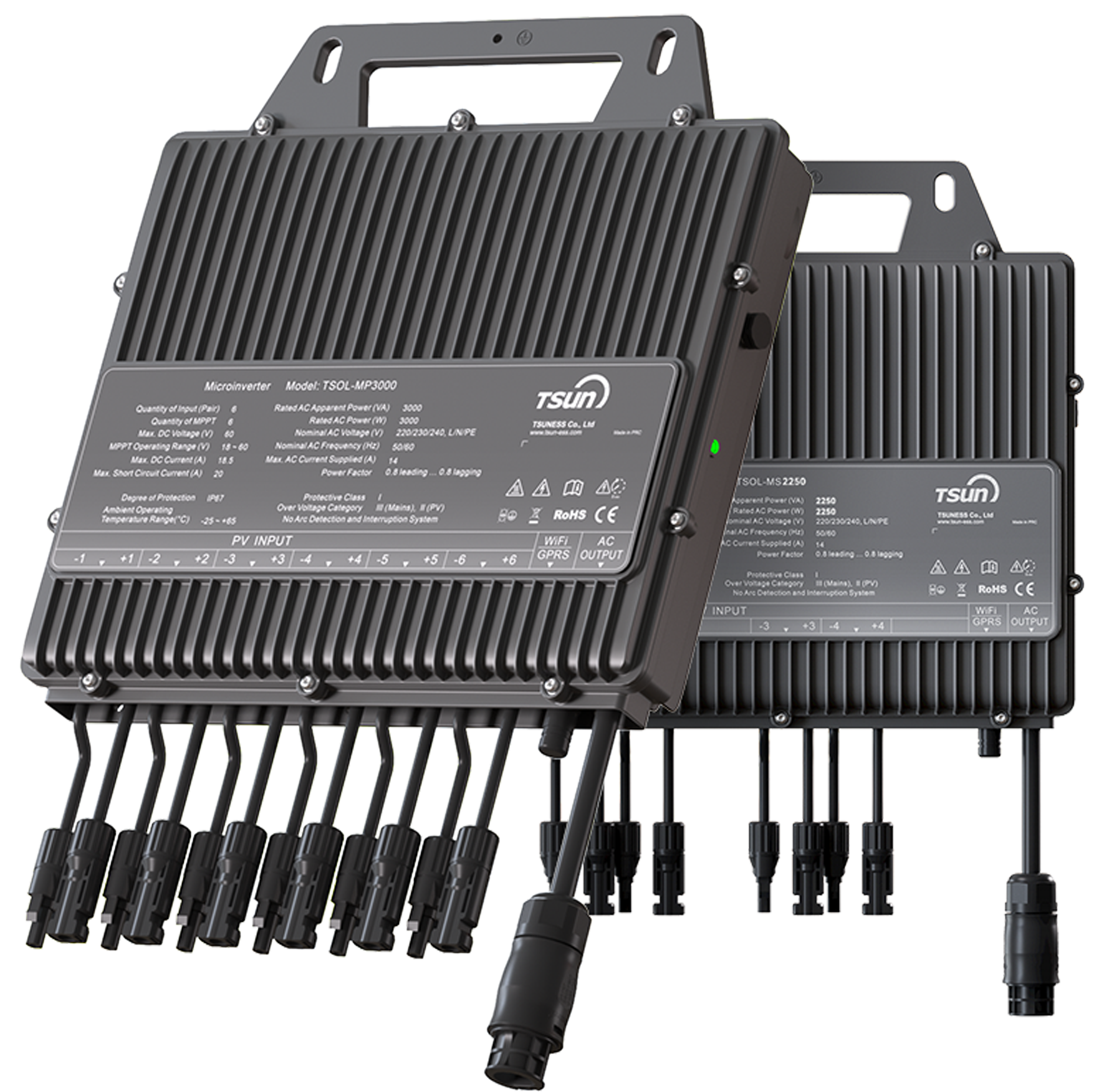
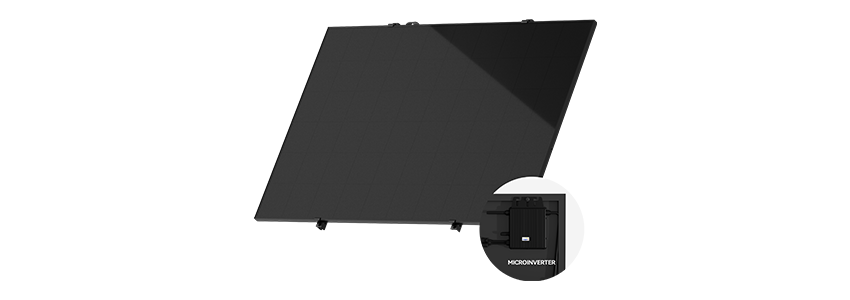
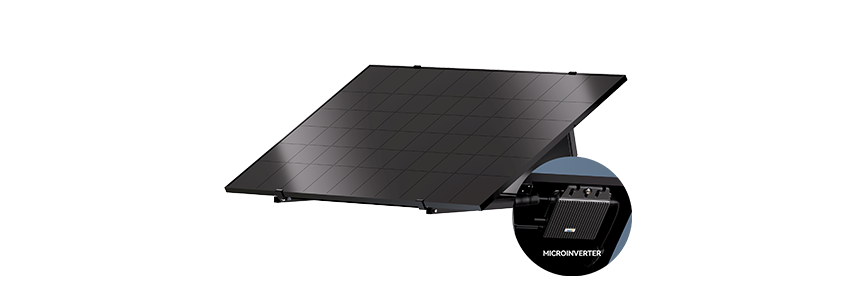
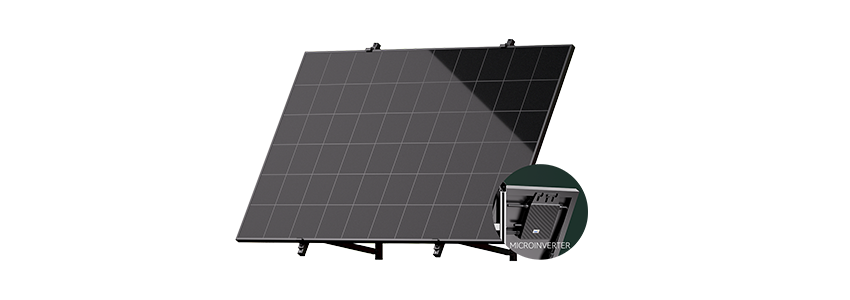
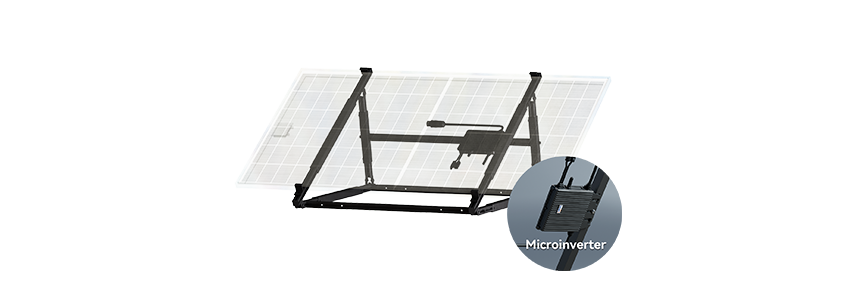
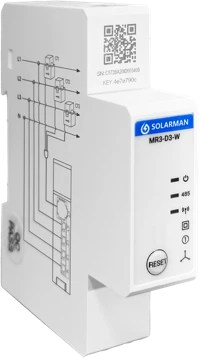
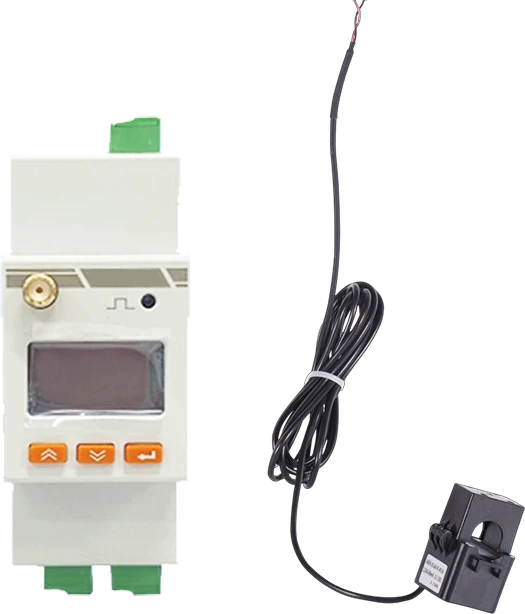
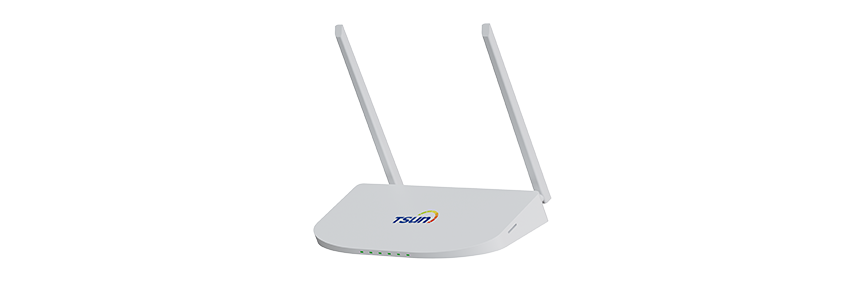
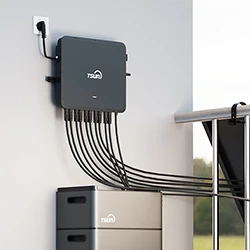
Okay, let's talk about the guts of the thing. You’ve got the solar panels themselves, obviously. Then you have the microinverters – these are the brains of the operation, converting DC power from the panel into AC power that your tools and equipment can use. You need a monitoring system too; being able to see how each panel is performing is crucial for identifying issues quickly. And finally, you’ve got the AC cabling that connects everything back to your distribution panel. It’s a relatively straightforward setup, especially compared to traditional systems.
Good quality cabling is key. Don't skimp on that. Construction sites are tough environments, and cables get walked on, run over, and exposed to all kinds of abuse. Using durable, weather-resistant cabling is an investment that pays off in the long run. I’ve seen too many projects delayed because of faulty wiring. The microinverters themselves also need to be robust, able to withstand vibrations, dust, and temperature swings.
Proper grounding is also paramount. Safety first, always. Ensuring the system is correctly grounded protects your crew and your equipment. Don’t let an electrician talk you out of it - it’s non-negotiable. A poorly grounded system is a disaster waiting to happen.
Durability and Environmental Considerations
I’ve worked on sites in deserts, in the rain, in freezing temperatures. Equipment needs to be able to handle it. A micro inverter system, to be truly useful, needs to be built to withstand the harsh realities of a construction environment. That means rugged enclosures, corrosion-resistant materials, and a wide operating temperature range.
We also need to think about the environmental impact. Construction is a resource-intensive industry, and we have a responsibility to minimize our footprint. A micro inverter system, particularly when paired with solar, is a step in the right direction. It reduces our reliance on fossil fuels and lowers our carbon emissions. That's something I'm proud to be a part of.
Dust and debris are a constant battle on construction sites. Microinverters need to be designed to minimize dust accumulation and allow for easy cleaning. I've seen systems suffer performance drops simply because the panels were covered in dust. Regular maintenance is key, but the system itself should be designed with durability in mind.
Performance Metrics and Scalability
Let’s talk numbers. What are we looking at in terms of performance? You want to consider peak power output, efficiency, and long-term reliability. A good micro inverter system should have an efficiency rating of at least 95%, meaning it's converting a high percentage of the DC power from the panels into usable AC power.
Scalability is also crucial. Construction projects evolve. Power needs change. You want a system that can easily be expanded as your needs grow. Adding more panels and microinverters should be a straightforward process, without requiring major system overhauls.
Micro Inverter System Performance Comparison
Real-World Applications in Construction
I've seen these systems deployed on everything from small residential renovations to large-scale commercial projects. They’re especially useful in remote locations where grid access is limited or expensive. Think about powering a water pump on a rural site, or running equipment at a remote excavation.
They’re also fantastic for temporary power needs. Instead of renting a diesel generator for a few months, you can deploy a micro inverter system with solar panels and save money on fuel and maintenance. It’s a cleaner, quieter, and more sustainable solution.
Long-Term Cost Savings and ROI
Let’s be honest, everything comes down to the bottom line. While the initial investment in a micro inverter system might be higher than a traditional generator, the long-term cost savings are significant. Reduced fuel costs, lower maintenance expenses, and increased efficiency all add up.
You also need to factor in the environmental benefits. Some clients are actively seeking out sustainable building practices, and a solar-powered micro inverter system can give you a competitive edge. It’s a win-win.
The ROI varies depending on the size of the system and the local electricity rates, but it’s consistently a worthwhile investment for projects with long-term power needs.
Future Trends and Technological Advancements
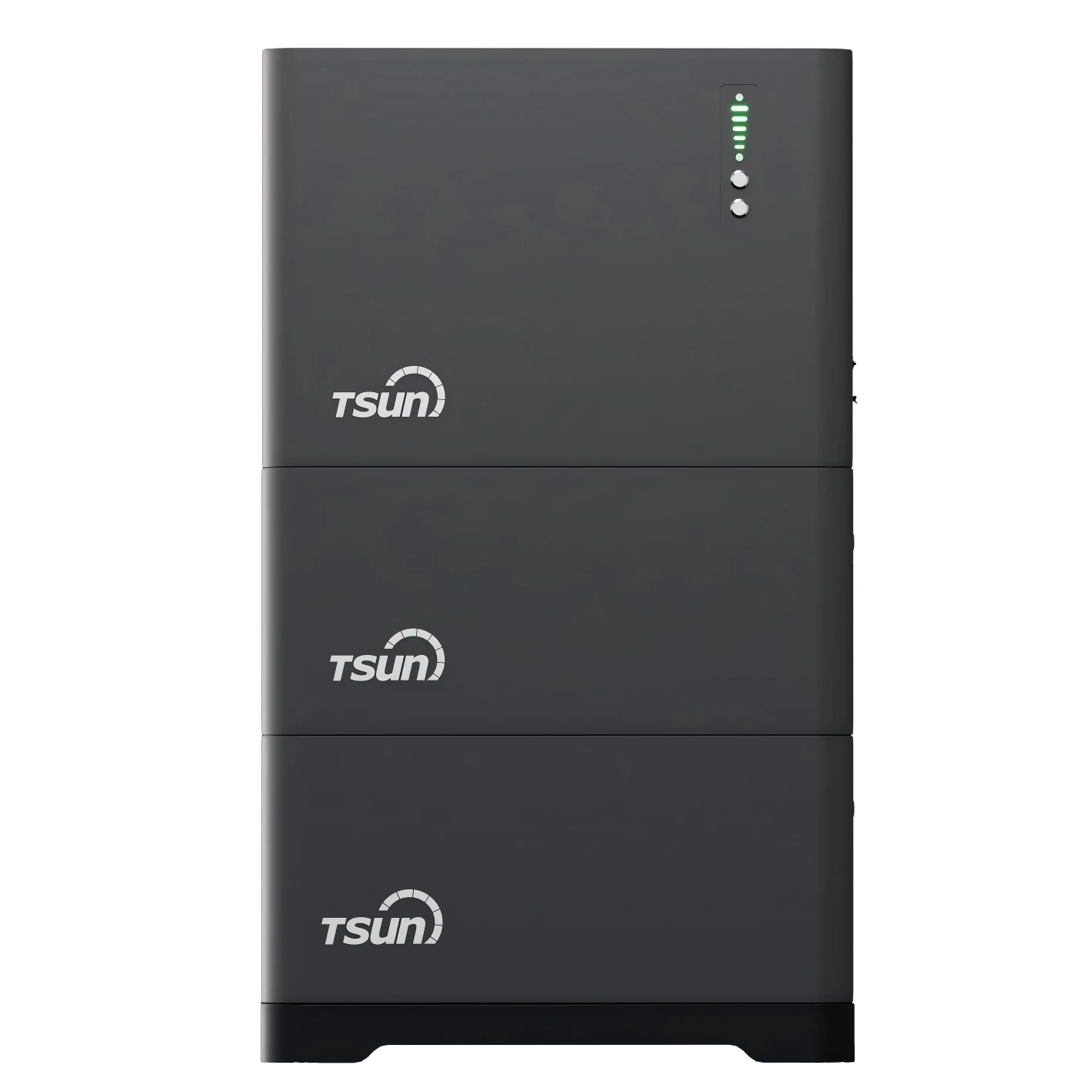
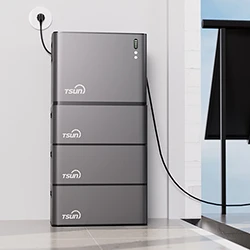
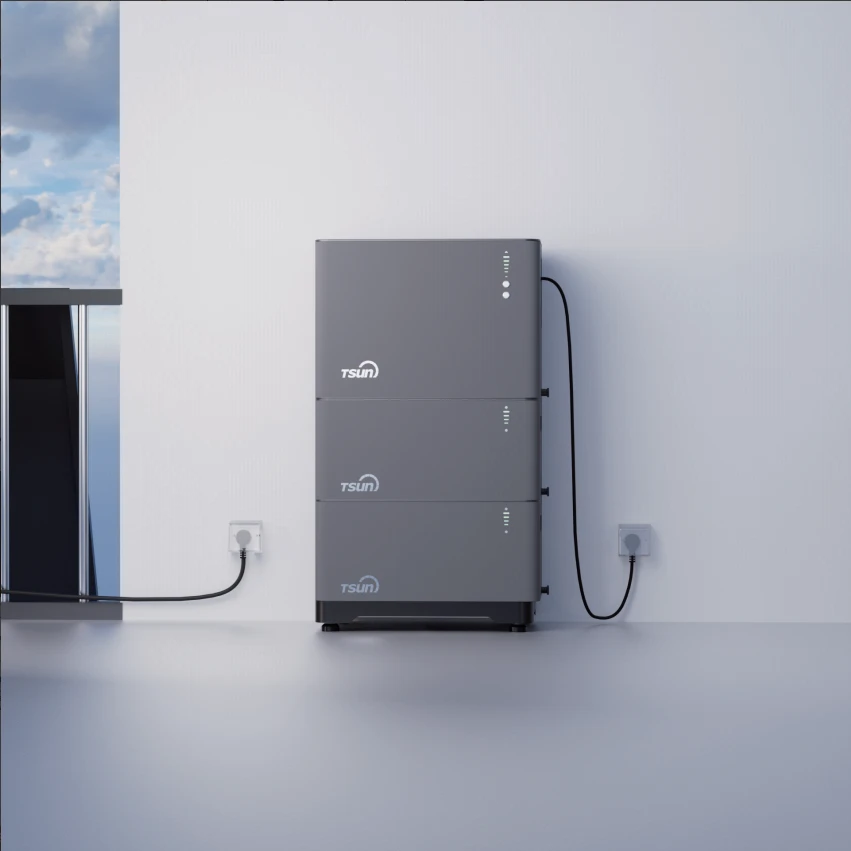
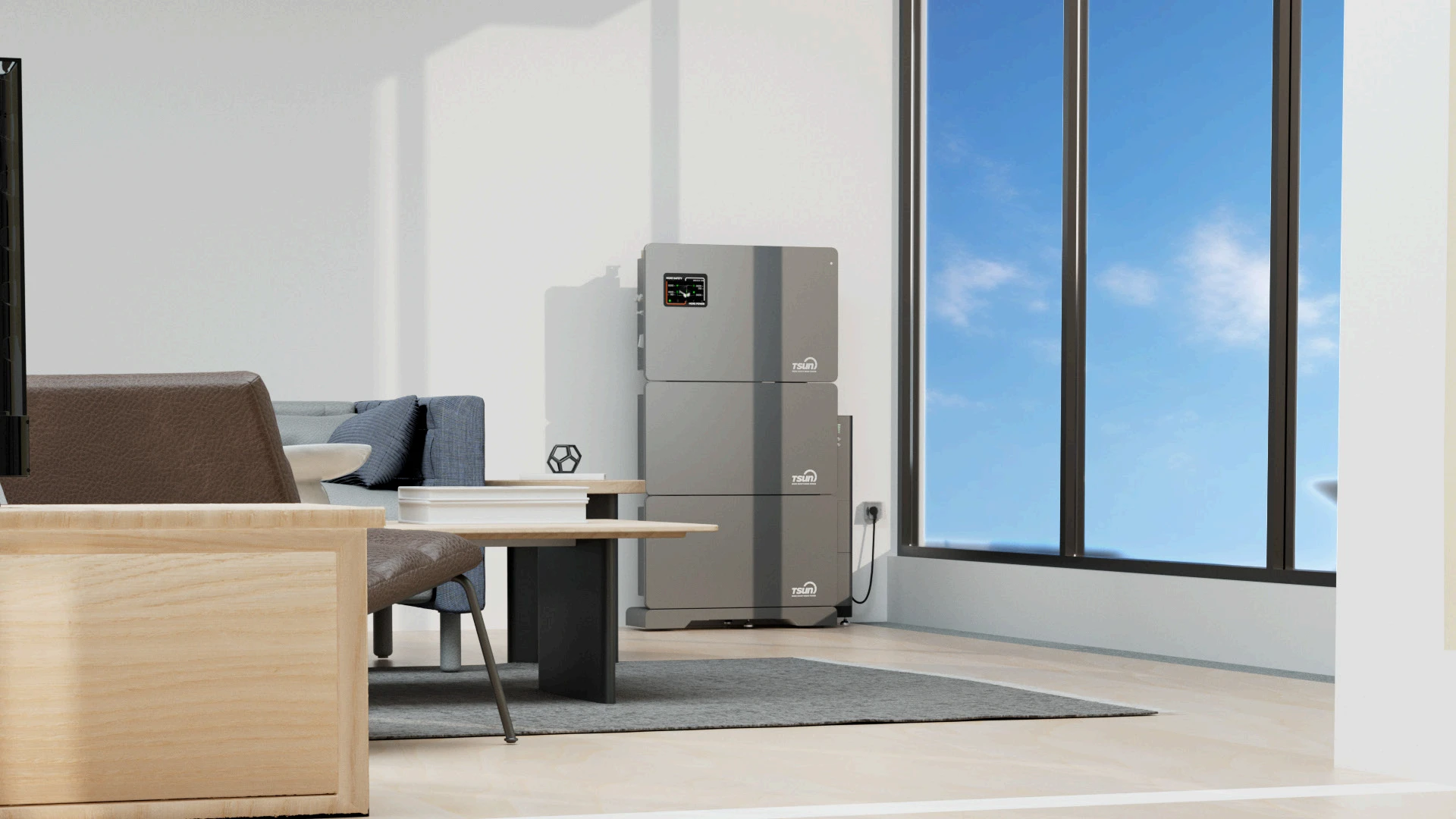
We're seeing some exciting developments in this space. Battery storage is becoming increasingly integrated with micro inverter systems, allowing you to store excess energy generated during the day and use it at night or during cloudy periods. This increases self-sufficiency and reduces reliance on the grid even further.
Smart grid technologies are also playing a role, enabling these systems to communicate with the grid and optimize energy usage. And we're seeing advancements in panel efficiency, meaning you can generate more power from a smaller footprint.
I think the future of construction power is decentralized, intelligent, and sustainable. Micro inverter systems are at the forefront of that revolution.
Overview of Micro Inverter System Evaluation Dimensions
| System Component Quality |
Installation Complexity |
Maintenance Requirements |
Long-Term Reliability (Years) |
| High (Tier 1 Components) |
Moderate (Requires Qualified Electrician) |
Low (Minimal Routine Checks) |
15-20 |
| Medium (Industry Standard Components) |
Moderate (Standard Electrical Knowledge) |
Medium (Annual Inspections) |
10-15 |
| Low (Budget Components) |
Easy (Basic Wiring Skills) |
High (Frequent Monitoring & Repairs) |
5-10 |
| High (Tier 1 Components) |
High (Requires Specialized Training) |
Low (Remote Monitoring Capabilities) |
20+ |
| Medium (Industry Standard Components) |
Moderate (Standard Electrical Knowledge) |
Medium (Annual Inspections) |
10-15 |
| High (Tier 1 Components with Enhanced Protection) |
Moderate (Requires Qualified Electrician) |
Very Low (Self-Diagnostic Capabilities) |
25+ |
FAQS
That's a big one for the crews. Generators are loud. A micro inverter system, especially when paired with solar, is virtually silent. This creates a much more pleasant and productive work environment. Less noise pollution means better communication, reduced fatigue, and ultimately, safer job sites. It's a game-changer, especially on long-duration projects or in residential areas.
Honestly, not much. Regular visual inspections of the panels and inverters are about it. Keeping the panels clean from dust and debris is important, but that's standard practice regardless. The microinverters themselves are sealed units and designed to be incredibly reliable. Most systems have built-in monitoring that will alert you to any potential issues, so you can address them proactively. It’s way less maintenance than a generator, which requires regular oil changes, filter replacements, and other upkeep.
Yes, absolutely. While they are commonly used with solar panels, micro inverter systems can also be used with other DC power sources, like wind turbines or even batteries. The key is that they convert DC power to AC power. It provides a flexible solution for various renewable energy applications or even emergency backup power systems.
That’s one of the biggest advantages of this system. Unlike a central inverter, the failure of one microinverter only affects the performance of the single panel it’s connected to. The rest of the system continues to operate normally. This redundancy is crucial for ensuring uninterrupted power on a job site. Most monitoring systems will immediately alert you to a failed inverter, so you can quickly replace it.
Good quality micro inverter systems are designed to withstand a wide range of weather conditions, including extreme temperatures, rain, snow, and high winds. They are typically sealed to protect against moisture and dust, and built with robust materials that can handle the rigors of a construction environment. However, it’s always important to consult the manufacturer’s specifications to ensure the system is appropriate for your specific location.
The payback period varies depending on several factors, including the size of the system, the cost of electricity in your area, and any available incentives. However, with the rising cost of fuel and the increasing demand for sustainable energy, the payback period is becoming shorter and shorter. It's often within 3-7 years, and the long-term cost savings can be substantial.
Conclusion
We’ve covered a lot of ground here. Micro inverter systems aren’t just a technological upgrade; they’re a fundamental shift in how we approach power on construction sites. They offer increased reliability, reduced costs, and a more sustainable approach to energy. It's about building smarter, safer, and more efficient projects.
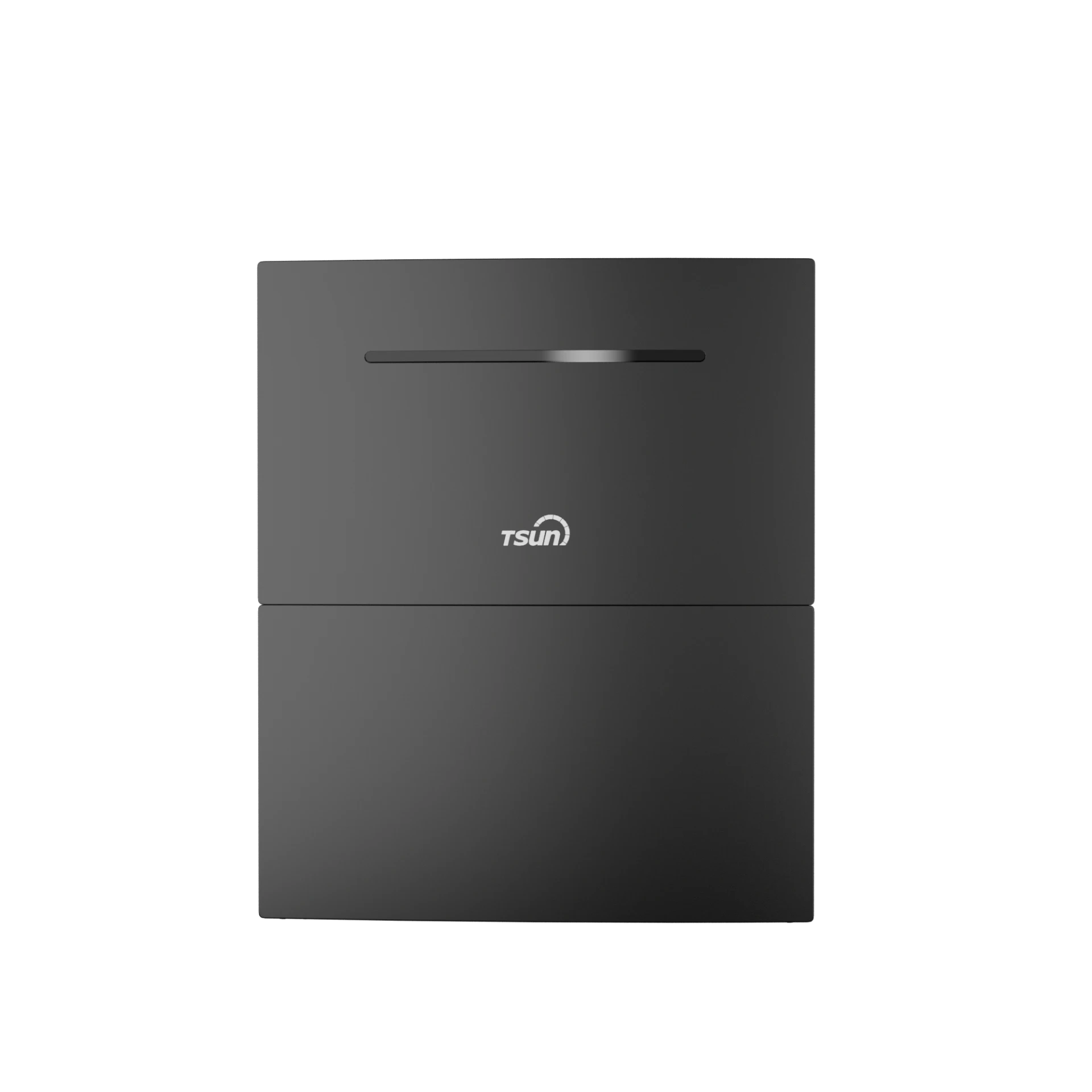
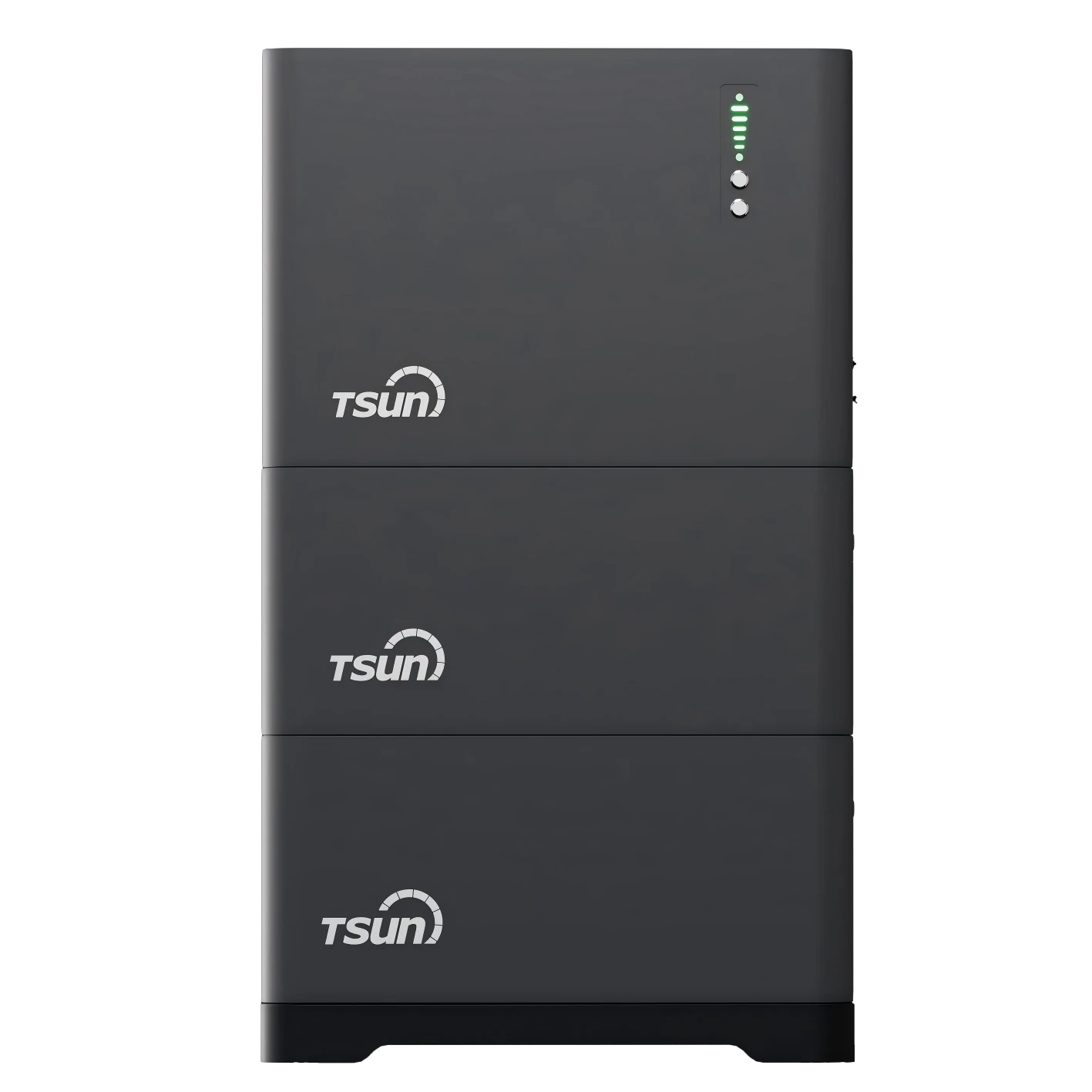
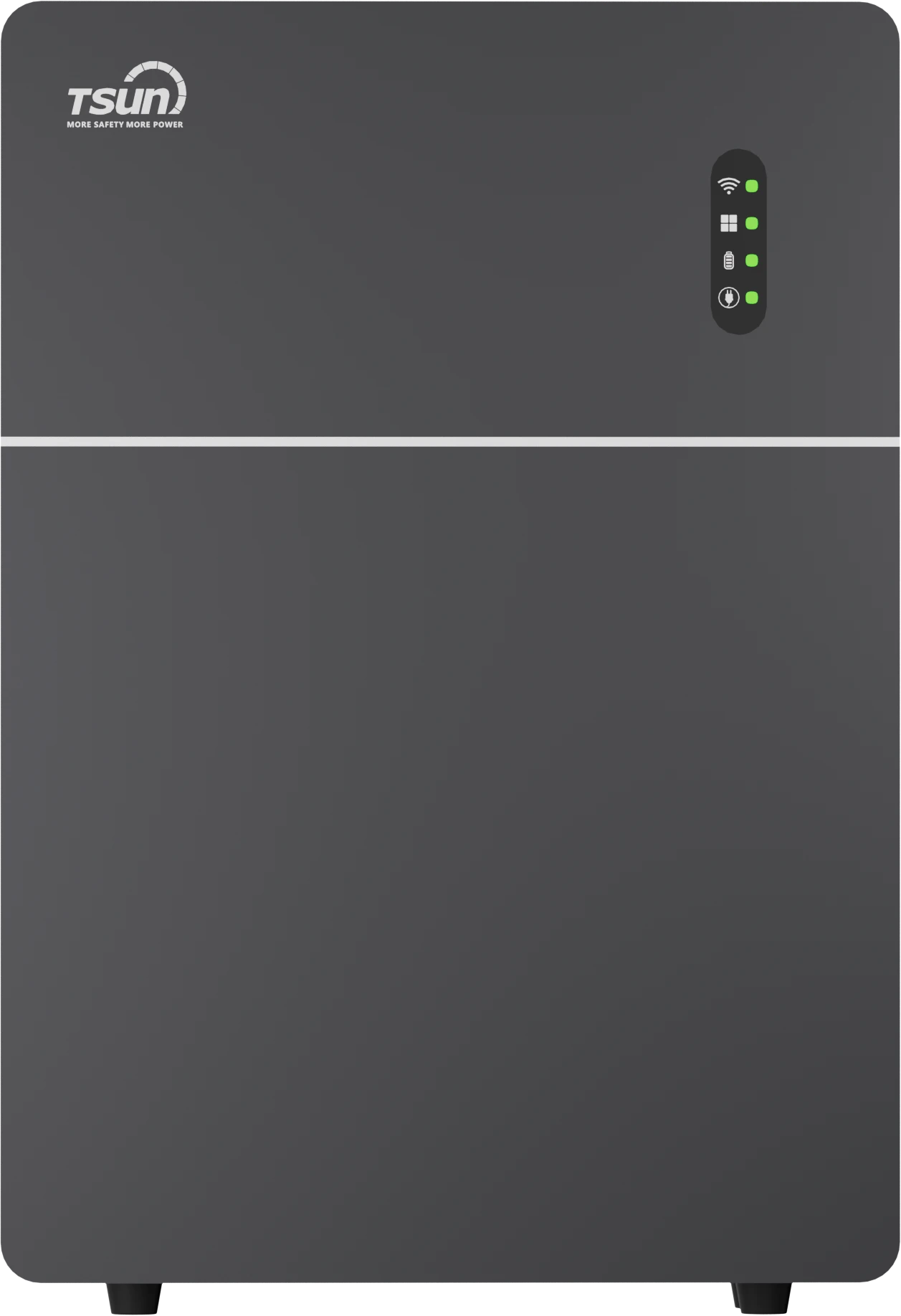
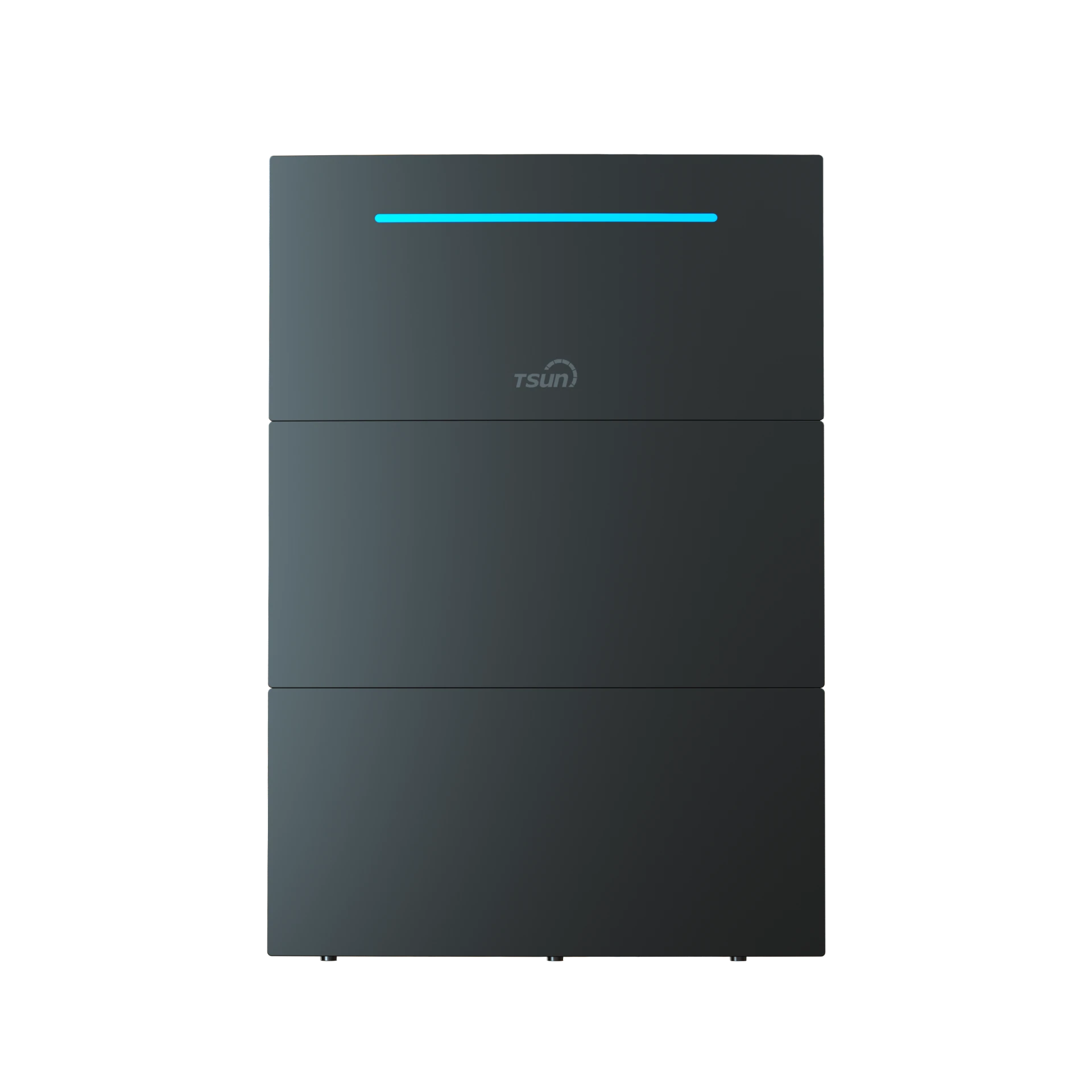
I encourage you to seriously consider a micro inverter system for your next project. It’s an investment that will pay dividends in the long run, not just financially, but also in terms of crew safety, project efficiency, and environmental responsibility. Learn more and explore the options available at www.tsun-ess.com.




 LEARN DETAILS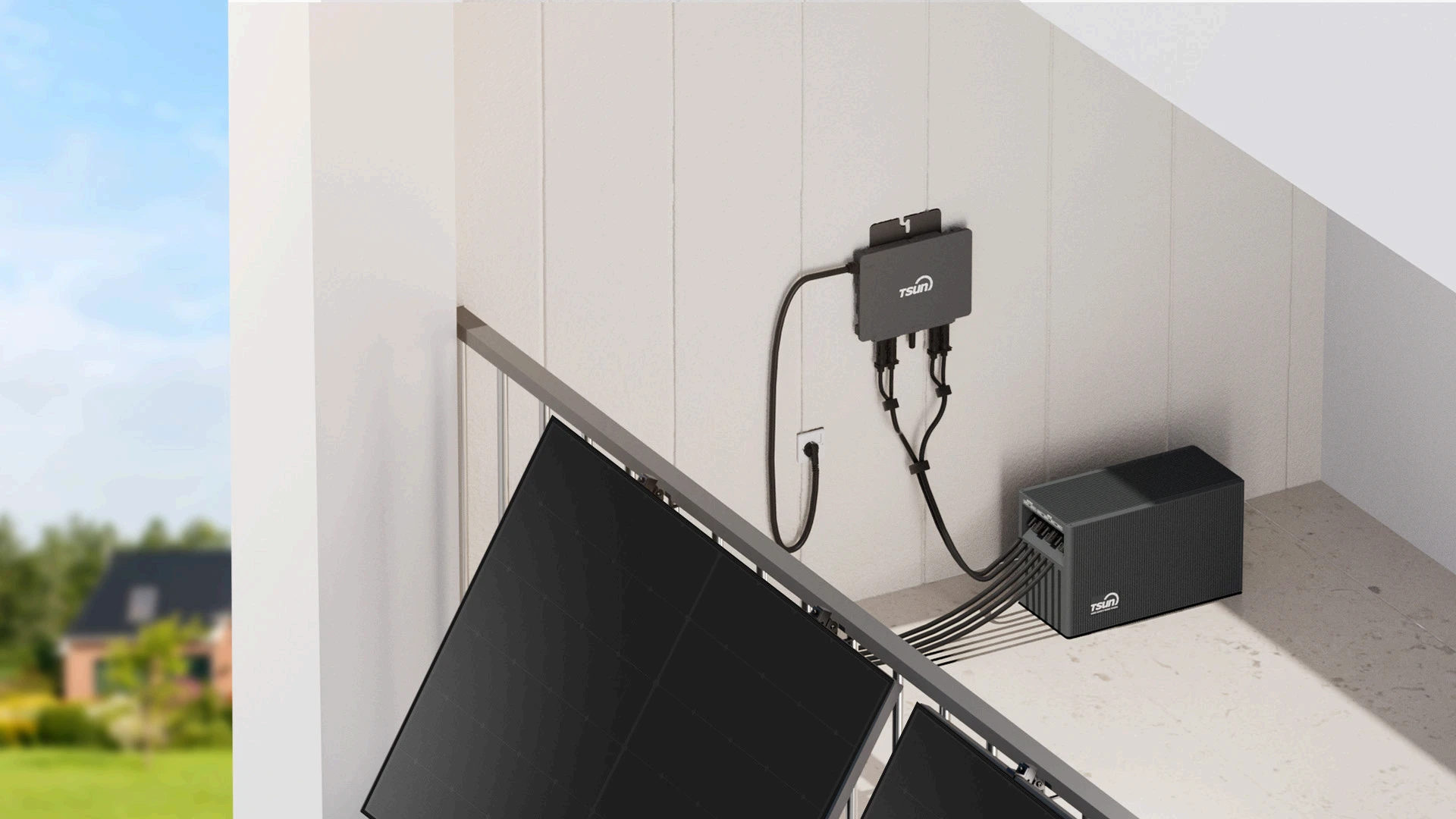
 Downloads
 Video Center
 Report Fault for Repair
 FAQS
FAQS Service Network
 Privacy Policy
 Contact Us
 Monitoring