Stationary Energy Storage: Best Systems & Tech Solutions for Your Home
Outages happen. Grid instability is just reality now. Instead of sitting in the dark waiting for utility trucks, think of stationary energy storage like a household water tower. It soaks up cheap power—or free daytime solar energy—and saves it for when you actually need it.
Due to surging demand and rising electricity costs, the global energy storage market is expanding at a record pace. Ultimately, stationary energy storage offers true independence. Whether you are running vital home appliances, avoiding peak-hour utility rates, or maximizing your balcony solar plant, this technology is your ultimate financial and safety net.
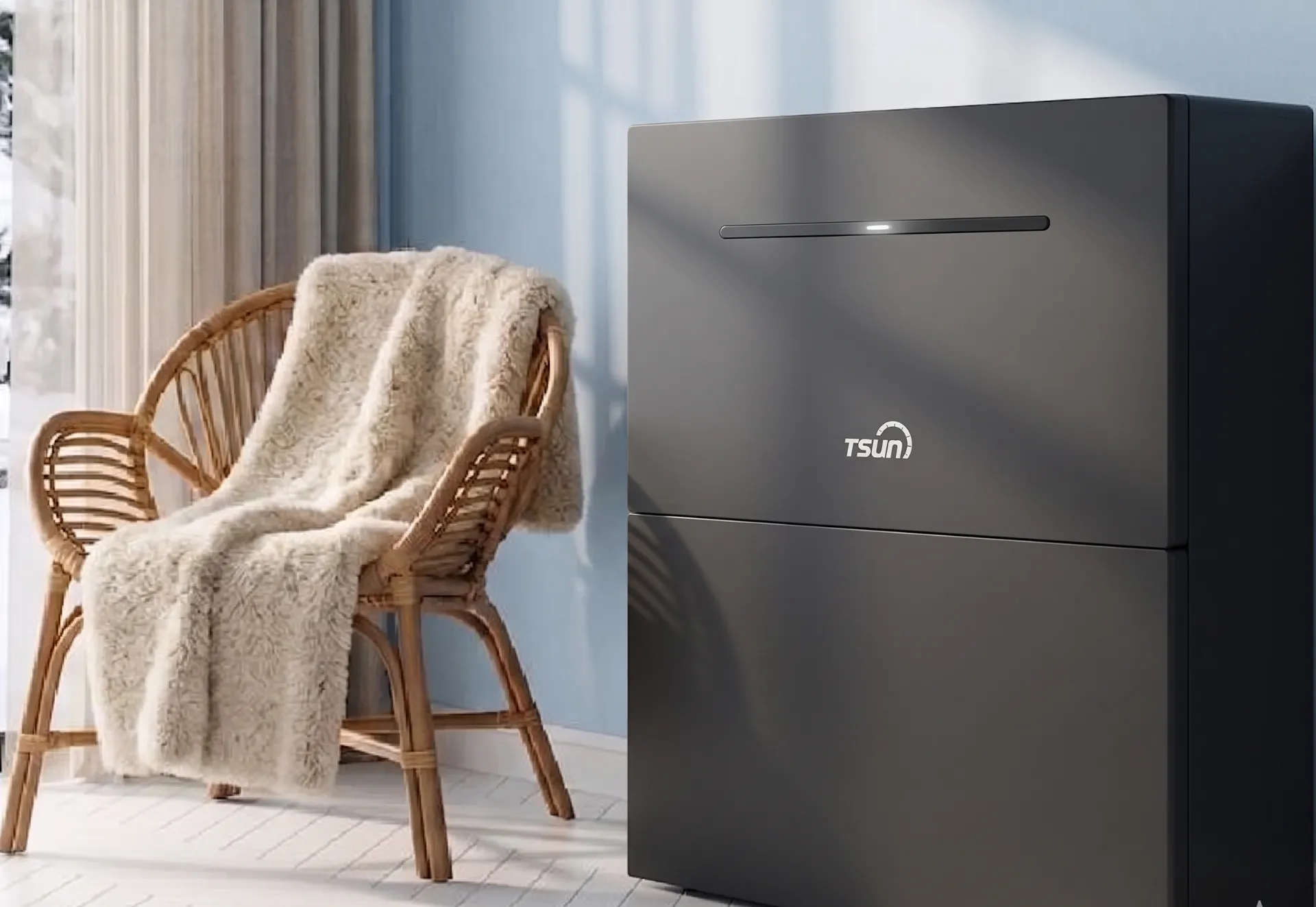
What is a Stationary Energy Storage System?
Imagine a water tank for electricity. That is a stationary energy storage system. While pocket-sized power banks drain quickly and are meant for travel, stationary hardware sits securely at your home, acting as a physical buffer against grid chaos.
It operates on a simple rhythm:
- Absorbs the excess: It banks free daytime solar power or cheap off-peak grid power.
- Deploys on demand: The second the sun goes down or utility rates spike during evening rush hours, the battery takes over to power your home.
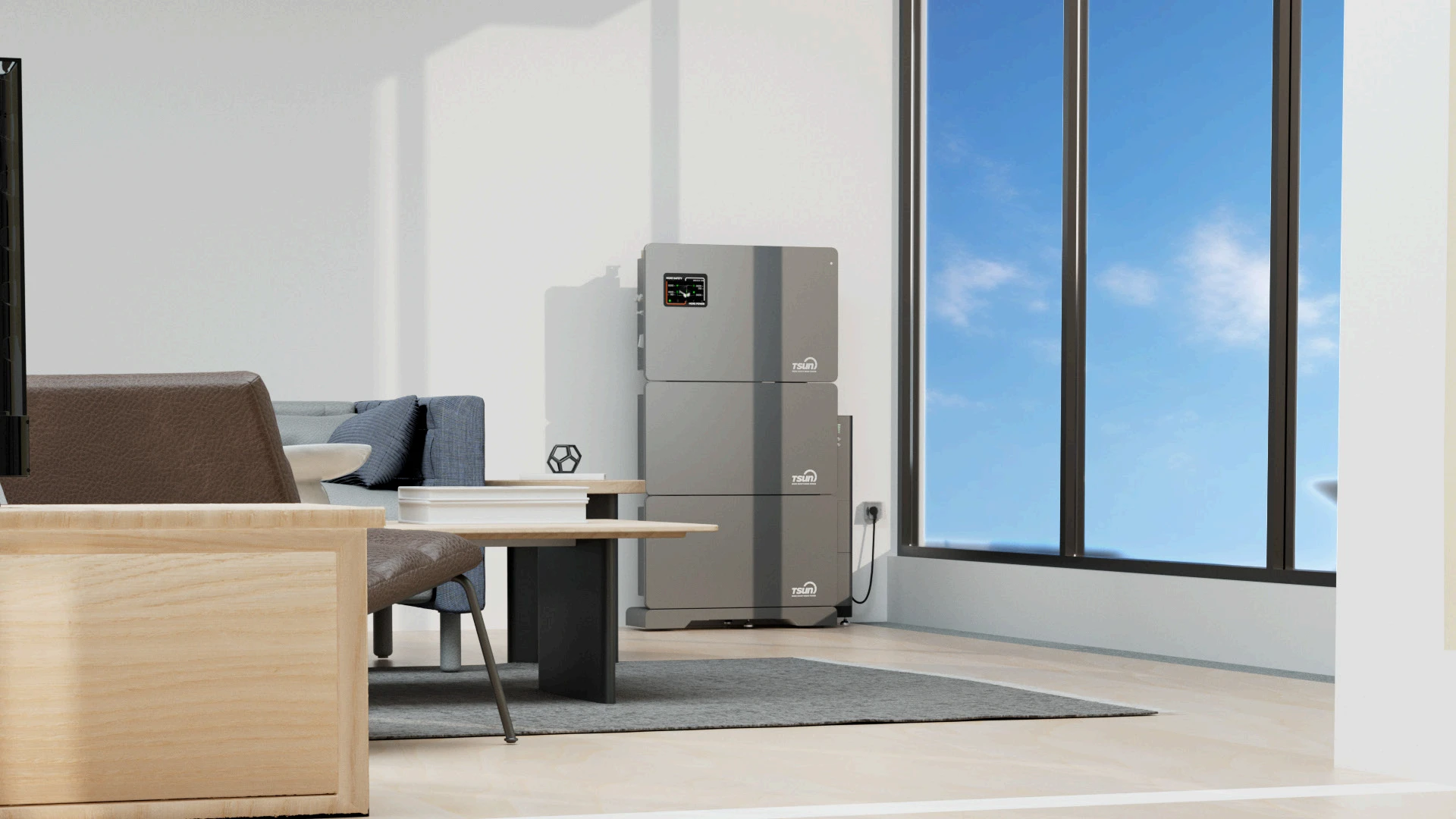
While traditional stationary systems are massive, wall-bolted cabinets that require extensive rewiring, modern micro-storage systems have evolved into sleek, modular units that integrate directly with your existing solar setup.
Why Do We Need Stationary Energy Storage Technologies?
We ask too much of an old power grid. Utility poles and aging transformers buckle under extreme weather. Meanwhile, renewable energy fluctuates: the sun sets, and the wind dies down. Without a way to catch that clean power, it just vanishes.
Here is why having a solid stationary energy storage system matters right now:
- Dodging High Bills: Electricity costs spike during busy evening hours. You can pull cheap power (or free solar) during the day, then use it when utility prices shoot up.
- Maximizing Self-Consumption: If you have solar panels, sending excess power back to the grid pays pennies. Storing it ensures you get 100% of the value of the energy you generate.
- Supporting Green Energy: Storage is the true backbone of clean energy reliability. By storing your own power, you reduce reliance on dirty fossil-fuel peaker plants.
- Protecting Lifelines: In regions with frequent micro-outages, having a localized power reserve keeps your router blinking and your fridge cold.
How Do Stationary Energy Storage Systems Work?
Understanding the chemistry inside the box prevents expensive mistakes. Different materials trap and release electricity differently. Here is what actually powers these units:
- LFP (Lithium Iron Phosphate): The absolute gold standard for residential use. It relies on iron, runs cool, and is chemically stable. Systems using LFP can be drained and recharged thousands of times (often 6000+ cycles) before losing capacity.
- NMC (Lithium-Ion): These squeeze a lot of power into a tight space but use expensive metals (like cobalt) and run much hotter, posing higher thermal risks.
- Lead-Acid: The old standard. They cost very little initially but die quickly if you drain them too deeply.
For a house, you want reliable, everyday performance. LFP hits that mark flawlessly, handling daily solar charging without breaking a sweat.
Strategies to Choose the Best Stationary Energy Storage Solutions
Buying a battery is not like picking out a kitchen appliance. Because the market is flooded with varying solutions, making an expensive mistake is entirely possible. Many homeowners accidentally buy massive, traditional AC-coupled systems that require thousands of dollars in electrician fees to install.
Stop looking at spec sheets first. Look at your actual needs and your home's infrastructure:
- Calculate the Baseline: You don't always need a massive 15kWh battery to back up your whole house. Often, you just need enough capacity to cover your evening baseline load (router, fridge, TV, lights).
- Demand Stable Chemistry: Always insist on Lithium Iron Phosphate (LFP) for residential safety and longevity.
- Skip the Electrician (Go Plug & Play): Traditional wall-mounted batteries require complex permitting and professional rewiring. Modern DC-coupled systems bypass this entirely.
- Plan for Tomorrow (Modularity): Choose hardware that lets you snap extra battery modules into place later, rather than forcing a total system replacement.
The Smart Alternative: TSUN SolarCan (DC-Coupled Unit)
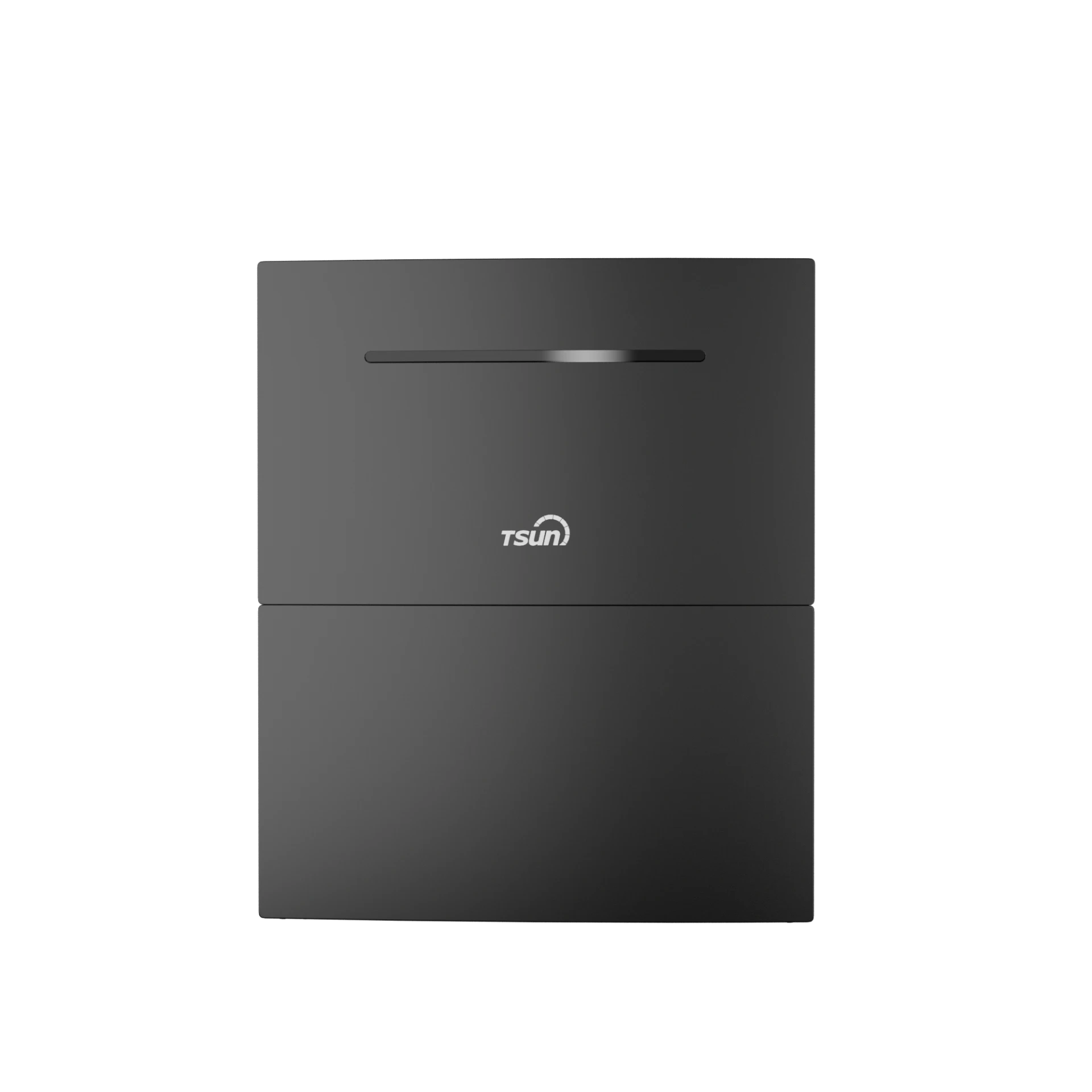
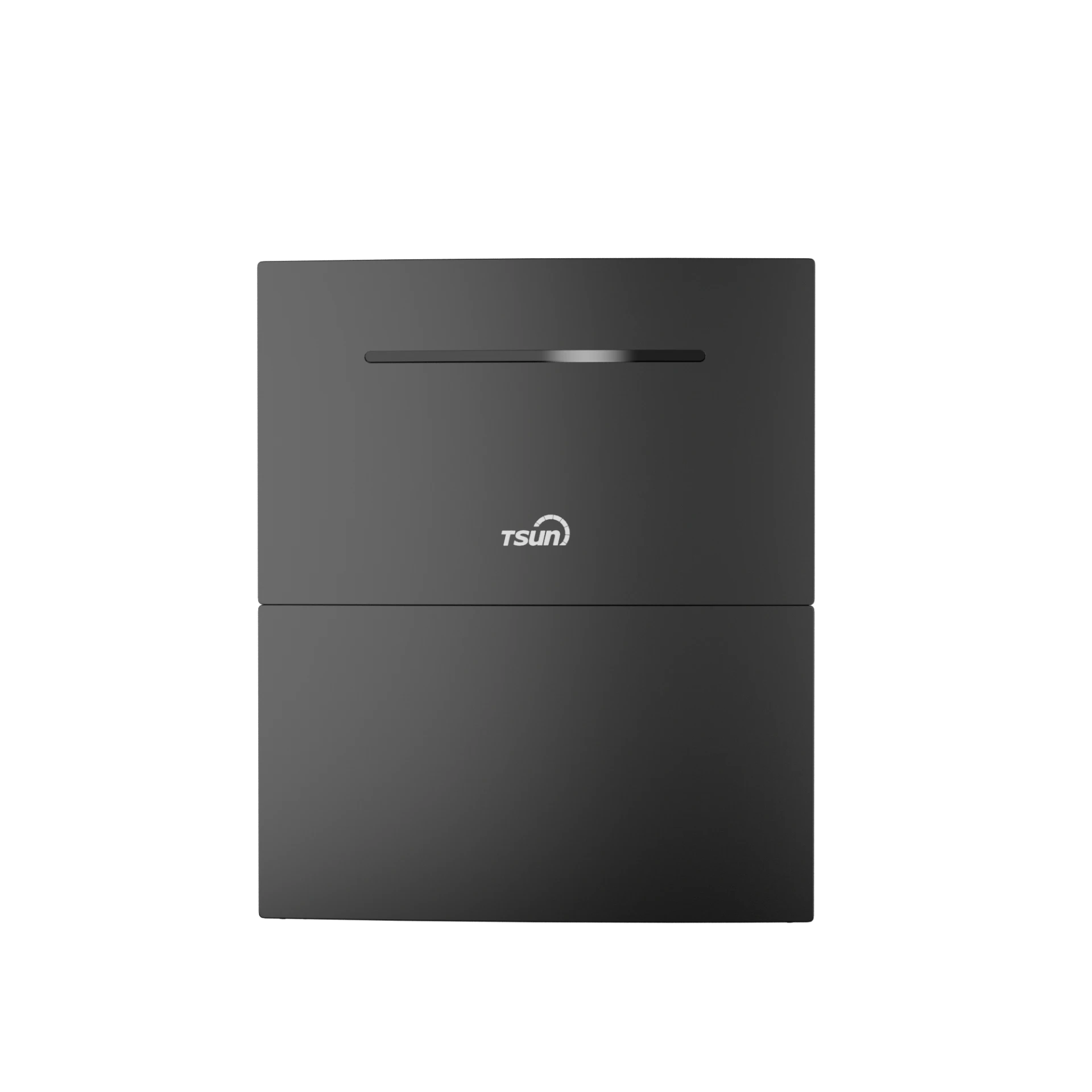
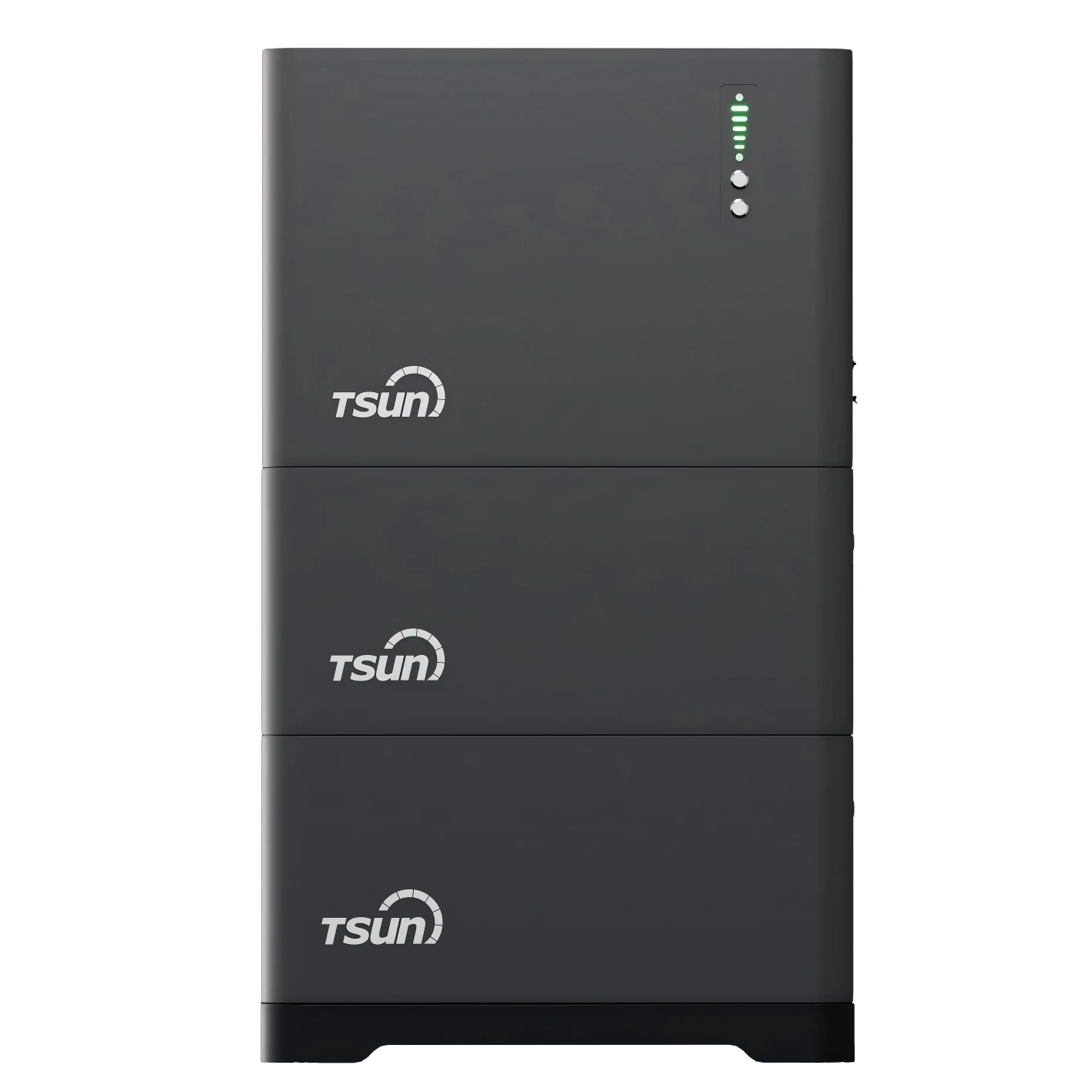
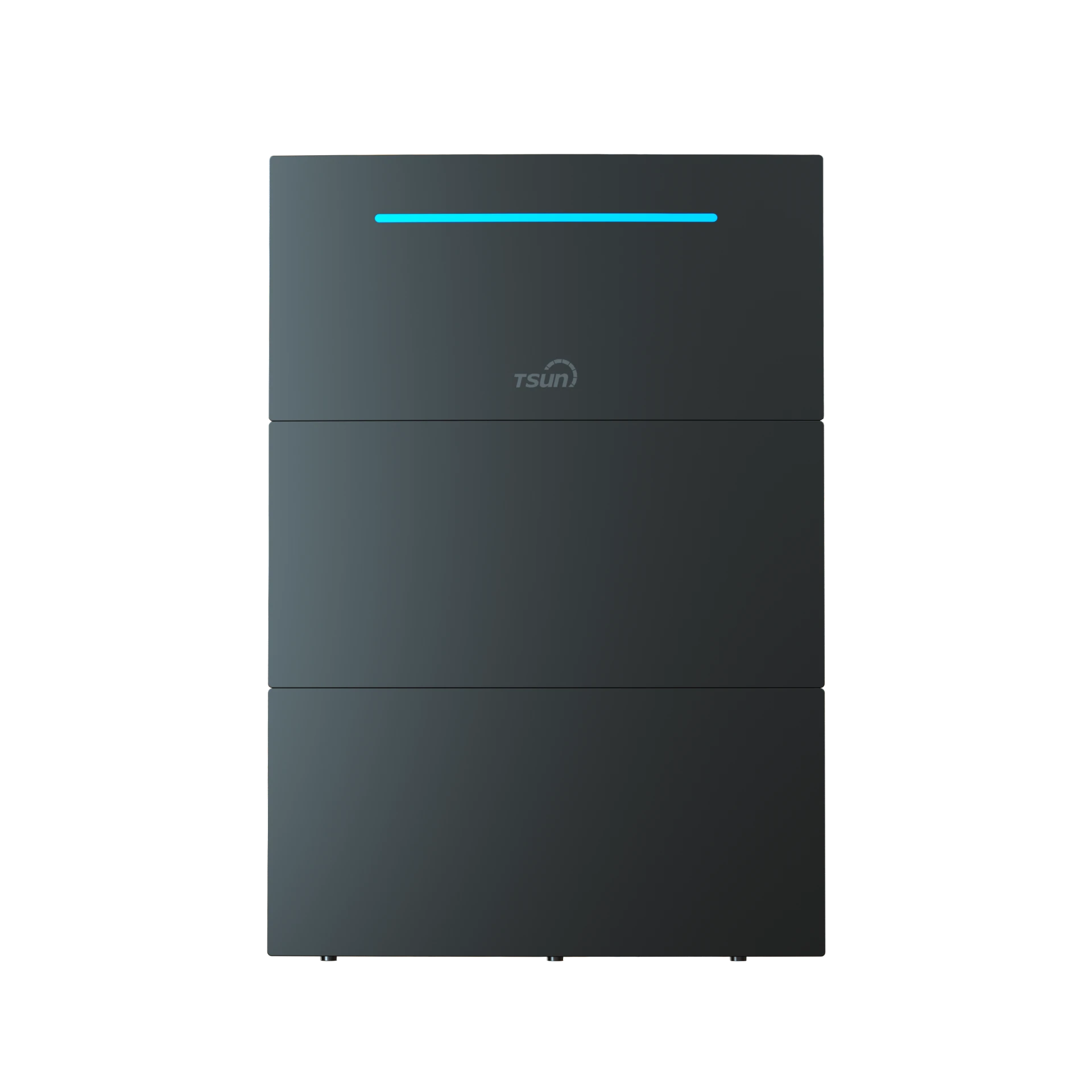
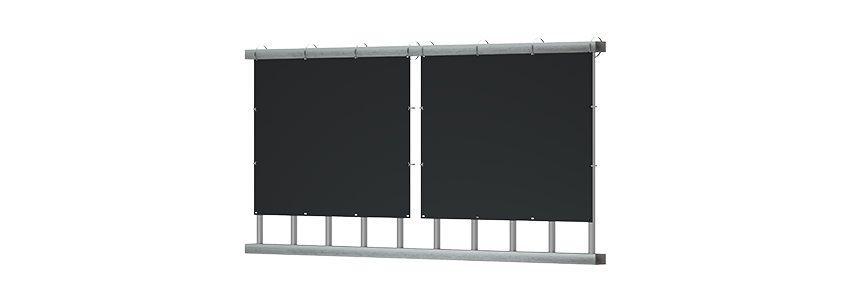
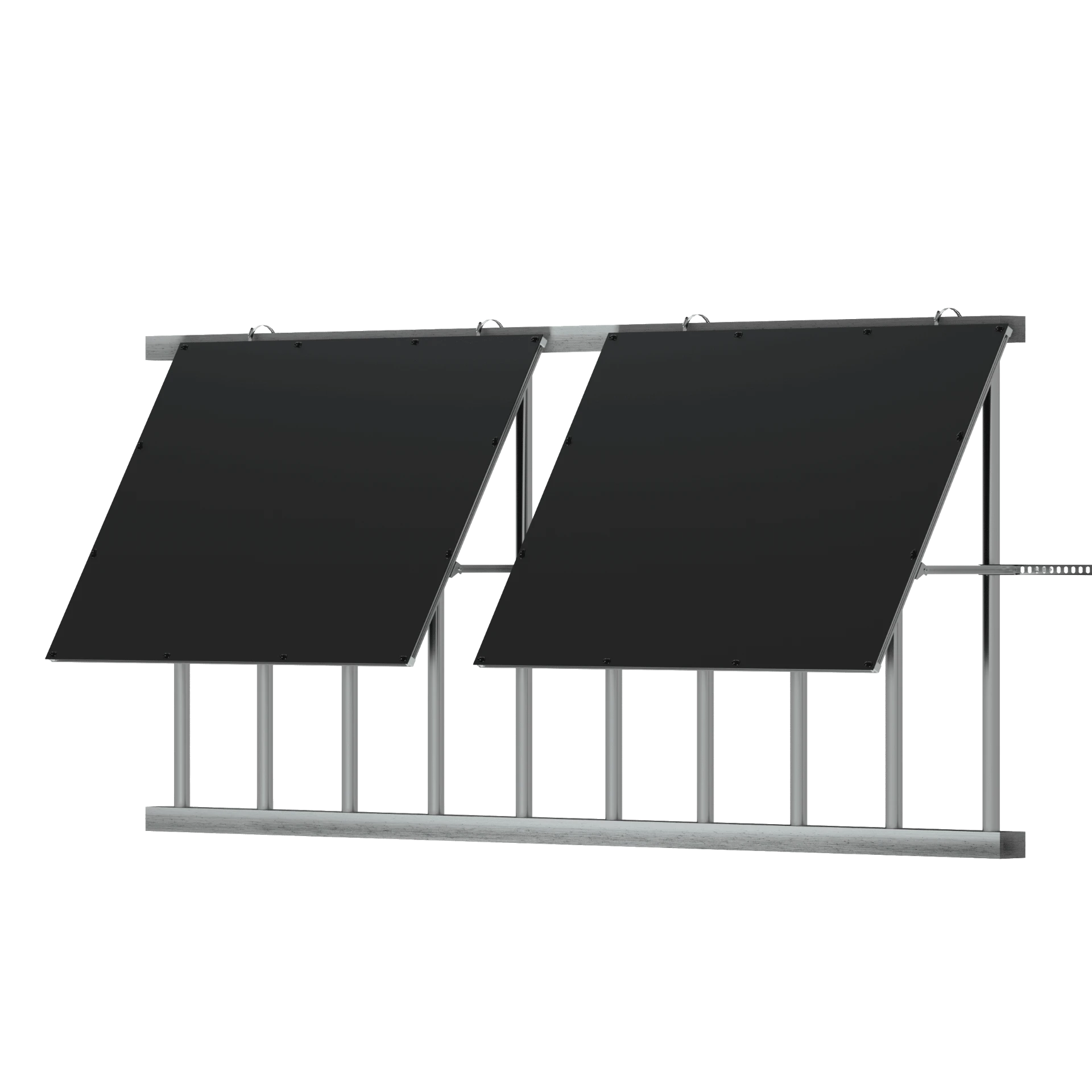
If you want the benefits of stationary energy storage without the brutal installation costs, the TSUN SolarCan (DC Coupled Unit) is the ultimate game-changer. Designed specifically for modern homes and balcony power plants, it bridges the gap between massive wall units and everyday practicality.
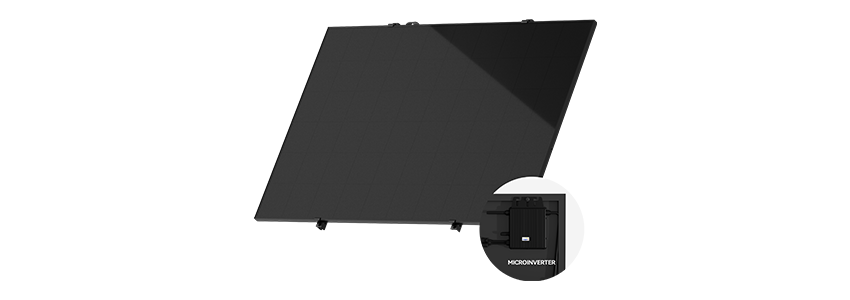
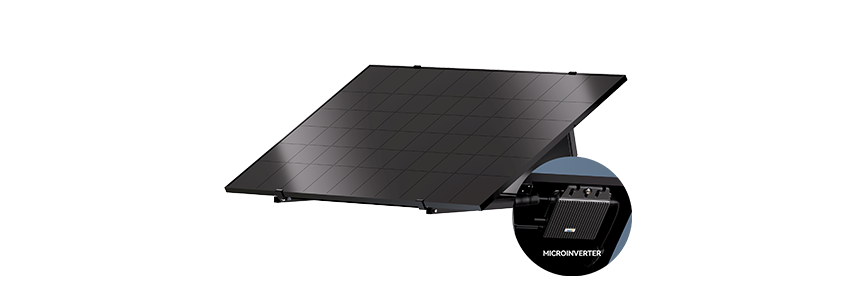
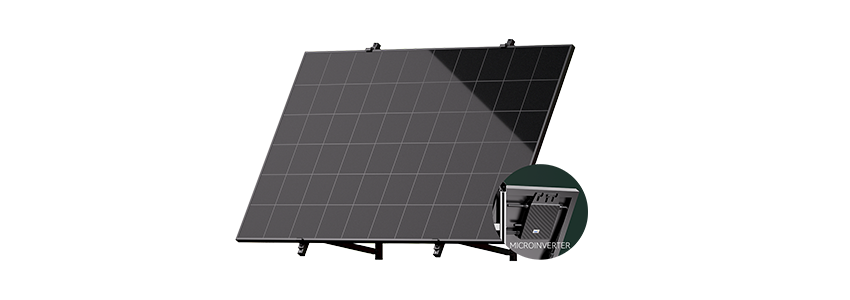
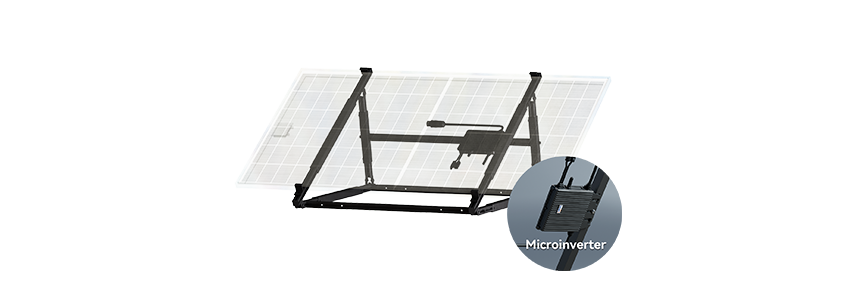
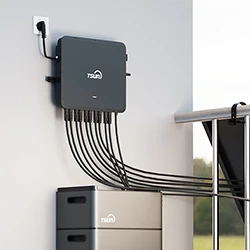
Instead of a complex grid overhaul, the SolarCan offers a 100% Plug & Play experience. It connects directly between your existing PV panels and your microinverter.
- DC-Coupled Efficiency: Stores energy directly from the sun before it hits the inverter, eliminating AC/DC conversion losses.
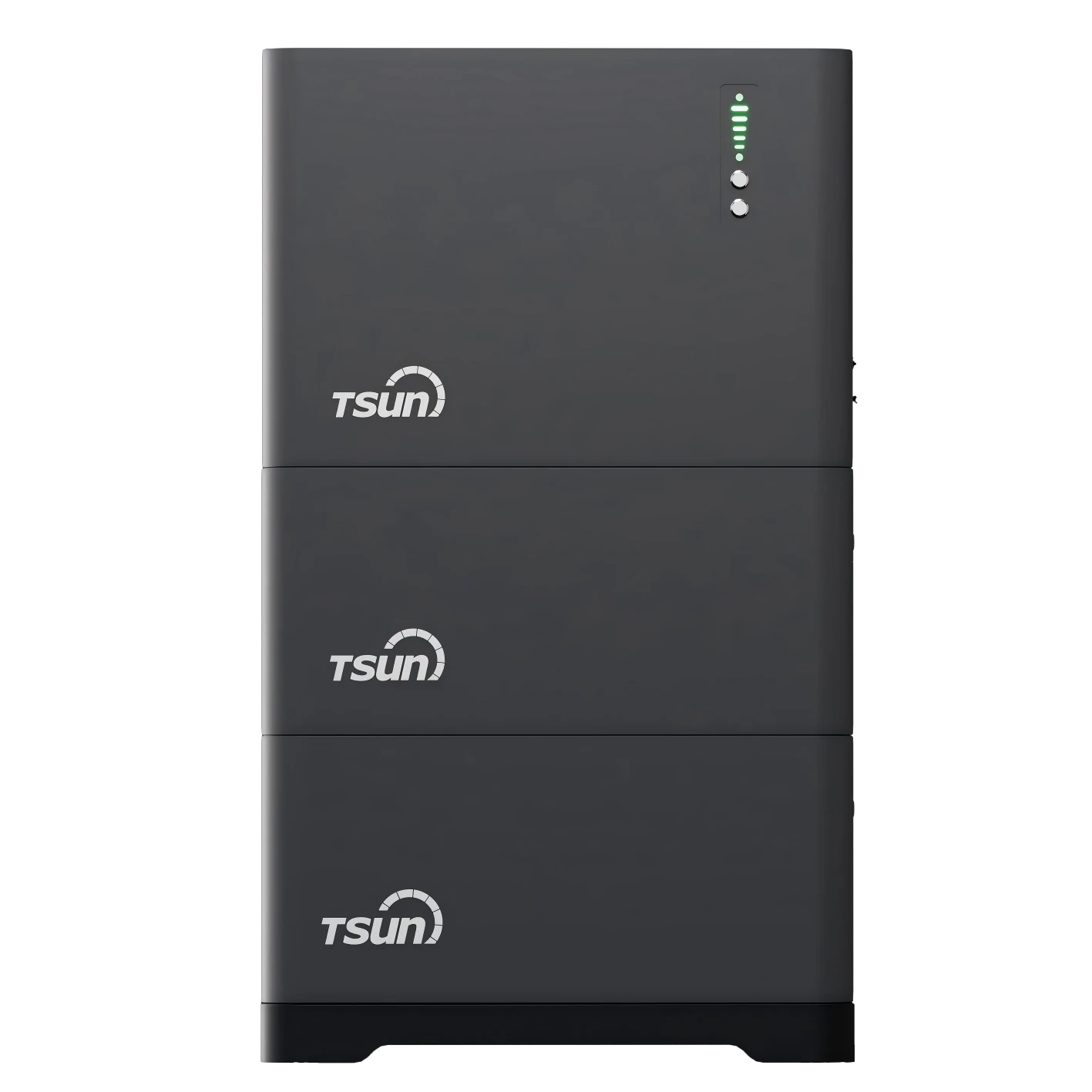
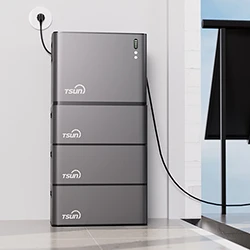
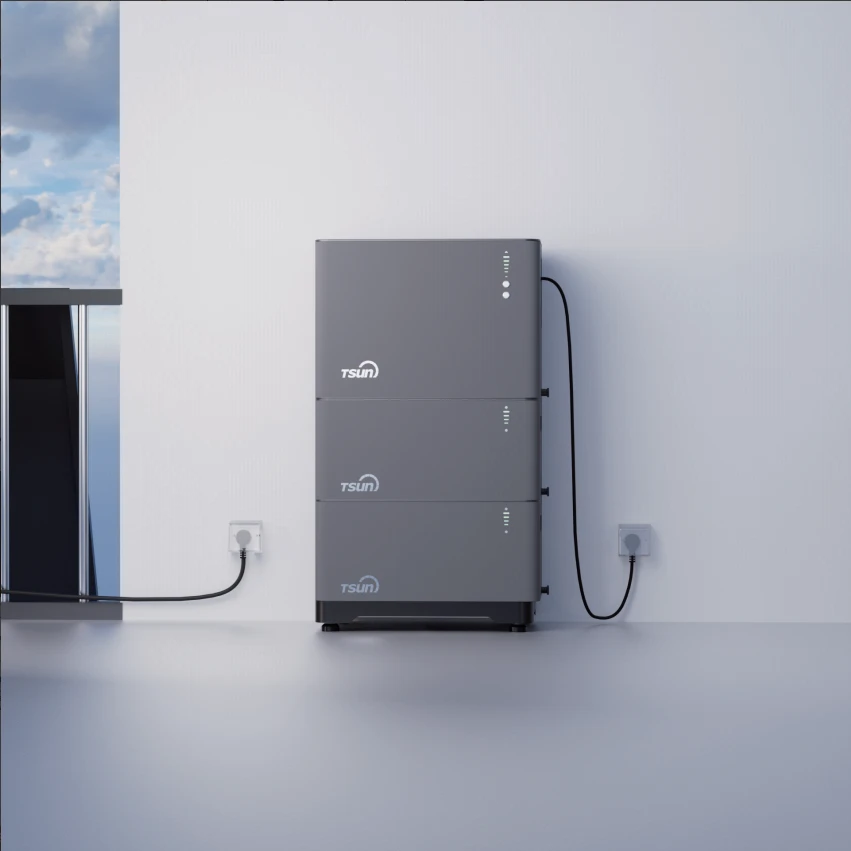
- Easy Scalability: Starts at a compact 2.01 kWh and stacks up to 10 kWh as your energy needs grow.
- AI-Powered Longevity: Built with premium LFP cells and an intelligent Battery Management System (BMS) that allows you to mix old and new battery expansions flawlessly.
- Zero Installation Fees: No drilling into your main electrical panel and no waiting weeks for an electrician.
Conclusion
Stationary energy storage is no longer a luxury for the ultra-rich. It is a proven shield that protects your home and slashes high electric bills. Because technology is now smarter and more modular, you have great options that don't require tearing apart your garage.
If you crave true energy freedom, act now. By choosing a smart, DC-coupled system like the TSUN SolarCan, you get safe LFP power, direct solar connections, and simple app controls—all without the hidden installation costs. Stop letting your daytime solar energy go to waste and take control of your power today!
FAQs about Stationary Energy Storage
Q1: What is the difference between traditional stationary storage and DC-coupled micro-storage?
Traditional stationary storage (AC-coupled) is usually heavy infrastructure that bolts to your wall, requires an electrician, and converts power back and forth from AC to DC. DC-coupled micro-storage, like the TSUN SolarCan, connects directly to your solar panels, prevents conversion losses, and can be installed via DIY plug-and-play.
Q2: What battery technology is best for home stationary energy storage?
Lithium Iron Phosphate (LFP) wins the residential category entirely. Older lithium-ion chemistries run hot and degrade faster. LFP stays thermally stable and allows you to drain and recharge the battery daily for over a decade.
Q3: Can stationary energy storage really cut my electricity bill?
Absolutely. It plays the utility pricing game for you. A smart system banks power when it is cheap (or when your solar panels are producing excess free energy). When evening rates spike, your house runs on the stored battery power, drastically reducing your utility charges.
Q4: Do I need a permit to install a home battery?
For traditional, massive whole-home backup systems that alter your main breaker panel, yes, you almost always need permits, utility approvals, and certified installers. However, plug-and-play balcony and micro-storage solutions designed to connect directly to microinverters often bypass these strict requirements, making them much faster and cheaper to deploy.







 LEARN DETAILS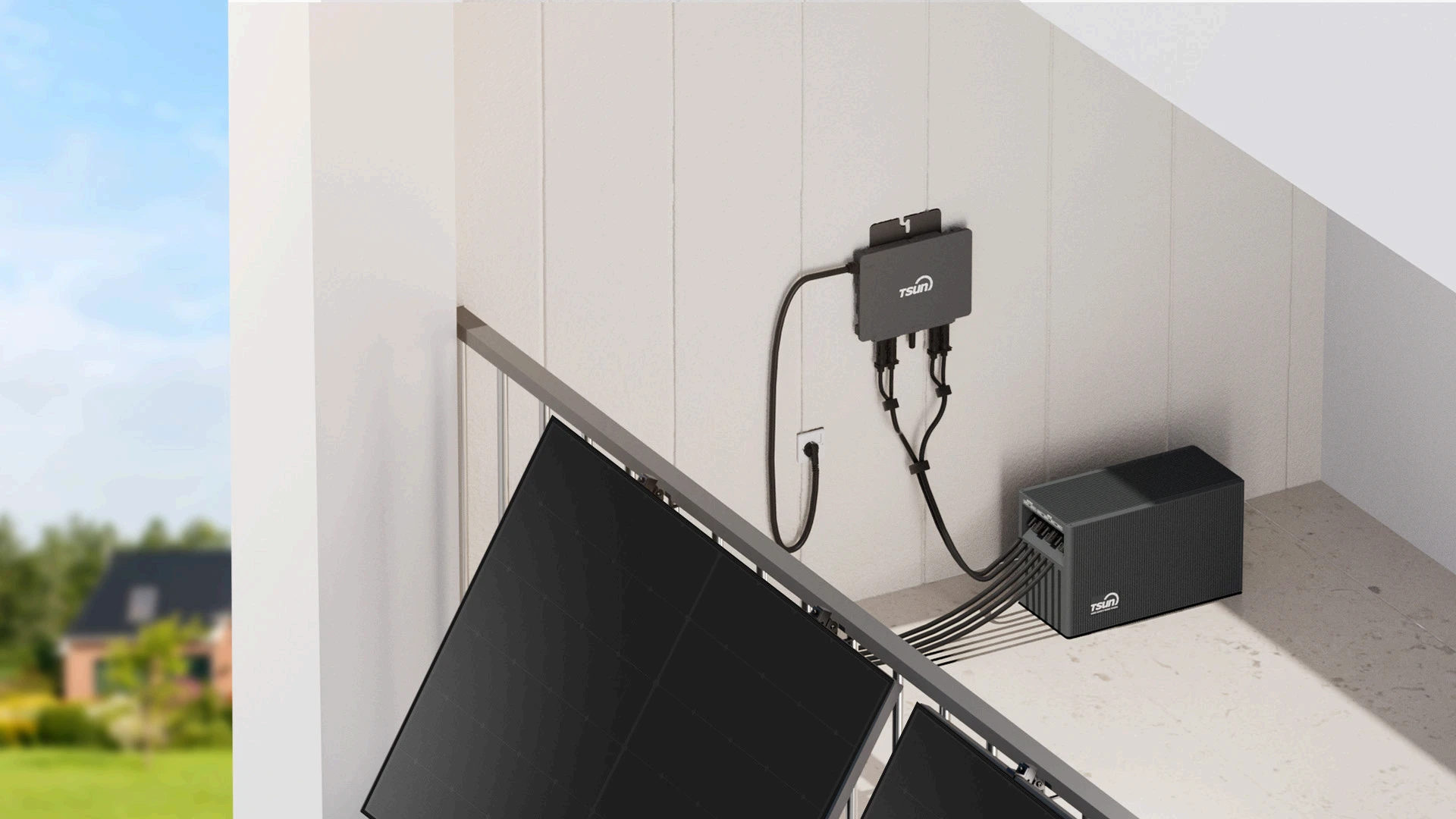
 Downloads
 Video Center
 Report Fault for Repair
 FAQS
FAQS Service Network
 Privacy Policy
 Contact Us
 Monitoring


 LEARN MORE