Why is Solar Energy Storage Expensive? Simple Ways to Cut Costs
Wondering why traditional solar energy storage is so expensive? Simply put, the heavy battery cells, complex smart electronics, and steep installation labor stack up fast. Yet, there is great news. Technology is evolving, modular solutions are hitting the market, and local incentives can still shrink your bill. Plus, a reliable battery acts as a powerful safety net during blackouts and peak pricing hours.
While the global energy storage market is projected to skyrocket over the next decade, upfront sticker shock still keeps many families from making the leap. Here, we break down the true cost of solar energy storage and show you smart, modern ways to save cash today.
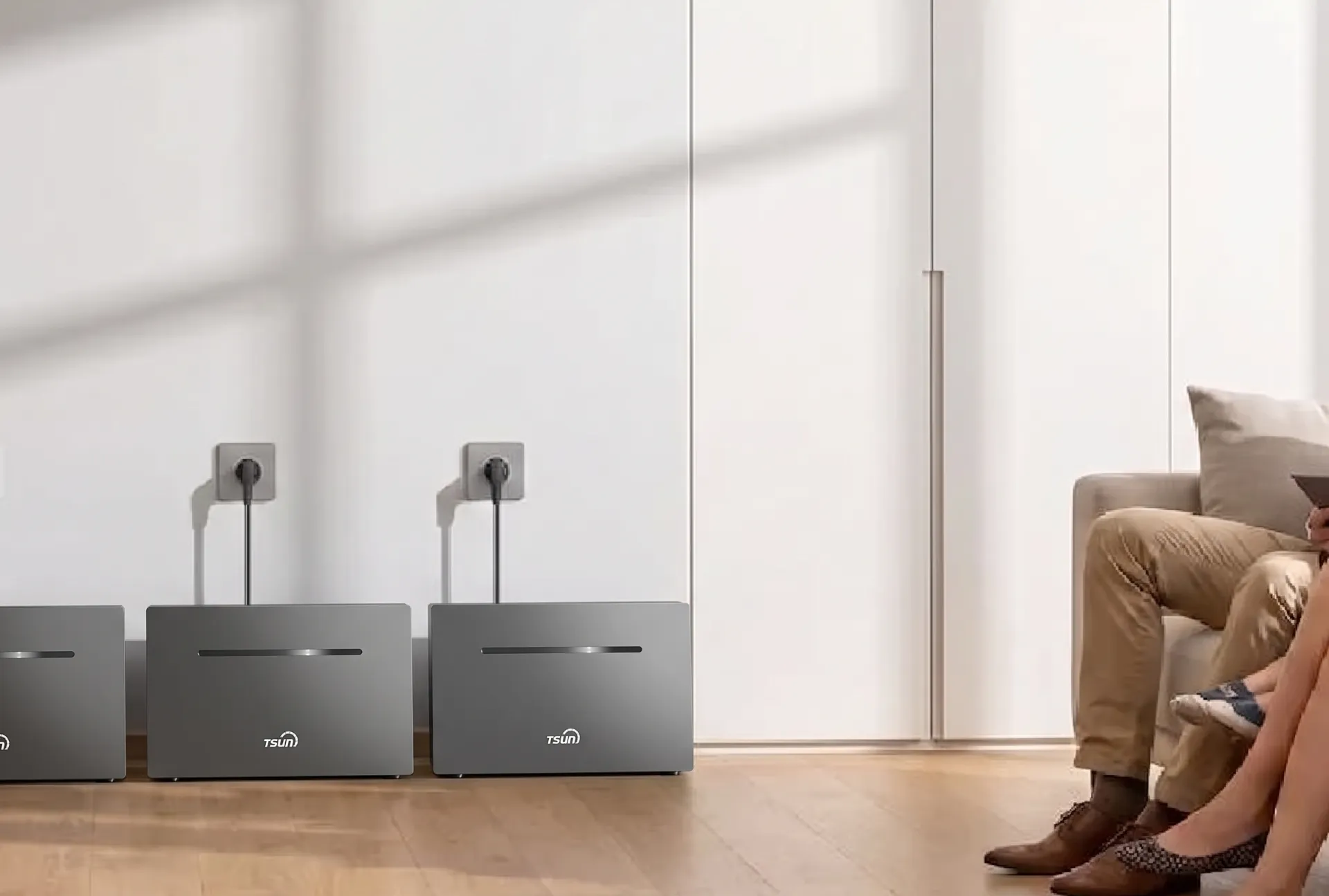
Why is Solar Energy Storage Expensive?
To understand the high price tag of traditional systems, you have to look at the entire journey. It takes a massive effort to get raw materials from the earth into a sleek box on your wall.
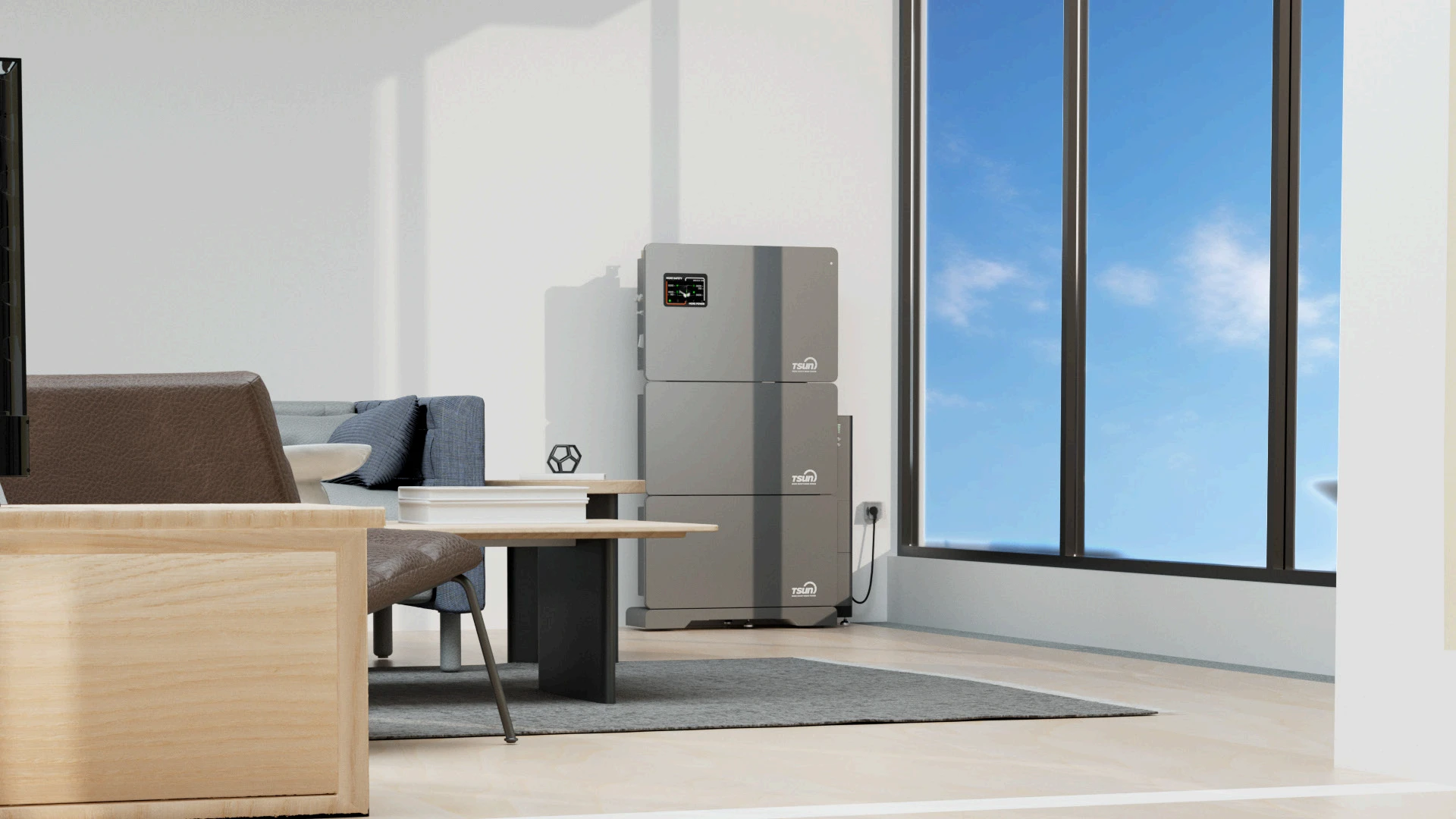
Here is a simple breakdown of what drives up solar energy storage costs:
- Rare Earth Metals & Chemistry: The heart of the system relies on materials like lithium. They are tough to extract and pricey to refine. Upgrading to safer, longer-lasting chemistries like Lithium Iron Phosphate (LiFePO₄) provides 6000+ cycles but adds to the baseline hardware cost.
- Smart Brains and Bridges: Your solar panels catch DC power, but your house runs on AC. Every battery pack requires an inverter bridge and a sophisticated computer brain (Battery Management System) to prevent overheating and optimize energy flow. These essential safety features easily add to the bill.
- Hidden "Soft" Costs: You are never just buying the hardware. With traditional wall-mounted systems, you are paying for licensed electricians to safely wire your home, upgrade breaker panels, and navigate local city hall permit fees.
Even though battery gear costs have dropped sharply, a traditional setup still requires a serious investment. Here is what typical whole-home systems look like today before local incentives:
| System Size | Installed Cost (Before Incentives) |
|---|
| 5 kWh | USD 5,000 – USD 7,000 |
| 10 kWh | USD 9,000 – USD 13,000 |
| 13.5 kWh | USD 12,000 – USD 16,000 |
The bright side? The future of home power is becoming highly adaptable, especially with new plug-and-play and DC-coupled technologies that eliminate many of those hidden soft costs.
Is Solar Energy Storage Worth the Investment?
Writing that check can sting, but look at our aging power grid. It groans under pressure like an over-packed highway. For many households, the initial price tag makes practical sense when viewing the long game.
Here is the everyday reality of living with home storage:
- Dodging Peak Rates: Utility companies hike prices when everyone gets home—rush hour for electricity. A battery lets you bypass this trap. You soak up free daylight, then spend that stored sunshine after dinner.
- Maximizing Self-Consumption: Without a battery, any solar energy you don't immediately use often gets sent back to the grid for pennies. Storage ensures you use 100% of the power you generate.
- Beating the Blackouts: When neighborhood lights flicker and die during extreme weather, a battery keeps your critical devices alive.
- A Cleaner Backyard: Every drop of stored power means less reliance on distant, dirty power plants.
Factors That Affect Your Costs
Nobody pays the same price. The final bill is a moving target shaped by the unique quirks of your property and the hardware you choose:
- Capacity Limits: Buying a massive 15 kWh battery to run every single appliance gets expensive fast. Most folks just need enough capacity to cover their evening load and keep essential devices running.
- The Inside Chemistry: LiFePO₄ (Lithium Iron Phosphate) cells cost a bit more out of the gate but last significantly longer, run cooler, and are much safer than older lithium-ion variants.
- Electrical Bones & Sweat Equity: Upgrading an outdated breaker panel or running new conduit adds thousands of dollars in electrician fees to traditional setups.
- Starting Point (Retrofitting vs. New): Tacking an AC-coupled battery onto a system you already own often requires replacing your inverter. However, choosing a DC-coupled system allows you to upgrade your existing setup seamlessly.
The Game Changer: TSUN SolarCan (DC Coupled Unit)
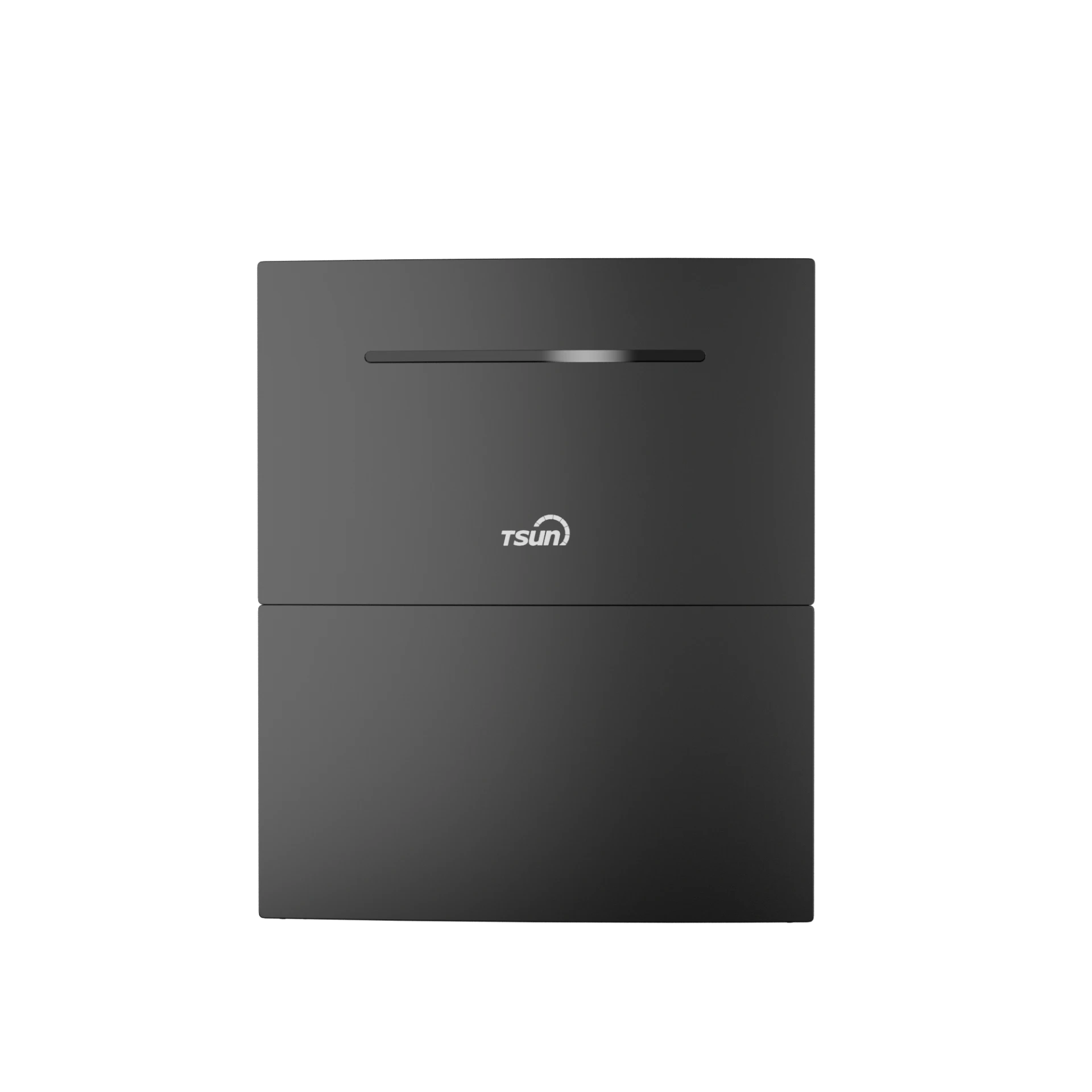
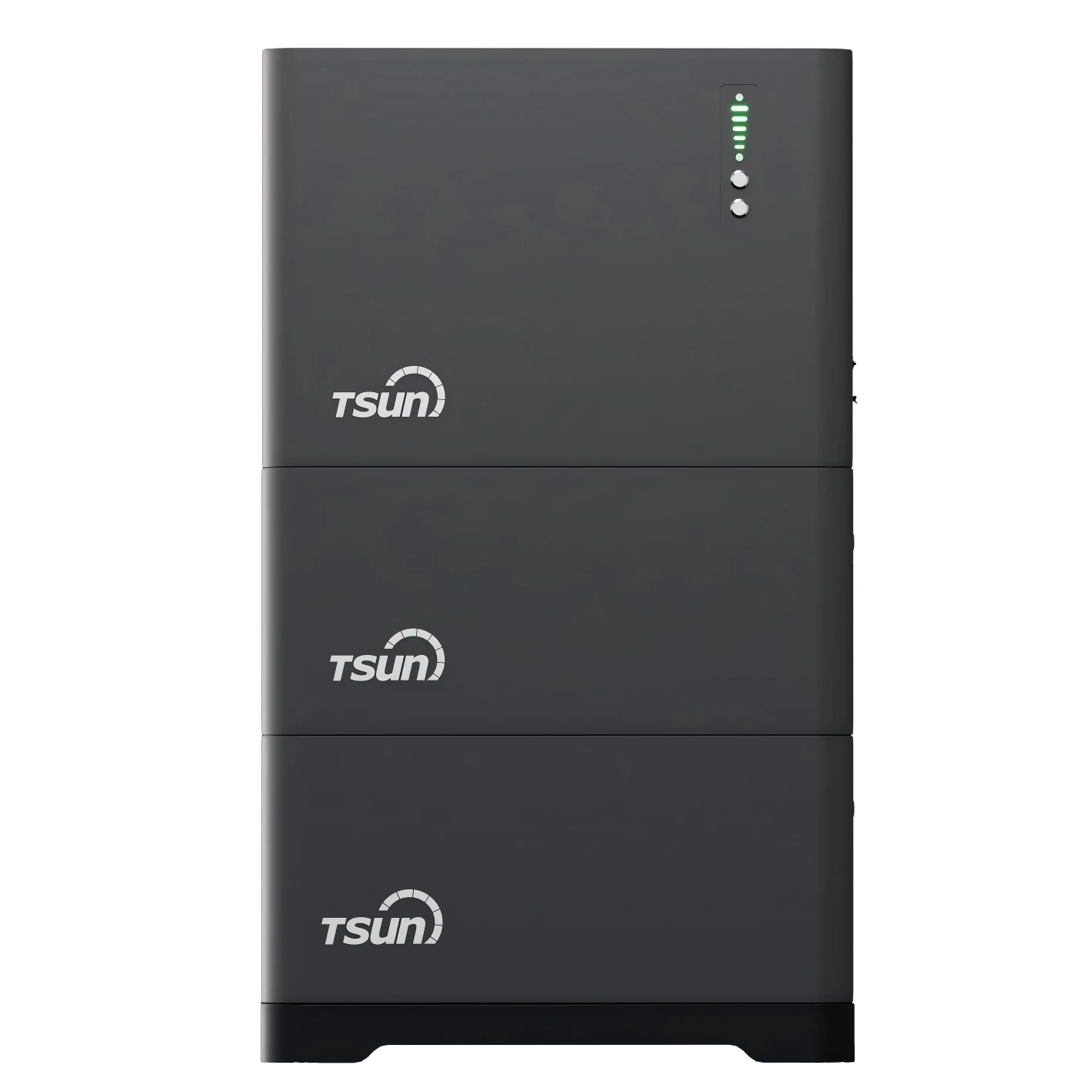
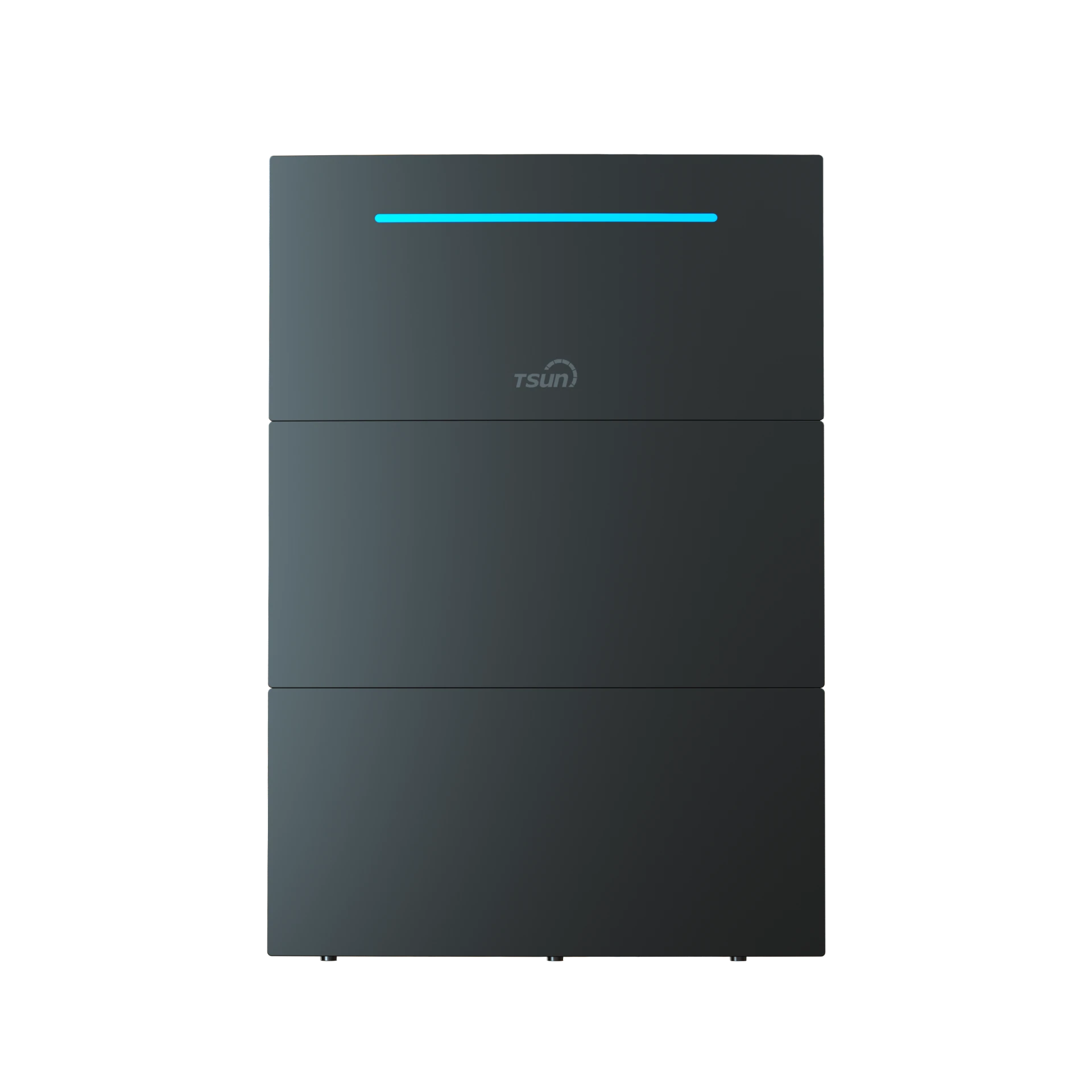
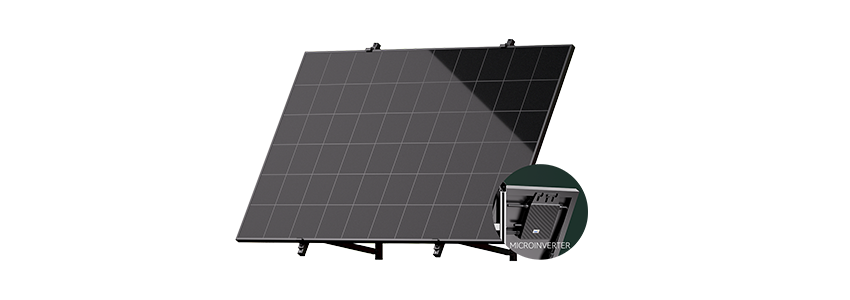
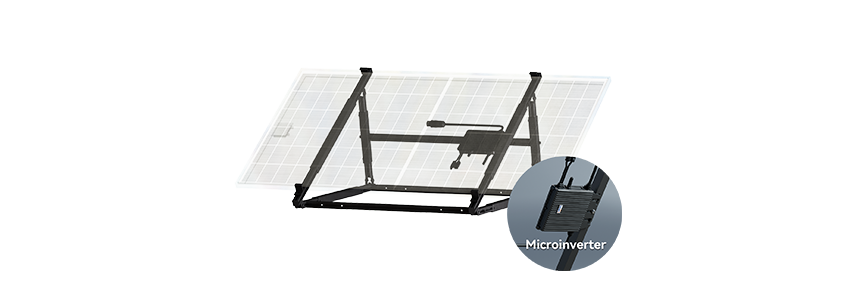
You don't need a massive, $15,000 wall-mounted system to achieve energy independence. If you already have a microinverter setup or a balcony solar plant, the TSUN SolarCan (DC Coupled Unit) is the ultimate practical choice to slash your energy storage costs.
Instead of dealing with costly rewiring and expensive electricians, the SolarCan offers a 100% Plug & Play retrofit solution. It installs directly between your PV modules and your existing microinverter in minutes.
- DC-Coupled Efficiency: It stores energy directly at the DC stage, minimizing the power conversion losses common in traditional AC-coupled alternatives.
- Massive Input: Efficiently captures up to 2400W with 4 PV inputs.
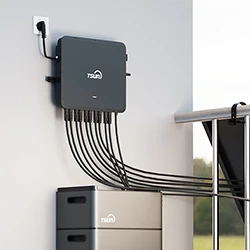
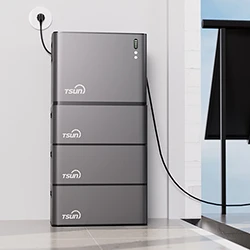
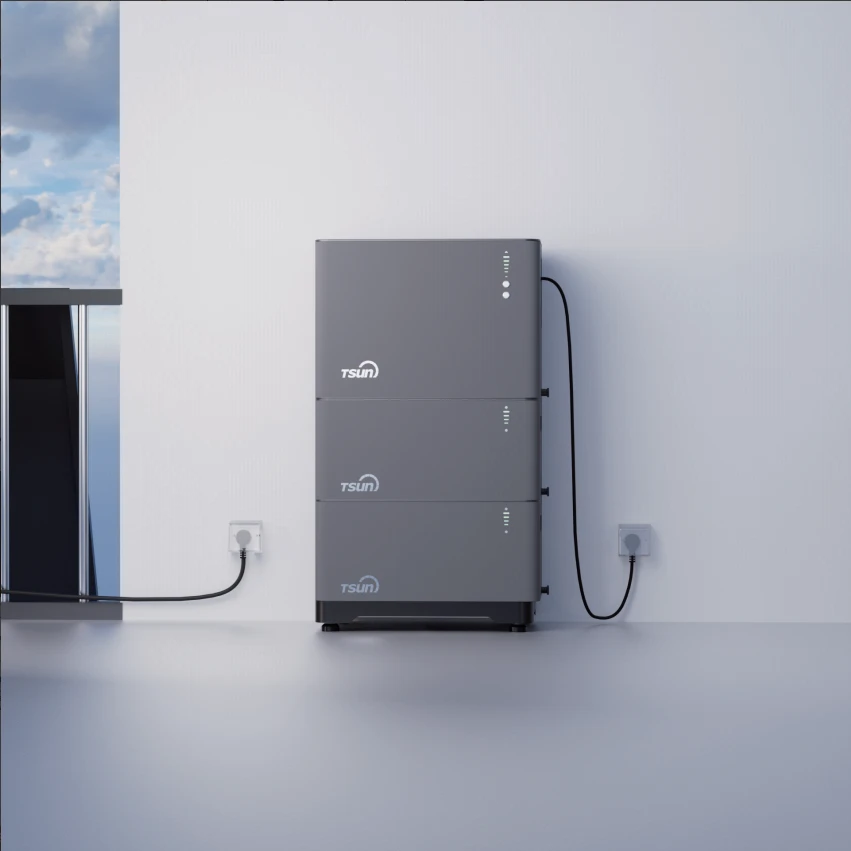
- Scalable Modularity: Don't overpay for capacity you don't need. Start with a compact 2.01 kWh system and seamlessly expand up to 10 kWh as your household needs grow.
- AI-Powered Battery Optimizer: TSUN’s proprietary technology allows you to mix old and new battery expansions without compatibility issues, maximizing the lifespan of your LiFePO₄ cells.
How to Reduce Solar Energy Storage Costs
You have real options to shrink that sticker price. Slashing these expenses just requires a bit of strategy:
- Skip the Electrician with Plug & Play: Labor and permits make up a huge chunk of solar storage costs. By choosing a modular, plug-and-play system like the TSUN SolarCan, you completely bypass professional installation fees.
- Hunt for Local Money: While the massive 30% federal tax credit in the US expired at the end of 2025, many regions, states, and European municipalities still toss serious money your way to support balcony solar and residential storage. Call your local electric company to uncover hidden rebates.
- Pack Light & Scale Up: You do not need to power your entire house on day one. Start with a smaller 2 kWh system to cover your evening baseline load. Because modern units are modular, you can always buy an expansion battery next year.
- Opt for DC-Coupled Retrofits: If you already have solar panels, do not buy a system that forces you to replace your perfectly good microinverters. DC-coupled units integrate with what you already own.
Conclusion
Now you know exactly why traditional solar energy storage is expensive. Rare metals, smart computers, and heavy installation labor stack up like bricks. Yet, the landscape is changing fast.
By understanding your actual energy needs and leveraging modular, plug-and-play tech like the TSUN SolarCan, you can completely bypass the high soft costs of traditional solar storage. Don't let your daytime solar generation go to waste—upgrade your system today and start powering your home through the night.
FAQs about Solar Energy Storage
Q: Is solar energy storage expensive?
Traditional 13.5 kWh wall-mounted systems are heavy on the wallet, often costing upwards of USD 15,000 due to labor, permits, and inverter upgrades. However, new modular, plug-and-play solutions have drastically lowered the barrier to entry, allowing you to start storing power for a fraction of that cost.
Q: AC-Coupled vs. DC-Coupled: Which is better for an existing system?
If you already have a microinverter setup (like a balcony power plant), a DC-coupled unit is usually vastly superior. It stores energy directly from the solar panels before it gets converted to AC, which prevents energy loss and eliminates the need to replace your current microinverter.
Q: Can I install a solar battery myself?
For traditional whole-home AC batteries? No. You need a licensed electrician. However, modern micro-storage systems like the TSUN SolarCan are specifically designed for DIY plug-and-play installation. You simply connect the cables between your panels and your microinverter in a few minutes.
Q: What is the biggest drawback of solar panels?
Panels only catch power when the sun shines. To stop relying on the grid at night, you must buy a storage battery. While this used to require a massive upfront investment, scalable micro-storage options now allow you to solve this problem without breaking the bank.







 LEARN DETAILS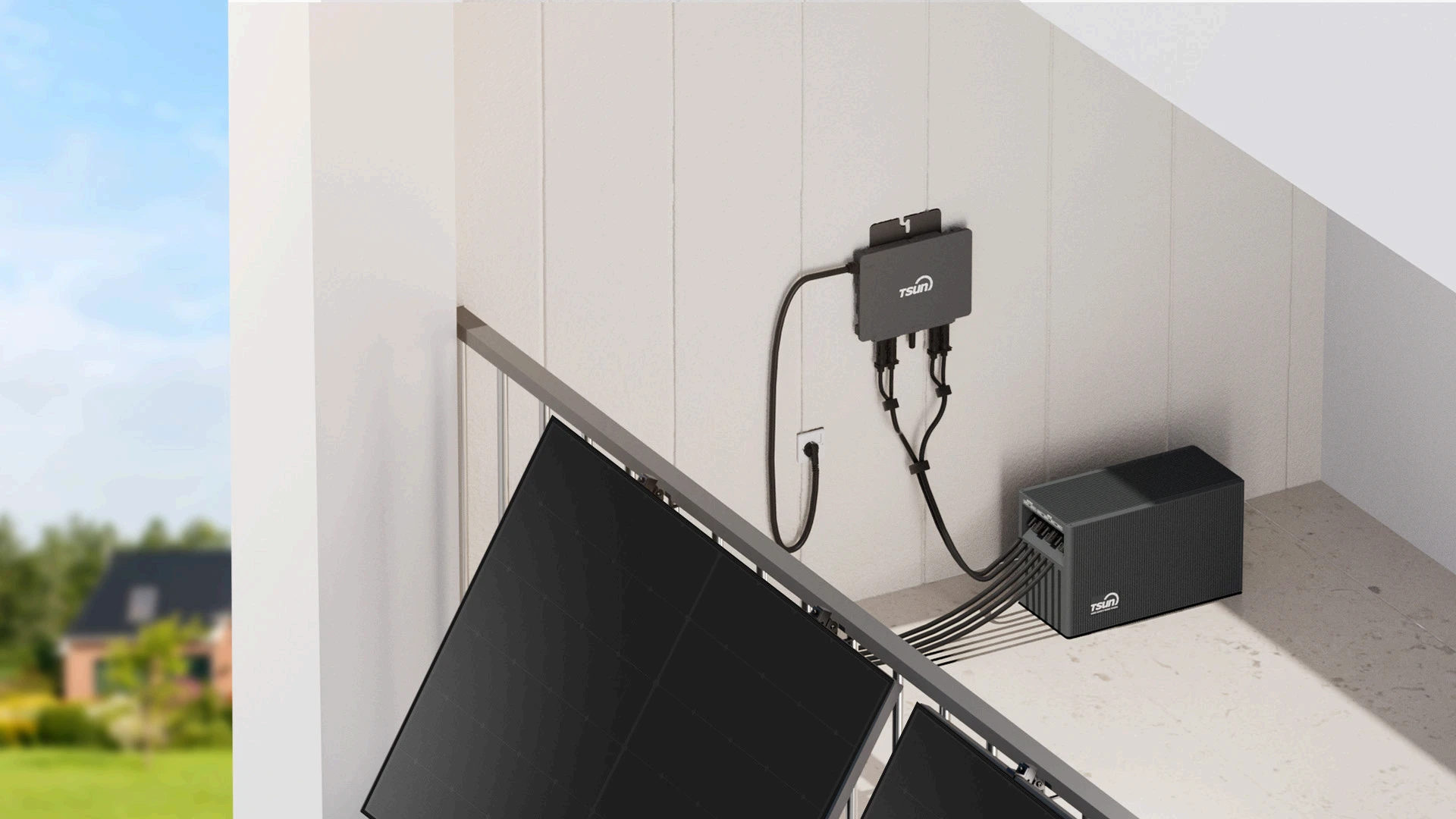
 Downloads
 Video Center
 Report Fault for Repair
 FAQS
FAQS Service Network
 Privacy Policy
 Contact Us
 Monitoring


 LEARN MORE