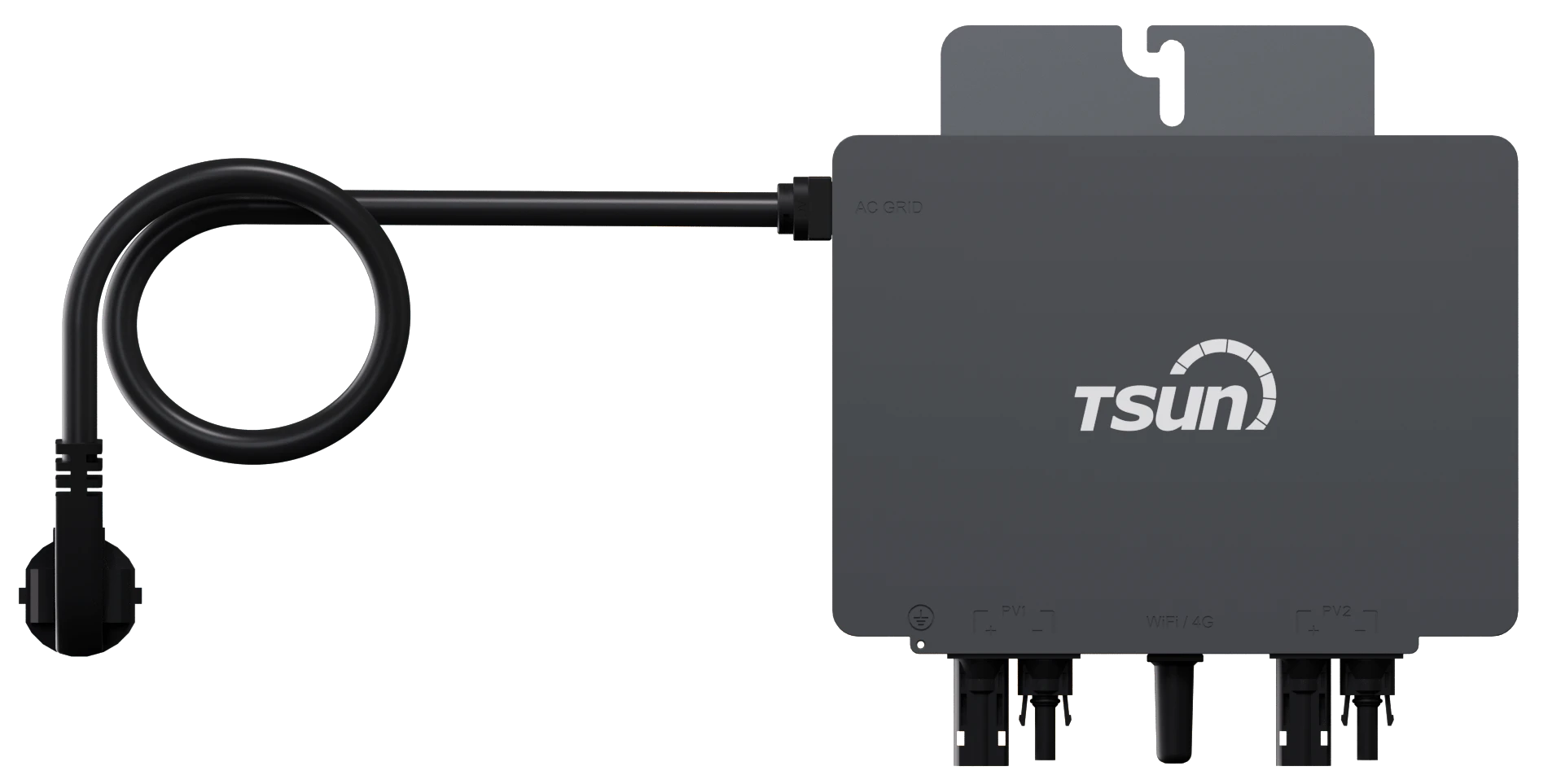
The TITAN inverter range is built for photovoltaic systems that need more output from a single microinverter. The TSOL-MP2250, TSOL-MP3000, and TSOL-MS3000 variants differ in module range, voltage limits, current limits, output power, dimensions, and weight.
What is the TITAN inverter designed to do?
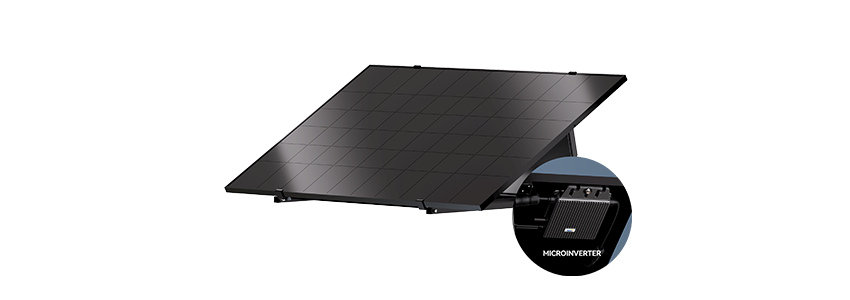
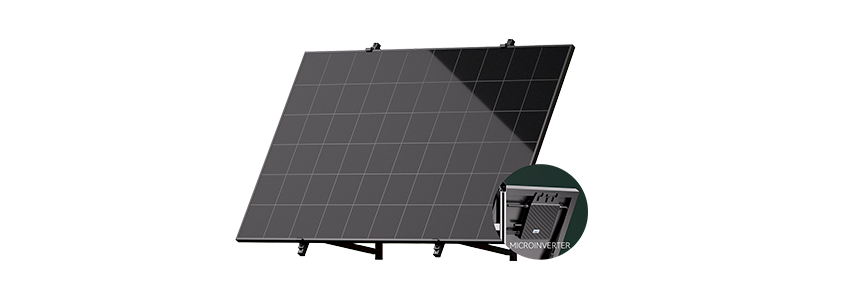
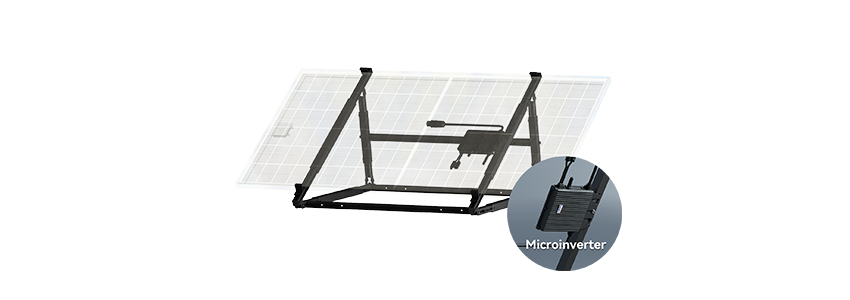
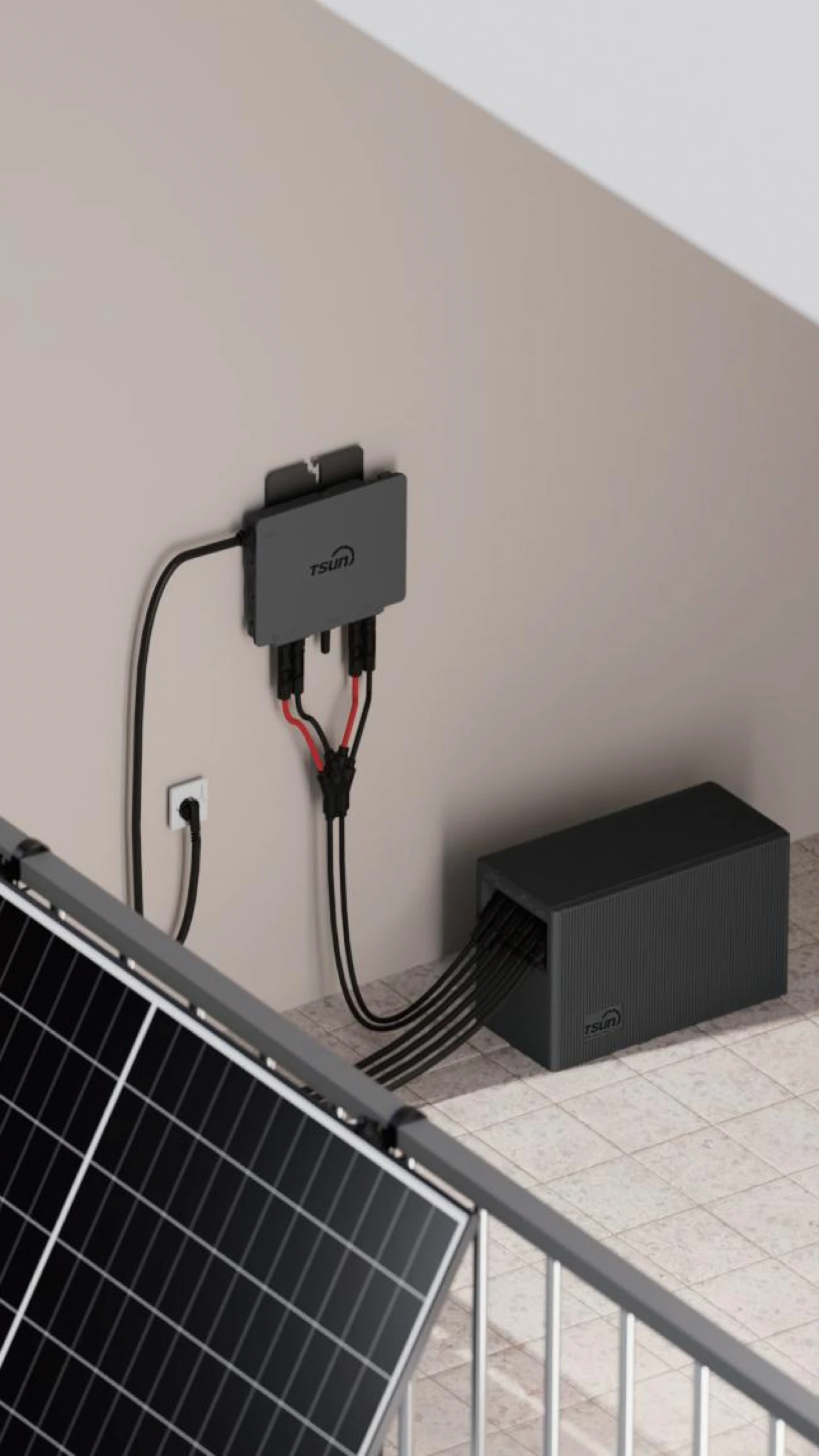
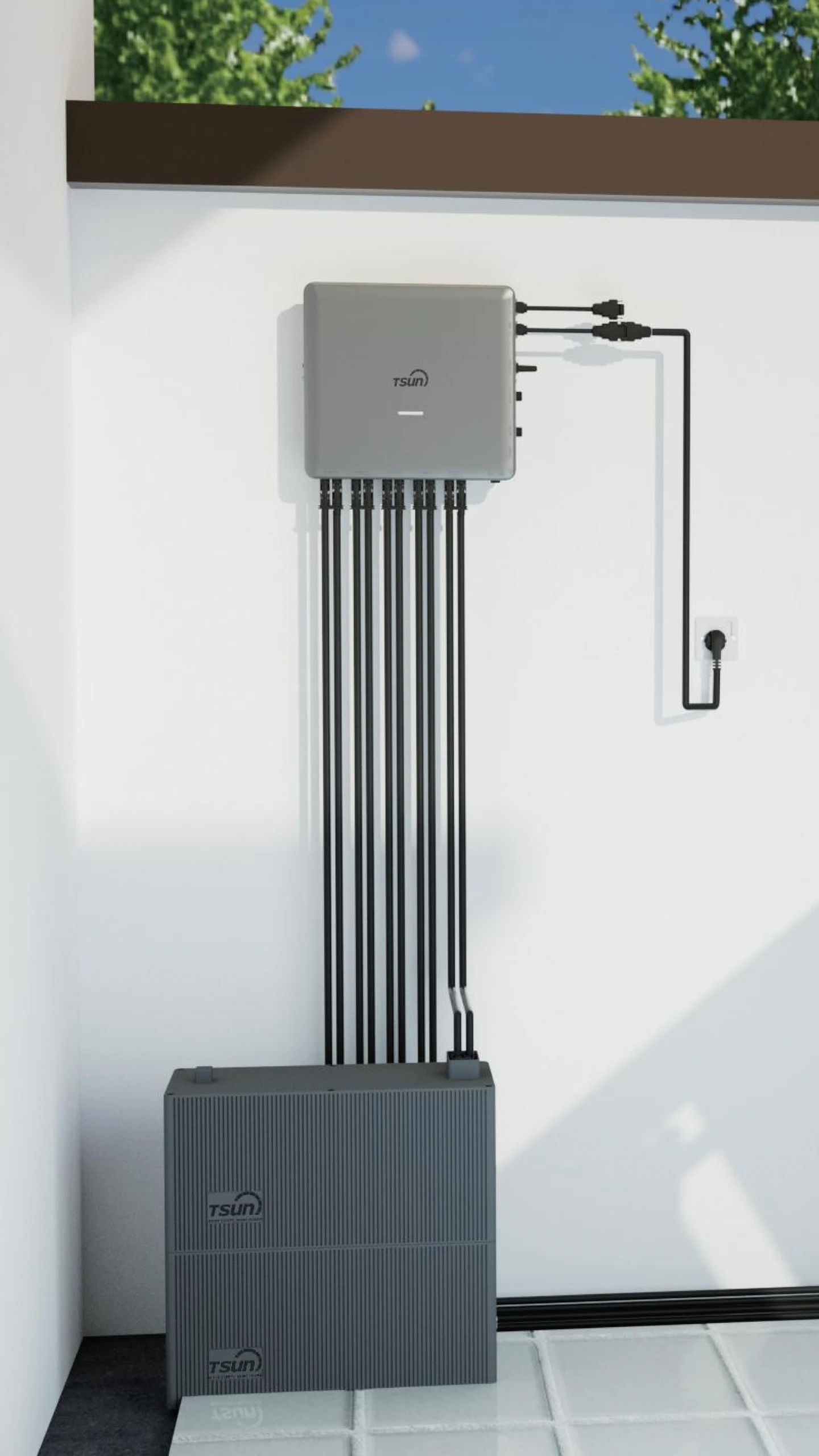
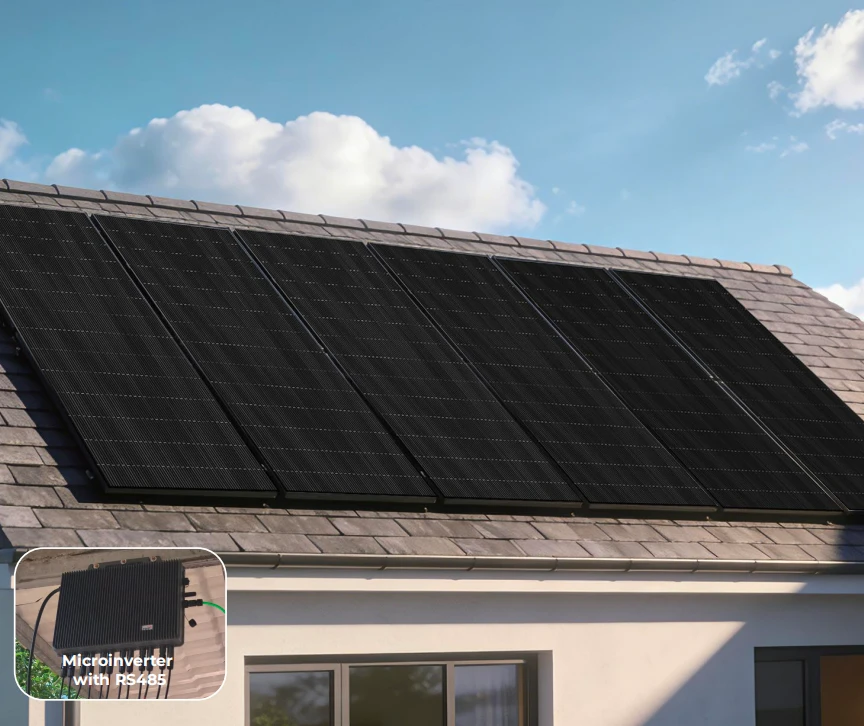
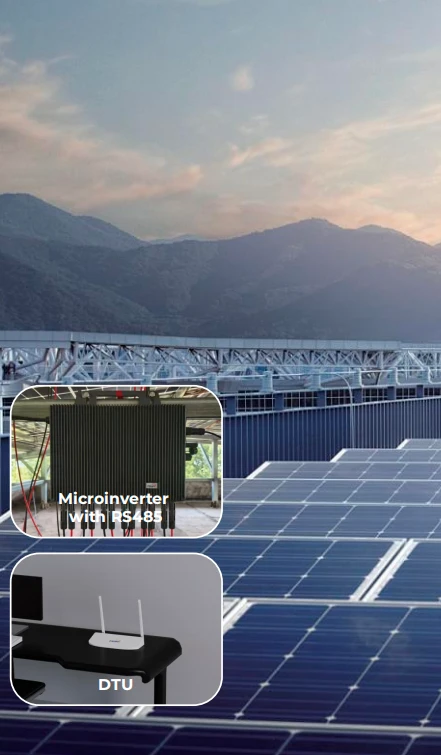
The TITAN Microinverter 2250W-3000W is designed for high-power photovoltaic systems. It can support up to six high-power panels at once, with maximum output power up to 3000W. Installed near the solar modules, each inverter is responsible for its connected modules. This arrangement suits small systems and module areas with partial shading because the inverter works with the panels connected to it.
What is the difference between the 2250W and 3000W versions?
The TSOL-MP2250 has a nominal continuous output power of 2250W and a recommended module power range of 300-600+W. The TSOL-MP3000 and TSOL-MS3000 each have a nominal continuous output power of 3000W, with a recommended module power range of 400-700+W.
The two 3000W variants use different input ranges. TSOL-MP3000 has an MPPT voltage range of 18-60V, a maximum input voltage of 60V, and a maximum input current of 18.5A. TSOL-MS3000 has an MPPT voltage range of 22-120V, a maximum input voltage of 120V, and a maximum input current of 15A. Match the selected model to the module electrical data before specifying the system.
How many solar panels can one TITAN inverter support?
One TITAN inverter can support up to six high-power panels. The exact design still depends on the chosen model and the panels' electrical values. For example, the TSOL-MP2250 is paired with modules in the 300-600+W range, while the TSOL-MP3000 and TSOL-MS3000 are paired with modules in the 400-700+W range.
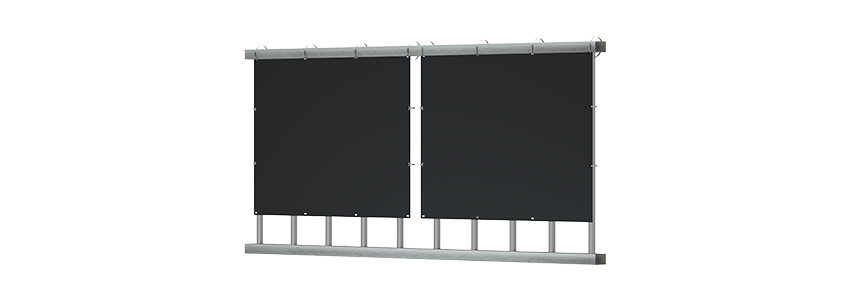
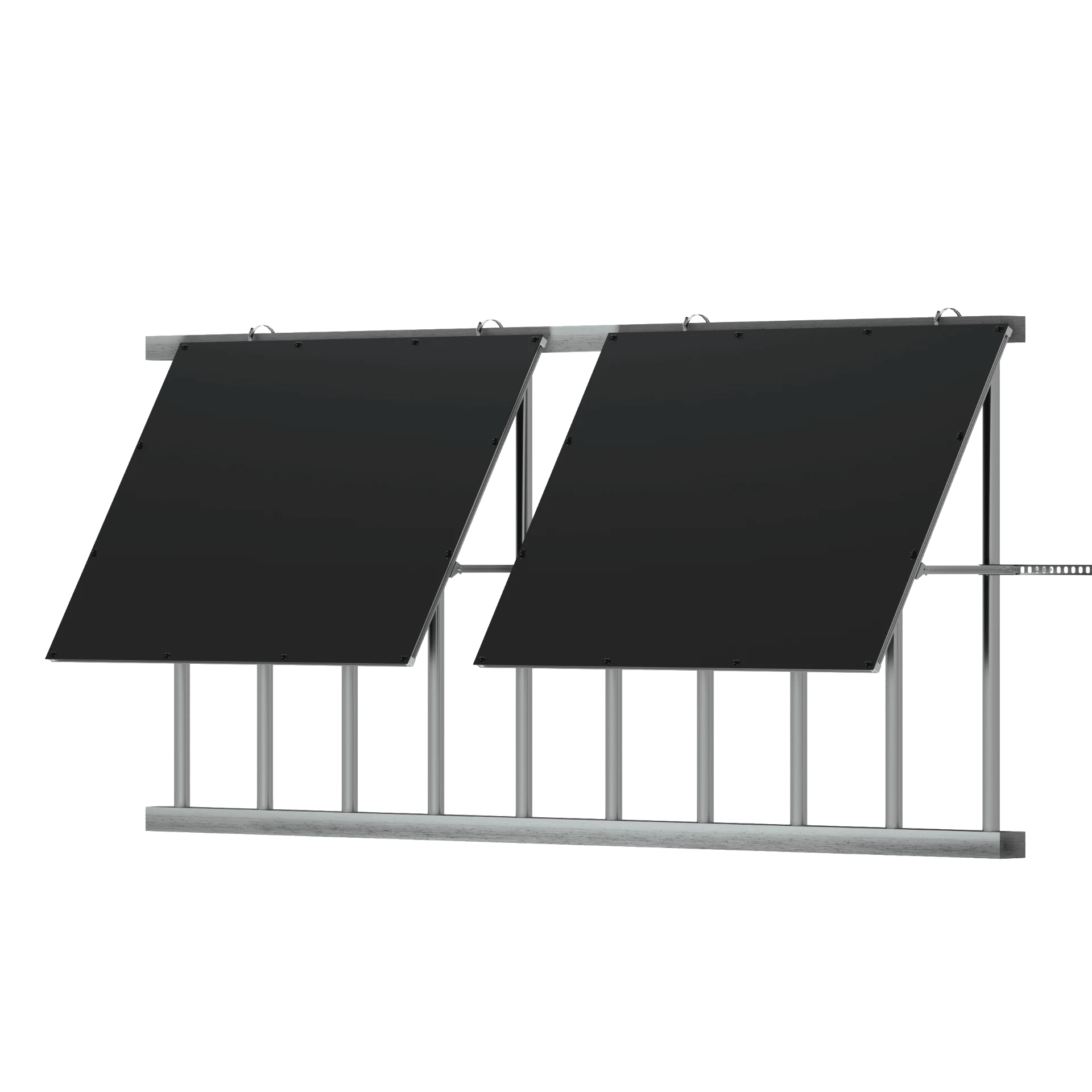
For a layout with partial shading, picture the inverter installed close to its connected modules in the shaded area near the solar array. Plan the panel grouping and check the voltage, current, and short-circuit current for each connection before ordering.
What input limits should buyers check?
The input limits vary by model:
- TSOL-MP2250: 18-60V MPPT range, 60V maximum input voltage, 18.5A maximum input current, and 20A maximum input short-circuit current.
- TSOL-MP3000: 18-60V MPPT range, 60V maximum input voltage, 18.5A maximum input current, and 20A maximum input short-circuit current.
- TSOL-MS3000: 22-120V MPPT range, 120V maximum input voltage, 15A maximum input current, and 16A maximum input short-circuit current.
Use the panel datasheet and the intended panel grouping to check these values. A buyer preparing a quote should send the module model, rated power, voltage, current, and short-circuit current together with the number of panels.
How large and heavy is the TITAN inverter?
The TSOL-MP2250 measures 353 × 294 × 60 mm and weighs 6.4 kg. The TSOL-MP3000 measures 353 × 294 × 60 mm and weighs 7.2 kg. The TSOL-MS3000 measures 353 × 294 × 60 mm and weighs 6.8 kg.
These dimensions and weights help with mounting and array planning. Measure the available mounting area and allow for the installation arrangement around the solar modules before finalizing the equipment quantity.
Is the TITAN inverter suitable for household or commercial photovoltaic systems?
The TITAN Microinverter 2250W-3000W is described for both commercial and household photovoltaic applications requiring high power output. Select the model according to the solar module electrical data, required output, and the physical space available near the array.
For a procurement review, prepare the application type, panel quantity, panel specifications, proposed grouping, and mounting dimensions. These details give the supplier the information needed to assess the requested configuration.







 LEARN DETAILS
 Downloads
 Video Center
 Report Fault for Repair
 FAQS
 Service Network
 Privacy Policy
 Contact Us
 Monitoring





 LEARN MORE